

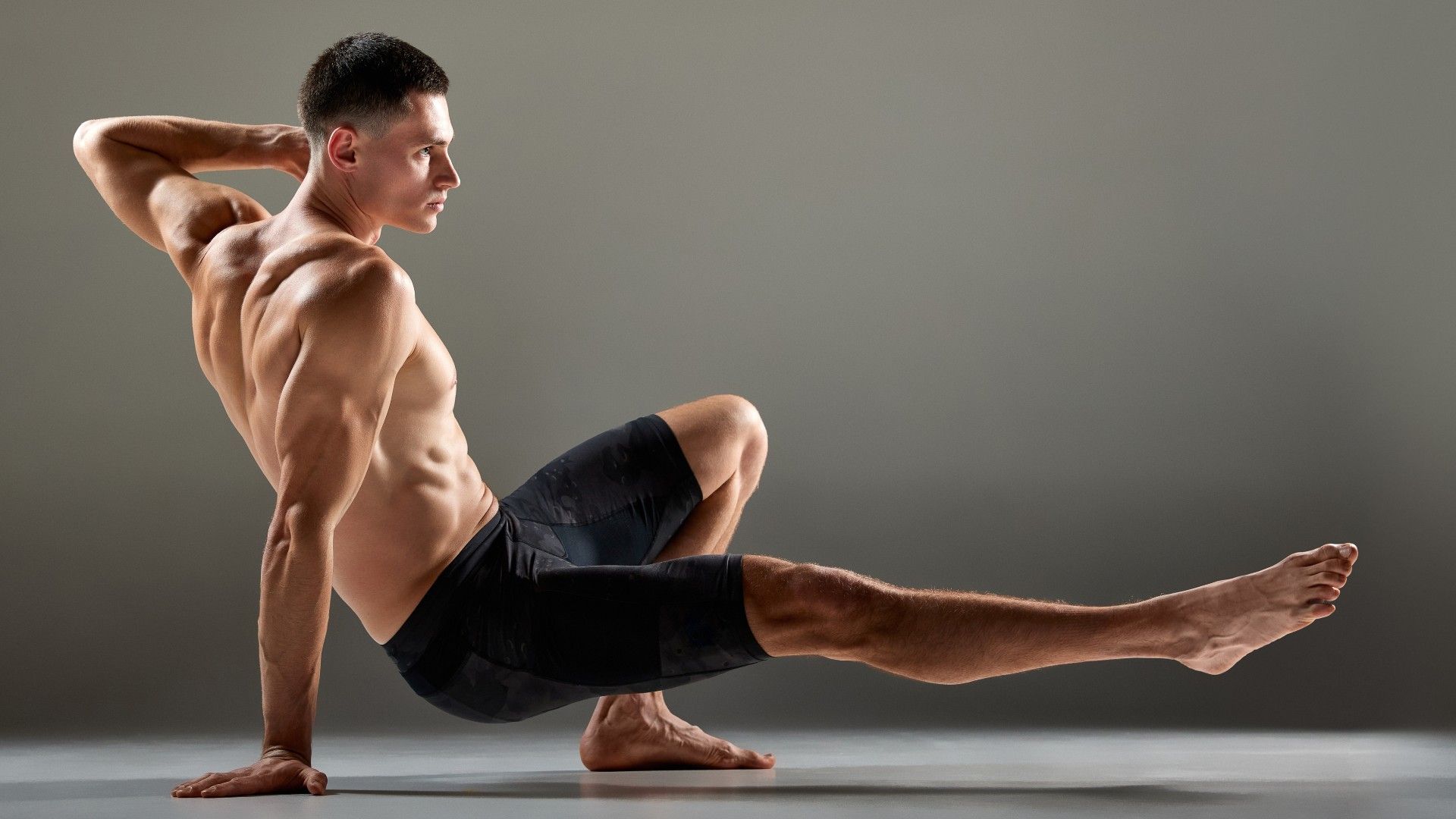
You may have heard of animal flow and primal movement; this popular exercise form combines bodyweight exercises into a sequence or flow, a bit like strength training meets yoga.
And getting adults to exercise more like animals is proving pretty popular as a way to improve mobility and build functional strength, which means it’s also good for your bones, joints and ligaments.
And all you need is your body and the ground to give it a go. You could also use one of the best yoga mats, but this is optional. Read on to find out more, plus three must-try moves you can do yourself.
What is animal flow?
AnimalFlowinvolves a floor-based style of bodyweight training that mimics animal poses and how they move, like crawling, pouncing and squatting.
There are multiple layers to official animal flow routines, including wrist mobilizations, “activations” (a bit like a warm-up), form-specific stretches (for mobility and flexibility), “traveling forms,” which include animal locomotive movements, and switches or transitions that allow you to develop a flow.
Why strength coaches are making adults exercise like animals
A study by Animal Flow and Dr. Jeffrey Buxton looked at the effects of a “quadrupedal movement” training (QMT) program on functional movement, range of motion, muscular strength and endurance. QMT is a bodyweight training program that incorporates animal poses, transitions, and crawling patterns. Researchers found improvements in whole-body stabilization, flexibility and range of motion.
True animal flow is a bit like an art form, but many strength coaches are drawing inspiration from the style to inform their clients’ programs and improve how well they move.
It’s the definition of functional training because it helps improve flexibility, functional strength, movement quality and mobility, all while making your body more injury-resistant.
Moving in a primal way also reconnects you with a sense of grounding, improving connection with body, breath and mind and accessing the inner animal that exists within everyone. In other words, it looks and feels natural and innate. This can also act as a form of mindfulness through finding a flow state. And most importantly, it’s fun.
Being in contact with the ground and continuously moving means you also increase balance, coordination, stability, range of motion and proprioception in all planes of motion.
Over time, adding primal movement into your routine, whether that’s as a workout or a warm-up routine, should help you build better strength and control.
One study even found improvements in cognitive function and working memory following meditative movement. Rhythmic motion can be therapeutic for the nervous system, helping relieve stress.
3 moves to try
- Loaded beast: The move targets your hips, glutes, quads, hamstrings, calves, arms, shoulders, chest and core as you move forward and backward horizontally. It also develops lower-body mobility, targeting the hips, knees and ankles, and testing range of motion and shoulder stability. Think of a coil ready to spring as you sit your butt back, allowing you to load power.
- Cat crawl: Crawling develops reflexive strength and coordination, teaching your body to recruit both sides and your upper and lower body to work together. Your core will be working hard throughout.
- The frog:Frogbuilds upper-body strength and foundational pushing power. It will improve hip mobility, improve control and help you develop the skills needed for yoga poses like handstand and crow.
FollowTom’s Guide fitnesson Instagram for more workouts, routines, tips, and tricks.
- Forget sit-ups, this 3-move ab workout chisels concrete core muscles in just15 minutes
- I did the standing dead bug ab exercise every day for a week, here are my results.
- Forget the weights, this ‘5-4-3-2-1’ bodyweight workout builds full-body functional strength and takes just 15 minutes
