


Cached files are meant to reduce repeat work, so clearing them can actually be counter-productive.
Clearing cached data has become a catch-all troubleshooting tip people recommend whenever a phone, computer or streaming device feels slow. While this can help sometimes, cached data isn’t inherently bad for performance. A cache exists so software can reuse information instead of downloading or rebuilding it every time.
If that stored data is causing a problem or taking up storage you need elsewhere, clearing it can help. If not, you’re deleting information the program may immediately have to fetch or recreate, which is a waste of time.
Your cache is supposed to save your device work
<img src="https://www.engadget.com/img/gallery/why-clearing-cache-wont-always-speed-up-your-devices/your-cache-is-supposed-to-save-your-device-work-1787585288.webp" alt='Close-up of an Android phone showing a “Delete data” button in app storage settings.’ loading=”lazy”>
A cache is temporary storage for information that software expects to use again. In a browser, that can include copies of images and other parts of a webpage. Rather than downloading the same resources every time you return, the browser will reuse what it already stored, which makes repeat visits faster.
Apps use the same basic idea, although what they cache varies. A music streaming app might cache playlists you listen to frequently so they’re ready to go immediately, while a social media app may cache thumbnails and profile pictures from pages you’re visited recently. Holding this temporary information saves them from fetching or recreating it every time you open the app.
A large cache isn’t automatically evidence that something is wrong. In many cases, that stored data is doing exactly what it was designed to do. There also isn’t one universal cache shared across your device. A browser cache, an individual app’s cache and system-level caches can serve different purposes and are cleared in different ways. Treating all of them as disposable clutter misses why they exist in the first place.
Clearing cache can slow performance down before it helps
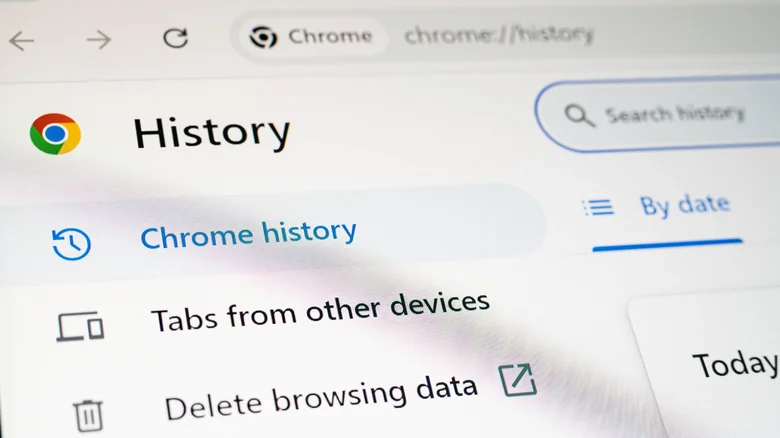
Deleting cached data removes the “shortcut” it provides. Apps and the operating system can build the cache again, but they first have to retrieve or recreate what you removed.
Google makes that trade-off explicit in its guidance for clearing Chrome’s cache and cookies. Some websites can seem slower after clearing cache since heavy content, such as images, has to load again. For Android, Google gives a similar warning: some apps may be slower the next time you open them after clearing their cache.
That doesn’t mean clearing a cache is useless. If the stored data itself is contributing to a loading problem, forcing the software to replace it can help. For instance, if a cached video becomes corrupted, it won’t load properly when you open it.
Clearing cached data can also free storage, but that’s a separate benefit from making apps faster. If cached data isn’t causing the slowdown, deleting it doesn’t resolve the underlying problem. Additionally, any space gained from clearing cache is short-lived, since it will be recreated before long.
Clear cache only when cached data is the problem
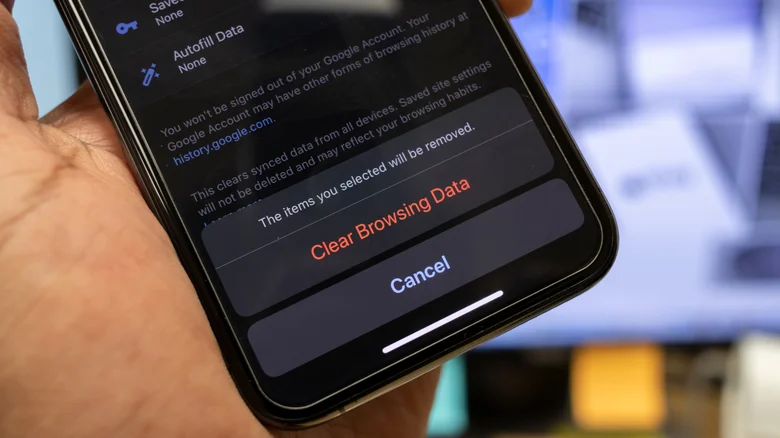
Cache clearing makes the most sense as targeted troubleshooting, not routine maintenance. Google lists website loading or formatting problems among the reasons to clear browser cache and cookies. If an Android app is misbehaving and provides a dedicated cache control, clearing that app’s temporary data can serve a similar purpose without touching unrelated apps.
Some devices also provide cache-clearing tools for specific system problems. For example, you can clear the system software cache on your PS5 using safe mode, which Sony recommends for system feature issues or performance drops. The distinction is how Sony points to a specific system cache as a troubleshooting step, rather than recommending routine cache clearing as a general cleanup step.
This is why the blanket instruction to “clear your cache” isn’t particularly useful on its own. You first need to know what’s going wrong and which cache could plausibly be involved. If an app, browser or device is working normally and storage isn’t a concern, there’s little reason to clear caches on a schedule.
Cache, cookies and app data are not the same

The phrase “clear the cache” gets even less precise when the cleanup menu offers several categories of stored data.
Chrome, for example, treats cached images and files separately from cookies, browsing history and other site information. Cookies can preserve sign-ins and site preferences, while cached files are primarily reusable page resources. Clearing cookies will thus have a bigger effect on how websites remember you than clearing cached files alone.
Android makes the distinction especially clear. Google’s app storage controls separate Clear cache (which deletes temporary data) from Clear storage, which permanently deletes all app data. Those are distinct actions, even though the buttons appear close together in Settings.
Safari uses a different setup. When clearing the cache on your iPhone, Clear History and Website Data removes history, cache and cookies together, while website data can also be removed separately if you want to keep your browsing history.
Before you tap Delete or Clear, check which categories are selected. Cached files are temporary. Cookies, browsing history and app data can contain information you may want to keep, and deleting the wrong category can do considerably more than clearing a cache.
