

Add preferred source
Apple’s iOS 27.2 and 27.3 updates block video streaming apps on CarPlay, including YouTube, even when the vehicle is parked. The reversal comes months after iOS 27 introduced native in-car video, which required automaker support, a 1,920 x 1,080-pixel display, HEVC codec support and at least 4GB of memory. Users who want to keep the capability must stay on iOS 27.0.1 or earlier, since Apple does not permit downgrades. The company cites driver safety. Third-party browser apps, screen mirroring and Android-based aftermarket boxes offer workarounds, but each carries compatibility, privacy or distraction risks, and Apple has historically closed such loopholes.
Key Elements
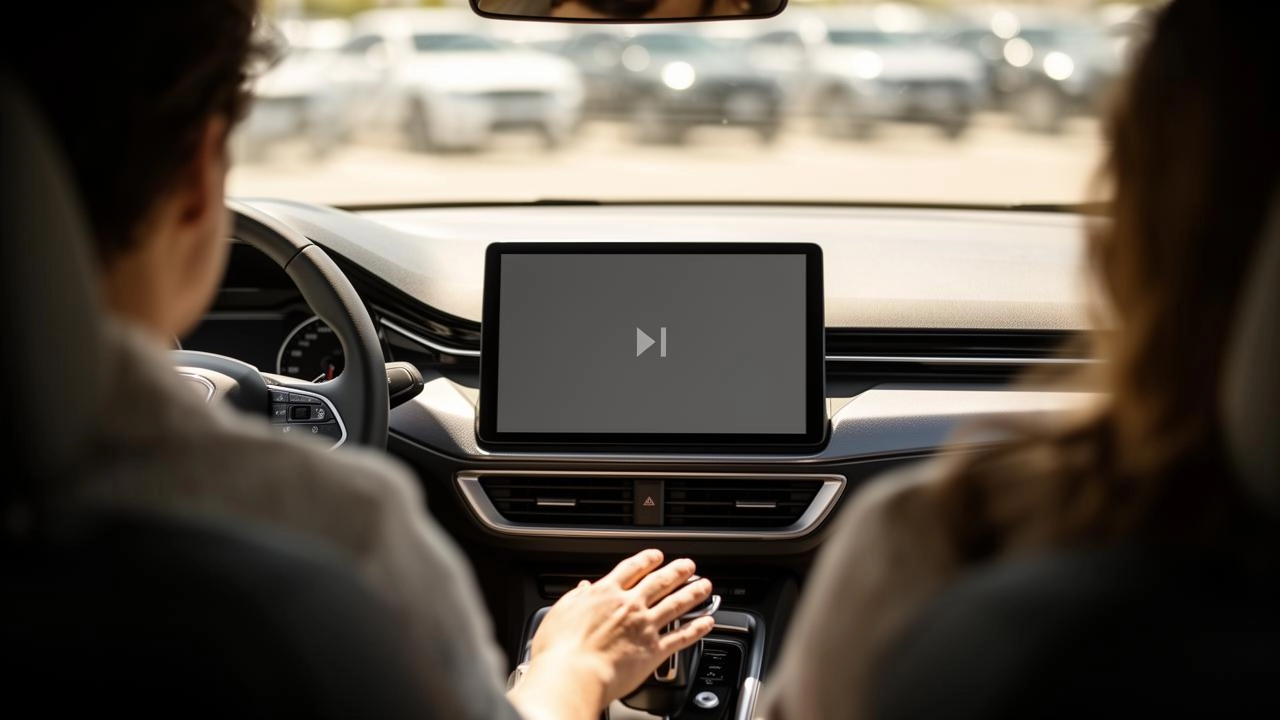
Apple has quietly reversed one of the headline features of its iOS 27 cycle. The iPhone maker’s iOS 27.2 and 27.3 updates block video streaming apps on CarPlay, including YouTube shutting off playback even when the vehicle is stationary. Users who want to keep the capability must remain on iOS 27.0.1 or earlier, and Apple does not allow downgrades once a device has been updated
The restriction marks a sharp turn from the feature’s debut. iOS 27 introduced native video support for CarPlay, but only under narrow conditions: the car had to be equipped with so-called video-in-car technology that lets CarPlay detect when the vehicle is stopped, and the dashboard had to meet Apple’s hardware floor of a 1,920 x 1,080-pixel display, HEVC codec support and at least 4GB of memory. Even then, few apps qualified. YouTube and Netflix never shipped native CarPlay versions, leaving the feature dependent on AirPlay mirroring from an iPhone or iPad running iOS 26.4 or later.
The company has framed the pullback as a safety measure, saying video playback while driving poses significant risks and that the blanket restriction is meant to keep drivers focused on the road. The change nonetheless removes entertainment capability from parked vehicles, a use case Apple itself had promoted when it announced the feature.
| CarPlay video playback: what changed | Detail |
|---|---|
| Native video apps | Supported on iOS 27; blocked from iOS 27.2 and 27.3 |
| AirPlay mirroring to CarPlay | Requires iOS 26.4 or later; subject to the same parked-only rule |
| Rollback option | None; Apple does not let users downgrade iOS |
| Hardware requirements | 1,920 x 1,080-pixel minimum display, HEVC codec, 4GB RAM |
| Apps with native support | Limited; YouTube and Netflix have not shipped CarPlay versions |
Note: Hardware requirements apply to vehicles whose automakers have added video-in-car support; Apple has not published a list of compatible models.
The practical fallout is uneven. Owners who never updated past iOS 27.0.1 still have the feature. Those who took the newer releases have no official path back, and Apple has not said whether video support will return. The company has historically moved quickly to close software loopholes, which makes third-party workarounds a temporary fix at best.
Alternatives exist on both the software and hardware side. Apps such as Card TV and Carcreen run video through integrated browsers, and screen-mirroring tools can push downloaded movies or personal media from an iPhone to the dashboard. Aftermarket vendors including Carlinkit and Ottocast sell Android-based boxes that add video apps to a car’s display without jailbreaking the phone. Each carries trade-offs: many require USB compatibility or specific vehicle features, performance varies, and some ask users to log in with personal accounts, raising privacy questions because those developers do not operate under Apple’s security standards. The aftermarket boxes also bypass the parked-only restriction, a function that invites distraction if used while moving.
For drivers weighing an update, the calculation now cuts against installing the latest release. Newer iOS versions bring security patches and feature additions, but on CarPlay they trade away a capability Apple cannot restore remotely. Owners who value in-car video have reason to hold at iOS 27.0.1 until Apple clarifies its intentions, while those already on 27.2 or later face a choice between third-party tools of uncertain reliability and doing without.
The episode also puts automakers in an awkward position. They invested in the displays and video-in-car hardware that the feature required, and Apple’s software decision now determines whether that hardware does anything. Apple has not indicated whether it will revisit the policy, and its emphasis on safety and regulatory compliance suggests the restriction will hold for the foreseeable future.
