

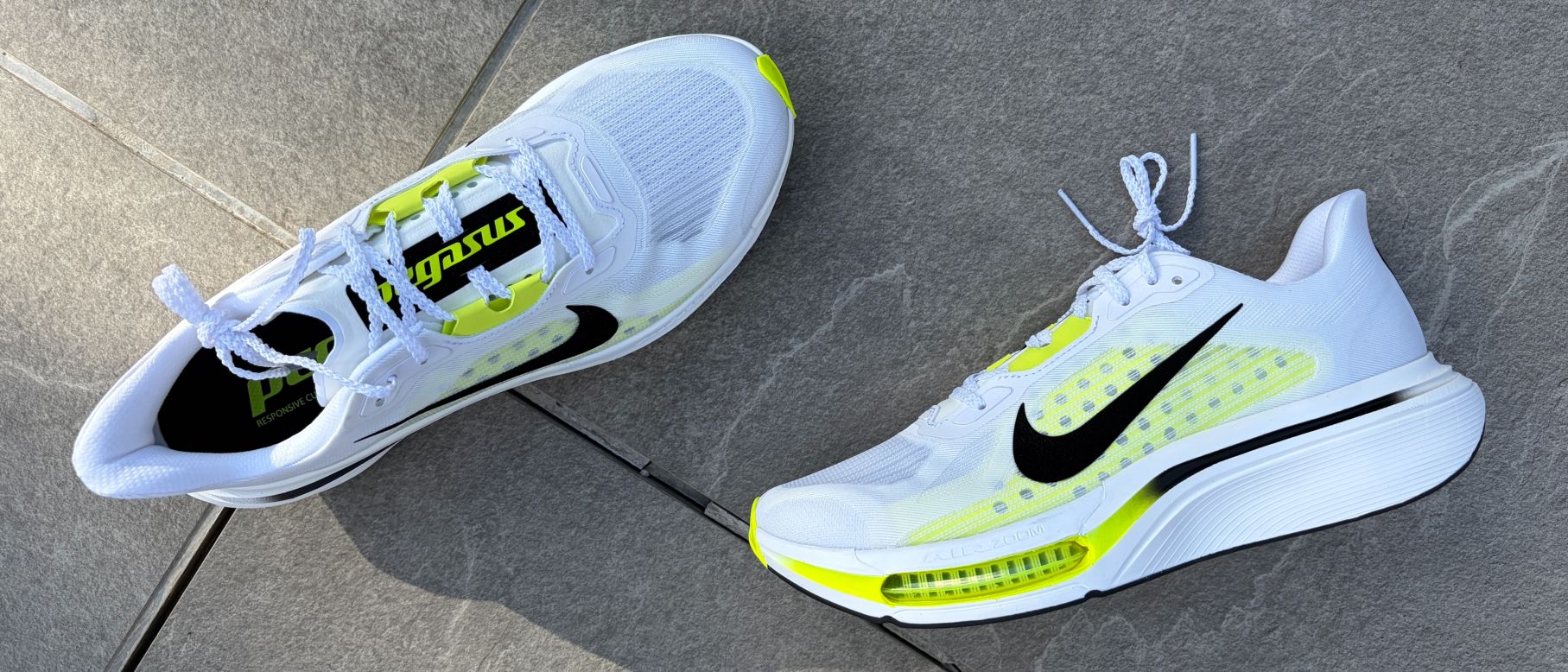
The Nike Pegasus has always inspired a high degree of loyalty in runners, and if you are a devotee the Pegasus Plus 2 is a great addition to the line, offering a more enjoyable and versatile ride than the Nike Pegasus 42.
It’s the best Pegasus you can get right now and a strong pick for any runner who prefers a high-drop shoe. I certainly enjoyed my miles in the Pegasus Plus 2, but I do think there are more exciting and impressive daily trainers available for less.
These include theAsics Novablast 6 and Puma Deviate Pure Nitro, two of the best running shoes I’ve tested this year, which offer a great combo of comfort and energy return at a lower price than the Pegasus Plus 2.
Nike Pegasus Plus 2 review: Price and availability
The Nike Pegasus Plus 2 launched in August 2026 and costs $170 in the U.S. and £155 in the U.K., making it $25/£25 more expensive than the Nike Pegasus 42, and $50/£35 cheaper than theNike Pegasus Premium.
It’s competitively priced for a cushioned daily trainer, though there are some excellent options available for less, like the Asics Novablast 6.
Nike Pegasus Plus 2 review: Design and fit
The Nike Pegasus Plus 2 is currently available in four colors, including the white and yellow shoe I tested. I find Nike’s shoes to be very consistent in sizing, and I had a good fit in my usual running shoe size.
Like all Pegasus shoes, the Pegasus Plus 2 has a 10mm drop from heel to toe, which is a little higher than the industry average these days, I’d say.
It’s a well-cushioned shoe, with 38mm of foam at the heel and 28mm at the forefoot. It’s not as maxed out as some rivals, though it certainly feels cushioned enough on the run for me.
The Pegasus Plus 2 weighs 9.3oz in my US men’s size 10, which makes it lighter than the other Pegasus models.
Upper
The Pegasus Plus 2 has a mesh upper with a thick layer of padding around the collar of the shoe.
It’s quite a thick upper and not the most breathable in hot conditions, but I found it comfortable on long runs, and it held my foot securely at faster paces.
Midsole
The biggest change to the Pegasus Plus 2 compared with the Nike Pegasus Plus is that Nike added an Air Zoom pod to the forefoot of the midsole, which is otherwise made from the brand’s ZoomX foam.
Nike uses different versions of ZoomX across the shoes that have it in their midsoles, and in the Pegasus Plus 2, it is a slightly firmer, more resilient material than in racing shoes like the Alphafly 3.
It’s still soft and springy, though, and the Air Zoom pod adds firmness in the forefoot to boost energy return as you come off your toes.
Outsole
The Pegasus Plus 2 uses Nike’s waffle tread rubber for its outsole, and while there is a fair bit of exposed foam in the midfoot, the heel and forefoot are well covered.
It might not prove as durable as the outsole on the Pegasus 42, which is thicker and covers more of the bottom of the shoe, but I’ve not seen any wear and tear after 40 miles, which has included several runs on light trails.
Nike Pegasus Plus 2 review: Running performance
I tested the Nike Pegasus Plus 2 over several weeks of marathon training, using it for a mix of runs including several easy efforts, a progression run, and a 10-mile long run.
I’ve also tested all past models of the Pegasus Plus and Pegasus Turbo line, along with the past eight versions of the standard Pegasus and the Pegasus Premium. That’s a lot of Pegasuses (Pegasi?), and the Pegasus Plus 2 is the one that’s made the best impression on me since the original Pegasus Turbo.
It’s softer, lighter, and bouncier than the Pegasus Plus and the Pegasus 42, and a little smoother in transitioning from heel to toe.
I still found it quite a slappy shoe in how the forefoot comes down, which is often the case with 10mm drop shoes, but the softer foam helps it to roll through, and then the firmer Air Zoom pods add a little punch to your toe-off when running at faster speeds.
It’s not a particularly quick shoe though, and if you’ve come looking for a super-trainer or an all-rounder that’s great for intervals as well as easy runs, I don’t think you’ll find it here — the Nike Zoom Fly 6 is the shoe that does that for me in the Swoosh’s line-up.
The Pegasus Plus is instead a lively cushioned daily trainer that works best for easy and long runs. In that sense, it really lives up to its name — it does the same job as the Pegasus 42, but has a more enjoyable ride feel and a little extra pop at pace.
Should you buy the Nike Pegasus Plus 2?
If you’re a big Pegasus fan, then I think the Pegasus Plus 2 is worth getting as the best version of the shoe right now, even if it costs you a bit more than the Pegasus 42.
Similarly, if you prefer a 10mm drop shoe, I think it’s a good cushioned option for daily training and more fun to use than rivals like the Brooks Ghost 18.
However, if you’re happy to shop around a bit more, I do think there are better options, whether you want a speedy all-rounder or a cushioned daily trainer.
The Asics Novablast 6 springs to mind as an excellent cushioned option that costs less than the Pegasus Plus 2, while the Puma Deviate Pure Nitro is cheaper, lighter, and more versatile than the Nike, making it better for workouts.
If you want a speedier shoe for daily training, the Adidas Adizero Evo SL is one of my all-time favorites, and the Kiprun Kipstorm Tempo is a max-stack, lightweight super-trainer that can handle any kind of run well.
While the Pegasus Plus 2 is a welcome evolution of the Pegasus line and better than the competent but uninspiring Pegasus 42 and the heavy, overpriced Pegasus Premium, it still suffers a bit in comparison to top options from other brands.
