

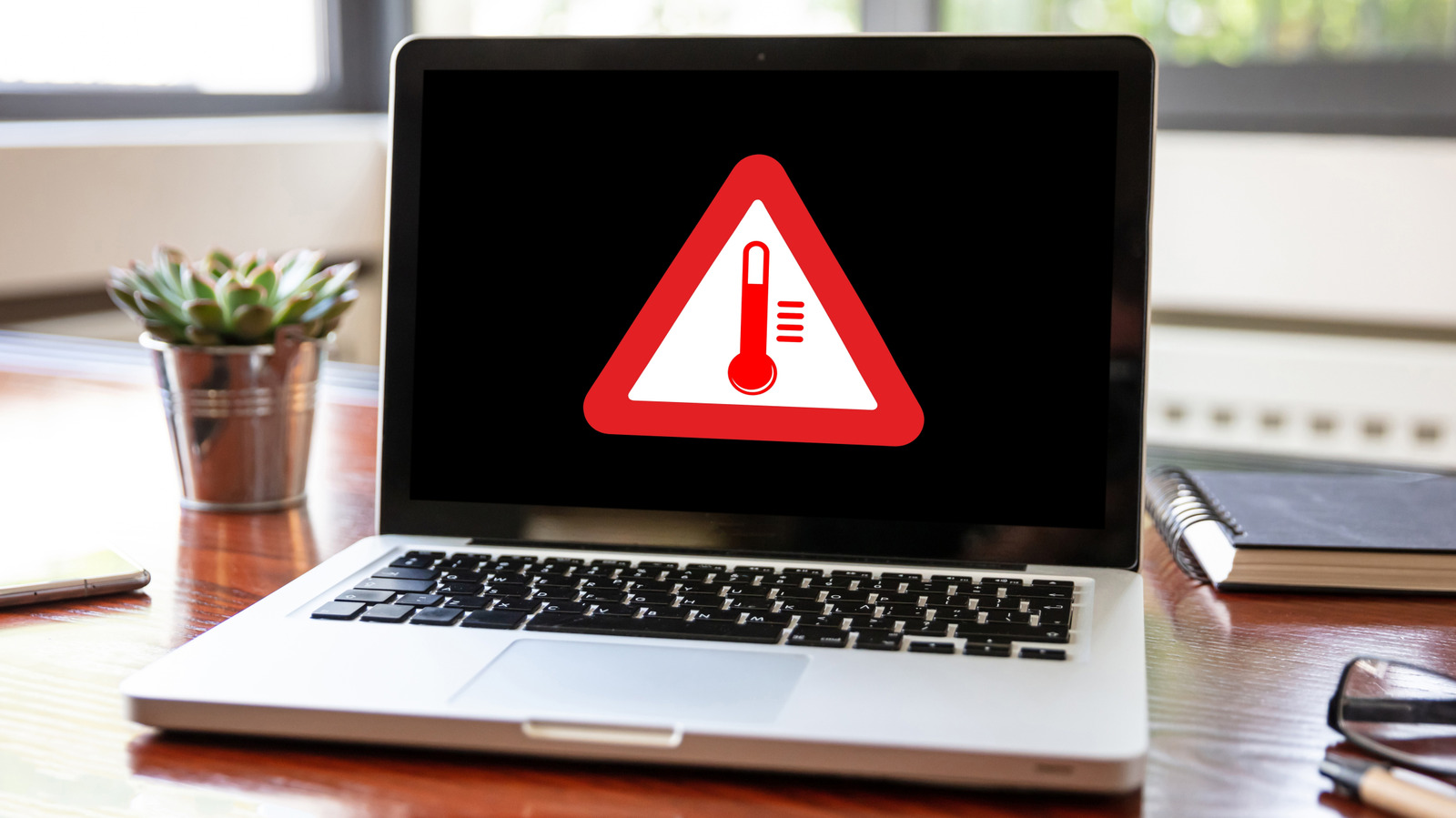
It could point to many things, including aggressive power profiles, background software updates or even dust building up.
Laptops generate heat. You can’t really avoid it. Even energy-efficient models are still producing some level of heat. To try and keep things cool, your laptop fans should kick into action when you’re doing something that pushes it hard, like gaming. By design, most laptops will ship with adjustable fan speeds that keep temperatures cool without too much noise. You’d usually expect the fans to quiet down, although they won’t necessarily stop completely.
That isn’t always the case, though. You might hear your laptop fans spin up even when you’ve closed all your apps. Power settings can have an impact, but so can dust and debris clogging up your case. You’ll need to work out whether the noise is normal, because if it isn’t, you’ll need to fix it.
Your laptop is always working in the background
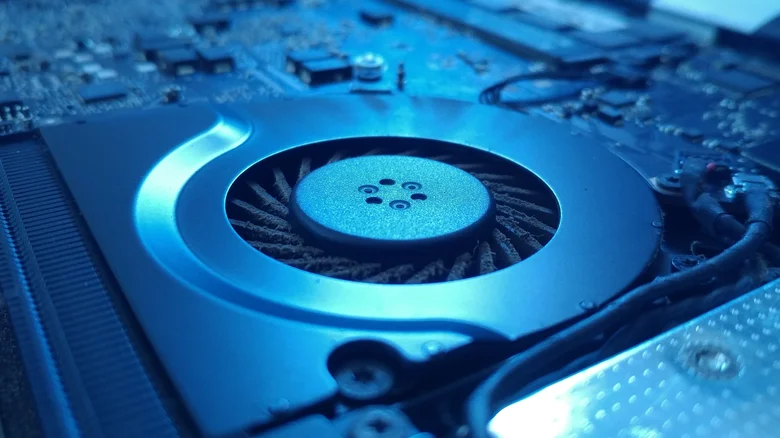
Closing the windows on your desktop doesn’t stop everything happening on your laptop. Apps run in the background, with running processes that continue performing tasks under the hood without you realizing. These all create demands on your processor, RAM and storage. More power means more calls for the fan to spin.
Dell, for instance, recommends reviewing your startup apps to keep the loads down on your CPU, which should help prevent your fans from spinning up unnecessarily. You can review these in Task Manager by pressing Ctrl + Shift + Esc, selecting Startup apps, and disabling anything non-essential.
Other essential maintenance tasks will cause demands while your PC isn’t active, too. Windows Update will do it, as will search indexing, which catalogs your files so that you can easily search for them later. That initial indexing process can take a few hours and you can use Activity Monitor to see which background apps are using the most power
Your power settings might favor performance over quiet
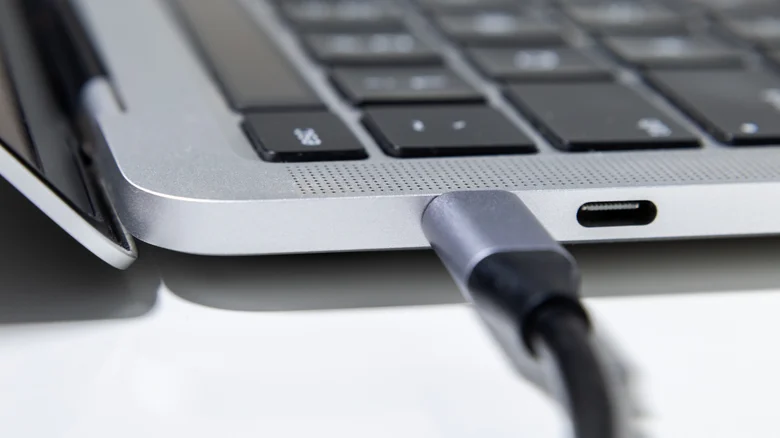
Imagine a set of scales. You can tip them one way or another, or get them perfectly balanced. Your laptop power settings work the same way. On a Windows laptop, for instance, you can switch between modes that prioritize energy efficiency, performance or a balance between the two. The most aggressive option, for best performance, will prioritize speed over saving power.
This can allow for higher power consumption under load, which’ll produce more heat and make the fans more likely to kick in. You can change these settings on Windows, for instance,ings will change when you’ve plugged in your laptop compared to when it’s running on battery, too
Your laptop might come with an app that lets you set your own cooling settings, even if you’ve changed Windows’ own settings. For example, some Dell laptops ship with an ultra performance mode that’ll increase processing power and cooling fan speeds. Switching to quiet mode reverses it, although that will reduce performance and push the temperatures up when you’re using your laptop.
You’ll only know what settings work best, as far as cooling is concerned, by trying them out. Try each setting at a time, then push it through your usual use. You’ll want performance mode if you’re doing something like gaming, because you’ll want maximum power and cooling. For lighter work like typing up documents, you might manage better by switching to balanced or energy efficiency modes.
Heat can build up even during light use
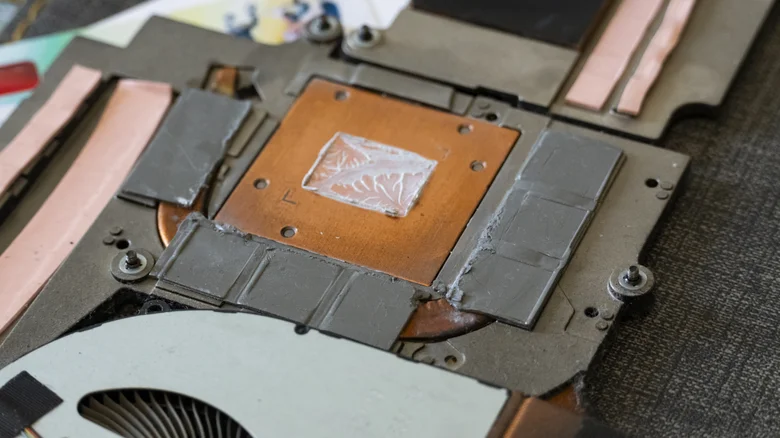
The amount of work you’re doing on your laptop is only really part of the explanation. Your surroundings can have an impact. Apple, for instance, suggests that higher ambient temperatures will force fans to spin up sooner and run faster. A warm room makes it harder for your laptop to stay cool, and it’ll produce different fan behavior as a result than a laptop in a cooler space.
It isn’t just the air, though. Where you place your laptop is important, because you need good ventilation for your fans to lower temperatures and, as a result, work properly. Working from bed isn’t great for the air from your laptop fans to circulate, for instance. With restricted airflow, temperatures will rise and the fans will keep working harder to try and compensate.
A hard, flat desk is a better option for the vents on your fan, but even better is if you can raise it up a little to give more space for the air to flow. Side and rear openings matter, too. Manufacturers like Dell and Apple recommend keeping any ventilation openings unblocked for the best performance.
Then there’s dust and dirt. Air flowing through your laptop isn’t just bringing in the air; it’s bringing in the dust that might be in the air. This builds up over time. It collects around the vents and inside the cooling fans, and around the fan blades themselves. It raises the baseline, meaning your fans have to work harder and harder, even when you’re performing the same tasks. If you keep your laptop fans clean from dirt, it’ll help the air flow freely so the fans don’t have to work as hard.
A good can of compressed air will help. You might be able to take the bottom panel from your laptop off to give it a more thorough clean, but in most cases, you might not need to. Use the can liberally to push as much of the dust out of your fans as possible to clean your laptop fan.
Persistent fan noise might need further investigation
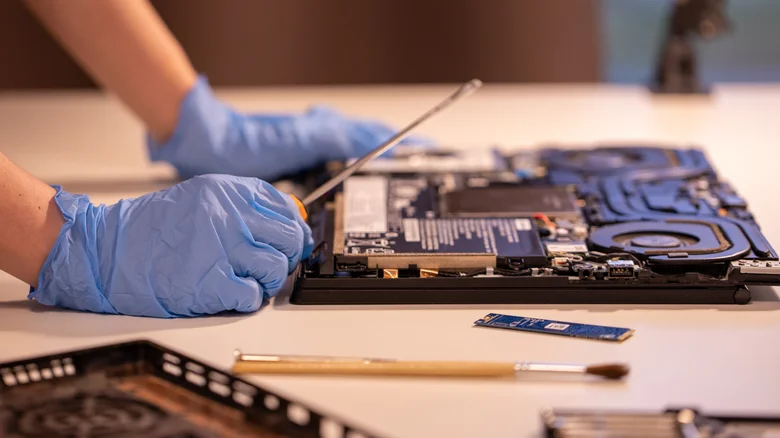
Changing the settings on your laptop isn’t a miracle fix. If your fans are still spinning hard, even when your laptop isn’t doing much, then you’ll need to investigate a little deeper.
Don’t rule out a hardware issue. If the laptop maintenance has fallen behind, you might start to hear persistent grinding or rattling, which would point to a worn-out or damaged fan. Cleaning won’t help if that’s the case. You’ll need to check whether your laptop is still under warranty, or if it isn’t, switch the fan out yourself.
Check that there aren’t any software issues, though. Get the BIOS updates installed and any manufacturer-issued apps, like Dell’s Dell Power Manager, to give you full control over the power settings. HP recommends that you have the latest BIOS update installed, along with chipset and graphics drivers, as your GPU can impact fan speeds.
Apple users can reset their System Management Controller if they’re seeing unexpected heavy fan usage on an Intel MacBook, for instance. For newer Apple silicon MacBooks, the advice is a little simpler: just close and reopen the lid, or give it a restart.
There are some manufacturer-issue tests you can run through. For example, some Dell laptops have fan tests that you can work through during preboot diagnostics, which you can access by restarting the laptop, pressing F12 when the Dell logo appears, and then selecting Diagnostics.
You don’t need to worry every time your laptop fans make themselves heard, though. Background tasks can kick them into action, but unless the noise is distracting, or you’re hearing grinding or rattling, then you can usually leave them to do their job, as long as your laptop isn’t overheating. Changing the settings and cleaning the vents could help, but if it doesn’t, give your warranty a check and see if you can get your laptop checked for damage.
