

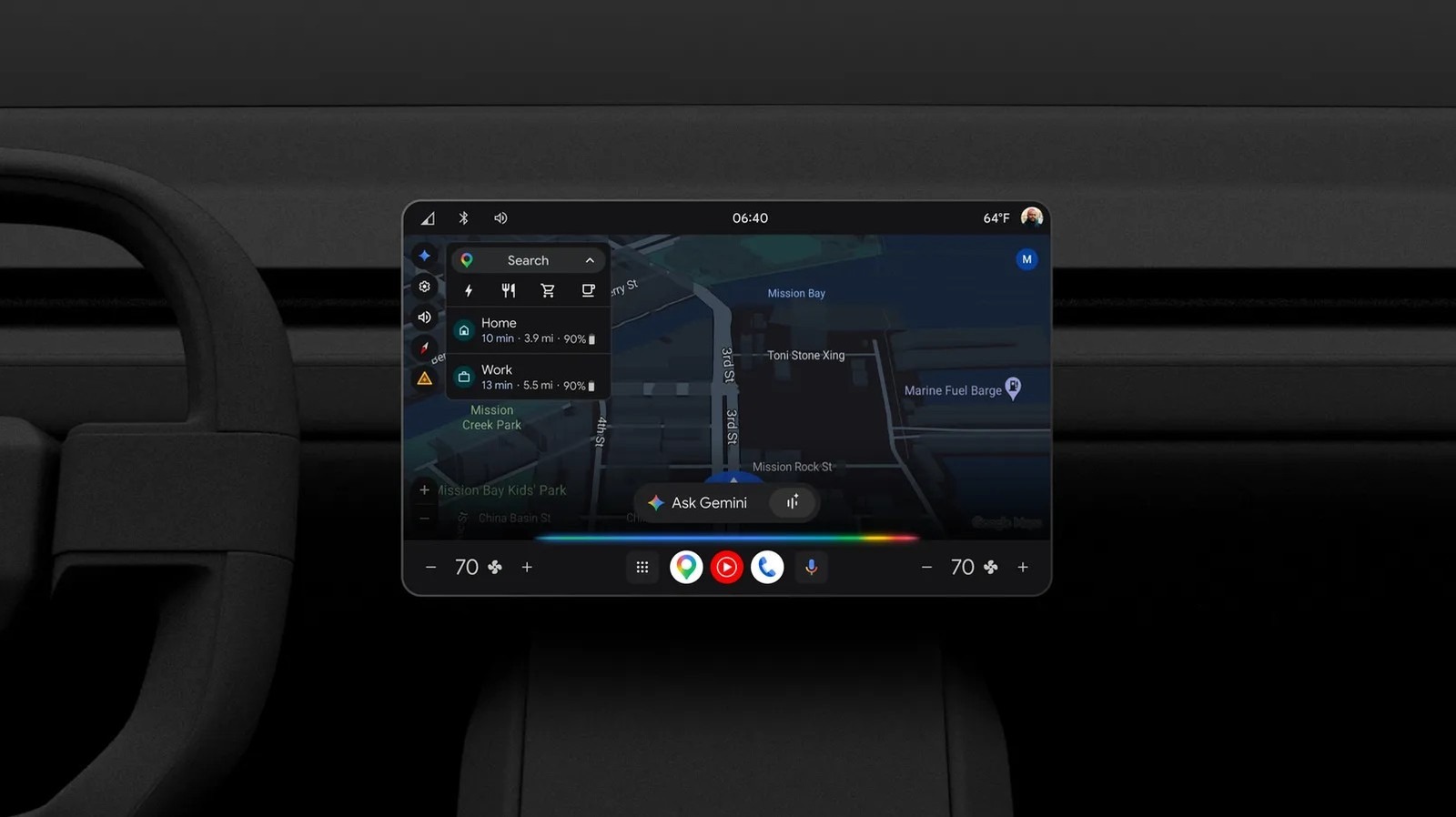
One is a set of apps while the other can run almost everything inside of a car.
Despite the popularity of Apple CarPlay and Android Auto, car manufacturers are moving away from these phone mirroring applications in favor of native infotainment systems. Google, for its part, has supported this transition through Android Automotive and Google Built-in, two in-car infotainment <a href="https://myappsplus.com/heres-how-long-your-google-pixel-phone-will-get-software-updates/” title=”Here's how long your Google Pixel phone will get software updates”>software stacks that place Android’s popular OS into your car. For instance, GM has moved away from Android Auto in favor of a Google Built-in solution since 2023. Automakers tout such moves as bringing a more seamless connection between a driver and their vehicle. But some customers continue to meet these changes with a mix of anger and confusion, with some lamenting that built-in systems are likely intended to open new revenue streams, either through subscription models or the sale of driver data, rather than provide a better driving experience.
Google has grown into a major player in this swiftly-changing infotainment space. Manufacturers deploy the Mount View company’s in-car technology through two operating systems, Android Automotive Operating System (AAOS) and Google Built-in. Unlike phone mirroring applications like Android Auto, which simply project your phone’s display onto your car’s dashboard, both Android Automotive and Google Built-in are independent operating systems, complete with applications and features that run without your phone. And while connecting your phone and car to the same Google account may increase compatibility, neither requires its driver to use an Android phone. For most consumers, parsing the differences between Android Automotive and Google Built-in can be difficult. However, the distinction presents measurable changes in the customer experience, and can have a major effect on how your infotainment system looks and operates.
Android Automotive vs Google Built-in
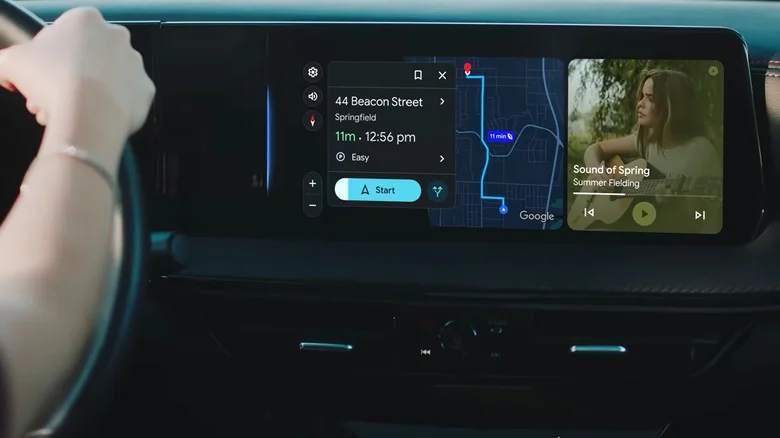
Android Automotive is a full-stack software solution that car manufacturers integrate into their cars’ systems to operate their radio, climate control, cameras, mirrors, lighting, seat adjustments and instrument clusters. Open source and highly customizable, manufacturers design their own in-vehicle infotainment and software systems using Google’s infotainment architecture. This added flexibility is key, as manufacturers can create systems specific to their brands and drivers, adding Android in-house applications and customizing layouts as they see fit. In some instances, drivers may not even be aware that their infotainment system is powered by Google. Rivian, for instance, declines to include Google-specific branding in its Android Automotive system despite relying on the open source architecture for its Rivian OS infotainment system.
Google Built-in, on the other hand, is a group of applications that manufacturers license to integrate into their Android automotive systems. Debuted in 2020, Google Built-in allows drivers to access applications like Google Maps and Gemini. Manufacturers that license Google Built-in also give their customers access to Google Play Store, where they can access popular media applications like Spotify, YouTube, and Google Play. As it stands, sixteen brands have access to Google Built-in, including Honda, Volvo, Chevy, Nissan, Ford, BYD, and Renault. For a full list, visit Google’s Built-in website.
A new era of car connectivity
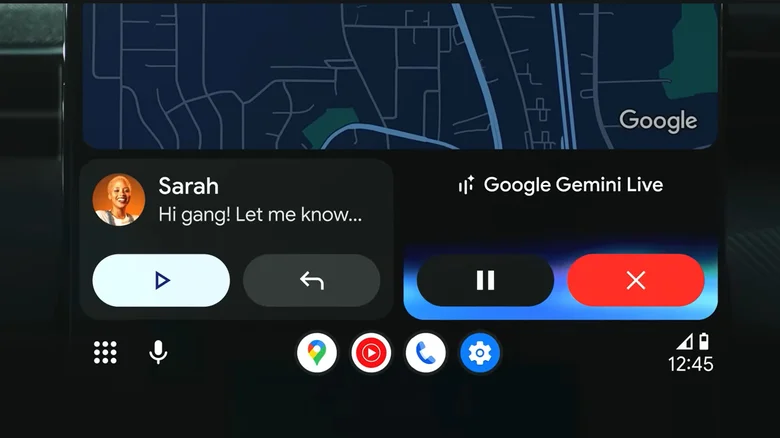
The differences between Google Built-in and Google Automotive Services may get more pronounced as Google accelerates its incorporation of advanced AI features into its Google Built-in applications. Rolled out across sixteen car brands, Gemini is officially replacing Google Assistant as the infotainment system’s go-to chatbot passenger.
Billed by some proponents as Gemini at its most practical, the integration of Google’s flagship chatbot into its Google Built-in car suite brings a host of voice-activated AI features into your car’s cockpit. One of the greatest leaps is its Google Maps application, which will now incorporate real-time traffic updates, EV-tailored routing, and Gemini’s smart navigations. Drivers will also be able to use Gemini to check their email and messages, craft playlists and even order dinner. One feature touted by Google is Gemini Live, a feature in which you can chat with Gemini about your destination. Gemini Live can even tap into your car’s front facing camera, just incase you really need your car to pontificate about what is directly in front of you. Drivers can also adjust in-car settings, access hard to find settings and gain insights into their car’s battery or performance metrics.
Google’s rollout of Gemini initiated earlier this summer, premiering with cars that support the company’s phone mirroring application, Android Auto, before rolling out to popular brands with Google Built-in like Honda, Chevrolet and Volvo.
Some Google customers, like Ford and Rivian, have instead invested in developing their own AI assistants. GM, meanwhile, is reportedly splitting the difference, both introducing Gemini to its Google Built-in software system while reportedly developing its own proprietary in-vehicle AI, set to release later this year. As GM executive Anna Santos told CNBC, the assistant will use “GM vehicle knowledge and OnStar intelligence” to “go beyond what a general purpose assistant can do.” The dual-track approach reflects the broader infotainment landscape, in which many manufacturers race to incorporate AI into their vehicles while simultaneously developing homegrown agents. How these shifts change Google’s approach to in-car software system will be a major question moving forward.
