

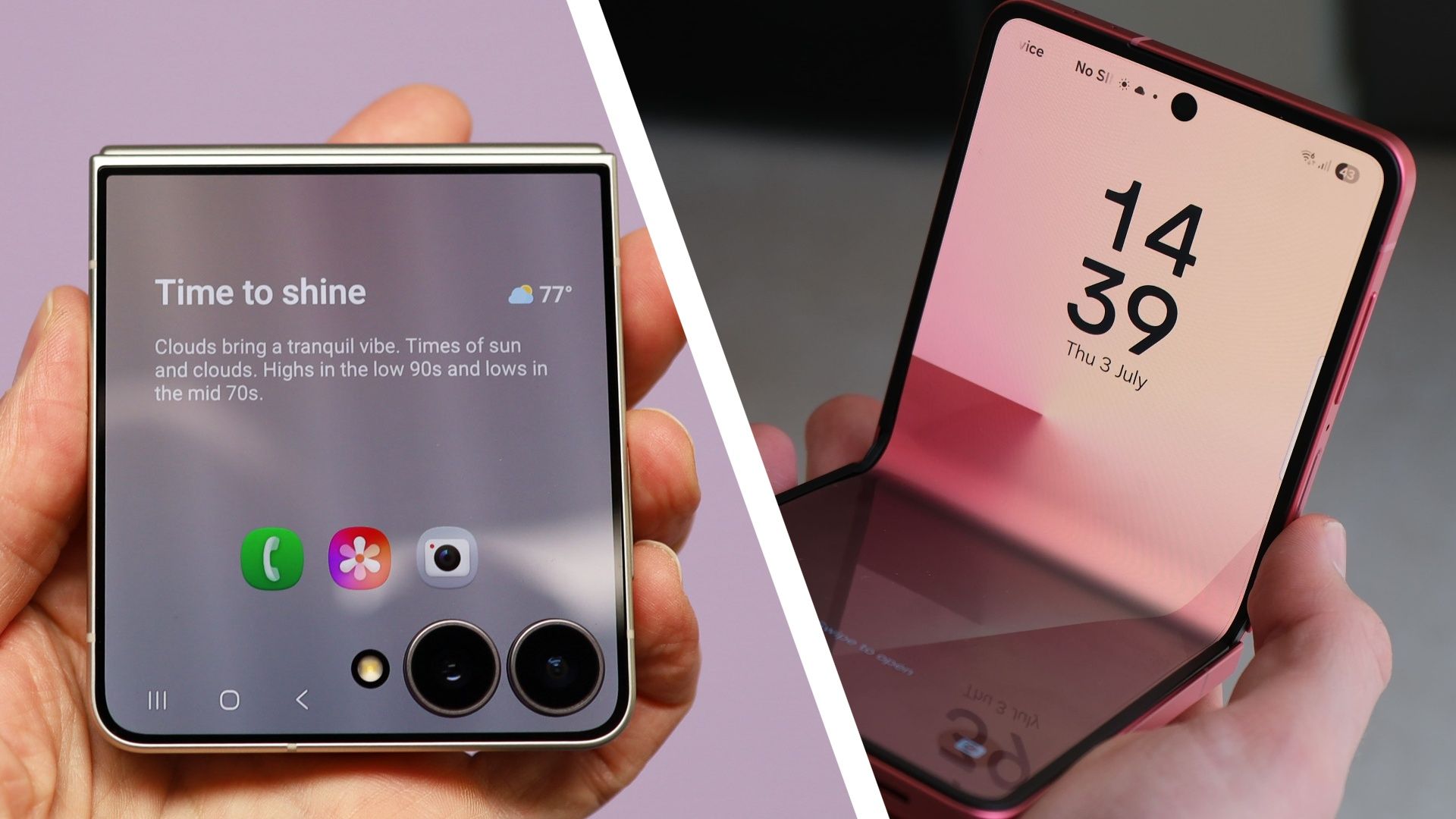
The Samsung Galaxy Z Flip 8 arrived earlier this year boasting a familiar trick: it folds into a pocket-friendly square and places a surprisingly useful screen on the outside.
With this new model, Samsung has kept the basic Samsung Galaxy Z Flip 7 formula intact, but shaved down the body, improved the hinge, added more processing power, and made the cover screen easier to live with.
The displays, camera hardware, battery, and charging have barely moved, though, leaving last year’s Galaxy Z Flip 7 looking far from obsolete — it’s also now much cheaper than its newer sibling.
To help you make sense of what’s changed and which model is best, we’ve weighed up the price, design, displays, cameras, performance, software, and battery life of these two foldable phones to see which deserves your money.
As a disclaimer, we’ve fully reviewed the Galaxy Z Flip 7, but not the Galaxy Z Flip 8. We have spent time with the former model, though, so we’ve based our judgements on both hands-on experience and on-paper specs.
Samsung Galaxy Z Flip 8 vs Samsung Galaxy Z Flip 7: specs comparison
Before we dig into the details, here’s an overview of both phones’ key specs:
|
85.7 x 75.4 x 13.1mm folded; 166.9 x 75.4 x 6.1mm unfolded |
85.5 x 75.2 x 13.7mm folded; 166.7 x 75.2 x 6.5mm unfolded |
|
|
6.9-inch Dynamic AMOLED 2X main; 4.1-inch Super AMOLED cover |
6.9-inch AMOLED main; 4.1-inch AMOLED cover |
|
|
1–120Hz main; 60/120Hz cover |
||
|
Exynos 2600 / Snapdragon 8 Elite Gen 5 for Galaxy, depending on region |
||
Samsung Galaxy Z Flip 8 vs Samsung Galaxy Z Flip 7: price and availability
Samsung announced the Galaxy Z Flip 8 in July 2026, and the phone went on sale on August 7. Prices start at $1,199.99 / £1,149 / AU$1,949 for the 256GB model, rising to $1,399.99 / £1,319 / AU$2,249 for 512GB.
The Galaxy Z Flip 7 arrived in 2025 at $1,099 / £1,049 / AU$1,799 for 256GB, while the 512GB version launched at $1,219 / £1,149 / AU$1,999.
Samsung is therefore asking an extra $100 for the entry-level Z Flip 8, despite retaining the same storage capacity. The gap grows further with the 512GB models, and the older Flip 7 is likely to become even more tempting as retailers clear stock and discounts begin to appear, especially around sales events like Black Friday.
Given the global memory shortage and rising inflation, Samsung’s decision to raise the price of the Galaxy Z Flip 8 makes some sense, but it does mean the Z Flip 7 — which is still a great phone — represents even better value in 2026.
Samsung Galaxy Z Flip 8 vs Samsung Galaxy Z Flip 7: design
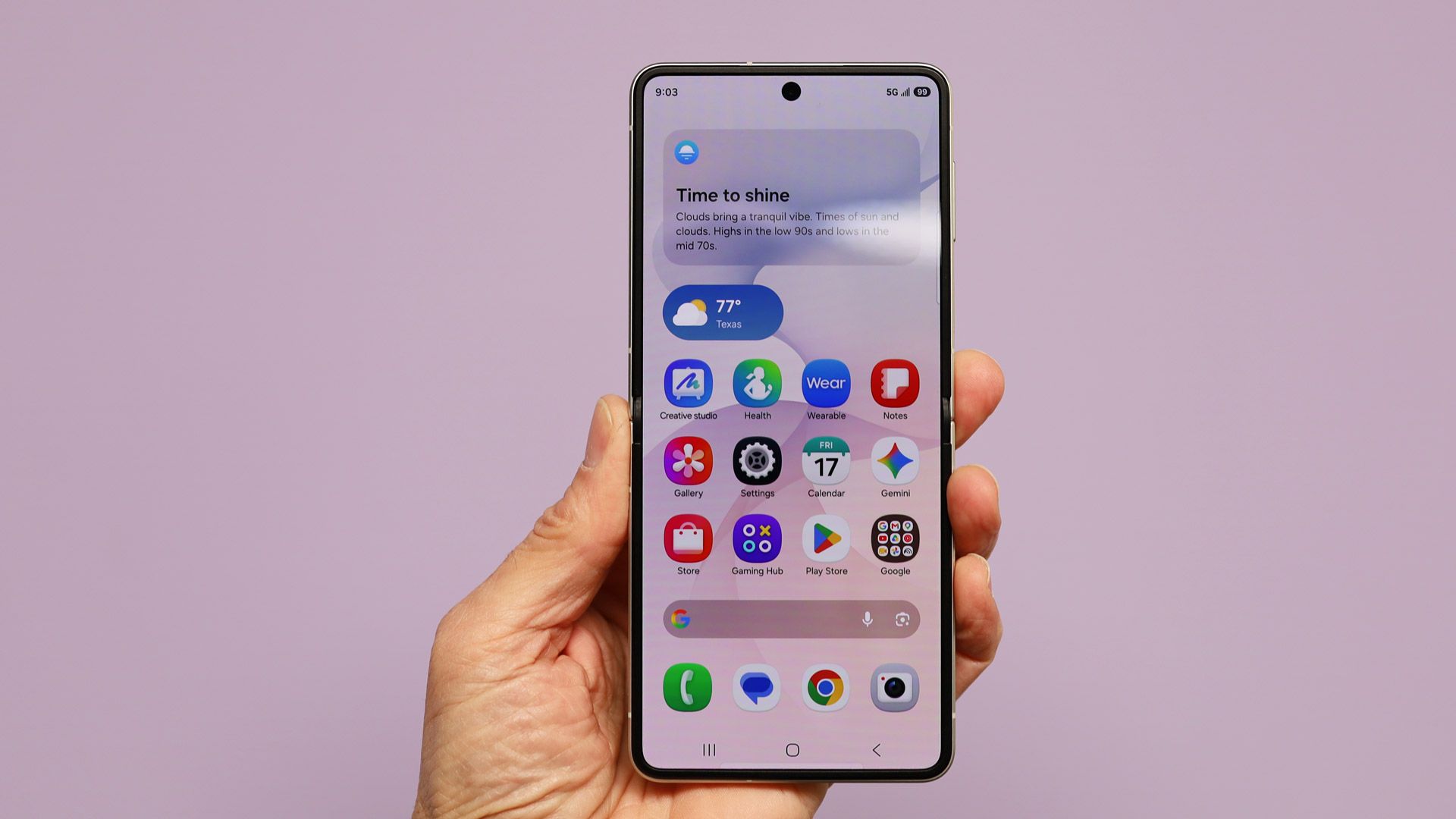
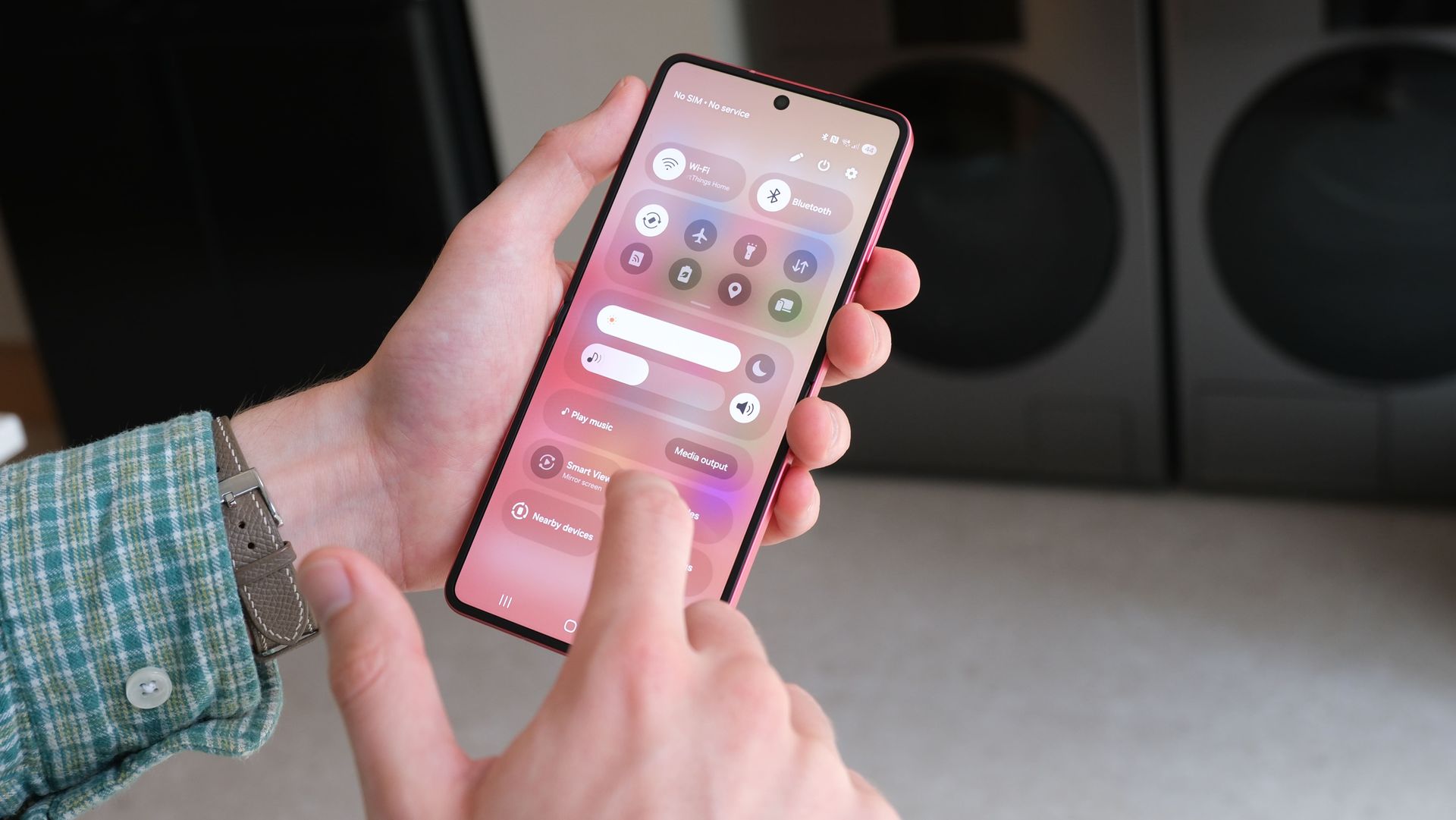
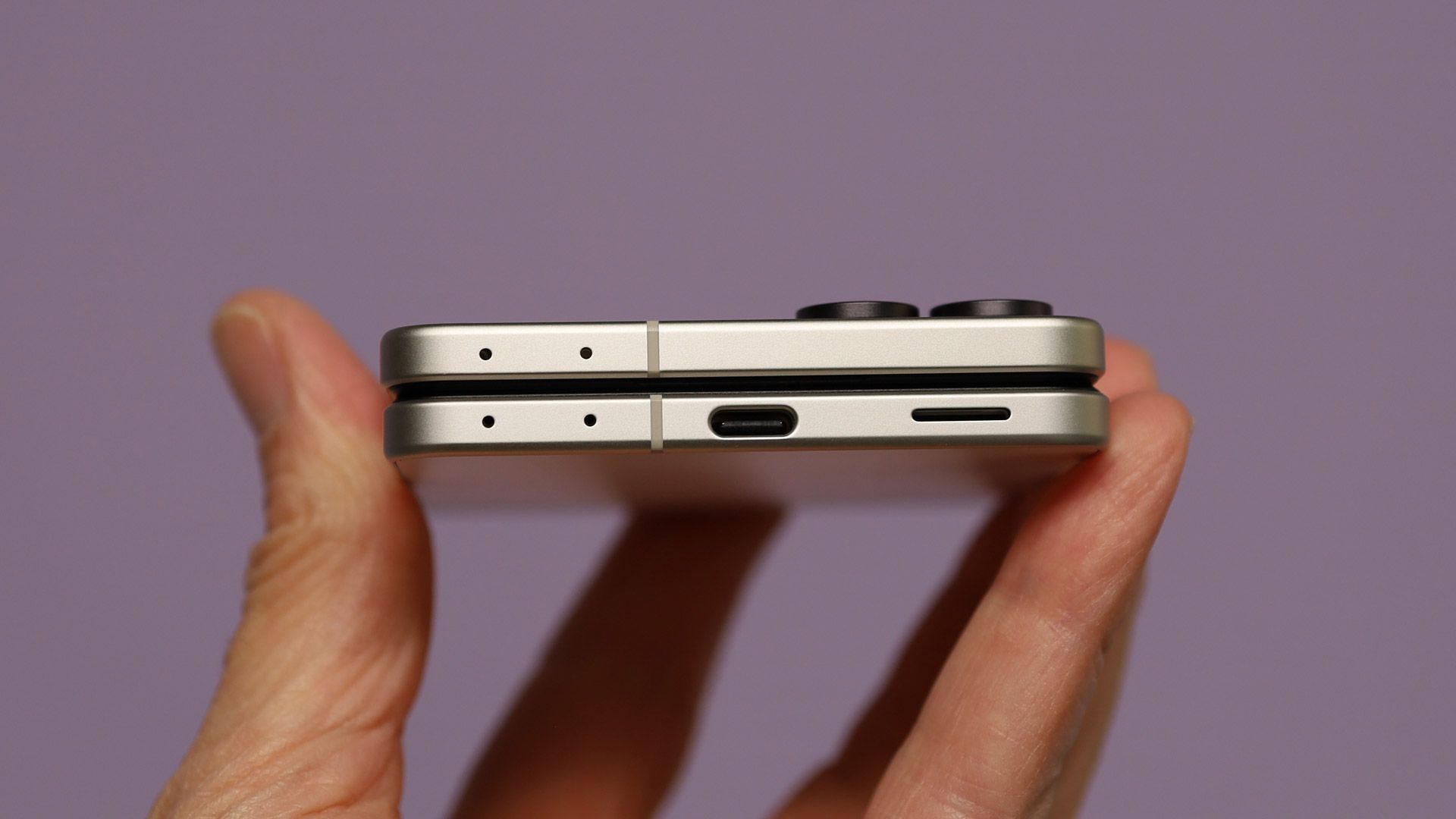
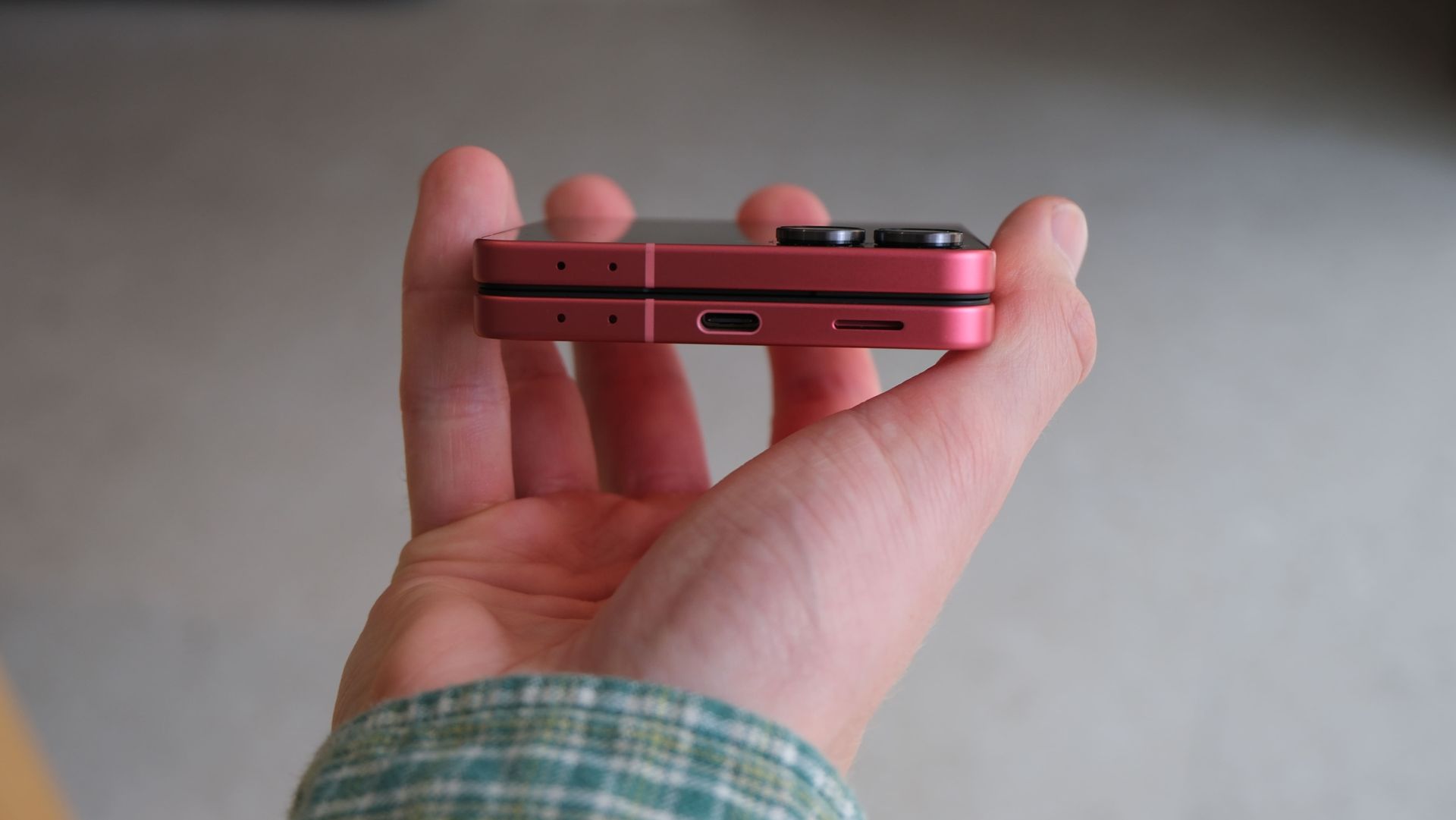
Samsung has focused on making the Galaxy Z Flip 8 a little easier to carry and use, rather than giving it a big redesign. At 180g, it’s 8g lighter than the Flip 7, while its 6.1mm unfolded body is 0.4mm thinner.
Fold the two phones shut, and the difference grows slightly, with the Flip 8 measuring 13.1mm compared with 13.7mm for its predecessor.
The revised Armor FlexHinge is the more useful change. Samsung has reduced friction inside the mechanism and widened the inner edges so that your fingers have more room to open the phone.
In our early hands-on testing of the Galaxy Z Flip 8, the phone felt noticeably easier to open and close than the previous model — a small refinement that should become more valuable when you repeat the motion dozens of times each day.
Otherwise, the family resemblance is strong. Both phones use the same flat-sided clamshell shape, with the large cover screen wrapping around the two rear cameras.
The Flip 7 already felt sturdy and polished, although its familiar Galaxy styling could look rather restrained beside some rival foldables.
Samsung Galaxy Z Flip 8 vs Samsung Galaxy Z Flip 7: display
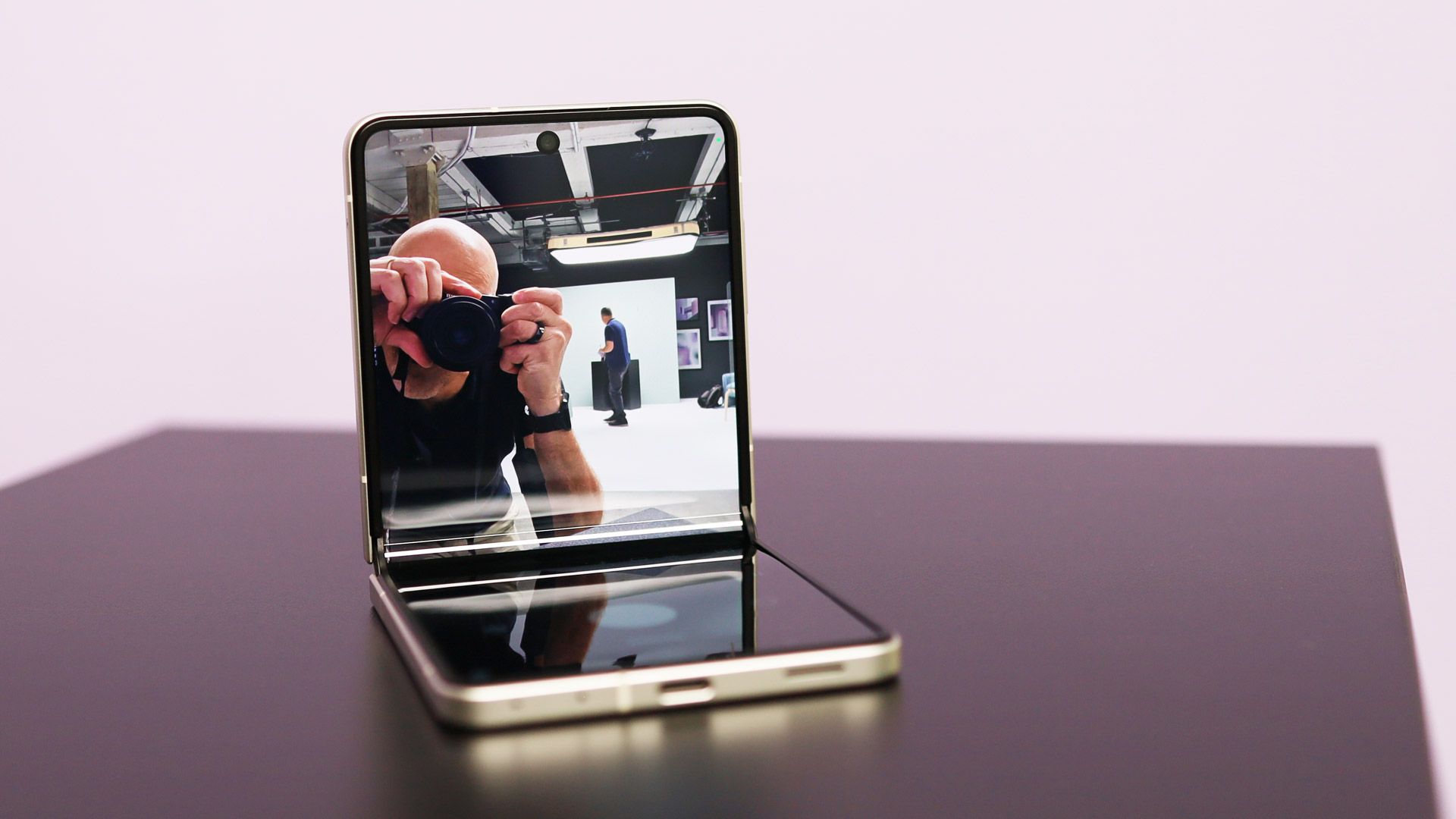
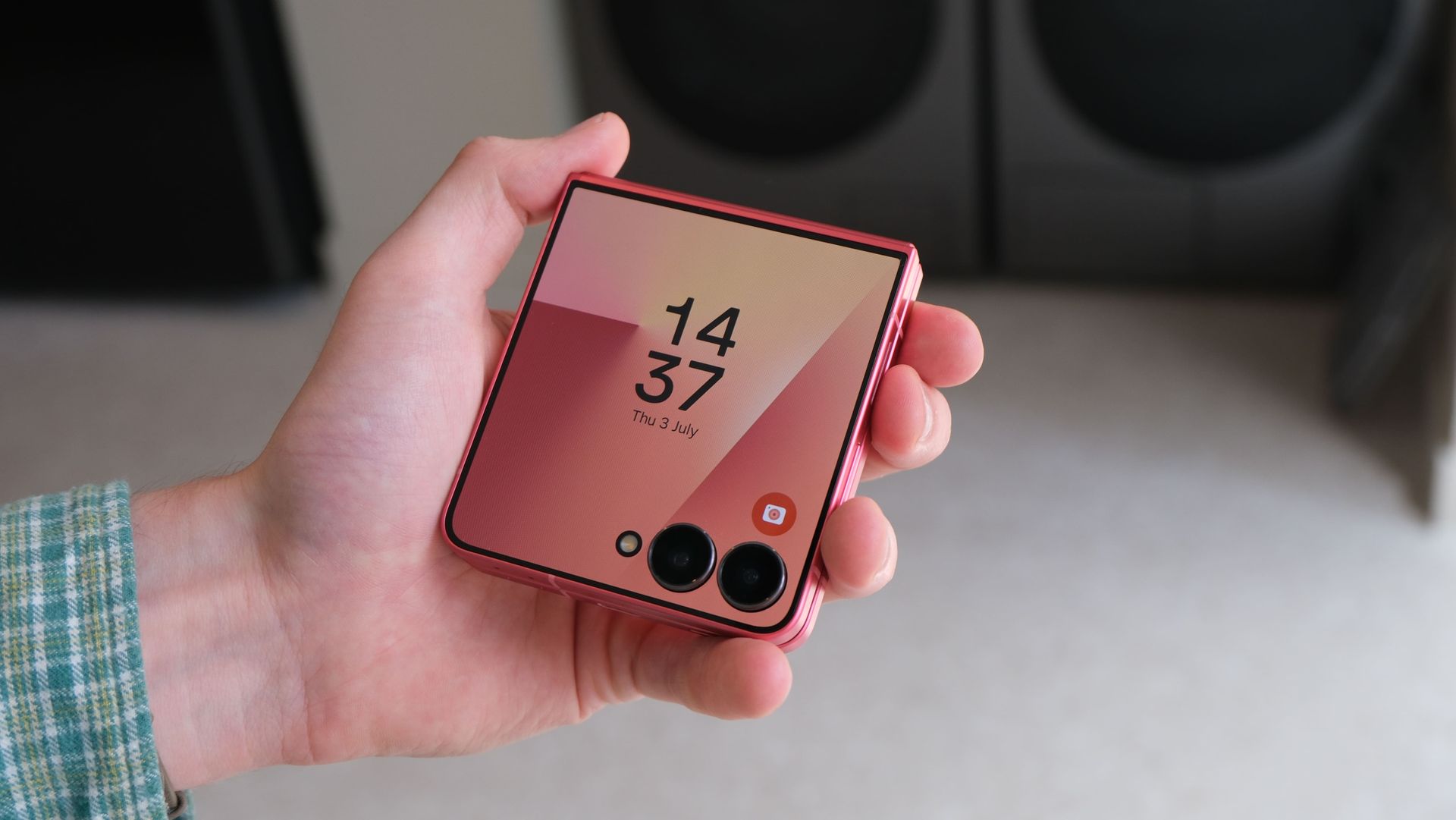
Samsung has carried both of the Flip 7’s displays straight over to the Galaxy Z Flip 8. Each phone opens to reveal a 6.9-inch, 1080 x 2520 AMOLED panel with a 1–120Hz adaptive refresh rate, while the outside is covered by a 4.1-inch, 948 x 1048 FlexWindow. Peak brightness remains 2,600 nits.
That leaves little room between them on paper, although this is hardly a weakness for the older phone. In our review of the device, we awarded the Flip 7 a perfect 5/5 for its displays, finding the inner screen bright and clear even outdoors.
The Flip 8 receives some cover-screen improvements, but the main changes concern how Samsung’s software uses the FlexWindow rather than the panel itself. We’ll cover those additions later.
Both phones offer two excellent screens, and there is no convincing hardware reason to choose one over the other.
Samsung Galaxy Z Flip 8 vs Samsung Galaxy Z Flip 7: cameras
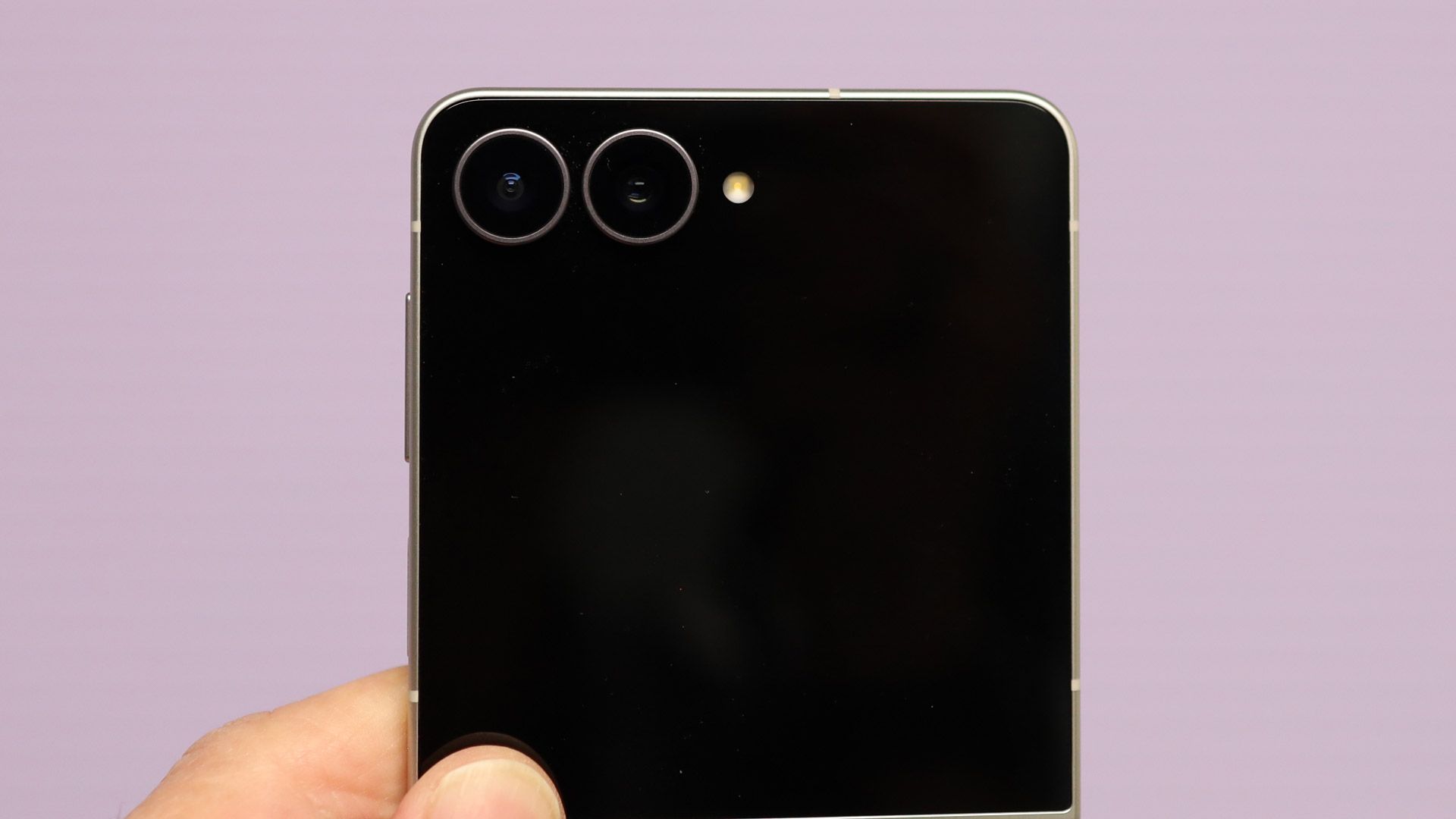
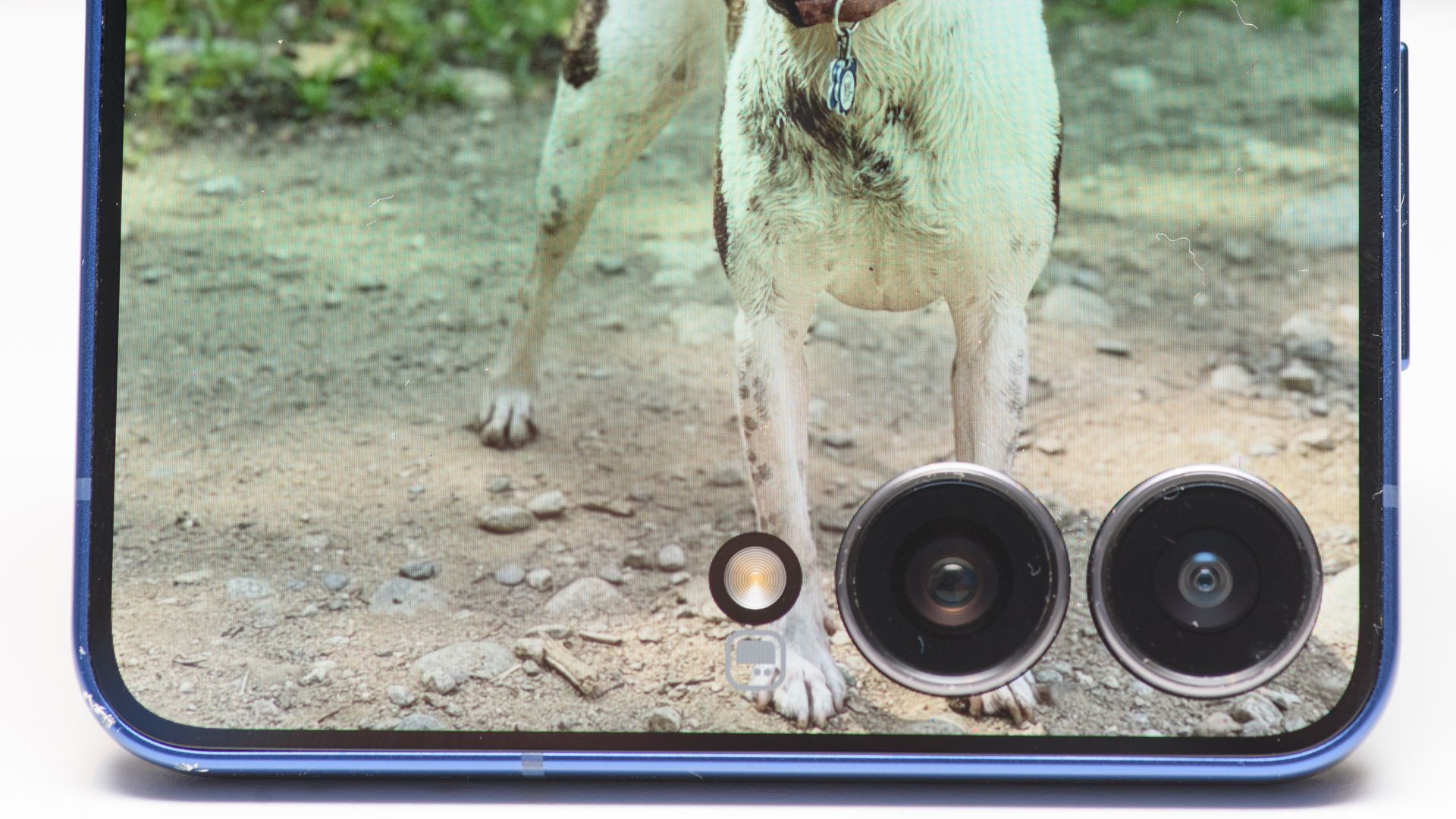
Samsung has left the underlying camera hardware unchanged — you might be sensing a theme emerging here.
Both phones combine a 50MP main camera with a 12MP ultra-wide and a 10MP selfie camera, with no dedicated telephoto lens for longer-range shots.
In our testing, the Flip 7 produced strong results with more natural-looking colors than some older Samsung phones and an excellent Portrait mode.
Its folding design also lets you use the cover screen as a viewfinder for sharper selfies from the 50MP rear camera, although the lack of optical zoom limits its versatility.
The Galaxy Z Flip 8 directs its attention towards video.
Camcorder Grip places the recording and zoom controls within easy reach when the phone is held sideways, while Super Steady’s Horizontal Lock can keep footage level as the handset moves or rotates.
Our early hands-on found the latter feature particularly effective, although more aggressive stabilization can crop the frame and reduce image quality.
Samsung Galaxy Z Flip 8 vs Samsung Galaxy Z Flip 7: performance and software
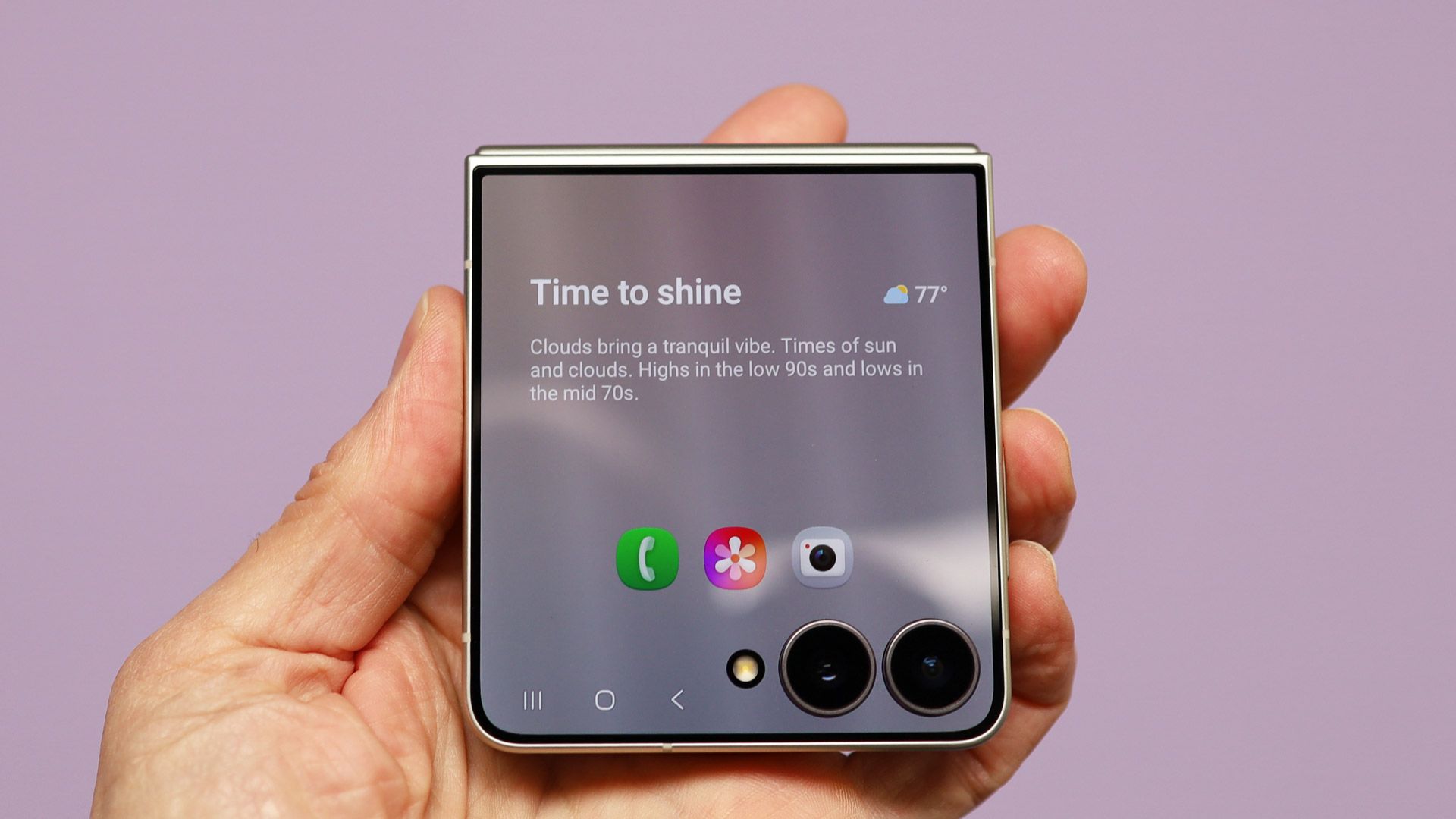
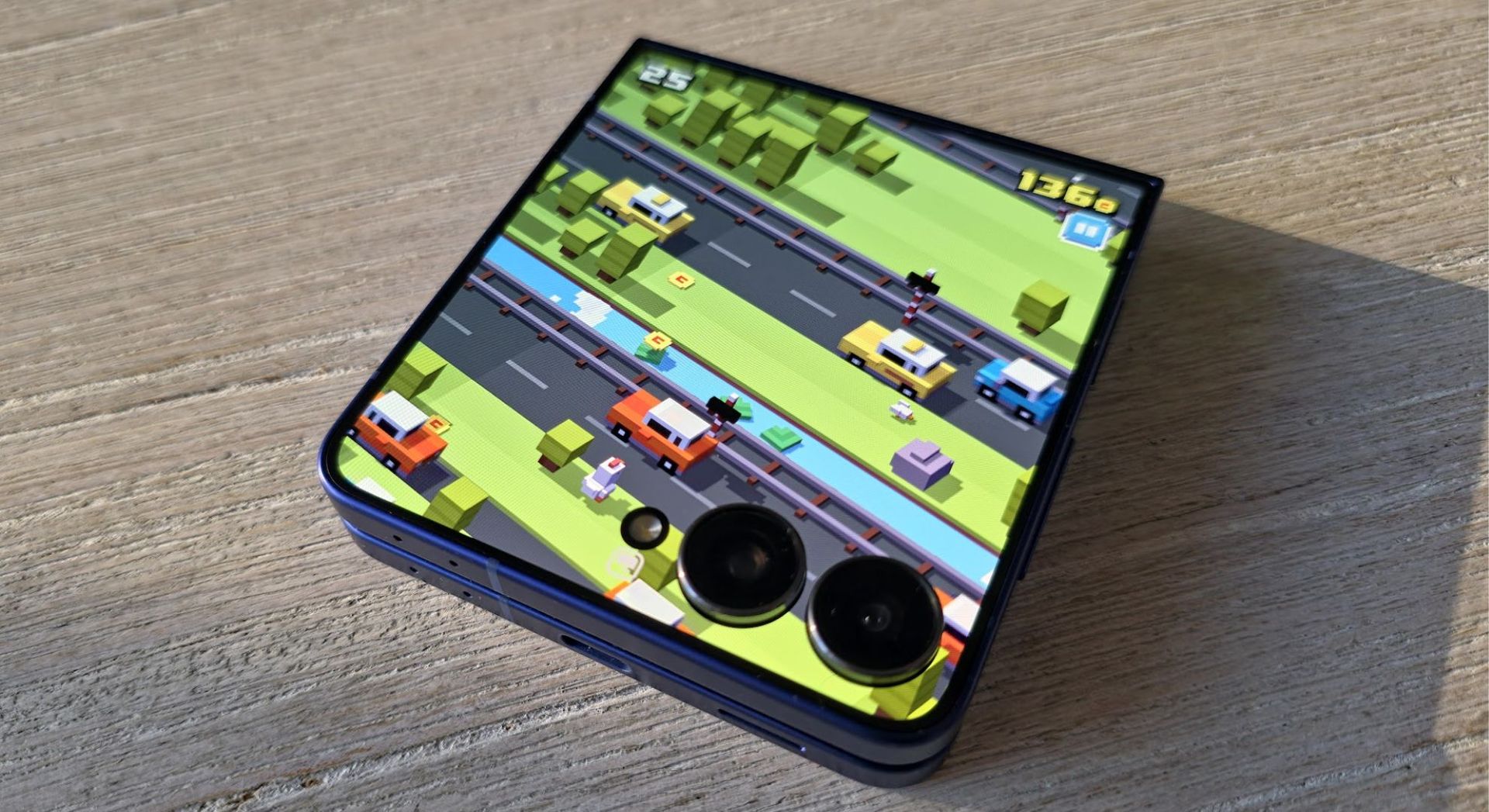
This is where the Galaxy Z Flip 8 begins to put some meaningful distance between itself and its predecessor.
US and Australian models of the Z Flip 8 use Qualcomm’s Snapdragon 8 Elite Gen 5 for Galaxy chipset, while the UK version of the phone receives Samsung’s Exynos 2600, replacing the Exynos 2500 inside the Flip 7. The latter chipset features in every version of the Flip 7, in every region.
The older phone still handles everyday apps, split-screen multitasking, and Samsung DeX without much trouble, but its performance was one of the weaker parts of our review. The Flip 8 has considerably more headroom for gaming, demanding apps, and Samsung’s growing collection of AI features — even if your version of the phone uses the Exynos 2600, and not the Snapdragon 8 Elite Gen 5.
Its software is also better suited to the folding design. Android 17 and One UI 9 add a proper FlexWindow app tray and let you rearrange widgets directly from the cover screen.
Both phones receive seven generations of Android upgrades, but the Flip 8 naturally starts one version later and offers a smoother cover-screen experience from day one.
Samsung Galaxy Z Flip 8 vs Samsung Galaxy Z Flip 7: battery
Samsung has kept the same 4,300mAh battery in both phones, alongside 25W wired and 15W wireless charging.
Neither model comes close to the fastest-charging foldables, and the Flip 8 gains no extra capacity to offset its more powerful hardware.
The Flip 7 generally made it through a full day in our review, although heavier photography or gaming could leave it needing an evening top-up.
The Flip 8’s newer chipset should use that capacity more efficiently, but the improvement is unlikely to transform the experience. These remain one-day phones with relatively slow charging, leaving little to separate them.
Samsung Galaxy Z Flip 8 vs Samsung Galaxy Z Flip 7: verdict
The most revealing thing about this comparison is how mature Samsung’s Flip formula has become.
The Galaxy Z Flip 8 improves the parts you touch every day — weight, thickness, hinge action, performance, and cover-screen software — while leaving the displays, camera hardware, battery, and charging largely untouched.
Given these upgrades, the Flip 8 is a better phone for someone buying their first Flip, especially if they plan to keep it for several years.
Existing Flip 7 owners have far less reason to move. Last year’s model still delivers most of the same foldable experience, and its lower price makes the Flip 8’s refinements look expensive rather than essential.
Overall winner: Samsung Galaxy Z Flip 8
