

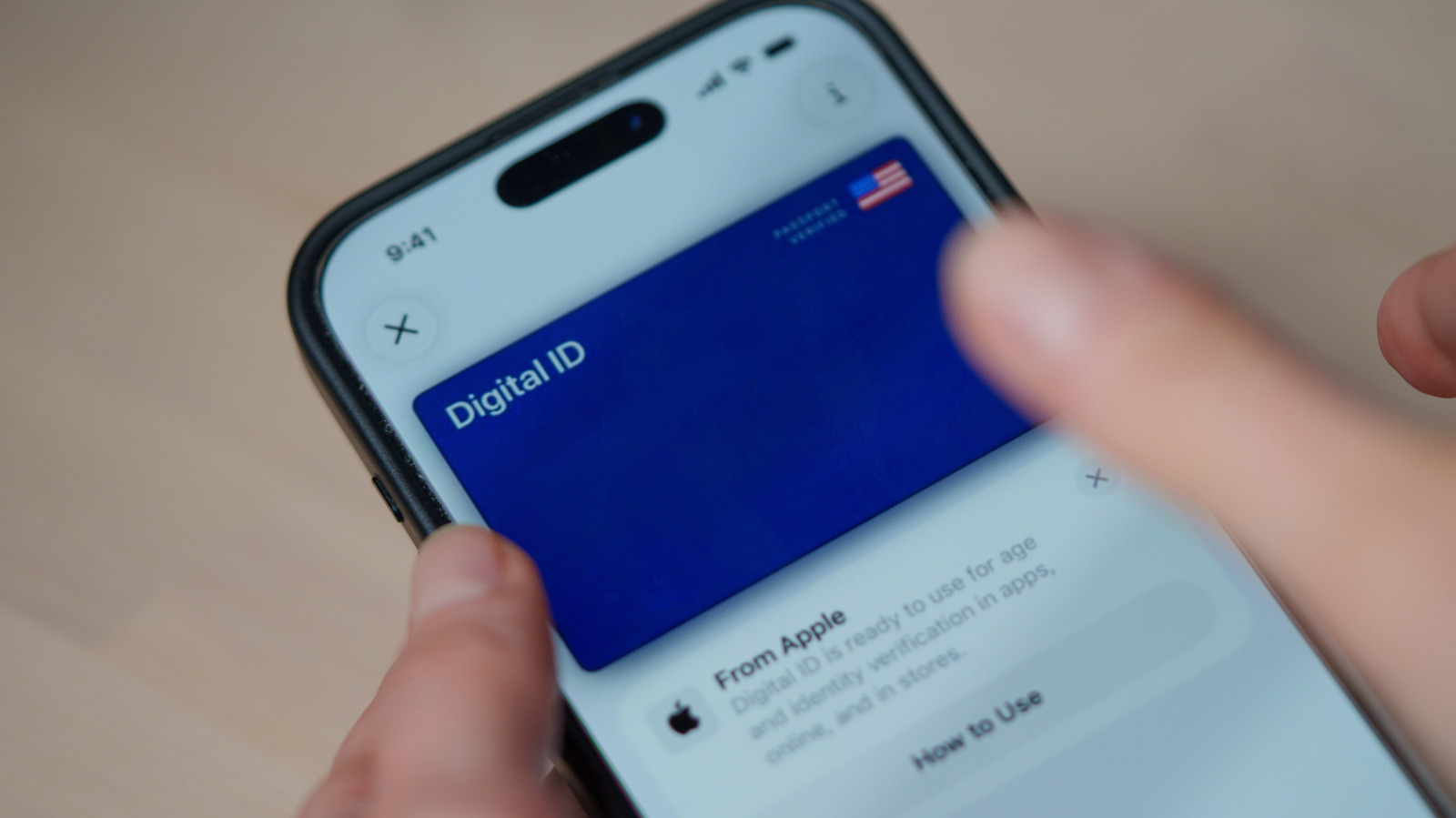
They can reveal less information than a physical card, but privacy protections don’t necessarily follow your data after you share it.
Putting your driver’s license in a digital wallet doesn’t mean storing a picture of the plastic card on your phone. A standards-based mobile driver’s license, or mDL, contains digitally signed information that lets a compatible reader verify it came from the issuing authority.
That design can make some interactions more private than showing a physical card, while also protecting access to the ID with your phone’s security features. But moving identification onto a smart device raises a different set of questions about tracking, data retention and what happens if the phone becomes unavailable.
Why a digital driver’s license can reveal less than a physical one
Handing over a physical driver’s license exposes everything printed on it to the person checking it. If someone only needs to confirm that you’re over 21, for example, they may also see your exact birth date, home address and license number. An mDL can be more selective. The standard supports broad age statements such as whether someone is over 21, allowing a compatible verifier to request that answer rather than seeing the person’s complete date of birth.
Apple and Google add their own protections as well. Apple says you can review requested information before sharing it, and in-person presentation requires authentication with Face ID, Touch ID or an applicable accessibility method. Driver’s license and ID data is encrypted, and you don’t need to hand your phone to the verifier or unlock it.
Google says its US driver’s licenses and state IDs are encrypted and stored locally on the phone rather than in your Google Account. Google Wallet also shows the requested information before it’s shared and requires you to authenticate.
Those controls don’t make a digital license automatically safer than a physical one, but they can give you more control over what you reveal.
Can a digital driver’s license track where you use it?
The 2021 ISO/IEC 18013-5 standard supports two ways to provide a digital license. With device retrieval, the information is sent directly from your phone to the reader. With server retrieval, the reader gets the information from the authority that issued the license instead. Privacy advocates object to that second method because the issuer could potentially learn when or where the ID is being used.
The Center for Democracy & Technology calls this the “phone home” problem and argues that a digital ID shouldn’t be able to report every use back to the agency that issued it. That doesn’t mean Apple Wallet or Google Wallet work that way. The concern is about what server retrieval could allow if it were used.
There has also been an important change recently. The American Association of Motor Vehicle Administrators (AAMVA), which sets implementation guidance for motor vehicle agencies across North America, prohibited server retrieval in 2025. Its current Mobile Driver License Implementation Guidelines, published in July 2026, continue that prohibition. That doesn’t make every digital ID system untraceable, though; privacy still depends on the standard, regional rules and the wallet’s own design.
What happens to your digital ID information after you share it?
Controlling what leaves your phone is only part of the privacy question. Once an organization receives information from your ID, the digital wallet can’t necessarily control what that company does with it afterward.
That makes data retention an important part of the transaction. Before you approve a share, Apple Wallet tells you what information is being requested and, where applicable, whether the requester intends to retain it. Google Wallet also lets a requester indicate whether it plans to keep particular pieces of information before you approve the request.
The legal protections can also vary by location. New Jersey’s digital ID law includes specific privacy safeguards: an organization can’t require someone to hand over their device when presenting a digital ID, and presenting one doesn’t amount to consent to search other information on the phone.
There’s a broader concern about where digital identification might eventually be requested. The American Civil Liberties Union (ACLU) argues that easier access to government-backed digital IDs could encourage more online services to demand identity or age checks in situations where people can currently browse anonymously. That’s an argument about how the infrastructure could be used as adoption grows, not evidence that current digital licenses are tracking people’s web activity.
That debate is becoming more concrete as Google expands Wallet’s digital ID and age-verification features in parts of the European Union, including ways to confirm someone’s age without sharing their name, address or full birth date.
What if your phone is lost, dead or unavailable?
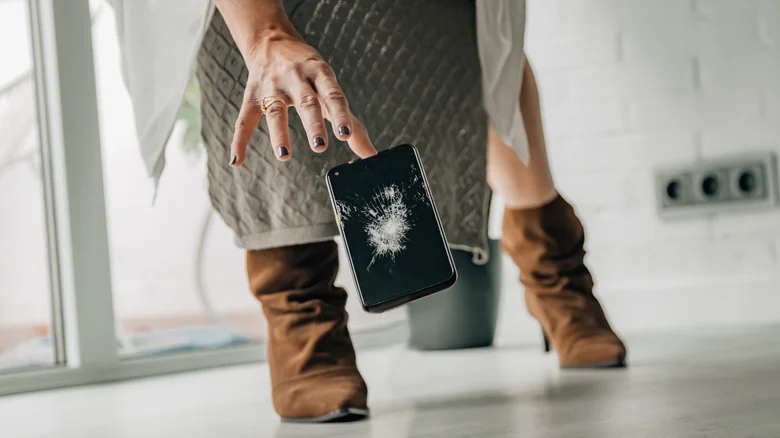
Losing a phone containing your digital driver’s license isn’t quite the same as dropping the physical card. Someone who finds a plastic license can immediately read everything printed on it. Apple Wallet requires you to have biometric security on your device to add a digital ID, and you must confirm this before viewing the info. Google Wallet requires you to have screen lock protection and has you authenticate this before sharing ID details. Thus, as long as your PIN is strong, someone who finds your phone can’t access your ID details.
There are remote options if you can’t recover your phone. Apple users can erase a lost device through Find My, which removes its Wallet cards and passes, including a driver’s license or ID. For Android, you can remotely remove a driver’s license or state ID through your Google account. Our guide to disabling your digital wallet after losing your phone covers the core steps for both iPhone and Android.
A dead, damaged or unsupported phone creates a simpler problem: you may not be able to present the digital credential at all. For now, a digital driver’s license is thus best treated as a companion to the physical card, not a replacement. It can limit what you reveal and protect access with device authentication, but once information leaves the wallet, the recipient’s retention practices and the laws governing them matter just as much.
