

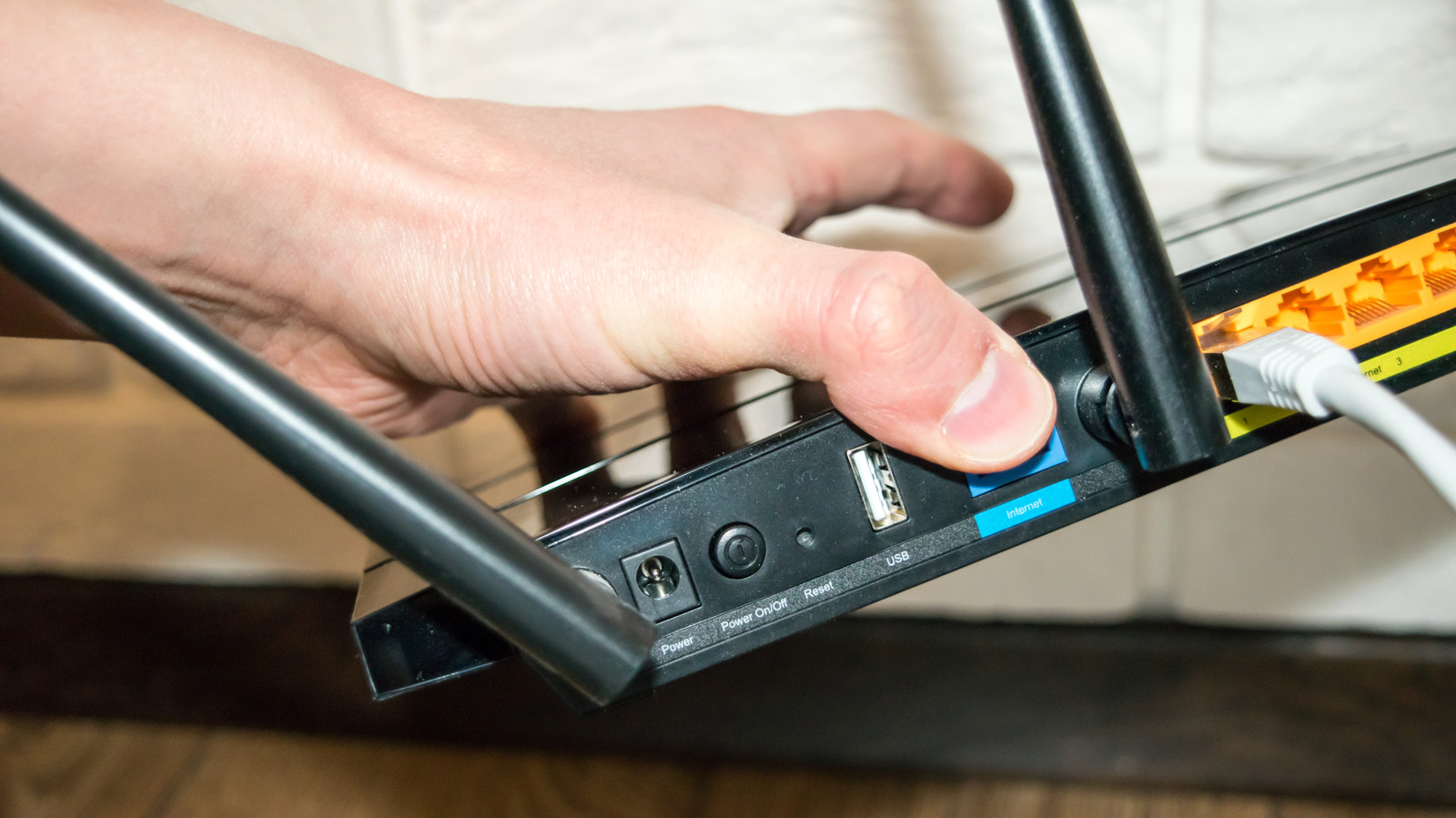
If you’ve neglected that port until now, you can put it to good use.
Next to the row of WAN and LAN ports on the back of most routers, you’ll often find a USB port. Unless you’ve read through your router’s manual or experimented yourself, you may not know what it’s capable of. But that port is surprisingly versatile: it can turn a USB storage device into a networked drive, for instance, or enable a backup internet connection when your ISP suffers an outage.
Routers are fundamentally low-power computers with a CPU, memory and a lightweight operating system. Newer models have more performance headroom alongside faster USB 3.x ports, giving them access to more powerful network routing features. If you’ve never thought about taking full advantage of this port on your router, it’s worth exploring what it can do.
Your router’s USB port is surprisingly versatile
While exact capabilities vary by manufacturer and model, the USB port on the back of your router can typically be used to create a file server. The idea is simple: plug in an external hard drive or SSD, or even a flash drive, and you can access it from any device connected to the router. You’ll need to enable this feature your the router’s settings first. Look for an option called File sharing, USB storage device, Media sharing, ReadySHARE or some variation of these terms.
Once enabled, you can access the storage device through SMB, Samba or FTP, depending on your router’s model. You can find detailed instructions on manufacturer websites like TP-Link and Asus.
Printer sharing is another common use for the USB port on your router. If you own an older or inexpensive printer that doesn’t include Wi-Fi, you can run print jobs wirelessly and don’t have to connect your printer to individual computers. However, compatibility depends on your router and printer; you may need to install a utility like Asus’ EZ printer sharing app on your PC as part of the setup process.
Finally, some routers support cellular dongles connected to the USB port. This doesn’t work on every model, since the router’s software needs to negotiate a 4G or 5G connection. But assuming it works on yours, a cellular connection can be either your primary internetled dual WAN failover or multi-WAN
Modern routers also allow you to share your Android phone‘s internet connectiondongle, but it also means you don’t benefit from the automatic failover feature since you have to plug your phone in every time. While you could turn your phone into a wireless hotspot instead, sharing access through the router means your existing devices don’t need to switch to a different Wi-Fi network
What you shouldn’t use your router’s USB port for
Versatility aside, there are a few limitations worth acknowledging before you turn your router into a storage server. The first is performance; many <a href="https://myappsplus.com/the-new-airpods-5-are-available-to-preorder-at-walmart-and-you-can-save-on-older-models-starting-at-just-19/" title="The new AirPods 5 are available to preorder at Walmart — and you can save on older models starting at just $19″>older models only support USB 2.0 speeds. That’s a maximum of 480Mbps or 60MBps, which means it will take hours to transfer large amounts of data.
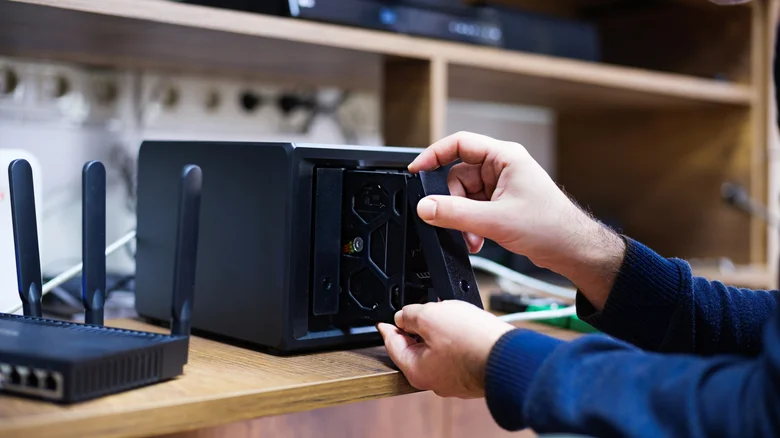
In my experience, some routers also struggle with portable hard drives since they draw more power than a simple flash drive. If you don’t already own one, I’d recommend picking a hard drive with an external power adapter. But at that point, it’s likely worth investing in a dedicated network-attached storage (NAS) box. These aren’t as compact as a simple drive plugged into your router, but they offer much better stability and performance.
With a dedicated NAS, you can typically install multiple hard drives and set up redundancy through a feature called RAID. In the event that a single drive fails, you won’t lose any data. RAID isn’t a true backup, but it’s still an important first step to insulate yourself from data loss.
Printer sharing has drawbacks too, since you need companion software installed on your PC in many cases. TP-Link, Netgear and Asus all offer utilities for Windows and macOS, but don’t offer a way to initiate prints from Android or iPhone.
Even with these caveats, you can still put the USB port on the back of your router to good use. I wouldn’t recommend backing up important data on your networked storage device. But as a way to share files and ephemeral media content between devices, it’s valuable.
