Close Menu
MyAppsPlus

    Subscribe to Updates

    Get the latest creative news from FooBar about art, design and business.

    What's Hot

    NYT Strands hints and answers for Sunday, September 13 (game #924)

    September 12, 2026

    One problem with Android Auto can be fixed with a simple update

    September 12, 2026

    LG’s denial over TV spying claims ‘does not address the full privacy picture’, experts say — after report accuses it of making ‘216,000,000 spy TVs’

    September 12, 2026
    Facebook X (Twitter) Instagram
    Facebook X (Twitter) Instagram
    MyAppsPlusMyAppsPlus
    Saturday, September 12
    • Home
    • Breaking Tech
    • Apps & Software
    • AI & Automation
    • Android
    • iPhone & iOS
    • More
      • Reviews
      • How-To Guides
      • Deals & Discounts
      • Shop
    MyAppsPlus
    Home»Reviews»Russia is still trying to make its Starlink competitor work — 32 new Rassvet satellites launched into orbit, but it still isn’t enough to operate fully
    Reviews

    Russia is still trying to make its Starlink competitor work — 32 new Rassvet satellites launched into orbit, but it still isn’t enough to operate fully

    myappsplusBy myappsplusSeptember 9, 2026003 Mins Read
    Share Facebook Twitter Pinterest Copy Link LinkedIn Tumblr Email Telegram WhatsApp
    Follow Us
    Google News Flipboard
    Russia is still trying to make its Starlink competitor work — 32 new Rassvet satellites launched into orbit, but it still isn’t enough to operate fully
    Share
    Facebook Twitter LinkedIn Pinterest Email Copy Link
    • Russia has launched 32 Rassvet satellites, though coverage remains limited
    • Rassvet remains vastly smaller than Starlink’s expanding satellite constellation today
    • Russia plans 156 satellite launches in 2026, 292 in 2027, 318 in 2028, and about 900 in 2035

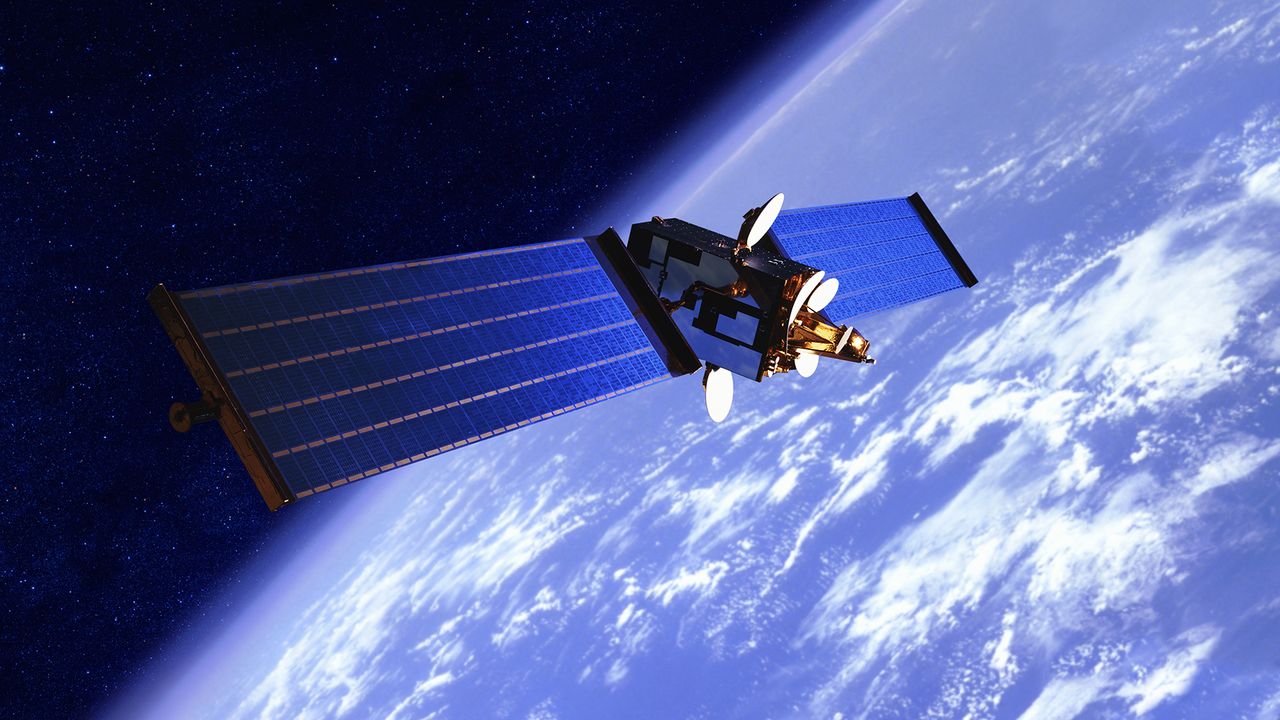
    Russia has launched 32 Rassvet communications satellites as Moscow works toward building a domestic network capable of competing with Starlink.

    The current fleet, however, remains too small to provide continuous service, while reported orbital problems have raised further doubts about progress.

    Russia still plans commercial operations from 2027, although reaching that stage depends on expanding the constellation and overcoming serious technical limitations.

    Thirty-two satellites leave Russia far from continuous coverage

    Ukraine’s Defense Intelligence chief, Oleh Ivashchenko, said the existing constellation cannot yet deliver reliable communications across the areas Russia intends to serve.

    “We know that today the Russians are trying to put satellites into orbit. But so far, there are not enough of them, and their effectiveness is low,” said Oleh Ivashchenko, chief of Ukraine’s Defense Intelligence.

    Ivashchenko did not disclose the spacecraft’s orbital paths, operating frequency, or the Ukrainian regions where the system currently provides coverage.

    However, he maintains that Rassvet remains far smaller than Starlink, which has more than 12,000 satellites in orbit and continues adding around 200 spacecraft each month.

    The much smaller constellation means Rassvet cannot yet provide the same level of continuous coverage as Starlink.

    Moscow has committed 102.8 billion rubles, or about $1.3 billion, to Rassvet as part of efforts to establish domestic broadband connectivity.

    Russia plans to launch 156 satellites in 2026, followed by another 292 spacecraft by 2027, when authorities expect commercial operations to begin.

    The programme ultimately aims for 318 satellites by 2028, while later plans envisage expanding the network from 250 spacecraft toward 900 by 2035.

    Those figures reveal the scale of work remaining, since the existing fleet represents only a fraction of Russia’s planned communications infrastructure.

    Technical problems could make expansion considerably harder

    Reports indicate that some Rassvet spacecraft faced difficulty gaining altitude, with certain satellites drifting downward after reaching orbit.

    Defense Express reported on August 25 2026 that one Rassvet-3 communications satellite was lost, while two others faced possible atmospheric reentry.

    Such incidents could complicate Russia’s schedule because each failed spacecraft reduces the already limited constellation and creates additional pressure on future launches.

    Building the planned network would require at least 18 Soyuz-2.1b missions, despite Russia currently carrying out only six to eight launches annually.

    The launch requirement therefore creates another obstacle, especially if replacement spacecraft become necessary after further technical failures during orbital operations.

    Rassvet could eventually provide communications links for unmanned aircraft and military units operating beyond the practical limits of conventional radio systems.

    That possibility gained greater attention after Ukraine and SpaceX restricted unauthorized Starlink terminals reportedly used by Russian forces during February 2026.

    “We are working on this. Russia’s ‘Rassvet svg’ must turn into a ‘zakat svg,’” said Oleh Ivashchenko, chief of Ukraine’s Defense Intelligence.

    Russia continues developing Rassvet despite these setbacks, but the current constellation remains unable to provide continuous connectivity expected from a fully operating network.

    Make Pro Russia still trying
    Follow on Google News Follow on Flipboard
    Share. Facebook Twitter Pinterest LinkedIn Tumblr Email Copy Link
    myappsplus
    • Website

    Related Posts

    NYT Strands hints and answers for Sunday, September 13 (game #924)

    September 12, 2026

    Meet the under-35s shaping the future of biotech

    September 12, 2026

    Quote of the day by Motorola’s cell phone pioneer Martin Cooper: ‘People want to talk to other people — not a house, or an office, or a car’ — blueprinting the start of a new era of communications

    September 12, 2026
    Add A Comment
    Leave A Reply Cancel Reply

    Top Posts

    The 6 AI-free Linux distros I recommend most

    August 19, 20263 Views

    AI, automation, robot dogs ensure on-site nuclear safety

    September 7, 20262 Views

    This tiny AI box could save me from upgrading my perfectly good laptop

    September 6, 20262 Views
    Latest Reviews

    Apple Wallet driver’s licenses are coming to North Carolina, but there’s a catch

    myappsplusAugust 18, 2026

    3 Japanese AI Stocks Turning Automation Spending Into Real Revenue

    myappsplusAugust 18, 2026

    Apple: DOJ’s latest challenge in antitrust case ‘fails at every level’

    myappsplusAugust 18, 2026
    Stay In Touch
    • Facebook
    • YouTube
    • TikTok
    • WhatsApp
    • Twitter
    • Instagram

    Subscribe to Updates

    Get the latest tech news from FooBar about tech, design and biz.

    Most Popular

    Apple Wallet driver’s licenses are coming to North Carolina, but there’s a catch

    August 18, 20260 Views

    3 Japanese AI Stocks Turning Automation Spending Into Real Revenue

    August 18, 20260 Views

    Apple: DOJ’s latest challenge in antitrust case ‘fails at every level’

    August 18, 20260 Views
    Our Picks

    NYT Strands hints and answers for Sunday, September 13 (game #924)

    September 12, 2026

    One problem with Android Auto can be fixed with a simple update

    September 12, 2026

    LG’s denial over TV spying claims ‘does not address the full privacy picture’, experts say — after report accuses it of making ‘216,000,000 spy TVs’

    September 12, 2026

    Subscribe to Updates

    Subscribe to our newsletter and get the latest tech news, app updates, AI trends, smartphone reviews, and exclusive deals delivered straight to your inbox.

    Facebook X (Twitter) Instagram Pinterest
    • About Us
    • Get In Touch
    • Disclaimer
    • Privacy Policy
    • Terms & Conditions
    © 2026 MyAppsPlus. All Rights Reserved.

    Type above and press Enter to search. Press Esc to cancel.