

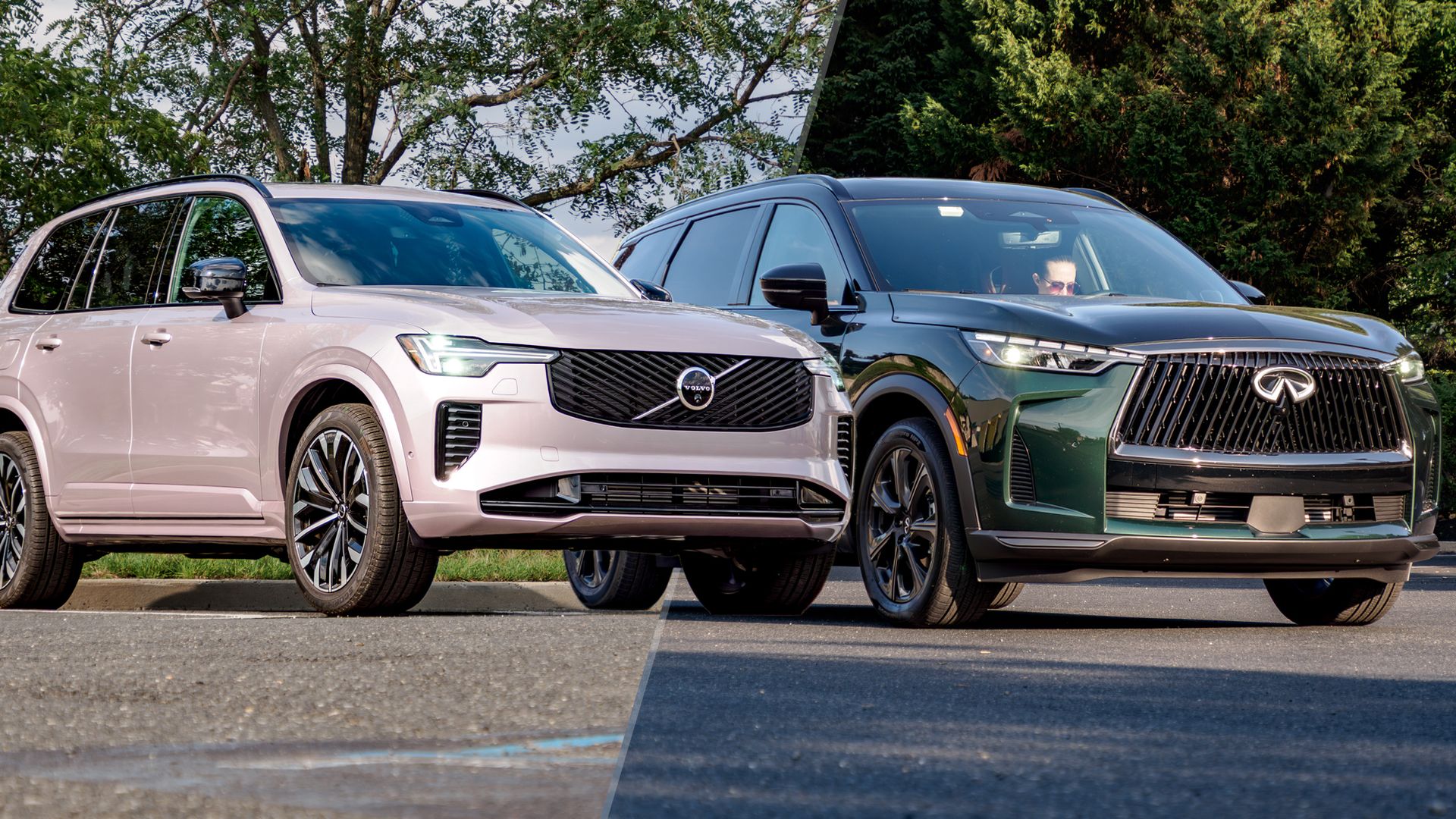
One of the best bang-for-your-buck values I’ve seen recently in a luxury vehicle is the Infiniti QX60, backed by an attractive $73,750 as-tested price, a “just right” sporty attitude, and better-than-expected fuel economy. But there’s a strong contender in the three-row, mid-size segment — the Volvo XC90.
Even though the 2026 Volvo XC90 T8 AWD Ultra I tested for a week comes in significantly higher with an $89,695 as-tested price, the Scandinavian-made luxury SUV brings its own unique charms. Volvo’s attention to design is one of my biggest takeaways from testing the XC90, but that’s not all.
Similar to my other car face-offs, I’ll be grading them across several categories to ultimately determine the winner in this Volvo XC90 vs. Infiniti QX60 comparison.
Volvo XC90 vs. Infiniti QX60: Specifications
|
2027 Infiniti QX60 Autograph AWD |
||
|---|---|---|
|
27 mpg city / 27 mpg highway / 27 mpg combined |
21 mpg city / 27 mpg highway / 25 mpg combined |
|
|
2.0L Turbo-Charged, Direct Injected Engine with Electric Motor |
2.0L Variable Compression Turbo Engine (AWD) |
|
Volvo XC90 vs. Infiniti QX60: Design
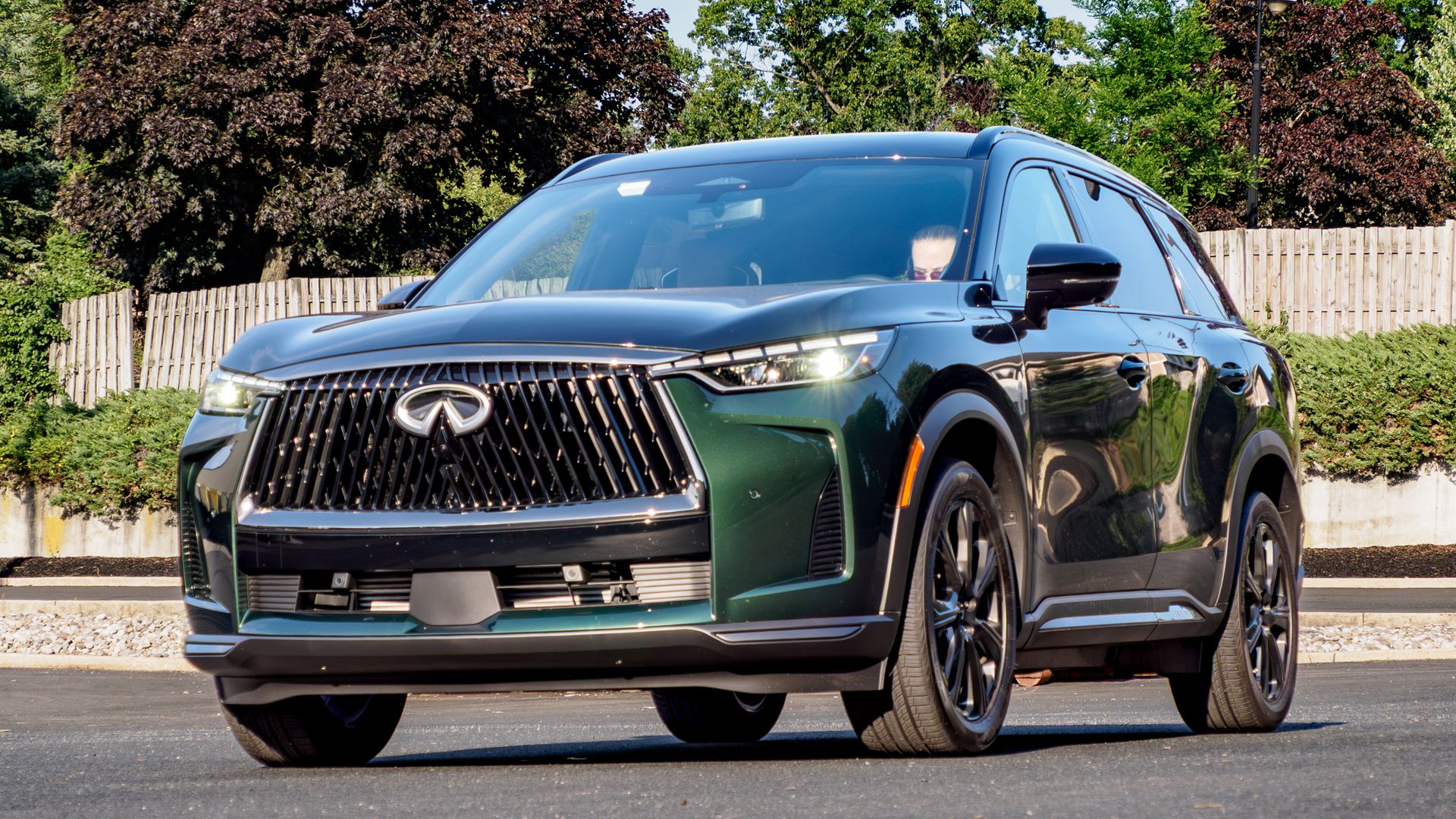
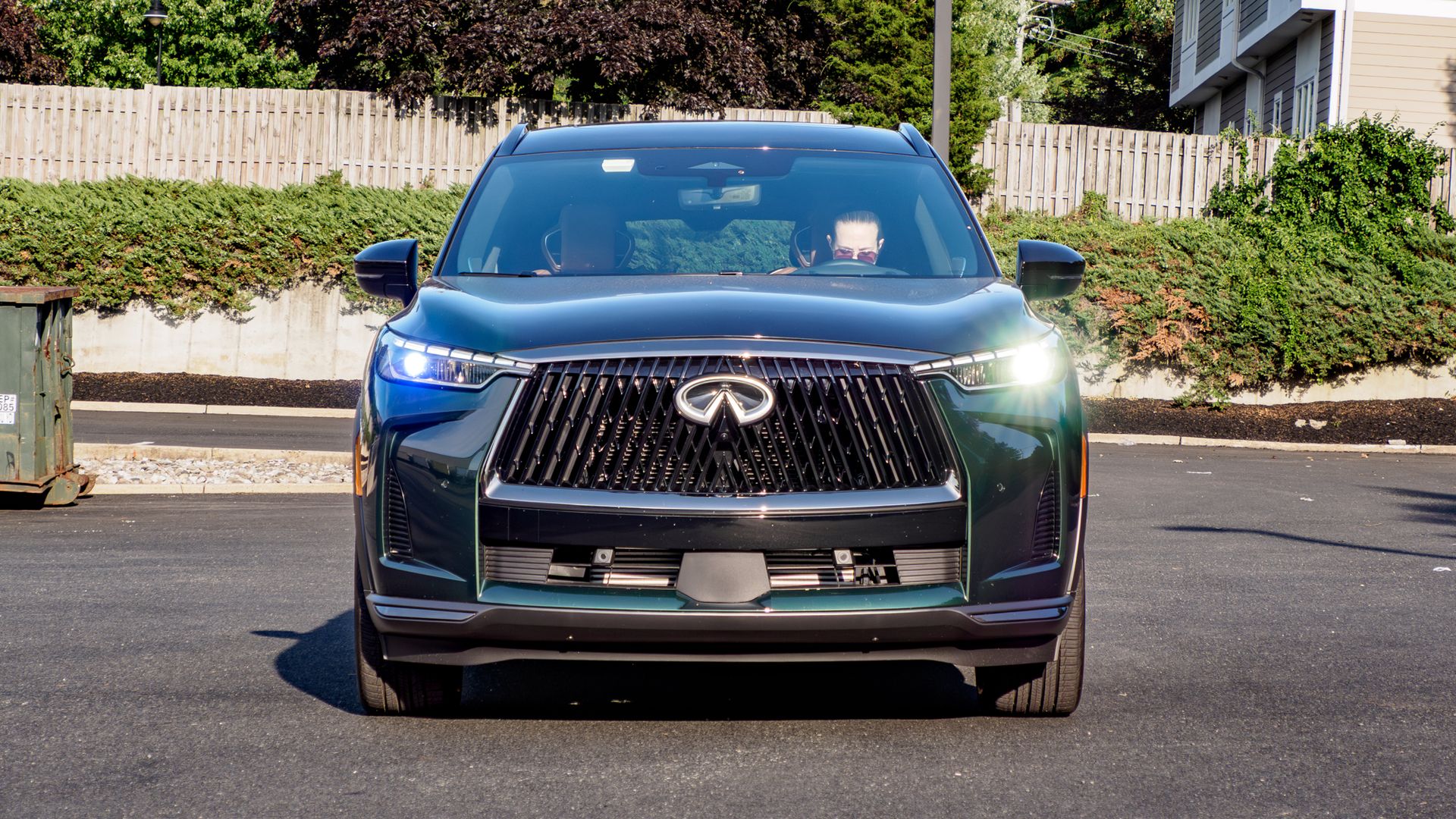
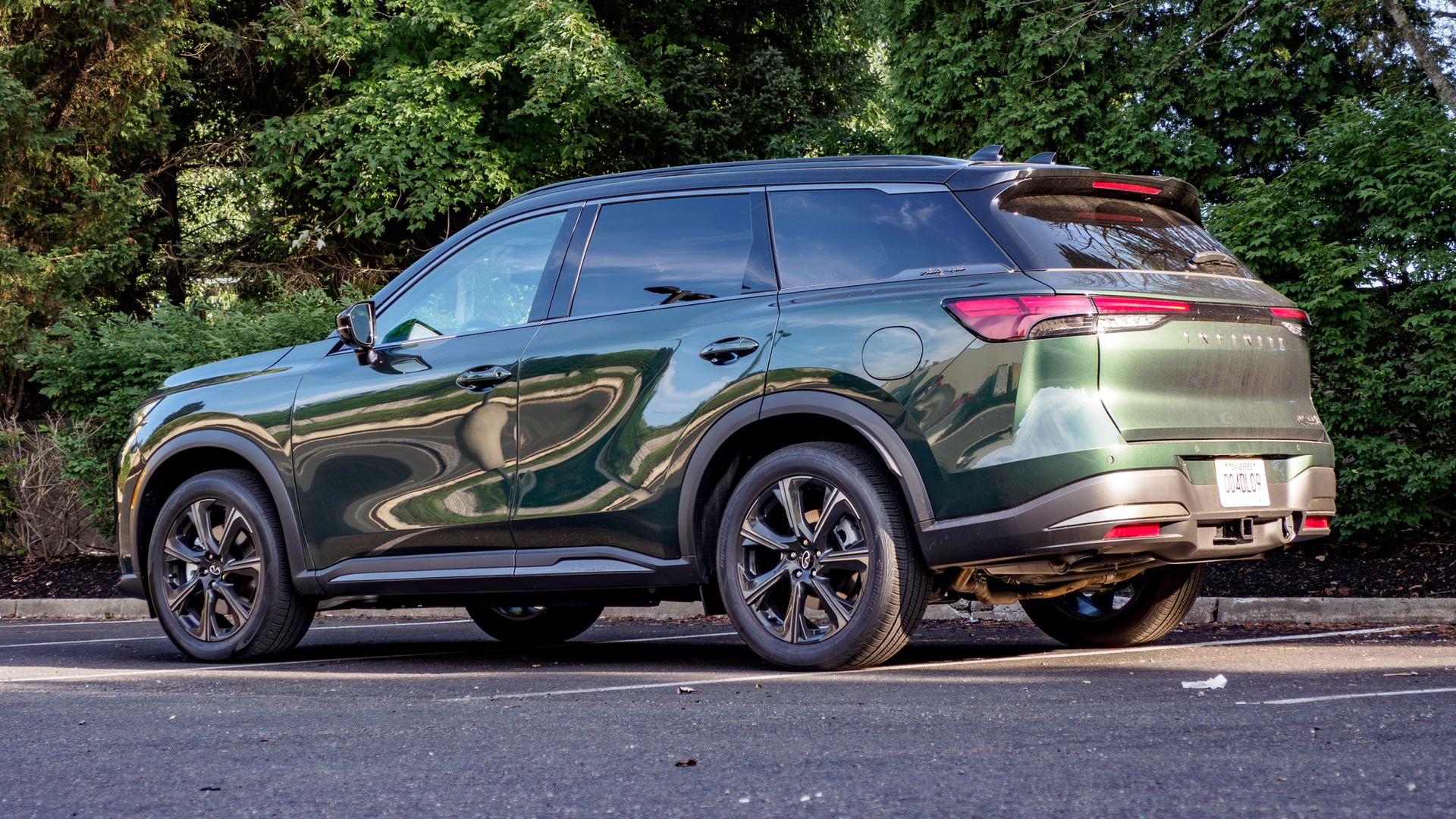
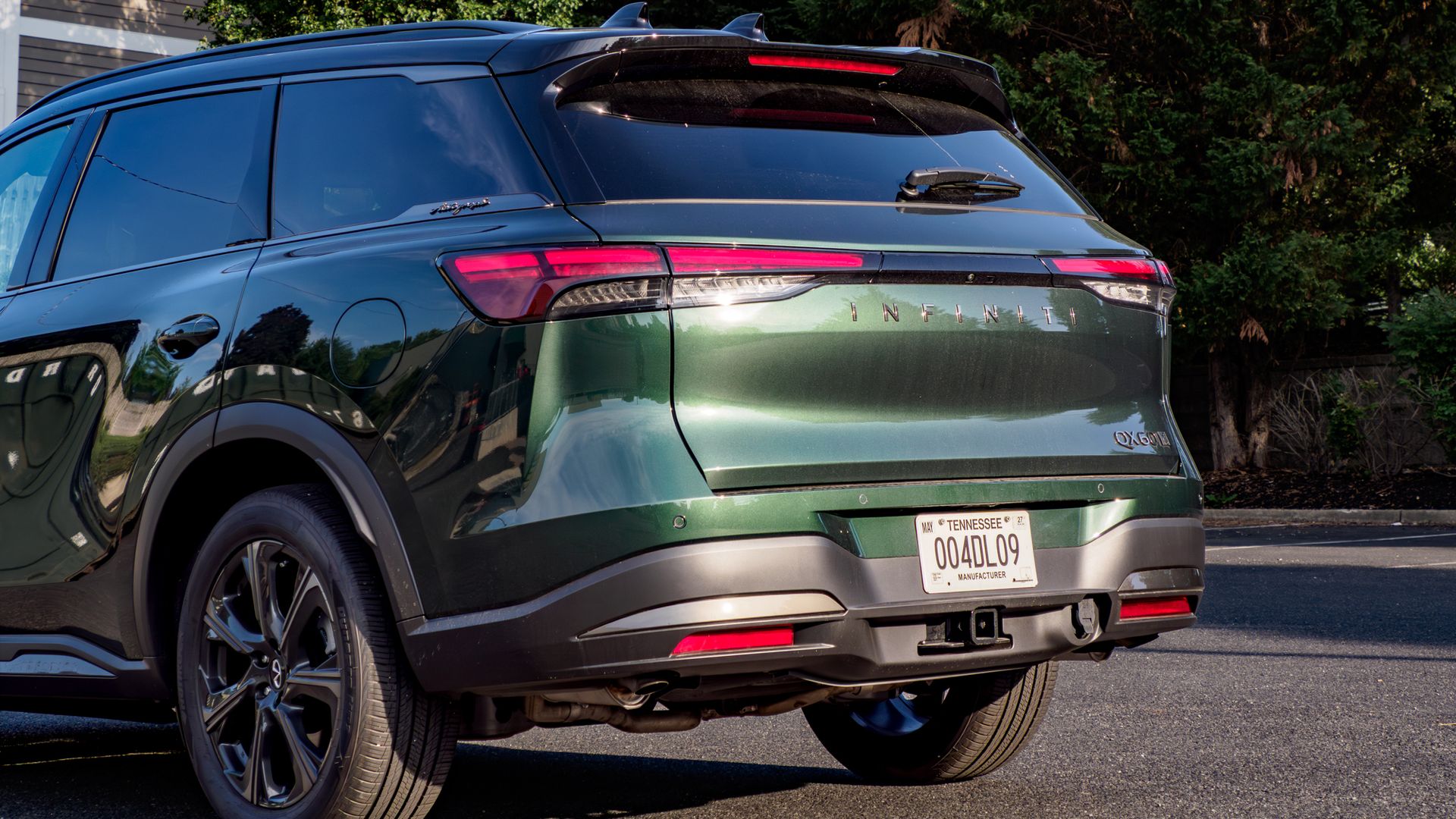
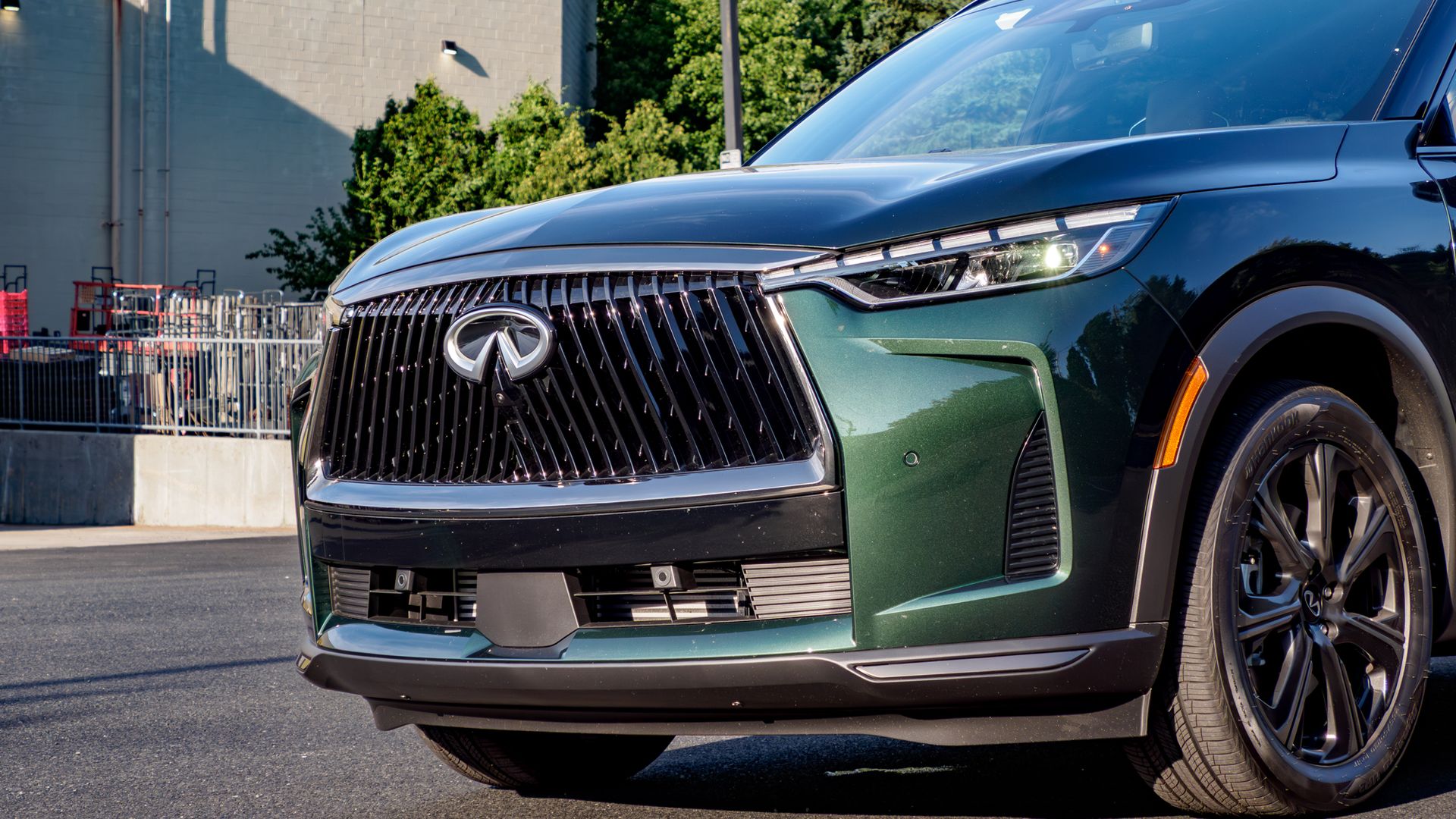
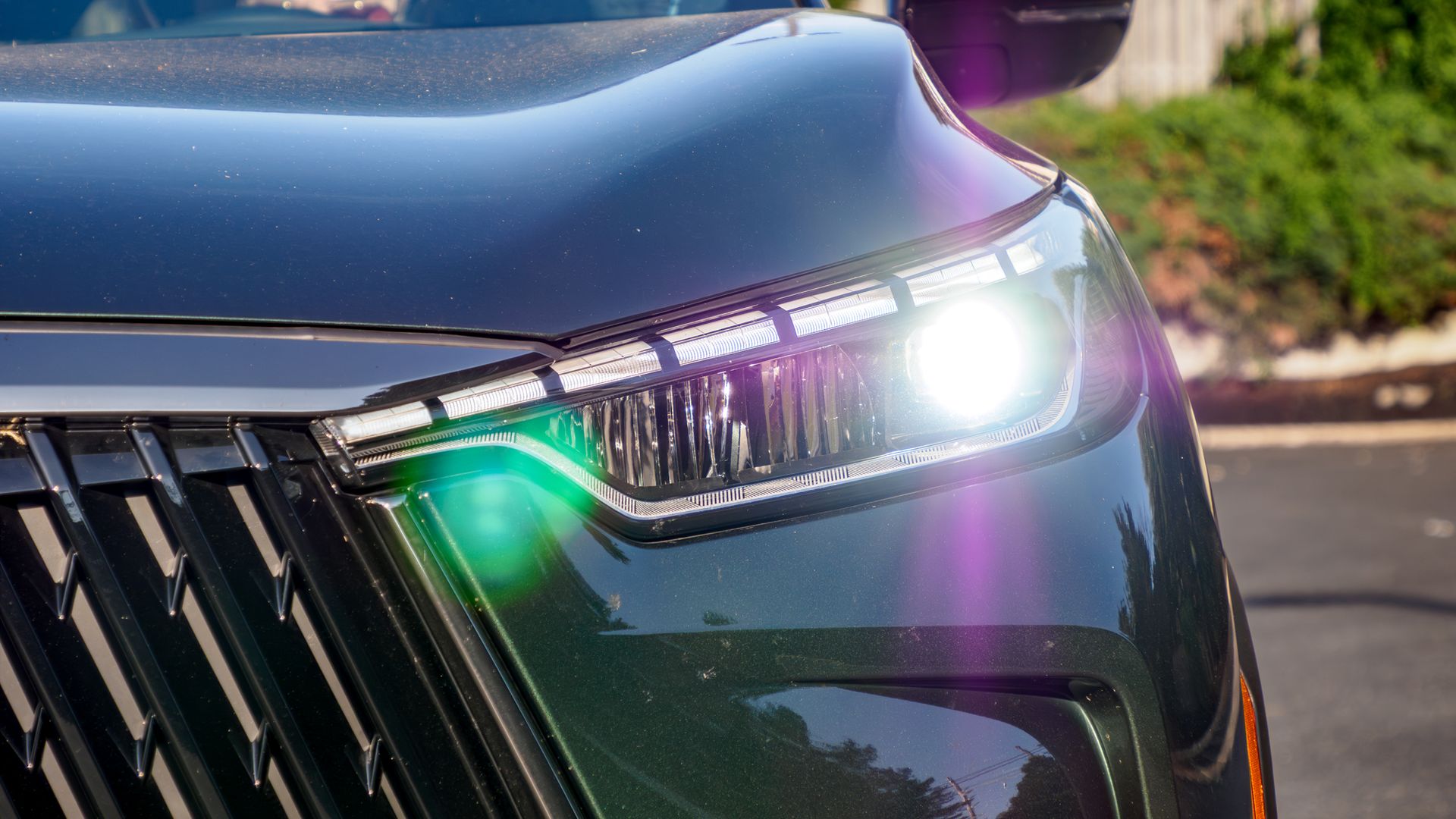
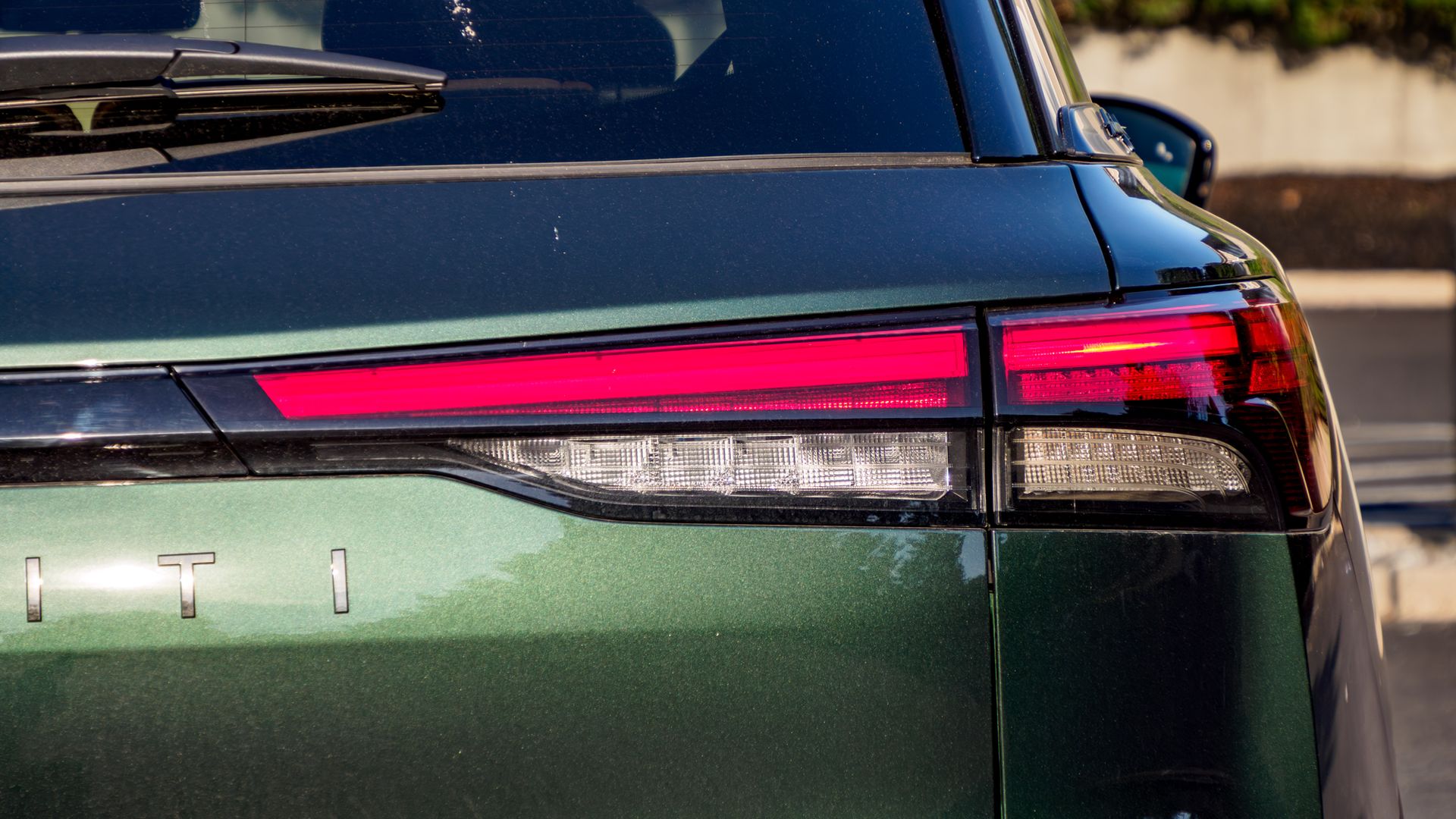
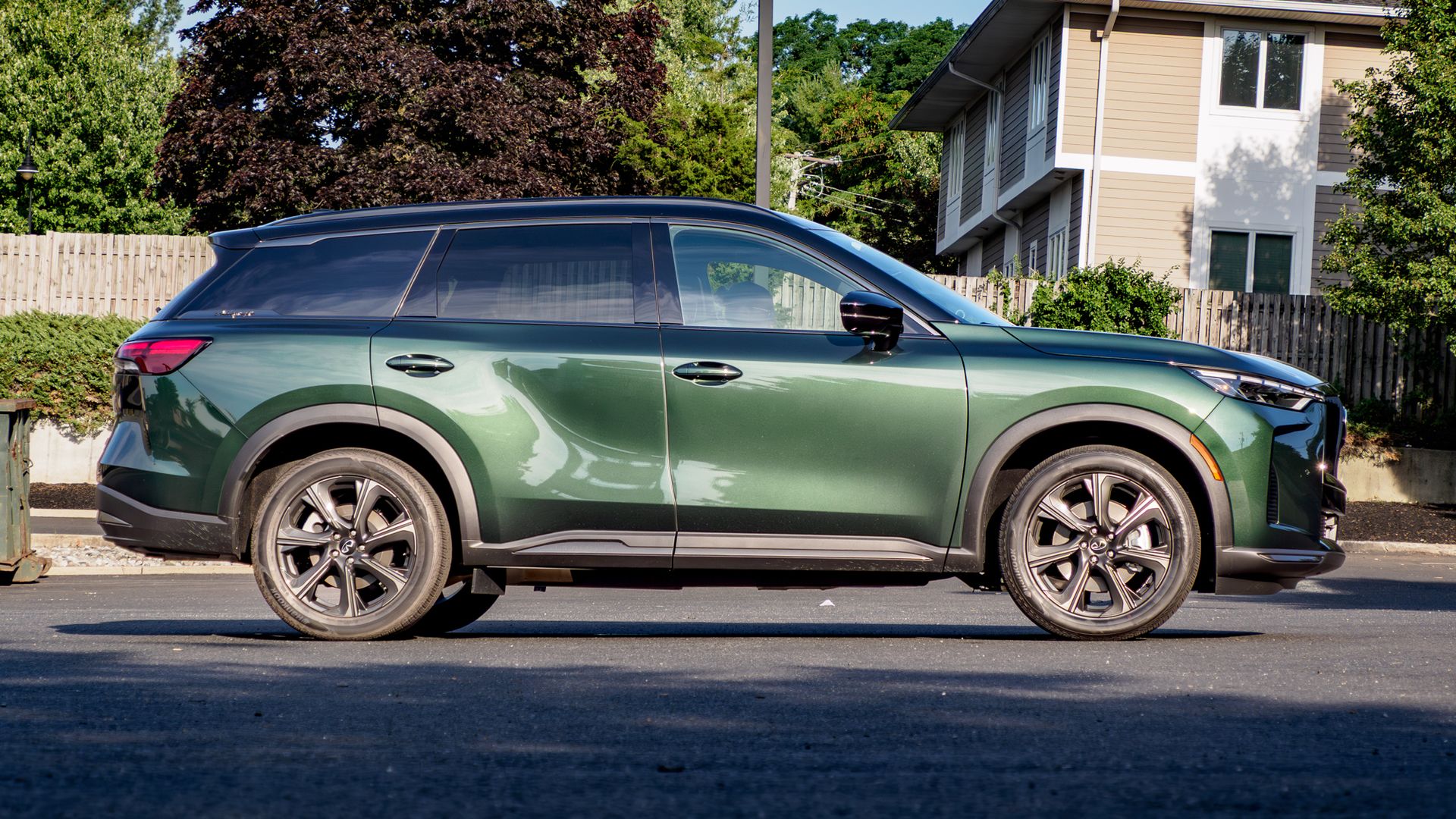
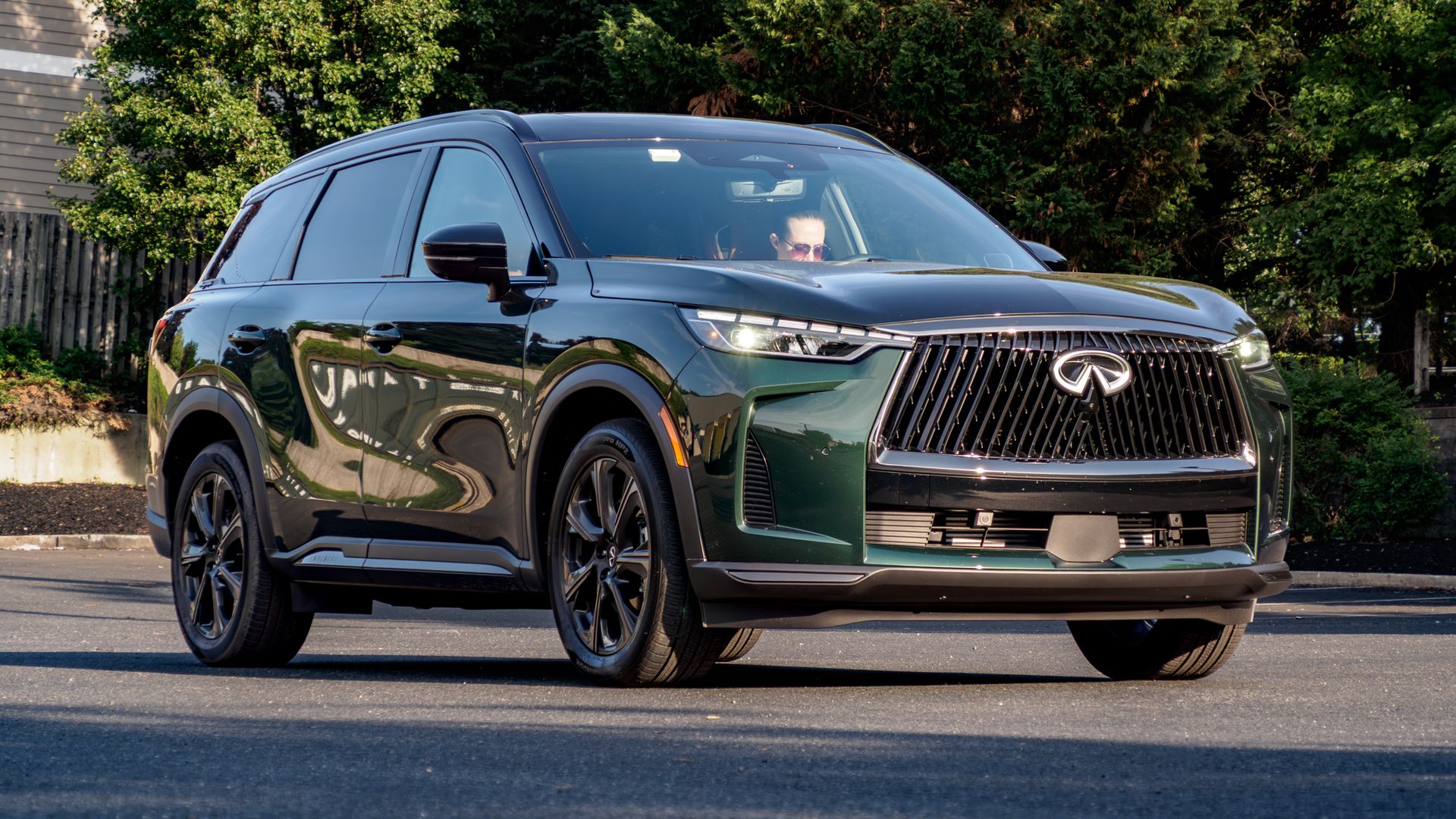
When it comes to curb appeal, both luxury SUVs present distinctly different philosophies, but the Infiniti QX60 wins me over with its athletic stance. I can’t stress enough how much a paint job can make all the difference; the Deep Emerald color with dark trim accents is an absolute head-turner on the road. If that’s not enough, the QX60 has a bolder front grille and sculpted proportions that give it an unmistakably sportier edge over typical family haulers.
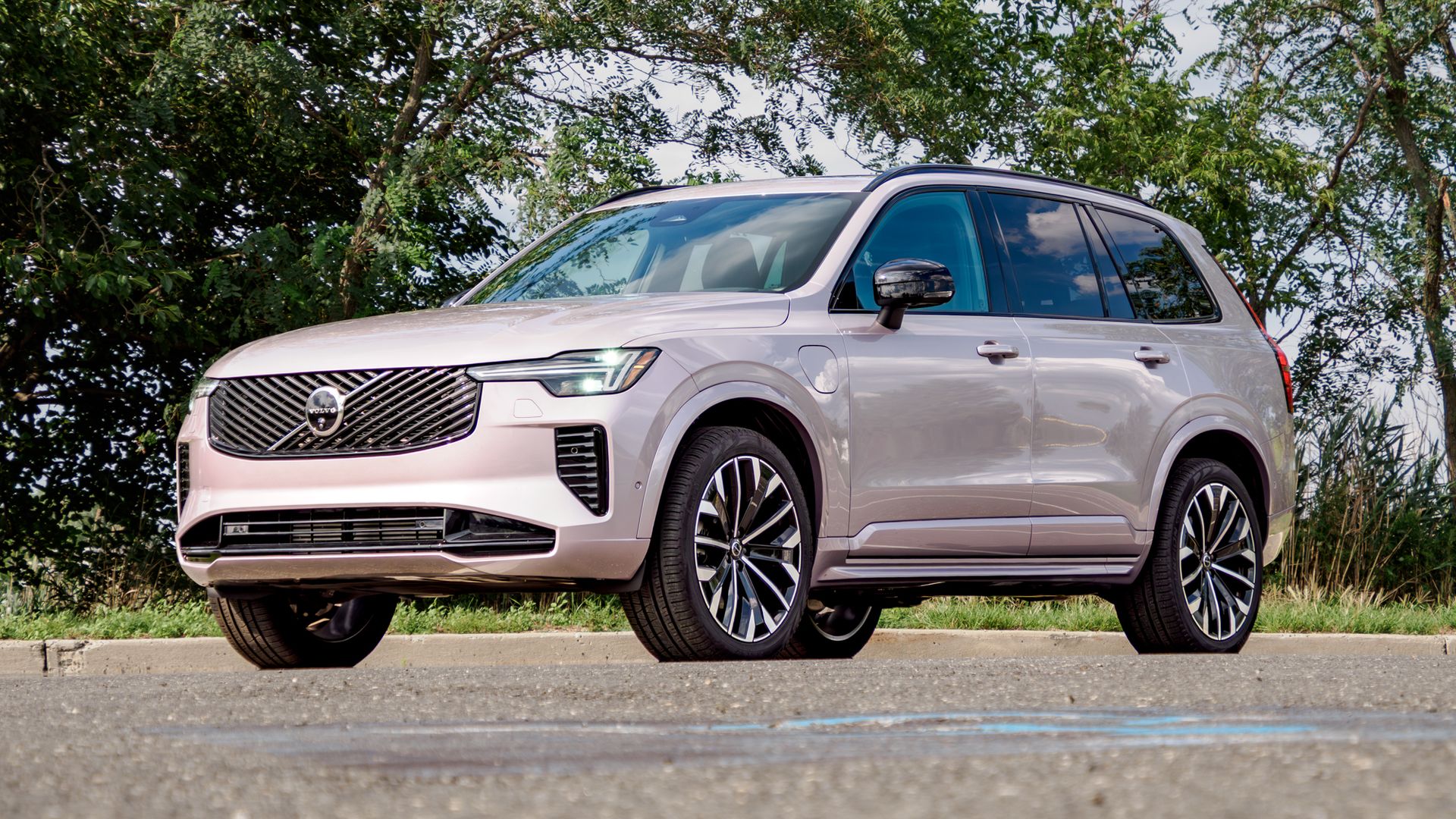
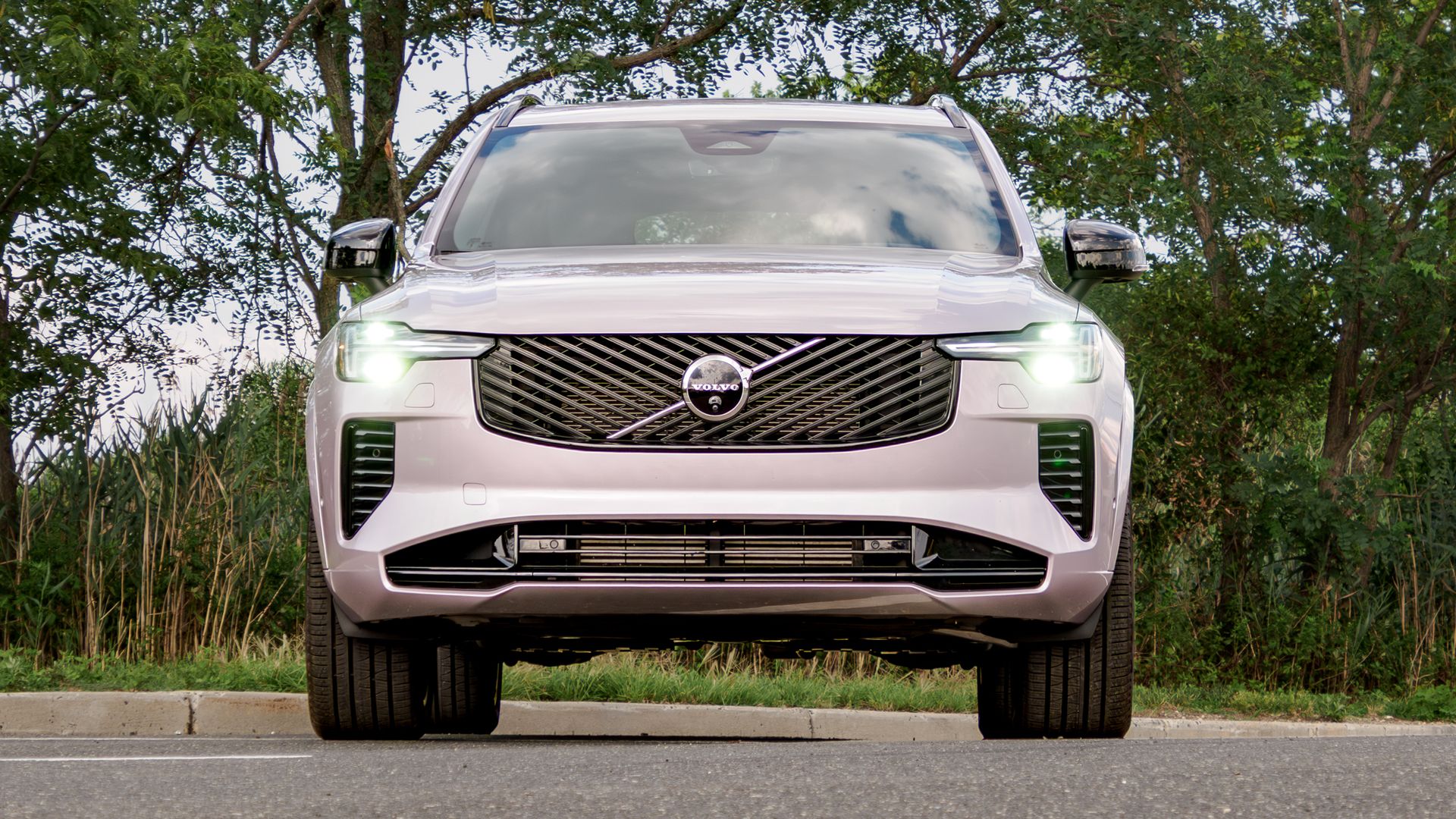
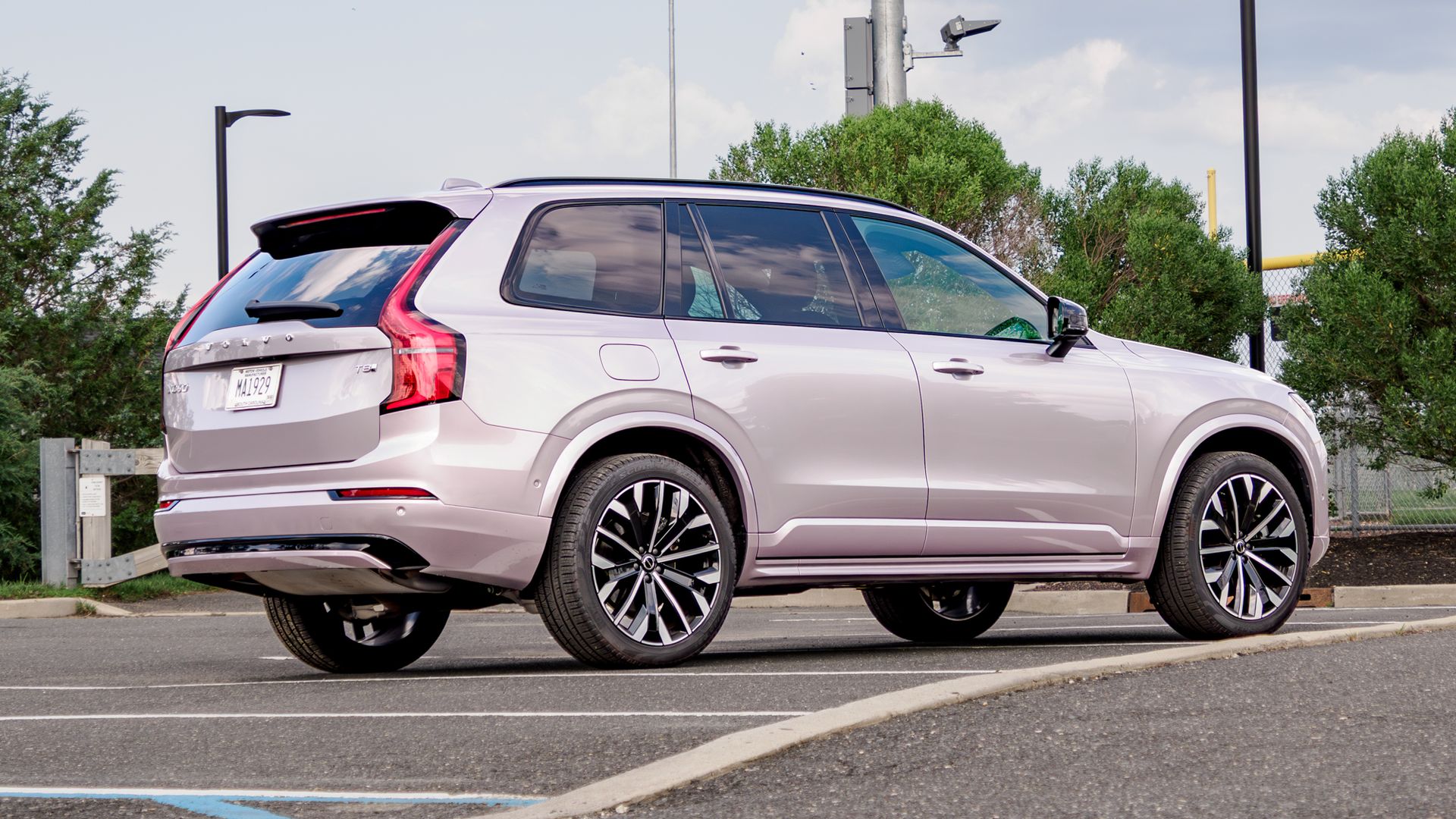
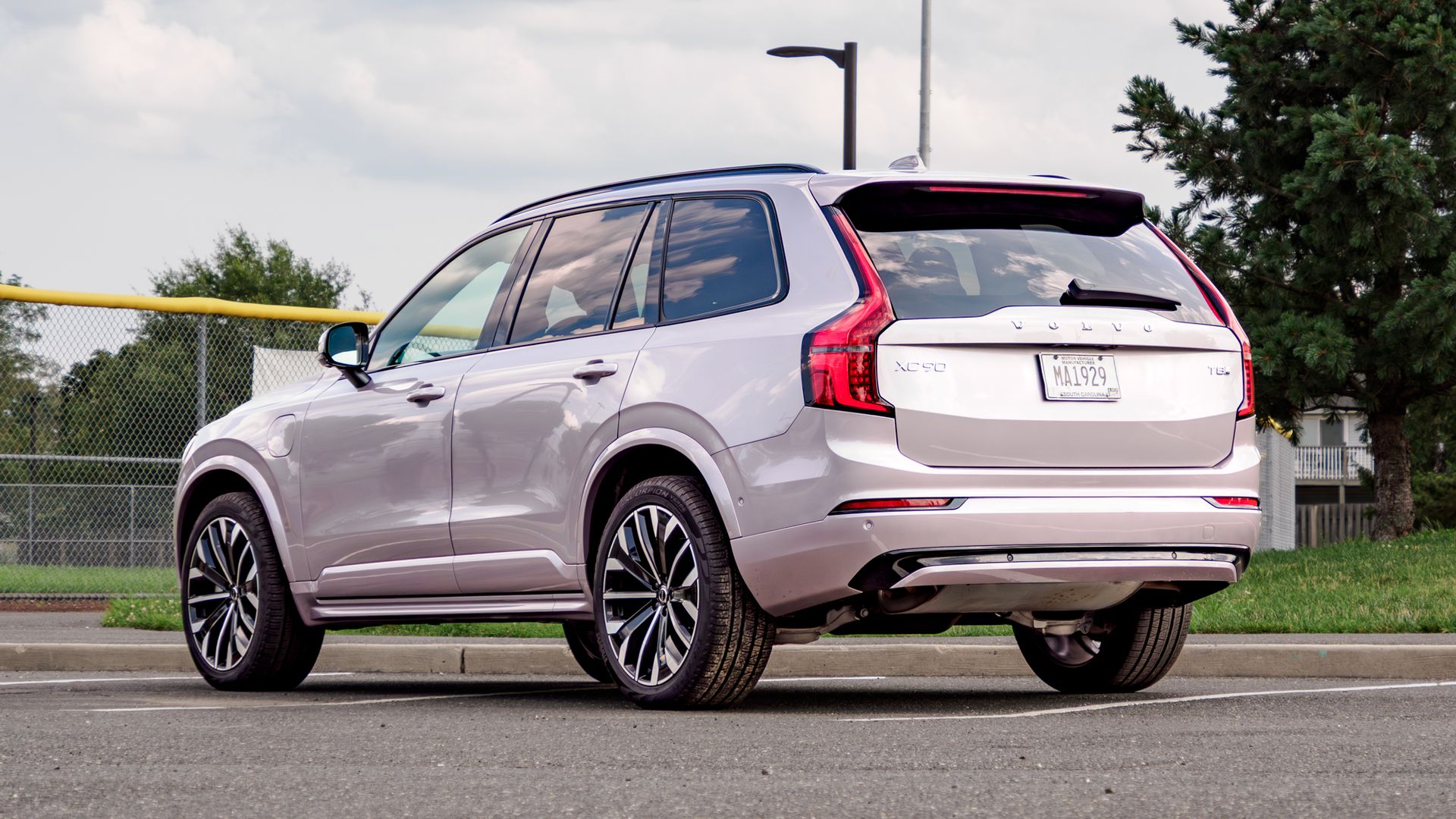
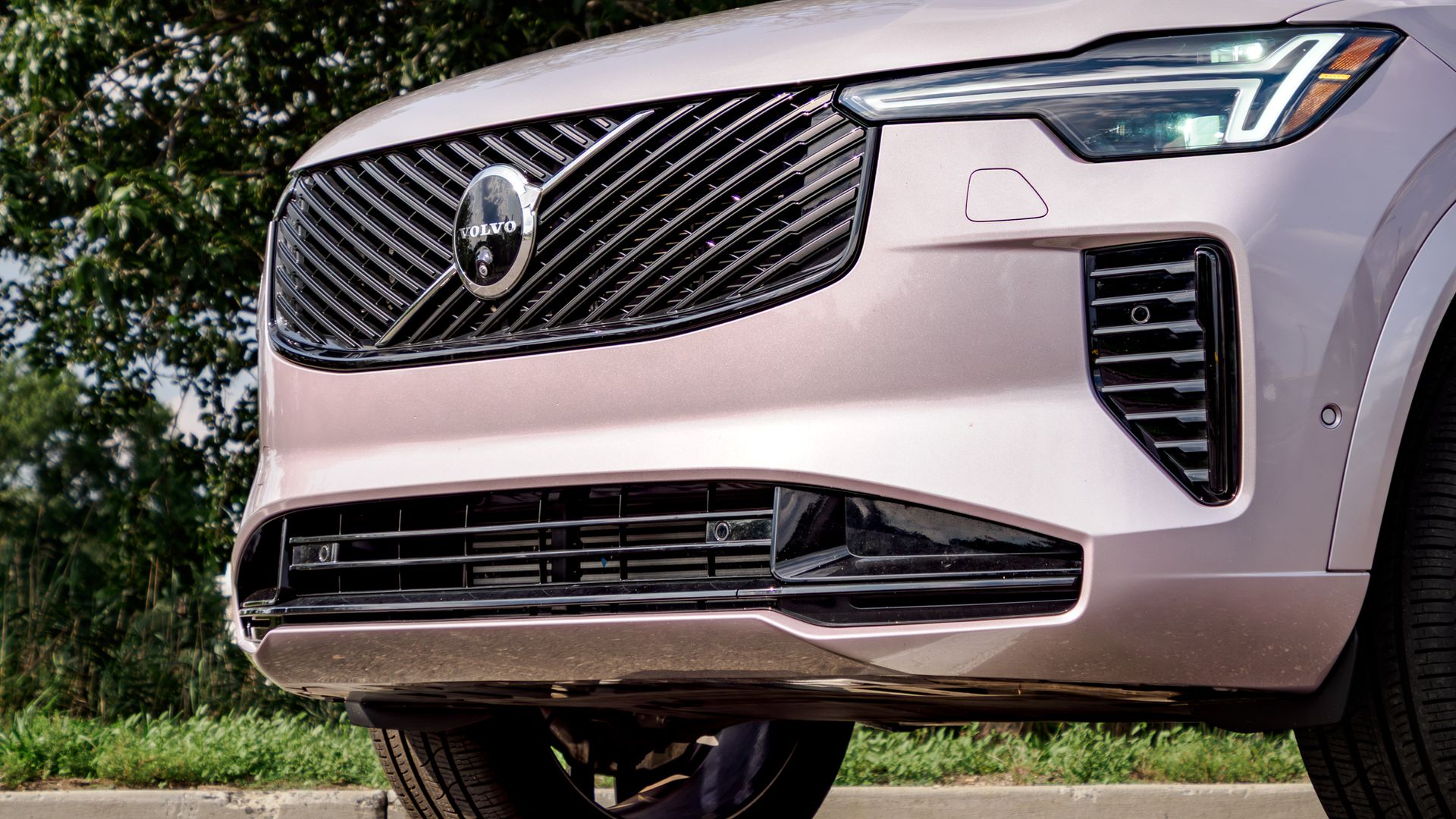
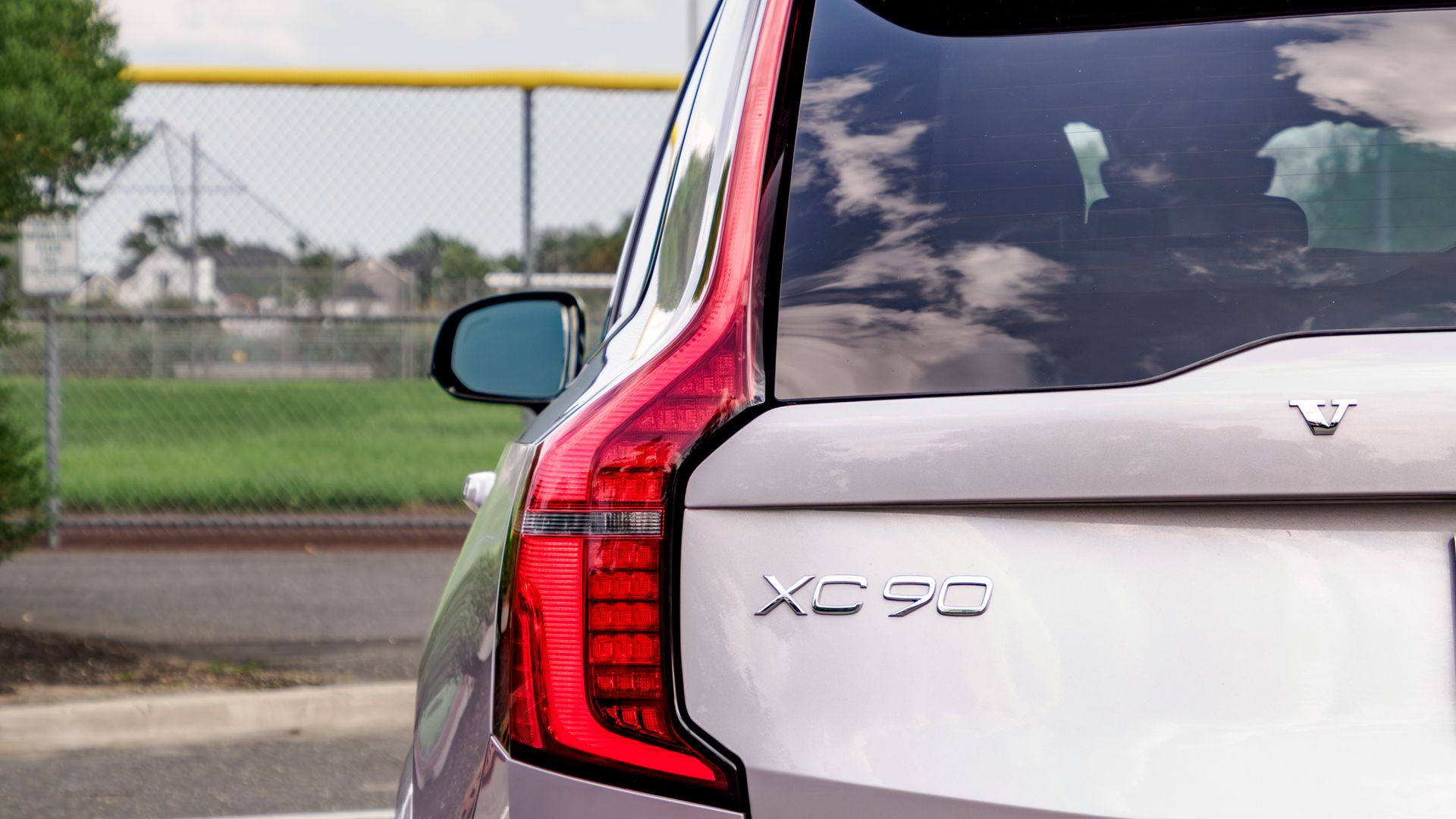
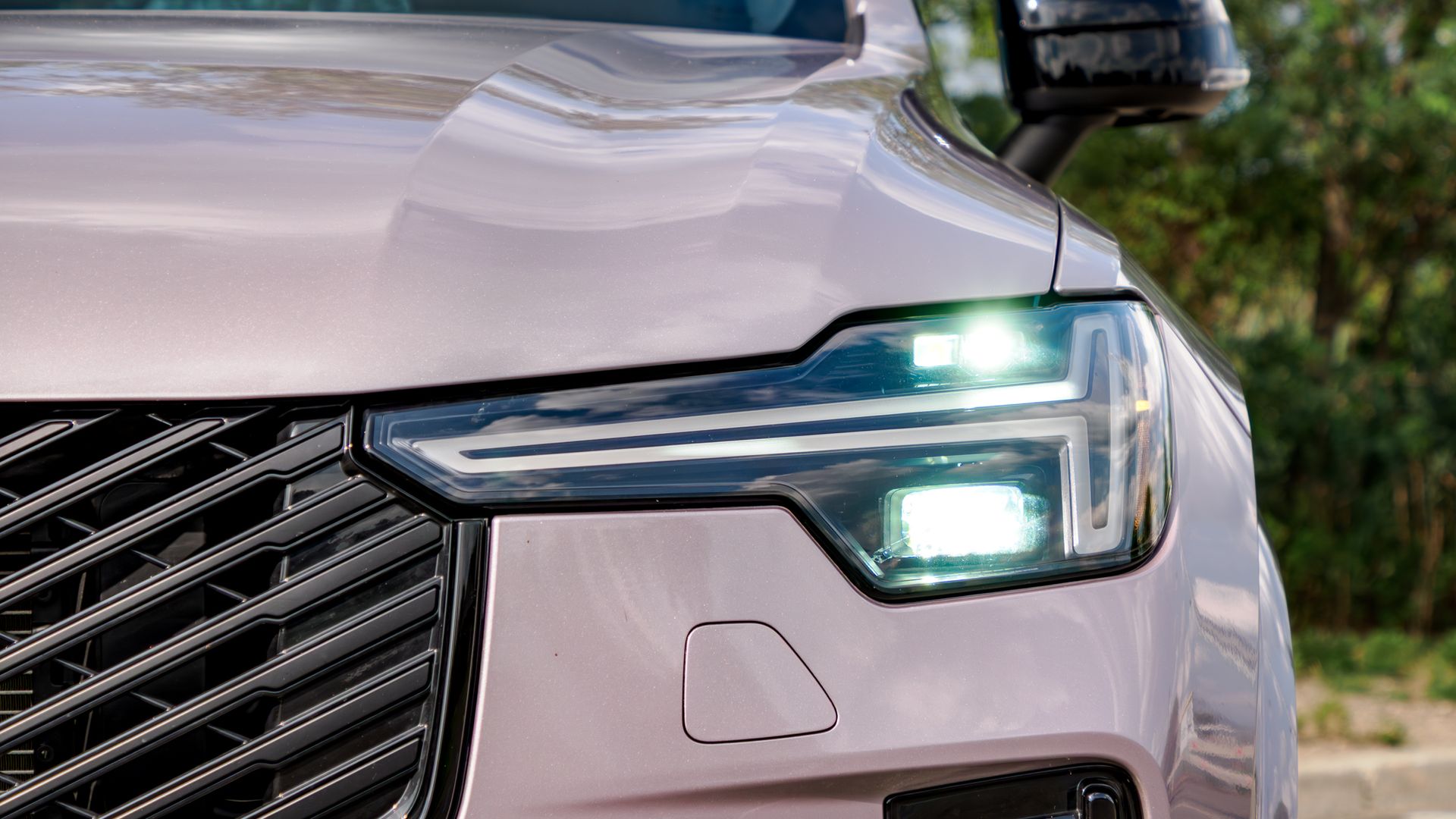
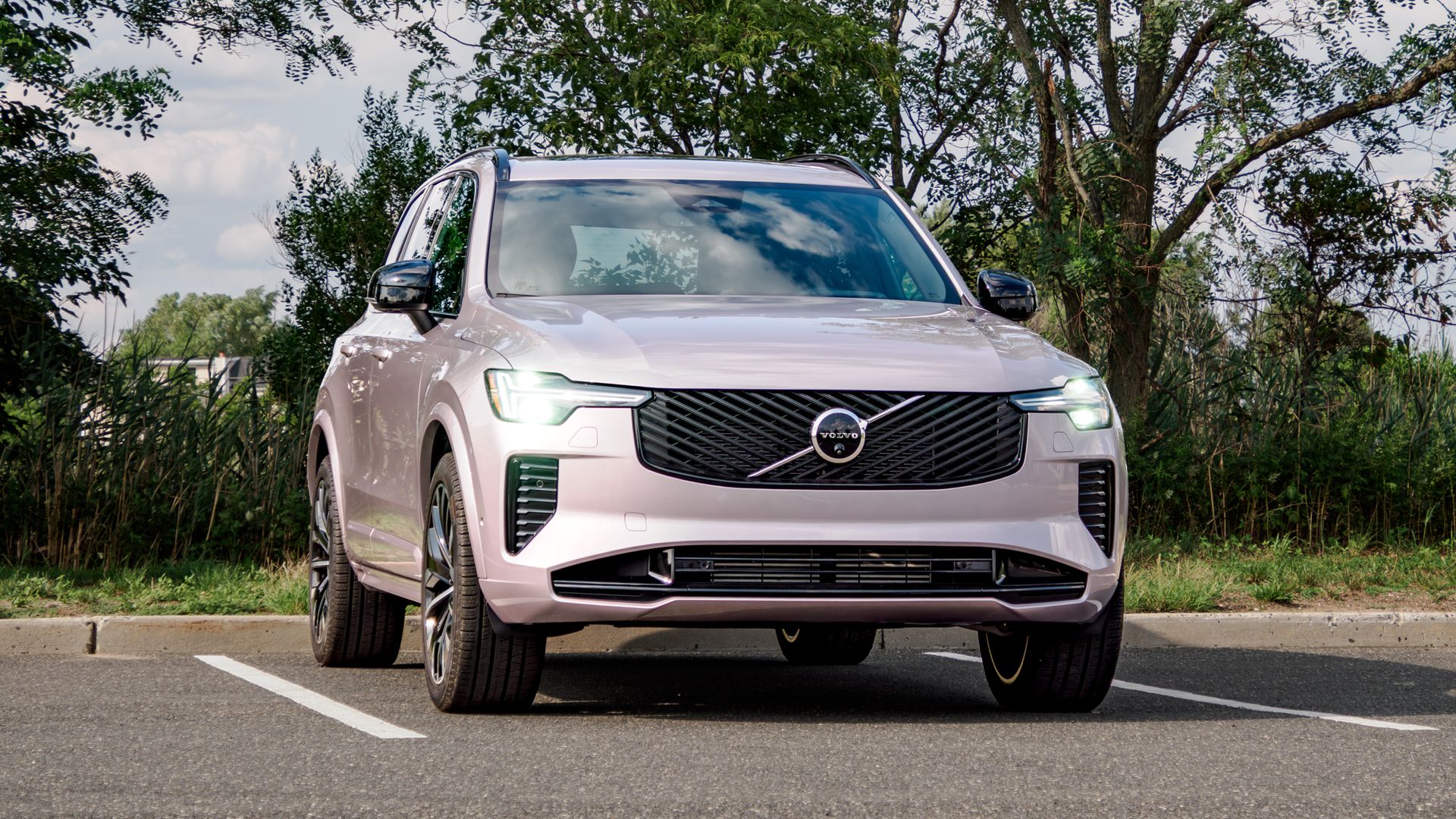
Conversely, the Volvo XC90 leans hard into classic Scandinavian minimalism. Don’t get me wrong: I fell in love with the style in my Volvo EX30 review, but the XC90 doesn’t have nearly the same hook on me, and its conservative lines make it feel more traditional and reserved. Plus, the paint job options are a bit more muted. There’s an undeniable elegance to the design, but it doesn’t embody the youthfulness of its rival.
Volvo XC90 vs. Infiniti QX60: Fuel economy
|
Best short distance fuel economy |
||
|
Best long distance fuel economy |
When it comes to efficiency, both mid-size SUVs turn in respectable numbers, but the Volvo XC90 takes a definitive lead thanks to its plug-in hybrid powertrain. Across a week of driving, the XC90 averaged 32.6 mpg over 199.4 miles driven — easily outperforming the gas-powered Infiniti QX60 Autograph, which posted an average of 26.1 mpg across 210.6 miles.
The gap was equally apparent during my short- and long-distance tests. In fact, the XC90’s 24.7 mpg average on short-distance trips and 39.1 mpg on long-distance runs handily beat the QX60’s marks.
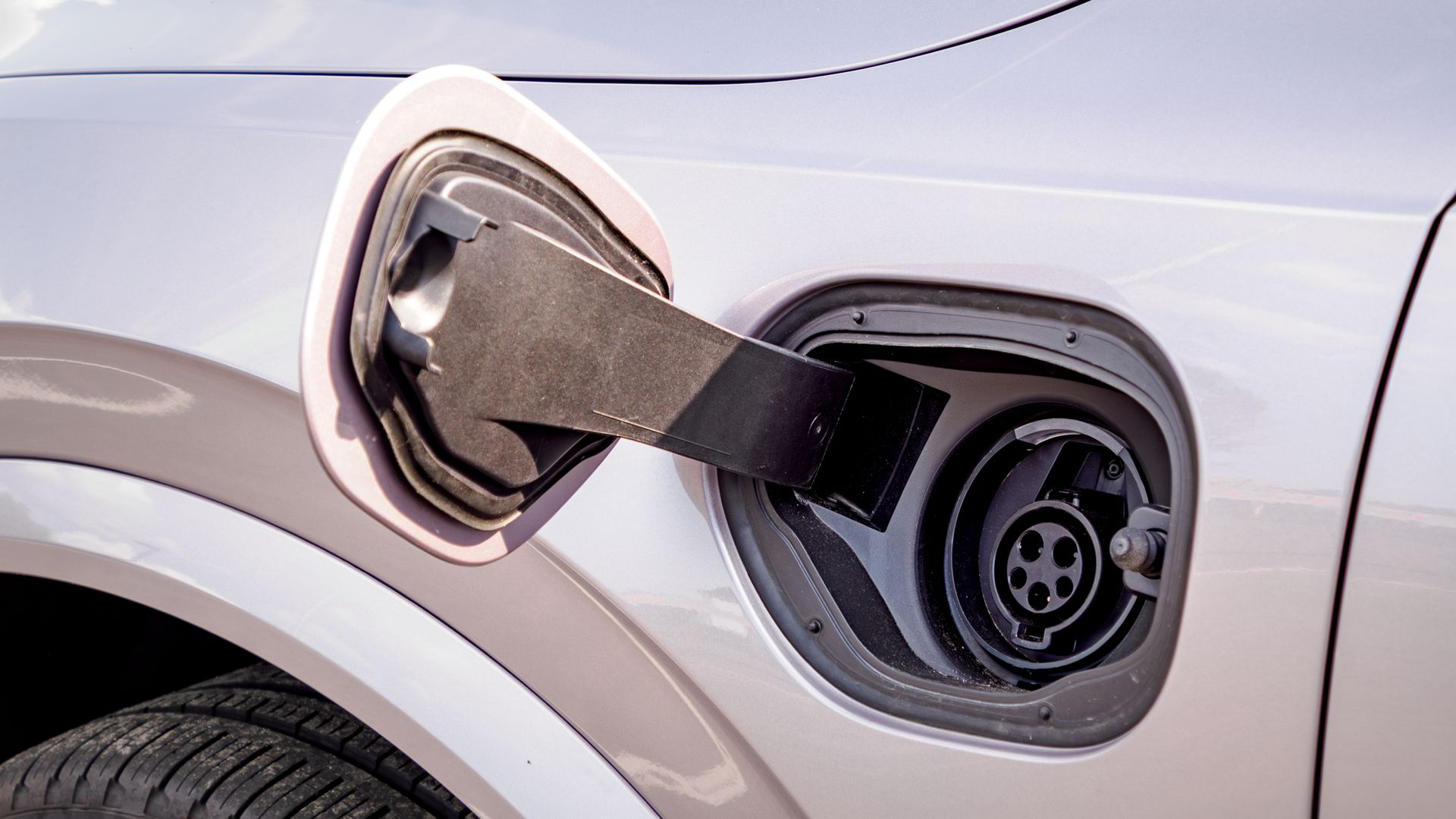
What makes the XC90 even better is that it’s a PHEV that draws pure electric power from an 18.8 kWh battery. This alone will offer greater savings that will lower fuel costs substantially over the life of the vehicle. With an EPA-estimated 32 miles of pure electric range, the XC90 can handle daily errands and suburban commutes without burning a single drop of gas.
Volvo XC90 vs. Infiniti QX60: Driving performance
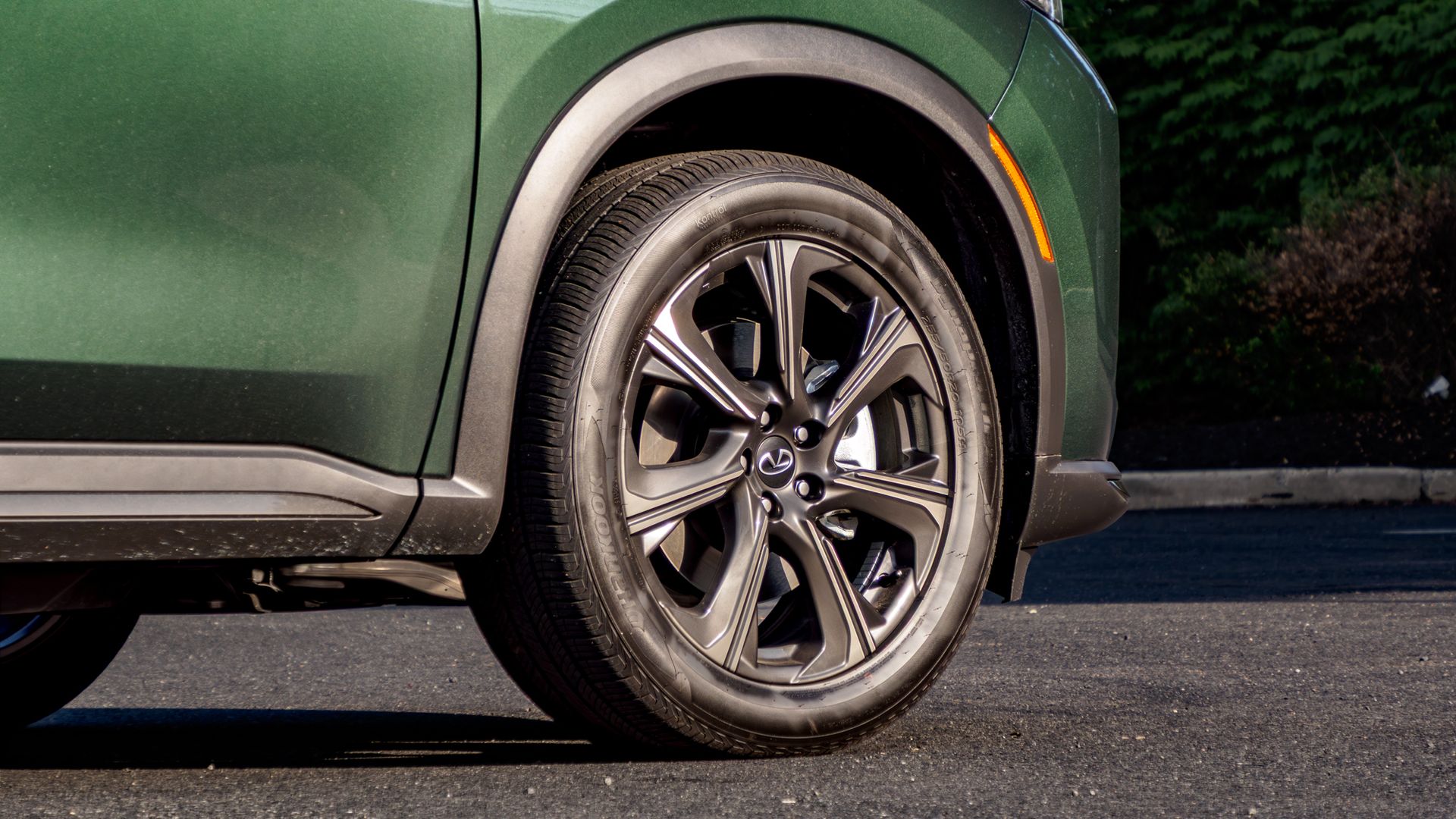
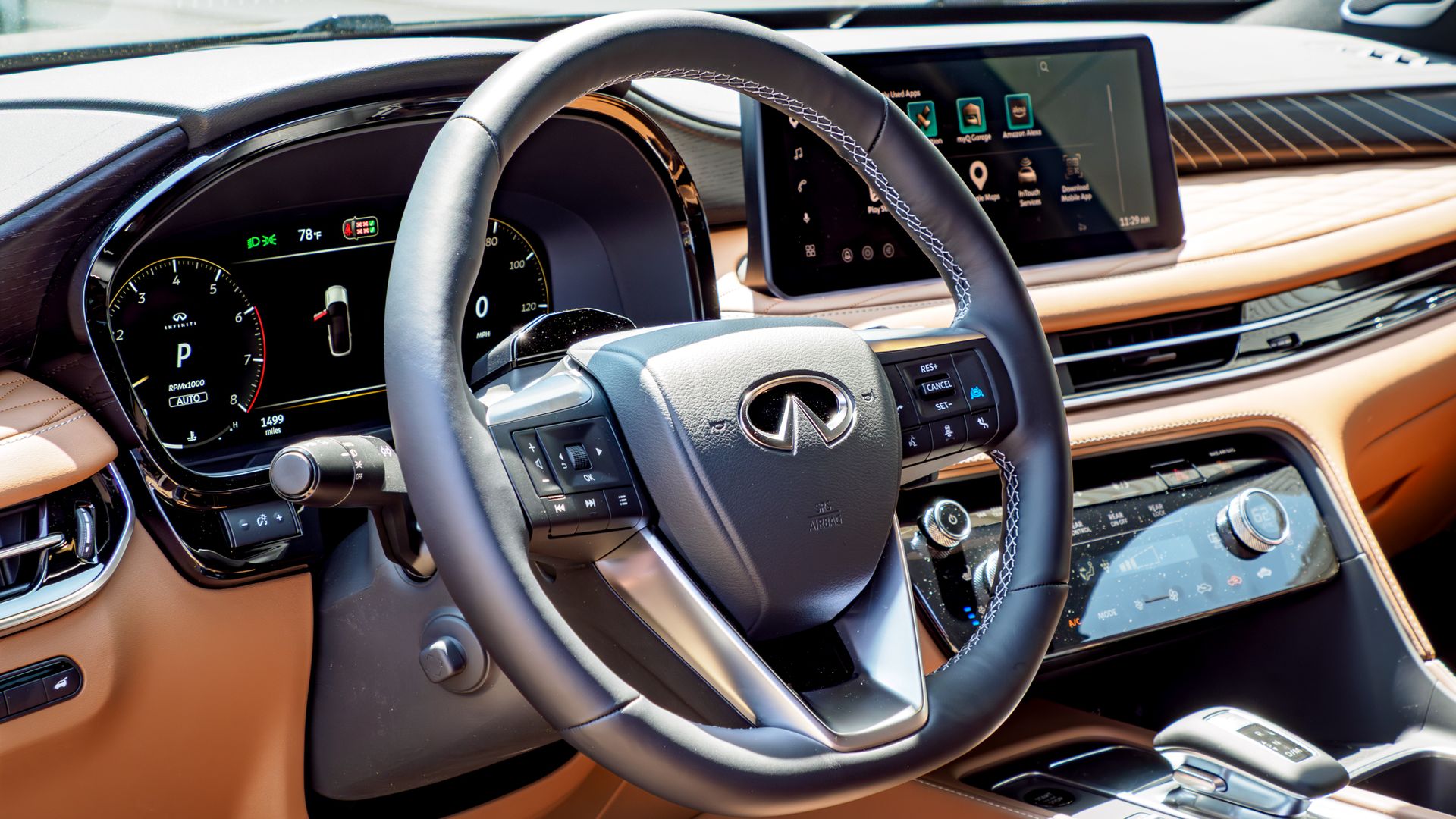
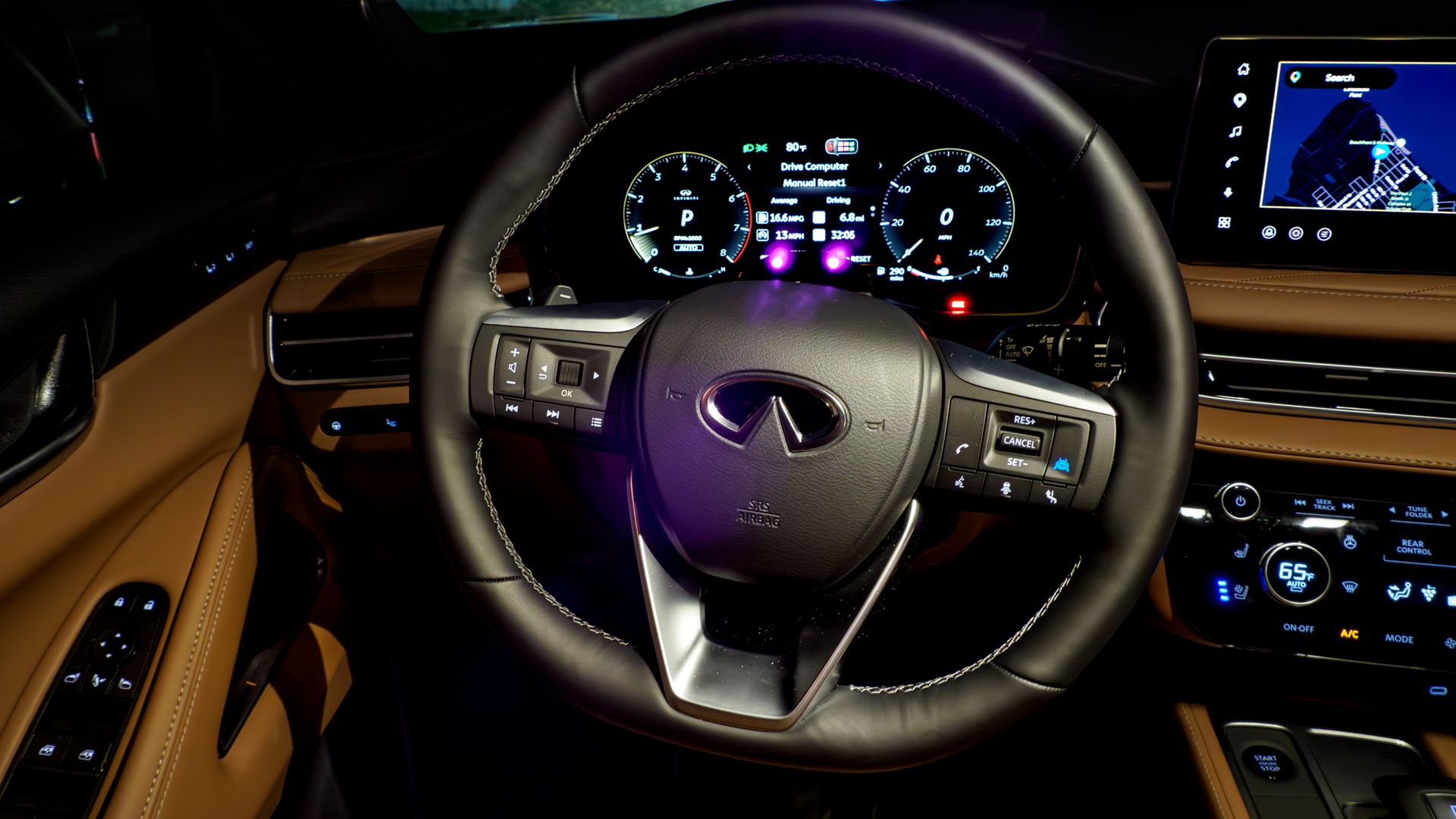
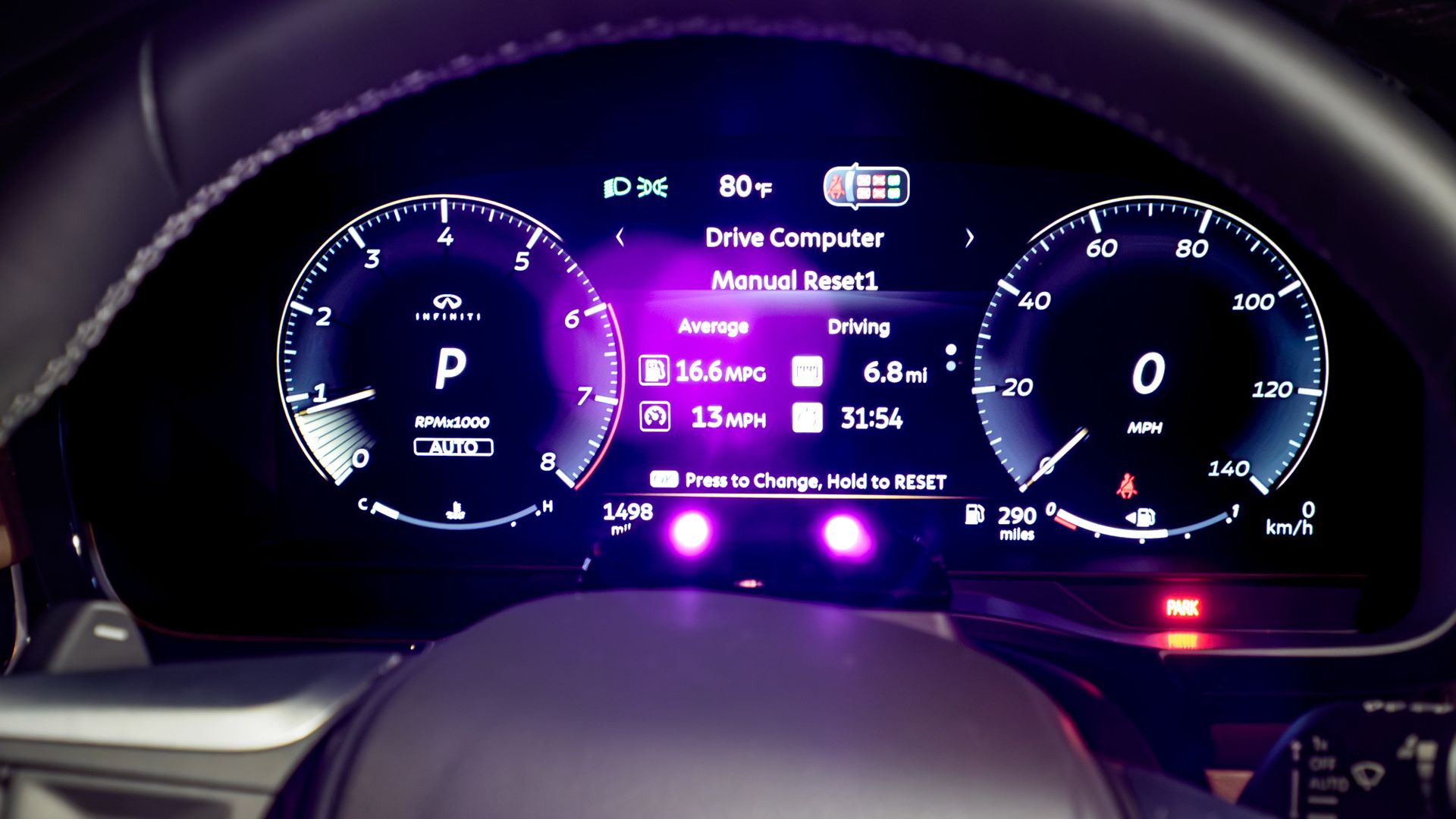
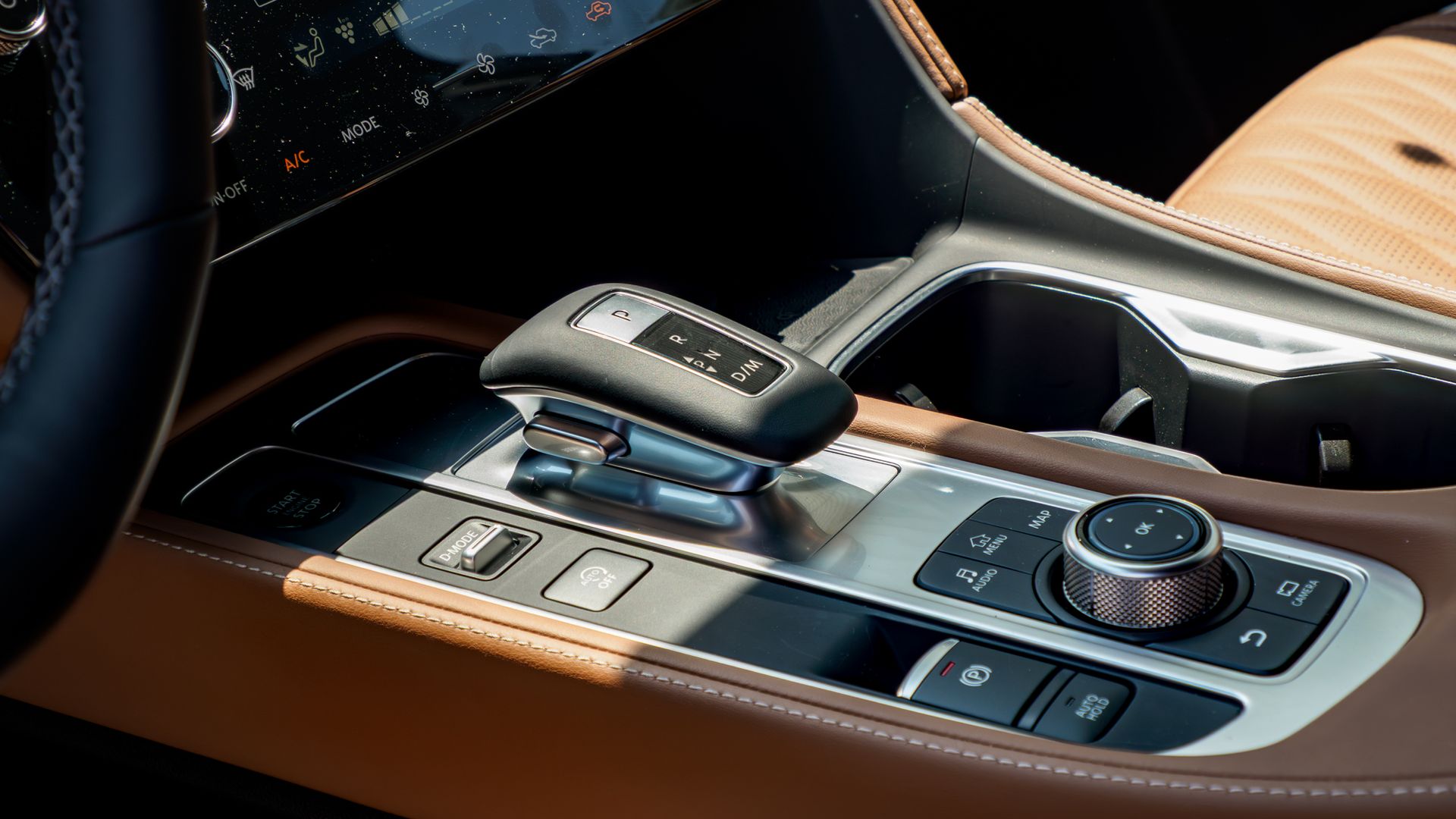
Behind the wheel, both mid-size luxury SUVs are remarkably easy to handle — far more so than full-size behemoths like the GMC Yukon Denali and Chevrolet Tahoe. Yet, their driving dynamics sharply differ the moment my foot presses down on the accelerator.
That’s because the Infiniti QX60 relies on a 2.0-liter Variable Compression Turbo four-cylinder engine putting out a respectable 268 horsepower and 286 lb-ft of torque. It handles daily traffic competently and shifts gears smoothly, but under harder acceleration, the gas engine works audibly hard, letting some unwanted engine noise penetrate an otherwise whisper-quiet luxury cabin.
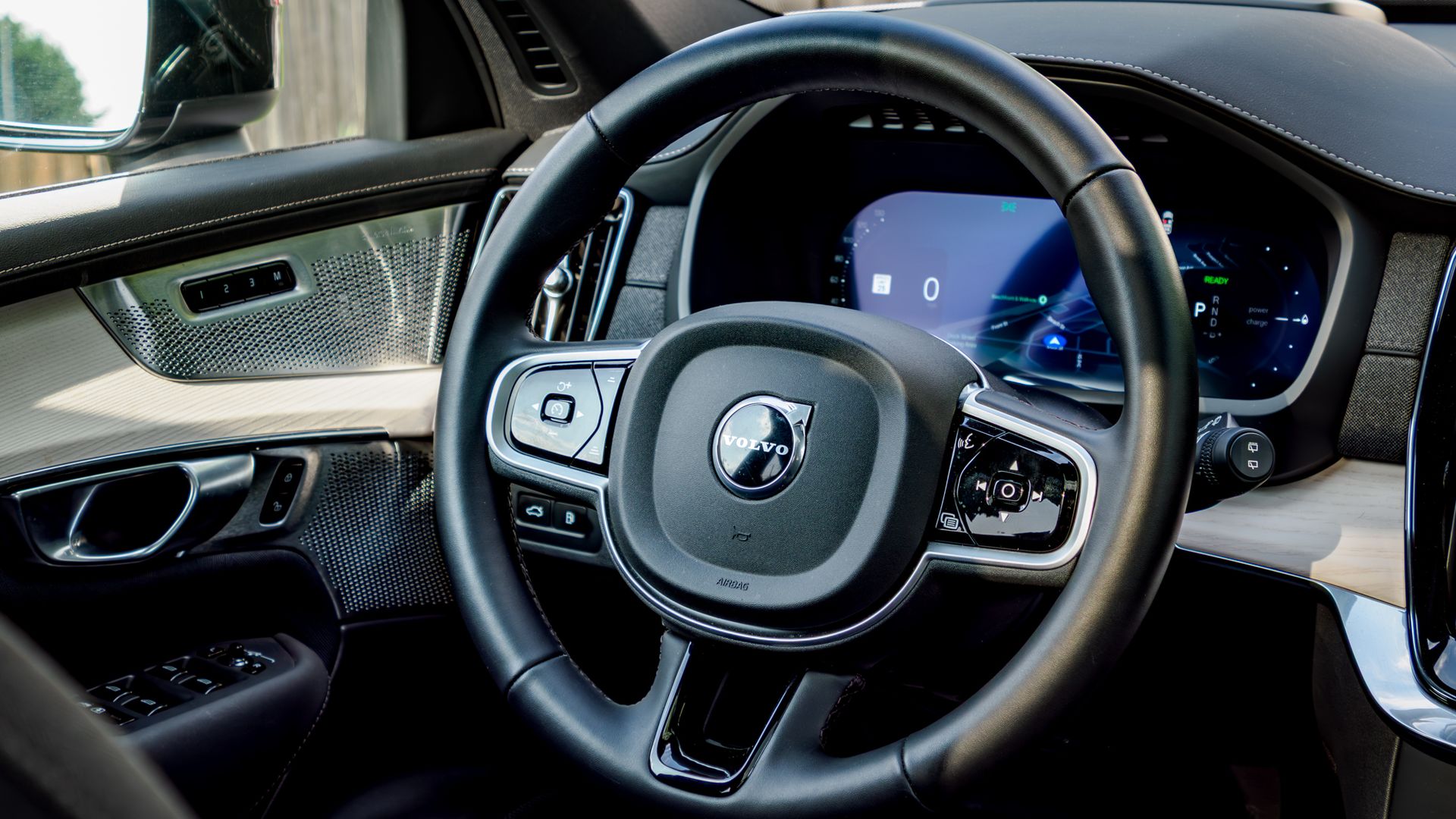
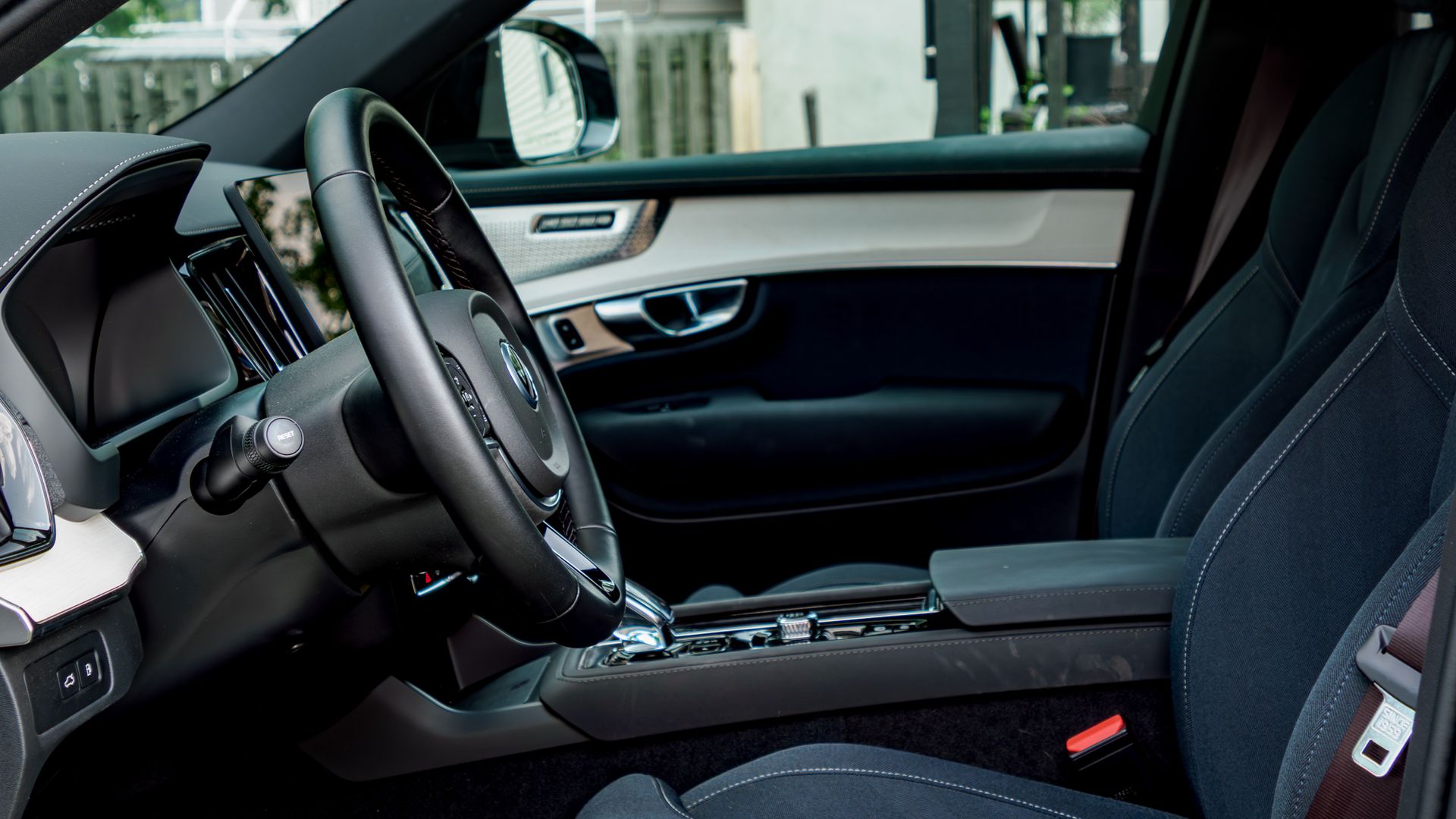
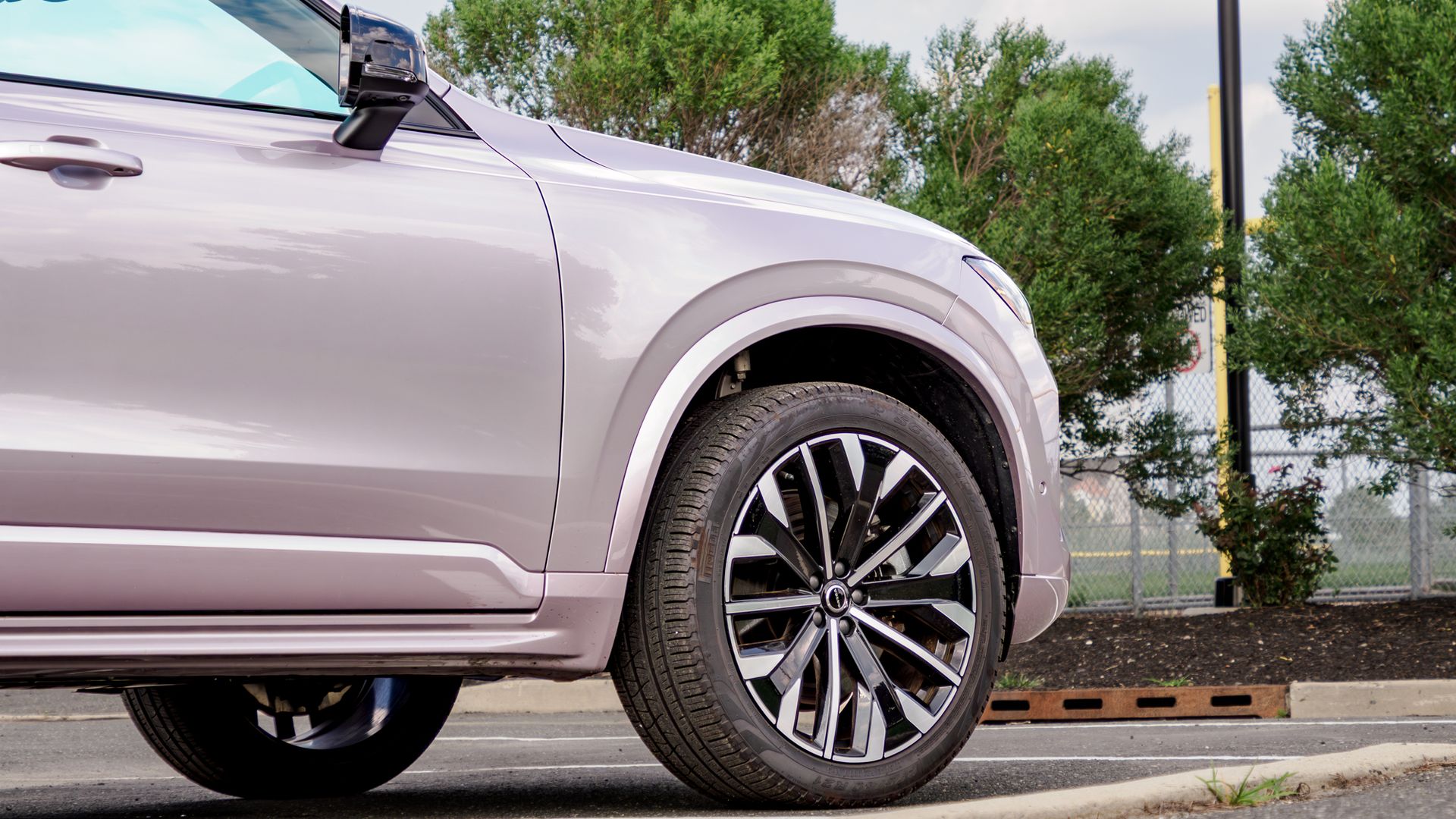
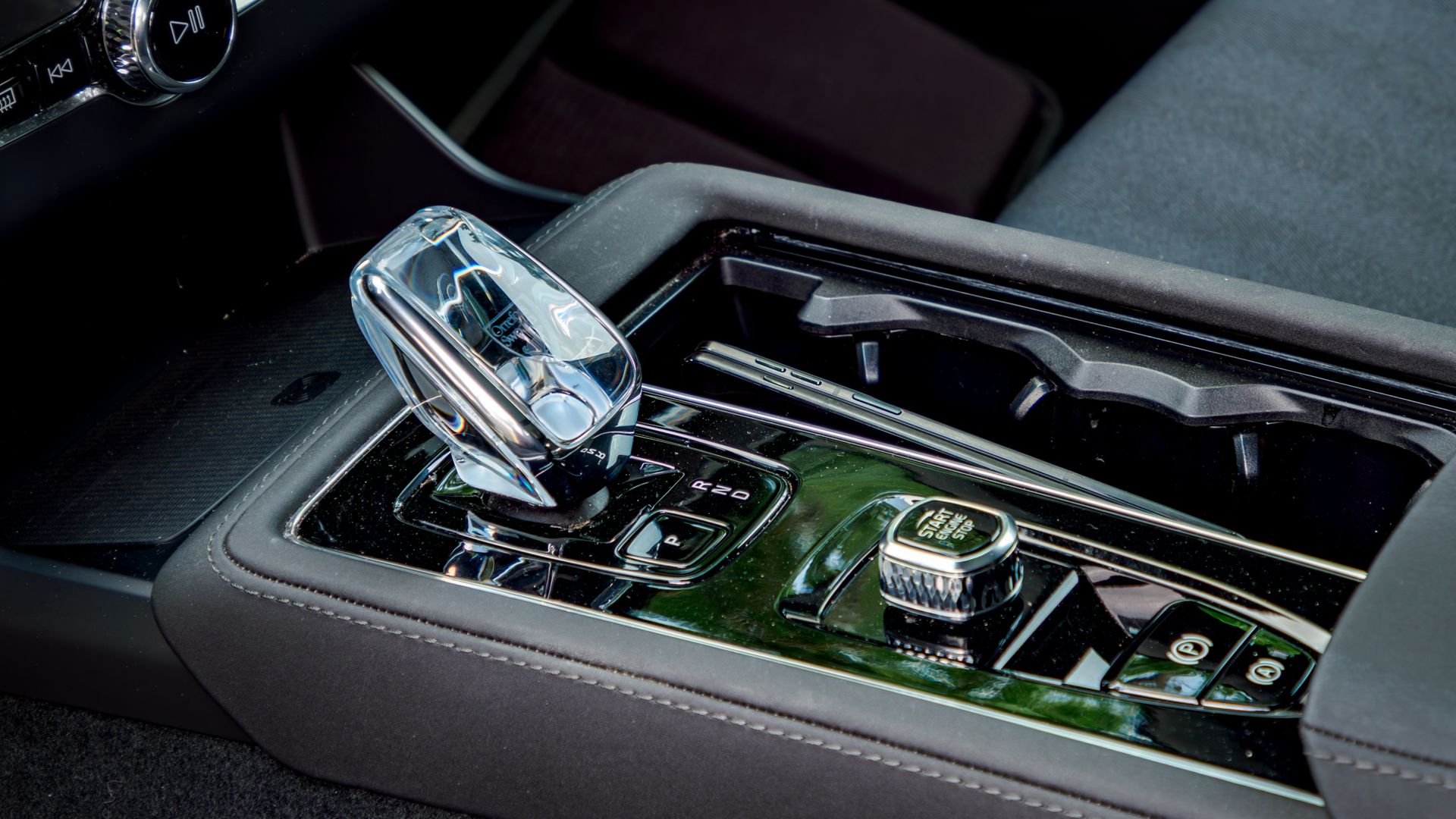
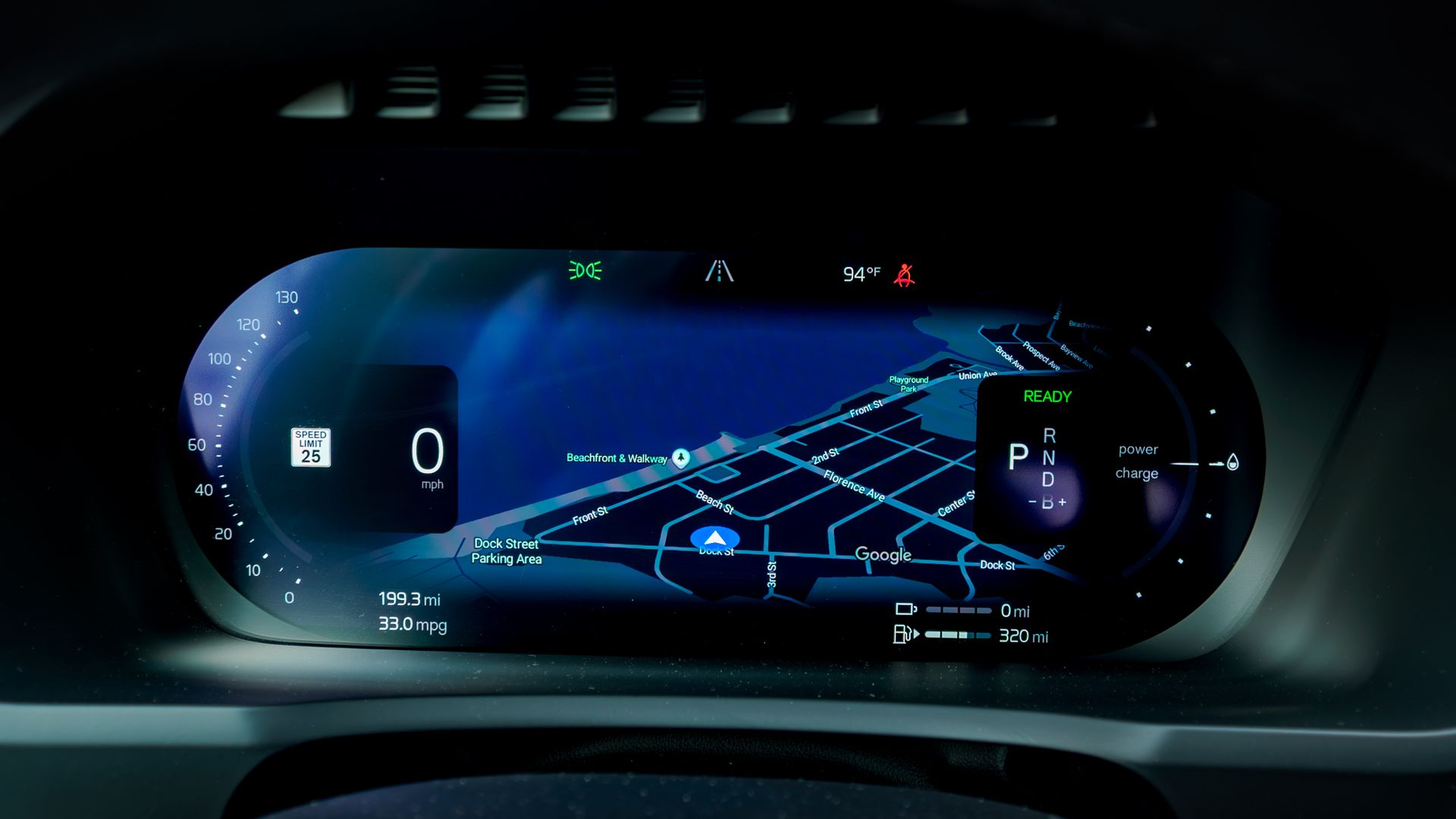
In contrast, the Volvo XC90 plug-in hybrid delivers a much quieter ride and punchier acceleration. Blending a turbocharged 2.0-liter gas engine with an electric motor drawing power from an 18.8 kWh battery, it pushes out a combined 455 horsepower and 523 lb-ft of torque.
While that immense output makes overtaking slower vehicles on the highway a breeze, what truly elevates the XC90 is how it behaves on all-electric power. It exhibits everything I love about driving electric vehicles, delivering instantaneous torque without strain and completely seamless acceleration.
The QX60 offers steady, predictable transport, but the Volvo’s buttery-smooth electric powertrain sets a higher standard for everyday luxury.
Volvo XC90 vs. Infiniti QX60: Comfort
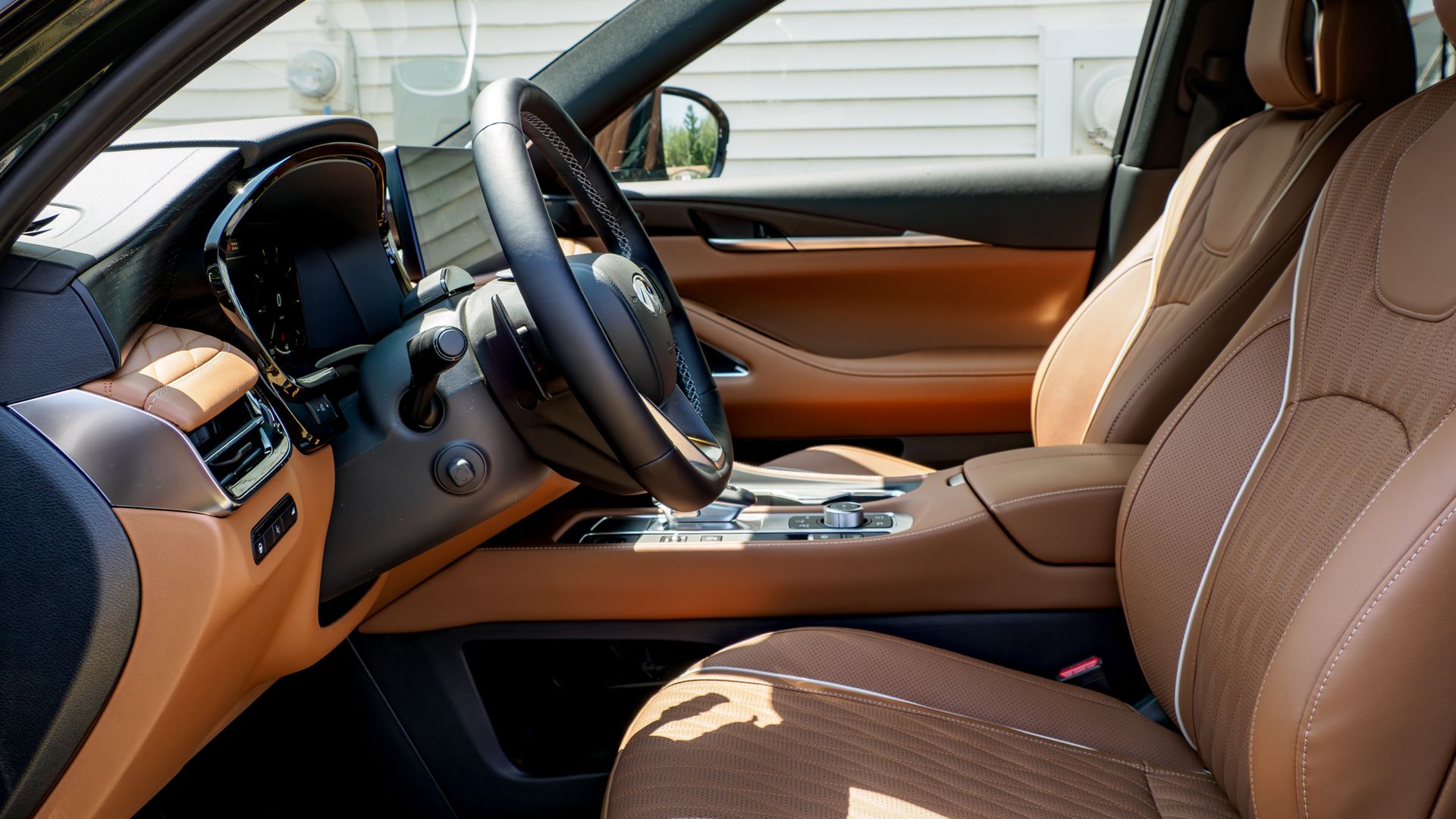
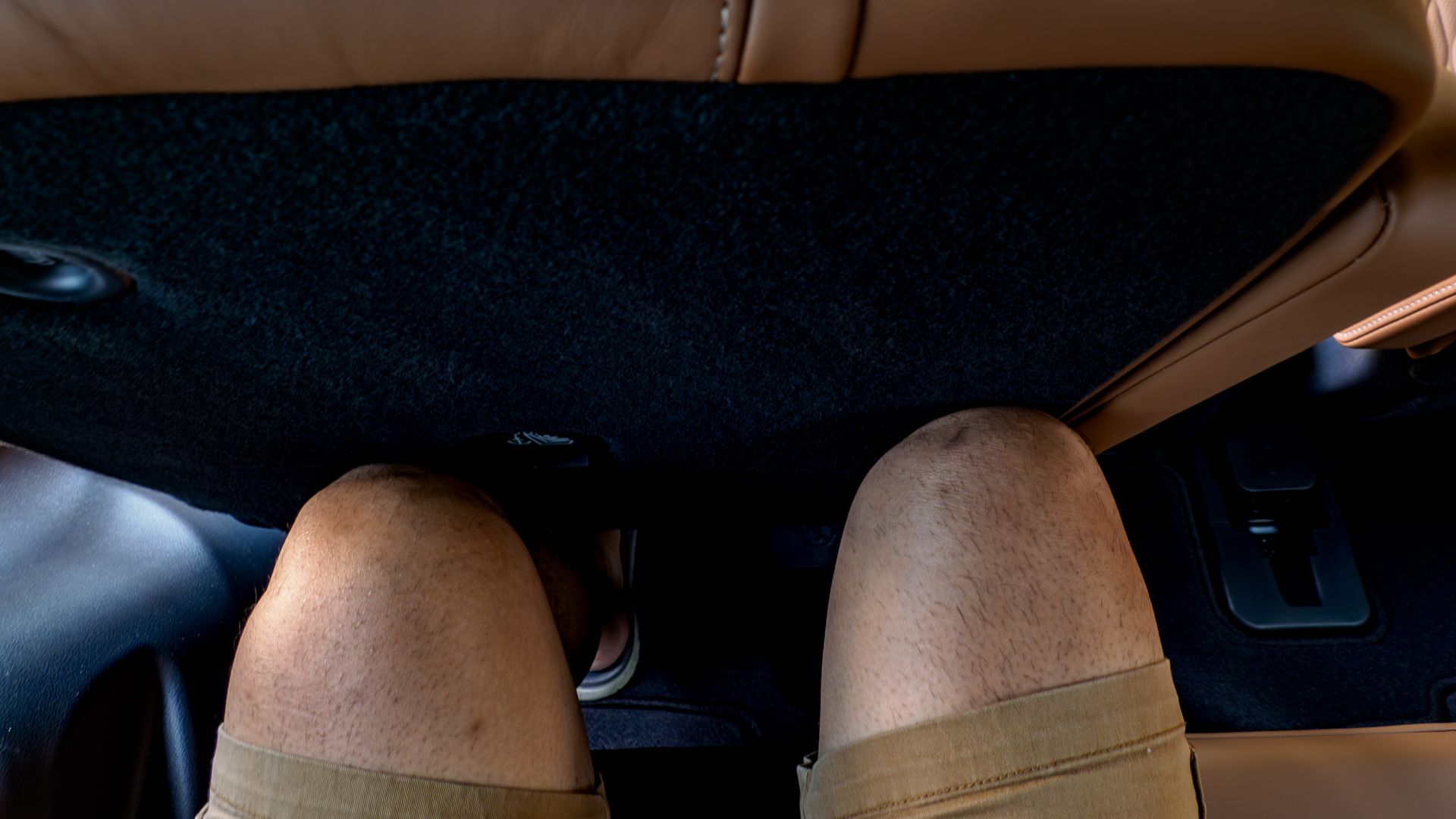
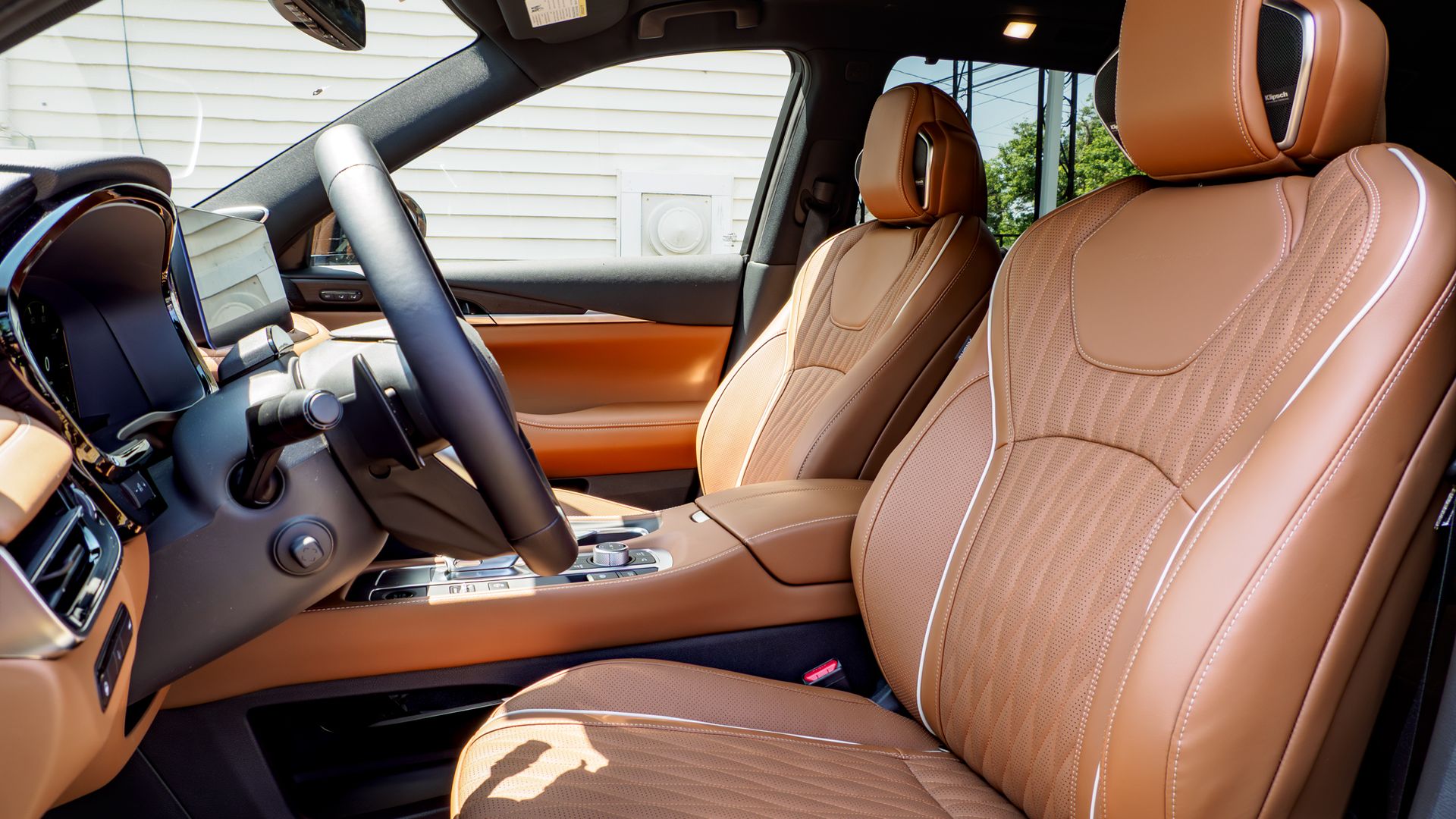
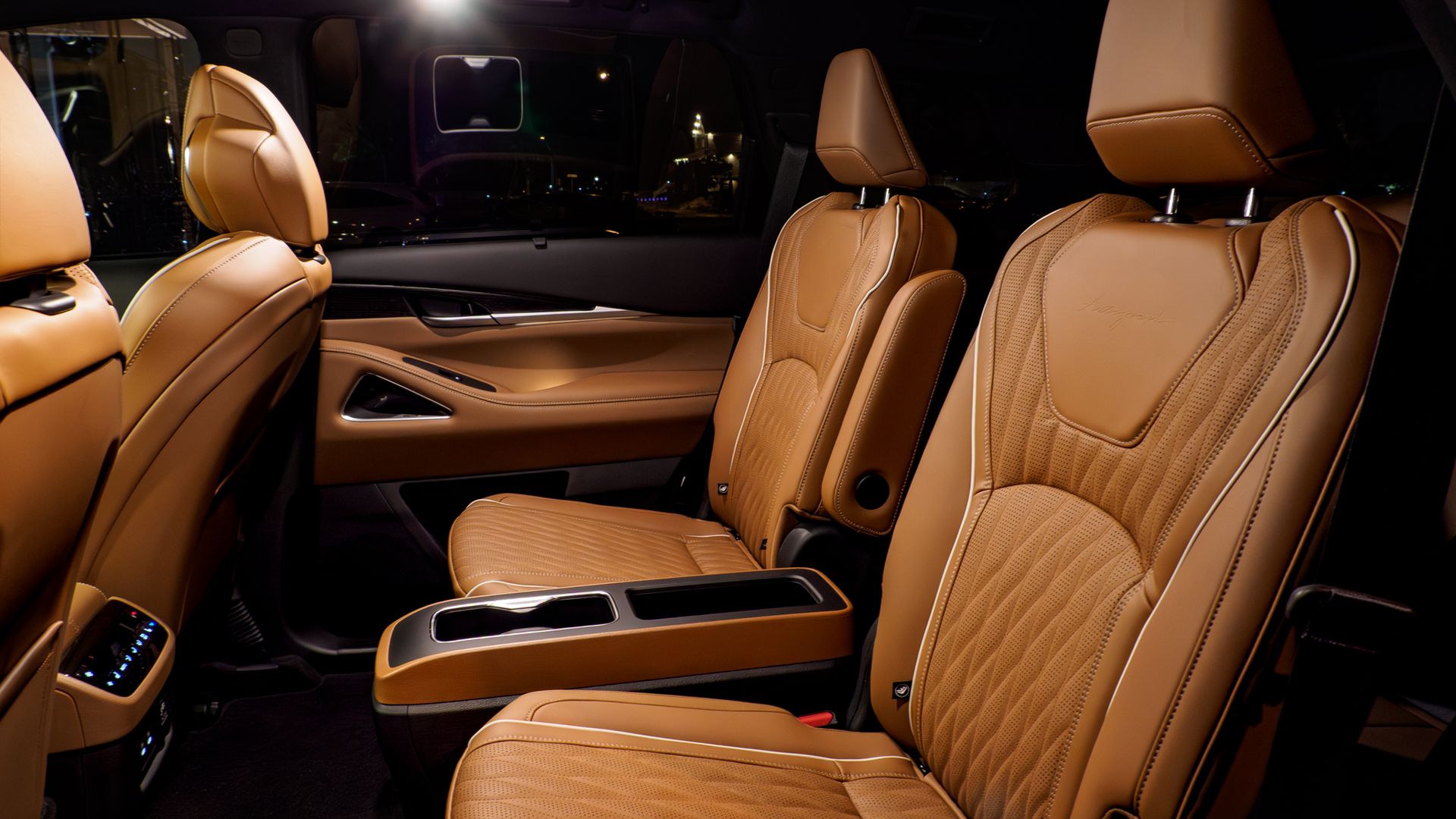
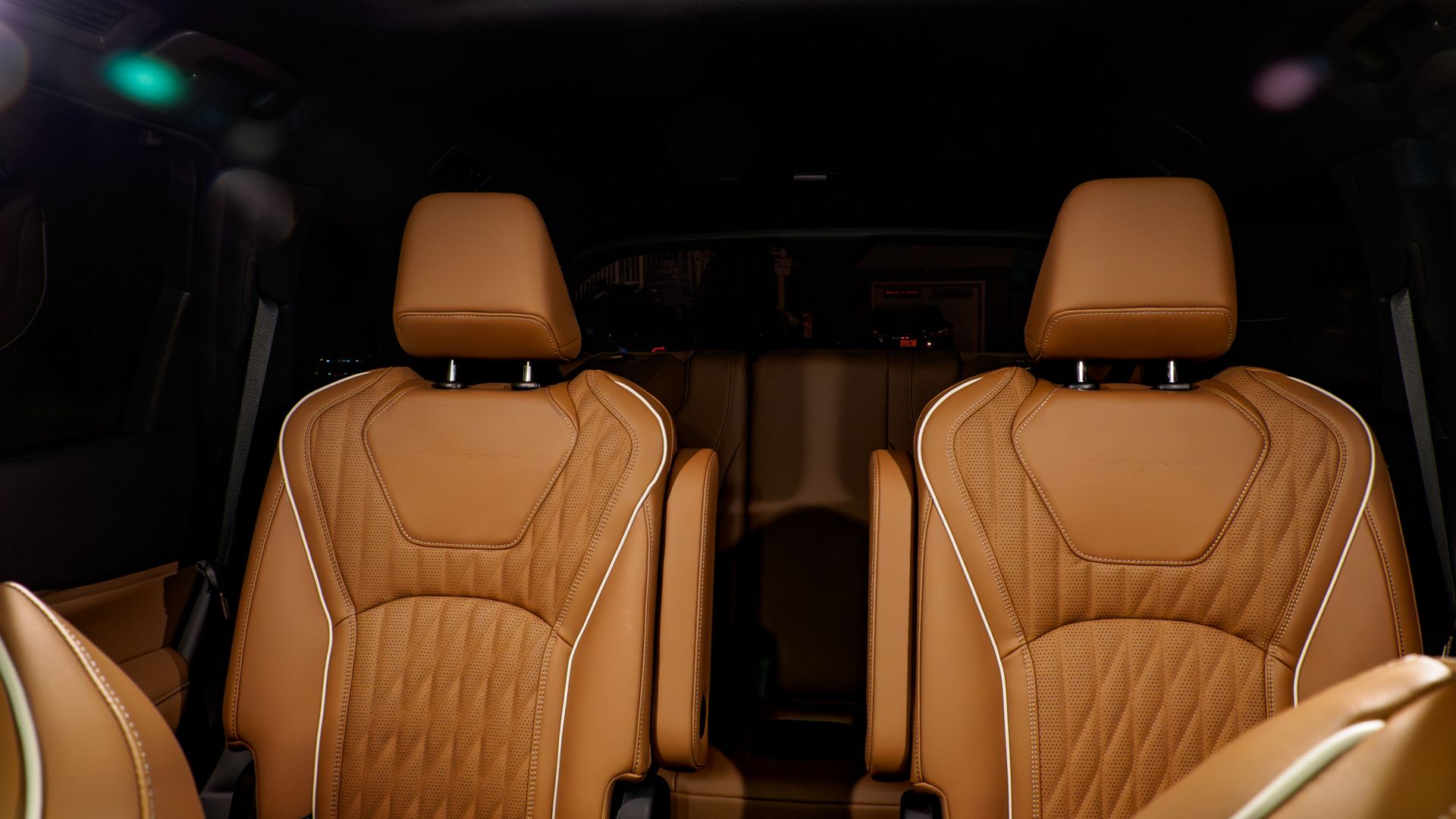
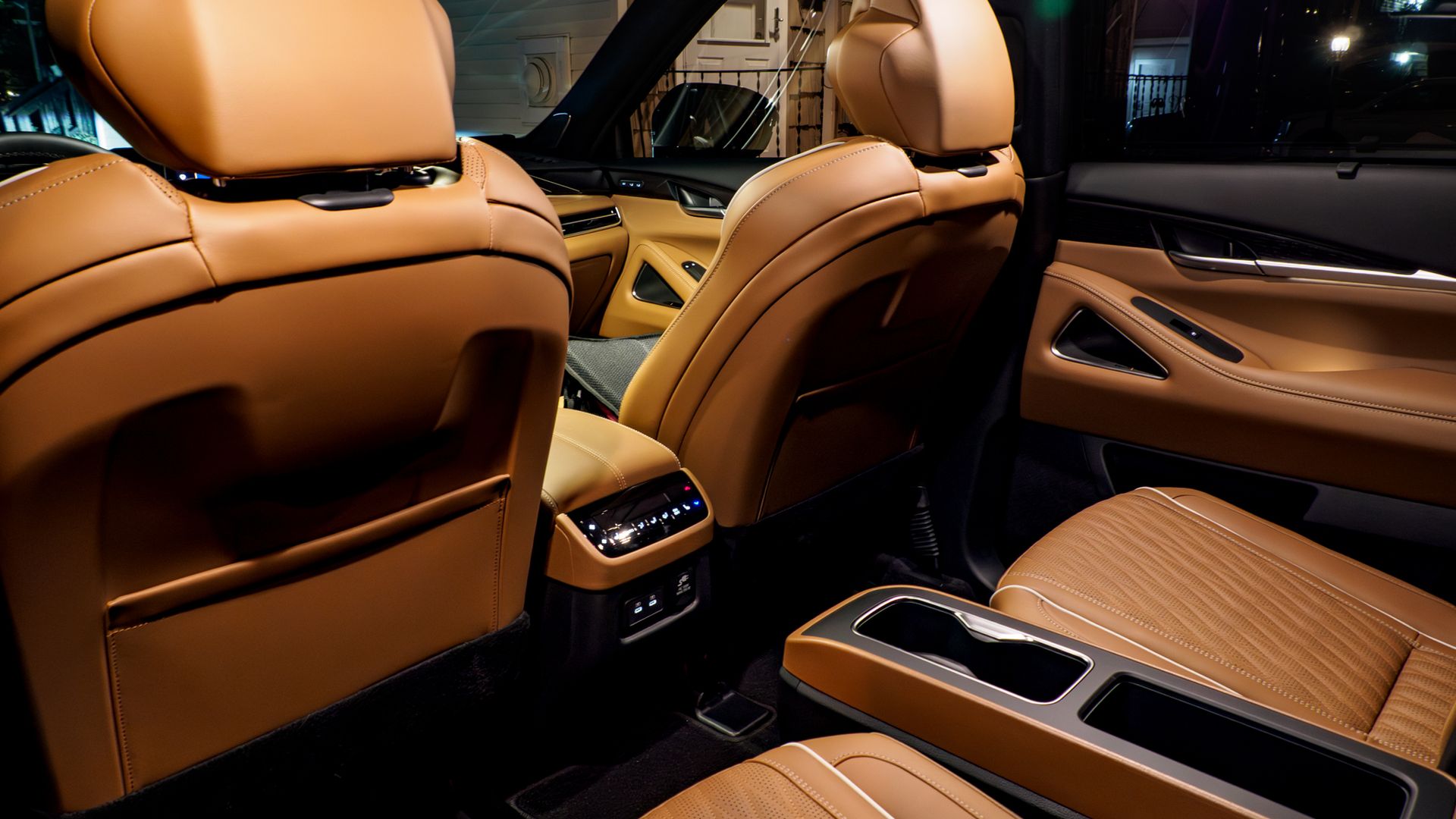
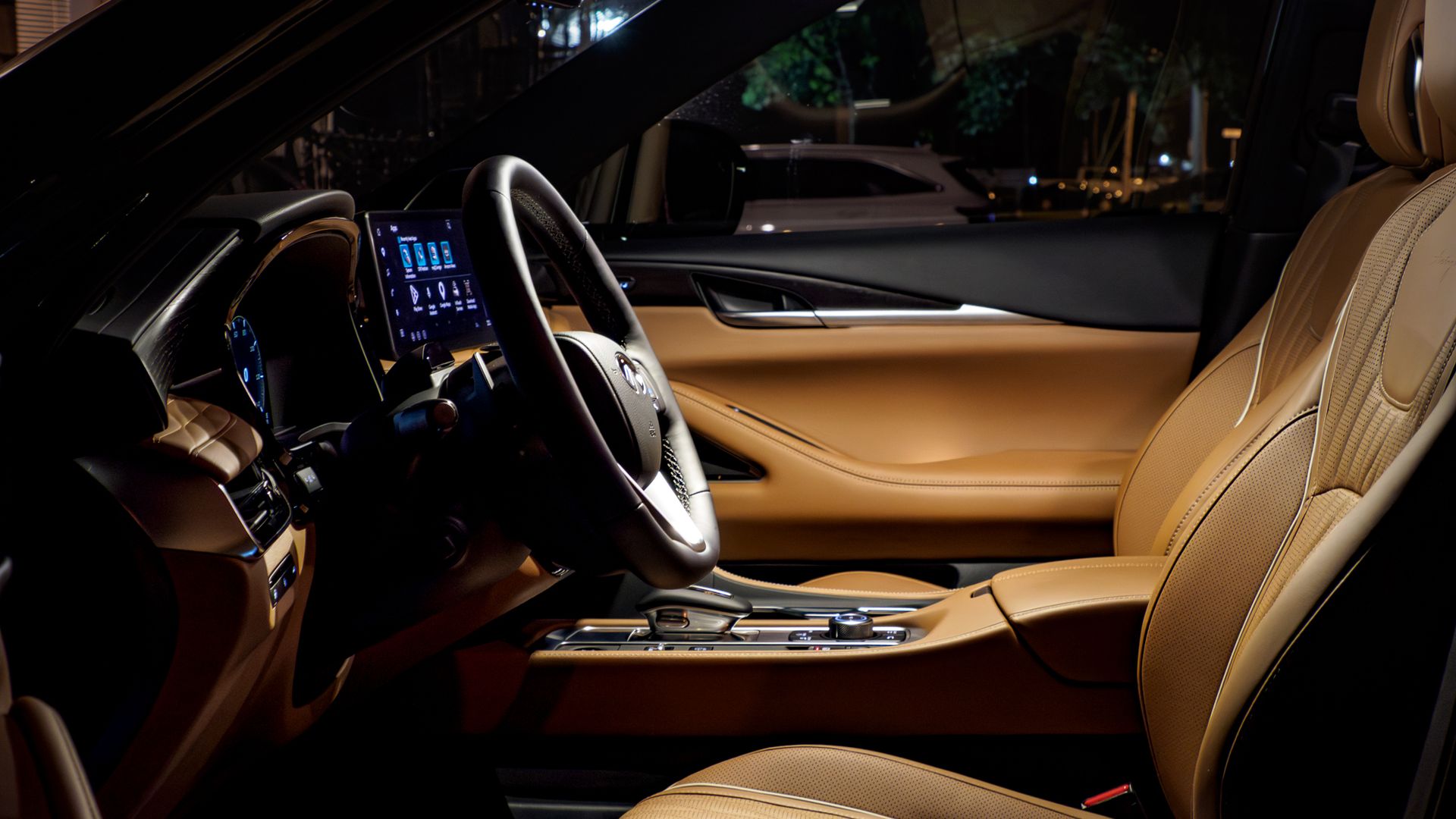
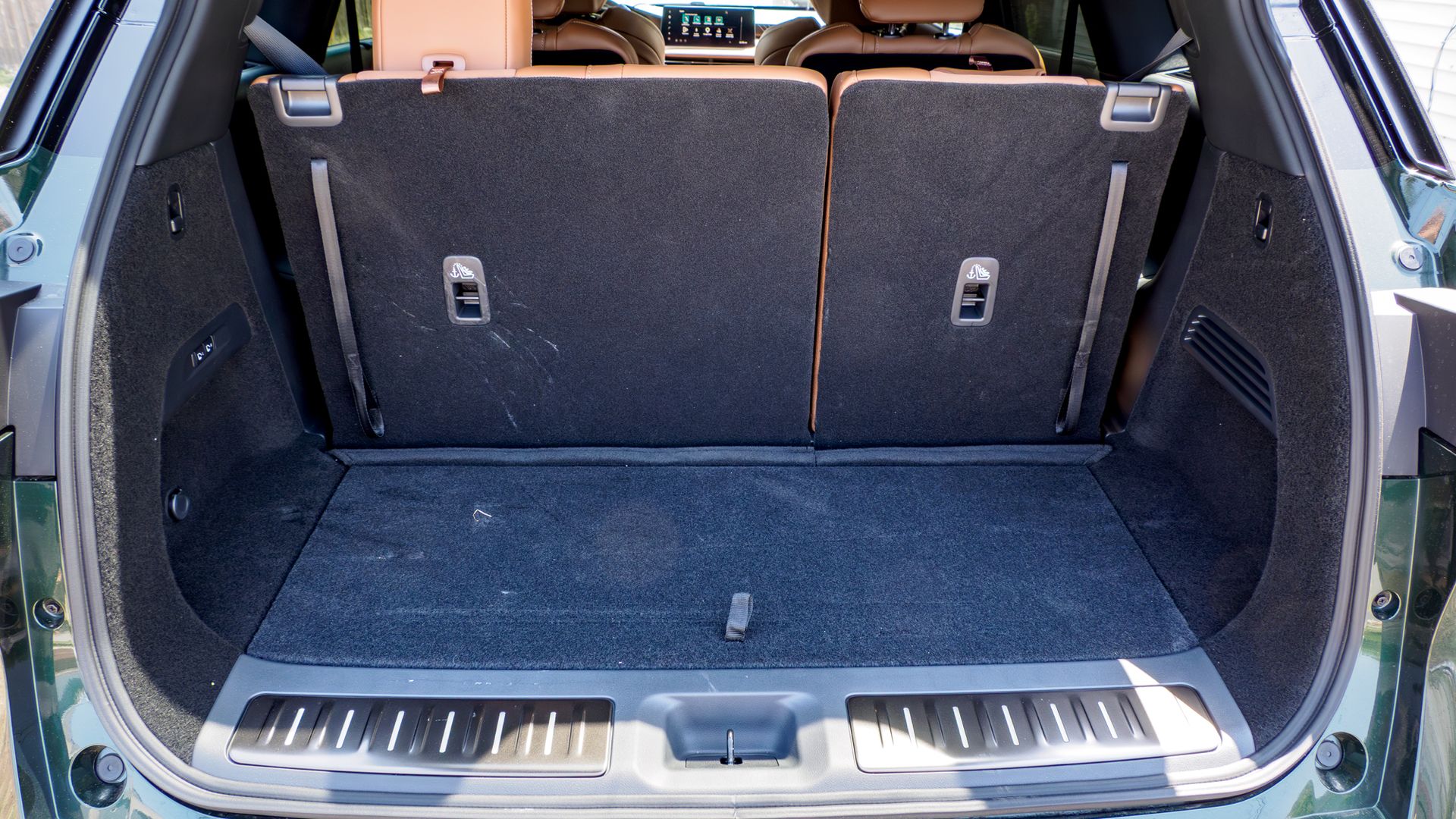
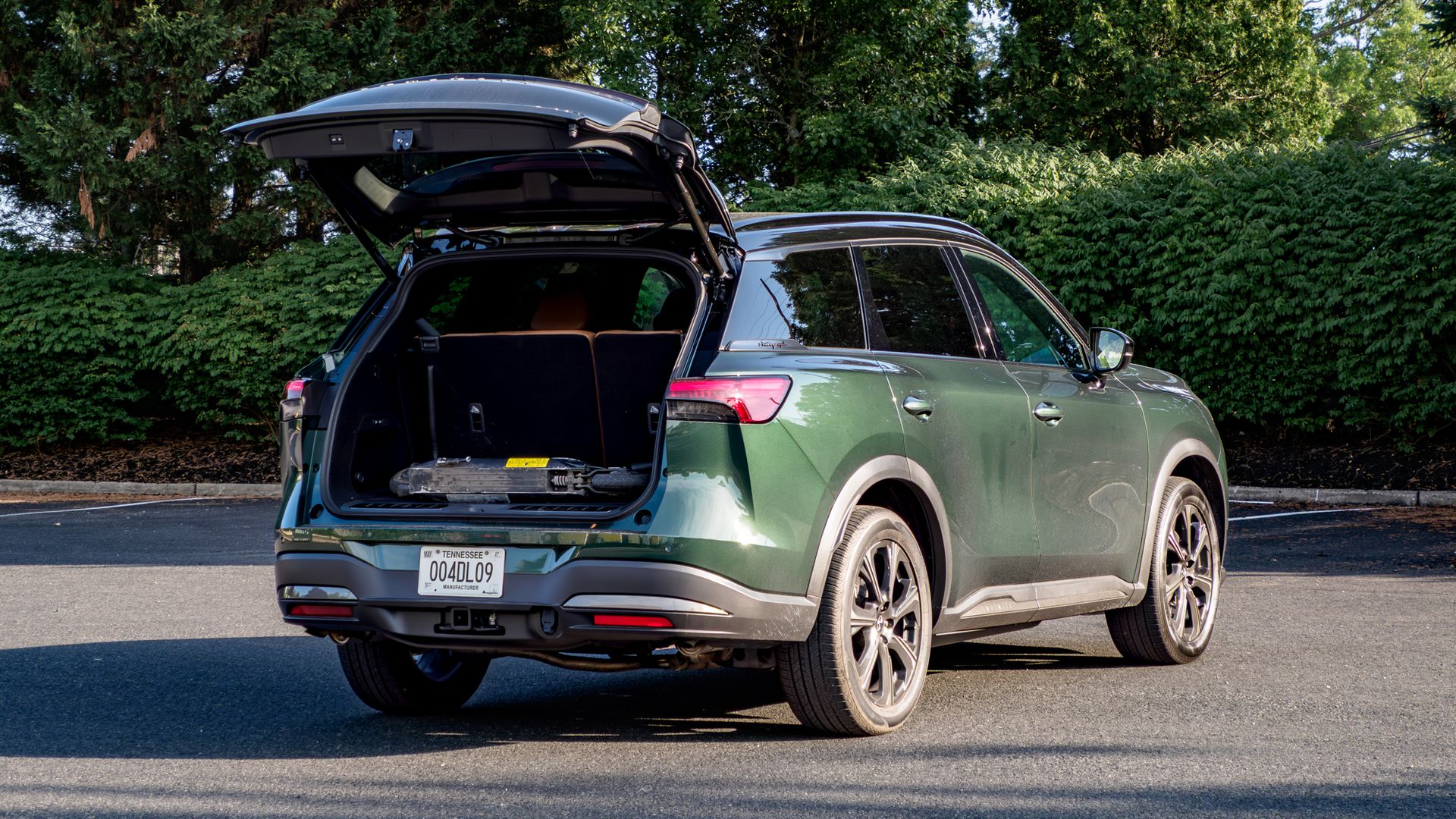
Automakers are increasingly prioritizing three-row haulers over almost any other type, and this matchup proves it once again. Frankly, I think you’ll be pleasantly surprised by what these two mid-size luxury models have to offer.
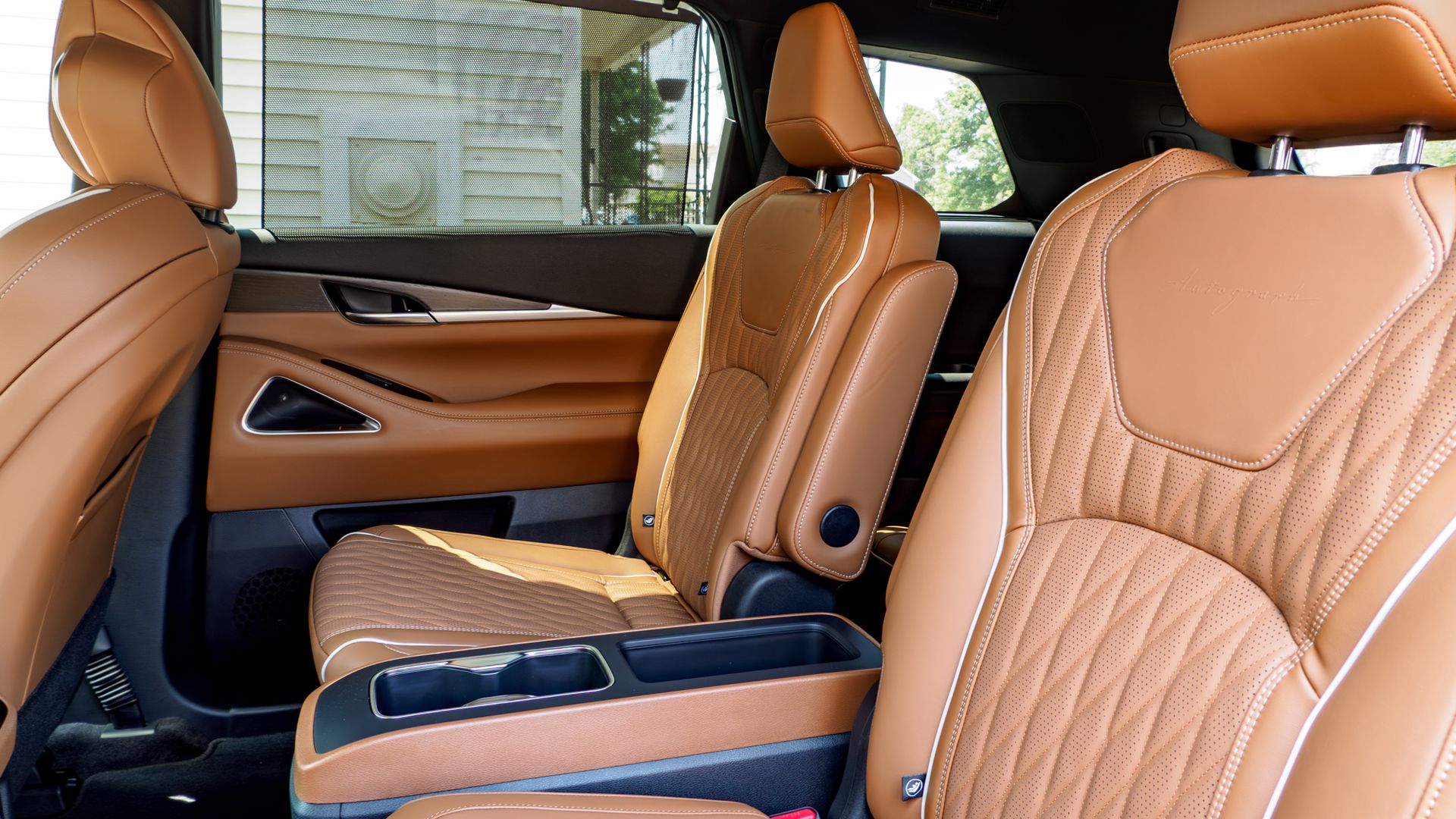
The Infiniti QX60 Autograph delivers an opulent seating experience, wrapped in quilted leather with contrast stitching across the first two rows. I really love the second-row captain’s chairs because the way they recline makes it feel like you’re sitting in first class, making those long-haul trips much more comfortable. However, the trade-off is that the QX60 can only accommodate up to six passengers.
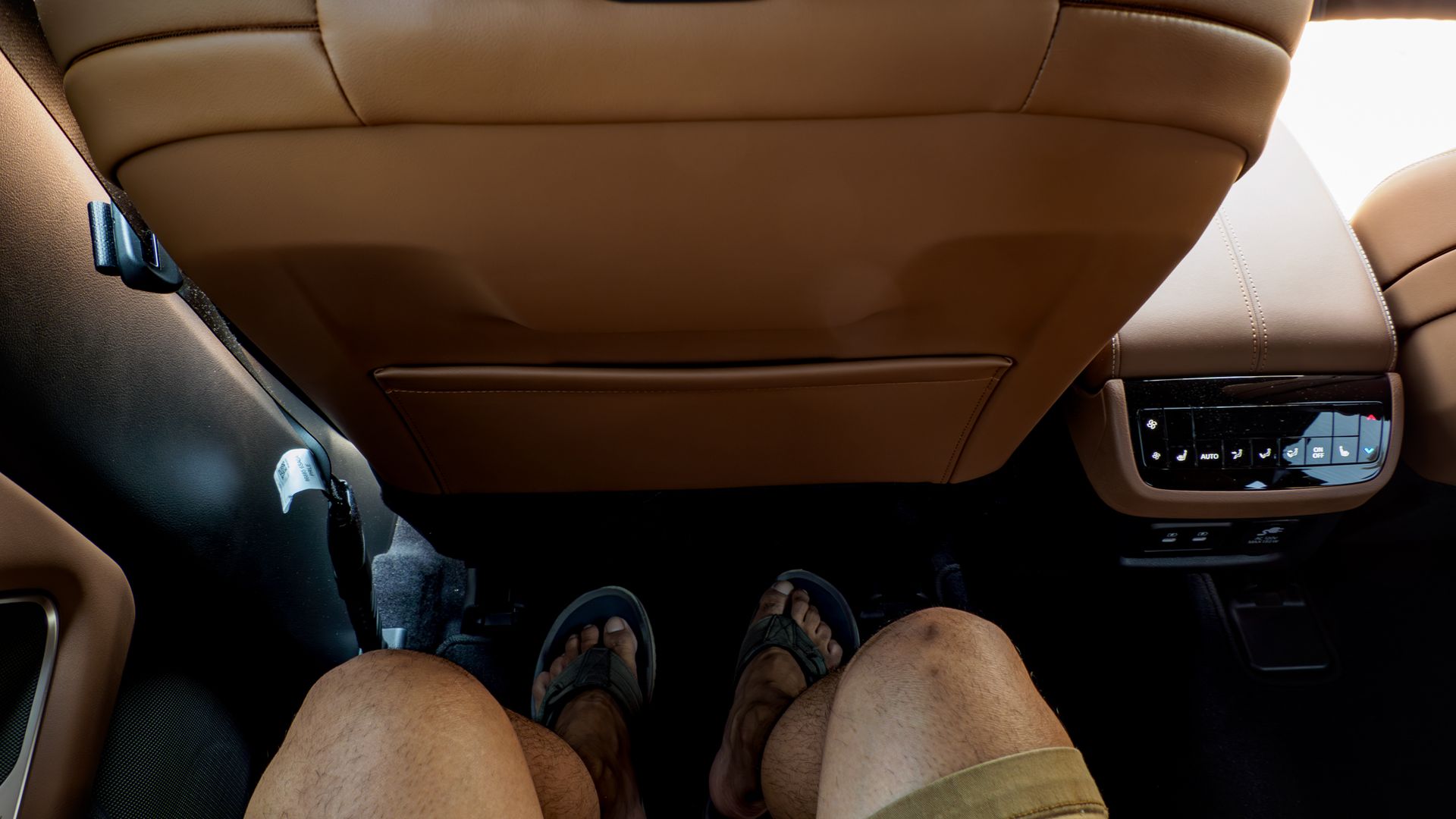
In terms of cargo utility, the QX60 offers a deeper trunk for everyday use, providing 14.5 cubic feet behind the third row and 41.6 cubic feet with the back row folded flat. However, third-row passengers will feel squeezed by its 28 inches of legroom.
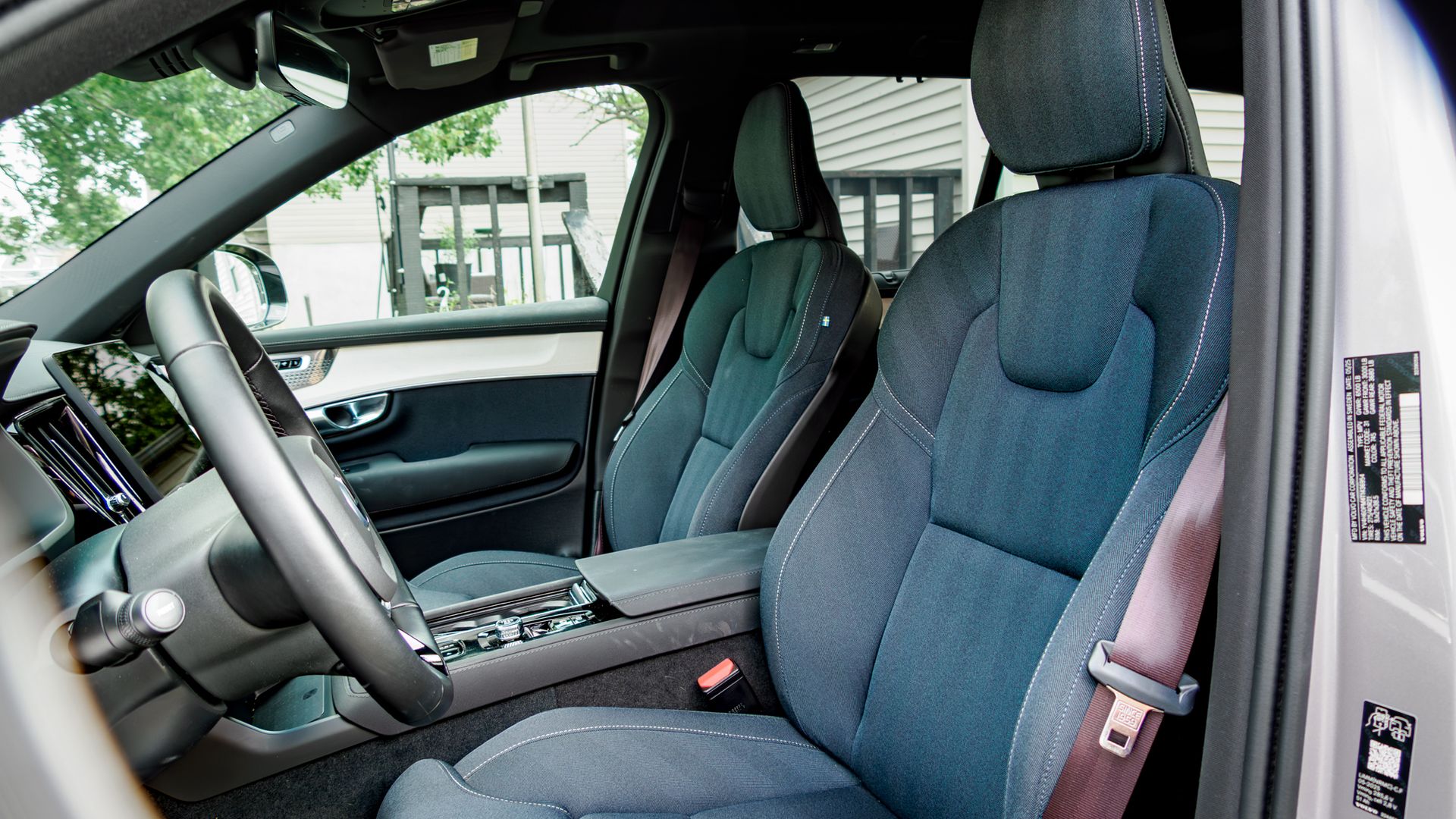
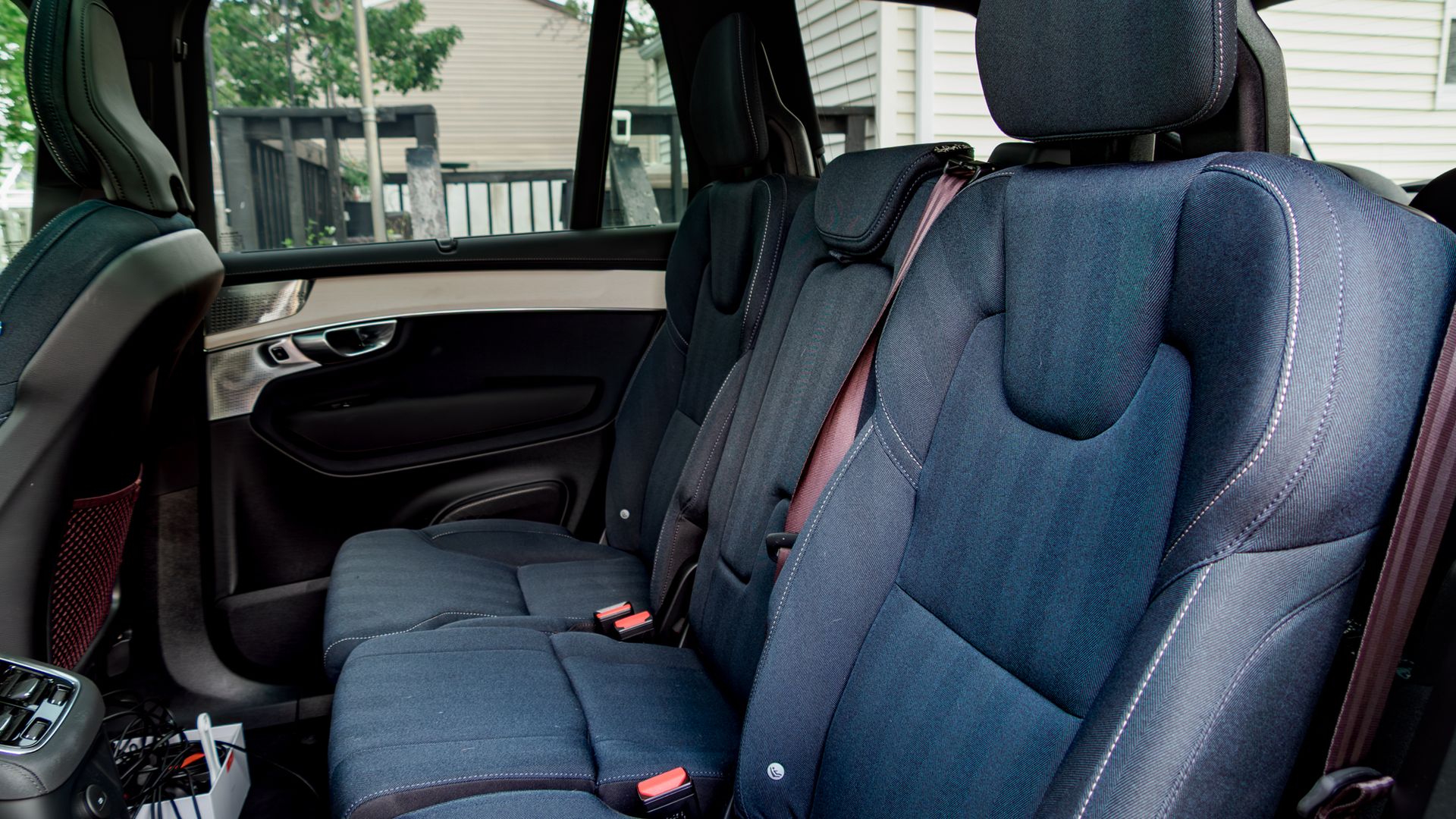


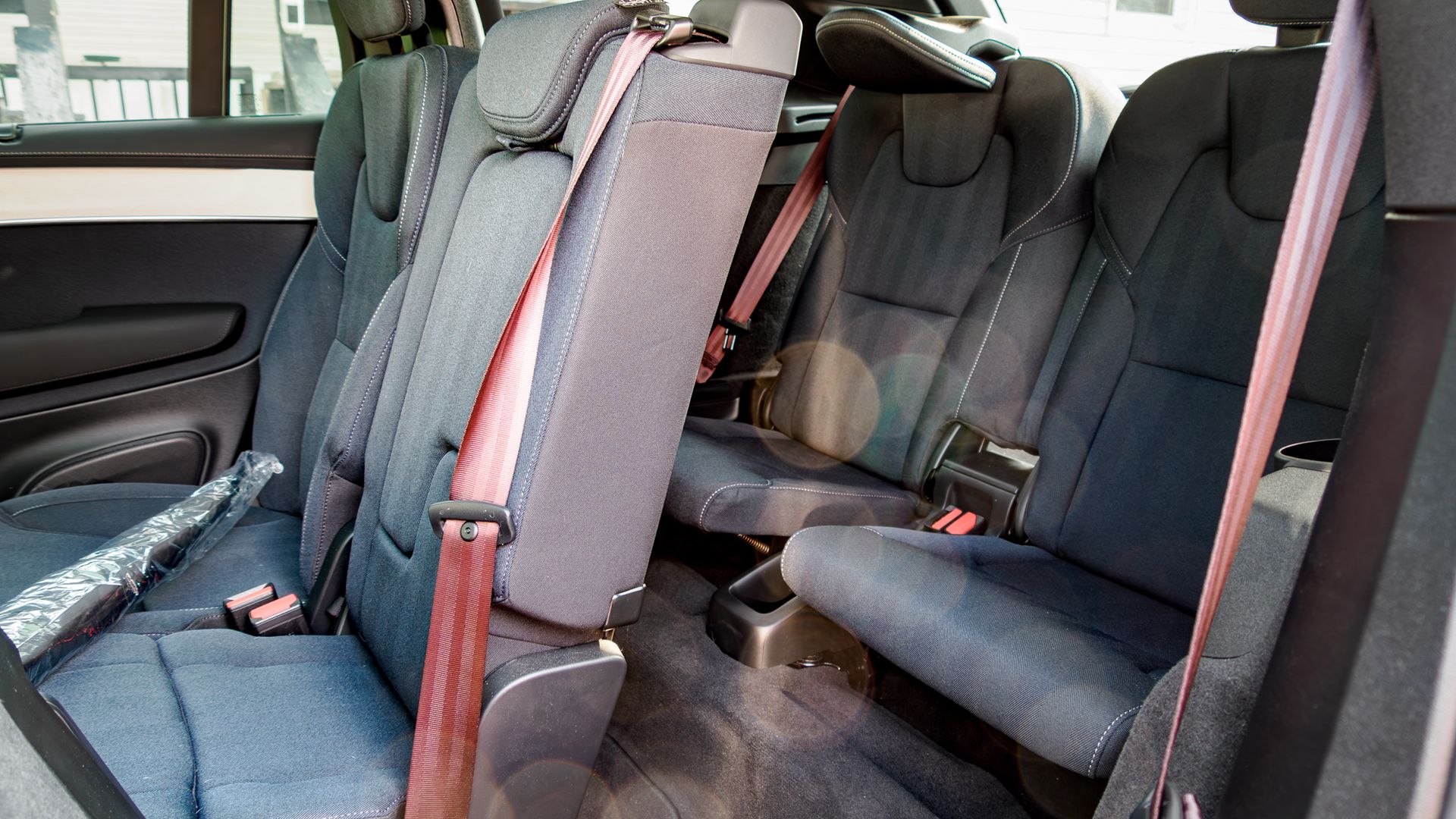
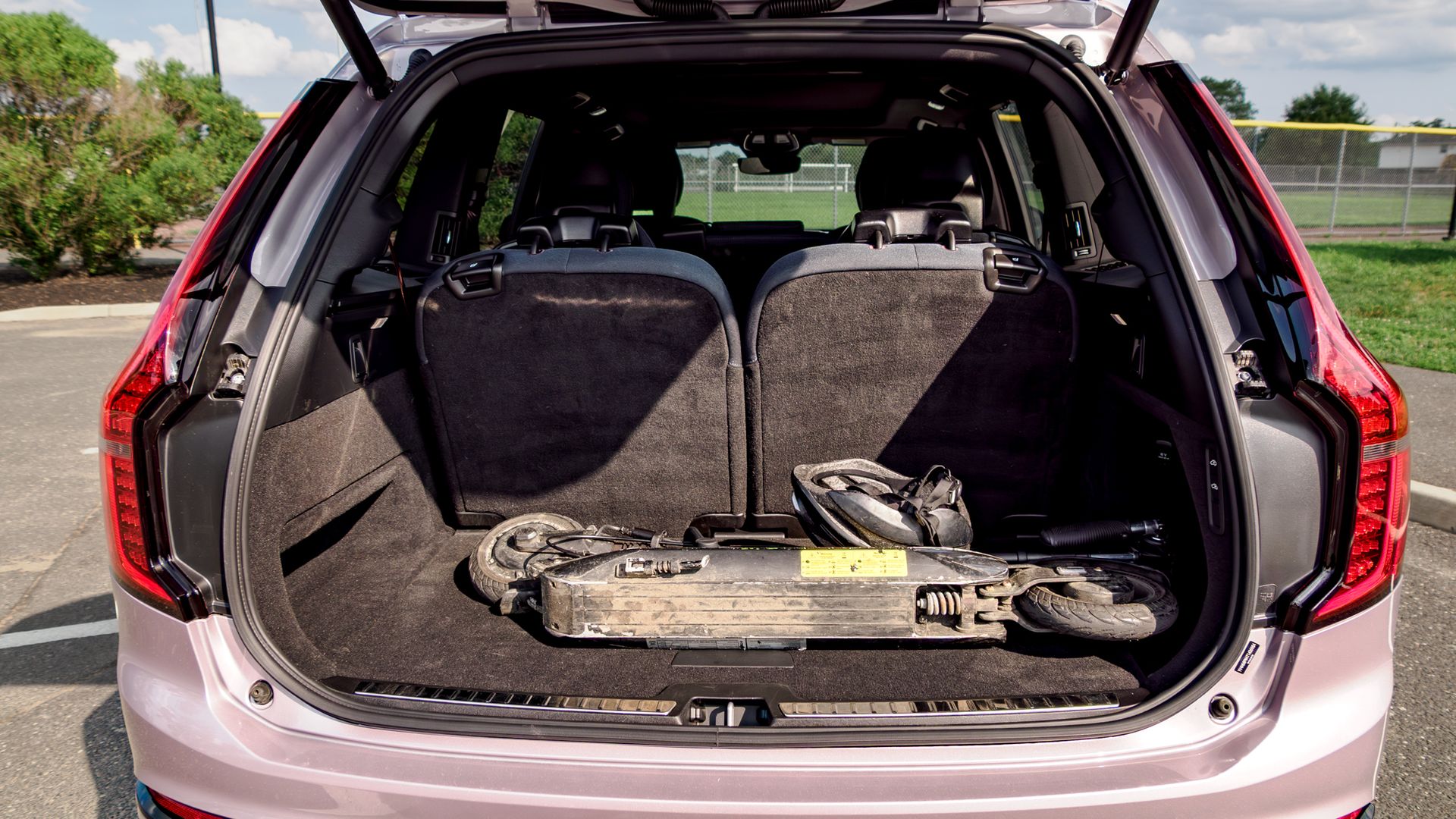
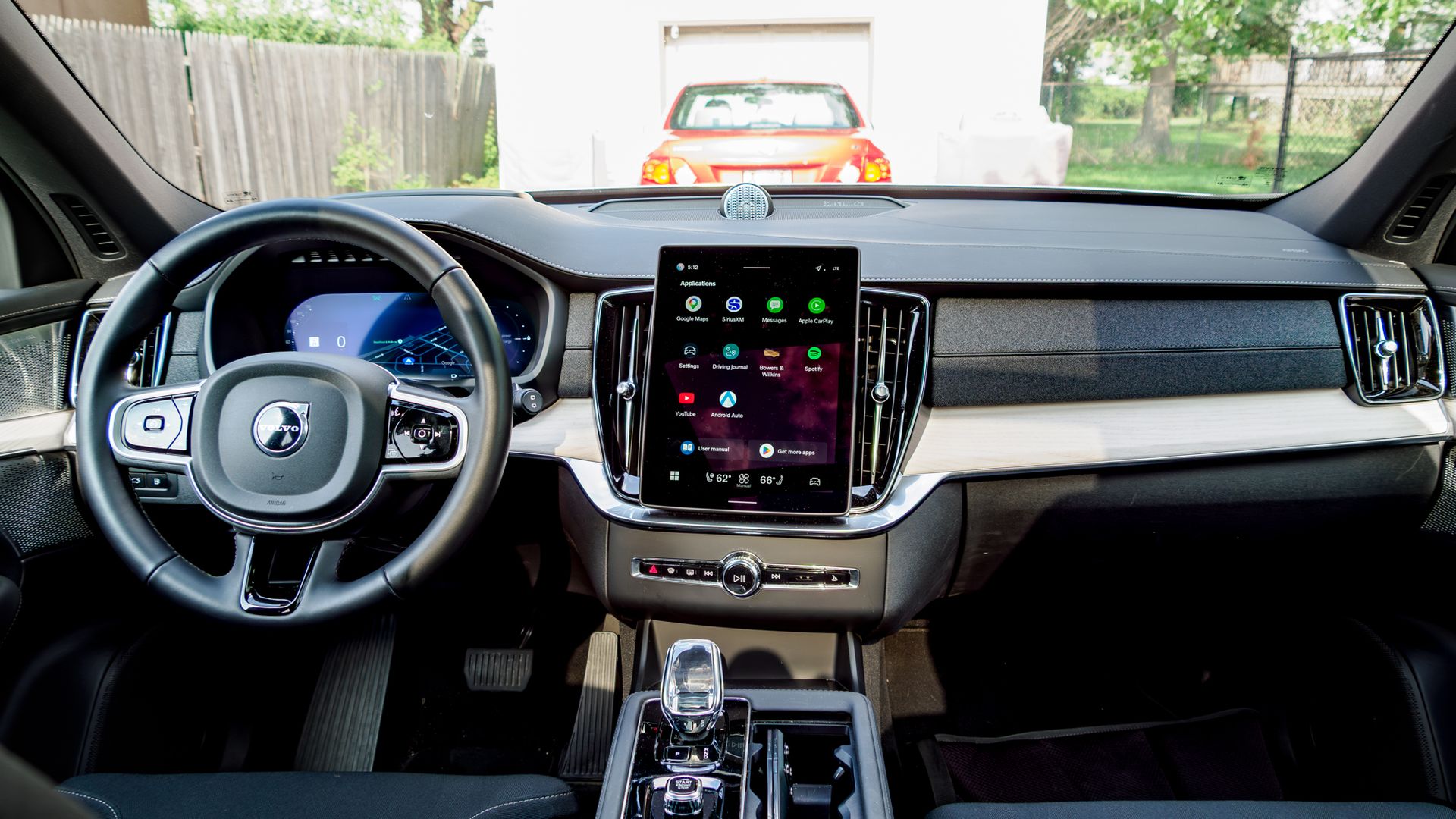
The 2026 Volvo XC90 T8 Ultra takes a predictably Scandinavian approach, which isn’t surprising at all. This specific trim I tested features Navy Herringbone Weave upholstery, while its second-row bench configuration offers maximum interior utility with seating for up to seven. At the same time, you get a much more generous 31.9 inches of legroom in the third row — nearly four inches more than the Infiniti.
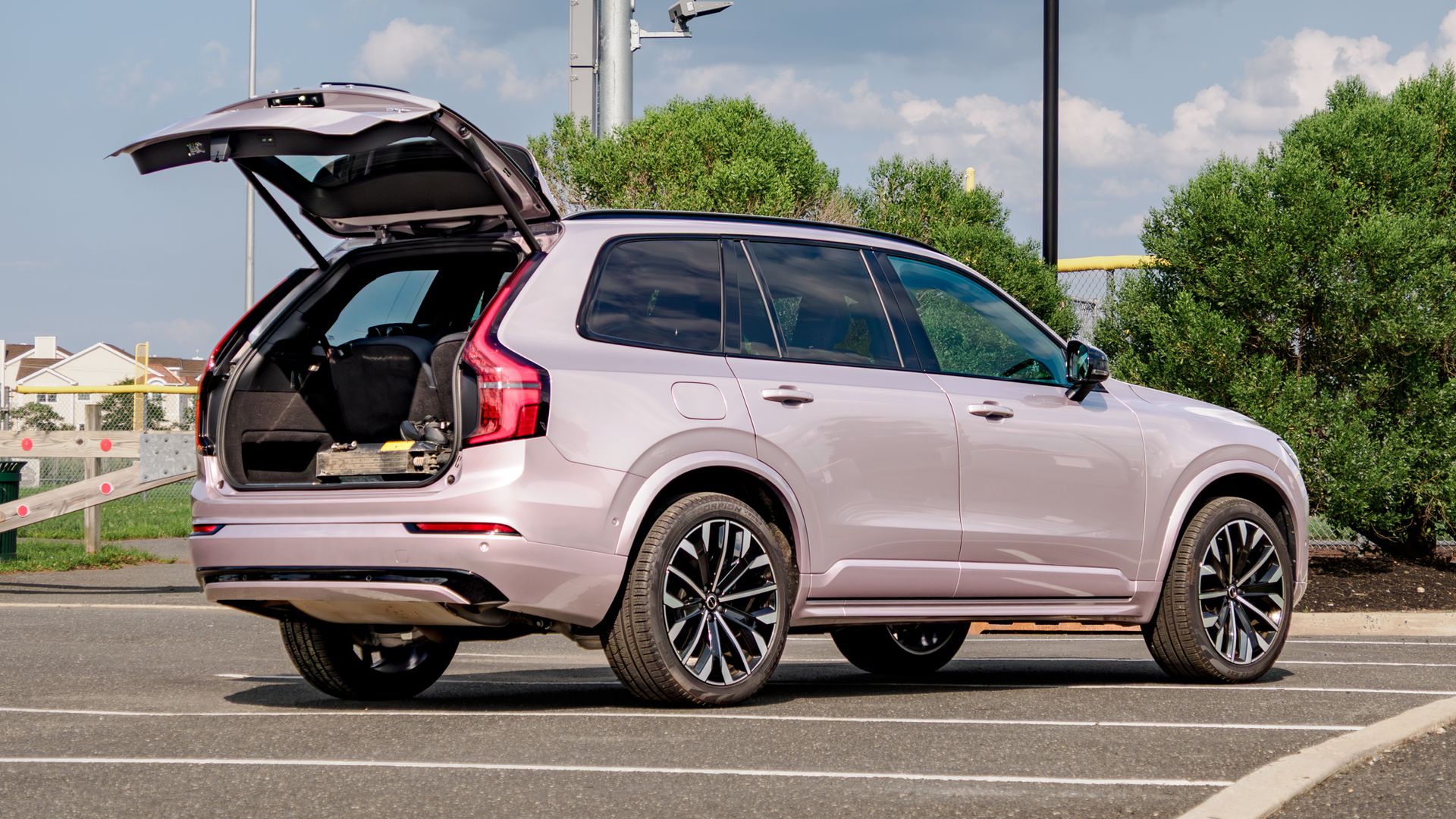
Fold both rear rows completely flat, and the XC90 delivers a more expansive 85.7 cubic feet of maximum cargo space compared to the Infiniti’s 75.4 cubic feet.
I love the QX60’s ultra-plush captain’s chairs and standard massaging seats for long cruises, but the XC90’s extra passenger capacity and superior third-row room make it the more adaptable people-carrier.
Volvo XC90 vs. Infiniti QX60: Value
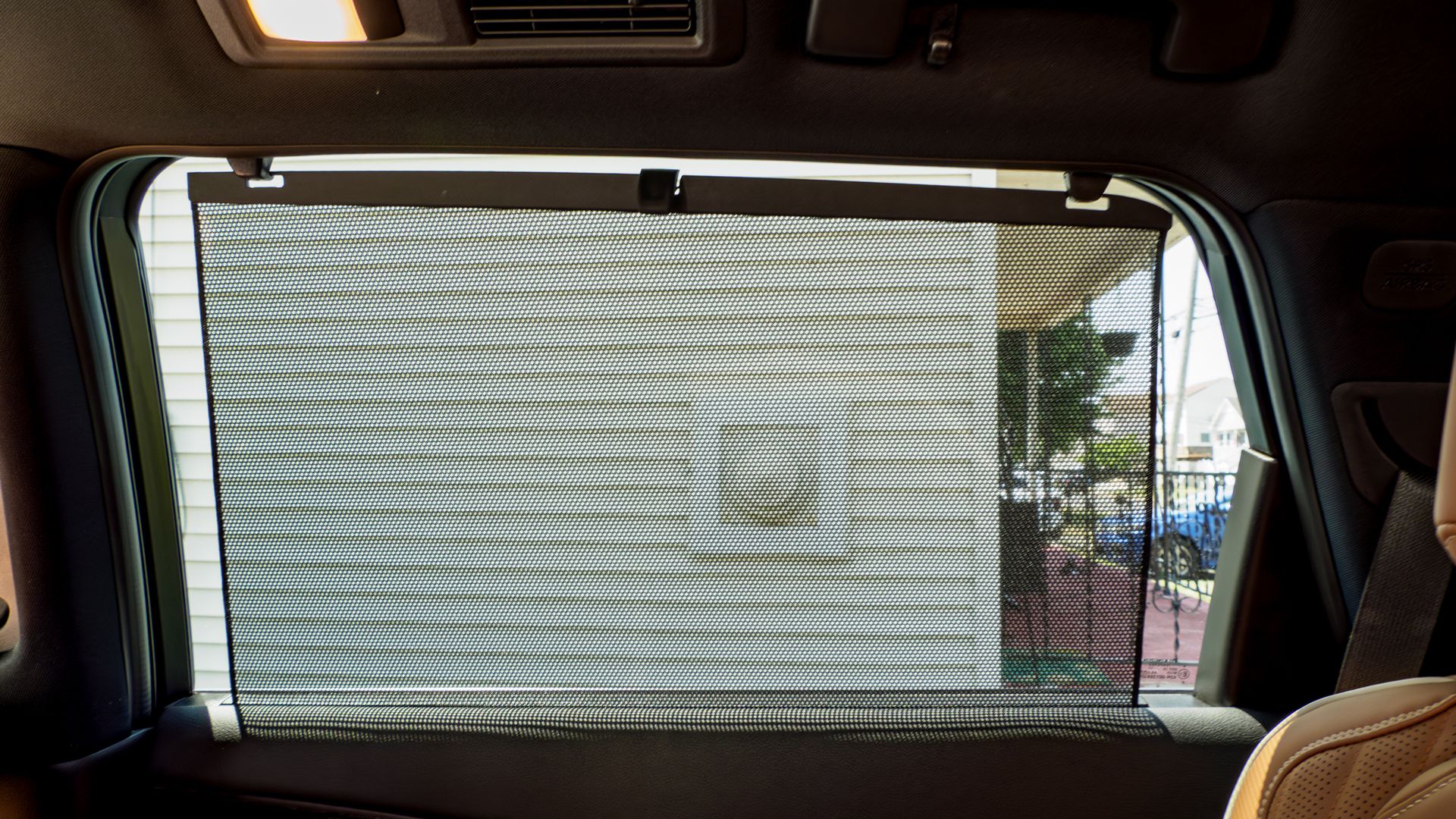
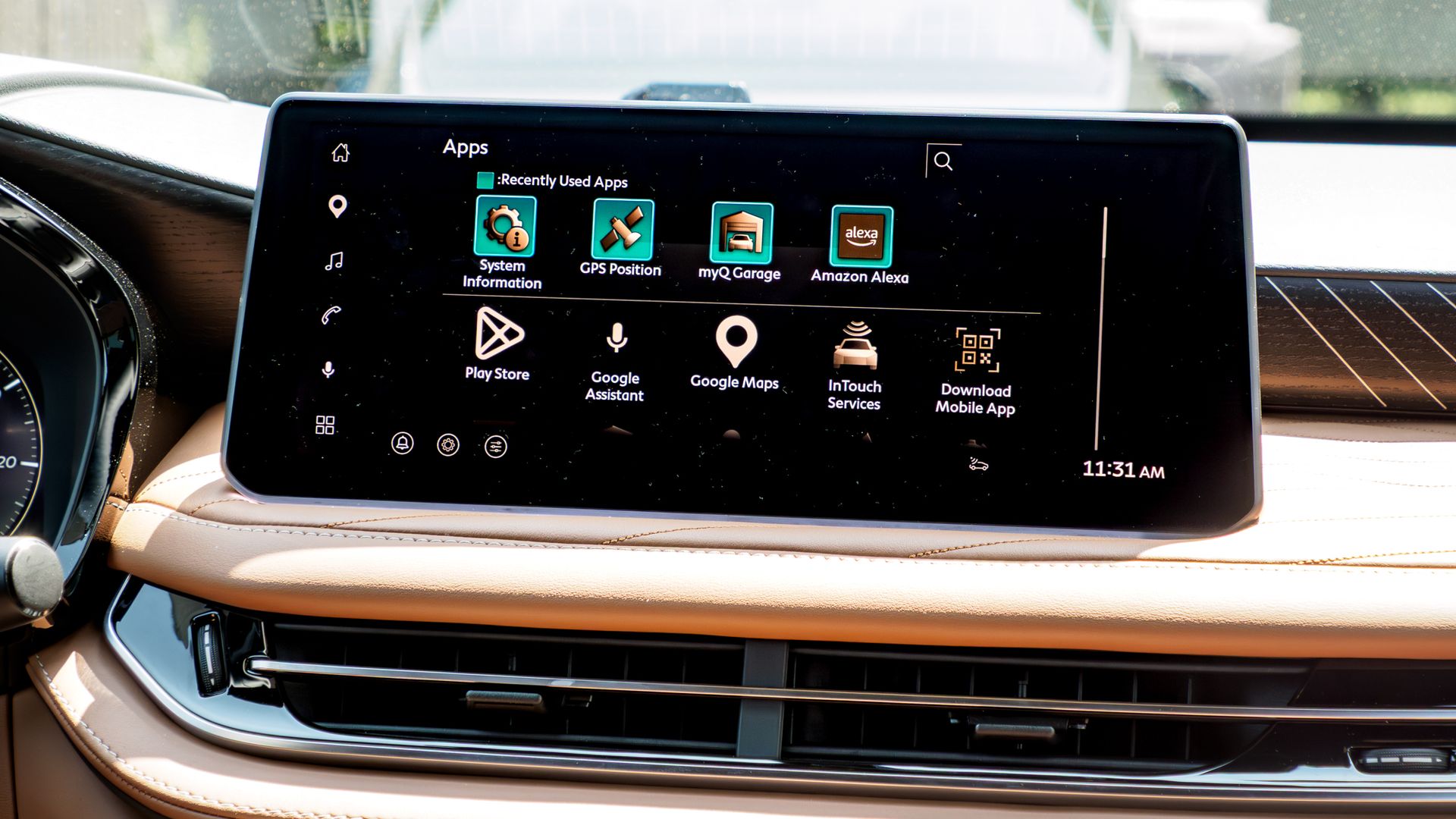
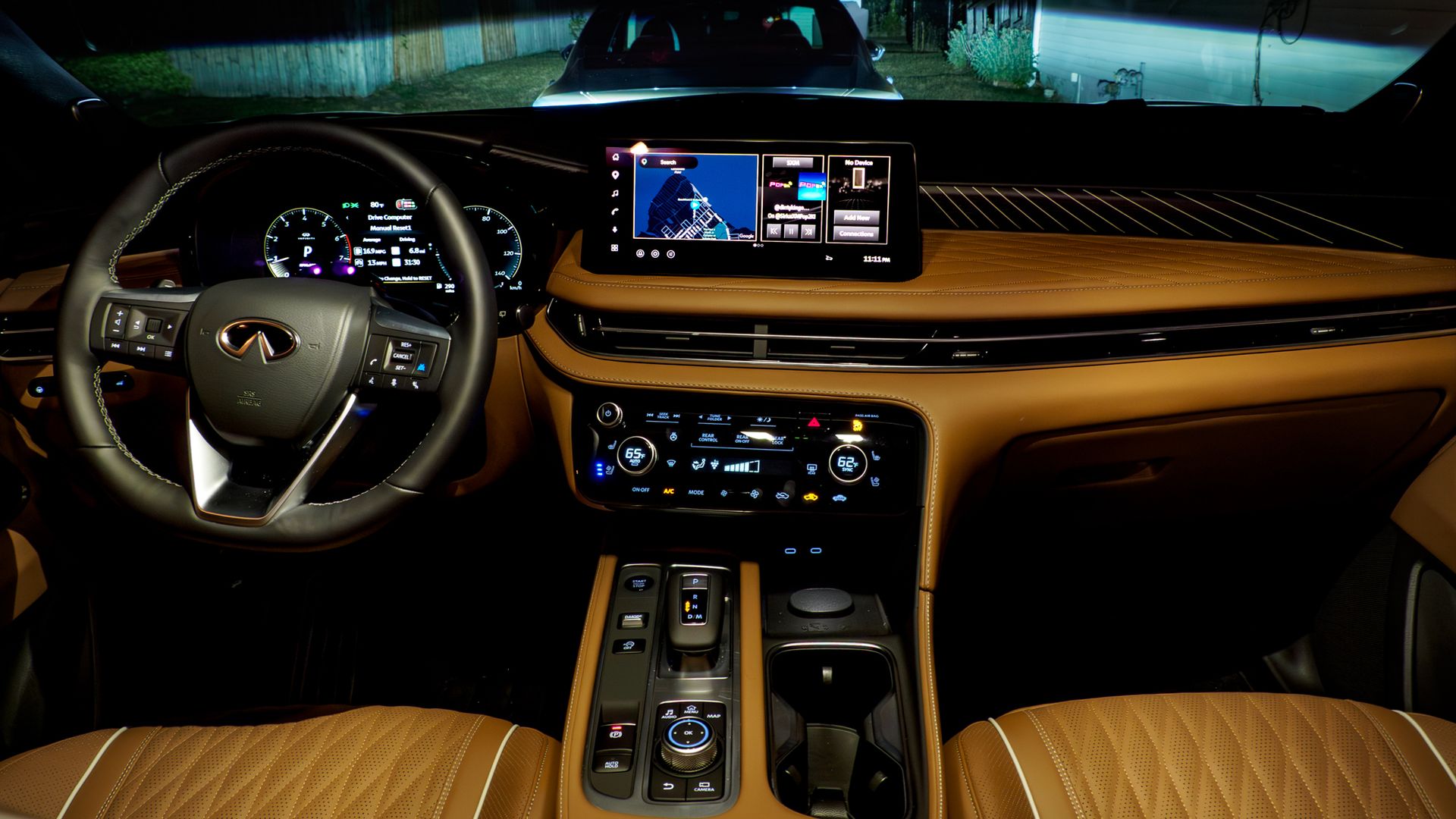
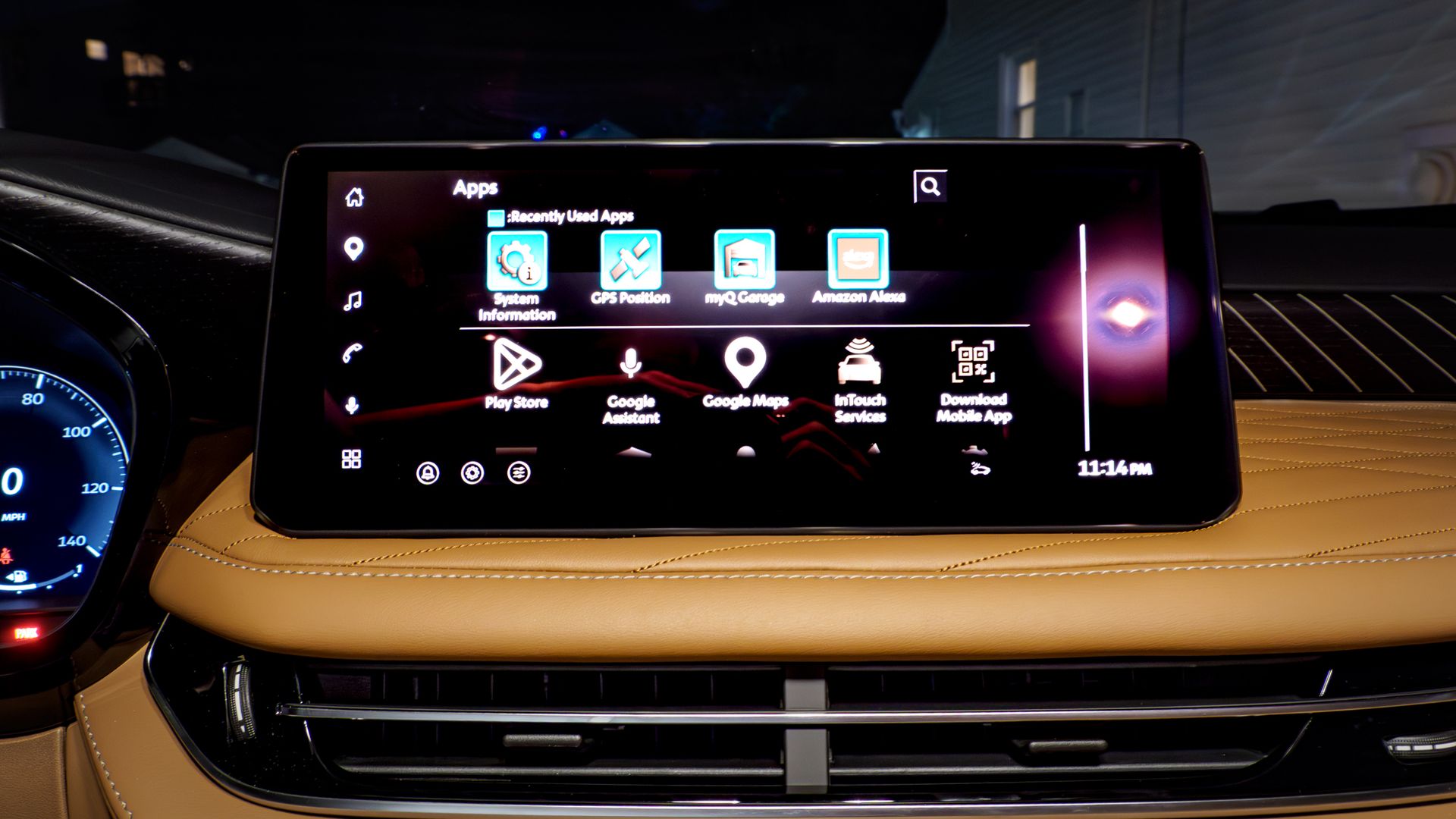
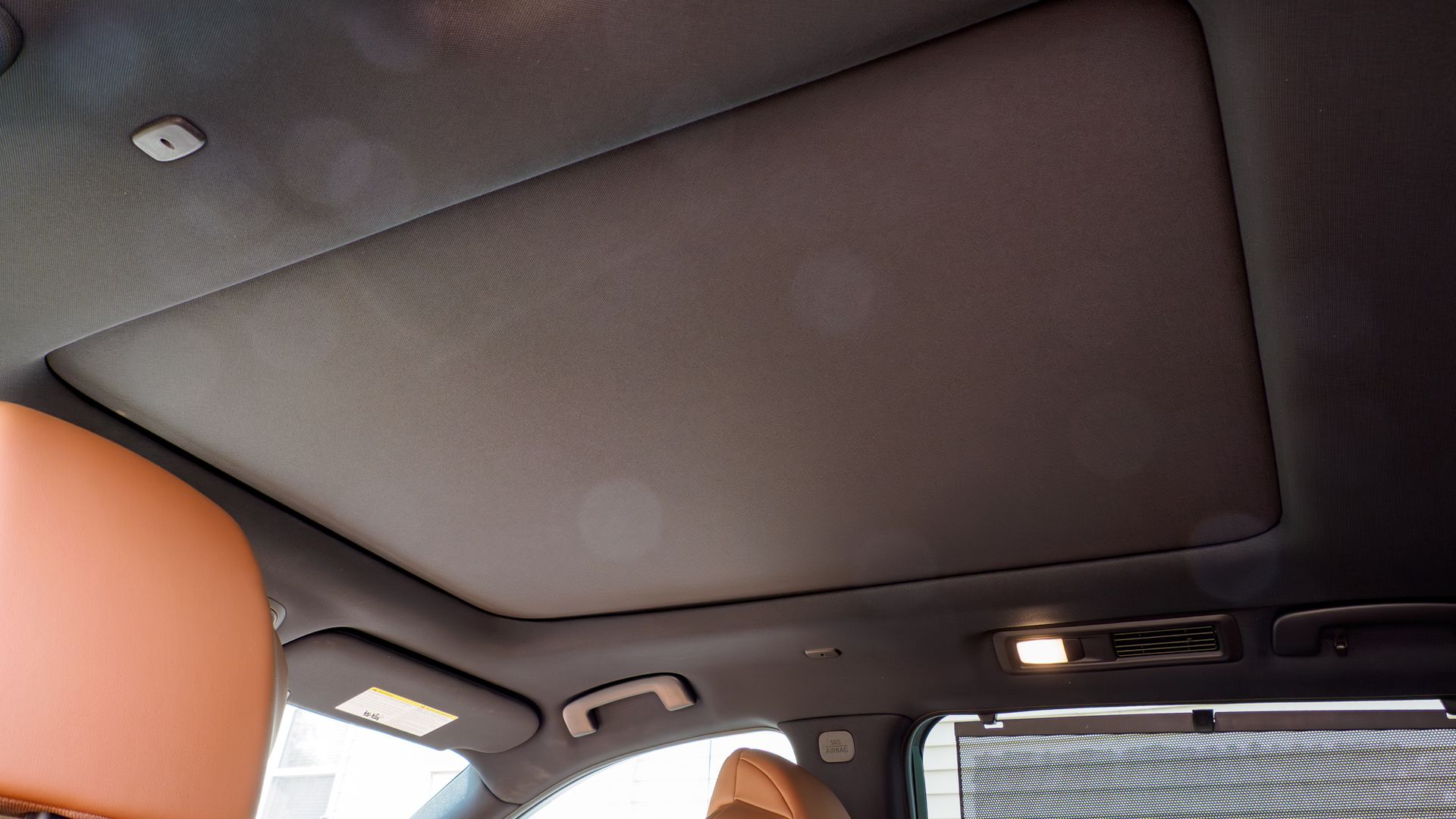
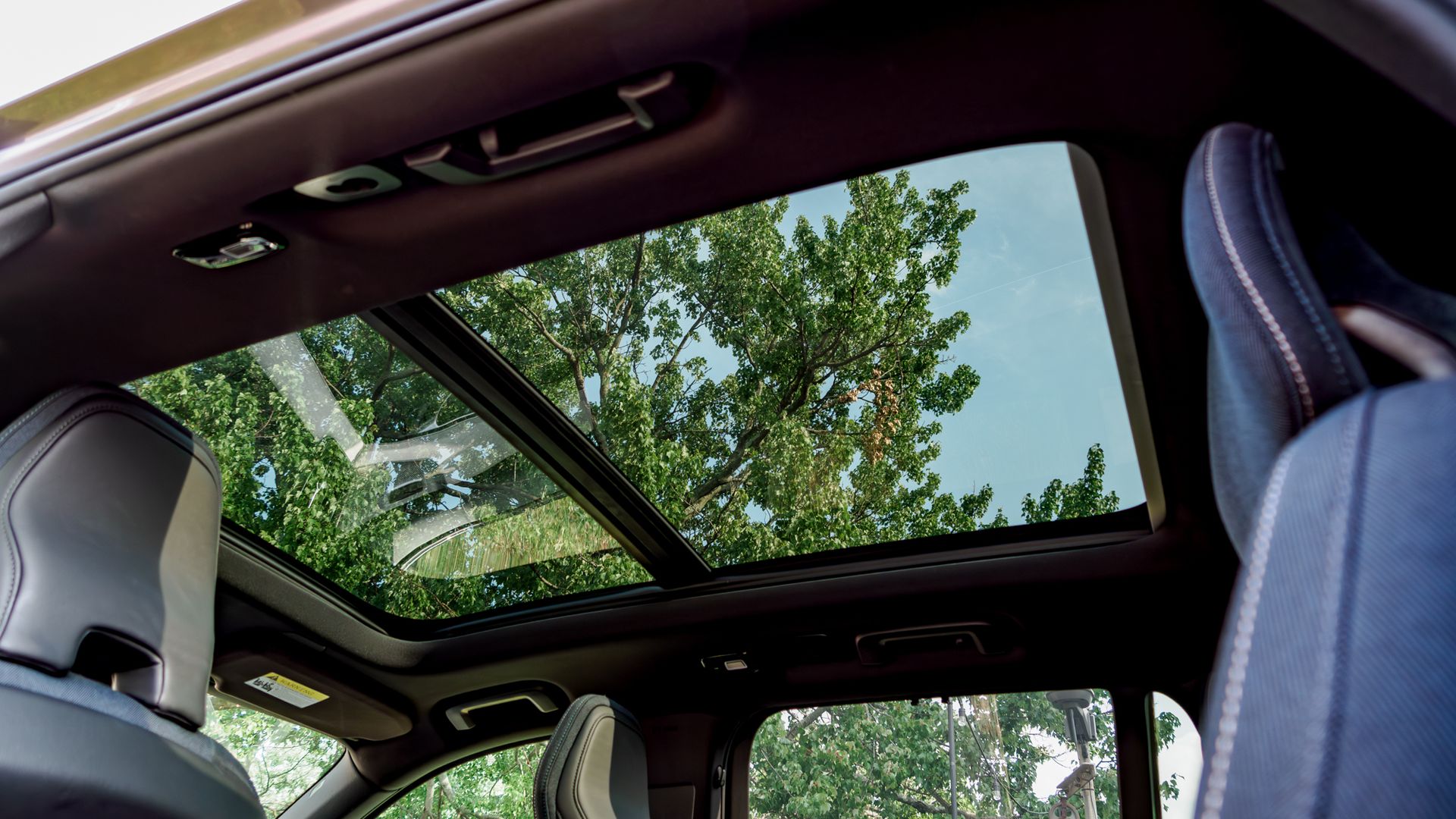
Luxury vehicles such as these come with premium features that justify their higher price tags. Thankfully, both models cover the luxury basics with panoramic glass roofs, head-up displays, rear door sunshades, and outstanding premium audio systems — but the QX60 holds the clear value edge.
For starters, the QX60 comes standard with front massaging and ventilated seats. The Infiniti also leads in cabin-focused tech: its 20-speaker Klipsch audio system integrates headrest speakers for isolated calls and navigation prompts, while an auto-dimming smart camera rearview mirror and a 360-degree camera system round out the package.
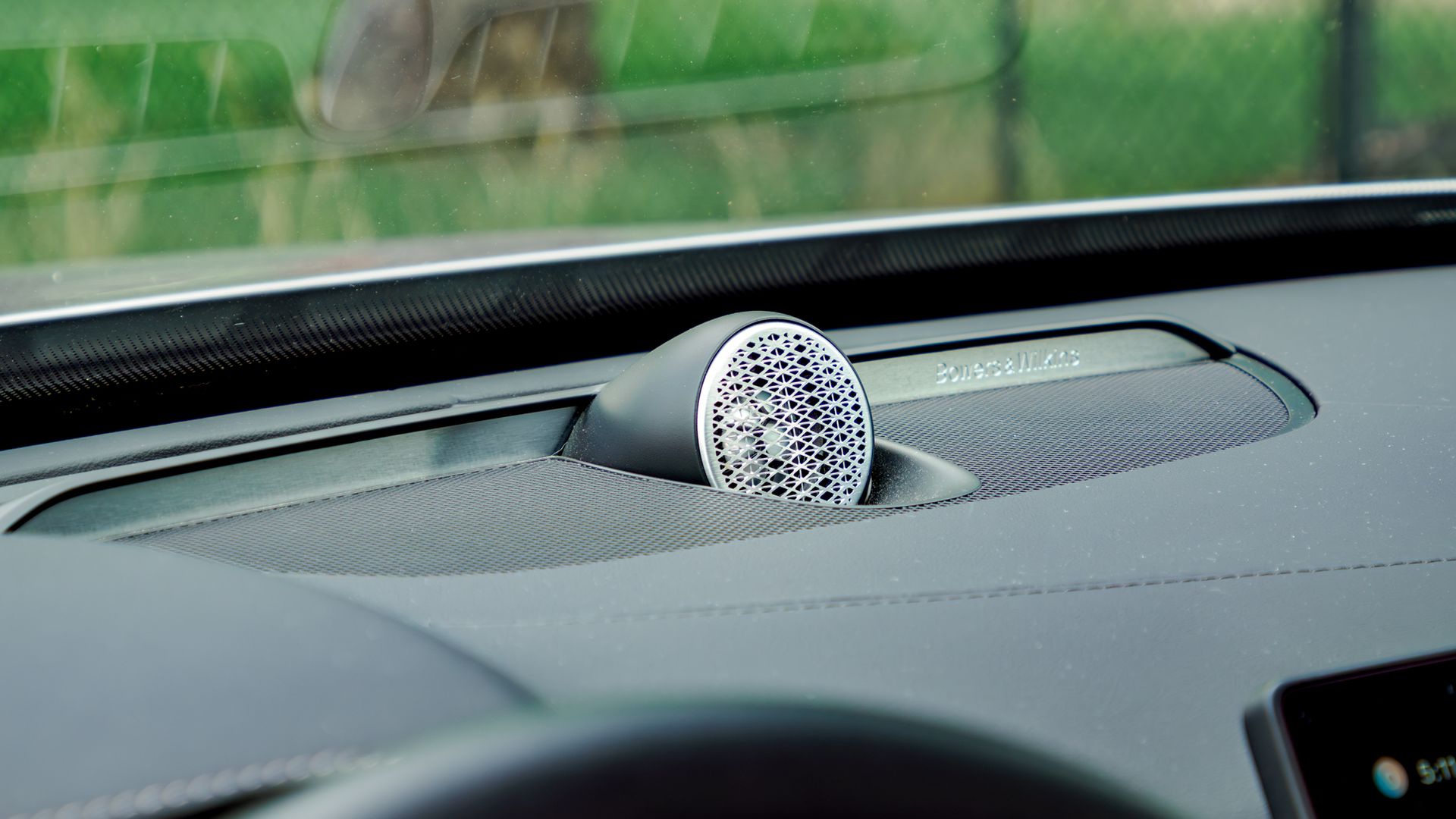
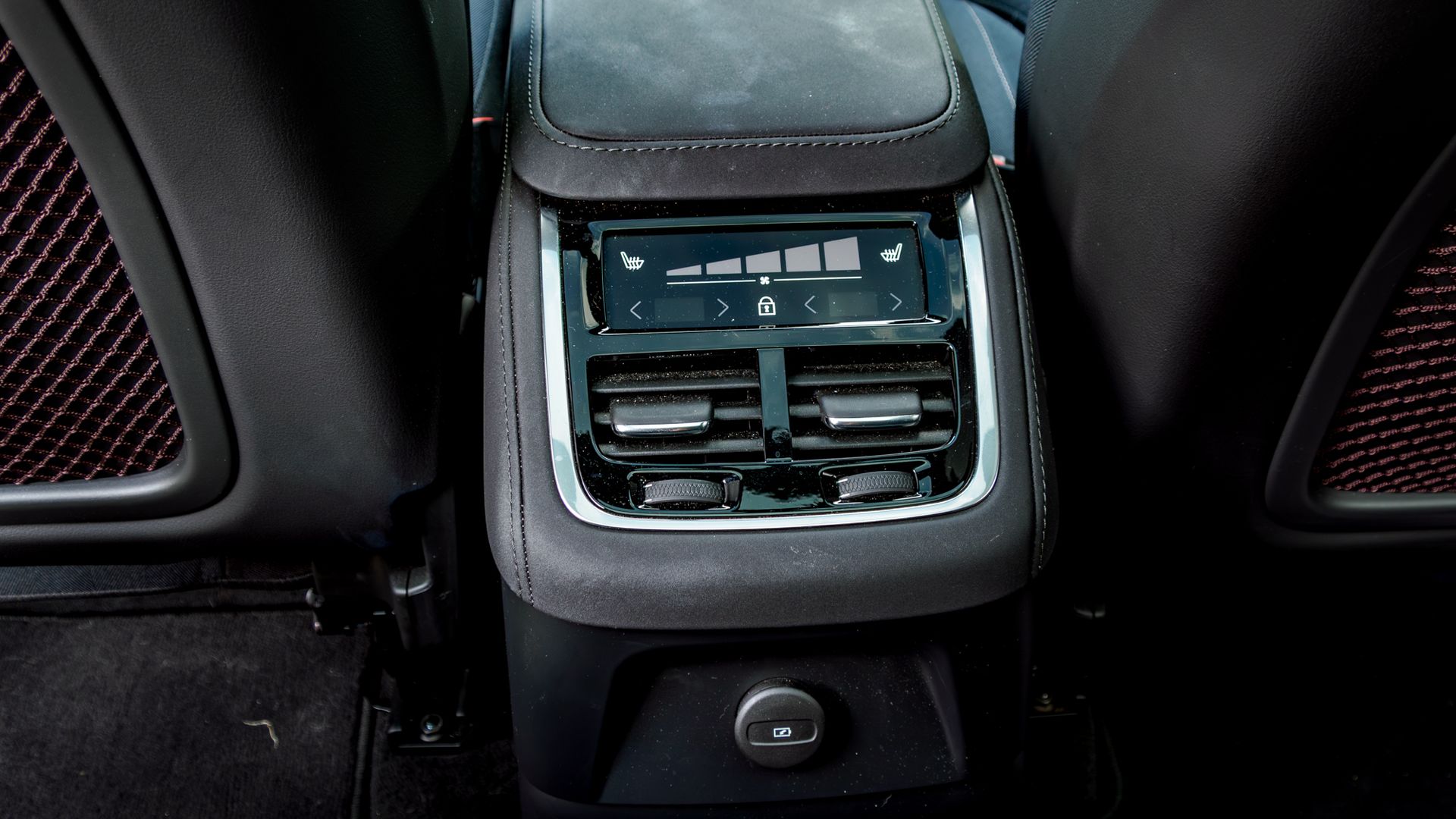
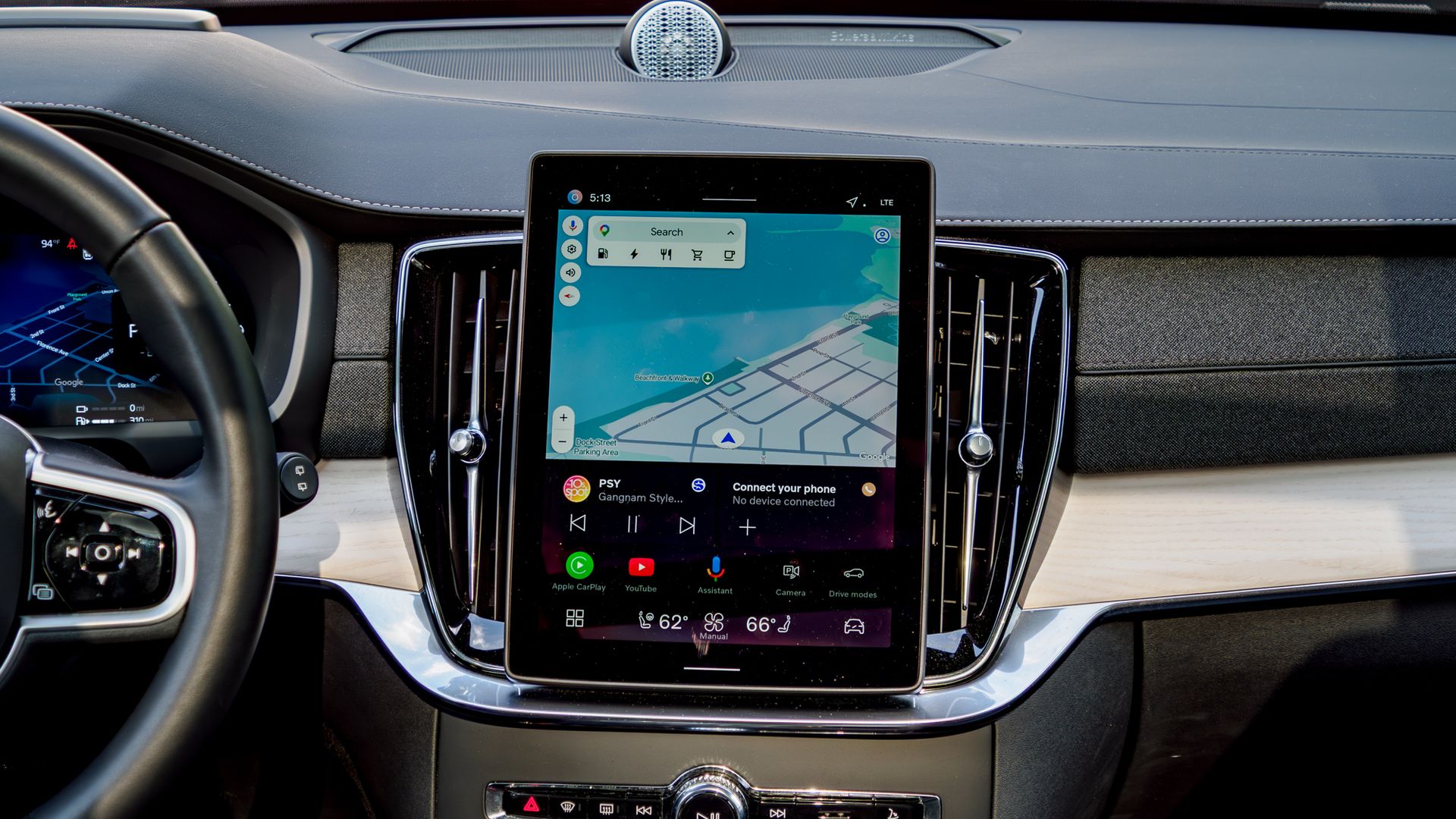
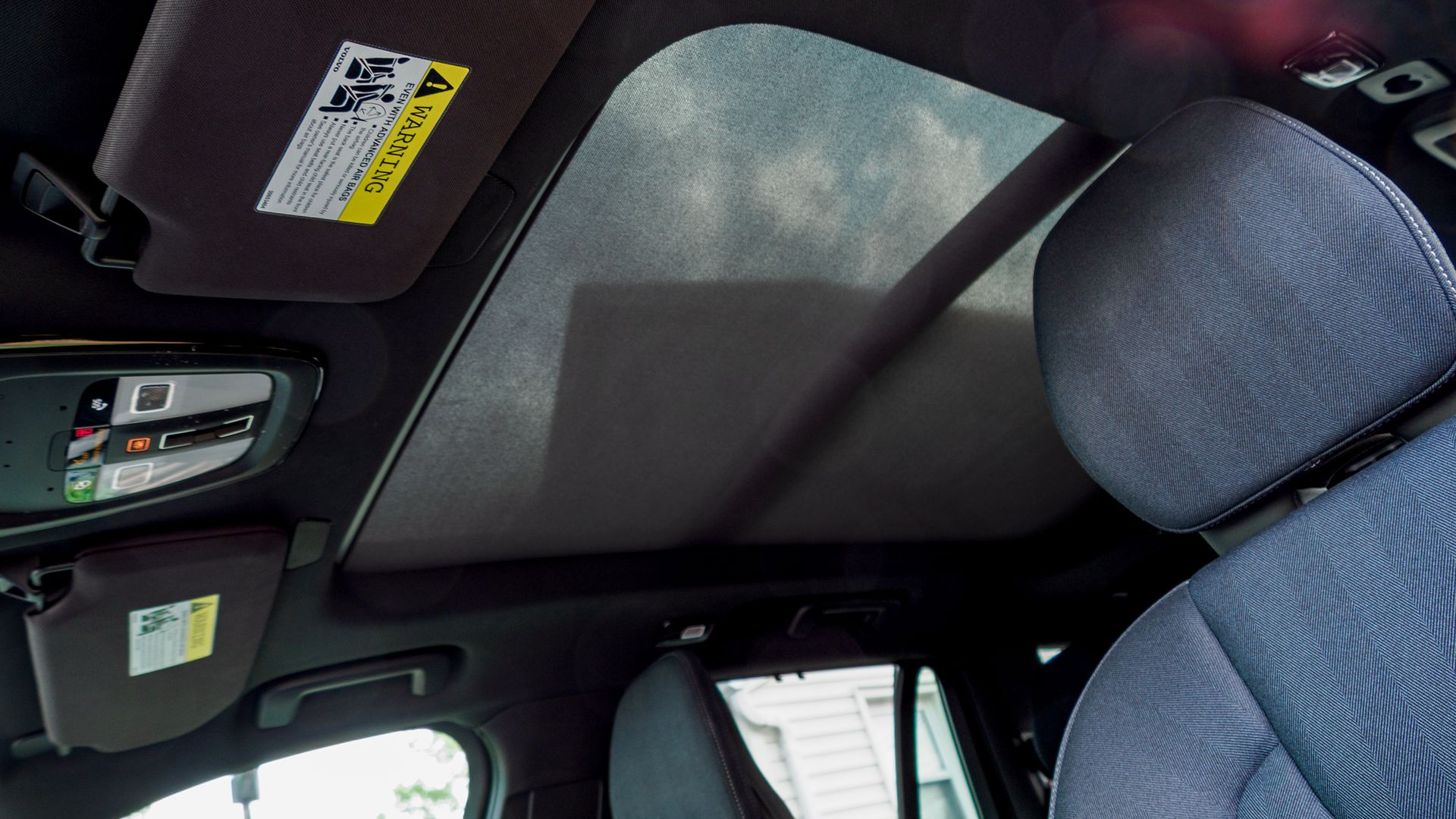
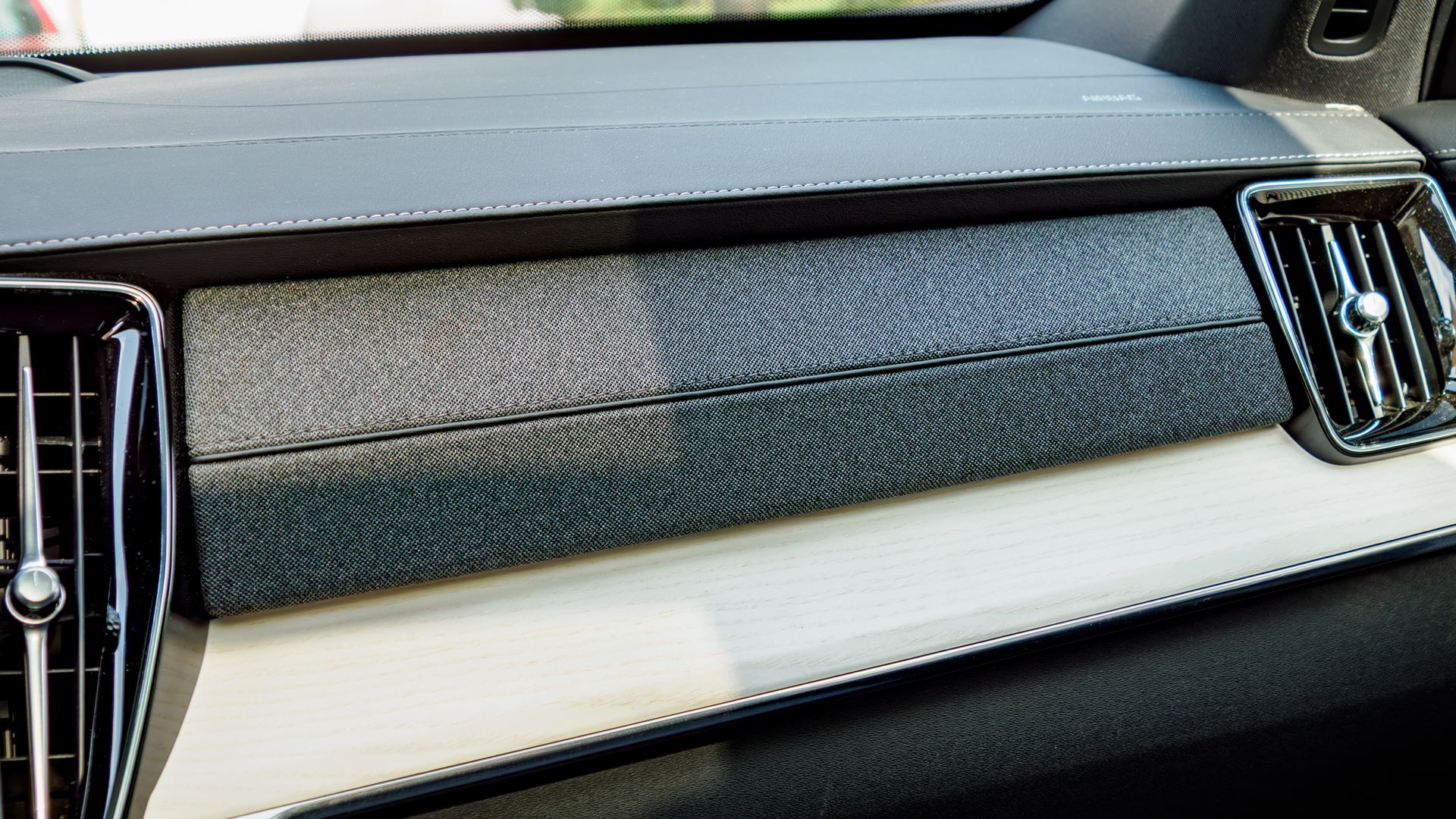
On the highway, the QX60’s ProPILOT Assist 2.1 offers true hands-free driving capability on mapped roads, offering extra convenience over Volvo’s hands-on Pilot Assist system. The XC90 counters with an equally impressive Bowers & Wilkins sound system and a floaty active air suspension, the QX60 simply delivers a broader mix of everyday convenience tech.
What truly seals the victory for me is the price difference, anchored by the Infiniti QX60’s lower $73,750 as-tested cost. It undercuts the $89,695 Volvo XC90 by $15,945 while offering more luxury conveniences. And as much as I love Volvo’s plug-in hybrid powertrain, exclusively using all-electric power still wouldn’t generate enough long-term fuel savings to close that roughly $16,000 spread. If that gap were closer to $10,000, I might be inclined to say it’s worth spending the extra cash for a PHEV — but the math tells a different story.
Volvo XC90 vs. Infiniti QX60: Verdict
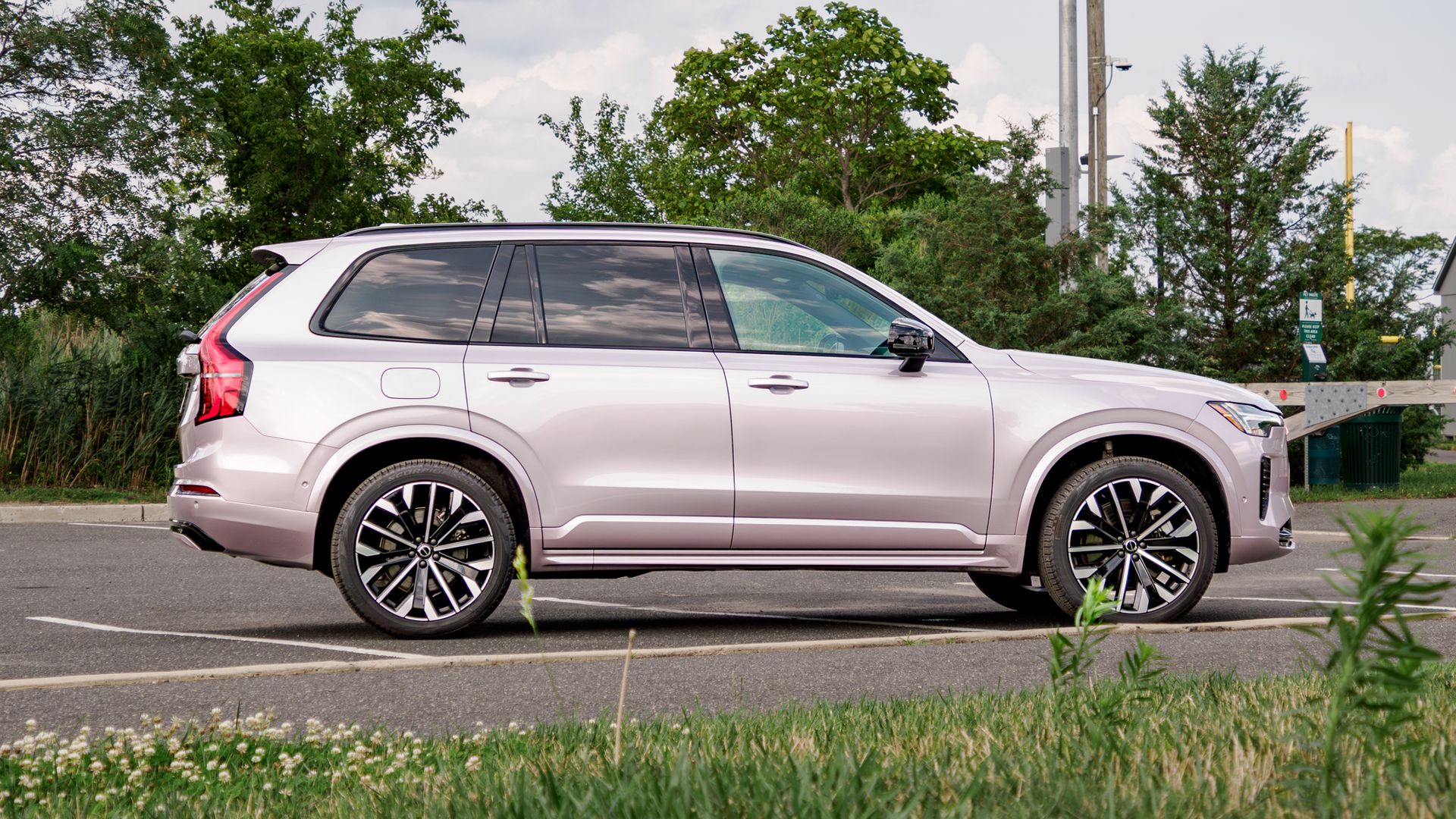
I spent serious time behind the wheel of both luxury SUVs, but choosing a definitive champion isn’t entirely straightforward. In fact, this matchup ends in a flat-out tie after grading them across all my test categories, as both excel in distinct ways that cater to different kinds of drivers.
I would easily recommend both vehicles in a heartbeat. I love the Infiniti QX60 Autograph’s sportier, more aggressive curb appeal, second-row captain’s chairs, and hands-free ProPILOT Assist 2.1. More importantly, its $73,750 as-tested sticker price is an astonishing value, delivering top-tier luxury amenities without pushing into the stratosphere.
Meanwhile, the Volvo XC90 T8 AWD Ultra justifies its higher price through engineering and versatility. Its plug-in hybrid powertrain delivers the instant electric performance I crave, while its three-passenger second-row bench and roomier third row make it the more practical family hauler. Add in the silky-smooth active air suspension and the surreal Bowers & Wilkins audio system, and it exemplifies Scandinavian refinement to the letter.
Ultimately, the deciding factor comes down to how much you are willing to pay out of pocket. If you’re sticking to a stricter budget and want the absolute most tech and comfort for your dollar, the QX60 is practically unbeatable. But if you have the extra budget to spare and want the seamless luxury of electric driving paired with maximum three-row utility, the Volvo XC90 is my personal choice.
- I’m not anxious that it’s getting darker earlier with this thermal camera for my car — here’s why
- I just test drove the new Nissan Leaf — and it’s irresistible at under $30,000
- CrabWalking with the GMC Sierra EV is the weirdest thing I’ve ever done with a car — and it’s actually pretty useful
