

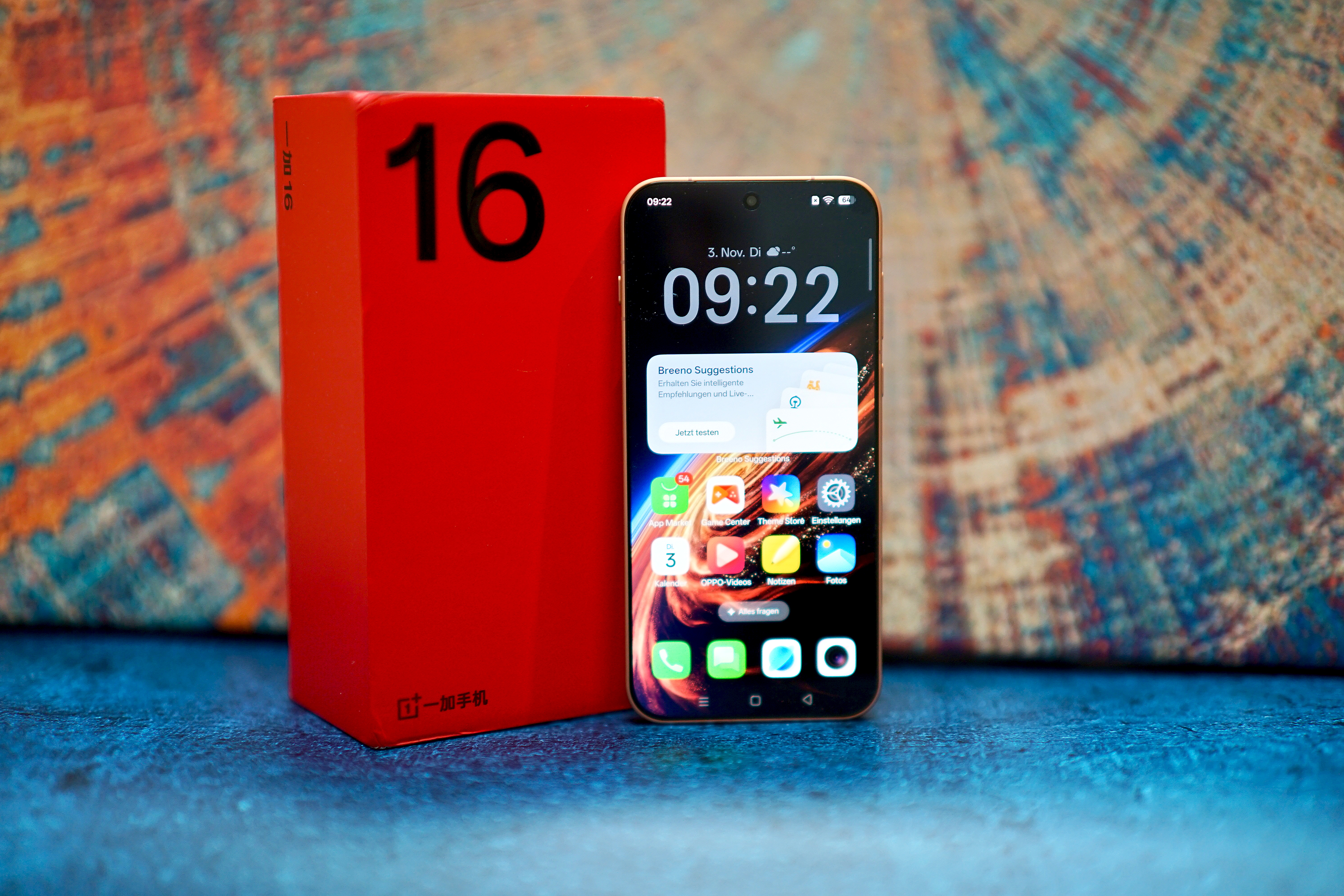
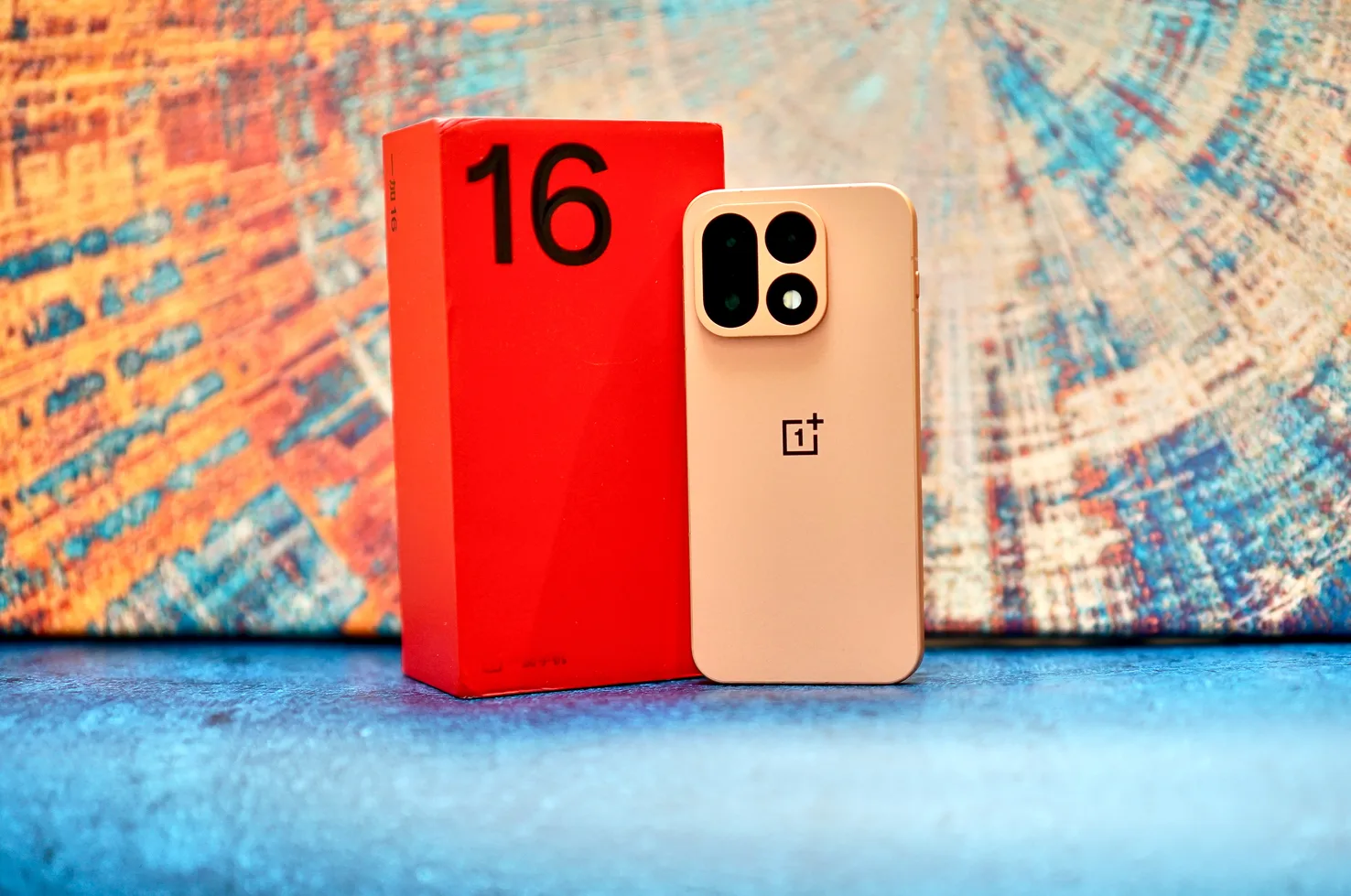
“Masterpiece” is written on our OnePlus 16 review unit. That seems almost a little defiant, given that the brand has been significantly downsized by its parent company and will only be present in China and India in the future.
The OnePlus 16 shows once again why that is a shame: A flagship phone whose price does not spiral completely out of control, optionally available with a huge amount of storage, one of the fastest SoCs currently available, a good camera system and a high-quality chassis.
Then there is the spectacular battery, with runtimes of up to 29 hours and more.
Test device courtesy of TradingShenzhen
Download your licensed rating image as PNG / SVG
Unfortunately, the device now has to be imported in many countries, which comes with problems, such as the loss of eSIM compatibility. Some 4G bands are also missing, which can still be quite important in rural areas.
Rumor has it that the OnePlus 16 will soon be released in India, which could make it a better choice for international buyers.
Those who know what they are getting into will get a top-tier phone at a reasonable price with only a few drawbacks.
+over 29 hours of battery life
+reasonable price for flagship specifications
+very high, consistent performance
+low heat buildup under sustained load
+bright display, good color reproduction
+high-quality, dust- and waterproof housing
+up to 1,024 GB of storage
+fast wired and wireless charging
-currently only available as an import outside China
-missing 4G bands
-no eSIM support
-no microSD expansion
-PWM flickering at around 150 Hz
-no firm update commitment
-SoC slightly throttled
The OnePlus 16 is currently only available outside China as an imported device.
It is available, for example, from our loan provider TradingShenzhen starting at US$ 877.
- $1,129.50price as of 2026-11-09 12:15 UTC.
OnePlus 15, 16GB RAM + 512GB Storage, Dual-SIM, Unlocked Android Smartphone, Snapdragon 8 Elite Gen 5, 7300mAh Battery, Ultra Violet - $1,139.00price as of 2026-11-09 12:15 UTC.
OnePlus 15, 16GB RAM + 512GB Storage, Dual-SIM, Unlocked Android Smartphone, Snapdragon 8 Elite Gen 5, 7300mAh Battery, Infinite Black - $1,029.00price as of 2026-11-09 12:15 UTC.
OnePlus 15, 12GB RAM + 256GB Storage, Dual-SIM, Unlocked Android Smartphone, Snapdragon 8 Elite Gen 5, 7300mAh Battery, Infinite Black
Table of Contents
Processor
Qualcomm Snapdragon 8 Elite Extreme Gen 6 8c/8t, 2 x 5.0 GHz, 3 x 4.0 GHz, 3 x 3.7 GHz
Graphics adapter
Qualcomm Adreno 850
Memory
16 GB
Display
6.78 inch 19.6:9, 2772 x 1272 pixel 450 PPI, capcitive touchscreen, AMOLED, glossy: yes, HDR, 185 Hz
Storage
512 GB UFS 4.1 Flash, 512 GB , 498 GB free
Connections
1 USB 3.0 / 3.1 Gen1, USB-C Power Delivery (PD), 1 DisplayPort, 1 Infrared, Audio Connections: audio via USB-C, 1 Fingerprint Reader, NFC, Brightness Sensor, Sensors: proximity, color temperature, compass, acceleration, gyroscope, hall
Networking
802.11 a/b/g/n/ac/ax/be (a/b/g/n = Wi-Fi 4/ac = Wi-Fi 5/ax = Wi-Fi 6/ Wi-Fi 6E 6 GHz be = Wi-Fi 7), Bluetooth 6.0, 2G (850/900/1800/1900MHz), 3G (850/1900/2100MHz), 4G (1/2/3/4/5/7/8/18/19/25/26/28A/28B/32/34/38/39/40/41/42/43/48/66), 5G (n1/n2/n3/n5/n7/n8/n18/n25/n26/n28A/n28B/n34/n38/n39/n40/n41/n48/n66/n75/n77/n78/n79/n80/n81/n83/n84/n89/n91/n92/n93/n94/n95/n98), Dual SIM, LTE, 5G, GPS
Size
height x width x depth (in mm): 8.5 x 161.4 x 76.7 ( = 0.33 x 6.35 x 3.02 in)
Battery
9000 mAh Silicon-Carbon, 100 Watt charging, 50 Watt wireless charging
Charging
wireless charging, fast charging / Quickcharge
Operating System
Android 17
Camera
Primary Camera: 200 MPix f/1.6, OIS (camera 1), 50MP ultra-wide-angle f/2.0 (camera 2), 50MP telephoto f/2.6, OIS, 120x zoom
Secondary Camera: 50 MPix autofocus
Additional features
Speakers: stereo speakers, USB-C cable, case, charger, 12 Months Warranty, IP66/68/69/69K certified, fanless, waterproof
Weight
220 g ( = 7.76 oz / 0.49 pounds)
Price
1100 Euro
Links
OnePlus homepage
Note: The manufacturer may use components from different suppliers including display panels, drives or memory sticks with similar specifications.
see all specifications
[+] Add to comparison» Compare devices
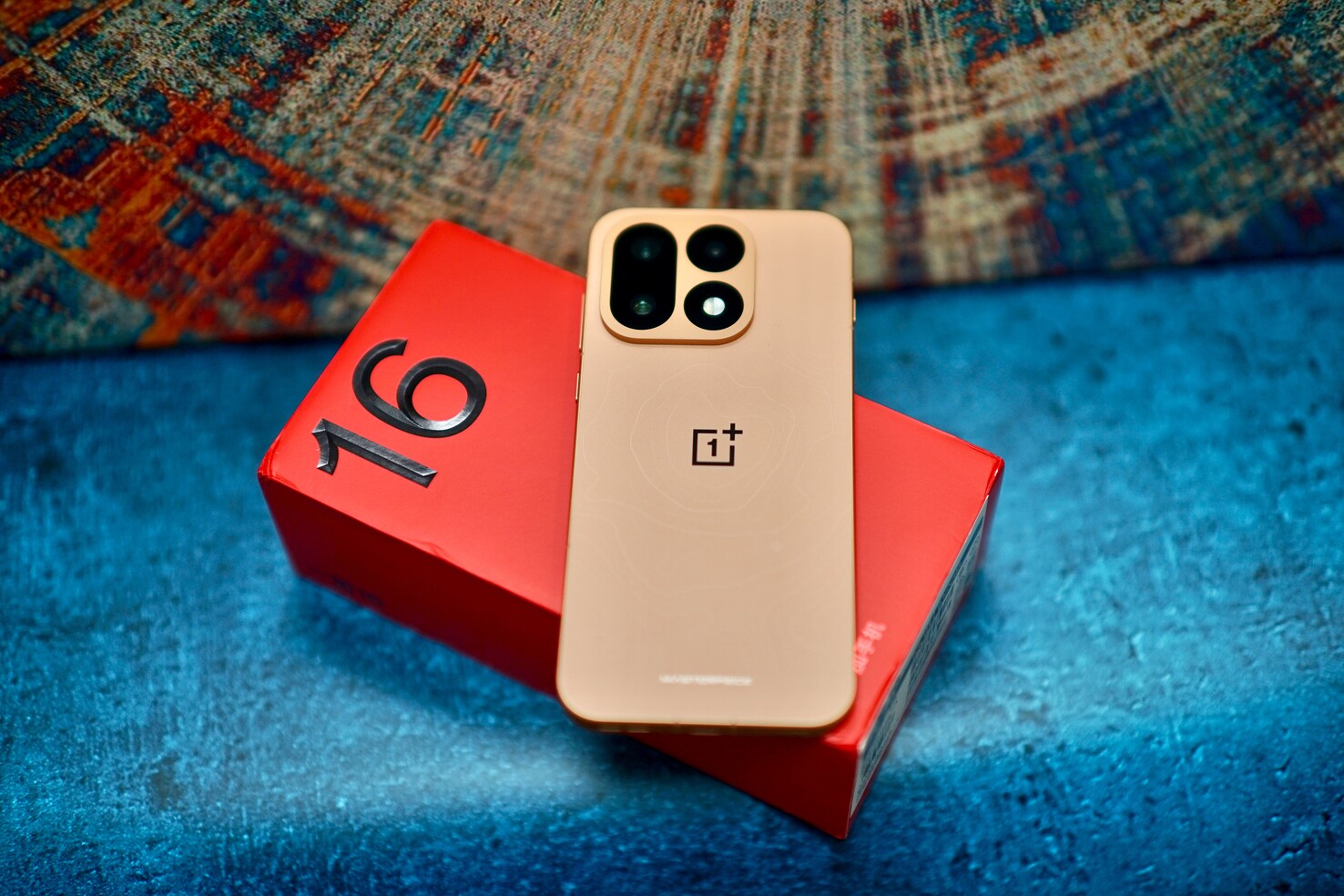
Our review unit comes in a light-orange colored case, a color intended to evoke the planet Mars. A pattern that shimmers in the light serves as a design element, reminiscent of tree rings or ripples in water.
The light gray version comes with luminous markings that indicate the position of the Morning Star in the night sky. The dark gray version, on the other hand, is kept very simple.
The design, with rounded corners yet flat surfaces, is reminiscent of Apple’s clean iPhone design language and is both appealing and ergonomic. The build quality is convincing, and the OnePlus 16 is dustproof and waterproof.
At 220 grams, the phone is not too heavy.
There is also plenty of room for data if desired: Up to 1,024 GB of storage is available. There is also up to 16 GB of RAM despite the memory shortage. However, a microSD card cannot be inserted.







Apple iPhone 17 Pro Max Samsung Galaxy S26 Ultra Vivo X300 Ultra Sony Xperia 1 VIII OnePlus 16 DIN A6❌
WiFi 7 is supported, and in our test with the Asus RT-BE96U reference router, the smartphone achieves very fast and stable data transfer rates.
Unfortunately, the Chinese OnePlus 16 lacks some important 4G bands that may be relevant for worldwide use, including Band 20. Ironically, this was also an issue with the manufacturer’s very first smartphone, the OnePlus One.
However, there is now the advantage that 5G networks are also available, and the most important frequencies are supported here.
The Chinese version does not support eSIMs.
The fingerprint sensor is integrated into the screen, but it is positioned very high up, which could be a problem for people with small hands. Once a fingerprint has been registered, it unlocks the phone without any noticeable delay. Facial recognition can also be used.
| iperf3 transmit Wi-Fi6/7 RT-BE96U | 2186 (min: 1769) MBit/s ∼59% |
| iperf3 receive Wi-Fi6/7 RT-BE96U | 2275 (min: 1988) MBit/s ∼65% |
| iperf3 transmit AXE11000 | 946 (min: 475) MBit/s ∼99% |
| iperf3 receive AXE11000 | 927 (min: 879) MBit/s ∼89% |
| iperf3 transmit AXE11000 6GHz | 1844 (min: 911) MBit/s ∼100% |
| iperf3 receive AXE11000 6GHz | 1619 (min: 1324) MBit/s ∼100% |
| iperf3 transmit Wi-Fi6/7 RT-BE96U | 2017 (min: 1945) MBit/s ∼54% |
| iperf3 receive Wi-Fi6/7 RT-BE96U | 2173 (min: 1784) MBit/s ∼62% |
| iperf3 transmit Wi-Fi6/7 RT-BE96U | 1961 (min: 1265) MBit/s ∼53% |
| iperf3 receive Wi-Fi6/7 RT-BE96U | 2080 (min: 1872) MBit/s ∼59% |
| iperf3 receive RT-BE96U WiFi7 | 1829 (min: 1562) MBit/s ∼100% |
| iperf3 transmit RT-BE96U WiFi7 | 1458 (min: 1179) MBit/s ∼98% |
| iperf3 transmit Wi-Fi6/7 RT-BE96U | 3710 (min: 3489) MBit/s ∼100% |
| iperf3 receive Wi-Fi6/7 RT-BE96U | 3524 (min: 3157) MBit/s ∼100% |
| iperf3 transmit AXE11000 | 910 (min: 769) MBit/s ∼95% |
| iperf3 receive AXE11000 | 459 (min: 411) MBit/s ∼44% |
| iperf3 transmit AXE11000 6GHz | 1375 (min: 1300) MBit/s ∼75% |
| iperf3 receive AXE11000 6GHz | 1180 (min: 1117) MBit/s ∼73% |
| iperf3 transmit AXE11000 | 956 (min: 595) MBit/s ∼100% |
| iperf3 receive AXE11000 | 1040 (min: 459) MBit/s ∼100% |
| iperf3 transmit AXE11000 6GHz | 1289 (min: 508) MBit/s ∼70% |
| iperf3 receive AXE11000 6GHz | 1507 (min: 719) MBit/s ∼93% |
| iperf3 transmit Wi-Fi6/7 RT-BE96U | 2039 (min: 316) MBit/s ∼55% |
| iperf3 receive Wi-Fi6/7 RT-BE96U | 2336 (min: 396) MBit/s ∼66% |
| iperf3 receive RT-BE96U WiFi7 | 1746 (min: 1411) MBit/s ∼95% |
| iperf3 transmit RT-BE96U WiFi7 | 1488 (min: 1354) MBit/s ∼100% |
| iperf3 transmit AXE11000 | 667 (min: 52.5) MBit/s ∼70% |
| iperf3 receive AXE11000 | 696 (min: 52.2) MBit/s ∼67% |
| iperf3 transmit AXE11000 6GHz | 1226 (min: 287) MBit/s ∼66% |
| iperf3 receive AXE11000 6GHz | 1398 (min: 339) MBit/s ∼86% |
| iperf3 transmit Wi-Fi6/7 RT-BE96U | 1596 (min: 316) MBit/s ∼43% |
| iperf3 receive Wi-Fi6/7 RT-BE96U | 1746 (min: 328) MBit/s ∼50% |
| iperf3 receive RT-BE96U WiFi7 | 1616 (min: 343) MBit/s ∼88% |
| iperf3 transmit RT-BE96U WiFi7 | 1409 (min: 341) MBit/s ∼95% |
OnePlus 16; iperf3 transmit Wi-Fi6/7 RT-BE96U; iperf 3.21: Ø2186 (1769-2269) MBit/s
OnePlus 16; iperf3 receive Wi-Fi6/7 RT-BE96U; iperf 3.21: Ø2275 (1988-2369) MBit/s
ColorOS 17 supports the vast majority of languages worldwide. OnePlus’s still somewhat distinct OxygenOS is now history, with Oppo and OnePlus devices now using exactly the same operating system.
Oppo usually updates the software every month. No specific update commitment has been made for the OnePlus 16. However, Oppo offers at least six years of security patches and five new Android versions for its devices, and the OnePlus device will presumably follow suit.

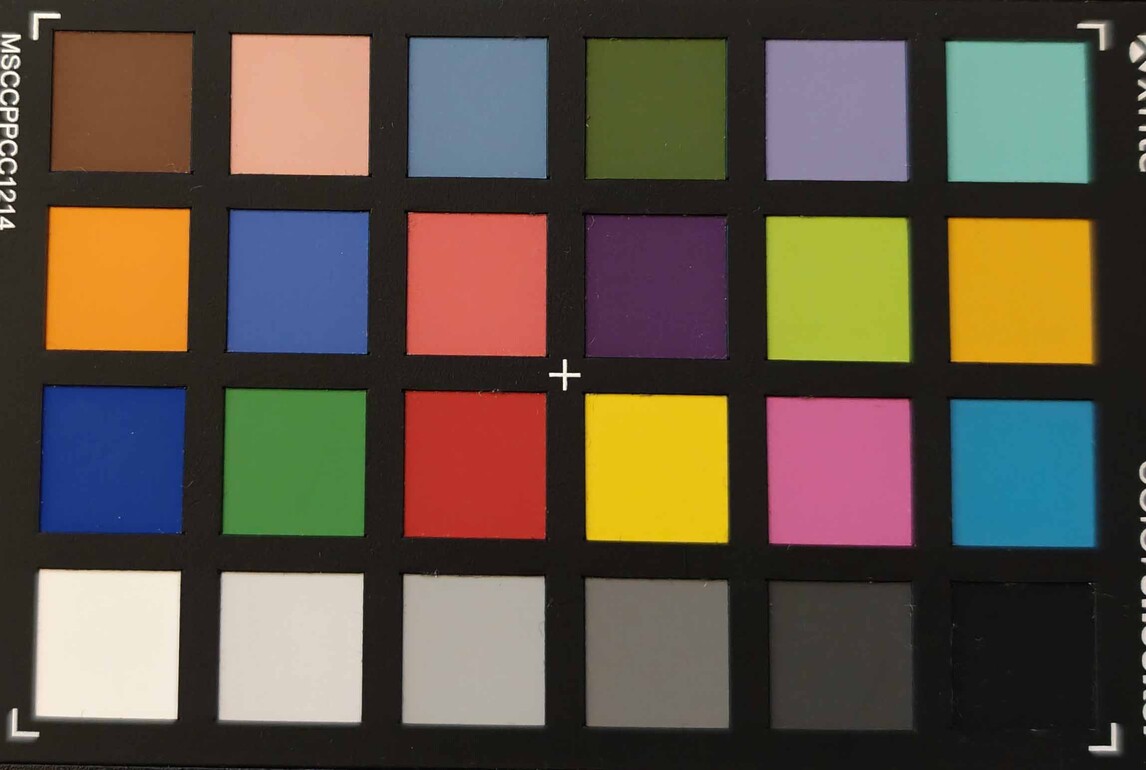
OnePlus has recently had to contend with the biggest downgrades in its cameras, as Oppo wants to position its Find X series as the top tier.
The OnePlus 16 does not deliver a revolutionary leap in quality here either, but at least there are some minor updates.
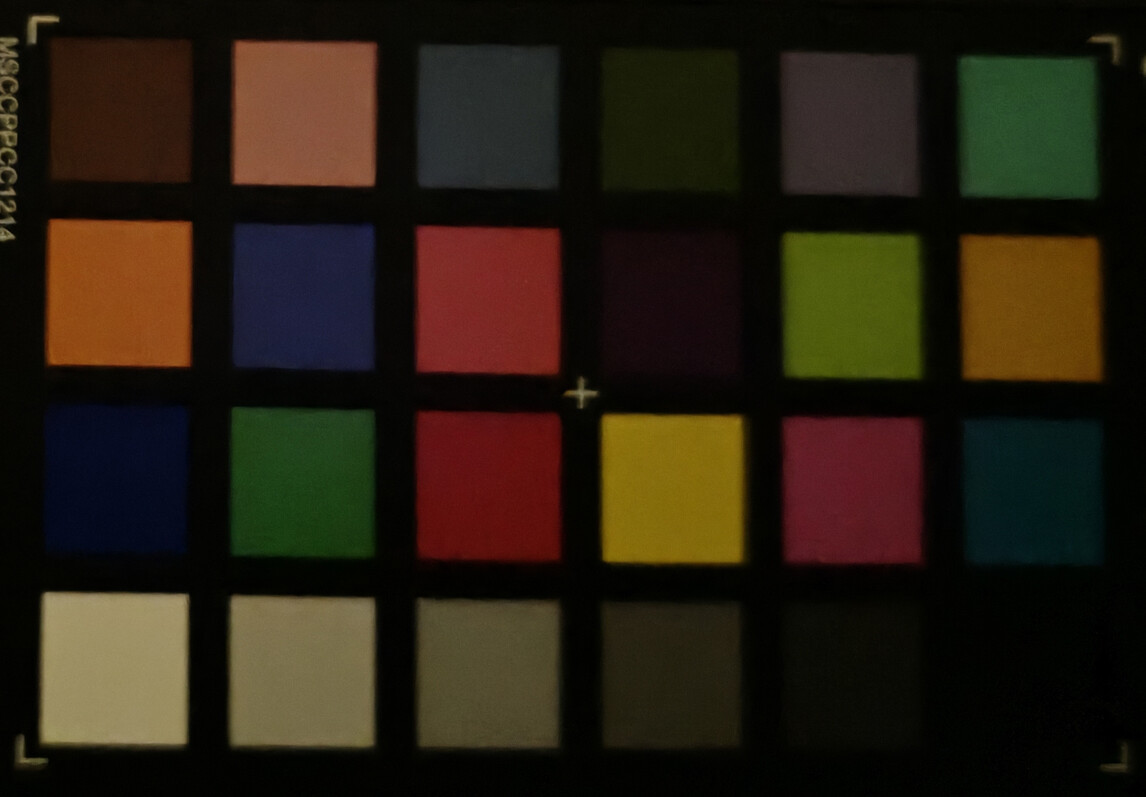
Overall, the rear camera system delivers good image quality with plenty of detail, but blurry areas crop up from time to time. In low light, brightening is merely adequate rather than outstanding.
Selfies turn out well, but bright areas in the image are slightly overexposed.
Choose a scene and navigate within the first image. One click changes the position on touchscreens. One click on the zoomed-in image opens the original in a new window. The first image shows the scaled photograph of the test device.
PflanzeUmgebungLow LightWeitwinkelkameraclick to load images
OnePlus 16
Apple iPhone 17
Oppo Find X9 Pro
Canon EOS 600D
6 ∆E
7.5 ∆E
5.3 ∆E
6.8 ∆E
6.5 ∆E
4.9 ∆E
8.4 ∆E
2.9 ∆E
9.4 ∆E
6.3 ∆E
4.5 ∆E
2.4 ∆E
4.6 ∆E
4.4 ∆E
5.6 ∆E
1.9 ∆E
6.8 ∆E
3.5 ∆E
8.4 ∆E
6.1 ∆E
6.7 ∆E
5.9 ∆E
9 ∆E
10.4 ∆E
19.1 ∆E
24.5 ∆E
30.9 ∆E
26.5 ∆E
36.2 ∆E
44.4 ∆E
21.6 ∆E
23.6 ∆E
20.4 ∆E
25.4 ∆E
35.2 ∆E
37.2 ∆E
23.2 ∆E
28.1 ∆E
17.3 ∆E
29.3 ∆E
29.7 ∆E
35.6 ∆E
30.3 ∆E
31.9 ∆E
36.5 ∆E
31.7 ∆E
22.9 ∆E
13.5 ∆E
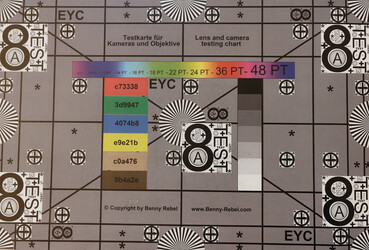



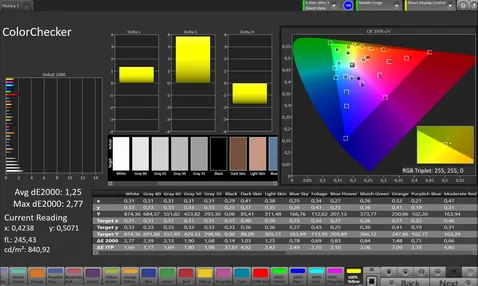
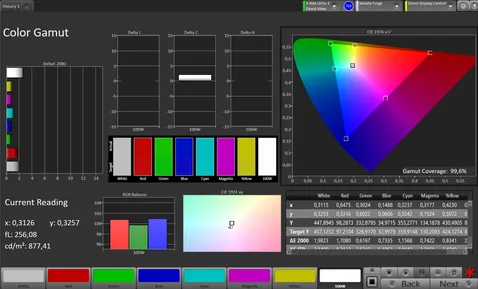
The screen, with a brightness of over 1,100 cd/m² on a full white screen, is bright enough for outdoor use as well. However, other flagship phones offer even more. We like the color reproduction.
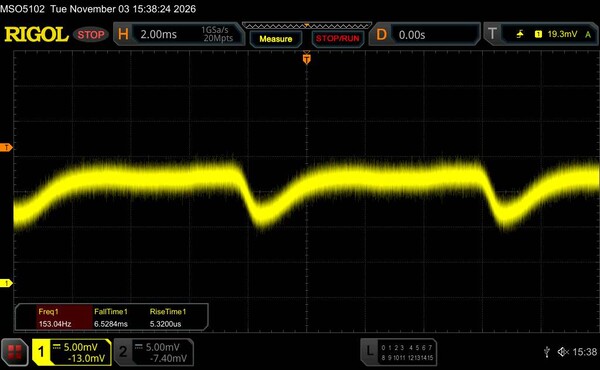
However, you have to put up with PWM flickering at around 150 Hz; DC dimming is also available. Sensitive users should test the screen before buying.
|
Distribution of brightness
tested with X-Rite i1Pro 3
Maximum: 1121 cd/m² (Nits) Minimum: 1.02 cd/m²
Center on Battery: 1121 cd/m²
Contrast: ∞:1 (Black: 0 cd/m²)
ΔE ColorChecker Calman: 1.25 | ∀{0.5-29.43 Ø4.68}
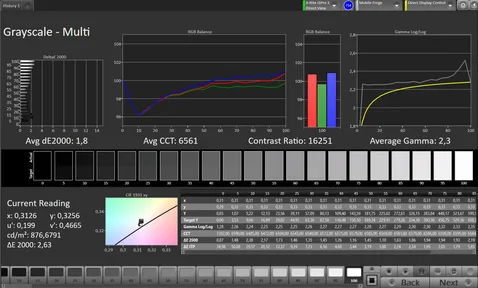
ΔE Greyscale Calman: 1.8 | ∀{0.09-98 Ø4.93}
99.6% sRGB (Calman 2D)
Gamma: 2.3
CCT: 6561 K
| OnePlus 16 AMOLED, 2772×1272, 6.8″ |
Samsung Galaxy S26 Ultra Dynamic AMOLED 2X, 3120×1440, 6.9″ |
Vivo X300 Ultra LTPO OLED, 3168×1440, 6.8″ |
Sony Xperia 1 VIII OLED, 2340×1080, 6.5″ |
Apple iPhone 17 Pro Max OLED, 2868×1320, 6.9″ |
|
|---|---|---|---|---|---|
| APL18 Peak Brightness (cd/m²) | 1976 | 2713 37% | 2154 9% | 2195 11% | |
| HDR Peak Brightness (cd/m²) | 1955 | 2975 52% | 4020 106% | 2215 13% | |
| Response Time Grey 50% / Grey 80% * (ms) | 0.9 ?(0.4, 0.5) | 0.84 ?(0.451, 0.3885)7% | 1.2 ?(0.6, 0.6)-33% | 1.19 ?(0.542, 0.646)-32% | 0.6 ?(0.3, 0.3)33% |
| Response Time Black / White * (ms) | 0.9 ?(0.4, 0.5) | 1.25 ?(0.5915, 0.6615)-39% | 0.9 ?(0.5, 0.4)-0% | 1.01 ?(0.4785, 0.5265)-12% | 0.6 ?(0.3, 0.3)33% |
| PWM Frequency (Hz) | 153 | 240 | 110 | 240 | 240 |
| PWM Amplitude * (%) | 13 | 13.99 -8% | 15.63 -20% | 17 -31% | |
| Brightness middle (cd/m²) | 1121 | 1339 19% | 1568 40% | 1407 26% | 1054 -6% |
| Black Level * (cd/m²) | |||||
| Colorchecker dE 2000 * | 1.25 | 2.5 -100% | 1.23 2% | 1.1 12% | 1.57 -26% |
| Colorchecker dE 2000 max. * | 2.77 | 3.8 -37% | 3.22 -16% | 3 -8% | 2.8 -1% |
| Greyscale dE 2000 * | 1.8 | 1.7 6% | 1.9 -6% | 2.1 -17% | 1.7 6% |
| Gamma | 2.3 96% | 2.05 107% | 2.251 98% | 2.22 99% | 2.32 95% |
| CCT | 6561 99% | 6498 100% | 6552 99% | 6545 99% | 6993 93% |
| Brightness (cd/m²) | 1381 | 1535 | 1410 | 1059 | |
| Brightness Distribution (%) | 94 | 96 | 97 | 93 |
Screen Flickering / PWM (Pulse-Width Modulation)
ℹ
To dim the screen, some notebooks will simply cycle the backlight on and off in rapid succession – a method called Pulse Width Modulation (PWM) . This cycling frequency should ideally be undetectable to the human eye. If said frequency is too low, users with sensitive eyes may experience strain or headaches or even notice the flickering altogether.
| Screen flickering / PWM detected | 153 Hz Amplitude: 13 % |
 |
|
The display backlight flickers at 153 Hz (worst case, e.g., utilizing PWM) . The frequency of 153 Hz is relatively low, so sensitive users will likely notice flickering and experience eyestrain at the stated brightness setting and below. In comparison: 52 % of all tested devices do not use PWM to dim the display. If PWM was detected, an average of 7550 (minimum: 5 – maximum: 343500) Hz was measured. |
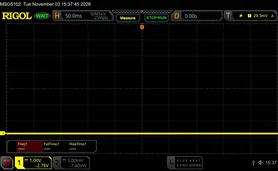
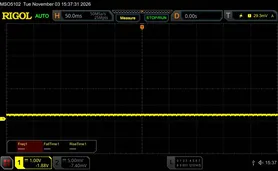
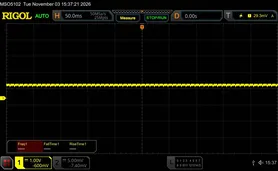
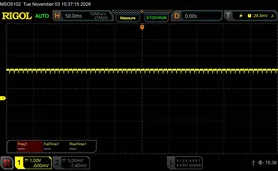
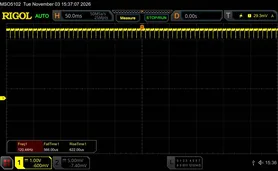
Measurement series with a fixed zoom level and different brightness settings (Although the amplitude curve at minimum brightness looks flat, this is due to the scaling. The inset shows an enlarged view of the amplitude at minimum brightness.)
Display Response Times
ℹ
Display response times show how fast the screen is able to change from one color to the next. Slow response times can lead to afterimages and can cause moving objects to appear blurry (ghosting). Gamers of fast-paced 3D titles should pay special attention to fast response times.
| ↔ Response Time Black to White | ||
|---|---|---|
| 0.9 ms … rise ↗ and fall ↘ combined | ↗ 0.4 ms rise | 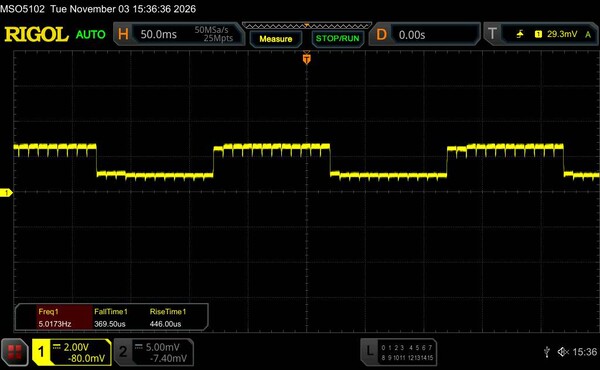 |
| ↘ 0.5 ms fall | ||
| The screen shows very fast response rates in our tests and should be very well suited for fast-paced gaming. In comparison, all tested devices range from 0.1 (minimum) to 240 (maximum) ms. » 4 % of all devices are better. This means that the measured response time is better than the average of all tested devices (19.6 ms). |
||
| ↔ Response Time 50% Grey to 80% Grey | ||
| 0.9 ms … rise ↗ and fall ↘ combined | ↗ 0.4 ms rise | 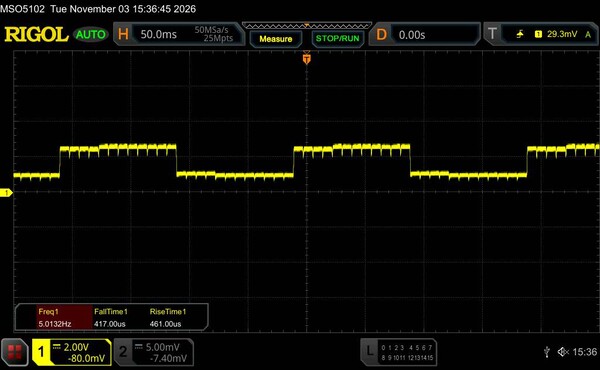 |
| ↘ 0.5 ms fall | ||
| The screen shows very fast response rates in our tests and should be very well suited for fast-paced gaming. In comparison, all tested devices range from 0.13 (minimum) to 636 (maximum) ms. » 4 % of all devices are better. This means that the measured response time is better than the average of all tested devices (30.6 ms). |
The OnePlus 16 is designed to be particularly fast in terms of performance, especially when gaming. To this end, it features the latest Qualcomm Snapdragon 8 Elite Extreme Gen 6, which indeed delivers lightning-fast performance.
However, OnePlus seems to have throttled performance slightly: OnePlus phones often had cooling issues in the past, but that is not the case this time, with the phone staying surprisingly cool even under prolonged load. Performance losses under sustained load are also moderate compared to other flagship Android phones. Consistently high performance seems to be more important to OnePlus than brief peaks, an approach we welcome.
The OnePlus 16 offers two separate speakers that produce good sound. They rarely sound strained at maximum volume, but they deliver little bass. A wide range of Bluetooth audio codecs is available for connecting external speakers or headphones.
The enormous 9,000 mAh battery enables very long runtimes: over 29 hours of continuous use in our Wi-Fi test that mimics everyday usage. If you switch your phone to standby every now and then, that should be enough for several days without charging. When the OnePlus 16 does need to be plugged in, it charges very quickly both wired and wirelessly: The longest charging time we measured was 1 hour and 30 minutes.
Geekbench 7.0 | Geekbench 6.7 | 3DMark | GFXBench | Geekbench AI | CrossMark | Jetstream 2
| Average Qualcomm Snapdragon 8 Elite Extreme Gen 6 (2888 – 3610, n=2) |
3249 Points +13% |
| Samsung Galaxy S26 Ultra Qualcomm Snapdragon 8 Elite Gen 5 for Galaxy, Adreno 840, 12288 |
3142 Points +9% |
| OnePlus 16 Qualcomm Snapdragon 8 Elite Extreme Gen 6, Adreno 850, 16384 |
2888 Points |
| Vivo X300 Ultra Qualcomm Snapdragon 8 Elite Gen 5, Adreno 840, 16384 |
2597 Points -10% |
| Average of class Smartphone (514 – 4055, n=45, last 2 years) |
1599 Points -45% |
| Average Qualcomm Snapdragon 8 Elite Extreme Gen 6 (10014 – 12300, n=2) |
11157 Points +11% |
| Samsung Galaxy S26 Ultra Qualcomm Snapdragon 8 Elite Gen 5 for Galaxy, Adreno 840, 12288 |
10398 Points +4% |
| OnePlus 16 Qualcomm Snapdragon 8 Elite Extreme Gen 6, Adreno 850, 16384 |
10014 Points |
| Vivo X300 Ultra Qualcomm Snapdragon 8 Elite Gen 5, Adreno 840, 16384 |
9300 Points -7% |
| Average of class Smartphone (1261 – 11622, n=45, last 2 years) |
5576 Points -44% |
| Average Qualcomm Snapdragon 8 Elite Extreme Gen 6 (3877 – 4320, n=2) |
4099 Points +6% |
| Apple iPhone 17 Pro Max Apple A19 Pro, A19 Pro 6-Core GPU, 12288 |
3883 Points 0% |
| OnePlus 16 Qualcomm Snapdragon 8 Elite Extreme Gen 6, Adreno 850, 16384 |
3877 Points |
| Samsung Galaxy S26 Ultra Qualcomm Snapdragon 8 Elite Gen 5 for Galaxy, Adreno 840, 12288 |
3759 Points -3% |
| Sony Xperia 1 VIII Qualcomm Snapdragon 8 Elite Gen 5, Adreno 840, 12288 |
3542 Points -9% |
| Vivo X300 Ultra Qualcomm Snapdragon 8 Elite Gen 5, Adreno 840, 16384 |
3462 Points -11% |
| Average of class Smartphone (196 – 4733, n=178, last 2 years) |
1884 Points -51% |
| Average Qualcomm Snapdragon 8 Elite Extreme Gen 6 (11324 – 13000, n=2) |
12162 Points +7% |
| Samsung Galaxy S26 Ultra Qualcomm Snapdragon 8 Elite Gen 5 for Galaxy, Adreno 840, 12288 |
11337 Points 0% |
| OnePlus 16 Qualcomm Snapdragon 8 Elite Extreme Gen 6, Adreno 850, 16384 |
11324 Points |
| Vivo X300 Ultra Qualcomm Snapdragon 8 Elite Gen 5, Adreno 840, 16384 |
10733 Points -5% |
| Apple iPhone 17 Pro Max Apple A19 Pro, A19 Pro 6-Core GPU, 12288 |
10017 Points -12% |
| Sony Xperia 1 VIII Qualcomm Snapdragon 8 Elite Gen 5, Adreno 840, 12288 |
9631 Points -15% |
| Average of class Smartphone (830 – 12854, n=178, last 2 years) |
5710 Points -50% |
| Samsung Galaxy S26 Ultra Qualcomm Snapdragon 8 Elite Gen 5 for Galaxy, Adreno 840, 12288 |
30624 Points +28% |
| Vivo X300 Ultra Qualcomm Snapdragon 8 Elite Gen 5, Adreno 840, 16384 |
29984 Points +26% |
| Average Qualcomm Snapdragon 8 Elite Extreme Gen 6 (23859 – 30000, n=2) |
26930 Points +13% |
| Sony Xperia 1 VIII Qualcomm Snapdragon 8 Elite Gen 5, Adreno 840, 12288 |
26846 Points +13% |
| Apple iPhone 17 Pro Max Apple A19 Pro, A19 Pro 6-Core GPU, 12288 |
26375 Points +11% |
| OnePlus 16 Qualcomm Snapdragon 8 Elite Extreme Gen 6, Adreno 850, 16384 |
23859 Points |
| Average of class Smartphone (271 – 39243, n=165, last 2 years) |
12764 Points -47% |
| Samsung Galaxy S26 Ultra Qualcomm Snapdragon 8 Elite Gen 5 for Galaxy, Adreno 840, 12288 |
7735 Points +2% |
| OnePlus 16 Qualcomm Snapdragon 8 Elite Extreme Gen 6, Adreno 850, 16384 |
7578 Points |
| Average Qualcomm Snapdragon 8 Elite Extreme Gen 6 (n=1) |
7578 Points 0% |
| Vivo X300 Ultra Qualcomm Snapdragon 8 Elite Gen 5, Adreno 840, 16384 |
7452 Points -2% |
| Sony Xperia 1 VIII Qualcomm Snapdragon 8 Elite Gen 5, Adreno 840, 12288 |
6574 Points -13% |
| Apple iPhone 17 Pro Max Apple A19 Pro, A19 Pro 6-Core GPU, 12288 |
6033 Points -20% |
| Average of class Smartphone (61 – 9329, n=170, last 2 years) |
3338 Points -56% |
| Samsung Galaxy S26 Ultra Qualcomm Snapdragon 8 Elite Gen 5 for Galaxy, Adreno 840, 12288 |
8053 Points +30% |
| Average Qualcomm Snapdragon 8 Elite Extreme Gen 6 (6181 – 9900, n=2) |
8041 Points +30% |
| Vivo X300 Ultra Qualcomm Snapdragon 8 Elite Gen 5, Adreno 840, 16384 |
7432 Points +20% |
| Sony Xperia 1 VIII Qualcomm Snapdragon 8 Elite Gen 5, Adreno 840, 12288 |
6496 Points +5% |
| OnePlus 16 Qualcomm Snapdragon 8 Elite Extreme Gen 6, Adreno 850, 16384 |
6181 Points |
| Apple iPhone 17 Pro Max Apple A19 Pro, A19 Pro 6-Core GPU, 12288 |
5959 Points -4% |
| Average of class Smartphone (62 – 10023, n=164, last 2 years) |
3302 Points -47% |
| Samsung Galaxy S26 Ultra Qualcomm Snapdragon 8 Elite Gen 5 for Galaxy, Adreno 840, 12288 |
3084 Points +9% |
| Vivo X300 Ultra Qualcomm Snapdragon 8 Elite Gen 5, Adreno 840, 16384 |
3032 Points +7% |
| OnePlus 16 Qualcomm Snapdragon 8 Elite Extreme Gen 6, Adreno 850, 16384 |
2840 Points |
| Average Qualcomm Snapdragon 8 Elite Extreme Gen 6 (n=1) |
2840 Points 0% |
| Sony Xperia 1 VIII Qualcomm Snapdragon 8 Elite Gen 5, Adreno 840, 12288 |
2705 Points -5% |
| Apple iPhone 17 Pro Max Apple A19 Pro, A19 Pro 6-Core GPU, 12288 |
2679 Points -6% |
| Average of class Smartphone (132 – 4260, n=123, last 2 years) |
1553 Points -45% |
| Average Qualcomm Snapdragon 8 Elite Extreme Gen 6 (2692 – 4348, n=2) |
3520 Points +31% |
| Samsung Galaxy S26 Ultra Qualcomm Snapdragon 8 Elite Gen 5 for Galaxy, Adreno 840, 12288 |
3088 Points +15% |
| Vivo X300 Ultra Qualcomm Snapdragon 8 Elite Gen 5, Adreno 840, 16384 |
2954 Points +10% |
| Sony Xperia 1 VIII Qualcomm Snapdragon 8 Elite Gen 5, Adreno 840, 12288 |
2721 Points +1% |
| OnePlus 16 Qualcomm Snapdragon 8 Elite Extreme Gen 6, Adreno 850, 16384 |
2692 Points |
| Apple iPhone 17 Pro Max Apple A19 Pro, A19 Pro 6-Core GPU, 12288 |
2588 Points -4% |
| Average of class Smartphone (132 – 4207, n=121, last 2 years) |
1519 Points -44% |
| Samsung Galaxy S26 Ultra Qualcomm Snapdragon 8 Elite Gen 5 for Galaxy, Adreno 840, 12288 |
120 fps +100% |
| Vivo X300 Ultra Qualcomm Snapdragon 8 Elite Gen 5, Adreno 840, 16384 |
120 fps +100% |
| Sony Xperia 1 VIII Qualcomm Snapdragon 8 Elite Gen 5, Adreno 840, 12288 |
120 fps +100% |
| Average of class Smartphone (6.2 – 185, n=173, last 2 years) |
61.7 fps +3% |
| Apple iPhone 17 Pro Max Apple A19 Pro, A19 Pro 6-Core GPU, 12288 |
60 fps 0% |
| OnePlus 16 Qualcomm Snapdragon 8 Elite Extreme Gen 6, Adreno 850, 16384 |
60 fps |
| Average Qualcomm Snapdragon 8 Elite Extreme Gen 6 (n=1) |
60 fps 0% |
| Samsung Galaxy S26 Ultra Qualcomm Snapdragon 8 Elite Gen 5 for Galaxy, Adreno 840, 12288 |
355 fps +82% |
| Vivo X300 Ultra Qualcomm Snapdragon 8 Elite Gen 5, Adreno 840, 16384 |
338 fps +73% |
| Sony Xperia 1 VIII Qualcomm Snapdragon 8 Elite Gen 5, Adreno 840, 12288 |
252 fps +29% |
| Apple iPhone 17 Pro Max Apple A19 Pro, A19 Pro 6-Core GPU, 12288 |
247 fps +27% |
| OnePlus 16 Qualcomm Snapdragon 8 Elite Extreme Gen 6, Adreno 850, 16384 |
195 fps |
| Average Qualcomm Snapdragon 8 Elite Extreme Gen 6 (n=1) |
195 fps 0% |
| Average of class Smartphone (3.4 – 378, n=172, last 2 years) |
130.1 fps -33% |
| Vivo X300 Ultra Qualcomm Snapdragon 8 Elite Gen 5, Adreno 840, 16384 |
120 fps +100% |
| Sony Xperia 1 VIII Qualcomm Snapdragon 8 Elite Gen 5, Adreno 840, 12288 |
120 fps +100% |
| Samsung Galaxy S26 Ultra Qualcomm Snapdragon 8 Elite Gen 5 for Galaxy, Adreno 840, 12288 |
109 fps +82% |
| Apple iPhone 17 Pro Max Apple A19 Pro, A19 Pro 6-Core GPU, 12288 |
60 fps 0% |
| OnePlus 16 Qualcomm Snapdragon 8 Elite Extreme Gen 6, Adreno 850, 16384 |
60 fps |
| Average Qualcomm Snapdragon 8 Elite Extreme Gen 6 (n=1) |
60 fps 0% |
| Average of class Smartphone (3.7 – 154, n=174, last 2 years) |
50.5 fps -16% |
| Vivo X300 Ultra Qualcomm Snapdragon 8 Elite Gen 5, Adreno 840, 16384 |
129 fps +50% |
| Samsung Galaxy S26 Ultra Qualcomm Snapdragon 8 Elite Gen 5 for Galaxy, Adreno 840, 12288 |
127 fps +48% |
| Sony Xperia 1 VIII Qualcomm Snapdragon 8 Elite Gen 5, Adreno 840, 12288 |
109 fps +27% |
| Apple iPhone 17 Pro Max Apple A19 Pro, A19 Pro 6-Core GPU, 12288 |
86 fps 0% |
| OnePlus 16 Qualcomm Snapdragon 8 Elite Extreme Gen 6, Adreno 850, 16384 |
86 fps |
| Average Qualcomm Snapdragon 8 Elite Extreme Gen 6 (n=1) |
86 fps 0% |
| Average of class Smartphone (1.2 – 151, n=172, last 2 years) |
51.1 fps -41% |
| Samsung Galaxy S26 Ultra Qualcomm Snapdragon 8 Elite Gen 5 for Galaxy, Adreno 840, 12288 |
59 fps +31% |
| Vivo X300 Ultra Qualcomm Snapdragon 8 Elite Gen 5, Adreno 840, 16384 |
52 fps +16% |
| Sony Xperia 1 VIII Qualcomm Snapdragon 8 Elite Gen 5, Adreno 840, 12288 |
48 fps +7% |
| OnePlus 16 Qualcomm Snapdragon 8 Elite Extreme Gen 6, Adreno 850, 16384 |
45 fps |
| Average Qualcomm Snapdragon 8 Elite Extreme Gen 6 (n=1) |
45 fps 0% |
| Apple iPhone 17 Pro Max Apple A19 Pro, A19 Pro 6-Core GPU, 12288 |
36.4 fps -19% |
| Average of class Smartphone (0.54 – 72, n=172, last 2 years) |
23.4 fps -48% |
| Apple iPhone 17 Pro Max Apple A19 Pro, A19 Pro 6-Core GPU, 12288 |
5155 Points +836% |
| Sony Xperia 1 VIII Qualcomm Snapdragon 8 Elite Gen 5, Adreno 840, 12288 |
715 Points +30% |
| Vivo X300 Ultra Qualcomm Snapdragon 8 Elite Gen 5, Adreno 840, 16384 |
711 Points +29% |
| Samsung Galaxy S26 Ultra Qualcomm Snapdragon 8 Elite Gen 5 for Galaxy, Adreno 840, 12288 |
704 Points +28% |
| OnePlus 16 Qualcomm Snapdragon 8 Elite Extreme Gen 6, Adreno 850, 16384 |
551 Points |
| Average Qualcomm Snapdragon 8 Elite Extreme Gen 6 (n=1) |
551 Points 0% |
| Average of class Smartphone (80 – 6997, n=135, last 2 years) |
537 Points -3% |
| Apple iPhone 17 Pro Max Apple A19 Pro, A19 Pro 6-Core GPU, 12288 |
36297 Points +6536% |
| Average of class Smartphone (80 – 55067, n=135, last 2 years) |
1755 Points +221% |
| Vivo X300 Ultra Qualcomm Snapdragon 8 Elite Gen 5, Adreno 840, 16384 |
709 Points +30% |
| Sony Xperia 1 VIII Qualcomm Snapdragon 8 Elite Gen 5, Adreno 840, 12288 |
705 Points +29% |
| Samsung Galaxy S26 Ultra Qualcomm Snapdragon 8 Elite Gen 5 for Galaxy, Adreno 840, 12288 |
679 Points +24% |
| OnePlus 16 Qualcomm Snapdragon 8 Elite Extreme Gen 6, Adreno 850, 16384 |
547 Points |
| Average Qualcomm Snapdragon 8 Elite Extreme Gen 6 (n=1) |
547 Points 0% |
| Apple iPhone 17 Pro Max Apple A19 Pro, A19 Pro 6-Core GPU, 12288 |
48828 Points +3522% |
| Average of class Smartphone (124 – 71367, n=135, last 2 years) |
2662 Points +97% |
| Vivo X300 Ultra Qualcomm Snapdragon 8 Elite Gen 5, Adreno 840, 16384 |
1622 Points +20% |
| Sony Xperia 1 VIII Qualcomm Snapdragon 8 Elite Gen 5, Adreno 840, 12288 |
1558 Points +16% |
| Samsung Galaxy S26 Ultra Qualcomm Snapdragon 8 Elite Gen 5 for Galaxy, Adreno 840, 12288 |
1530 Points +14% |
| OnePlus 16 Qualcomm Snapdragon 8 Elite Extreme Gen 6, Adreno 850, 16384 |
1348 Points |
| Average Qualcomm Snapdragon 8 Elite Extreme Gen 6 (n=1) |
1348 Points 0% |
| Sony Xperia 1 VIII Qualcomm Snapdragon 8 Elite Gen 5, Adreno 840, 12288 |
2611 Points +31% |
| Vivo X300 Ultra Qualcomm Snapdragon 8 Elite Gen 5, Adreno 840, 16384 |
2576 Points +30% |
| Samsung Galaxy S26 Ultra Qualcomm Snapdragon 8 Elite Gen 5 for Galaxy, Adreno 840, 12288 |
2543 Points +28% |
| OnePlus 16 Qualcomm Snapdragon 8 Elite Extreme Gen 6, Adreno 850, 16384 |
1987 Points |
| Average Qualcomm Snapdragon 8 Elite Extreme Gen 6 (n=1) |
1987 Points 0% |
| Average of class Smartphone (376 – 2856, n=104, last 2 years) |
1240 Points -38% |
| Vivo X300 Ultra Qualcomm Snapdragon 8 Elite Gen 5, Adreno 840, 16384 |
2187 Points +51% |
| Sony Xperia 1 VIII Qualcomm Snapdragon 8 Elite Gen 5, Adreno 840, 12288 |
2145 Points +48% |
| Samsung Galaxy S26 Ultra Qualcomm Snapdragon 8 Elite Gen 5 for Galaxy, Adreno 840, 12288 |
2100 Points +45% |
| OnePlus 16 Qualcomm Snapdragon 8 Elite Extreme Gen 6, Adreno 850, 16384 |
1445 Points |
| Average Qualcomm Snapdragon 8 Elite Extreme Gen 6 (n=1) |
1445 Points 0% |
| Average of class Smartphone (388 – 2366, n=104, last 2 years) |
1110 Points -23% |
| Vivo X300 Ultra Qualcomm Snapdragon 8 Elite Gen 5, Adreno 840, 16384 |
1963 Points +34% |
| Sony Xperia 1 VIII Qualcomm Snapdragon 8 Elite Gen 5, Adreno 840, 12288 |
1853 Points +27% |
| Samsung Galaxy S26 Ultra Qualcomm Snapdragon 8 Elite Gen 5 for Galaxy, Adreno 840, 12288 |
1850 Points +27% |
| OnePlus 16 Qualcomm Snapdragon 8 Elite Extreme Gen 6, Adreno 850, 16384 |
1460 Points |
| Average Qualcomm Snapdragon 8 Elite Extreme Gen 6 (n=1) |
1460 Points 0% |
| Average of class Smartphone (310 – 2123, n=104, last 2 years) |
1007 Points -31% |
| Sony Xperia 1 VIII Qualcomm Snapdragon 8 Elite Gen 5, Adreno 840, 12288 |
13407 Points +930% |
| Samsung Galaxy S26 Ultra Qualcomm Snapdragon 8 Elite Gen 5 for Galaxy, Adreno 840, 12288 |
11710 Points +799% |
| Vivo X300 Ultra Qualcomm Snapdragon 8 Elite Gen 5, Adreno 840, 16384 |
9267 Points +612% |
| Average of class Smartphone (466 – 13407, n=104, last 2 years) |
3906 Points +200% |
| OnePlus 16 Qualcomm Snapdragon 8 Elite Extreme Gen 6, Adreno 850, 16384 |
1302 Points |
| Average Qualcomm Snapdragon 8 Elite Extreme Gen 6 (n=1) |
1302 Points 0% |
| Samsung Galaxy S26 Ultra Qualcomm Snapdragon 8 Elite Gen 5 for Galaxy, Adreno 840, 12288 |
422.954 Points |
| Vivo X300 Ultra Qualcomm Snapdragon 8 Elite Gen 5, Adreno 840, 16384 |
409.023 Points |
| Apple iPhone 17 Pro Max Apple A19 Pro, A19 Pro 6-Core GPU, 12288 |
358.295 Points |
| Average of class Smartphone (63.9 – 423, n=110, last 2 years) |
153.3 Points |
| Apple iPhone 17 Pro Max Apple A19 Pro, A19 Pro 6-Core GPU, 12288 |
467.38 Points +81% |
| Samsung Galaxy S26 Ultra Qualcomm Snapdragon 8 Elite Gen 5 for Galaxy, Adreno 840, 12288 |
429.726 Points +66% |
| Sony Xperia 1 VIII Qualcomm Snapdragon 8 Elite Gen 5, Adreno 840, 12288 |
386.369 Points +50% |
| OnePlus 16 Qualcomm Snapdragon 8 Elite Extreme Gen 6, Adreno 850, 16384 |
258.427 Points |
| Average Qualcomm Snapdragon 8 Elite Extreme Gen 6 (n=1) |
258 Points 0% |
| Average of class Smartphone (2 – 480, n=105, last 2 years) |
205 Points -21% |
| OnePlus 16 | Samsung Galaxy S26 Ultra | Vivo X300 Ultra | Sony Xperia 1 VIII | Apple iPhone 17 Pro Max | Average 512 GB UFS 4.1 Flash | Average of class Smartphone |
|---|---|---|---|---|---|---|
| Sequential Read 256KB (MB/s) | 3610.3 | 3626.09 0% | 2143.53 -41% | 3375.84 -6% | 3625 ?(1440 – 4366, n=52)0% | 2289 ?(270 – 4370, n=170, last 2 years)-37% |
| Sequential Write 256KB (MB/s) | 3777 | 1658.91 -56% | 2352.64 -38% | 3756.12 -1% | 3253 ?(339 – 4118, n=52)-14% | 2004 ?(152.2 – 4113, n=170, last 2 years)-47% |
| Random Read 4KB (MB/s) | 498.6 | 513.44 3% | 365.12 -27% | 579.58 16% | 416 ?(279 – 614, n=52)-17% | 322 ?(47.6 – 614, n=170, last 2 years)-35% |
| Random Write 4KB (MB/s) | 837.5 | 207.16 -75% | 661.37 -21% | 526.99 -37% | 510 ?(48.2 – 1071, n=52)-39% | 375 ?(13.1 – 1071, n=170, last 2 years)-55% |
|
|||||||||
| Maximum: 39 °C = 102 F Average: 37.2 °C = 99 F |
|
|||||||||
| Maximum: 38.7 °C = 102 F Average: 35.2 °C = 95 F |
Power Supply (max.) 43.8 °C = 111 F | Room Temperature 20 °C = 68 F | Fluke t3000FC (calibrated), Voltcraft IR-260
(±) The average temperature for the upper side under maximal load is 37.2 °C / 99 F, compared to the average of 33 °C / 91 F for the devices in the class Smartphone.
(+) The maximum temperature on the upper side is 39 °C / 102 F, compared to the average of 35.4 °C / 96 F, ranging from 21.9 to 247 °C for the class Smartphone.
(+) The bottom heats up to a maximum of 38.7 °C / 102 F, compared to the average of 34.1 °C / 93 F
| Apple iPhone 17 Pro Max A19 Pro 6-Core GPU, A19 Pro, 256 GB NVMe |
99.8 % +30% |
| OnePlus 16 Adreno 850, SD 8 Elite Extreme Gen 6, 512 GB UFS 4.1 Flash |
76.9 % |
| Vivo X300 Ultra Adreno 840, SD 8 Elite Gen 5, 512 GB UFS 4.1 Flash |
60.8 % -21% |
| Sony Xperia 1 VIII Adreno 840, SD 8 Elite Gen 5, 256 GB UFS 4.1 Flash |
55 % -28% |
| Samsung Galaxy S26 Ultra Adreno 840, SD 8 Elite Gen 5 f. Galaxy, 256 GB UFS 4.0 Flash |
51.4 % -33% |
| Apple iPhone 17 Pro Max A19 Pro 6-Core GPU, A19 Pro, 256 GB NVMe |
71.8 % +10% |
| OnePlus 16 Adreno 850, SD 8 Elite Extreme Gen 6, 512 GB UFS 4.1 Flash |
65.2 % |
| Vivo X300 Ultra Adreno 840, SD 8 Elite Gen 5, 512 GB UFS 4.1 Flash |
60.4 % -7% |
| Sony Xperia 1 VIII Adreno 840, SD 8 Elite Gen 5, 256 GB UFS 4.1 Flash |
54.6 % -16% |
| Samsung Galaxy S26 Ultra Adreno 840, SD 8 Elite Gen 5 f. Galaxy, 256 GB UFS 4.0 Flash |
54 % -17% |
| Apple iPhone 17 Pro Max A19 Pro 6-Core GPU, A19 Pro, 256 GB NVMe |
72.6 % 0% |
| OnePlus 16 Adreno 850, SD 8 Elite Extreme Gen 6, 512 GB UFS 4.1 Flash |
72.3 % |
| Sony Xperia 1 VIII Adreno 840, SD 8 Elite Gen 5, 256 GB UFS 4.1 Flash |
64.2 % -11% |
| Samsung Galaxy S26 Ultra Adreno 840, SD 8 Elite Gen 5 f. Galaxy, 256 GB UFS 4.0 Flash |
54.2 % -25% |
| OnePlus 16 Adreno 850, SD 8 Elite Extreme Gen 6, 512 GB UFS 4.1 Flash |
78.8 % |
| Samsung Galaxy S26 Ultra Adreno 840, SD 8 Elite Gen 5 f. Galaxy, 256 GB UFS 4.0 Flash |
78.5 % 0% |
| Apple iPhone 17 Pro Max A19 Pro 6-Core GPU, A19 Pro, 256 GB NVMe |
63.5 % -19% |
| Apple iPhone 17 Pro Max A19 Pro 6-Core GPU, A19 Pro, 256 GB NVMe |
64.7 % +5% |
| Sony Xperia 1 VIII Adreno 840, SD 8 Elite Gen 5, 256 GB UFS 4.1 Flash |
61.8 % 0% |
| OnePlus 16 Adreno 850, SD 8 Elite Extreme Gen 6, 512 GB UFS 4.1 Flash |
61.6 % |
| Samsung Galaxy S26 Ultra Adreno 840, SD 8 Elite Gen 5 f. Galaxy, 256 GB UFS 4.0 Flash |
57.5 % -7% |
OnePlus 16; Wild Life Extreme Stress Test; 1.1.14.3: Ø34.7 (32.1-49.2) %
OnePlus 16; Wild Life Stress Test Stability; 0.0.0.0: Ø117.1 (103.8-135) %
OnePlus 16; Solar Bay Stress Test Stability; 1.0.17.4: Ø34.6 (33.1-45.8) %
OnePlus 16; Solar Bay Extreme Stress Test Stability; 1.0.5.1: Ø9.2 (8.51-10.8) %
OnePlus 16; Steel Nomad Light Stress Test Stability; 1.0.6.2: Ø20.2 (17.2-28) %
Frequency diagram (checkboxes can be checked and unchecked to compare devices)
OnePlus 16 audio analysis
(+) | speakers can play relatively loud (82.2 dB)
Bass 100 – 315 Hz
(-) | nearly no bass – on average 16.3% lower than median
(±) | linearity of bass is average (9.8% delta to prev. frequency)
Mids 400 – 2000 Hz
(+) | balanced mids – only 4.6% away from median
(+) | mids are linear (5.2% delta to prev. frequency)
Highs 2 – 16 kHz
(+) | balanced highs – only 3.7% away from median
(+) | highs are linear (4.1% delta to prev. frequency)
Overall 100 – 16.000 Hz
(±) | linearity of overall sound is average (15.6% difference to median)
Compared to same class
»4% of all tested devices in this class were better, 4% similar, 92% worse
»The best had a delta of 11%, average was 34%, worst was 136%
Compared to all devices tested
»24% of all tested devices were better, 5% similar, 71% worse
»The best had a delta of 4%, average was 23%, worst was 136%
Samsung Galaxy S26 Ultra audio analysis
| Off / Standby |   0.1 / 0.2 Watt |
| Idle |  0.6 / 1.2 / 1.4 Watt |
| Key: min: , med: , max: Metrahit Energy |
| OnePlus 16 9000 mAh |
Samsung Galaxy S26 Ultra 5000 mAh |
Vivo X300 Ultra 6600 mAh |
Sony Xperia 1 VIII 5000 mAh |
Apple iPhone 17 Pro Max 4823 mAh |
Average Qualcomm Snapdragon 8 Elite Extreme Gen 6 |
Average of class Smartphone |
|
|---|---|---|---|---|---|---|---|
| Idle Minimum * (Watt) | 0.6 | 0.56 7% | 0.57 5% | 0.52 13% | 0.6 -0% | 0.6 ?(n=1)-0% | 0.901 ?(0.39 – 1.7, n=134, last 2 years)-50% |
| Idle Average * (Watt) | 1.2 | 1.18 2% | 1.1 8% | 0.85 29% | 1.3 -8% | 1.2 ?(n=1)-0% | 1.483 ?(0.7 – 4.36, n=134, last 2 years)-24% |
| Idle Maximum * (Watt) | 1.4 | 1.33 5% | 1.26 10% | 0.94 33% | 1.6 -14% | 1.4 ?(n=1)-0% | 1.688 ?(0.75 – 4.46, n=134, last 2 years)-21% |
| Load Average * (Watt) | 14.91 | 8.6 | 6.9 | 4.1 | 6.78 ?(2.9 – 14.9, n=88, last 2 years) | ||
| Load Maximum * (Watt) | 16.58 | 12.4 | 6.97 | 11.5 | 10.6 ?(4.5 – 22, n=88, last 2 years) |
| WiFi Websurfing | 29h 14min |
| OnePlus 16 9000 mAh |
Samsung Galaxy S26 Ultra 5000 mAh |
Vivo X300 Ultra 6600 mAh |
Sony Xperia 1 VIII 5000 mAh |
Apple iPhone 17 Pro Max 4823 mAh |
|
|---|---|---|---|---|---|
| WiFi v1.3 (h) | 29.2 | 17.9 -39% | 23 -21% | 22.7 -22% | 28.6 -2% |
| Reader / Idle (h) | 50.9 | ||||
| H.264 (h) | 30.9 | ||||
| Load (h) | 3.7 |
Affordable yet packed with high-end features, the OnePlus 16 lives up to its predecessors’ reputation as a flagship killer.
Its exceptionally long battery life is particularly impressive.
OnePlus 16
– 11/08/2026 v8
Florian Schmitt
Chassis
92%
Keyboard
70 / 75 → 93%
Pointing Device
94%
Connectivity
63 / 69 → 92%
Weight
88 / 50-100 → 75%
Battery
95%
Display
92%
Games Performance
41 / 55 → 75%
Application Performance
76 / 85 → 89%
AI Performance
38%
Temperature
91%
Noise
100%
Audio
82 / 90 → 91%
Camera
77%
Average
69%
88%
Smartphone – Weighted Average
CO2 Emissions
No Data
Materials
20%
Packaging
95%
Power Use
90%
Repairability
16%
Software Updates
70%
Total Sustainability Score: 48.5%
| Image | Model / Review | Price | Weight | Drive | Display |
|---|---|---|---|---|---|
| 1. 87.6%  |
OnePlus 16 Qualcomm Snapdragon 8 Elite Extreme Gen 6 ⎘ Qualcomm Adreno 850 ⎘ 16 GB Memory, 512 GB UFS 4.x |
Amazon: 1. $1,129.50 OnePlus 15, 16GB RAM + 512GB… 2. $1,139.00 OnePlus 15, 16GB RAM + 512GB… 3. $1,029.00 OnePlus 15, 12GB RAM + 256GB… List Price: 1100€ |
220 g | 512 GB UFS 4.1 Flash | 6.78″ 2772×1272 450 PPI AMOLED |
| 2. 89.8%  |
Samsung Galaxy S26 Ultra Qualcomm Snapdragon 8 Elite Gen 5 for Galaxy ⎘ Qualcomm Adreno 840 ⎘ 12 GB Memory, 256 GB UFS 4.x |
List Price: 1449€ | 214 g | 256 GB UFS 4.0 Flash | 6.90″ 3120×1440 498 PPI Dynamic AMOLED 2X |
| 3. 89.1%  |
Vivo X300 Ultra Qualcomm Snapdragon 8 Elite Gen 5 ⎘ Qualcomm Adreno 840 ⎘ 16 GB Memory, 512 GB UFS 4.x |
List Price: 1999€ | 232 g | 512 GB UFS 4.1 Flash | 6.82″ 3168×1440 510 PPI LTPO OLED |
| 4. 88.3%  |
Sony Xperia 1 VIII Qualcomm Snapdragon 8 Elite Gen 5 ⎘ Qualcomm Adreno 840 ⎘ 12 GB Memory, 256 GB UFS 4.x |
List Price: 1499€ | 200 g | 256 GB UFS 4.1 Flash | 6.50″ 2340×1080 396 PPI OLED |
| 5. 89.2%  |
Apple iPhone 17 Pro Max Apple A19 Pro ⎘ Apple A19 Pro 6-Core GPU ⎘ 12 GB Memory, 256 GB NVMe |
List Price: 1449 Euro | 233 g | 256 GB NVMe | 6.90″ 2868×1320 460 PPI OLED |
Transparency
The selection of devices to be reviewed is made by our editorial team. The test sample was provided to the author as a loan by the manufacturer or retailer for the purpose of this review. The lender had no influence on this review, nor did the manufacturer receive a copy of this review before publication. There was no obligation to publish this review. As an independent media company, Notebookcheck is not subjected to the authority of manufacturers, retailers or publishers.
This is how Notebookcheck is testing
Every year, Notebookcheck independently reviews hundreds of laptops and smartphones using standardized procedures to ensure that all results are comparable. We have continuously developed our test methods for around 20 years and set industry standards in the process. In our test labs, high-quality measuring equipment is utilized by experienced technicians and editors. These tests involve a multi-stage validation process. Our complex rating system is based on hundreds of well-founded measurements and benchmarks, which maintains objectivity. Further information on our test methods can be found here.
> Expert reviews and news on laptops, smartphones and tech innovations > Reviews > OnePlus 16 smartphone review – A new-generation flagship phone with spectacular battery life
Florian Schmitt, 2026-11- 9 (Update: 2026-11- 8)
