

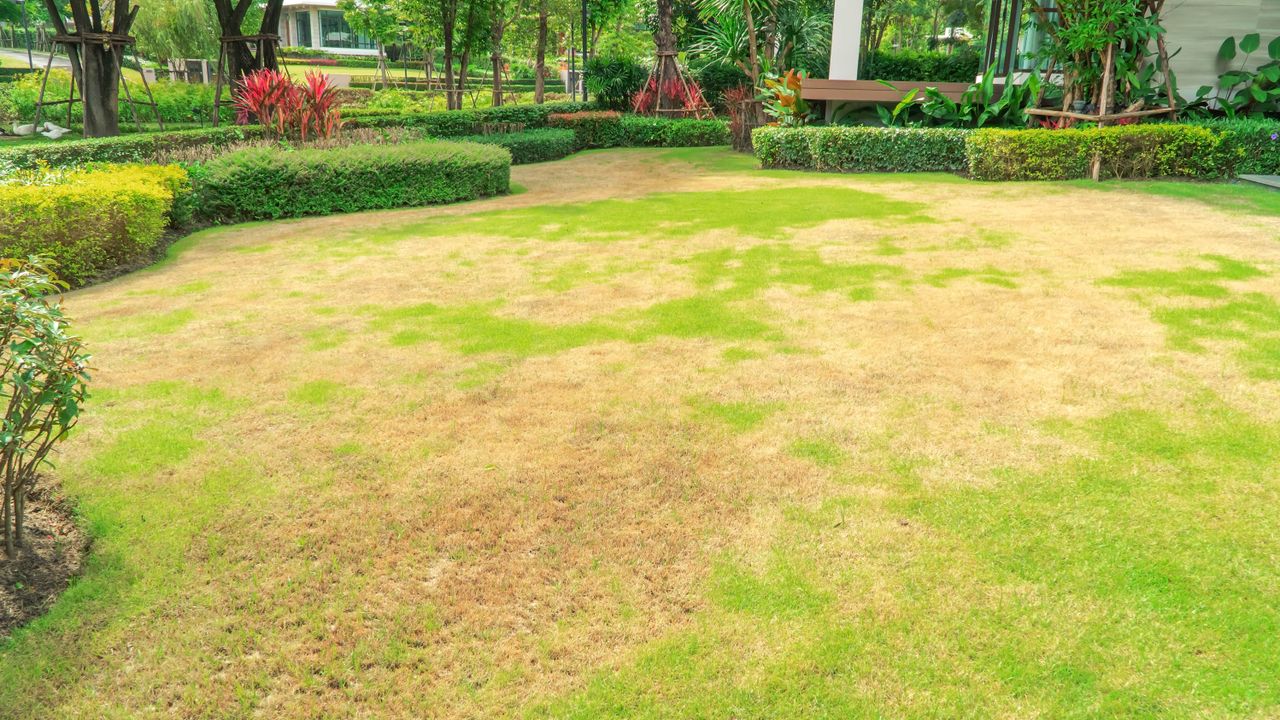
Now that the heatwave is over and the new season begins — our grass might be looking a little worse for wear. This is especially the case if you’ve ended up with apatchy brown lawn that needs some TLC.
What’s more, you’ll want lush, healthy grass all year round by maintaining a good lawn care routine. So how can you revive your patchy lawn after the drought?
Luckily, a lawn expert has revealed that September is the ideal time to begin sowing new seeds — butthis only works if you do one vital task before you start. In fact, it’s one of the simplest things that we often forget to do and will make all the difference to the results of our hard efforts.
So, before you start sprinkling your bag of grass seeds, don’t forget to do this one crucial check first.
Check the weather forecast
Since fall weather is so unpredictable, experts suggest you always check your local forecast before seeding, as these conditions can easily ruin germination.
“September is the best time to sow new grass seed, but it’s so important to check the forecast, identifying the temperature and rainfall trends,” advises Chris McIlroy, lawn expert at The Grass People.
“The new seeds will need around two weeks of stable conditions to germinate and establish their first roots; severe weather changes can interrupt the process and leave seeds vulnerable.”
The new seeds will need around two weeks of stable conditions to germinate and establish their first roots
Chris McIlroy, lawn expert at The Grass People.
Additionally, you’ll need to get the right balance and ensure the conditions are not too dry or too cold. Both of which can stall the development of your grass seeds, leading to a costly failure where they simply die.
“It only takes a minute, but missing this step could result in a whole bag of seed being wasted,” adds McIIroy. “The soil needs to remain 50°F or above, and you need some rainfall, any frosty nights could interrupt germination.
“If drought conditions continue, grass seed will shrivel and die before it has a chance to germinate. But equally, too much rain can waterlog soil and drown seeds. Not checking the forecast can be a costly mistake, especially when starting a new lawn from scratch.”
However, a little patience will pay off. And he suggests it’s far better to hold out for the ideal environment rather than rushing and wasting your grass seed. Plus, after a parched summer, your lawn must be truly ready for overseeding.
Top tips before seeding your lawn in September
First, you’ll need to remove any debris, tree branches, or dead vegetation to give your new grass the best starting chance.
Additionally, if you find that your grass is parched, you’ll need to know how to aerate your lawn to loosen the soil and allow air and all the nutrients it needs to thrive.
“The new seeds will need good seed-to-soil contact, and if your turf is dry and compacted, you need to scarify and aerate to loosen the soil, ensuring nutrients, air and water can flow easily through the turf,” advises McIlroy.
“Applying a layer of high-quality topsoil also provides an environment for new seeds to thrive in, and a fertiliser can also provide a nutrient boost.”
Another top tip is to get a starter fertilizer that can help to strengthen the young roots as they grow. “Starter fertilisers differ from regular lawn feeds,” McIIroy adds.
“They’re formulated with extra phosphorus to help young roots develop. When you’re sowing new seed, that early root growth is more important than the colour and length on top.
“While September is usually the best time to sow, but it can extend into October if the temperatures allow.”
For more tips and tricks, check out our ultimate lawn care guide for healthy, lush grass.
Lawncare essentials we love
Amazon
Scotts Ez Seed Patch & Repair for Sun and Shade
Amazon
Garden Guru Handheld Seed Spreader Shaker
Amazon
Greenworks 48v (24v X 2) 17″ Cordless (push) Lawn Mower
Amazon
Fiskars Stand-Up Weed Puller Tool
- How to keep your lawn alive in a heatwave — 4 expert tips to help it survive
- My lawn was completely fried after the heatwave — to save it I had to stop making these 3 mistakes
- How to sharpen a lawn mower blade in 5 simple steps (and save your grass)
