

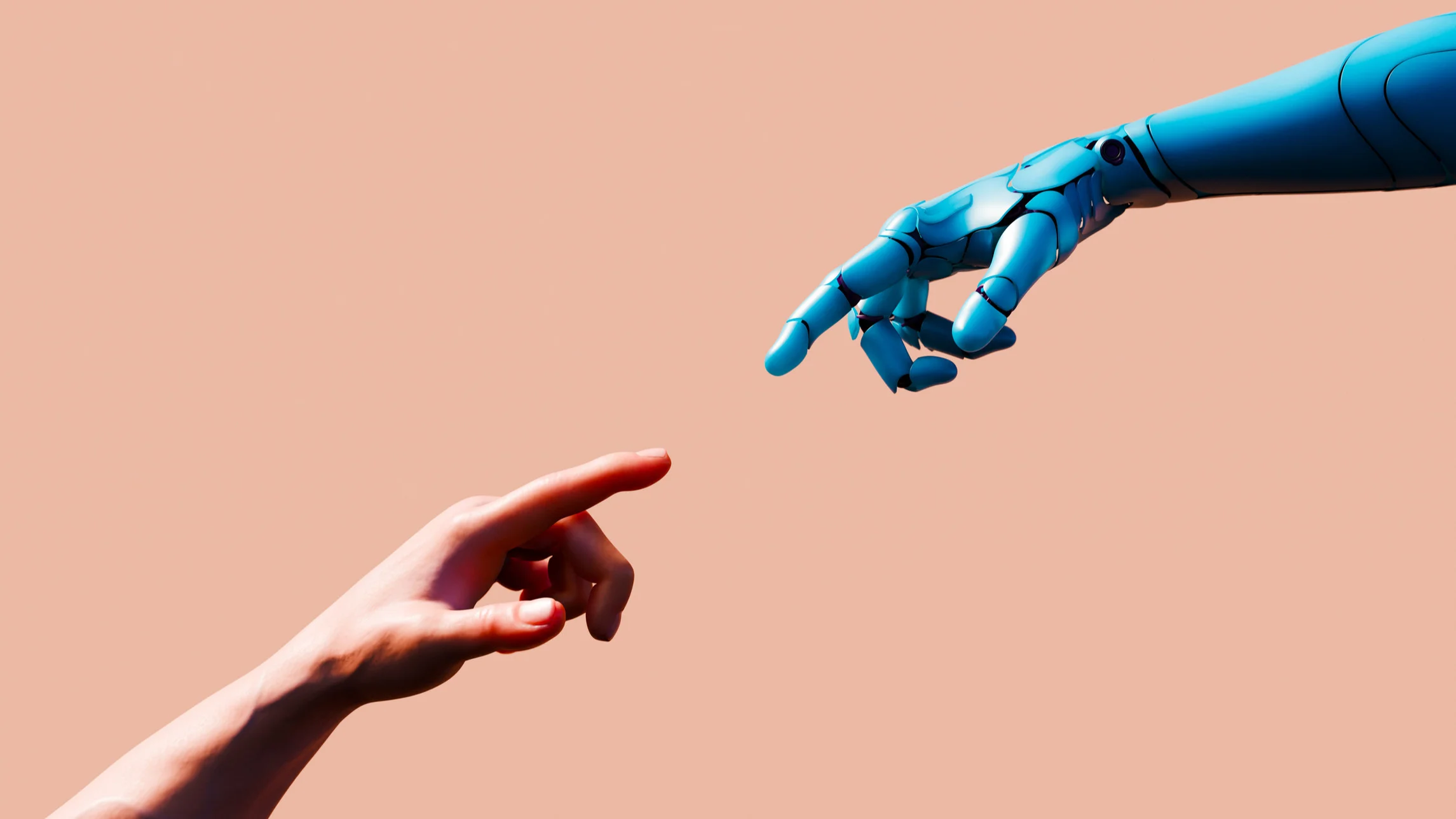
How do emotionally intelligent people use artificial intelligence? In three words: with extreme caution.
EXPERT OPINION BY JUSTIN BARISO, AUTHOR, EQ APPLIED @JUSTINJBARISO
Still considered in its infancy, artificial intelligence has dominated business conversation for the past few years. But recent events have changed the tone of that conversation—from hacks by “autonomous” agents, to respected researchers sounding the alarm, to AI leaders promising to slow down.
As an emotional intelligence coach and author, I’m interested in exploring how AI can help us advance, but I’ve seen firsthand some of the risks that exploration brings. I’m not talking about the existential threat do humanity type risks (although I’m interested in those, too). Rather, these are the risks to our own abilities, both in the realms of general and emotional intelligence.
Recently in the Lighthouse, my community for emotionally intelligent leaders and coaches, we dove deep into this topic, revealing some amazing insights.
One of those insights was a direct answer to the question: How do you explore artificial intelligence in an emotionally intelligent way?
Weekly roundup of the latest in tech news
An Inc.com Featured Presentation
The answer in three words: With extreme caution.
Why is it important to explore AI with caution? What are the current weaknesses of AI, and how can they harm you? How can you mitigate or work around those weaknesses? Let’s break down each of these. (Enjoy this article? Consider signing up for my free emotional intelligence course.)
AI risks and dangers
One useful analogy when thinking about AI models is to treat AI like a verysmart, confident, and sometimes naughty kid. He’s got access to a lot of knowledge. You can learn a lot from him. But he also gets things wrong a lot…and sometimes he outright lies.
