

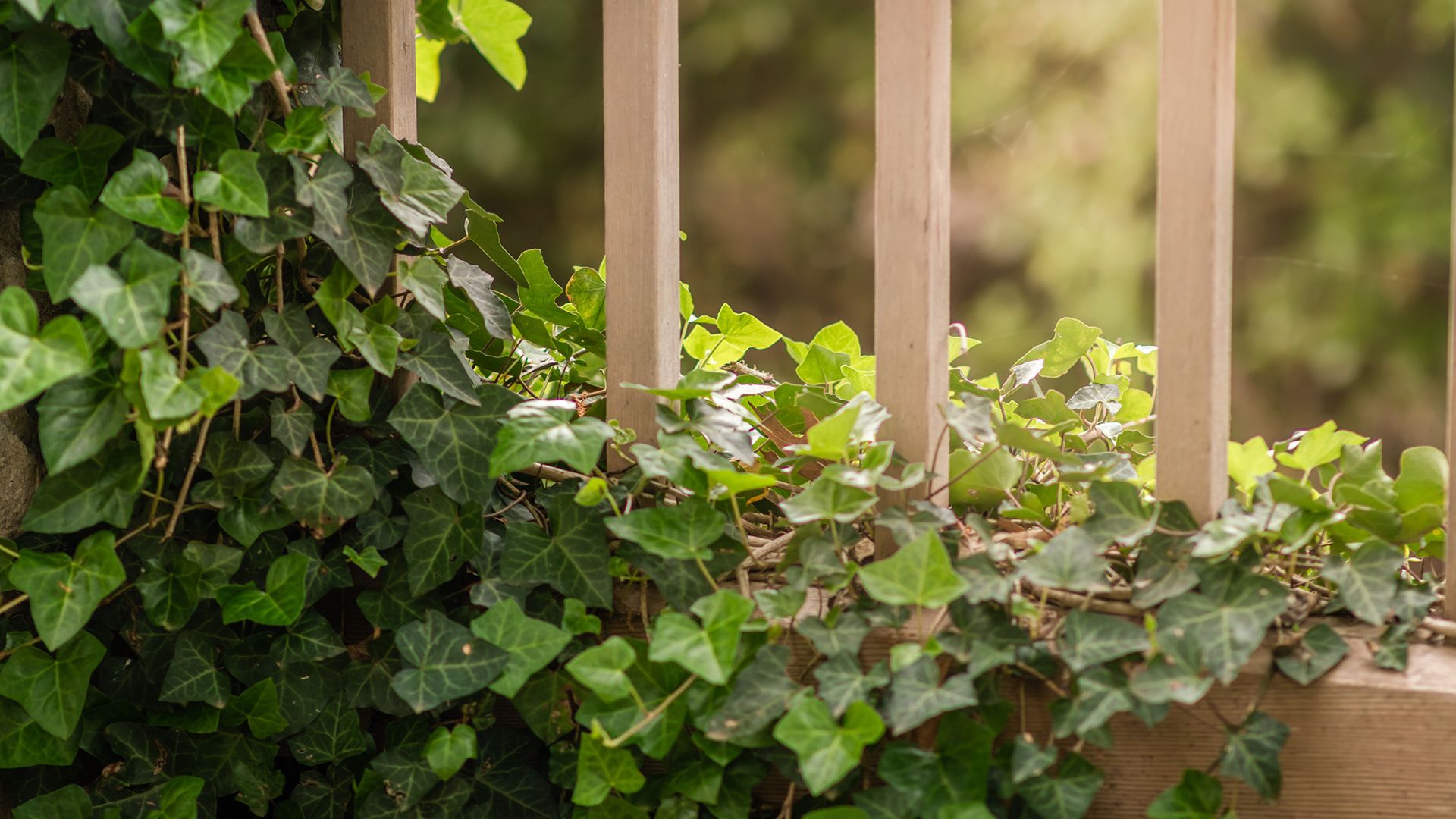
Sharing a fence line with your neighbor next door can be a blessing and a curse at times. Figuring out where your property ends and what you’re legally allowed to do gets confusing fast. You’ve probably run into this when painting your side of a shared fence or chopping back overhanging branches.
But what can you do if your neighbor’s plants are starting to take over your yard?
While hacking away at whatever crosses the fence seems like an easy fix, you’ll want to double-check the rules first. Plus, who’s stuck cleaning up the mess?
To prevent a neighborly dispute, I asked experts about the legal rules around encroaching greenery. How should you handle invasive plants from next door, and what is the best way to address the issue with your neighbor?
Here’s everything you need to know.
Can I just trim the plants myself?
According to experts, you can trim it yourself, but only cut the foliage that extends to your property line. And if there is any uncertainty, it’s advisable to get a land surveyor in to determine your boundaries.
“I recommend looking up a plot of your property or hiring a land surveyor to ensure that you accurately identify the boundary,” suggests Yury Byalik, J.D., founder of CivilCase.
“Only cut what extends onto your property; you could potentially owe compensation to your neighbor if you go too far and cause the tree to die or fall. Be careful with weed killers, too. Intentionally spraying a neighbor’s tree may result in triple damages!”
So, what precautions should I take when cutting back my neighbor’s invasive plants?
“Legally speaking, you’re generally within your rights to cut back any plants growing onto your property as long as you don’t severely damage your neighbor’s plants,” adds Jonathan Palley, CEO ofClever Tiny Homes.
“Only cut what extends onto your property; you could potentially owe compensation to your neighbor if you go too far”
Yury Byalik, J.D., founder of CivilCase
“One exception here is if you’re dealing with some kind of protected species. Conversely, if the plants growing into your yard are invasive or noxious, you will often have more leeway in dealing with them.”
Also, keep an eye out for nasty invasive weeds like Japanese knotweed, which usually need pros to clear out. Want more tips? Check out how to tackle Japanese knotweed and stop it from taking over your yard.
How do I bring this up with my neighbor?
Speaking to your neighbor about such awkward issues can feel like a burden, but it doesn’t have to be. Getting it out in the open early will save you a massive headache (and potential costs) later.
“First, take photos and send a polite note,” advises Yury Byalik, J.D., founder of CivilCase. “Begin by taking dated photos of the encroaching plant, including some sort of measuring device, such as a tape measure or fence post, in the frame. This will document just how far the plant has spread.
“Once you have the photos, write a brief and friendly note describing the plant and requesting a trim. A polite initial contact is always wise; it also provides evidence that you notified your neighbor in the event the dispute ever ends up in court.”
Of course, if your neighbors are still uncooperative after discussion, you might have grounds for legal action — especially if the plants are getting out of hand.
“Your next step should be a demand letter, which can resolve the matter before litigation begins,” states Byalik.
“Clearly describe the plant, the damage, how it should be fixed, and a 30-day deadline to do so. Send the letter
“Small claims court may also be an option, particularly if your neighbor’s tree has caused significant damage like cracking the patio or raising the fence. In some states, you can sue for the cost of repairs, and you don’t need a lawyer. But if your neighbor’s tree is just leaving its leaves in your yard, a small claims court may not be the best option.”
Ultimately, you’re better off avoiding any legal disputes, so aiming for an amicable resolution to maintain good relations is ideal.
After all, supportive neighbors can be invaluable in the long run.
The Stihl GTA 30 has a six-inch cutting bar and can accommodate two batteries. It’s also IPX4-rated against splashes of water. The perfect handheld tool for those tricky garden tasks. View Deal
- 5 rude habits your neighbors hate
- Is it okay to paint your side of your neighbor’s fence?
- These 7 plants will create more privacy in your backyard
