

If you have been using your old Android smartphone with Android Auto in your car, now would be a good time to check what version of Android that phone is on. Google recently updated the support page for Android Auto. The very first section, called “What you need,” is where Google now explicitly states that Android Auto would only work on smartphones that run Android 11.0 or higher. If your smartphone runs an older Android version — Android 10 or lower — chances are, Android Auto might completely stop working or begin showing issues.
While this isn’t an ideal situation — especially for people hanging onto their old Android phones — Google’s announcement didn’t exactly come as a surprise. Exactly a year ago — in November 2025 — Google ended support for Android 8. This time around, both Android 9 and 10 have been removed from the list, marking the end of the road for devices based on these Android versions as secondary Android Auto helpers. The updated minimum system requirements are applicable for both wired as well as wireless Android Auto.
With Google officially giving the boot to anything older than Android 11, users are left with no option but to try and update the old device to a newer version of the OS. On old phones, this may no longer be officially possible, given that many of them are no longer eligible for Android version updates. That leaves users in a unique predicament wherein they may either have to rely on unofficial builds (not recommended) or just buy a newer phone that runs a supported Android version.
Android phones that will no longer support Android Auto
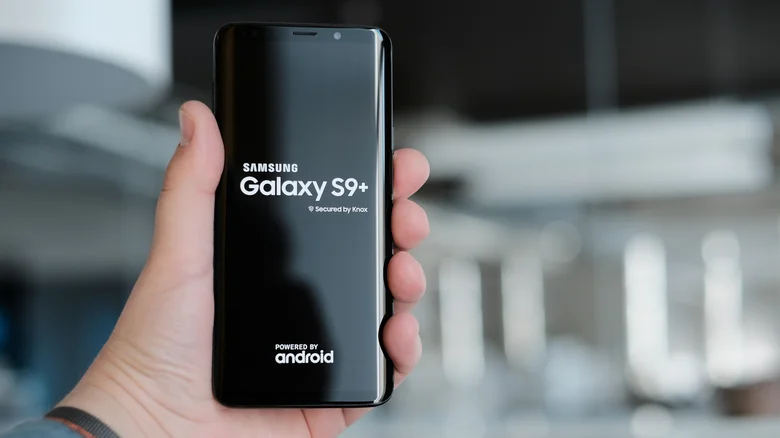
Among the major smartphone models that stand to lose support for Android Auto this year are the Samsung Galaxy S9 series, the Samsung Galaxy Note 9, the first-generation Google Pixel/ Pixel XL, and most smartphones released between 2018 and 2019. When these phones were released around 2018-19, the norm was to offer two years of OS updates. Given that devices launched in that era typically came loaded with Android 8, the two major updates officially released for them were Android 9 and Android 10. For Samsung, the Galaxy S9 and the Galaxy Note 9 were officially updated to Android 10, and they continued to receive updates and security patches until 2022.
Things went slightly differently for Google. The company’s first-gen Pixel series devices were released in 2016 and came preloaded with Android 7.1. However, Google continued giving these devices regular software updates until 2019, with both these devices getting the official nod to Android 10.
Other Android phones that had Android 10 as their final Android version include the Essential Phone PH-1 (though there is an enthusiast community who has updated custom ROMs up to Android 14) the Sony Xperia XZ3, and the Xperia XZ2 Compact. If you happen to use any of these devices with Android Auto in your car, it’s time to move on.
