

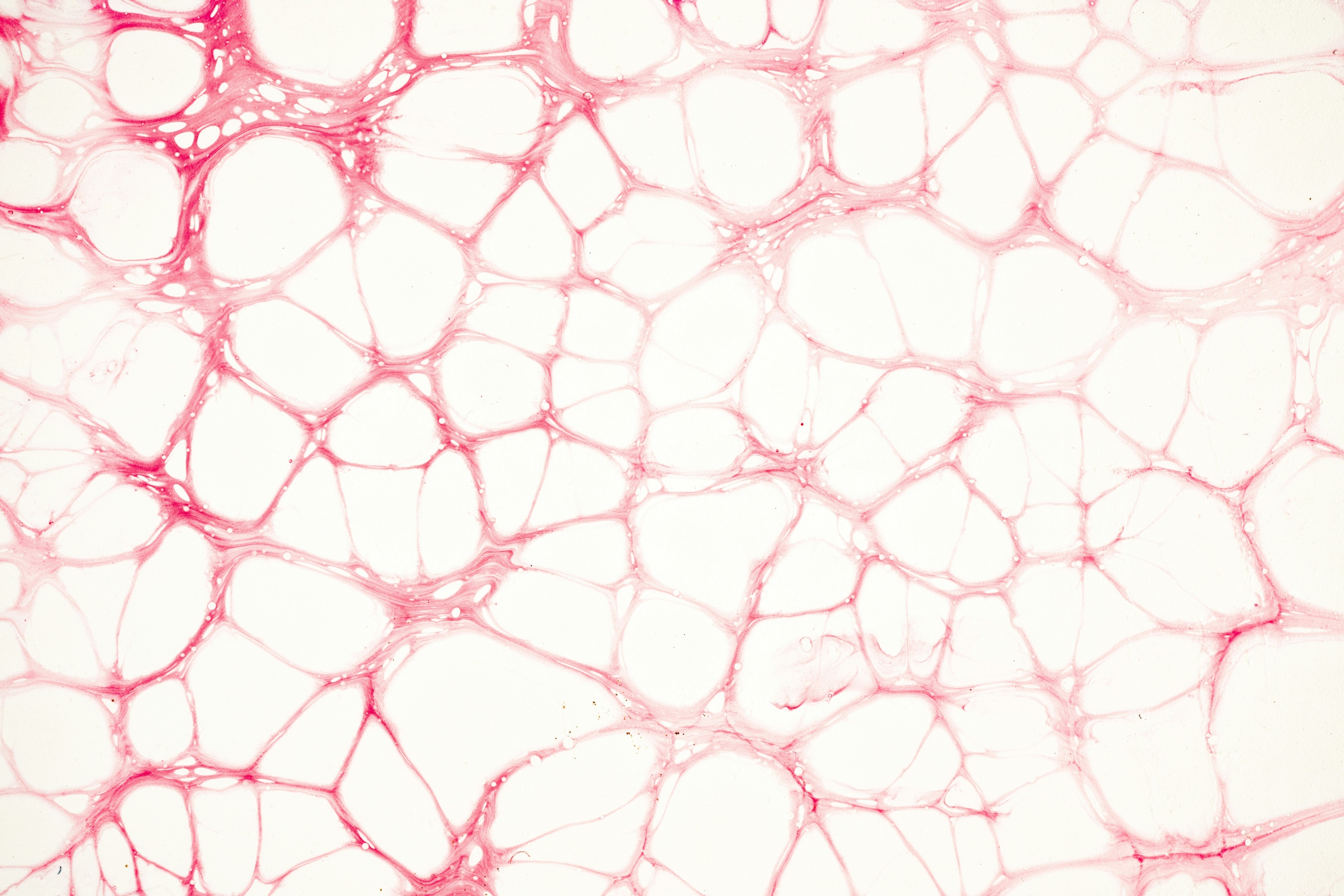
Kyoto University engineers led by Ryuji Yokokawa used machine learning to divide the growth of blood-vessel networks on an organ-on-a-chip into three phases, then found that gene activity differed from phase to phase, according to a study published November 26 in the journal Small and a Kyoto University engineering release. For labs that grow tissue on chips, the result offers an objective way to say when a vessel network has reached a given stage, which the authors describe as difficult to do objectively. The summaries of the paper, however, give no classifier accuracy, name no genes, and do not describe what each phase looks like.
Three Phases Emerged From Unlabeled Time-Lapse Images
The team used time-lapse imaging of endothelial cells, the cells that line blood vessels, as they assembled into networks inside a microphysiological system (MPS), the research term for an organ-on-a-chip, and built an image dataset from the footage. The process under study is vasculogenesis, the formation of vessels from scratch out of dispersed cells, as opposed to angiogenesis, in which new vessels sprout from existing ones. The authors say the shape changes involved are complex enough that staging them objectively on a chip has been difficult, which left the link between how a network looks and what its cells are doing at the molecular level poorly understood.
The authors ran multiple experimental batches and recorded time-lapse images across several chip regions. Their pipeline combines feature extraction with unsupervised clustering and a convolutional neural network (CNN) classifier. Unsupervised clustering groups images by visual similarity without human-defined stage labels, and the CNN is then trained to assign new images to those groups. The machine-learning analysis split on-chip vasculogenesis into three developmental phases.
Gene Activity Was Measured With RNA Microarrays at Phase-Specific Time Points
Using time points the classifier determined for each phase, the team ran bulk RNA microarray analysis. A microarray is a slide of short DNA probes for preselected genes: RNA from a sample is converted to labeled DNA, binds to matching probes, and a scanner reads the fluorescence at each spot. The method needs a known genome and transcriptome to design the array, so it measures only the genes a probe was built for.
The design choice carries a tradeoff. Microarrays profile many genes at once, but the signal is population-averaged, so it cannot show differences between individual cells or where in the network a gene was active. For a reader weighing the claim, the consequence is concrete: the phases are tied to average gene activity across a chip, not to the behavior of any particular cell.
Each Phase Showed Its Own Gene Expression Pattern, Mostly Consistent With Vasculogenesis
Many vessel-formation genes showed increased expression, and each formation stage had its own characteristic pattern, according to the Kyoto release. Phase-resolved profiling found on-chip expression largely consistent with vasculogenesis regulation, which the authors read as supporting shared molecular mechanisms with vessel formation in living bodies. Scientific Frontline reports that several pathways active on the chip overlap with angiogenesis pathways.
“Largely consistent with” known patterns is weaker than showing that the chip and the body follow the same mechanism, and the authors suggest shared mechanisms with living tissue rather than demonstrating them. Co-first author Fujimoto said in the Mirage News republished release that cells can change shape and assemble themselves into complex structures even inside artificial devices, and Yokokawa said the potential of MPS to generate a wide variety of data remains underutilized.
Missing From the Summaries: Phase Definitions, Gene Names and Accuracy Figures
The release and the press summaries leave several items a reader would need to judge the work unstated, and the paper’s full results section is not summarized in them:
- Phase definitions.The three phases are unnamed in the Scientific Frontline summary, and none of the summaries describe the shapes that define them.
- Genes. No specific genes are named in the Kyoto release or the secondary coverage.
- Accuracy. No classification accuracy or cross-batch validation is reported in the summaries.
- Methods detail. The endothelial cell source, batch count, imaging modality and culture duration are not given.
Endothelial-Only Cultures Leave Out Supporting Cells, Flow and Immune Interactions
The experiments used only endothelial cells, and the release suggests the next step is to extend the methods to pericytes and smooth muscle cells, supporting cells that real vessels depend on. Scientific Frontline adds that the model does not capture blood flow, immune interactions or organ-specific microenvironments, and that broader use will require multicellular validation, manufacturing standardization and reproducibility across laboratories. Those limits appear in the Scientific Frontline summary; the Kyoto release does not discuss them.
Open 8.3 GB Dataset Could Let Other Labs Test the Classifier
An on-chip vasculogenesis image dataset from the same authors is archived on Zenodo as a single 8.3 GB file under a Creative Commons Attribution 4.0 license, and the record shows a first version posted April 16, 2026, seven months before the paper. Outside groups could use it to test whether the three-phase scheme holds on images they did not generate, the kind of check the summaries do not report from the authors themselves.
Shared Phase Labels Could Help Chips Meet Standardization Demands, but Only If They Generalize
Organ-on-a-chip designs vary between researchers, and Wikipedia’s overview also says use of the material PDMS in skin-on-a-chip devices may hinder standardization of a platform. The regulatory backdrop is shifting: the FDA’s direct final rule replacing “animal” with “nonclinical” terminology would take effect February 4, 2027, and its definition of nonclinical studies includes organ chips and microphysiological systems. As a direct final rule, it is withdrawn if significant adverse comments arrive, comments are due December 7, 2026, and it does not prohibit animal testing. Healio reported the planned rule on October 1.
A classifier that stages vessel growth from images could, in principle, give labs a shared yardstick for timing samples and comparing batches. This study does not show that. It reports one lab’s dataset, one cell type and, in the summaries, no accuracy figure, so whether the phase labels transfer to other chips remains untested.
Japanese and Chinese Public Funding, Plus Founder Stake in Physios Biotech
According to Scientific Frontline, support came from Japanese programs including the Japan Agency for Medical Research and Development (AMED), the Japan Science and Technology Agency, the Japan Society for the Promotion of Science and MEXT’s ARIM project, plus China’s National Key R&D Plan. Hang Zhou, a co-author, is now at the Chinese Academy of Sciences. Yokokawa is a founder and shareholder of Physios Biotech, Inc., and the authors state no company role in the study. The lab’s website announced in July 2023 that it established Physios Biotech.
Pericytes and Smooth Muscle Cells Are Suggested Next Step
The authors say that combining machine-learning analysis with biological assays could advance in vitro tissues beyond blood vessels, including drug development and disease modeling on MPS. Whether the three-phase scheme survives the addition of pericytes and smooth muscle cells is the first question that extension will answer. Until accuracy and phase definitions are confirmed from the full paper or independent tests, readers should treat the three phases as a promising framework rather than an established standard.
Frequently Asked Questions
What is the difference between vasculogenesis and angiogenesis?
Vasculogenesis forms new vessels from scratch out of precursor cells, while angiogenesis sprouts new vessels from existing ones. The Kyoto team studied the first process on a chip, and pathways active on the chip overlapped with angiogenesis pathways.
Does this prove chip-grown vessels form the way real ones do?
No. The authors report on-chip gene expression largely consistent with vasculogenesis and suggest shared mechanisms, but they used endothelial cells only, and Scientific Frontline says the microarray data were population-averaged.
Can other researchers test the classifier themselves?
They can start with the public image dataset on Zenodo, which is licensed for reuse with attribution. Cross-batch validation results are not reported in the summaries, so independent testing would fill that gap.
How does unsupervised clustering differ from the neural network in this study?
Clustering groups images into stages by visual similarity without human-defined categories, and the CNN is then trained to recognize those stages in new images, per the Kyoto University release.
ⓒ 2026 TECHTIMES.com All rights reserved. Do not reproduce without permission.
