

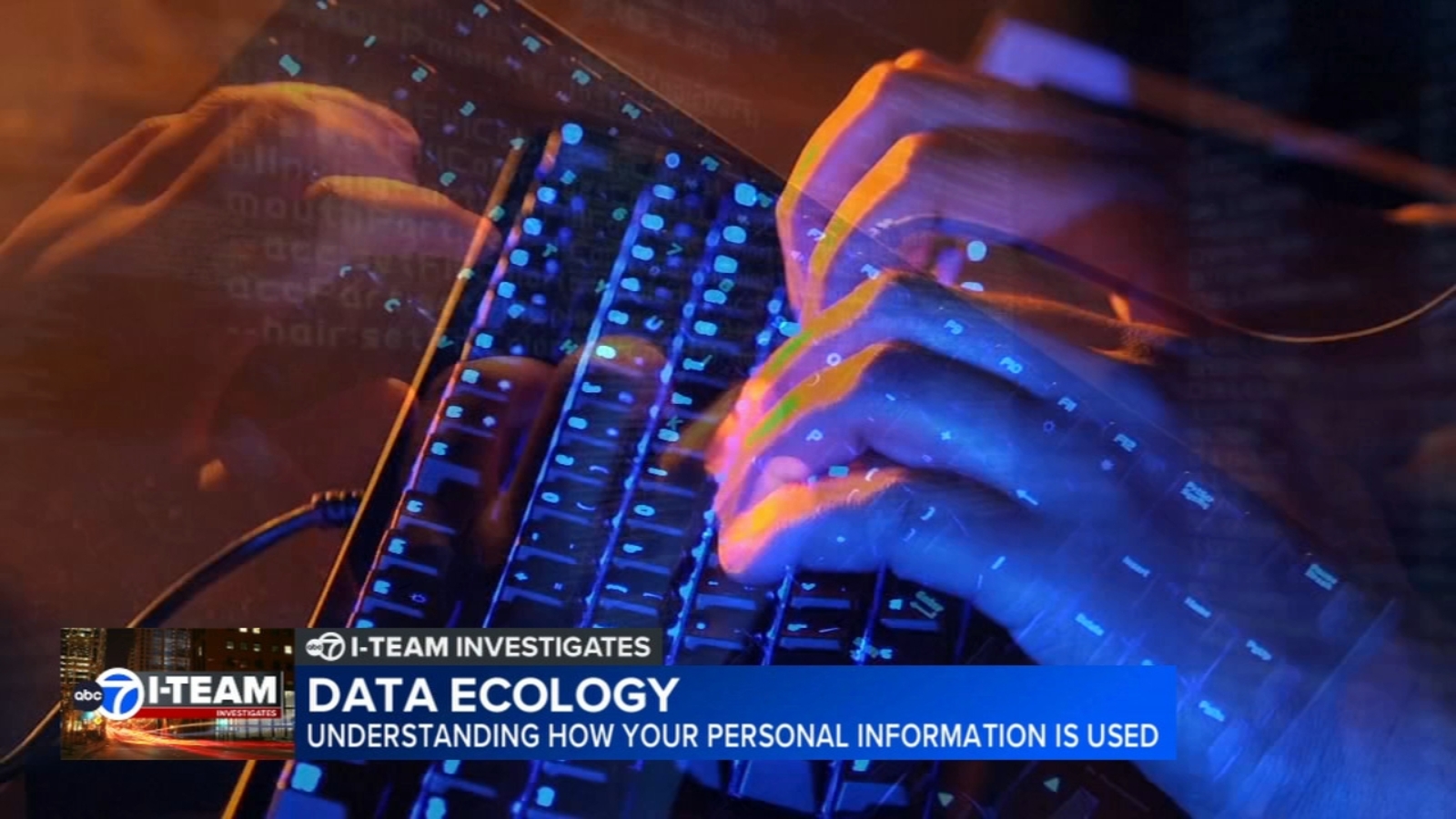
Data can easily be bought and sold, with artificial intelligence capable of analyzing every message, move and transaction.
University of Chicago professor Raul Fernandez is researching the consequences of pervasive personal data and AI.
WLS
ByMark Rivera,Barb Markoff, Christine Tressel and Tom Jones
Wednesday, November 25, 2026 1:26AM
CHICAGO (WLS) –One University of Chicago researcher argues it’s difficult to go a day without sharing personal data.
ABC7 Chicago is now streaming 24/7. Click here to watch
Illinois Attorney General Kwame Raoul, along with 42 attorneys general across the country, announced a legal challenge Tuesday to the bankruptcy sale of Character AI, a popular chatbot company.
Raoul says an auction next month would sell the data of 21 million users’ private, sensitive conversations. He’s moving to stop it.
“Probably they were not aware that that data would be aggregated and perhaps sold to a third party in the future. In fact, if they had looked at the terms of service, it seems pretty clear that that was not an intended purpose back then,” said Raul Fernandez, an assistant computer science professor at the University of Chicago.
Fernandez focuses on so-called “data ecology”: how data flows from one person or entity to another. In a world where companies can change the price based on buying habits and financial data, or track customers through myriad license plate readers, Fernandez said understanding how data is used is paramount.

Police investigating apparent murder-suicide in Palos Hills
Man identified in apparent murder-suicide in Palos Hills, officials say
Chicago weather: Cloudy Tuesday
“This sense of powerlessness is what we need to change, right? And I think that you change that by giving people the tools to realize what kinds of controls do they have? And if they don’t have controls in certain data flows, who could they be asking to to regain those controls?” said Fernandez.
He says one of the central conversations around data is privacy. What does a company or government know?
Department of Homeland Security agents monitored social media posts in Chicago during the immigration surge last year, including those of Marimar Martinez, who was shot five times by a Border Patrol agent, according to a report by the feds.
“In data ecology, we always say that the ultimate goal is to intervene, to be able to identify the areas in the ecosystem where we can tweak things to make them work better,” said Fernandez.
But he says in many ways it’s unknown how the massive amounts of data created can and will be bought, sold and used.
He said, for legislators and the broader public, having a conversation about a new and valuable resource is necessary because data is a form of power.
Fernandez says trying to live and work today without creating personal data is like trying to live without money: possible, but very difficult. Even logging onto a coffee shop Wi-Fi shares a phone’s IP address and location. His team is trying to create tools for how the world thinks about and legislates data use.
Report a correction or typo
Copyright
