

- At least 12 Dutch websites distributed malicious code through PXR NextDay advertising systems, exploiting older iPhone vulnerabilities.
- Visitors needed no ad click; the exploit could potentially expose passwords, messages, photos, and crypto wallet credentials.
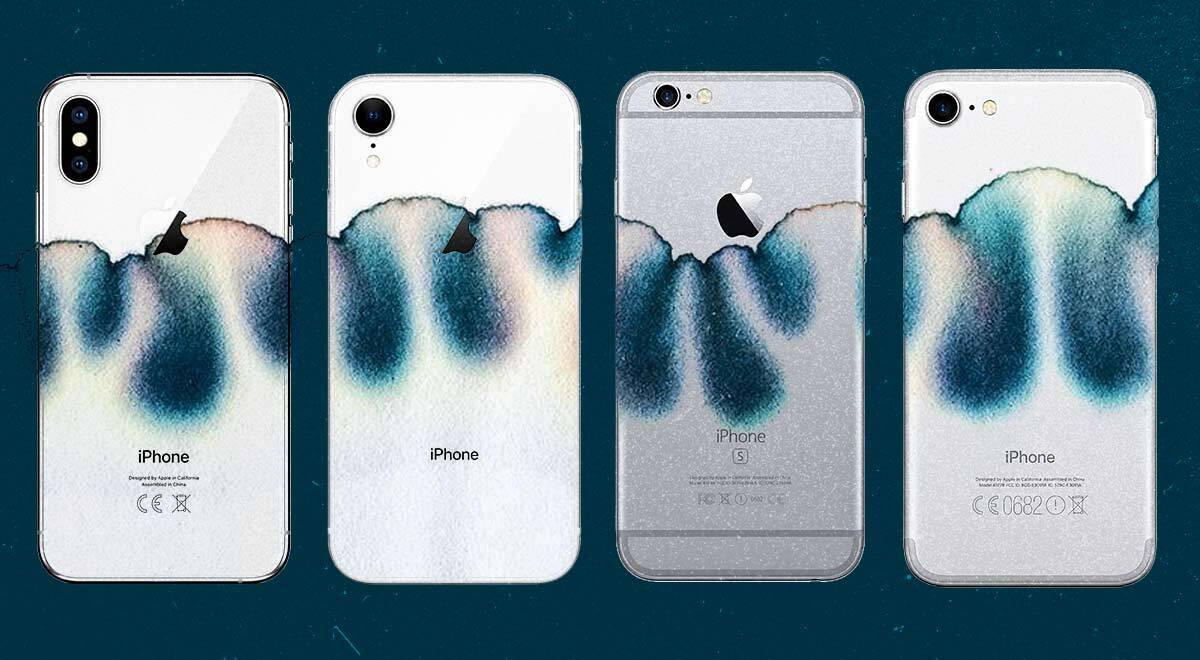
- The attack targeted older iPhones running outdated iOS, including iPhone XS, XR, 6s, 7, 8, X, and first-generation SE.
- Publishers removed the malicious code, and PXR NextDay says it has fixed the vulnerability in its advertising system.
Key Takeaways by nexos.ai, reviewed by Cybernews staff.
At least 12 Dutch websites inadvertently distributed malicious code through their advertising systems that exploited vulnerabilities in older iPhones. Visitors didn’t need to click an ad to trigger the attack, which could potentially expose passwords, messages, photos, and cryptocurrency wallet credentials.
The affected websites include football news outlet VI.nl, VoetbalPrimeur, VoetbalNieuws, technology publication Bright, science website Scientias, Autoblog, GeenStijl, and several lifestyle publications, including Men’s Health, Women’s Health, and Runner’s World.
The websites all used advertising services by PXR NextDay. According to VI.nl, an unauthorized third party gained access to the advertising management system and changed its configuration to inject malicious code into an advertising tag used across multiple websites.
The code performed two main functions. First, it collected technical information about website visitors and sent it to a server controlled by the attackers. This included IP addresses, pages visited, referring websites, screen dimensions, language settings, and operating system details.
The second function involved exploiting security vulnerabilities in certain older iPhones. If the exploit succeeded, attackers could potentially access passwords stored on the device, app login credentials, cryptocurrency wallet keys, messages, photos, and contacts.
The malicious code appeared during several separate periods. The first began on November 1st and continued until November 3rd, with another injection on November 3rd. Publishers also detected an unauthorized change on November 11th, although they have yet to establish its precise contents or potential consequences.
The attack specifically targeted certain older iPhones running outdated versions of iOS. The affected models include the iPhone XS, XR, 6s, 7, 8, X, and first-generation SE.
The publishers have since removed the malicious code, and PXR NextDay says it has fixed the vulnerability in its advertising management system.
Stay updated with our latest stories and follow us on social media
Be the first to discover new stories, ideas, and updates from our team.
The rise of iPhone exploit kits
The Dutch incident comes amid growing concerns about the spread of sophisticated iPhone hacking tools that were once limited to highly targeted surveillance operations by nation-state actors.
Researchers have increasingly found attackers using compromised websites, malicious ads, and third-party web services to deliver exploit kits to unsuspecting iPhone visitors.
Earlier this year, researchers uncovered two such tools named Coruna and DarkSword. Both can exploit vulnerabilities in older versions of iOS, potentially allowing attackers to steal sensitive information, including passwords and cryptocurrency wallet credentials.
In another investigation, Citizen Lab uncovered a campaign dubbed AdFection that used malicious ads to infect devices belonging to Al Jazeera journalists with Candiru spyware. Victims did not have to click anything for the spyware to reach their devices. The infection could begin automatically when an advertisement appeared.
The Dutch campaign follows the same zero-click attack pattern. Together, these incidents challenge the long-held perception that iPhones are largely immune to the kinds of malware attacks that routinely target other platforms.
