

Add preferred source
Apple has revised its iPhone trade-in credits, raising buyback values on 11 models and cutting them on 16. The seven-year-old iPhone 11 posted the largest percentage gain, rising 6.1% to NT$3,500, while the iPhone 17 Pro Max and iPhone 16 each added NT$900, reaching NT$37,100 and NT$16,000. The iPhone 15 Pro Max recorded the steepest decline, down NT$1,000 to NT$18,100, or 5.2%, and every iPhone 14 variant was trimmed by NT$100 to NT$300. Seven models, including the iPhone 16 Pro Max and iPhone 12 Pro Max, held steady. Final offers depend on device condition, and Apple’s credits generally trail resale market prices.
Key Elements
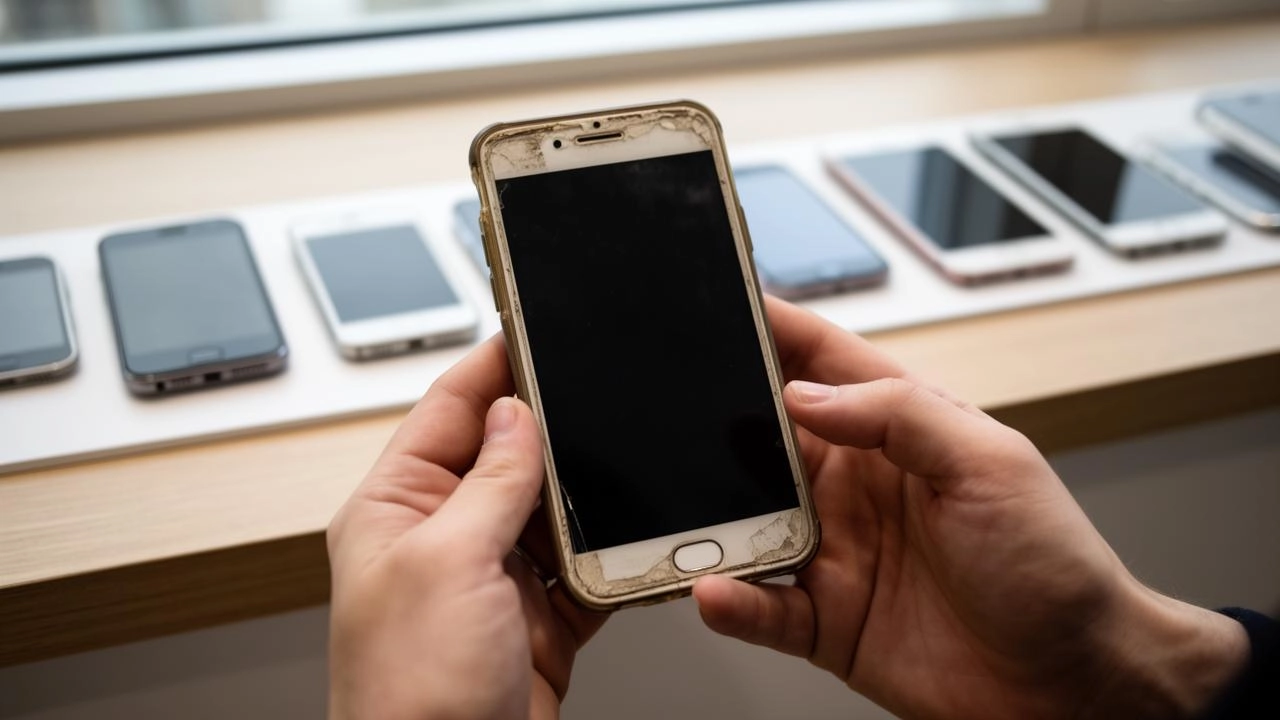
Apple has revised its iPhone trade-in valuations this month, lifting buyback credits on 11 models while trimming them on 16 others, according to a pricing update the company issued this week.
The standout mover is the iPhone 11, a handset that first went on sale in 2019. Its trade-in credit rose to NT$3,500 from NT$3,300, a 6.1% increase that made the seven-year-old device the biggest percentage gainer in the new schedule. In dollar terms, the largest increases went to the iPhone 17 Pro Max and the iPhone 16, each up NT$900, to NT$37,100 and NT$16,000 respectively.
The adjustments mark a reset from the trade-in table Apple published in September and affect a broad sweep of the lineup, from current-generation flagships down to models several cycles old.
| Model | New trade-in value (NT$) | Change (NT$) | Change (%) |
|---|---|---|---|
| iPhone 17 Pro Max | 37,100 | +900 | — |
| iPhone 16 Pro | 20,200 | -700 | — |
| iPhone 15 Pro Max | 18,100 | -1,000 | -5.2 |
| iPhone 16 | 16,000 | +900 | — |
| iPhone 16e | 12,000 | -600 | — |
| iPhone 11 | 3,500 | +200 | +6.1 |
Note: Values reflect Apple’s revised trade-in credits for the current month compared with the September schedule. Dashes indicate percentage changes not disclosed in the
On the downside, the iPhone 15 Pro Max posted the steepest decline, falling NT$1,000 to NT$18,100, a drop of 5.2%. The iPhone 16 Pro shed NT$700 to NT$20,200 and the iPhone 16e lost NT$600 to NT$12,000. Every model in the iPhone 14 family was cut, with reductions ranging from NT$100 to NT$300. Seven handsets, among them the iPhone 16 Pro Max, the iPhone 15 and the iPhone 12 Pro Max, held their values unchanged.
The pattern is unusual in that Apple raised credits on older hardware while lowering them on several recent releases, a mix that suggests the company is recalibrating residual values across the installed base rather than simply tracking device age. The iPhone 11’s gain is notable because the phone remains in wide circulation and still supports current iOS software, which keeps demand for refurbished units steady.
Trade-in programs let owners hand back an eligible device and apply the credit toward a new iPhone or another Apple product. The published figures are ceilings rather than guarantees: the final offer depends on an inspection of the handset’s condition, including cosmetic wear and whether functions such as the display, cameras and battery perform as expected. Apple’s own credits also typically trail what sellers can fetch through resale marketplaces, a gap buyers accept in exchange for speed and convenience.
For consumers weighing an upgrade, the revised table changes the arithmetic at the margin. Anyone holding an iPhone 11 or another of the 11 models that gained value has a modestly better case for trading in now than they did two months ago, while owners of an iPhone 15 Pro Max or an iPhone 14-series device would capture less than they would have in September. The shifts are small in absolute terms, but they matter most at the low end of the market, where a few hundred dollars can tip the decision between repairing an old phone and replacing it.
Apple has not publicly explained the reasoning behind the revision. Trade-in schedules are generally adjusted to reflect secondary-market pricing, component recovery values and inventory needs for refurbished sales, and the company updates them periodically without announcement.
The change lands as Apple prepares its next hardware cycle. Reports have circulated that the standard iPhone 18 will arrive later than the Pro models, with a spring 2027 window, and that component cost pressure could push pricing higher. A stronger credit on older devices would help offset some of that outlay for upgraders, though the amounts involved are a fraction of the cost of a new flagship.
For the resale and refurbishment trade, the higher valuation on the iPhone 11 is the more telling signal. A seven-year-old handset gaining value runs against the usual depreciation curve and points to continued demand for affordable, software-supported iPhones in secondary markets. Devices collected through trade-in are typically refurbished and resold or broken down for parts, so the revised credits also hint at where Apple and its partners see recoverable value.
Once added, BigGo Finance appears first in Google Search Top Stories, so you get the broadest, most up-to-the-minute, and most comprehensive global financial news first.
