

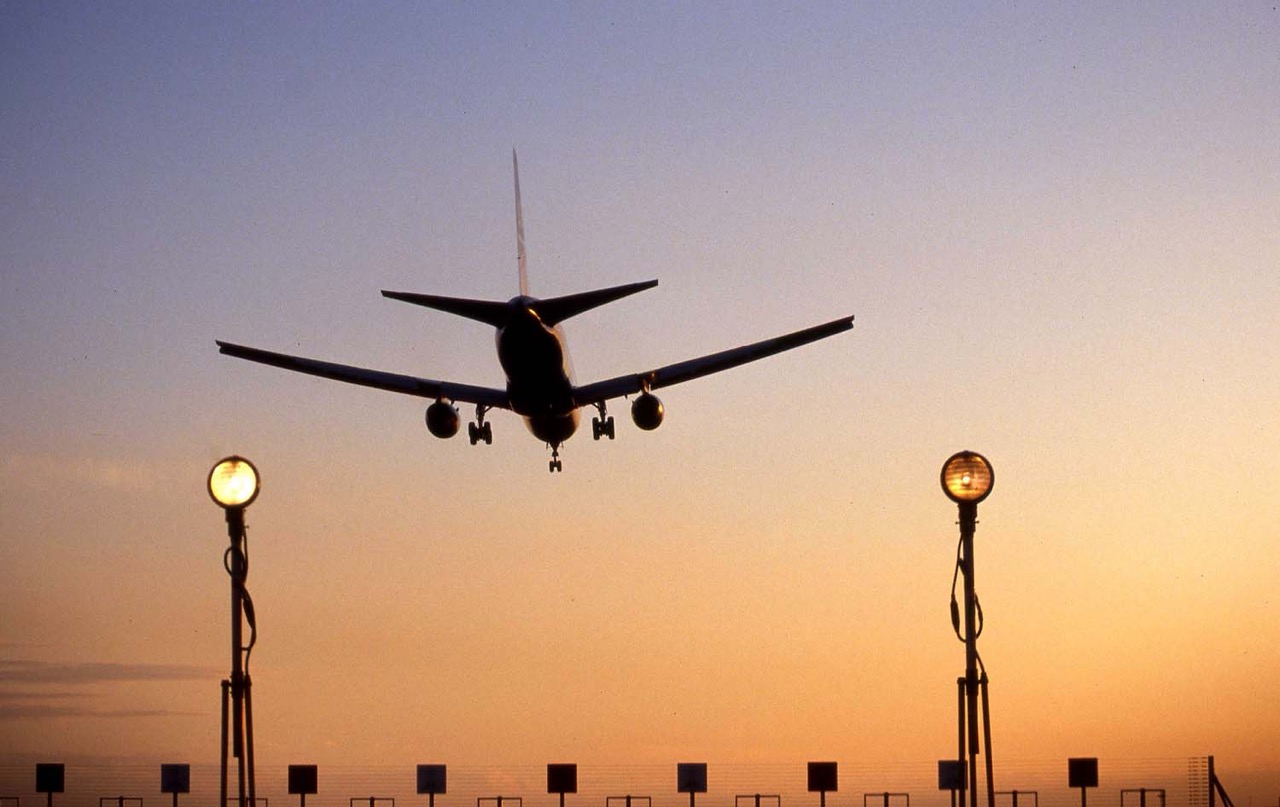
Technology is changing the way airlines and airports operate. As more businesses introduce automation andartificial intelligence (AI), some traditional aviation jobs are changing, while others may become less common.
But does this mean jobs across the UK aviation industry are disappearing? Not necessarily. In many cases, the work itself is changing rather than vanishing completely.
Check-in and passenger service staff
Airport check-in has changed a lot since Alaska Airlines became the first to introduce online check-in in 1999. Now it’s commonplace, with passengers checking in online, using self-service kiosks and dropping off their own bags without ever speaking to a member of staff.
Fewer employees may be needed for routine tasks, although passengers still need help with delays, missed connections and other problems. Customer service roles are increasingly focused on providing that support.
Ticketing and reservations
Booking flights and managing reservations have become much easier with online platforms and automated systems. Tasks that once needed a phone call or visit to a travel agent can now be done in a few clicks.
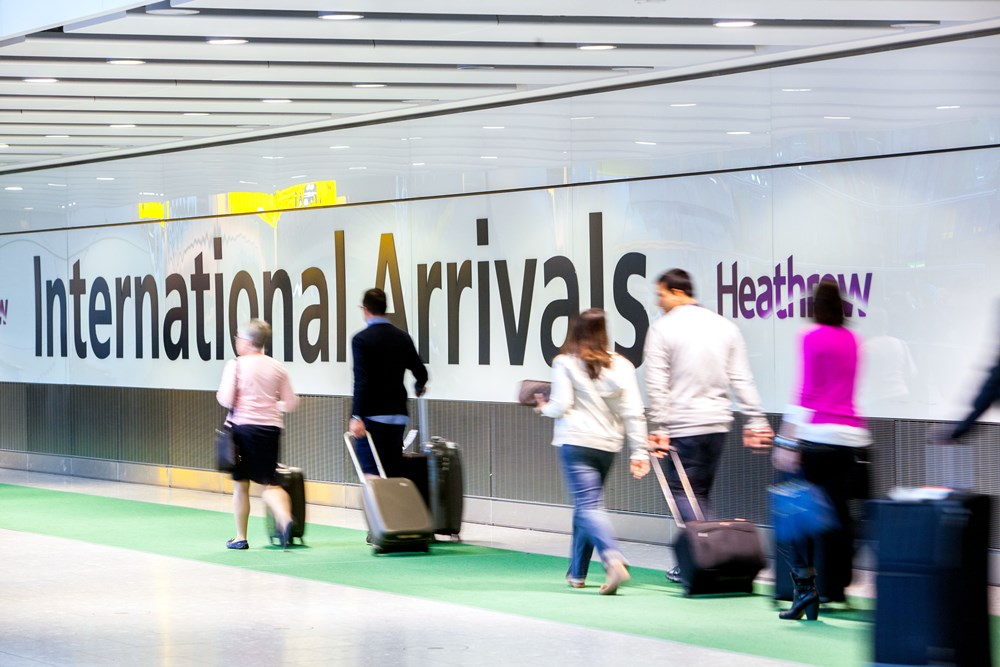
The result is that some traditional ticketing and booking roles have become much less common, particularly where the work involves straightforward transactions.
However, more complicated situations still need human support. When flights are cancelled, passengers need alternative arrangements or refunds, or bookings involve unusual requirements, humans are still really needed.
Administrative and office roles
Automation is also changing the work that happens behind the scenes. Software can now help with tasks such as entering data, processing documents, preparing reports and organising staff schedules.
For aviation businesses, this can save time and reduce the amount of manual work involved in everyday operations. But it may also mean fewer people are needed for certain administrative tasks.
However, rather than removing every role, employers may look for staff who can manage these systems, check the information they produce and deal with problems when things do not go to plan.
Ground handling jobs
Ground handling includes baggage handling, aircraft servicing and the work needed to prepare an aircraft for its next flight. Some of these activities are becoming more automated as airports invest in new equipment and technology.
Where machines can take over repetitive tasks, the number of workers needed for particular activities is likely to change over time. Even so, ground operations still rely heavily on people, especially when dealing with tight turnaround times, unexpected delays or equipment problems.
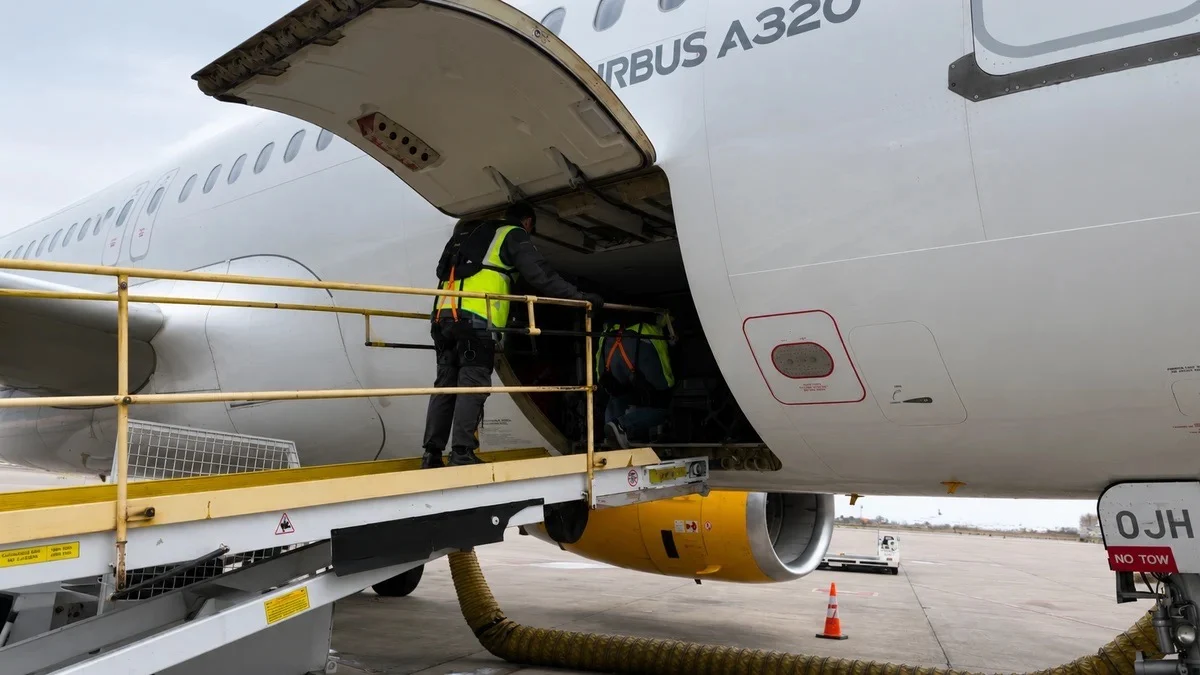
Technology is likely to change how some ground staff work rather than remove the need for them altogether.
Will pilots and aircraft engineers be affected?
Pilots, aircraft engineers and air traffic controllers all have jobs where safety is the top priority. Technology helps them with many tasks, but their experience and decision-making are still vital.
Could commercial planes eventually fly without pilots? Companies are exploring this idea, but there are still major safety and cultural concerns to address, especially when something goes wrong mid-flight.
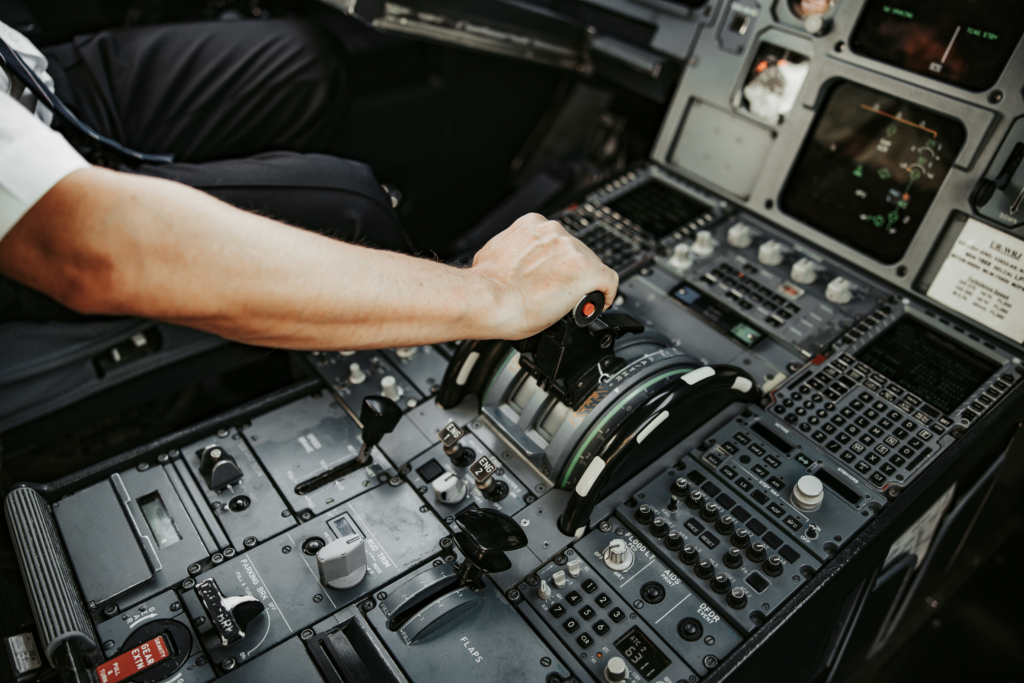
For now, pilots remain essential to passenger flights, and fully pilotless commercial planes are not yet in everyday use. Technology will continue to change these jobs, but it is unlikely to replace the people doing them overnight.
What does this all mean for aviation workers?
For people working in aviation, the main challenge is keeping their skills up to date. Digital confidence, technical problem-solving and the ability to work with new systems are becoming increasingly valuable across the industry.
Employers also have a part to play by providing training and helping staff move into new roles as responsibilities change.
Ultimately, the jobs most likely to be affected are those built around repetitive tasks that technology can handle more efficiently. That does not mean widespread job losses are inevitable. The impact will depend on how individual airlines and airports introduce new systems and how demand for air travel develops.
For the UK aviation industry, the bigger question is how to help its workforce adapt. Technology may change the way many jobs are done, but experienced people will always be needed to keep passengers moving and aircraft operating safely.
1
Birmingham Airport gets nonstop link to Toronto as Air Transat resumes flights after 9-year hiatusBirmingham Airport gets nonstop link to Toronto as Air Transat…
Uncategorized
2
Why the British-built TSR2 still fascinates aviation enthusiasts
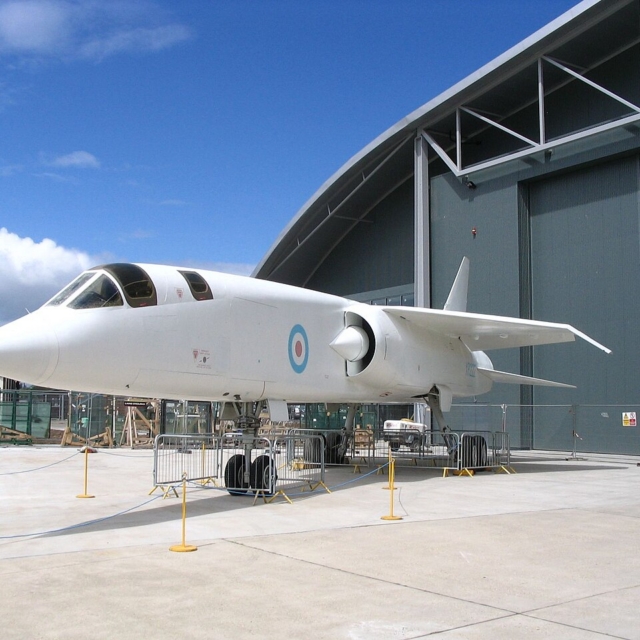
Why the British-built TSR2 still fascinates aviation enthusiasts
Aerospace
3
What does it take to supply the MOD?
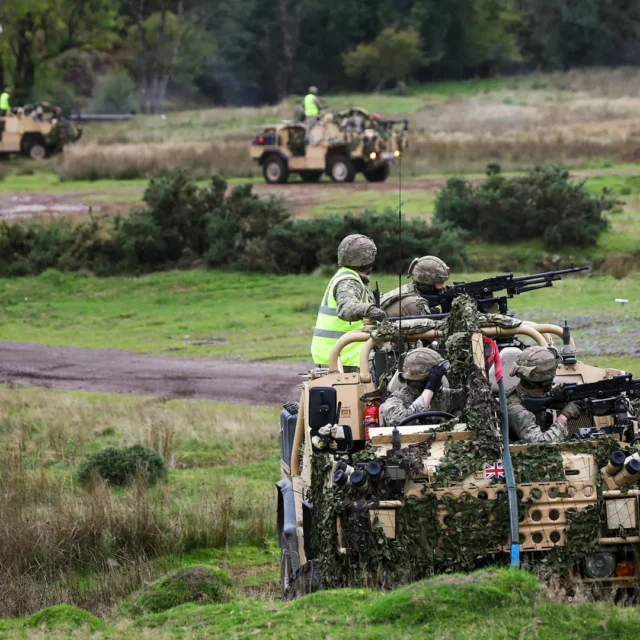
What does it take to supply the MOD?
Defence
4
Why can’t the aerospace industry simply build more aircraft?
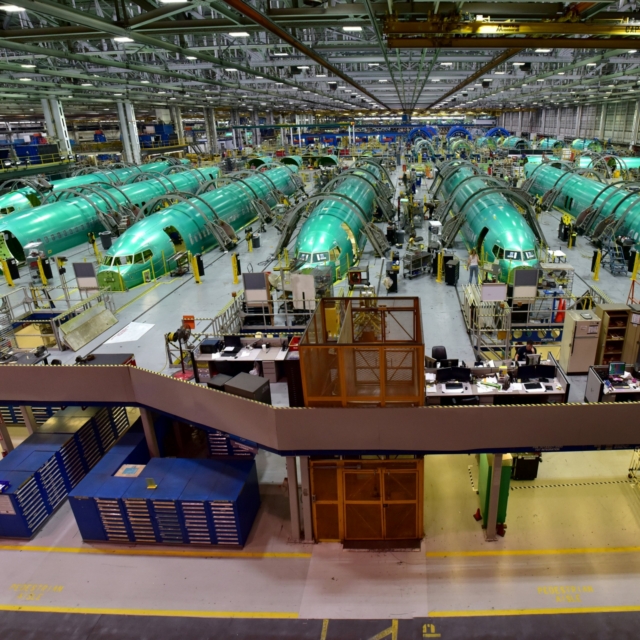
Why can’t the aerospace industry simply build more aircraft?
Aerospace
