

What if AI’s biggest HR contribution was making room for people?
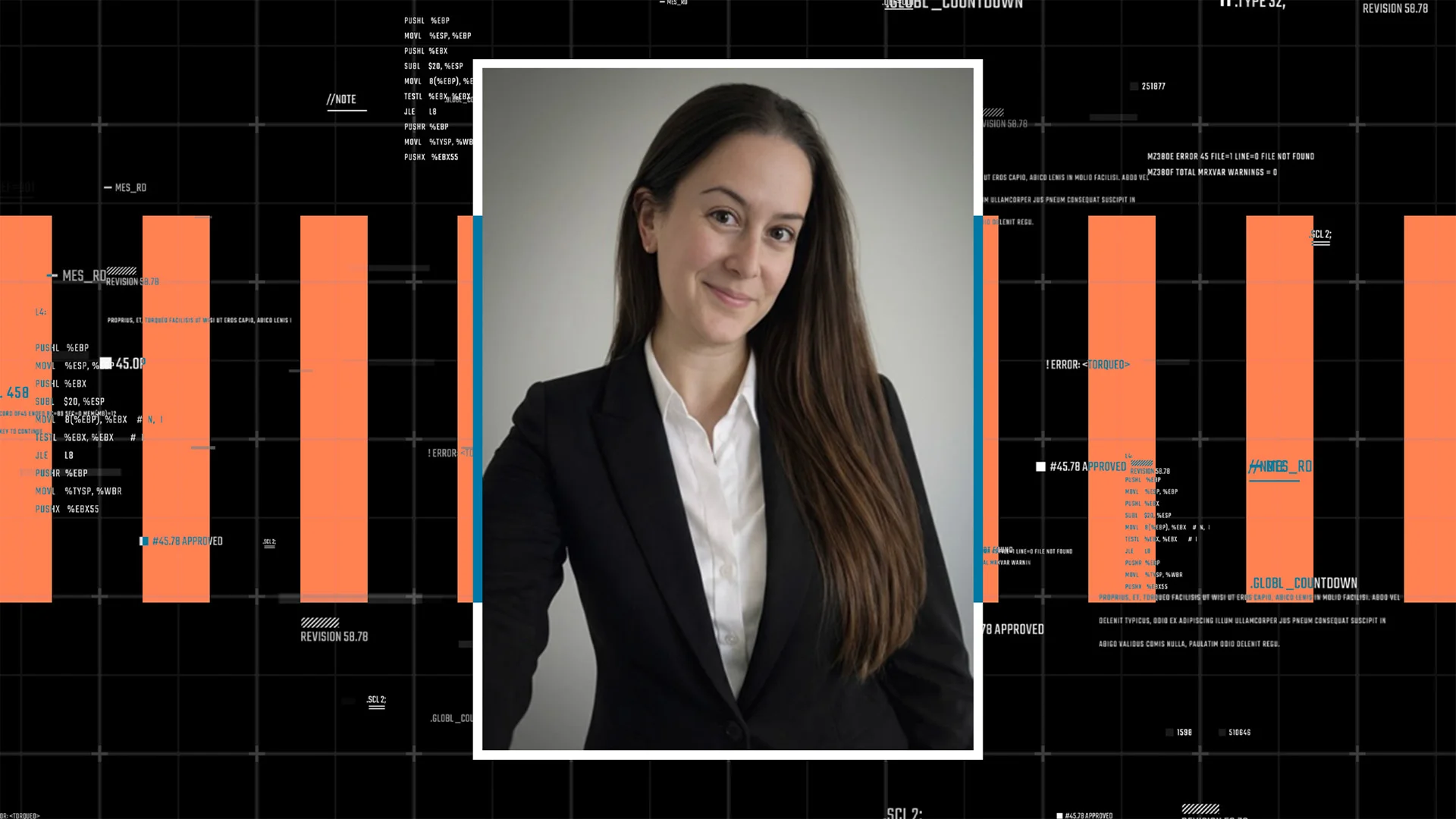
Lumana Global Director of HR Meidan Keidar. Illustration: Inc; Photo: Adobe Stock, Lumana
The loudest conversation about AI in HR is often about what technology will eliminate.
Meidan Keidar is asking a different question: What if AI could make HR more human?
As Global Director of HR at Lumana, Keidar built eight AI agents in her first week using them to organize benefits information, policies, communications and other HR infrastructure.
But she isn’t building an automated HR department. She is building the infrastructure that could allow humans to do better HR.
Refreshed leadership advice from CEO Stephanie Mehta
An Inc.com Featured Presentation
AI is not the HR department
Keidar described employees and leaders as HR’s customers. Her philosophy was simple: when an employee has a meaningful HR issue, she wants that person to be able to reach an HR business partner, not be pushed into an AI system because it is cheaper. That distinction matters.
McKinsey recently reported that roughly two-thirds of today’s HR activities could be fully automated or delivered through automation by 2030. The report also emphasized that humans would continue to own policy, outcomes and exceptions in many automated workflows.
The implication is bigger than automation. If AI takes over more of the transactional work, the uniquely human parts of HR become more important, not less.
