

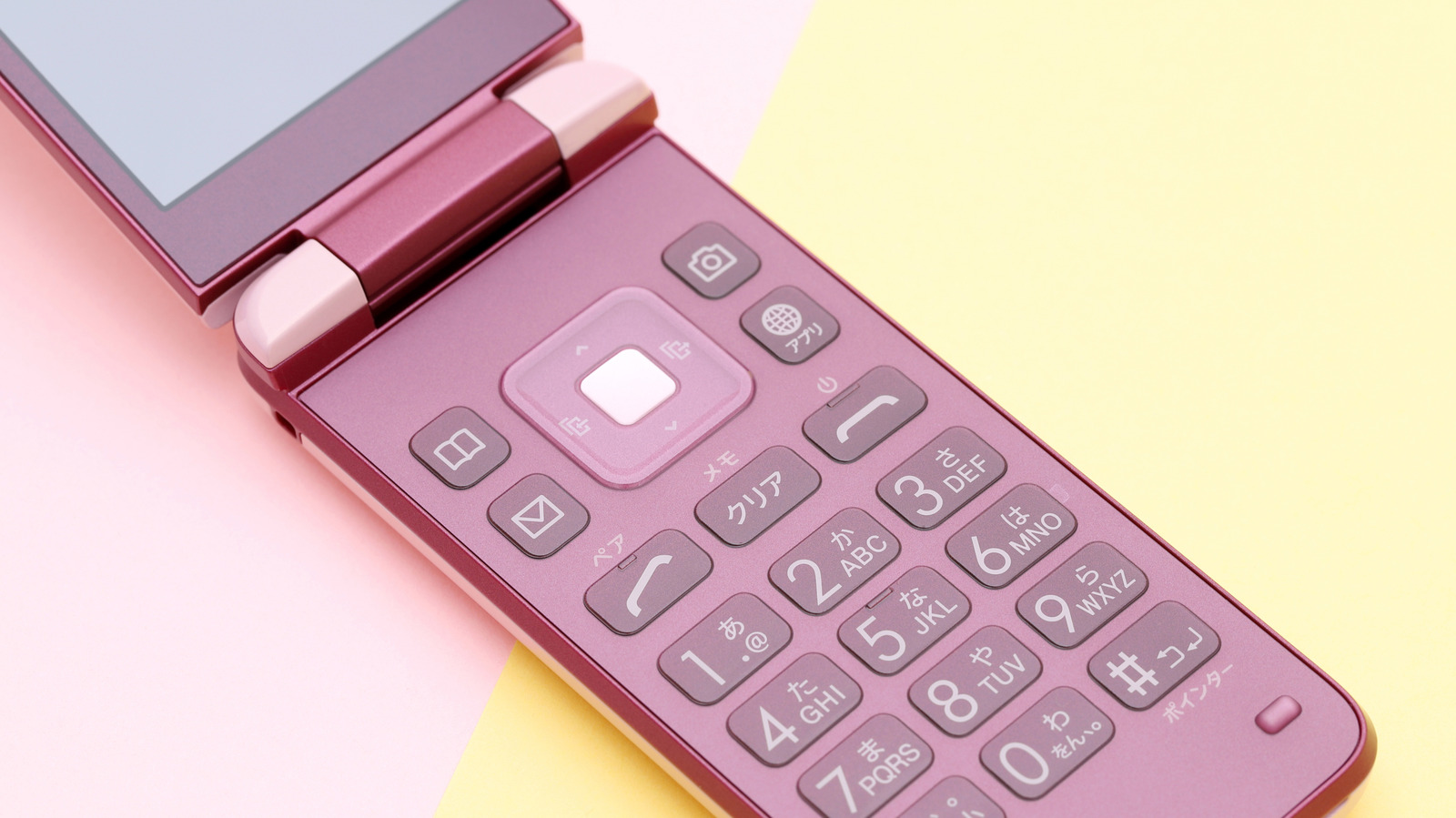
Flip phones endured in Japan longer than the US, but the trend is shifting.
Chances are you haven’t seen a flip phone in the wild for years. The days of the old Motorola RAZR and similar clamshells are long gone. But in Japan, its esoteric tech ecosystem kept them in circulation for decades.
The gara-kei, short for Galapagos keitai, are Japan’s curious feature phones with physical keyboards that refused to die in an era of big-screened smartphones. “Galapagos” refers to the isolated islands in the Pacific Ocean, and keitai stands for “portable.” For a time, Japanese mobile carriers sold enough of these basic handsets to inspire hybrid garaho phones from brands like Kyocera that paired clamshells with <a href="https://myappsplus.com/with-android-17-privacy-is-now-a-luxury-feature/” title=”With Android 17, Privacy Is Now a Luxury Feature”>Android and 4G connectivity.
But consumer habits are changing. A Docomo survey in Japan found that smartphones accounted for 90 percent of mobile phone owners in 2021 and 98 percent by 2025. The country’s feature phone shipments fell by over 25 percent to under 400,000 units in the first half of fiscal year 2025, according to research firm MM Research Institute.
It’s a slow decline poised to accelerate after carrier NTT Docomo ended the country’s remaining 3G data service this March. Why, and how, is the venerable gara-kei going extinct?
How did flip phones become so popular in Japan?
Many believe that the gara-kei has strong ties to Japan’s culture. It had features well beyond regular flip phones designed for other markets. In addition to durable builds and tactile keyboards, many of these phones could pick up One-Seg TV broadcasts and share contact infong. They’re also stunning to look at, featuring vibrant colors and lanyard holes for exotic keychains
Most gara-kei offered 3G support for lightweight applications that didn’t consume much data. Embedded chips allowed them to pay for trains and groceries, making these phones on cheap contracts integral to living in Japan.
Companies in the US have also attempted to cash in on nostalgia and Gen Z’s yearning for flip phones. The upcoming Light Flip is no gara-kei, but it does target users who want a distraction-free flip phone experience. Traditional gara-kei from Kyocera and Sharp are available for purchase on storefronts like eBay, even if most of them lack the right 4G LTE network bands to work with American network carriers.
What’s causing the shift away from flip phones in Japan?
Sunsetting i-mode, Docomo’s 3G mobile internet, is estimated to affect half a million people and over 400 phone models in Japan It will also impair car navigation systems and vending machines in the country. The announcement rang the death knell for the gara-kei, following au and SoftBank ending 3G service in 2022 and 2024, respectively
Japan’s aging population is another piece of the puzzle. In 2024, 29 percent of its population was aged 65 or above, according to the World Economic Forum, building an economy reliant on senior support. Tens of thousands of “lonely deaths” among the elderly may have reshaped how Japan uses cellular technology. In a bid to boost tech literacy, Japan Today reported that Tokyo handed out 3,000 smartphones to senior citizens in 2021.
While some Gen Z users jumped ship to feature phones in a bid to reclaim their attention spans, many will have to return to their smartphones if they want to remain connected to the internet. Docomo sees the inevitable migration as an opportunity and is promoting its in-store smartphone classrooms that teach people how to handle smartphones.
Lessons on web browsing and gesture controls are accompanied by the risk of gaining an appetite for social-media-powered doomscrolling and growing reliant on these pocket-sized computers. It’s the end of an era in Japan for a generation that grew up clicking away on feature phones to stay in touch with the world.
