

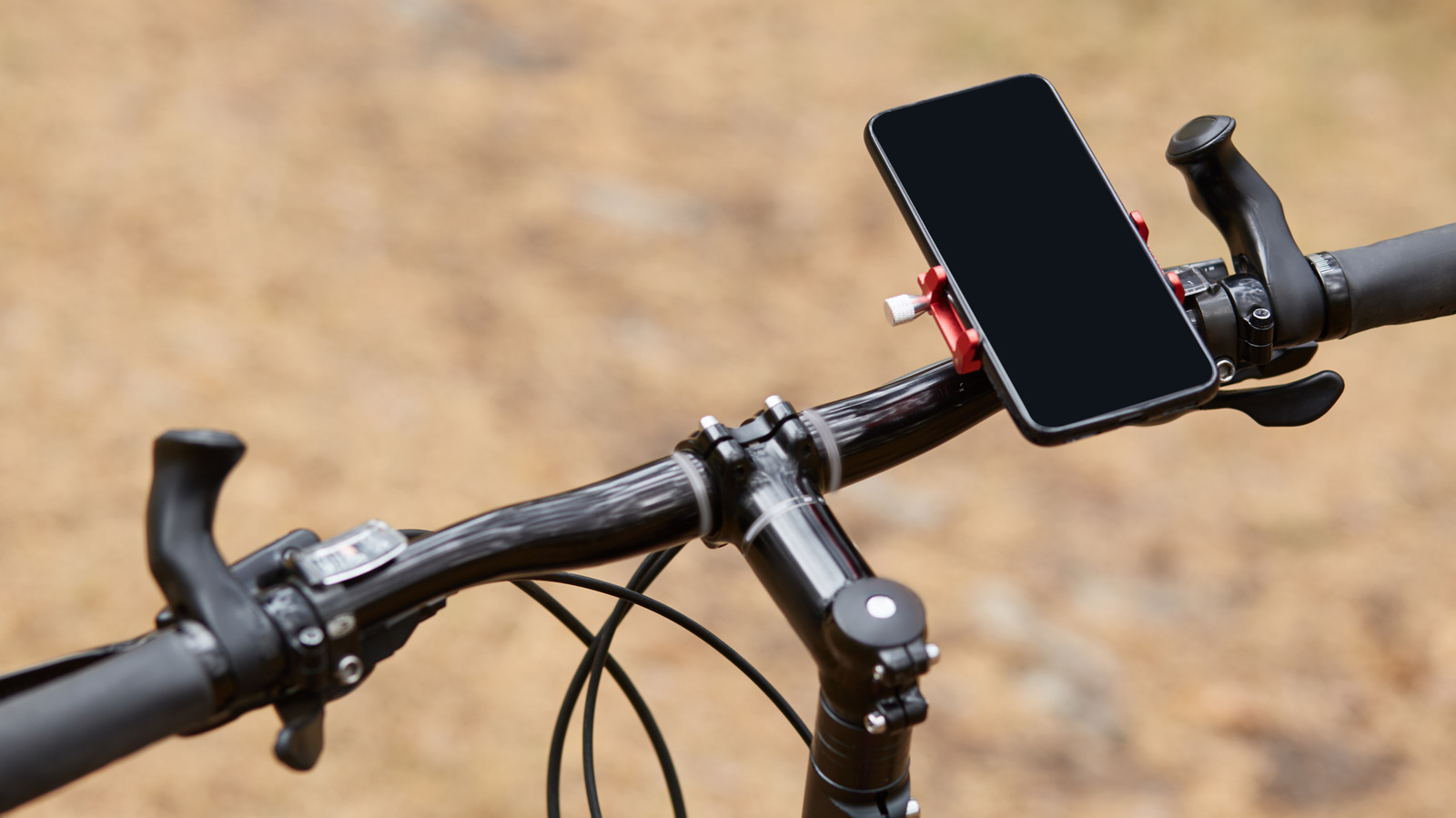
Your phone may be all you need until battery life, navigation or rough conditions start getting in the way.
Most of what a casual cyclist wants from a bike computer can already be accomplished with a smartphone. Install it in a secure handlebar mount and it will give you turn-by-turn directions, log a ride and display your speed, distance and elapsed time. If you’re just commuting or take the occasional weekend ride, it’s hard to convince yourself that you need to buy another screen for your handlebars.
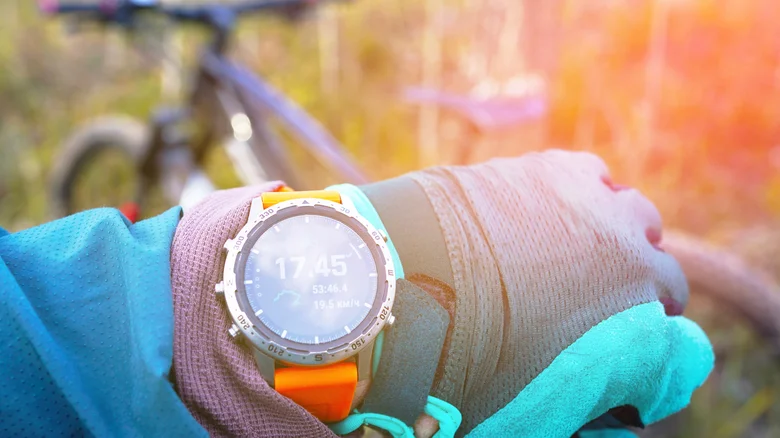
A fitness smartwatch makes that decision more difficult. An Apple Watch can track heart rate and cycling activity, connect to Bluetooth speed, cadence and power sensors, and display the workout on an iPhone through a full-screen Live Activity. That means a bike computer must address a problem you actually have. For a lot of riders, it won’t do that.
Your phone and watch may already be enough
The phone has an obvious cost advantage since you already paid for it. A good mount is much cheaper than a dedicated cycling computer and apps can be used for navigation and GPS ride recording.
Google Maps provides bicycle directions in areas where it supports them, but there’s one annoying thing if you’re going somewhere where reception is not great: cycling directions don’t work offline, even if you’ve downloaded the map of the area. There are apps like Komoot and Ride with GPS that can do offline cycling navigation, but some features may require a subscription or map purchase.
An old GPS-equipped phone can also serve as a good bike computer. Fill it up with routese GPS recording and downloaded navigation do not require an active SIM
A smartwatch completes the picture by collecting heart rate and other fitness metrics during exercise, with the phone managing the map. Even the battery-life argument becomes less of a factor on the occasional long ride when you throw a small power bank in a bag.
There are still compromises. Your daily driver is left out on the ride to deal with rain, direct sunlight, crashes and whatever else the road or trail has in store. It’s also consuming battery that you might need for calls or emergencies. And if you’re uploading regular routes to a fitness service, check its privacy settings before casually publishing a very accurate map of where you leave home every morning.
When the compromises become routine, it makes sense to use a bike computer
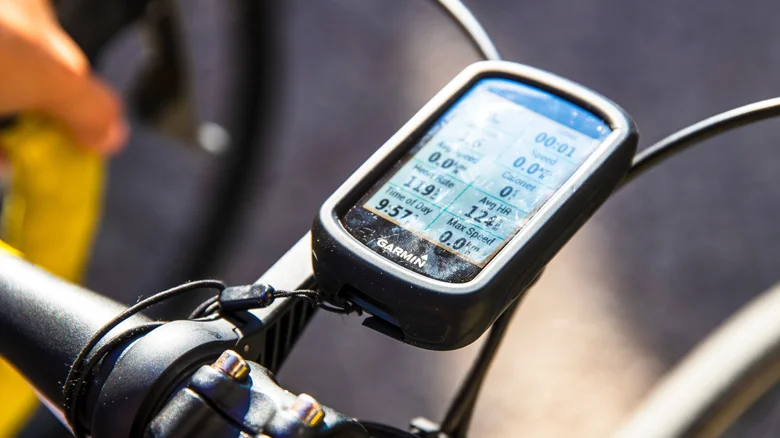
Dedicated hardware begins to outpace the phone on battery life. Today’s bike computers can run GPS and navigation while keeping the display visible for many hours without touching your phone’s battery. That matters more to endurance riders, bikepackers and anyone regularly spending half a day in the saddle.
Purpose-built hardware also earns points when the weather gets ugly. Bike computers are built around secure mounting and water resistance, and many include controls that can be operated even in rain, mud or gloves. For serious riders, they can be paired with power meters, heart-rate straps, cadence sensors, rear-facing radar and more
That doesn’t mean that the smartphone is second-rate. Its larger screen is sometimes better for checking a map, locating a restaurant or altering plans mid-ride. Some bike computer safety features also still require a paired phone for data, so don’t assume that you’ll be leaving your handset at home when you get a bike computer.
The better question is whether these annoyances happen often enough to justify another device. If a phone mount, smartwatch and occasional power bank get you through your rides without much fuss, keep your money. Once preserving phone battery, all-day navigation, wet-weather controls or dedicated sensor support stop being hypothetical problems, a bike computer starts earning its place on the handlebars.
