

Key Takeaways
-
AI helps manufacturers bring scattered engineering knowledge and production data together.
-
Digital threads connect design, machining, and inspection to improve decisions across production.
-
Sharing expertise through connected systems can help factories continuously learn and improve.
For years, manufacturers have worked to automate specific tasks. Machines have become faster, robots have taken on repetitive jobs, and software has improved precision. Now the industry is taking the next step: connecting these advances across the wider production system.
The next development is a manufacturing system that brings together knowledge and data to support smarter decisions.
Companies are increasingly shifting toward adding AI to industrial software and production workflows. It matters because modern factories create huge amounts of information, but much of it is still spread out across systems, databases, manuals, and experienced workers.
The challenge is bringing it all together.
The knowledge gap behind modern factories
More from AI and Robotics
See All
AI and RoboticsRobotic legs get muscle-like flexibility with a single 3D-printed plastic
AI and RoboticsNew wheeled humanoid robot learns factory jobs in a month, reports 95% success rate
AI and RoboticsWhat happens when a drone loses signal? Here’s how its failsafes work
AI and RoboticsSix humanoid robots in China work 24-hour shift in a store, two fail assessment
AI and RoboticsCan Claude dream now? Anthropic’s latest experiment gets eerily close to human thinking
Intelligence enters the workflow
Connecting the factory’s separate systems
The bigger opportunity comes when this intelligence can move beyond individual software tools.
Manufacturing involves a chain of processes that can include design, production planning, programming, machining, and inspection. Each stage generates information that can support decisions at the next.
A digital thread can connect those stages by allowing information to move continuously through the production process.
Design information can influence planning. Planning can shape machining. Inspection can reveal what actually happened on the shop floor.
When that information travels back through the process, it creates a closed loop. What happens during production can inform future decisions, allowing the system to learn from real-world results rather than treating every stage as an isolated operation.
Building factories that can learn
This is changing what an intelligent factory can be. The value of automation has traditionally come from making tasks faster, more consistent and repeatable. By connecting those automated processes, manufacturers can use production data to improve decisions across the wider system.
Problems can be spotted sooner, engineers can have more context, and knowledge from one part of the factory can inform decisions elsewhere. Human expertise remains critical in this model. AI and connected software can help make that expertise easier to access and apply, giving specialists more room to tackle complex engineering problems and find better, less costly and more sustainable ways to produce things.
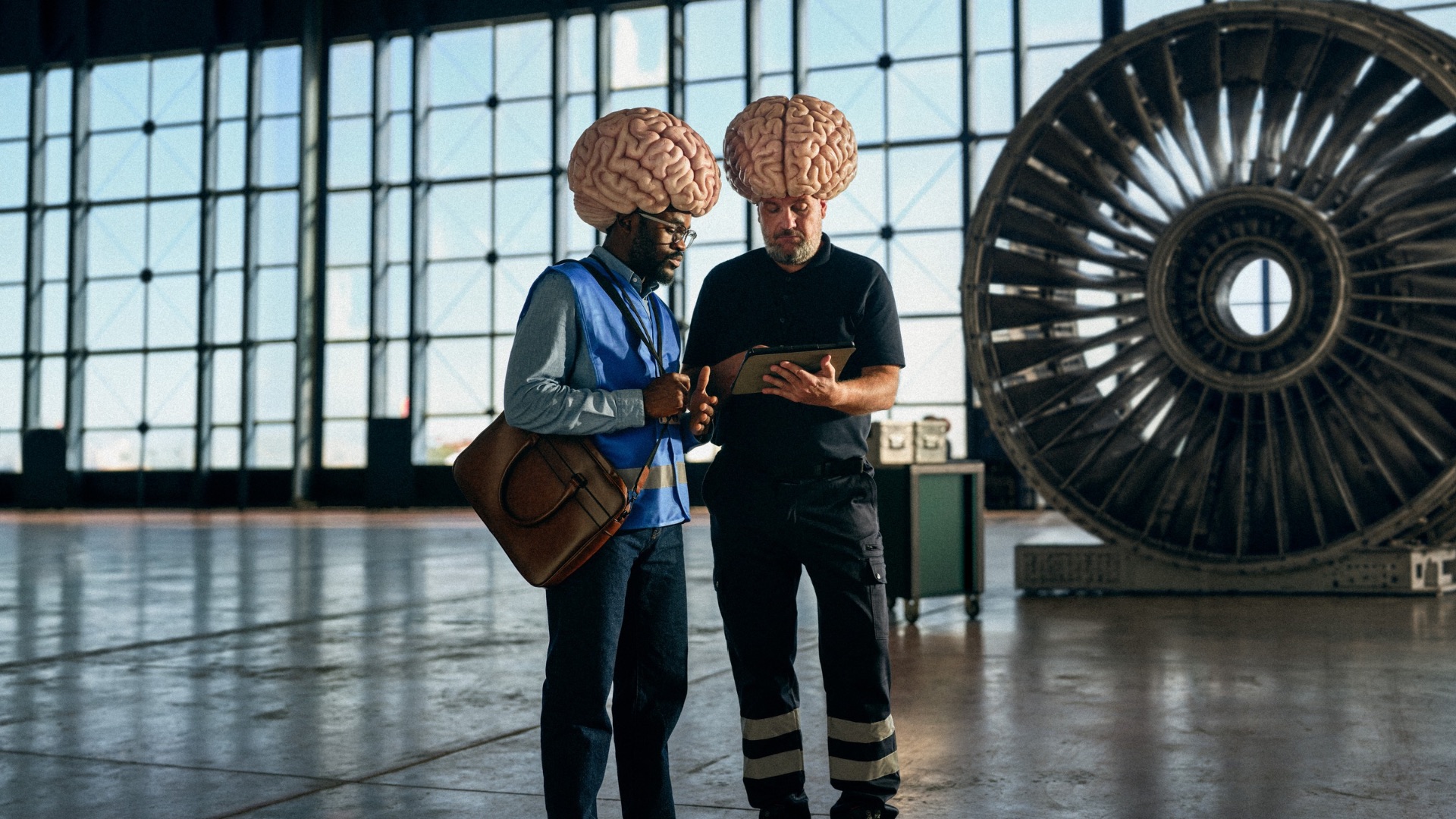
Sandvik sees this wider opportunity through the Brains campaign, centered on the idea that “Knowledge grows when it’s shared.”
The next industrial breakthrough may therefore come from how effectively factories connect the intelligence they already possess. As knowledge moves between people, software, machines and production processes, manufacturing can evolve beyond automating individual operations towards systems that continuously learn and improve.
Learn more about Sandvik’s vision for the future of manufacturing.
A versatile writer, Sujita has worked with Mashable Middle East and News Daily 24. When she isn’t writing, you can find her glued to the latest web series and movies.
- 1Ultra-large autonomous underwater vehicles set to be built with $38 million new funding
- 2Anti-submarine warfare gets major boost with world-class variable-depth sonar performance
- 3Ultracold lithium atoms reveal a hidden struggle between quantum magnetic forces
- 4B-21 Raider vs B-2 Spirit: Lessons that helped America shape its new stealth bomber
- 5Rolls-Royce gets a new Chinese rival as BYD unveils its Altior ultra-luxury electric limousine
