Close Menu
MyAppsPlus

    Subscribe to Updates

    Get the latest creative news from FooBar about art, design and business.

    What's Hot

    New Target ad delivers look at upcoming deals in one of Nintendo’s ‘largest promotions ever’

    September 13, 2026

    The Galaxy Z Fold 8 needs battery banks that actually fit; iPhone Duo might help

    September 13, 2026

    Google Health’s mistakes are a grave warning for Apple’s new AI-powered Health app

    September 13, 2026
    Facebook X (Twitter) Instagram
    Facebook X (Twitter) Instagram
    MyAppsPlusMyAppsPlus
    Sunday, September 13
    • Home
    • Breaking Tech
    • Apps & Software
    • AI & Automation
    • Android
    • iPhone & iOS
    • More
      • Reviews
      • How-To Guides
      • Deals & Discounts
      • Shop
    MyAppsPlus
    Home»Deals & Discounts»US Army taps 5 firms for $2 billion Project Janus — BWXT and Westinghouse to build 20 nuclear microreactors at 5 bases by 2028
    Deals & Discounts

    US Army taps 5 firms for $2 billion Project Janus — BWXT and Westinghouse to build 20 nuclear microreactors at 5 bases by 2028

    myappsplusBy myappsplusSeptember 2, 2026003 Mins Read
    Share Facebook Twitter Pinterest Copy Link LinkedIn Tumblr Email Telegram WhatsApp
    Follow Us
    Google News Flipboard
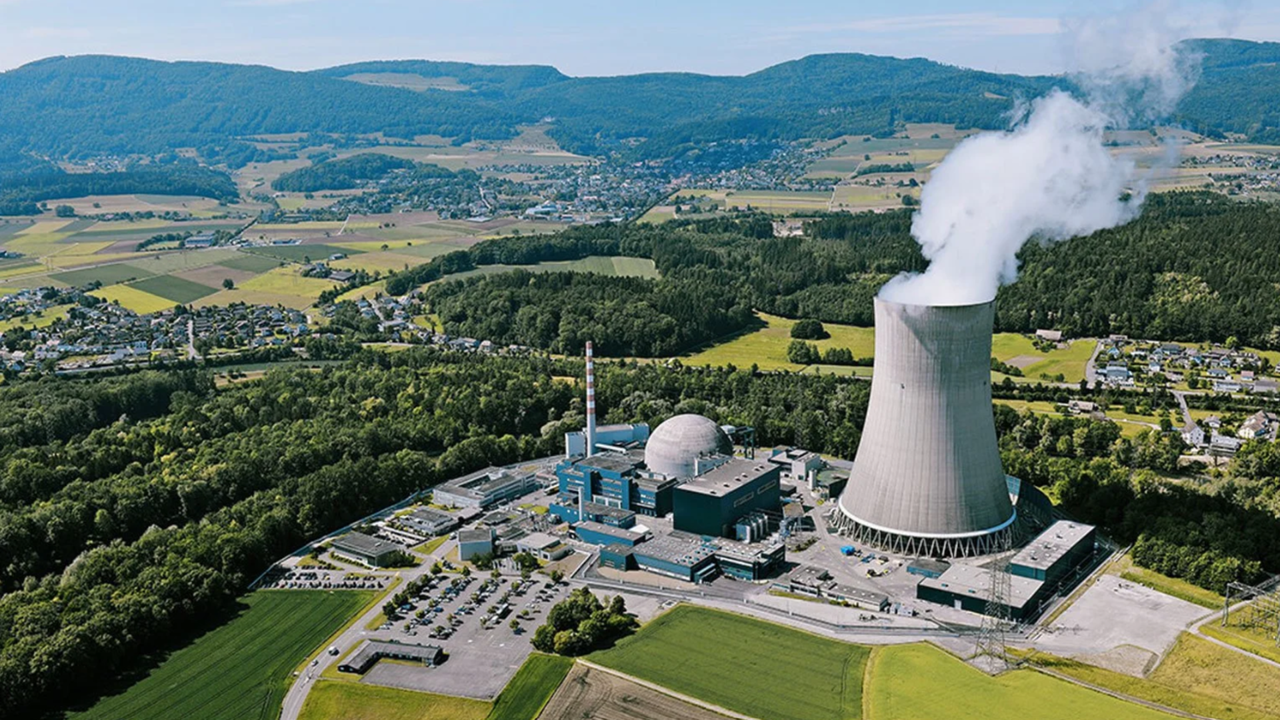
    US Army taps 5 firms for  billion Project Janus — BWXT and Westinghouse to build 20 nuclear microreactors at 5 bases by 2028
    Share
    Facebook Twitter LinkedIn Pinterest Email Copy Link
    • Five companies will build microreactors across five separate Army installations nationwide
    • Antares Nuclear takes on construction duties at Fort Bragg, North Carolina
    • The total contract value reaches up to $2.2 billion

    The U.S. Army has selected 5 companies to construct small nuclear power units across a handful of domestic installations.

    This initiative, called Project Janus, aims to reduce reliance on fossil fuels while building toward energy independence at military sites.

    Officials expect up to 20 microreactors could eventually operate across these bases, pending additional private investment from the participating firms.

    Five contractors, five bases, and a $2 billion award

    Antares Nuclear will build its unit at Fort Bragg in North Carolina, while BWXT Advanced Technologies will build its unit at Fort Campbell in Kentucky.

    General Atomics Electromagnetic Systems will handle Fort Hood in Texas, and Radiant Industries has been paired with Fort Benning in Georgia.

    Westinghouse Government Services rounds out the group, assigned to Fort Drum in New York under the same milestone-based contract.

    Combined, these five firms will share up to $2.2 billion through fixed-price milestone payments tied to construction progress.

    “We now know that our domestic electric grid is potentially at risk in a conflict. We also know that we will not necessarily be able to move fossil fuels easily wherever we need them to go,” said Jeff Waksman, the Army’s principal deputy assistant secretary for installations, energy and environment.

    “Right now, all critical infrastructure that the Army has is backed up by some form of liquid fossil fuel, primarily diesel. So that makes nuclear energy just a natural game changer for the Army.”

    Nine bases had originally been finalists before November’s announcement narrowed the list down to five selected locations.

    Fort Wainwright in Alaska, Holston Army Ammunition Plant in Tennessee, Joint Base Lewis-McChord in Washington, and Redstone Arsenal in Alabama were among those excluded from the final round.

    Uranium supply remains a persistent obstacle for the timeline

    The United States currently lacks any operational nuclear microreactors and enriches only a small share of the global uranium supply.

    Efforts by the Energy Department and the National Nuclear Security Administration to expand high-assay low-enriched uranium production remain in early stages.

    Waksman acknowledged the scale of the challenge while expressing confidence that supply issues would not derail the timeline.

    “We expect sufficient prioritization to ensure that we have the uranium that we need for our fastest moving reactors…probably going to push beyond what our supplies are as a nation.”

    He added that coordination across federal agencies would be essential to securing enough material for later phases of the program.

    Project Janus draws on lessons from Project Pele, the Pentagon’s mobile reactor initiative, and borrows its contracting structure from a NASA cargo program.

    The Army’s approach also follows a separate Air Force effort already underway at Eielson Air Force Base near Fairbanks, Alaska.

    Waksman indicated an announcement about coordination between the two service branches could arrive within the coming months.

    Officials have emphasized choosing accessible domestic sites first, deliberately avoiding overseas or island locations for these early deployments.

    Only once the technology proves reliable within the 50 states will military planners consider expanding microreactor construction beyond current borders.

    Army billion Firms Pro Taps
    Follow on Google News Follow on Flipboard
    Share. Facebook Twitter Pinterest LinkedIn Tumblr Email Copy Link
    myappsplus
    • Website

    Related Posts

    New Target ad delivers look at upcoming deals in one of Nintendo’s ‘largest promotions ever’

    September 13, 2026

    New Apple Wrist Strap pre-orders now live at $29, Crossbody models from $17 (Up to 72% off)

    September 13, 2026

    The first images of Meta’s Project Phoenix mixed reality headset have leaked — and there’s a reason it’s so thin and light

    September 13, 2026
    Add A Comment
    Leave A Reply Cancel Reply

    Top Posts

    The 6 AI-free Linux distros I recommend most

    August 19, 20264 Views

    AI, automation, robot dogs ensure on-site nuclear safety

    September 7, 20262 Views

    This tiny AI box could save me from upgrading my perfectly good laptop

    September 6, 20262 Views
    Latest Reviews

    Why Fluper is the No.1 Mobile App Development Company in the UAE, Saudi Arabia, and the Middle East.

    myappsplusAugust 18, 2026

    How New Kuwait And Indonesia Tech Deals At Baker Hughes (BKR) Have Changed Its Investment Story

    myappsplusAugust 18, 2026

    Google is reportedly planning to move all Pixel production out of China

    myappsplusAugust 18, 2026
    Stay In Touch
    • Facebook
    • YouTube
    • TikTok
    • WhatsApp
    • Twitter
    • Instagram

    Subscribe to Updates

    Get the latest tech news from FooBar about tech, design and biz.

    Most Popular

    Why Fluper is the No.1 Mobile App Development Company in the UAE, Saudi Arabia, and the Middle East.

    August 18, 20260 Views

    How New Kuwait And Indonesia Tech Deals At Baker Hughes (BKR) Have Changed Its Investment Story

    August 18, 20260 Views

    Google is reportedly planning to move all Pixel production out of China

    August 18, 20260 Views
    Our Picks

    New Target ad delivers look at upcoming deals in one of Nintendo’s ‘largest promotions ever’

    September 13, 2026

    The Galaxy Z Fold 8 needs battery banks that actually fit; iPhone Duo might help

    September 13, 2026

    Google Health’s mistakes are a grave warning for Apple’s new AI-powered Health app

    September 13, 2026

    Subscribe to Updates

    Subscribe to our newsletter and get the latest tech news, app updates, AI trends, smartphone reviews, and exclusive deals delivered straight to your inbox.

    Facebook X (Twitter) Instagram Pinterest
    • About Us
    • Get In Touch
    • Disclaimer
    • Privacy Policy
    • Terms & Conditions
    © 2026 MyAppsPlus. All Rights Reserved.

    Type above and press Enter to search. Press Esc to cancel.