

As you head into fall and winter, your yard changes shape, and you need to adapt your garden care, too.
One of the biggest changes is caring for your lawn properly in the fall to set it up for lush spring growth. But one mistake could undo the good work you’ve done during the warmer seasons.
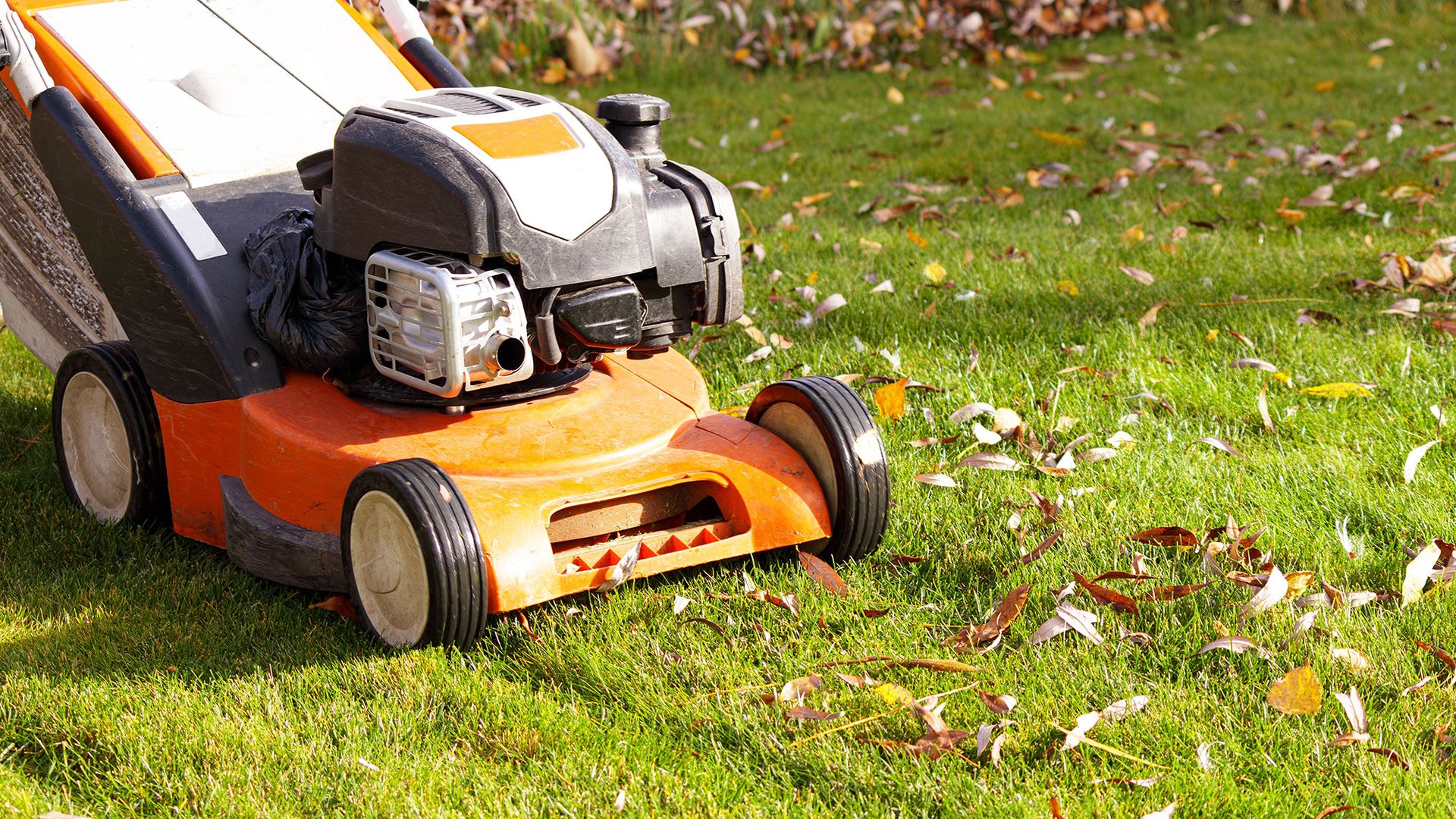
It may seem like a small change, but adjusting your lawn mower height makes a big difference. Instead of keeping your mower blade high, as recommended in spring and summer, the fall trick is to lower it slightly.
But before you head out into your yard to adjust your mower, this fall rule doesn’t apply to all turf.
Warm-season and cool-season rules
You only need to lower the blade if you have warm-season grass, like Bermuda, Zoysia and St. Augustine. Warm-season grasses go dormant as the weather cools, and gradually lowering the cut before dormancy begins helps reduce thatch build-up, weeds and diseases, such as snow mold.
However, if you have cool-season grasses, like Kentucky bluegrass, tall fescue and perennial ryegrass, you don’t need to follow this rule. Instead of going dormant, cool-season grasses are actively growing, and keeping the blades taller encourages root development, helping the turf store energy for winter to set it up for spring.
Don’t scalp your grass
But if you have warm-season grass and plan to give your lawn a good cut, be careful. Don’t get carried away by cutting the blade height too low. Your lawn won’t appreciate a close shave. It weakens the root system and reduces the energy stored over winter.
While your lawn can overcome a close cut in the summer, it’s not the same in the fall, and it will take longer to recover. Lawn care experts advise not going lower than around 1.5 to 2 inches.
Keep to the one-third rule
Even if your grass appears to be having a growth spurt in the fall and needs a good mow, don’t be tempted to go beyond the one-third rule. Avoid removing more than one-third of the grass blade in a single cut.
Just like scalping the grass, being too aggressive can make it harder for the grass to recover, especially as it nears dormancy.
Lawncare essentials we love
Amazon
Scotts Ez Seed Patch & Repair for Sun and Shade
Amazon
Garden Guru Handheld Seed Spreader Shaker
Amazon
Greenworks 48v (24v X 2) 17″ Cordless (push) Lawn Mower
Amazon
Fiskars Stand-Up Weed Puller Tool
- Why is my grass seed not growing? Lawn expert explains why and how to avoid it this fall
- Why you can’t ignore your lawn in October: 7 tasks to complete this month
- How to sharpen a lawn mower blade in 5 simple steps (and save your grass)
