

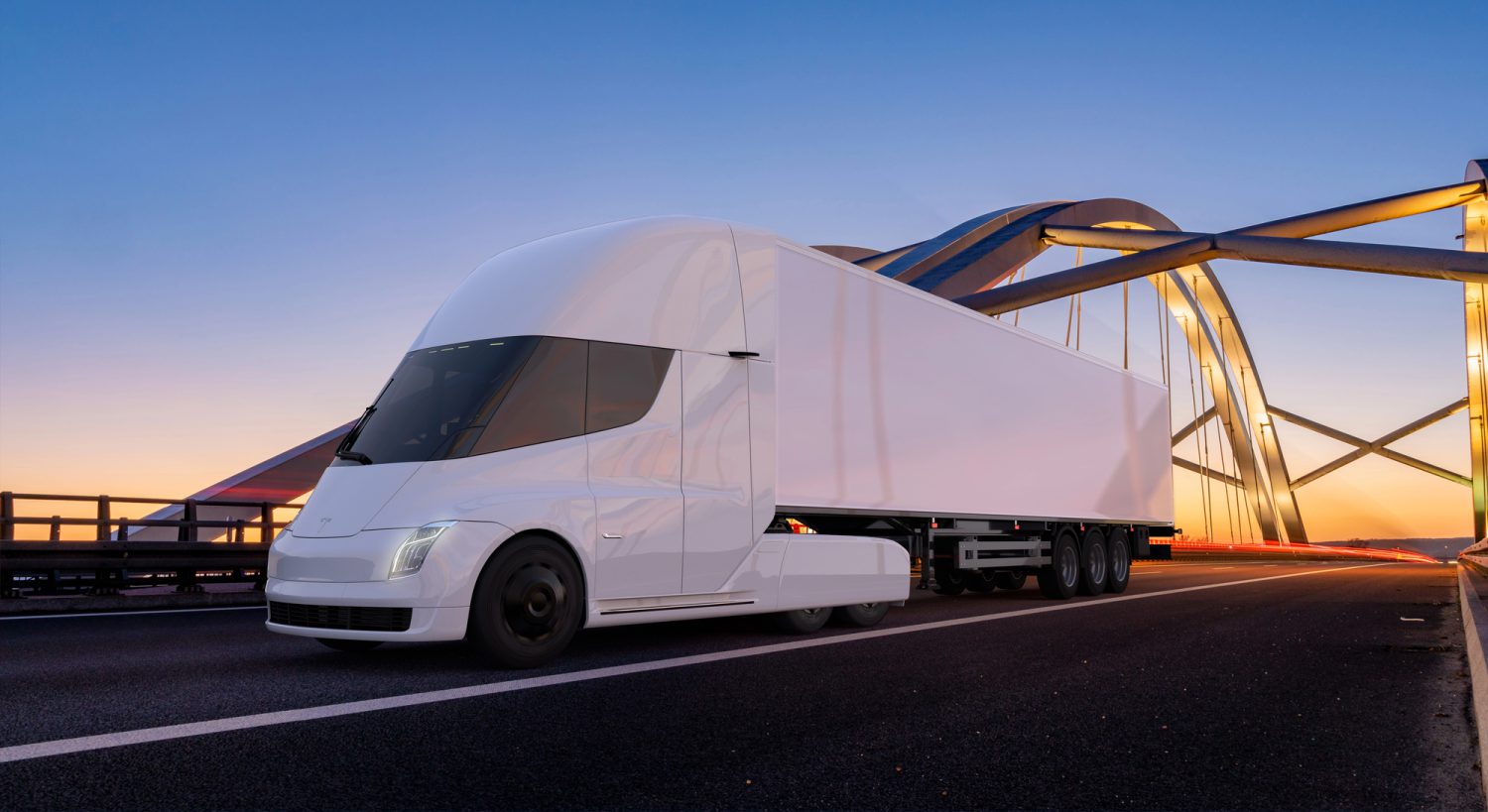
A <a href="https://electrek.co/2026/09/22/tesla-semi-2500-truck-order-zet-scale-largest-us/” rel=”nofollow noopener” target=”_blank”>2,500-truck procurement for battery-electric Class 8 vehicles, the heaviest mainstream truck category in the United States, has named Tesla as its primary supplier. The order, organized by the demand-pooling alliance ZET SCALE, is described by the alliance as the largest electric Class 8 order in North American history.
ZET SCALE says the transaction would nearly double the current U.S. electric Class 8 fleet. The alliance is jointly operated by Catalyst Mobility, the nonprofit formerly known as CALSTART, and Smart Freight Centre.
How the Alliance Works
ZET SCALE pools shipper demand so carriers can purchase electric trucks in volumes that attract competitive manufacturer bids.
The model aggregates freight commitments from large shippers, with Microsoft and PepsiCo among the founding participants. Carriers gain access to larger-volume purchasing that manufacturers are more likely to compete for aggressively.
ZET Financial issues the purchase order and offers trucks through a fair-market-value lease program called ZET Lease. That structure shifts residual-value risk away from fleet operators, sparing them from betting on what a relatively new technology will be worth years from now.
That risk transfer addresses one of the most persistent commercial barriers to electric-truck adoption. “You can have good technology and still not have a market,” said Michael Berube, CEO of Catalyst Mobility.
Tesla’s Role and What Comes Next
Tesla holds the primary supplier position, with Kenworth, RIDE, and Volvo also named as options for participating carriers.
Tesla’s specific allocation within the 2,500-unit total is not disclosed in availablesla Semis
What the arrangement does represent is a structural shift in how electric trucks reach the market. Instead of negotiating individual fleet sales, Tesla is now positioned inside a coordinated, multi-shipper procurement program. Dan Priestley, Tesla’s Semi program director, said the alliance’s goals “take the operational cost advantage and predictability that electricity provides and amplif[y] it at scale.” (Editor note: Verify phrasing against Tesla’s original announcement before publication.)
ZET SCALE’s longer-term target is up to 10,000 Class 8 battery-electric trucks across North America. Tesla’s Nevada Semi factory carries a reported nameplate capacity of 50,000 trucks annually. Analyst expectations for 2026 deliveries are materially lower, at roughly 5,000 to 15,000 units; those figures are external estimates, not confirmed production output.
Where the Trucks Go First
Ten established freight hubs form the initial deployment geography for ZET SCALE’s first wave of electric Class 8 trucks.
First deployments are planned for Los Angeles, Stockton, Bakersfield, Seattle–Tacoma, Houston, Dallas, San Antonio, Chicago, Atlanta, and Newark–New York. The concentration in major freight corridors is consistent with electric-truck operations that depend on predictable routes, centralized charging, and return-to-base logistics.
Separately, IMC Logistics announced plans to add 50 Tesla Semis to its California fleet. Standard Range trucks, rated at approximately 325 miles, are designated for port drayage, while Long Range trucks, rated at up to 500 miles, will serve Southern California to inland routes.
IMC operates a mixed fleet that includes battery-electric, hydrogen fuel-cell, and renewable-diesel vehicles.
ZET SCALE’s order is reported as five times larger than the previously cited 500-truck Einride procurement. If the ZET Lease structure performs as designed, demand aggregation could become a repeatable model for fleet electrification beyond this initial order; that outcome will depend on production timelines, charging deployment, and carrier utilization.
