Wildlife Photographer of the Year 2026 winners announced
Federico Veronesi takes top prize with elephant carrying a dead calf photo
Winning photographs showcased at the Natural History Museum, London, from 16 October 2026
The winners of the 62nd Wildlife Photographer of the Year have been announced, and once again the selection gives us a fascinating insight into our planet’s animal behaviour and evolving habitats.
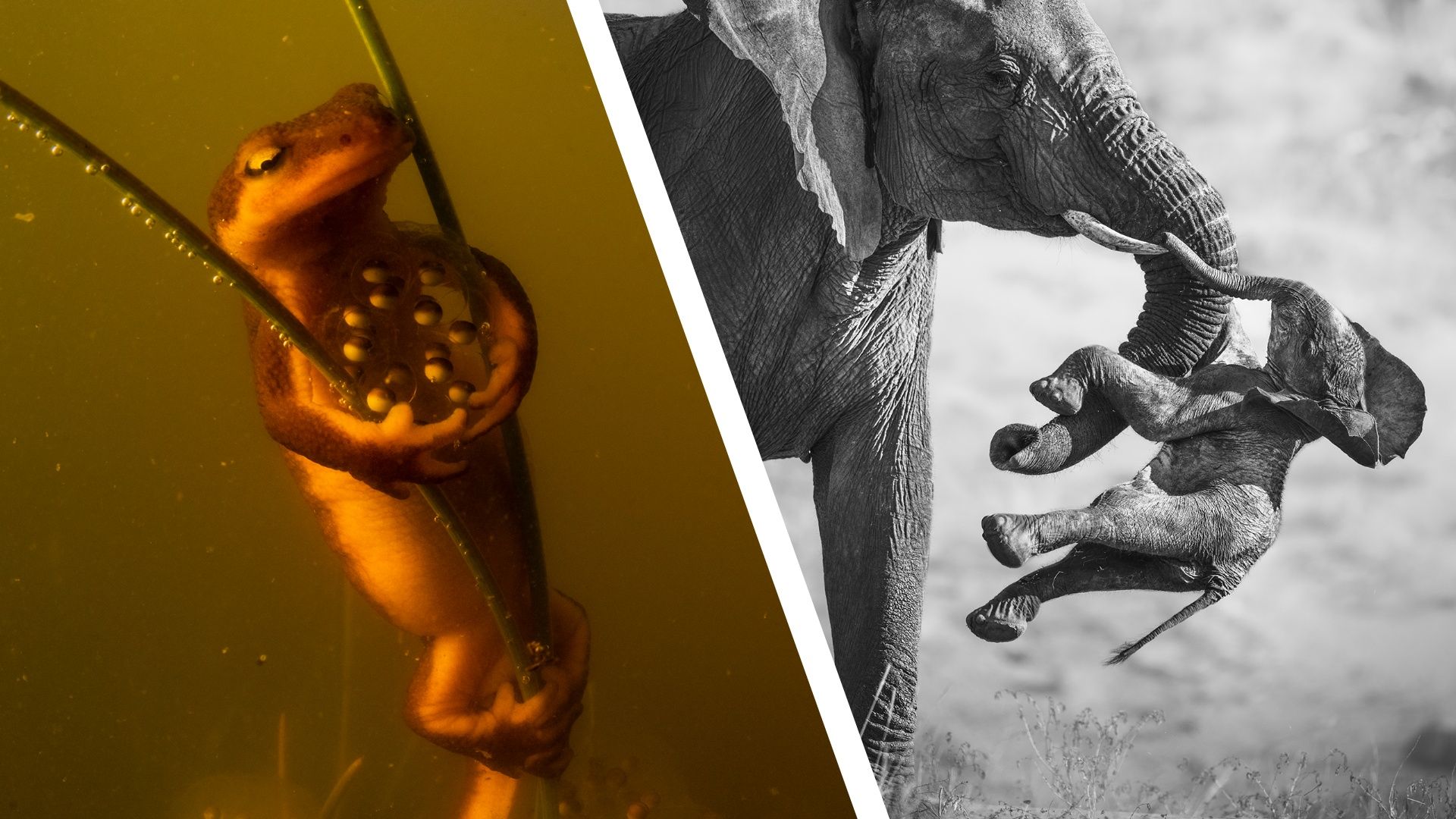
A total of 19 young and adult category winners covered specific species and habitats, and the overall top prize has gone to the Behaviour: Mammals category winner Federic Veronesi, with his “heartbreakingly poignant” photo of an elephant carrying a dead calf, witnessed in Namibia, Africa, through a Nikon Z8 and 400mm f/2.8 lens.
Having personally witnessed a recently deceased elephant calf years back in Kenya’s Masai Mara National Park, I can resonate with what Chair of the Wildlife Photographer of the Year Jury, Kathy Moran, said about the photo:
“Emotionally it’s a gut punch, heartbreakingly poignant. Intellectually it’s proof that animals have cognition. This photograph says it all!”
The contest further unpacks the image: “Behaviours centring on death have been observed in both Asian and African elephants, including vocalisations, guarding the dead, inspecting and handling bones, and carrying the deceased. Some researchers suggest these behaviours could indicate an elephant’s journey to understanding death, while others interpret these actions as possible displays of grief.”
Witnessing such a moment in the flesh is something I’ll never forget — the grief clearly weighed heavy on the motionless elephant herd, guarding the deceased, trunks drooped on the ground, and Federico’s image of a female elephant emerging with a calf, its leg wedged between her tusk and trunk, brings that moment back for me.
I’ve included a selection of some of the winning images below, which will be on display along with the other winners in an exhibition at the Natural History Museum, London, from 16 October 2026 until July 11 2027. Tickets can be purchased on the Natural History Museum site with prices starting at £8.50 (child) / £13.60 (concession) / £17 (adult).
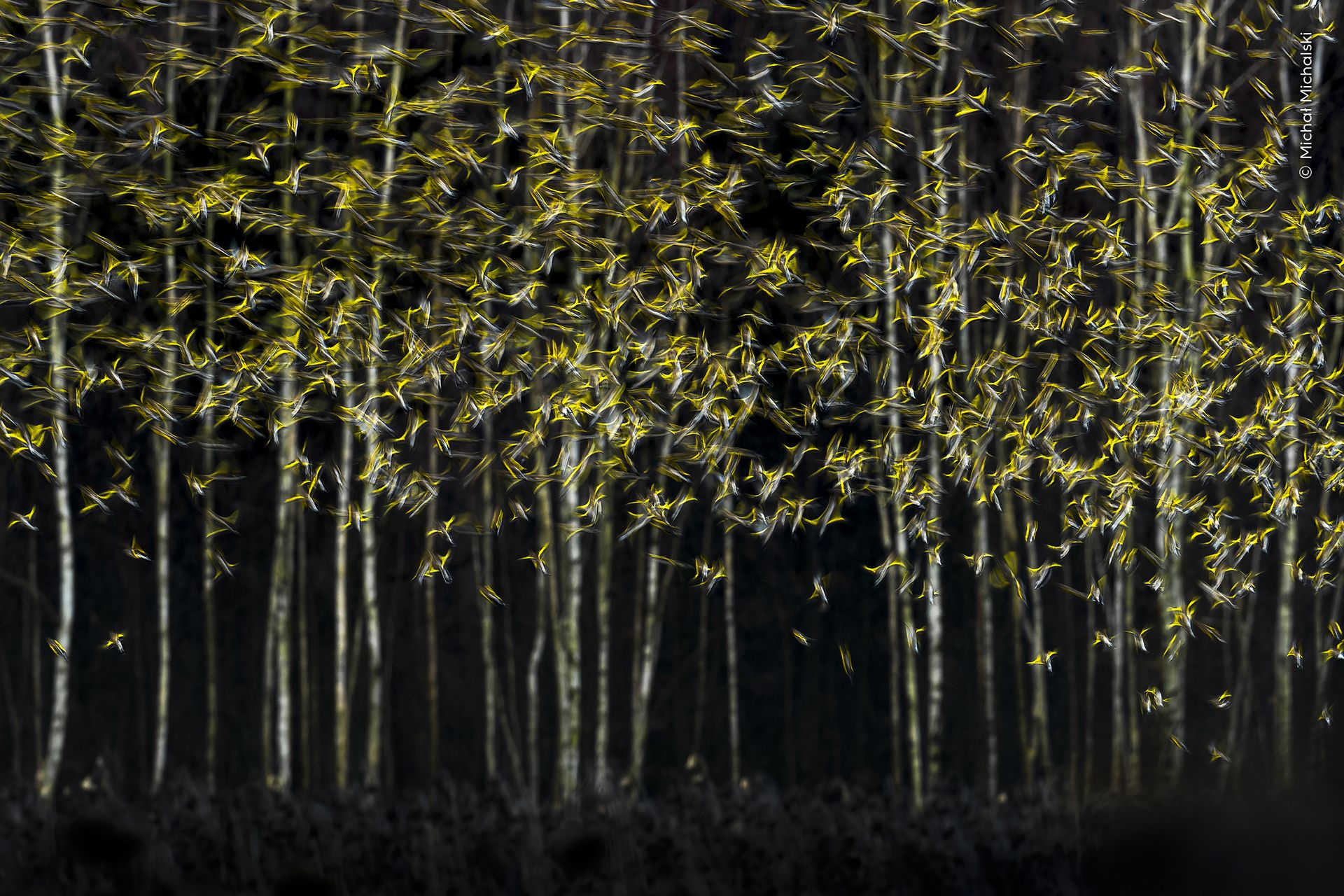
I particularly appreciate the Natural Artistry category winner, for which photographer Michał Michalski intentionally used a slow shutter speed to capture goldfinches and bramblings taking to the sky, creating the illusion of trees still swathed in autumn foliage — really clever, and visually striking.
Wildlife Photographer of the Year is developed and produced by the Natural History Museum, London. This year’s ‘Wildlife Photographer of the Year Portfolio 36’ book will be published on October 14 and costs £28.
WPOTY 2026 category winners
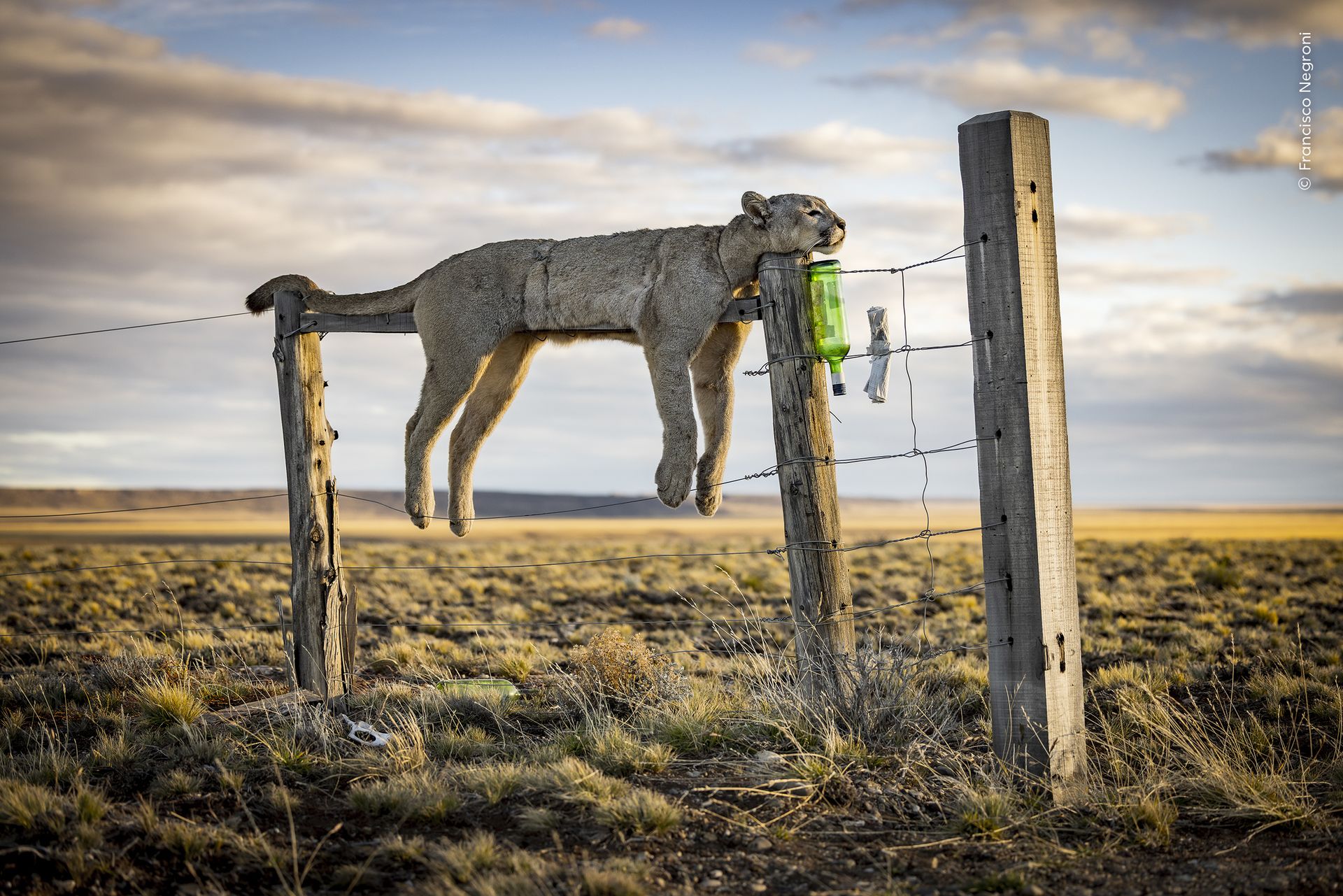
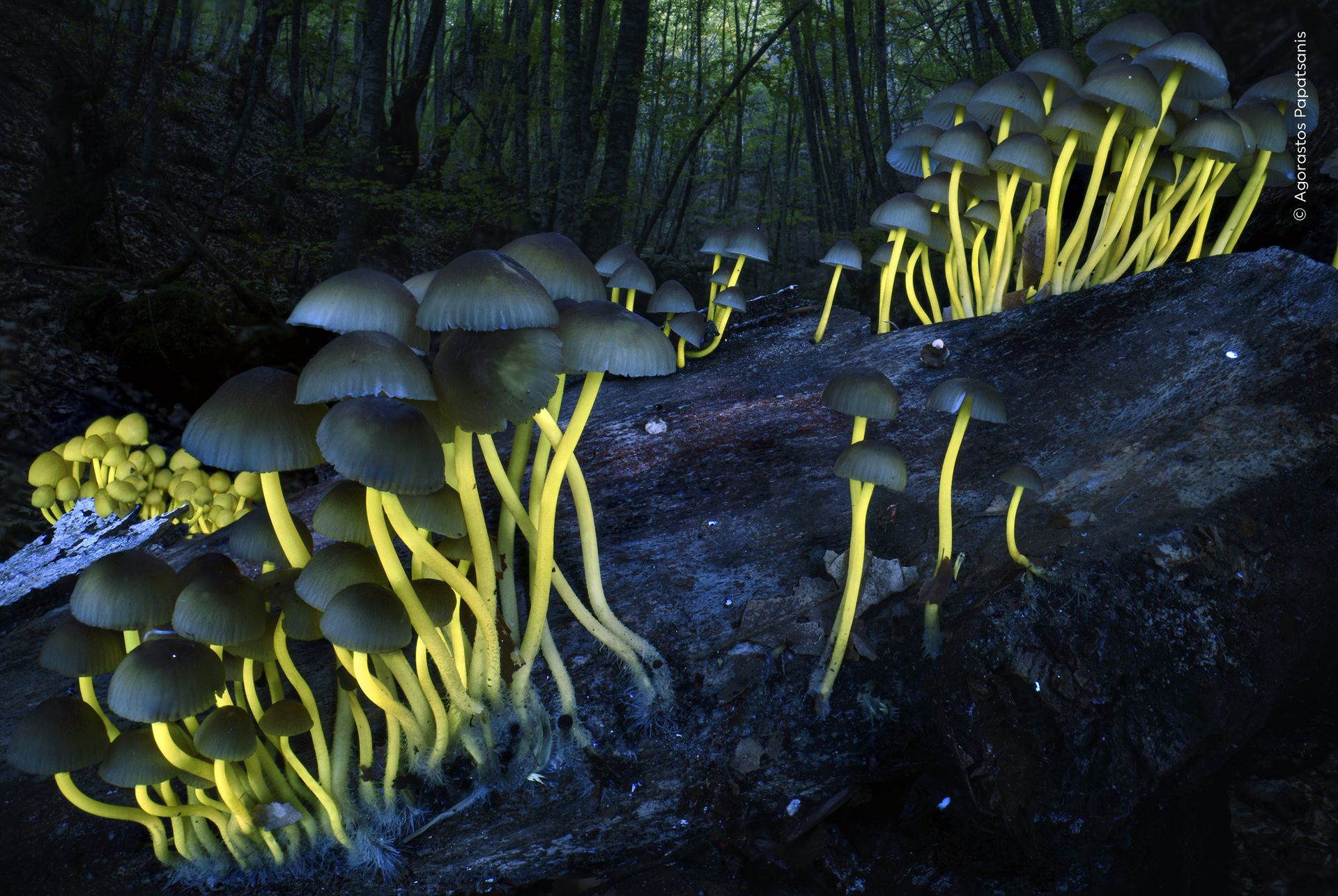
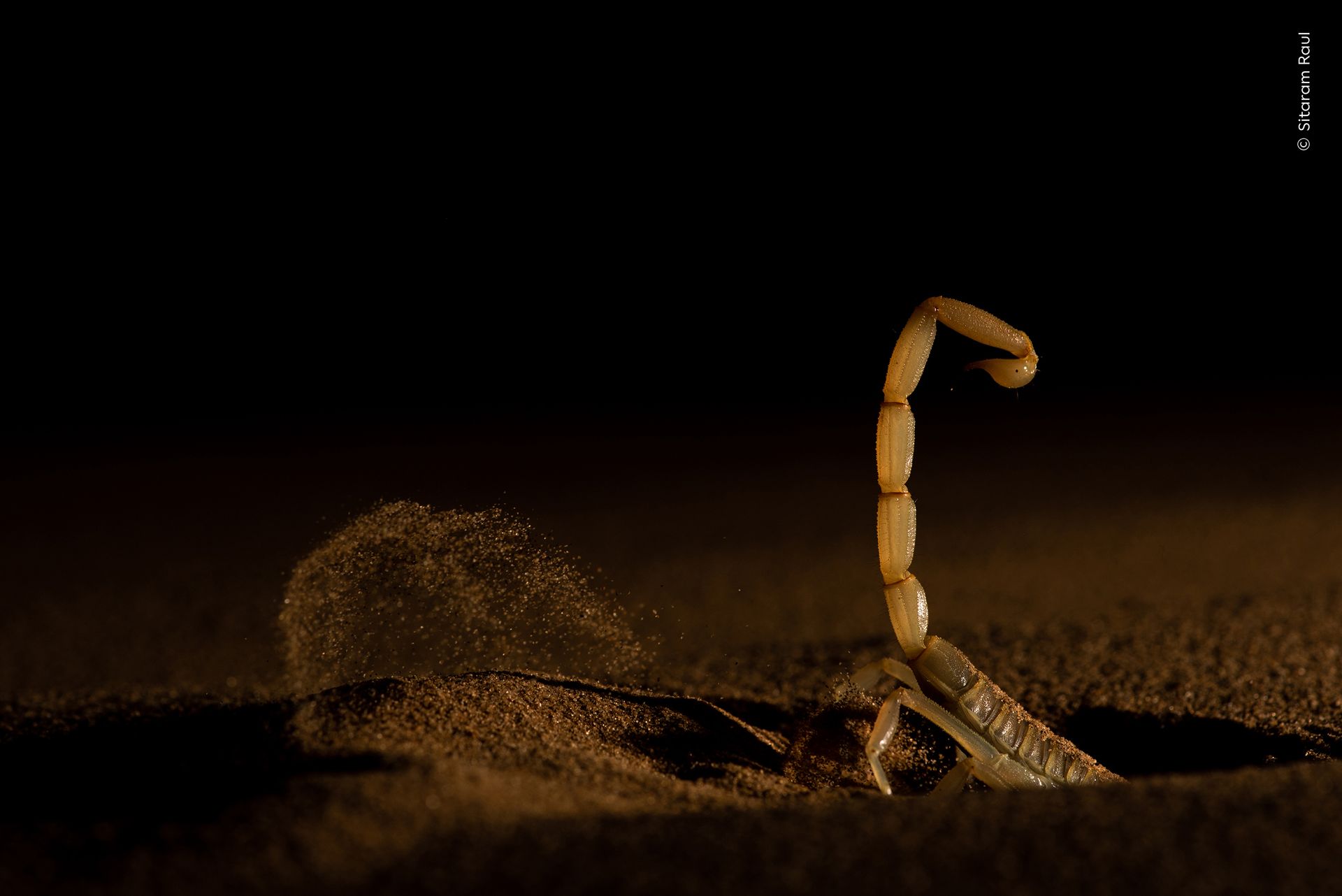
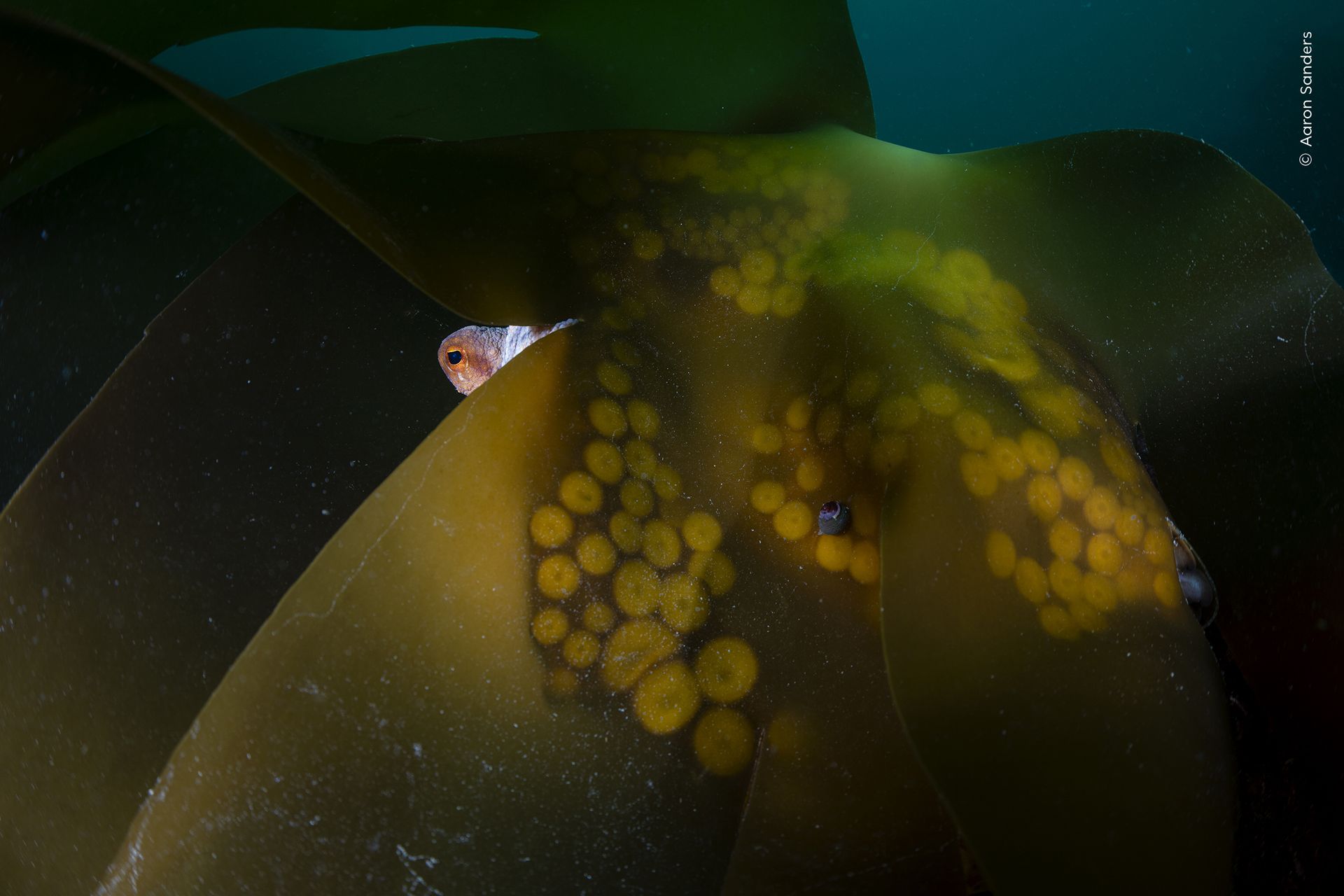
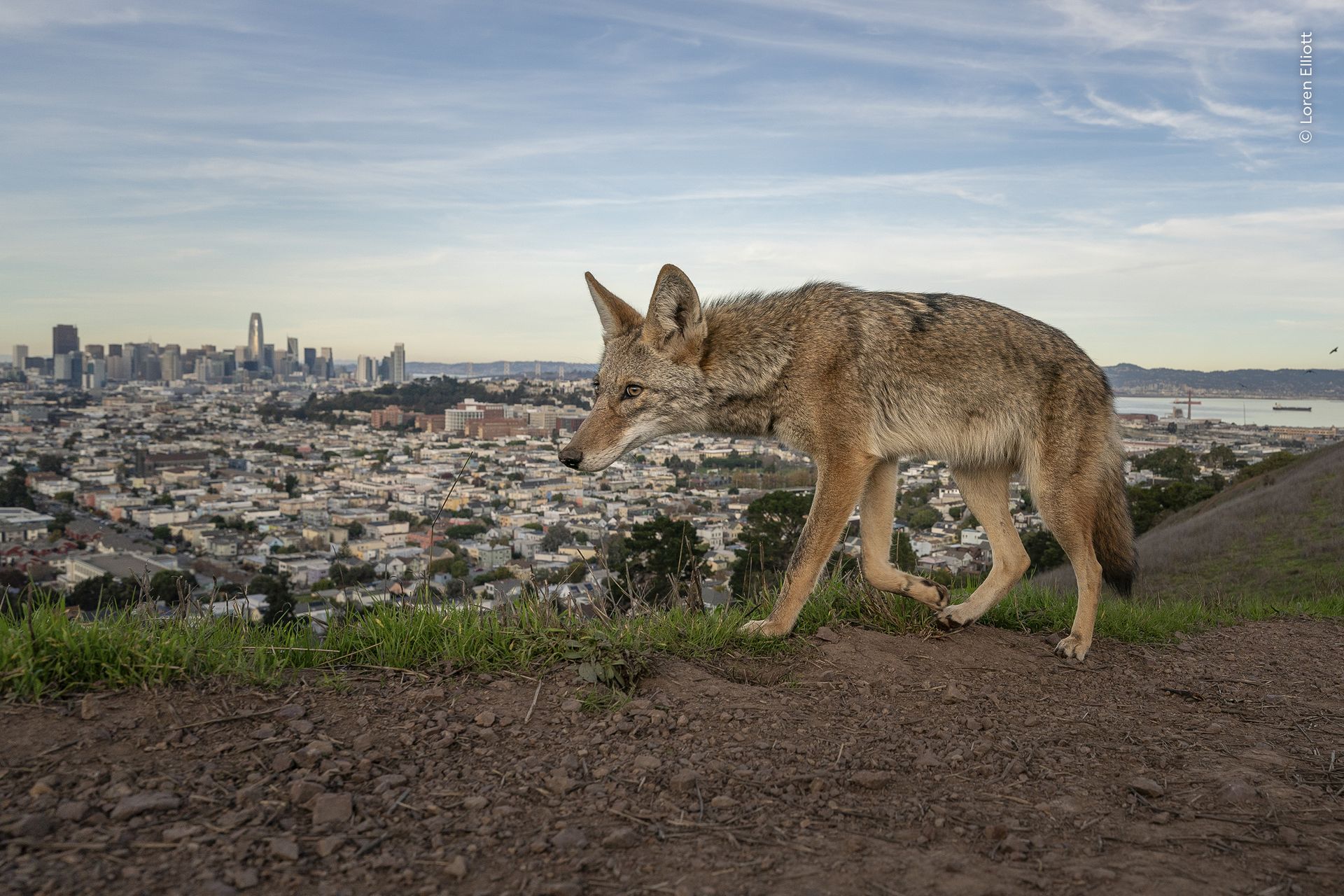
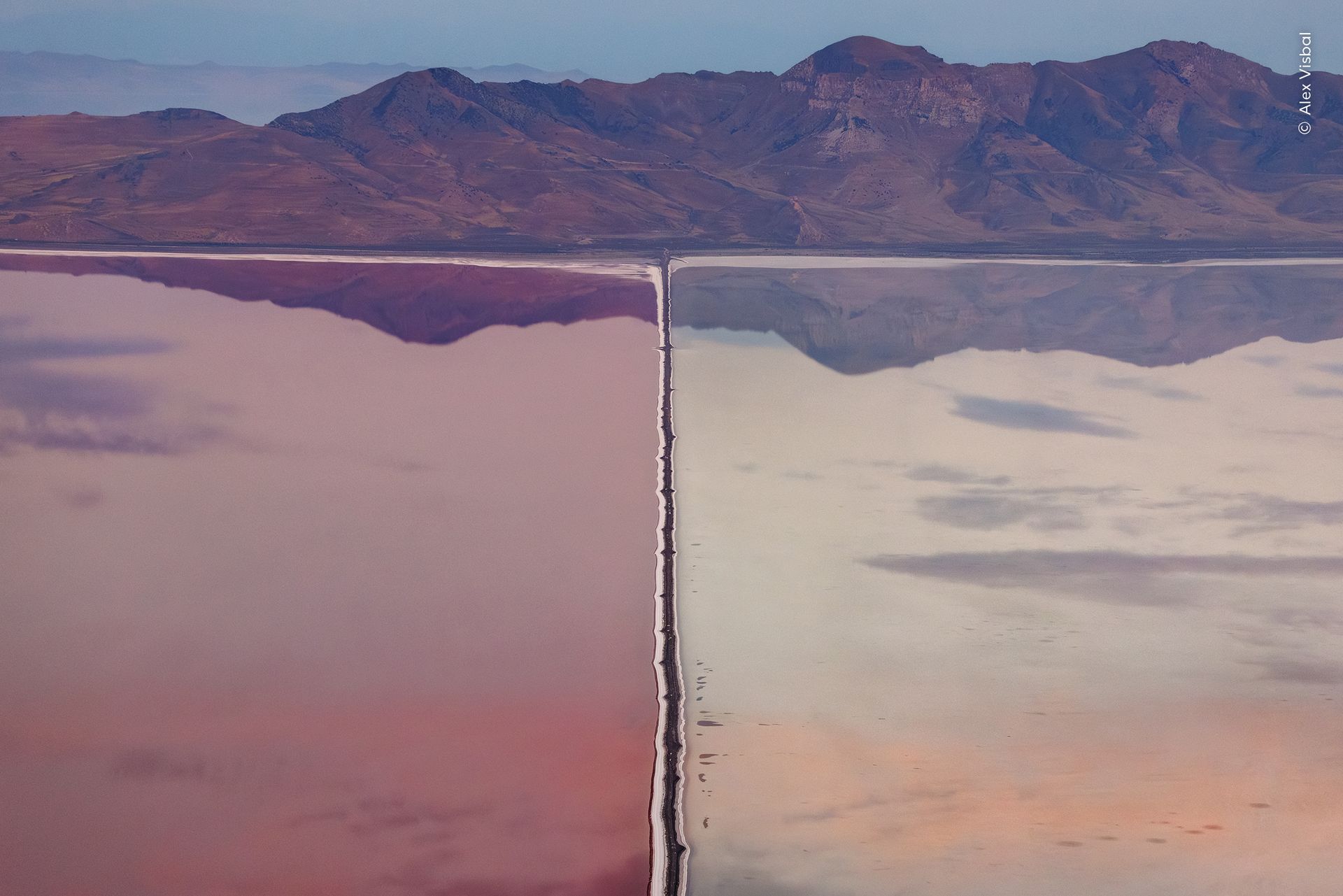
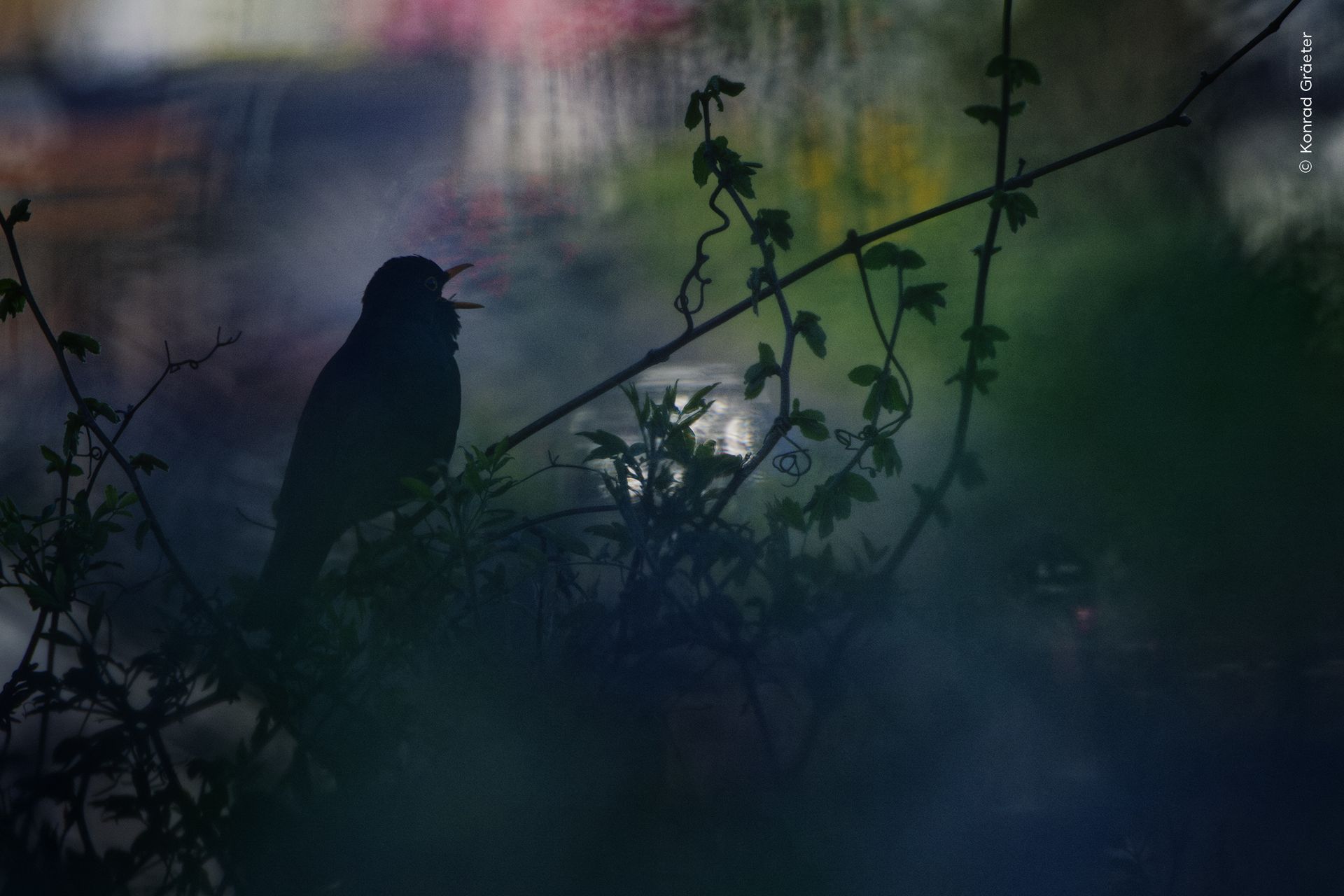
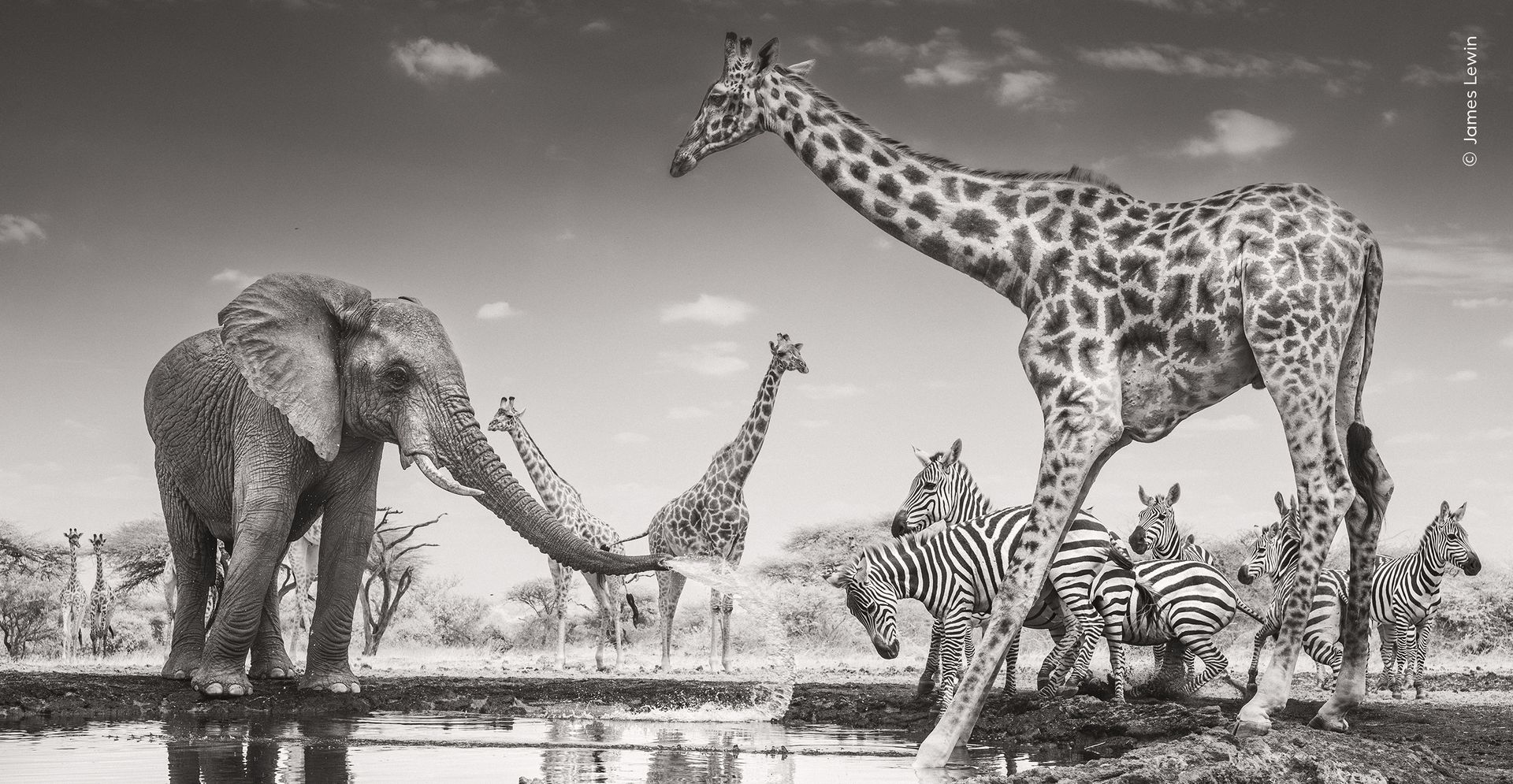
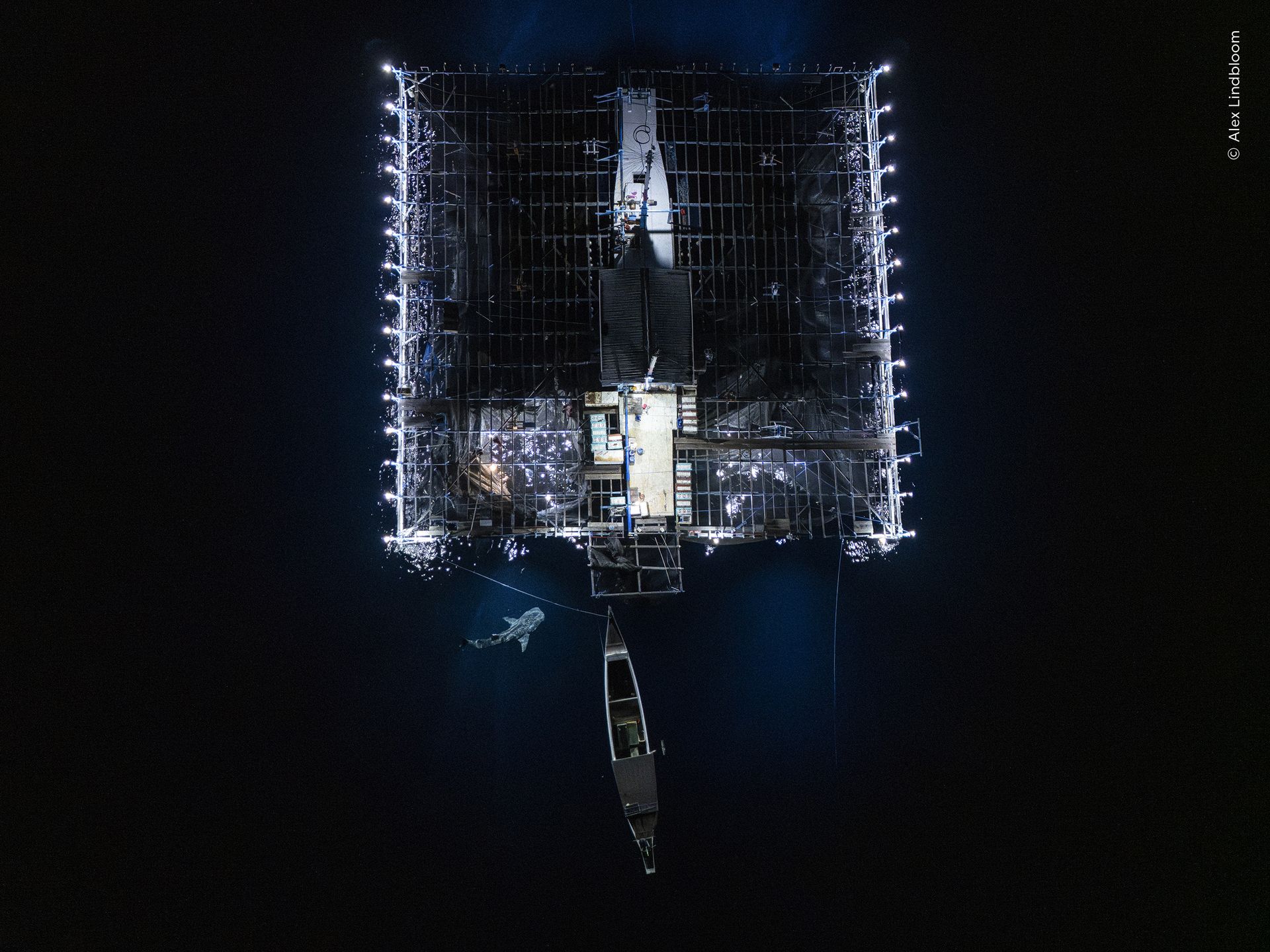
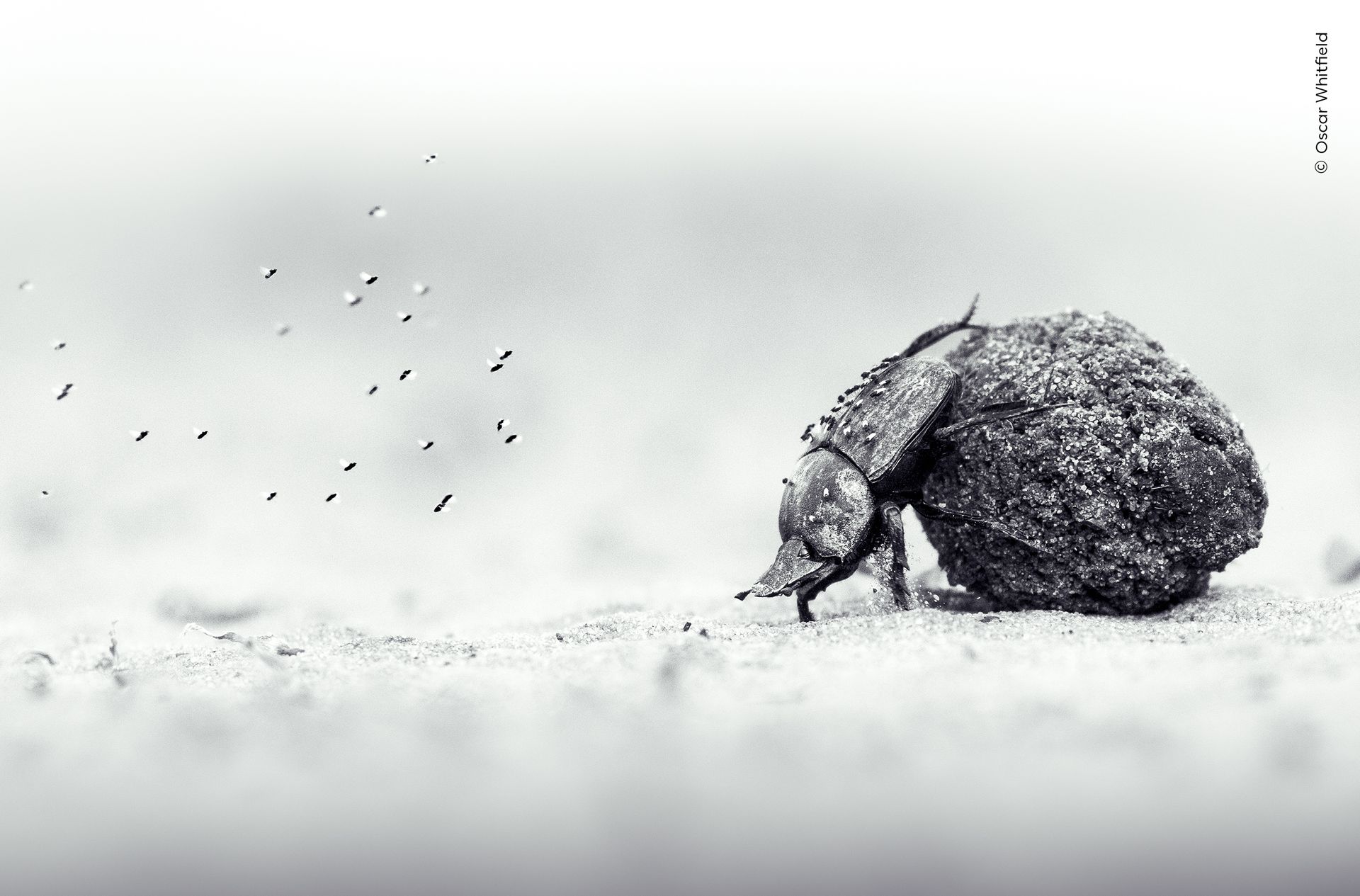
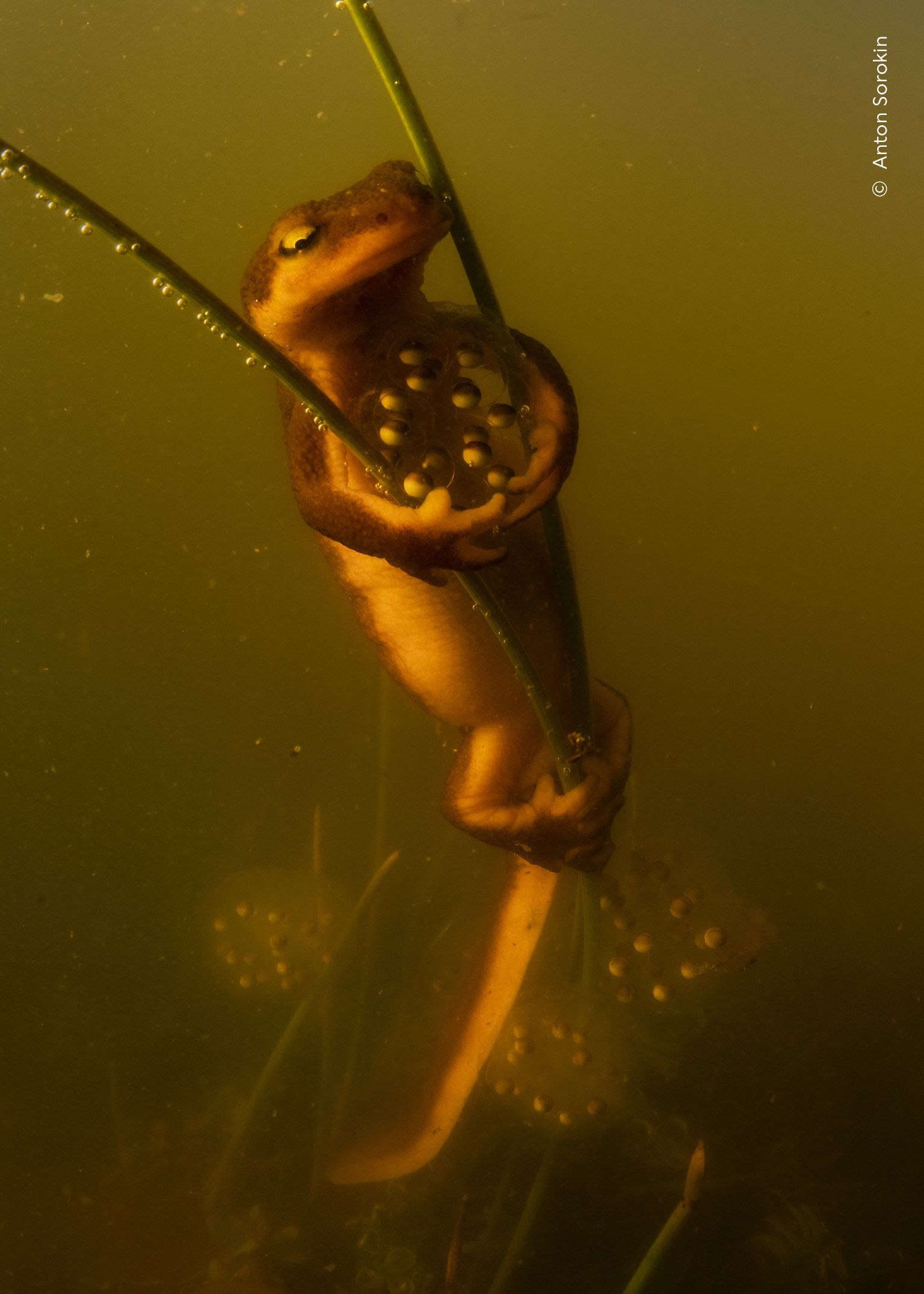
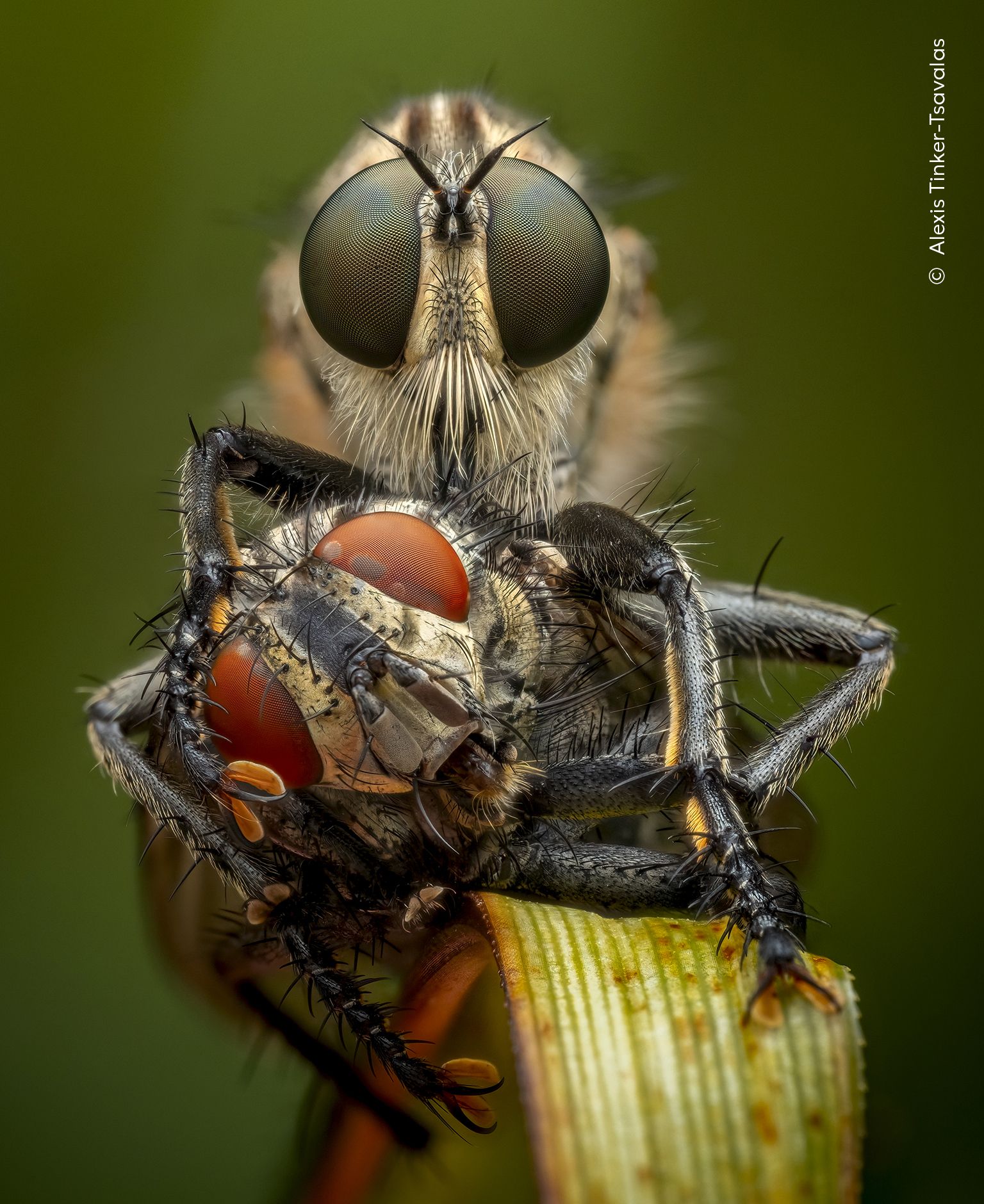
Warning Sign by Francisco Negroni, ChileWinner, Photojournalism. Location: Route 40, Santa Cruz Province, ArgentinaTechnical details: Canon EOS R5 + 70–200mm f2.8 lens; 1/640 at f3.2; ISO 100Francisco Negroni (Chile) / Wildlife Photographer of the YearShedding Light by Agorastos Papatsanis, GreeceWinner, Plants and Fungi. Location: Litochoro, Pieria, Greece. Technical details: Nikon D810 + Laowa 15mm f4 lens; 8.0 sec at f20; ISO 400; UV light; focus stack of 6 imagesAgorastos Papatsanis (Greece) / Wildlife Photographer of the YearEscape Artistry by Michał Michalski, PolandWinner, Natural Artistry. Location: Miłochowice, Lower Silesian Township, PolandTechnical details: Nikon D500 + 500mm f5.6 lens; 1/30 at f8; ISO 250Michał Michalski (Poland) / Wildlife Photographer of the YearShifting Sand by Sitaram Raul, IndiaWinner, Behaviour: Invertebrates. Location: Thar Desert, Rajasthan, IndiaTechnical details: Nikon D750 + 105mm macro lens; 1/250 at f14; ISO 125; Godox flashSitaram Raul (India) / Wildlife Photographer of the YearA Watchful Eye by Aaron Sanders, UKWinner, Animal Portraits. Location: Porthkerris Beach, Cornwall, England, UK. Technical details: Nikon Z8 + 24–50mm f4–6.3 lens + Nauticam WWL-C wet lens; 1/40 at f7.1; ISO 125; Inon Z-240 and Z-330 underwater strobesAaron Sanders (UK) / Wildlife Photographer of the YearWily Coyotes of San Francisco by Loren Elliott, USAWinner, Photojournalist Story Award. Technical details: Sony α9 II + 20mm f1.8 lens; 1/800 at f5.6; ISO 250; 2x Pocket Wizard Plus IIIe radio triggersLoren Elliott (USA) / Wildlife Photographer of the YearThe Great Divide by Alex Visbal, ColombiaWinner, Wetlands: The Bigger Picture. Location: Stansbury Bay, Great Salt Lake, Utah, USATechnical details: Canon EOS R5 Mark II + 70–200mm f2.8 lens; 1/640 at f3.2 (-0.67 e/v); ISO 1250Alex Visbal (Colombia) / Wildlife Photographer of the YearBirdsong Painted in Light by Konrad Gräeter, Germany. Winner, 15-17 Years. Location: Baden-Württemberg, Germany. Technical details: Fujifilm X-H2S + 150–600mm f5.6–8 lens; 1/800 at f8; ISO 400Konrad Gräeter (Germany) / Wildlife Photographer of the YearThe Meeting Place by James Lewin, UKWinner, Animals in their Environment. Location: ol Donyo Lodge, Chyulu Hills National Park, Makueni County, Kenya. Technical details: Nikon Z 7II + 28–75mm f2.8 lens; 1/800 at f7.1 (+1 e/v); ISO 800; camera converted to infraredJames Lewin (UK) / Wildlife Photographer of the YearNight-Time Catch by Alex Lindbloom, USAWinner, Oceans: The Bigger Picture. Location: Off Cenderawasih Bay, Papua, IndonesiaTechnical details: DJI Air 3 + 24mm f1.7 lens; 1/60 at f1.7; ISO 3200Alex Lindbloom (USA) / Wildlife Photographer of the YearLabour of Love by Oscar Whitfield, Zimbabwe/UK. Winner, 11-14 Years. Location: Zambezi National Park, Hwange District, Zimbabwe. Technical details: Canon EOS R6 Mark II + Sigma 150–600mm f5–6.3 lens; 1/1250 at f6.3; ISO 3200Oscar Whitfield (Zimbabwe/UK) / Wildlife Photographer of the YearProtective Pose by Anton Sorokin, USAWinner, Behaviour: Amphibians and Reptiles. Location: Contra Costa County, California, USATechnical details: Nikon D850 + 8–15mm fisheye lens; 1/100 at f18; ISO 400; Nauticam housing; Seacam 60D strobesAnton Sorokin (USA) / Wildlife Photographer of the YearHidden Depths by Alexis Tinker-Tsavalas, GermanyWinner, Rising Star Award. Technical details: Fujifilm X-H2 + Laowa 65mm f2.8 macro lens; 1/200 at f5.6; ISO 200; Godox V860III flash + Cygnustech diffuser; focus stack of 24 imagesAlexis Tinker-Tsavalas (Germany) / Wildlife Photographer of the Year