Close Menu
MyAppsPlus

    Subscribe to Updates

    Get the latest creative news from FooBar about art, design and business.

    What's Hot

    Can the US battery market untangle from China?

    September 13, 2026

    Are you using the right Ethernet port on your router? Here’s how to know

    September 13, 2026

    4 ways to get your iPhone ready for iOS 27

    September 13, 2026
    Facebook X (Twitter) Instagram
    Facebook X (Twitter) Instagram
    MyAppsPlusMyAppsPlus
    Sunday, September 13
    • Home
    • Breaking Tech
    • Apps & Software
    • AI & Automation
    • Android
    • iPhone & iOS
    • More
      • Reviews
      • How-To Guides
      • Deals & Discounts
      • Shop
    MyAppsPlus
    Home»Reviews»NEC drops its quantum computing work, marking an end to nearly 30 years of development
    Reviews

    NEC drops its quantum computing work, marking an end to nearly 30 years of development

    myappsplusBy myappsplusSeptember 12, 2026003 Mins Read
    Share Facebook Twitter Pinterest Copy Link LinkedIn Tumblr Email Telegram WhatsApp
    Follow Us
    Google News Flipboard
    NEC drops its quantum computing work, marking an end to nearly 30 years of development
    Share
    Facebook Twitter LinkedIn Pinterest Email Copy Link
    • NEC has reportedly ended quantum hardware development after nearly three decades of research
    • Several NEC quantum researchers have reportedly moved to rival Fujitsu
    • NEC once ranked first globally in semiconductor sales in 1990

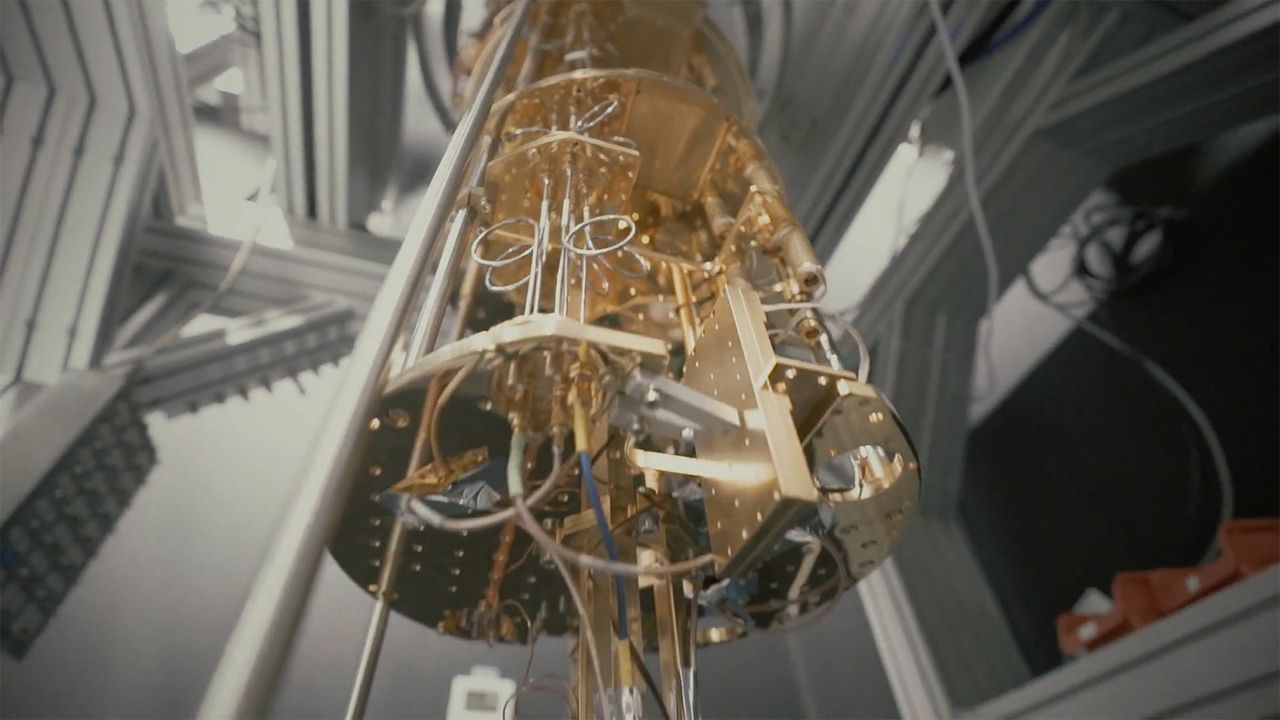
    NEC has reportedly stopped building physical quantum computers after roughly three decades of research into superconducting circuits and solid-state qubit technology.

    The Japanese technology company is instead expected to concentrate on quantum applications while avoiding the costs associated with developing physical machines.

    Several engineers connected to the initiative, including a senior research figure, subsequently moved across to rival firm Fujitsu to continue their work.

    A legacy built on chip dominance

    NEC once dominated the global chip industry, ranking first worldwide in semiconductor sales back in 1990, ahead of several rivals.

    Companies such as Hitachi, Toshiba, Fujitsu, Motorola and Intel all trailed well behind NEC’s chip business throughout that period.

    Intel eventually surpassed NEC as personal computer processors grew into a massive and highly profitable segment of the global electronics market.

    NEC’s 1999 breakthrough in superconducting qubits emerged from a firm that possessed vast internal expertise in solid-state device engineering and manufacturing.

    Its researchers produced the earliest known solid-state qubit, a milestone still referenced widely across the quantum computing field.

    Variants of that early breakthrough now quietly underpin quantum processors currently built separately by both technology giants Google and IBM.

    Unlike NEC, IBM remained committed to quantum hardware and grew into a leading global developer of quantum computing systems overall.

    That contrast makes NEC’s exit relatively rare among the original corporate pioneers of quantum computing hardware development.

    A retreat that took nearly a decade

    NEC did not exit the semiconductor business overnight; the retreat instead unfolded gradually across roughly a full decade of restructuring.

    The company effectively abandoned its DRAM memory operations in 1999, folding them into a joint venture that was later renamed Elpida.

    In November 2002, NEC spun off its remaining chip units, covering microcontrollers and system-on-chip devices, into an entirely new firm.

    That entity was subsequently renamed NEC Electronics, eventually becoming the major chipmaker now known globally as Renesas Electronics.

    NEC’s current business portfolio now centers on IT services, enterprise systems, aerospace, defense, telecom infrastructure, AI and security work.

    Quantum hardware development apparently did not fit naturally alongside that existing and increasingly diversified corporate business focus of the company today.

    NEC has not formally described the move as a complete withdrawal from quantum computing research.

    The company says it will keep assessing real-world uses and commercialization paths connected to quantum technology.

    Quantum computing hardware remains a notably costly pursuit, and returns on investment can take many additional years to materialize fully.

    Meanwhile, Fujitsu, working alongside research partner Riken, already launched a quantum computer built around 256 superconducting qubits last year.

    The firm aims to build a system exceeding 1,000 qubits sometime within 2026, according to earlier public statements from company officials.

    Longer term, Fujitsu has reportedly set a goal of building machines that carry over 10,000 superconducting qubits before fiscal 2030 arrives.

    NEC’s departure suggests that even firms with decades of deep expertise increasingly view quantum hardware as commercially unviable in the short term.

    Computing drops Pro quantum work
    Follow on Google News Follow on Flipboard
    Share. Facebook Twitter Pinterest LinkedIn Tumblr Email Copy Link
    myappsplus
    • Website

    Related Posts

    Can the US battery market untangle from China?

    September 13, 2026

    Are you using the right Ethernet port on your router? Here’s how to know

    September 13, 2026

    I’ve seen 2027’s new robot vacuums — here are 3 major trends set to level-up their cleaning, from drop-down suction boosters to… steam?

    September 13, 2026
    Add A Comment
    Leave A Reply Cancel Reply

    Top Posts

    The 6 AI-free Linux distros I recommend most

    August 19, 20263 Views

    AI, automation, robot dogs ensure on-site nuclear safety

    September 7, 20262 Views

    This tiny AI box could save me from upgrading my perfectly good laptop

    September 6, 20262 Views
    Latest Reviews

    Apple Wallet driver’s licenses are coming to North Carolina, but there’s a catch

    myappsplusAugust 18, 2026

    3 Japanese AI Stocks Turning Automation Spending Into Real Revenue

    myappsplusAugust 18, 2026

    Apple: DOJ’s latest challenge in antitrust case ‘fails at every level’

    myappsplusAugust 18, 2026
    Stay In Touch
    • Facebook
    • YouTube
    • TikTok
    • WhatsApp
    • Twitter
    • Instagram

    Subscribe to Updates

    Get the latest tech news from FooBar about tech, design and biz.

    Most Popular

    Apple Wallet driver’s licenses are coming to North Carolina, but there’s a catch

    August 18, 20260 Views

    3 Japanese AI Stocks Turning Automation Spending Into Real Revenue

    August 18, 20260 Views

    Apple: DOJ’s latest challenge in antitrust case ‘fails at every level’

    August 18, 20260 Views
    Our Picks

    Can the US battery market untangle from China?

    September 13, 2026

    Are you using the right Ethernet port on your router? Here’s how to know

    September 13, 2026

    4 ways to get your iPhone ready for iOS 27

    September 13, 2026

    Subscribe to Updates

    Subscribe to our newsletter and get the latest tech news, app updates, AI trends, smartphone reviews, and exclusive deals delivered straight to your inbox.

    Facebook X (Twitter) Instagram Pinterest
    • About Us
    • Get In Touch
    • Disclaimer
    • Privacy Policy
    • Terms & Conditions
    © 2026 MyAppsPlus. All Rights Reserved.

    Type above and press Enter to search. Press Esc to cancel.