


Sajid RazaPublished: Oct 25, 2026, 15:46 ISTUpdated: Oct 25, 2026, 15:46 IST
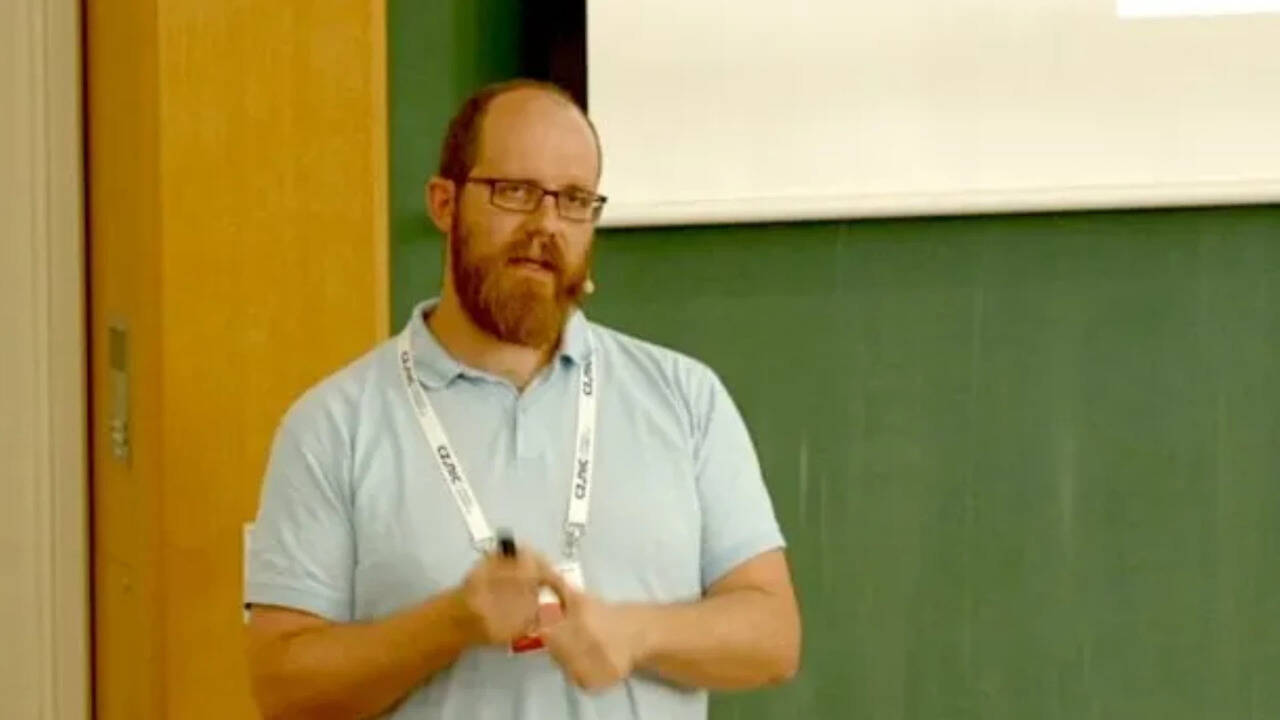
A volunteer software engineer from the Czech Republic, Ondrej Sury, has helped protect websites worldwide by quickly preparing security updates for two major vulnerabilities in PHP, one of the most widely used programming languages on the internet.
The flaws in security were of concern given that PHP is used for many websites and web applications. The flaws might give hackers a foothold in servers, the ability to access sensitive data and the ability to shut down websites.
The incident, described as a potential “PHPocalypse”, highlighted the importance of cybersecurity and the people who maintain the open-
PHP is a server-side language that is used to create Web pages and Web applications.
It assists in web pages and in data management and other necessary functions, like logins.
Reportedly, cybersecurity researchers cracked 2 high-risk PHP vulnerabilities with a cutting-edge AI model from OpenAI. Cybersecurity researchers discovered 2 high-risk PHPs vulnerabilities using an advanced AI model developed by OpenAI, according to reports. These vulnerabilities may enable intruders to break into vulnerable servers.
The issue has grown more critical since reports of these vulnerabilities also trailed out online ahead of the security patch.
Cloudflare CEO Matthew Prince said the company saw thousands of attacks targeting the vulnerabilities in the 10 hours prior to the public announcement. In 45 minutes, the number grew to tens of thousands, in two hours to hundreds of thousands and ended up at millions.
The rapid increase in attempted attacks demonstrated how quickly cybercriminals can respond when information about a security flaw becomes public.
Ondrej Sury is a software engineer from the Czech Republic who has been working with PHP for over 20 years contributing to the PHP ecosystem through the means of software packages.
He is actively involved in software availability as ready-to-install packages, so that software developers and system administrators can install software updates without having to build them from source.
After the PHP security issue arose, Sury hastened to get the necessary packages ready.
His work assisted website owners and management to put on the security fixes more easily.
The PHP Foundation (PHP developers and maintainers) had already reached out to Sury prior to the planned public release of the patch. But once information about the vulnerability became public, the release was expedited by a day.
Sury’s quick response helped make the security updates available at a critical time.
Once software vulnerabilities are identified, software developers must create patches to address the root cause of the vulnerabilities.
These patches need to be released in a way that users can install the fix to their systems.
In this instance, Sury worked to package up the PHP security patches into ready-to-use software packages.
This step was crucial because lots of site owners rely on these packages to update their systems. The administrators may have had to take more time to know about the changes and prepare the software and roll out fixes without them.
The wait may have put more at risk websites in the path of potential cyberattacks.
Sury also contributed to the backport of the security fixes to versions of PHP as old as about 10 years ago. This enabled them to expand the coverage of protection to those organisations that were not able to upgrade to newer software at the time.
Older software versions can be utilized for multiple years, especially in small businesses, schools and organizations that don’t have the resources to upgrade their overall technology.
Sury has helped with the task of preparing fixes for older versions, which has made the response more useful for a greater number of users.
In an interview with The Atlantic, Sury said he did not panic when he learned about the severity of the vulnerabilities.
He explained that his long experience maintaining software packages and the time available to prepare the updates helped him manage the situation.
Sury said he viewed the incident as a serious problem that needed to be solved rather than a reason to panic.
He also described his contribution as part of his responsibility towards internet users.
Although many people praised him for his role in the response, Sury played down the attention, explaining that he had been doing similar work for more than two decades.
His response demonstrated how experience, preparation and contributions from open-urity emergency
The security crisis also drew attention to the financial challenges faced by developers who maintain open-
After the incident, Sury has reported that there has been a tremendous surge in donations. The money had been collected over the course of 24 hours and was equal to the amount he had been able to raise over the course of a year.
Technology companies, businesses, governments and individuals use the open-
But the funds to support the maintenance of these tools aren’t always proportionate to their value.
Sury highlighted the need for companies that benefit from open-d security
He also noted that keeping key software alive can sometimes be like being high-taken advantage of whenever businesses rely on the software but can’t provide adequate monetary backing.
Sury also spoke about the increasing importance of Artificial Intelligence in Cyber Security. He said AI is accelerating both the offensive and defensive tactics.
AI capabilities can be utilized to detect vulnerabilities and aid developers in developing fixes. Meanwhile, hackers can also be leveraging sophisticated technology to gain an understanding of vulnerabilities and how to exploit them.
This necessitates a greater need for timely response to security issues, frequent software updates and continued investment in cyber security.
But the fundamental problem isn’t just technology, Sury said. Infrastructure for the internet is something that is rarely talked about and underfunded.
