

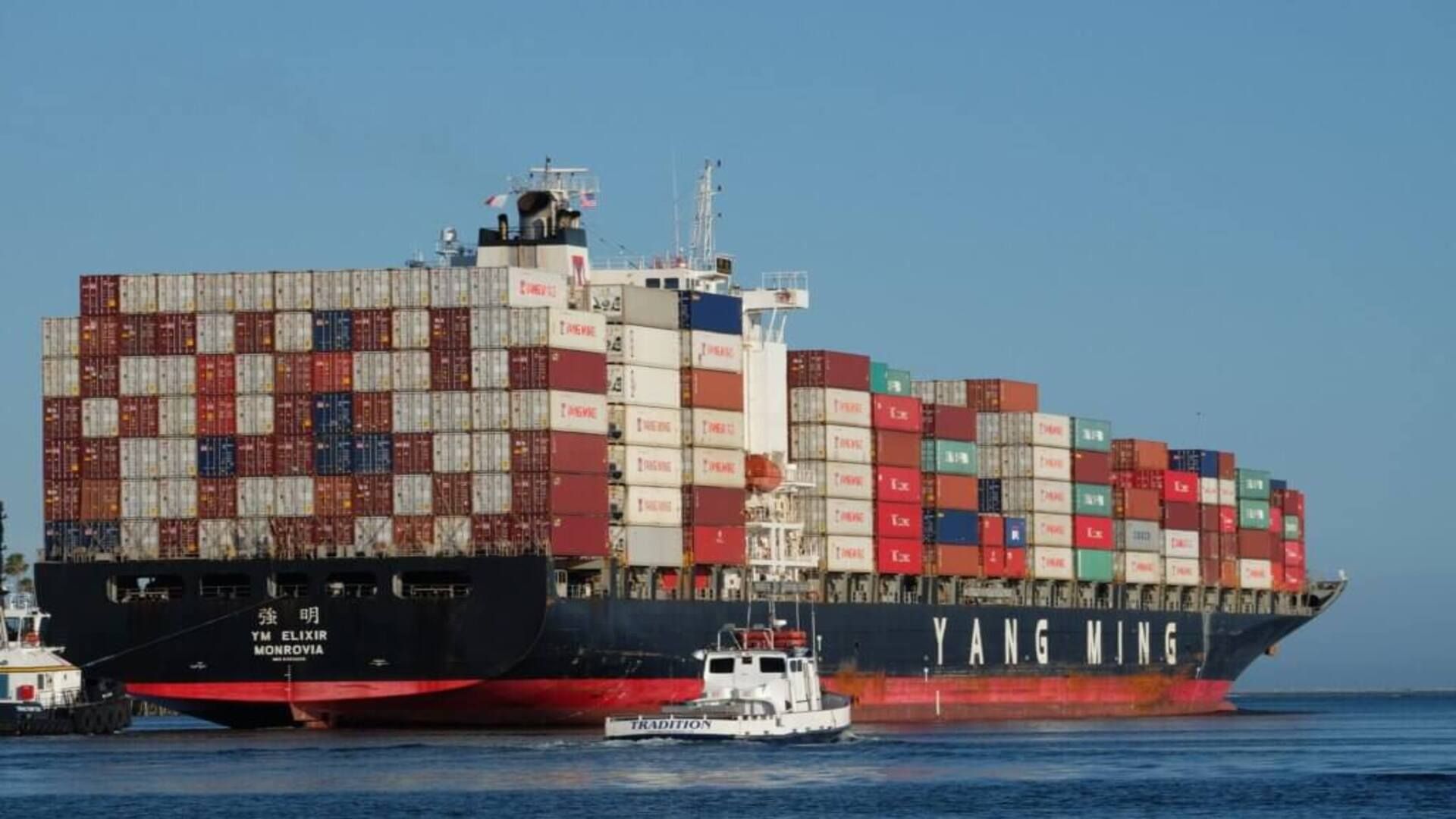
- A chatbot invented entirely false cargo details about a Chinese vessel
- Armed troops prepared to board the ship before anyone checked the source
- Military aircraft were already active when officials caught the error
A false intelligence assessment nearly triggered a US military invasion of a Chinese vessel after AI-assisted analysis wrongly identified its cargo.
The report circulated during the Iran conflict and prompted preparations to intercept the vessel before officials discovered serious problems with its underlying information.
Sources told CNN that armed personnel were preparing to board while military aircraft supported preparations, creating a potentially dangerous confrontation between major powers.
AI-assisted analysis produced the mistaken assessment
The episode began when an analyst examined intelligence concerning the ship’s manifest and used a chatbot to interpret information.
Sources said the system combined publicly available material with classified signals information before producing an incorrect assessment about the vessel’s cargo.
The analyst subsequently used AI again to prepare the findings in a standard intelligence format that was distributed among military officials.
Officials only examined the underlying information shortly before the planned operation, revealing that the reported cargo identification was wrong.
The exact material that the chatbot misidentified has not been disclosed publicly, leaving important details about the original error unavailable.
The Pentagon and the military command responsible for Pacific special <a href="https://myappsplus.com/agentic-ai-has-already-seeped-into-network-operations/” title=”Agentic AI has already seeped into network operations”>operations did not provide comments on the incident.
The episode comes as the US military expands its use of AI tools across intelligence, operations, administration, and battlefield decision-making.
In January, Defense Secretary Pete Hegseth announced an AI strategy intended to accelerate deployment across military missions and organizational functions.
“We will unleash experimentation, eliminate bureaucratic barriers, focus our investments and demonstrate the execution approach needed to ensure we lead in military AI,” Hegseth said.
The strategy includes programs for intelligence work, operational planning, enterprise functions, and wider access to generative AI systems.
The department later said more than 1.3 million personnel had used GenAI.mil, generating tens of millions of prompts within five months.
The incident exposes a difficult verification problem
The reported mistake involved more than an inaccurate chatbot response because its output entered a process used for consequential military decisions.
Once incorrect information appeared in a formal assessment, officials receiving the document had to determine whether its underlying evidence supported the conclusion.
There is no information on which verification procedures were applied before the assessment reached personnel preparing the maritime operation.
It also remains unclear whether the analyst knew that the chatbot had introduced an incorrect interpretation before the report circulated.
According to CNN, different military organizations use different AI systems, while officials have described varying practices for checking information produced by them.
That fragmented environment makes it difficult to identify a single verification process governing every AI-assisted intelligence product across the military.
AI tools can make military analysis faster and easier, yet their potential for significant errors requires strict human verification before operational decisions.
That need becomes more important when intelligence concerns a rival country, where an incorrect assessment involving a military vessel could trigger retaliation.
A mistaken attack could then escalate tensions between the countries involved, potentially producing a wider armed confrontation or prolonged political and military conflict.
