

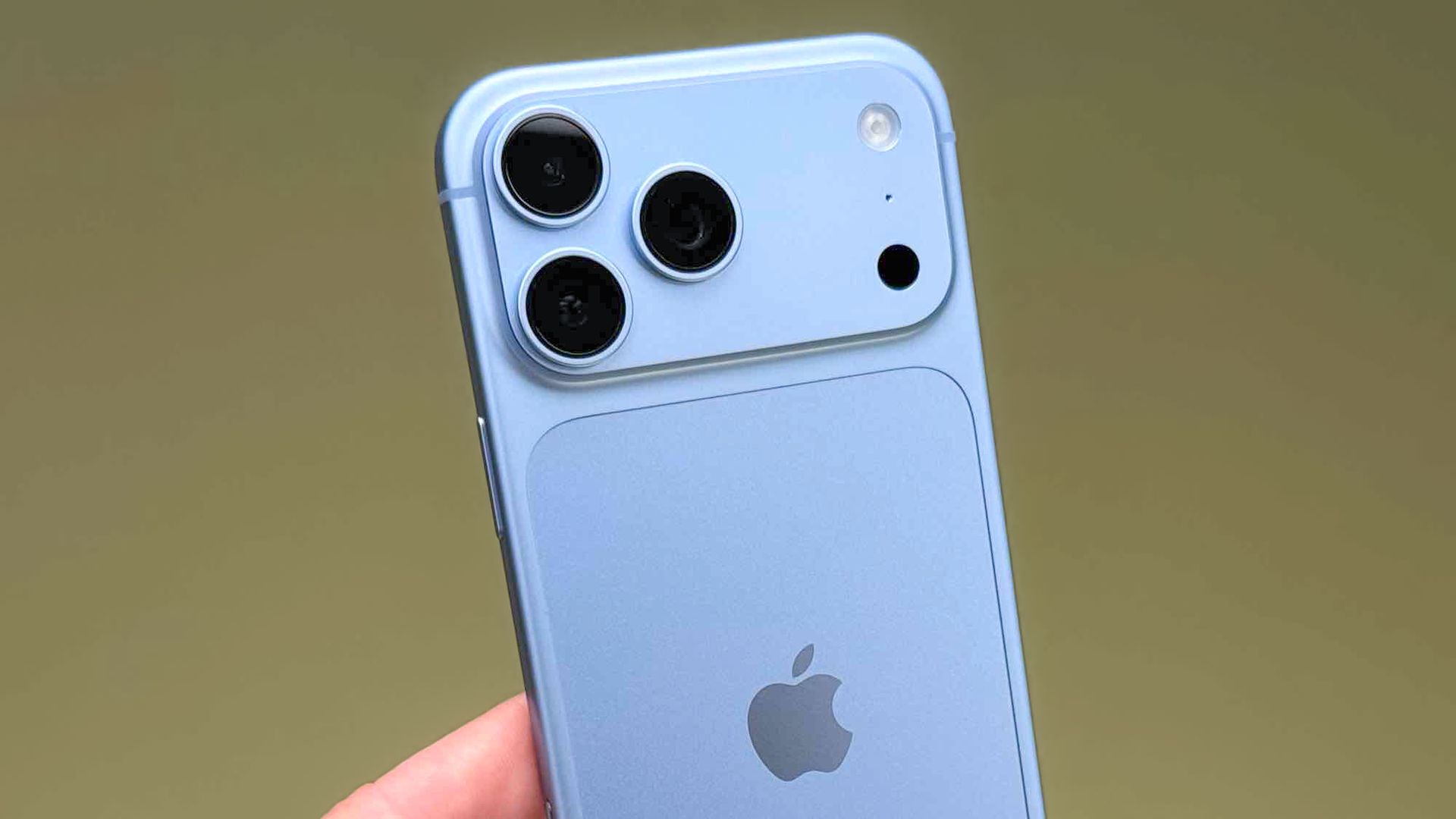
The iPhone 18 Pro and iPhone 18 Pro Max are out in the world, and that means we’re starting to hear about all the things Apple didn’t tell us about. The teardown specialists at iFixit have already revealed how large the batteries are inside the eSIM-only models that are on sale in the U.S. But what other secrets are hiding inside?
Here’s what was uncovered when iFixit popped open the iPhone 18 Pro and the iPhone 18 Pro Max.
The ins and outs of variable aperture
One of the biggest upgrades in the iPhone 18 Pro and Pro Max is the variable aperture camera lens, which lets you adjust how much light actually makes it through the camera lens. It’s a feature that a lot of people have raved about, though iFixit simply calls it “a nice gimmick.”
Why a gimmick? Because the site questions the feature’s validity altogether, given how iPhone cameras actually work. The camera sensors are a little over half an inch in size, which limits the potential to let more light inside the camera in the first place. The short focal length of the lens already ensures most of your photo is kept in focus, while depth of field effects, including bokeh, have been software-based for a long time.
Most crucially, though, is the fact that the variable aperture blades offer a brand new place for iPhone cameras to fail. More moving parts mean more things that can break, as users reported in the past on other variable aperture-capable phones like the Samsung Galaxy S9. This means that the ability to fix those blades is crucial, and apart from some issues with the screen reaching the camera, it isn’t that difficult.
However, any issues with the aperture blades will likely require a full replacement of the camera assembly — which isn’t going to be cheap. Apple’s official spare parts store sellsiPhone 17 Pro cameras for $250, and the addition of variable aperture isn’t likely to make a replacement iPhone 18 Pro camera any less expensive.
Sadly, replacing the aperture alone isn’t going to be possible. Getting inside the main lens is a complicated process, and putting everything back together again afterward straight isn’t going to happen. Better hope Apple’s reputation for quality control doesn’t fail when it comes to those blades.
That said, if the issue is with the blades being stuck, and you can live without them, iFixit did spot that the blades can be controlled with an external magnet. That hopefully means stuck aperture blades don’t necessarily mean a broken camera system.
What other changes are involved?
The iPhone 18 Pro and Pro Max don’t quite make Face ID a true under-display system, but it has moved the facial recognition hardware around in order to make the Dynamic Island slightly smaller. This includes moving the infrared camera from the center of the screen to the left-hand side, with a punch hole in the under-screen frame and allowing the IR camera to hide out of sight.
How does the IR light come through the screen? Inspection with a microscope shows that every other pixel over that holepunch is missing. This allows IR light to pass through without requiring a noticeable break in the display itself.
The A20 Pro chip has also been moved to the outside of the logic board, which should help it dissipate heat more easily by giving it a more direct route to the 18 Pro’s active cooling system. Speaking of which, the new vapor chamber looks at least twice as large as the one on the iPhone 17 Pro and spreads across almost the entirety of the phone.
Curiously, iFixit notices that the U.S. version of the iPhone 18 Pro Max does not use the Apple C2 modem. Instead, it still has a Qualcomm modem, which is likely to use a lot more power. That extra power consumption probably explains why it’s only in the U.S. eSIM variant of the 18 Pro Max, which has the larger 5,567 mAh battery.
How easy is it to repair the iPhone 18 Pro?
Sadly, the back panels in the iPhone 18 Pro and Pro Max don’t give you access to much, and fixing anything beyond the wireless charger is going to require you pop off the front screen — a complicated and fiddly process that has a good chance of causing problems.
In fact, the site opened up four iPhone 18 Pro models and found that removing the front glass broke the white plastic frame on three of them. That frame is a crucial part of the display panel, and it isn’t a part that can be purchased on its own. The broken frame means no water resistance and a screen that won’t ever stay flush against the rest of the device. Ouch.
The state of that frame is apparently inconsistent across the repair community, with some reporting breakages and others reporting no issues. It’s also been in Pro-tier iPhones since the 15 Pro, without causing nearly as many problems. Unfortunately, it’s not clear what might have changed this year, or what sort of external factors may have contributed to the repeated problems it faced. This means more testing is needed.
As for a battery repair, Apple has refrained from using any glue. Instead, the power pack is held in place by 13 different screws, and as much of a pain as it is to unscrew 13 tiny screws, it’s better than the alternative. The battery is still stuck to its tray with Apple’s special ionic adhesive, which disconnects when subjected to a 12V charge, but the tray itself is only attached via screws. I’ll be curious to see what the price difference is for replacement batteries with the tray and those without.
The USB-C port isn’t so lucky. While technically a modular component, the sheer amount of glue and screws involved in removing the board means it’s going to be a pain in the butt to remove and replace. Which is weird, with iFixit notes that the iPhone 16 Pro actually solved this issue two years ago. But sadly, port replacement has long been an issue with iPhones.
iFixit has complimented Apple’s repair support, particularly the availability of Apple’s thorough repair manuals. iPhone 18 Pro parts aren’t available yet, but they should be arriving in the near future, with the repair assistant tool all but eliminating the parts-pairing woes of the past.
iFixit has given the 18 Pro and Pro Max a provisional repair score of seven out of ten, with the score taking a hit on account of all major repairs having to go down through the screen. iFixit notes that the damaged frames haven’t been taken into consideration yet, simply because there are too many unknowns about why the white plastic has broken so easily.
However, the score itself isn’t going to be finalized just yet, at least not until Apple releases spare parts and iFixit can do more parts-pairing tests of its own.
- I spent 30 minutes with the iPhone Duo — 3 things you just don’t get from the pictures
- I put the iPhone 18 Pro Max vs. Galaxy S26 Ultra through a 7-round face-off — here’s the winner
- I’ve been testing the iPhone 18 Pro Max and iPhone 18 Pro — your 10 biggest questions answered
