

Android offers tons of options to keep your device secure and private; it’s well worth exploring them all.
According to a 2025 study by the Pew Research Center, nearly 75% of Americans have experienced some form of online scam. These are becoming increasingly complex, as the spread of sophisticated AI tools have made online attacks more diverse, effective and harder to detect.
Vishing, for instance, has seen crooks using AI-powered deepfakes to mimic the voices of a victim’s loved ones to scam them over the phone. Meanwhile, malware attacks are more dangerous and adaptive than ever. And that’s not to mention the often-overlooked privacy risks that many popular apps pose.
Luckily, on Android, you can address many of these security and privacy risks directly. From AI-powered scam detection tools to advanced theft protection measures, Android offers many features to keep you safe.
Update your software
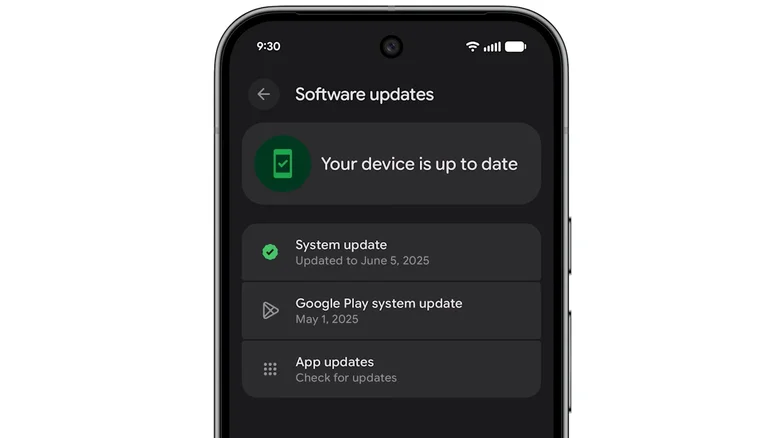
One of the easiest ways to protect yourself is to update your Android phone, ensuring you receive the latest bug fixes and security features. To check what version you’re using, open your phone’s Settings app and tap About Phone, where you’ll find a section titled Android Version. This shows the status of your operating system, security settings, Google Play system status and build number.
Android sends a notification when an OS update is available; tap it and follow the prompts to update right away. If you accidentally clear the notification or want to update later, go to Settings > System > Software Updates. Fully updated phones will display a checkmark, while a yellow arrow indicates an update is available. Install any available ones by tapping SystemUpdate.
To update apps, open Google Play and tap your profile picture at the top-right. Then, go to Settings > Network preferences > Auto-update apps. Here, select from several options depending on whether you want to update apps over Wi-Fi or mobile data; the best option depends on your phone’s data plan.
To check for app updates on-demand, tap your profile picture in Google Play and choose Manage apps and device. Under Updates available, hit Update all to run all pending updates or See details to review each app individually and install updates as desired. Some app may require new privacy permissions for updates, prompting you to confirm these new settings.
Enable Android’s basic protections

Enabling two-factor authentication secures your Google account, which is the key to so much on your phone. To add this, visit your Google Account management page, select Security & sign-in, and then under How you sign in toGoogle, hit 2-Step Verification. Walk through the steps to add a secondary step.
Another simple protection is to enable your phone’s automatic backup feature: go to Settings, tap Google and select Backup. If it is your first time doing so, follow the prompts to back up your phone. If not, navigate to Manage backup, where you can adjust your data settings and enable automatic backups. With a backup, you won’t lose crucial data if your device is stolen or lost.
One of Android’s most important security features is the Find Hub app, which allows you to see your device’s last known location, ring it, erase your personal information, track lost luggage, and share your location with friends and family. Although Find Hub is automatically enabled, taking some steps ensures your device can be found using it.
Make sure you’ve turned on location permissions by visiting Settings > Location > Use location. Next, go to Settings > Security > Find Hub and confirm Allow device to be located is enabled. You can find your Android device by visiting Google’s Find Hub website in any browser. Google’s Find Hub support page has great advice on preparing your phone for recovery before it’s lost.
Turn on anti-scam features
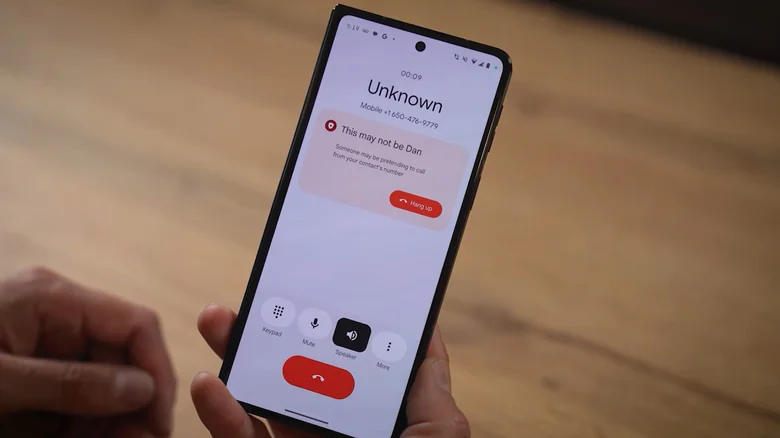
Android features multiple scam detection tools to alert you about potentially malicious phone calls or texts. One, called Scam Detection, uses Gemini’s AI models to detect the “subtle conversational patterns used in job offer scams or sophisticated romance baiting scams.” If enabled, you’ll hear a series of beeps and receive a notification alerting you to a potential scam.
Due to the sensitive nature of many calls, this feature is disabled by default. To turn it on, open the Phone app, tap the Menu icon at the top-left, and choose Settings. Then, find Scam Detection and toggle it to active. While this is currently only available for Google Pixel phones, Google has announced that it will bring the tool to other phones, starting with the Samsung Galaxy S26.
Android offers a similar tool targeting texting schemes; you’ll get a warning about potential scams when on-device AI detects a suspicious message. The alerts provide the option to dismiss them, report the scammer or block the number. Google assures that the AI’s algorithm occurs entirely within your device, meaning none of the contents are uploaded to an outside database or cloud server.
This feature is on by default and only applies to conversations with people not in your contact list. If you don’t want your phone scanning conversations, disable it by going to Messages, tapping your profile icon, then choosing Protection & Safety. From there, you can enable or disable Spam protection.
Manage your privacy settings
Part of securing Android is defining how applications can interact with your personal data. To adjust these options, open the Settings app, tap Apps, find your desired application and select Permissions, where you can customize privacy settings. For some (including camera, location and microphone), Android may offer more precise customization options.
Android’s permission manager also presents these based on permission type instead of a per-app basis. To use this view, open the Security & Privacy section of the Settings app, navigate to Privacy, and choose Permission manager. Here, you’ll see a breakdown of permission types; choose one to review and adjust which apps have that permission.
Permissions include your calendar, call logs, photo library, physical activity metrics, body sensors, text messages and other critical data. Which ones are appropriate depend on the app. For example, location access is essential for a navigation app to work correctly, while being completely unnecessary for a card game. Ultimately, permissions are a cocktail of your tolerance for data sharing and desired app functionalities.
Another helpful setting is having Android pause access for unused apps, preventing apps you haven’t touched in months from sucking up your data. To enable this, tap Settings > Apps > See all apps. Next, choose the one you want to pause, navigate to Unused appsettings, and enable Pause app activity if unused.
Customize your advertisement settings

You may be surprised to learn that your phone usage is shared with advertising partners. Android allows you to opt out of this form of data sharing by visiting Settings > Google > All services> Privacy & security > Ads > Ads privacy. There, you’ll find several ad-related settings.
The first is called Ad topics, where Android shares topics (up to three at a time) you may be interested in with advertisers. Turn off the feature by navigating to Ad topics in the above menu. If you choose to leave this enabled, you can remove specific topics.
Android also allows you to block apps from suggesting ads to other apps. On the same menu, select App suggested ads. You can also block specific apps from suggesting ads in this section.
Finally, you can prevent Android from using your personal data to measure the effectiveness of these advertisements. Visit the Ad measurement section of Ads privacy to enable or disable the feature. For a more drastic step, consider removing yourself from targeted advertising entirely using Opt out of Ads Personalization.
Protect against harmful apps
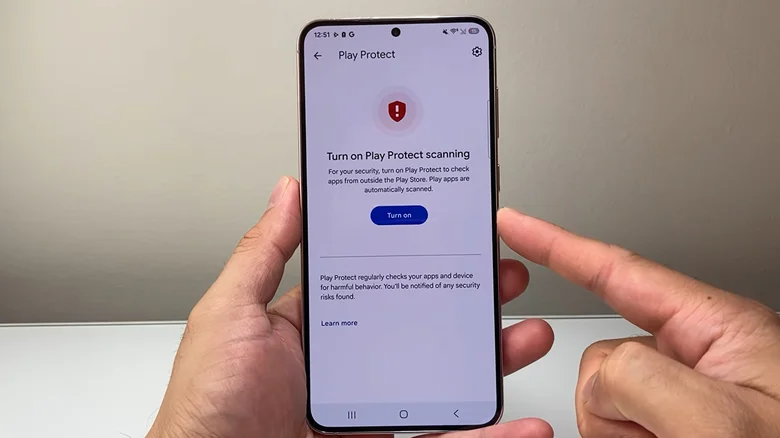
Most of what’s on the Play Store is safe, but it’s still important to be aware of what you’re downloading. Criminals can hide malware within seemingly innocuous apps, sometimes circumventing Google’s security protections. This is why the Google Play Protect feature protects you from harmful apps.
Enabled by default, Play Protect scans apps for malware or harmful data sharing as you download them. The system also periodically scans your device for harmful activity, as malicious apps can lay dormant for months or years before executing malware. If Android finds a problematic app, it will remove it, disable it or send you a notification.
To verify your phone is protected, open the Google Play Store, tap your profile icon at the top-right and go to Play Protect > Settings > About. You’re able to disable this functionality by tapping the Play Protect entry in the Play Store’s profile menu, then choosing Settings. Here, you’ll find the Scan apps with Play Protect slider. Google strongly suggests you “always keep Google Play Protect on,” as disabling it can expose you to dangerous apps.
App security concerns are much more acute if you sideload apps from outside Play Store, as they haven’t undergone the same security checks. Those who sideload can do so more safely by enabling Improve harmful app detection, which automatically sends non-Play Store applications to Google for review. You might also consider an Android antivirus app if you regularly sideload.
Turn on theft protection
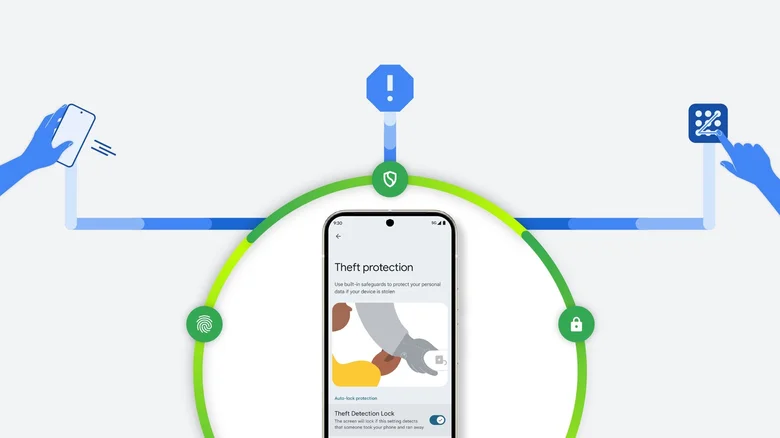
Having your phone stolen is awful, but it can be less panic-inducing than you’d expect with Android’s suite of threat protection features. To turn on theft protection, go to Settings > Google > All services. From there, navigate to the Personal & device safety section and tap Theft protection, which holds several advanced security features.
The first is called Theft Detection Lock, which uses your phone’s Wi-Fi, Bluetooth and motion sensors to detect if someone forcefully takes your phone. To enable this, enable Theft Detection Lock in the above settings page. A similar security measure, dubbed Offline Device Lock, automatically locks your screen if someone takes your device offline to prevent you from tracking their movements in Find Hub.
The Failed Authentication Lock feature in the same menu protects from someone guessing your PIN. Identity Check adds an additional layer of security, as it requires your biometric data to change critical security features like passwords or two-factor recovery.
Another useful theft protection tool is Android’s Remote Lock feature, which has you lock your device from a verified phone number. To enable this, your phone must have an active SIM card, a verified phone number, and Find Hub activated. Once it’s on, you can remotely set your stolen phone’s screen to lock when it comes back online. To do so, visit android.com/lock, enter your phone number, and follow the prompts. You also can add a security question to restrict the feature in the Remote Lock menu.
