Close Menu
MyAppsPlus

    Subscribe to Updates

    Get the latest creative news from FooBar about art, design and business.

    What's Hot

    Giant $450 price drops hit Samsung Galaxy S26 Ultra in brand new condition today

    November 6, 2026

    Tesla will stop making the Cybertruck in 2027

    November 6, 2026

    Motorola Razr Fold gets a much-needed software update, but still no Android 17

    November 6, 2026
    Facebook X (Twitter) Instagram
    Facebook X (Twitter) Instagram
    MyAppsPlusMyAppsPlus
    Friday, November 6
    • Home
    • Breaking Tech
    • Apps & Software
    • AI & Automation
    • Android
    • iPhone & iOS
    • More
      • Reviews
      • How-To Guides
      • Deals & Discounts
      • Shop
    MyAppsPlus
    Home»Breaking Tech»Big Tech Companies Repeat Same Losing Arguments in New Challenge to California’s AB 1709
    Breaking Tech

    Big Tech Companies Repeat Same Losing Arguments in New Challenge to California’s AB 1709

    myappsplusBy myappsplusNovember 6, 2026003 Mins Read
    Share Facebook Twitter Pinterest Copy Link LinkedIn Tumblr Email Telegram WhatsApp
    Follow Us
    Google News Flipboard
    Big Tech Companies Repeat Same Losing Arguments in New Challenge to California’s AB 1709
    Share
    Facebook Twitter LinkedIn Pinterest Email Copy Link

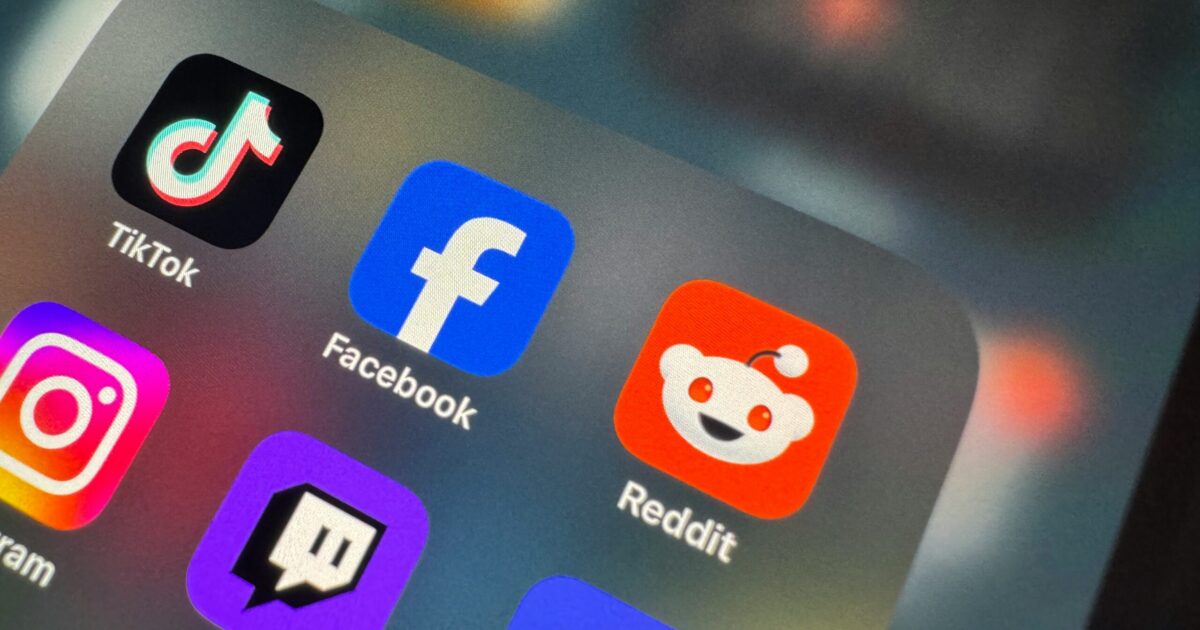
    Yesterday, three Big Tech companies—Meta, Google, and TikTok—filed lawsuits against California’s AB 1709, arguing that the law’s prohibition on deploying addictive feeds and other addictive features to minors violates the companies’ First Amendment rights to curate and distribute speech. The tech companies’ new lawsuits mostly rehash the same arguments the companies made, and a district court rejected, in a similar case in August. In that case, the judge ruled that the companies’ addictive design of their feeds was not speech protected by the First Amendment. The judge cited EPIC’s amicus brief throughout the opinion.

    Big Tech companies have a history of ignoring or reimagining court decisions they do not like. The most significant example is the tech companies’ insistence that the Supreme Court’s 2024 decision in Moody v. NetChoice was a groundbreaking win for them that prevents the government from regulating any aspect of their platforms’ designs. In reality, Moody was a major blow to Big Tech in two significant ways. First, it prevented the companies from winning using their favored litigation strategy of requesting sweeping relief from regulation based on barebones legal arguments and evidentiary records. Moody also narrowly delineated the First Amendment protections that should be afforded to tech companies’ design decisions—far from the absolute protections the companies’ claim it affords. 

    Courts are increasingly aware of Big Tech’s sloppy litigation tactics and have been rejecting the industry’s claims that the First Amendment shields them from accountability. Since the Moody decision, Big Tech has failed to score a significant win in the appellate courts and has suffered many substantial losses:

    • In three decisions over the last two years, the Ninth Circuit has largely rejected Big Tech trade group NetChoice’s arguments that regulations of platforms’ data practices and design features violate the First Amendment. The Court’s latest decision took NetChoice to task for ignoring the decision in Moody and for recycling arguments the Ninth Circuit had previously rejected.
    • In June, the Sixth Circuit rejected NetChoice’s request for an injunction against an Ohio law limiting minors’ access to social media platforms. The two judges in the majority agreed that Big Tech’s interests conflicted with those of its minor users and so the companies could not assert its minor users’ First Amendment rights to access the platforms. The judges also agreed that Big Tech was not entitled to relief based on their own asserted First Amendment rights.
    • In October, the Eleventh Circuit issued two decisions rejecting Big Tech’s challenges to Georgia and Florida laws limiting minors’ access to social media platforms. The Court found that NetChoice, the plaintiff in the Georgia suit, and the Computer & Communications Industry Association, another industry trade group that challenged the Florida law, both failed to carry their burden to facially invalidate the laws under Moody. The Court also rejected CCIA’s argument that the Florida law violated the First Amendment as applied to its members, finding that the law, which focused on addictive design, was adequately tailored to protect minors from the companies’ harmful business practices.

    EPIC has participated as amicus in a series of cases to counter Big Tech’s attempts to use the First Amendment to shield harmful design practices, including in the related litigation regarding California’s SB 976, where our briefs have been cited in several decisions. EPIC regularly advocates for social media design regulations and files amicus briefs in cases where tech companies deploy overbroad First Amendment and Section 230 theories to overturn common-sense privacy and safe design laws.

    companies Losing Repeat same tech
    Follow on Google News Follow on Flipboard
    Share. Facebook Twitter Pinterest LinkedIn Tumblr Email Copy Link
    myappsplus
    • Website

    Related Posts

    Tesla will stop making the Cybertruck in 2027

    November 6, 2026

    The New York Times Company is reportedly trying to buy Letterboxd for $330 million

    November 6, 2026

    Sony’s MDR-3R wired headphones are steeped in retro aesthetics

    November 6, 2026
    Add A Comment
    Leave A Reply Cancel Reply

    Top Posts

    Cathay Pacific tests Google AI that dramatically cuts airplane contrails — tiny altitude shifts slash environmental impact by 40% in early trials

    September 8, 2026138 Views

    Save on your groceries, gas, and holiday shopping with this $15 BJ’s membership (Reg. $60) 

    November 4, 202621 Views

    Apple is making Creator Studio an even better deal with new AI features and creative tools

    October 28, 202619 Views
    Latest Reviews

    AirTag 2 4-Pack Drops to $79.99 on Amazon, Matching Record Low

    myappsplusSeptember 5, 2026

    Electrified Weekly – ENGWE E26 3.0 all-terrain e-bike $699 off launch deal + Labor Day sales on EVs, power stations, more

    myappsplusSeptember 5, 2026

    There’s much more to the TCL P80 Ultra than standout screen tech

    myappsplusSeptember 5, 2026
    Stay In Touch
    • Facebook
    • YouTube
    • TikTok
    • WhatsApp
    • Twitter
    • Instagram

    Subscribe to Updates

    Get the latest tech news from FooBar about tech, design and biz.

    Most Popular

    Forrester says $1M B2B deals are going self-serve, and alignment breaks first

    September 5, 20260 Views

    Indie App Spotlight: ‘KeyAlarm’ turns your most important calendar events into alarms

    September 5, 20260 Views

    How to watch Argentina vs Australia 2nd Test for FREE: Live streams & TV channels for the rugby international

    September 5, 20260 Views
    Our Picks

    Giant $450 price drops hit Samsung Galaxy S26 Ultra in brand new condition today

    November 6, 2026

    Tesla will stop making the Cybertruck in 2027

    November 6, 2026

    Motorola Razr Fold gets a much-needed software update, but still no Android 17

    November 6, 2026

    Subscribe to Updates

    Subscribe to our newsletter and get the latest tech news, app updates, AI trends, smartphone reviews, and exclusive deals delivered straight to your inbox.

    Facebook X (Twitter) Instagram Pinterest
    • About Us
    • Get In Touch
    • Disclaimer
    • Privacy Policy
    • Terms & Conditions
    © 2026 MyAppsPlus. All Rights Reserved.

    Type above and press Enter to search. Press Esc to cancel.