

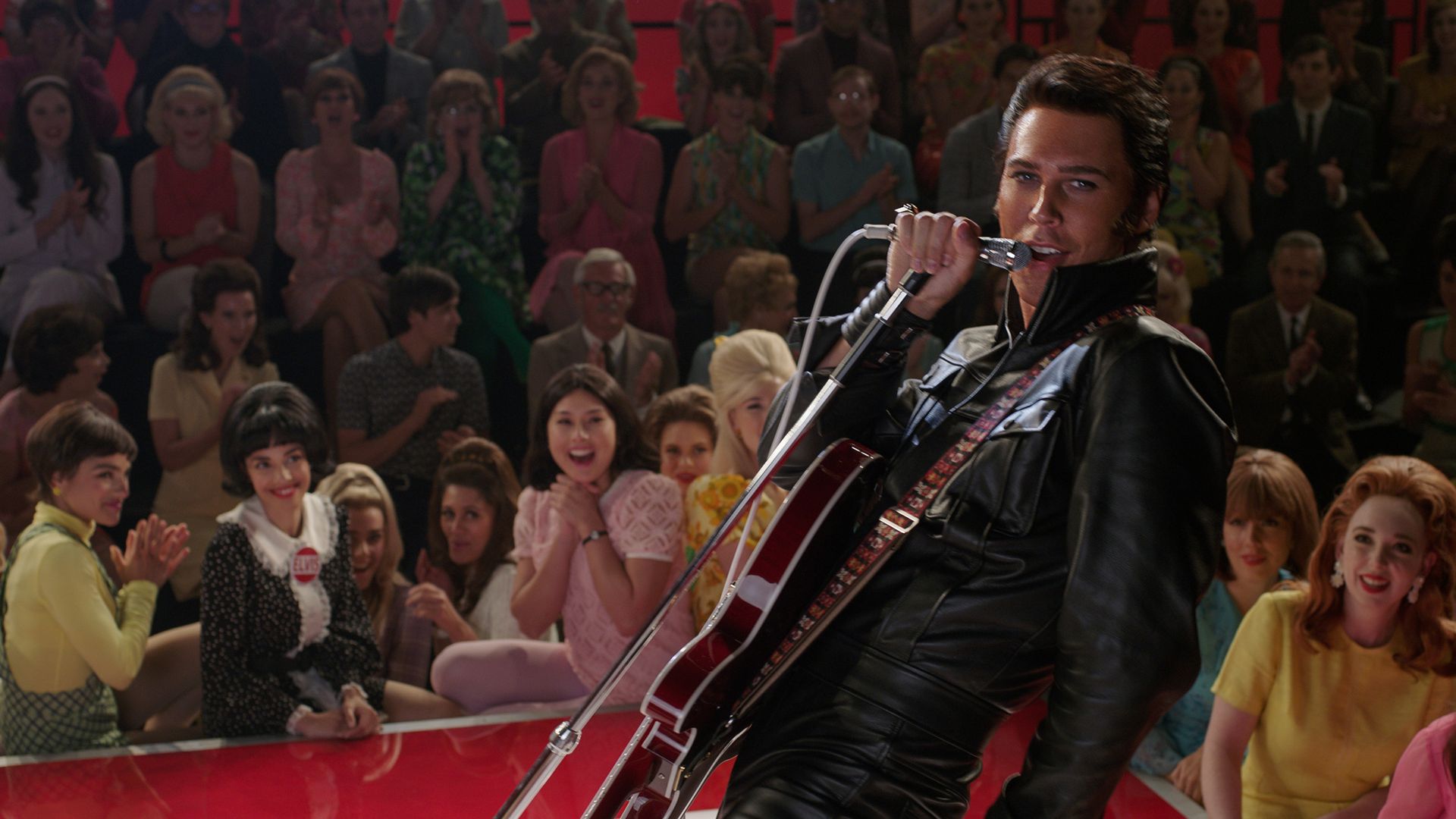
Elvis Presley has been dead for nearly 50 years, but apparently even the ‘King of Rock and Roll’ can’t escape the AI industry’s appetite for training data. The owners of 274 Elvis songs made famous by Presley have sued Anthropic, accusing the company behind Claude of using his music without permission to build its AI models, and are seeking tens of millions of dollars in damages.
AI companies should have to take copyright seriously too, even if that makes their business models more expensive.
Anthropic disputes the allegations and says it intends to defend the case. AI companies have long argued that training models on copyrighted works can qualify as fair use, an issue courts are still working through. There’s an important legal difference between learning patterns from existing material and reproducing protected expression, but that distinction has become a remarkably convenient place for the AI industry to hide its enormous dependence on other people’s creativity.
It’s hard to sympathize with the companies on the receiving end of these sorts of lawsuits, even when the plaintiffs are not without resources of their own. Unfortunately, these disputes are becoming all too normal. AI-powered music is becoming more widespread, if not necessarily popular, and we’ve reached a point where discovering that an AI company allegedly used hundreds of copyrighted songs without permission barely qualifies as surprising news.
The only unusual part is that this time the person whose music is at the center of the dispute happens to be Elvis Presley.
A little less uncompensated song use
The lawsuit makes an accusation that goes beyond simply using copyrighted material for training. According to the complaint, Claude could generate material that closely resembled existing Elvis songs, even after Anthropic introduced safeguards intended to prevent infringement. Requests to recreate songs for modern audiences allegedly produced versions retaining recognizable elements of the originals.
Claude is an impressive assistant, but its ability to answer questions doesn’t suddenly make songwriters’ copyright interests irrelevant.
An AI model learning about music isn’t automatically infringing copyright, and copyright law doesn’t give anyone ownership of an entire musical style. But if a commercial AI system reproduces protected lyrics or creates unauthorized adaptations, it’s hard to see why the company behind it should get a special exemption simply because the copying happens through complicated software.
AI companies have been trying out various arguments in court, but a lot of it feels like an attempt to claim that AI development is so important that the usual rules should somehow bend around it. Training requires enormous amounts of information, and licensing everything would be expensive or inconvenient, but that’s a standard headache for companies whose products rely on copyrighted material.
TV shows and movies license music, whether an original track or just the right to record a new version for their project. No company is allowed to simply grab hold of copyrighted material simply because clearing it would slow down development. AI companies should have to take copyright seriously too, even if that makes their business models more expensive.
It’s also particularly galling that songs people spent years creating and popularizing can become raw material for commercial technology without the rights holders having any meaningful say. Access to a work and permission to exploit it are separate questions, regardless of how sophisticated the software becomes. Ignoring those rules is why artists who passed away decades ago seem to produce new music whose earnings don’t go to their estate.
AI music turns the volume up
Elvis is hardly the first musician to become part of this fight. Major music publishers have already sued Anthropic over allegations involving copyrighted lyrics, while AI music generator Suno has faced legal challenges from record labels. The Elvis lawsuit stands out because it focuses on the catalog associated with one of the most recognizable performers in history.
That fame might help draw attention to a problem that has affected considerably less powerful creators for years. Independent artists may struggle to establish whether their work was used to train a model. If someone with Elvis Presley’s commercial legacy needs a federal lawsuit to challenge alleged unauthorized copying, ordinary musicians’ prospects look bleak.
Of course, the companies controlling Elvis’s catalog aren’t struggling artists themselves, but that doesn’t make the underlying complaint any less important. The principle shouldn’t depend on whether the copyright owner is wealthy or famous.
I’m also not convinced that every AI company needs unrestricted access to practically everything ever written or recorded to produce useful technology. Claude is an impressive assistant, but its ability to answer questions doesn’t suddenly make songwriters’ copyright interests irrelevant. If AI developers want to build profitable products using creative works, they should be prepared to explain where that material came from and why they were entitled to use it.
The courts may decide in Anthropic’s favor due to fair use, but even that ruling wouldn’t automatically mean AI companies have permission to go wild on every song ever recorded. The best path forward won’t be as simple as making it always allowed or illegal to use copyrighted material for AI training, but the companies building these systems shouldn’t rely on their ambitions as a good enough reason to ignore rights holders.
The AI industry has become very good at explaining how much it needs human creativity, but it’s time it became equally good at respecting the people responsible for it.
