

Middle East
The scale of recent missile and unmanned aerial vehicle (UAV) attacks creates a critical imbalance between the number of incoming threats and the limited availability of expensive interceptor missiles. During Operation „Epic Fury”, approximately 1,500 aerial threats were launched in the first 24 hours alone, while the total exceeded 7,000 ballistic missiles, cruise missiles, and drones over the course of the 40-day conflict.
Though the defensive systems reached an interception rate of about 90%, in certain instances, more than three-quarters of the interceptor inventory was used up. This indicates that even a very effective air defense can quickly lose its capacity for extended operations. Therefore, the key challenge is not just to plan for effective defense but also to accurately plan and optimize the positioning and configuration of threat detection means and the allocation and use of interception capabilities, over time.
Ukraine
The war in Ukraine illustrates a similar trend. The combined use of ballistic and cruise missiles, along with large numbers of inexpensive Shahed-type drones, allows the aggressor to saturate detection and engagement channels while forcing the defender to use costly interceptors against relatively inexpensive targets.
The response has been the development of a layered defense system of systems incorporating sensor networks, mobile fire groups, man-portable air defense systems, and low-cost interceptor drones. However, such a diverse mix of sensors and effectors significantly increases the complexity of decision-making. Commanders need to plan complex missions accurately and in a very short time. They must also be able to determine in real time which threats require interception, which effector is most suitable for specific targets, and which munitions must be preserved for subsequent attacks. Planning, managing, and optimizing such a deeply heterogeneous structure of sensors and effectors creates an extremely high cognitive load and the risk of tactical chaos.
Doctrinal and logistical limitations
NATO recently planned scenarios that anticipate massed attacks involving between several hundred to more than a thousand aerial targets per day. Reflecting this challenge, NSPA awarded contracts for Concept Study #2 of NATO’s Modular Ground-Based Air Defense program to examine operational effectiveness, logistical sustainability, system resilience, and resource availability. Notably, the contract was awarded just one day before Operation „Epic Fury” began.
Advanced interceptors at the core of systems such as Patriot and THAAD are scarce, expensive, and slow to produce. Modern missile salvos can consume them much faster than industry can replenish stockpiles, turning sustainability from a purely logistical concern into a fundamental operational constraint.
What can be a solution?
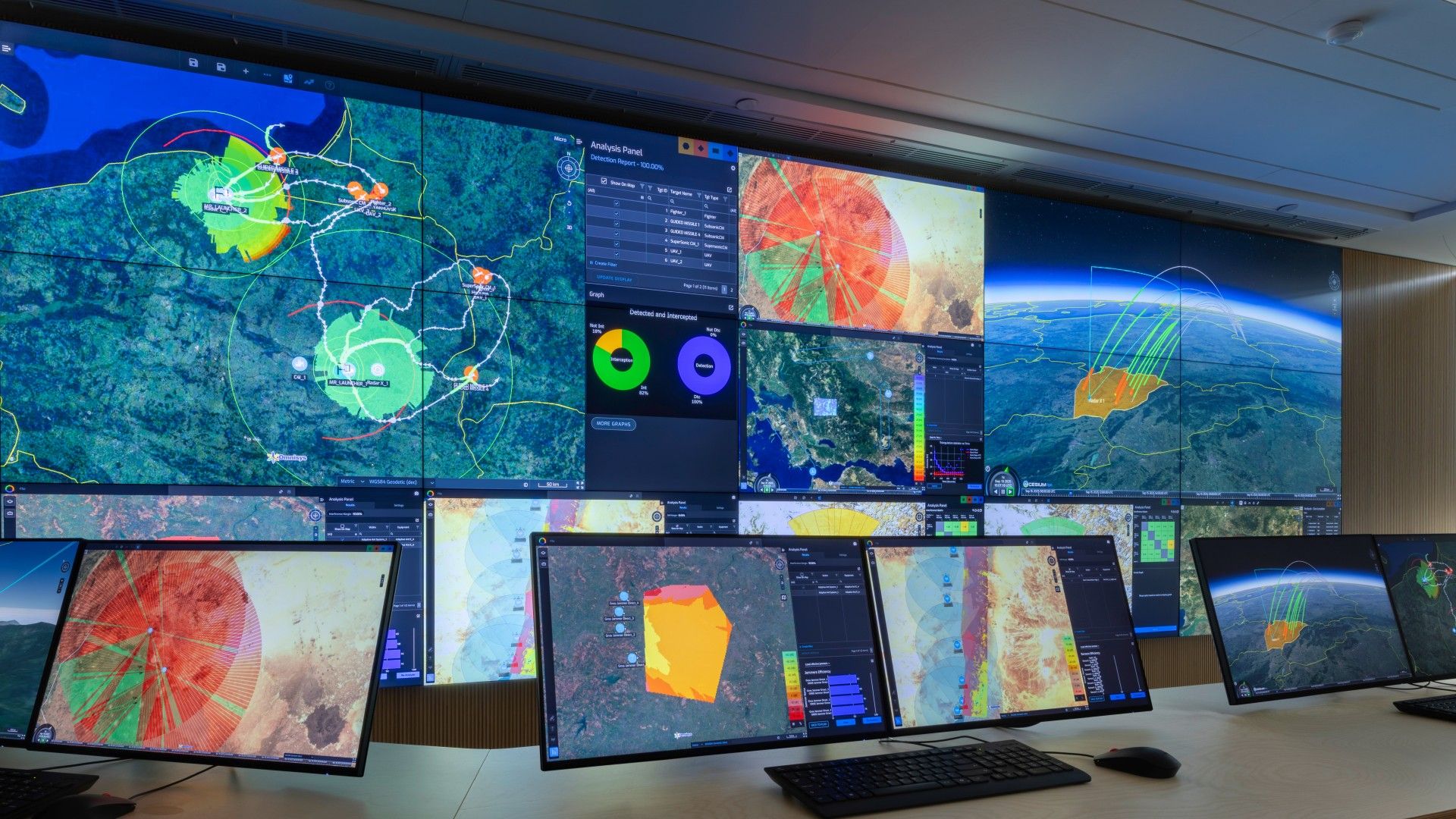
The combat-proven BRO-AD system from Omnisys (part of ONDAS defense holding, Nasdaq: ONDS) solves these problems by introducing an advanced, artificial intelligence (AI)-based optimization solution that supports commanders« decision-making at every stage of the kill chain. The BRO-AD algorithms function by continuously synthesizing and analyzing various input data streams, including:
- Detailed techno-tactical characteristics of incoming threats,
- Data from available sensors and radar systems,
- Actual combat capabilities and parameters of own weapon systems,
- Established defense priorities for individual sites and assets,
- The impact of logistics, environmental, and meteorological factors.
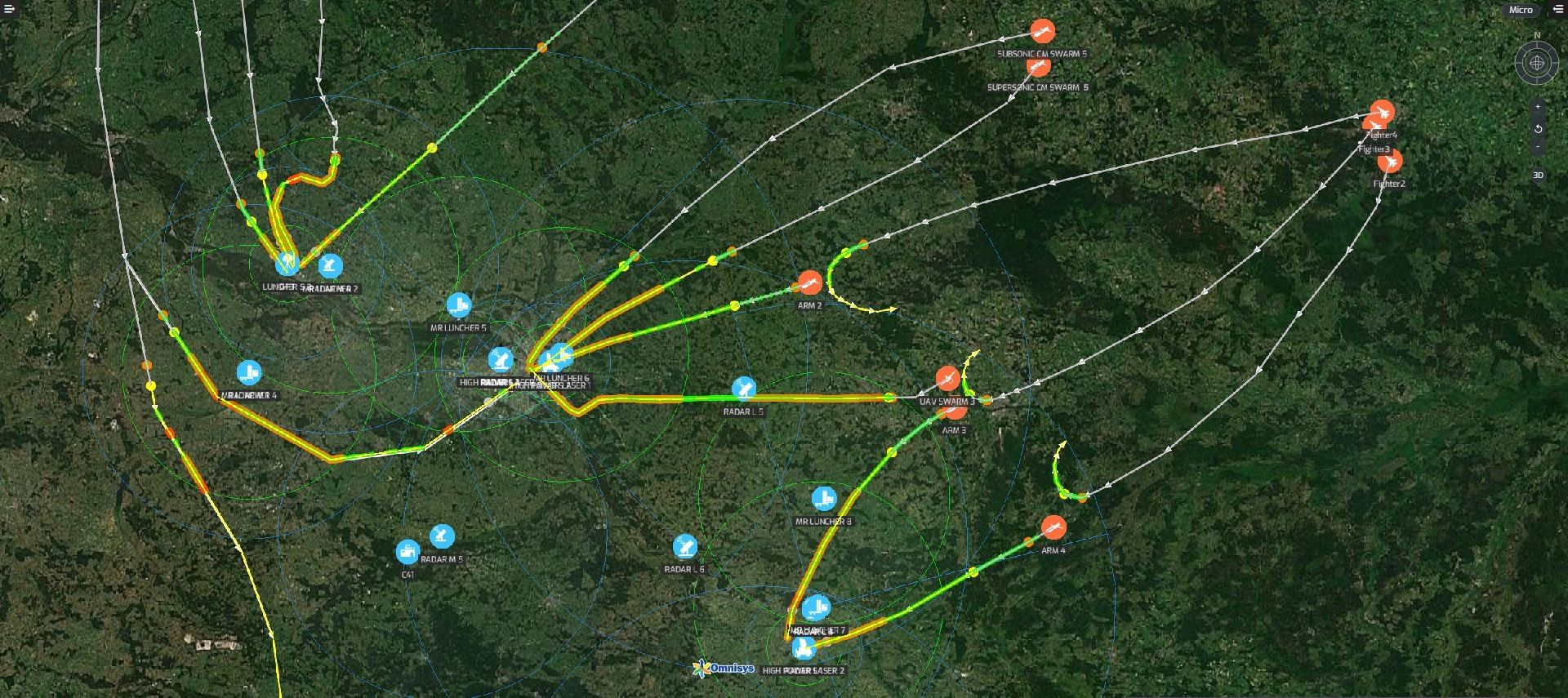
Based on advanced physical modeling and AI-powered simulations, the system generates recommended courses of action (COAs) in real time. These recommendations support commanders in the optimal deployment of forces, shaping target engagement policies, and operational management of the entire force and resources. This applies to the allocation of kinetic interceptors, soft-kill effectors, and sensors in a manner that ensures the highest possible effect, synergy, and economy.
Full mission cycle support
BRO-AD provides end-to-end mission support, covering three key phases of operation:
- Pre-mission planning: Analyzing possible enemy types and courses of action and generating an optimal defense posture.
- In-mission reassessment and replanning recommendations: Dynamically recommending adjustments to decisions in response to rapid changes during combat and in the structure of incoming strike waves.
- Post-mission debriefing & After-Action Review (AAR): A detailed analysis of combat events conducted afterward, which highlights lessons learned and suggests ways for “blue forces” to adapt their deployment and tactics for future engagements.
Scalability and Vendor-independence
The BRO-AD system is characterized by full scalability within Integrated Air and Missile Defense (IAMD) structures. It supports operations at all levels of command – from the central level (national mission planning centers), through regional command centers, down to the tactical echelon.
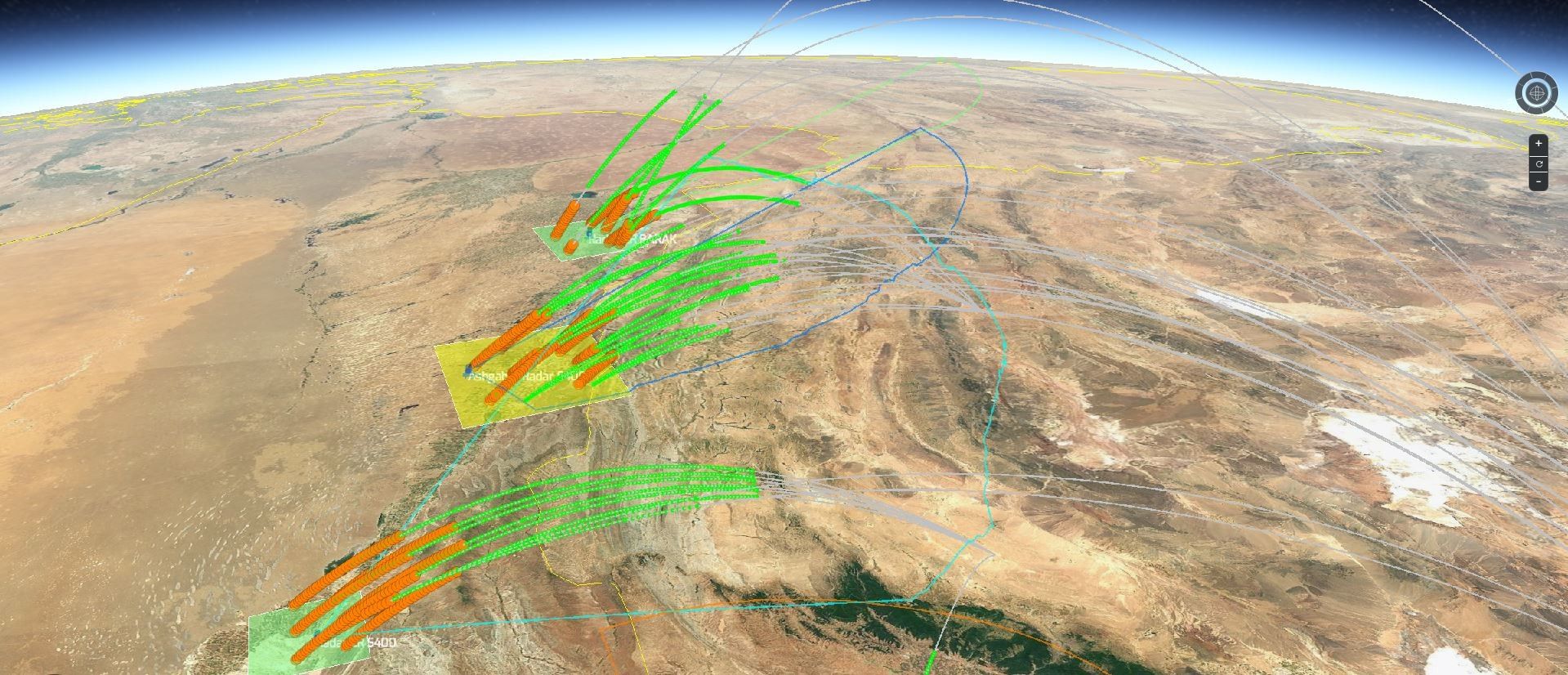
To sustain extended operations, future capabilities are needed to better support critical decisions, including target sequencing, selecting the most appropriate effector, and implementing differentiated engagement policies. By precisely evaluating alternative strategies, this approach ensures that the most valuable and advanced interceptors are reserved to eliminate priority threats directed at high-value objects. Targets of lower strategic importance or posing lower threats may be deliberately bypassed or handed over for neutralization by alternative, less expensive means. This enables command to consciously control ammunition expenditure, moving away from reactive action toward deliberate resource management.
BRO is an open, vendor-agnostic (vendor-independent) solution built to support not only the Air Defense mission but also various other missions such as Counter-UAV, Border Security, Intelligence Gathering, Strike, and Spectrum management.
It can be deployed as a stand-alone capability within fully isolated infrastructure or be integrated through the Application Programming Interface (API) with existing command and control (C2) or C4I systems, providing real-time recommendations to commanders.
The system modeling engine that provides precise modeling of all assets and threats enables simultaneous simulation of heterogeneous (mixed) matrices of sensors and effectors from different manufacturers.
Crucially, this solution allows operators to maintain sovereign control over the most sensitive tactical and technical parameters of their own armament or threat systems without sharing sensitive data with third parties. This flexibility makes BRO an ideal fit for both national and multinational/coalition defense architectures (e.g., within NATO structures).
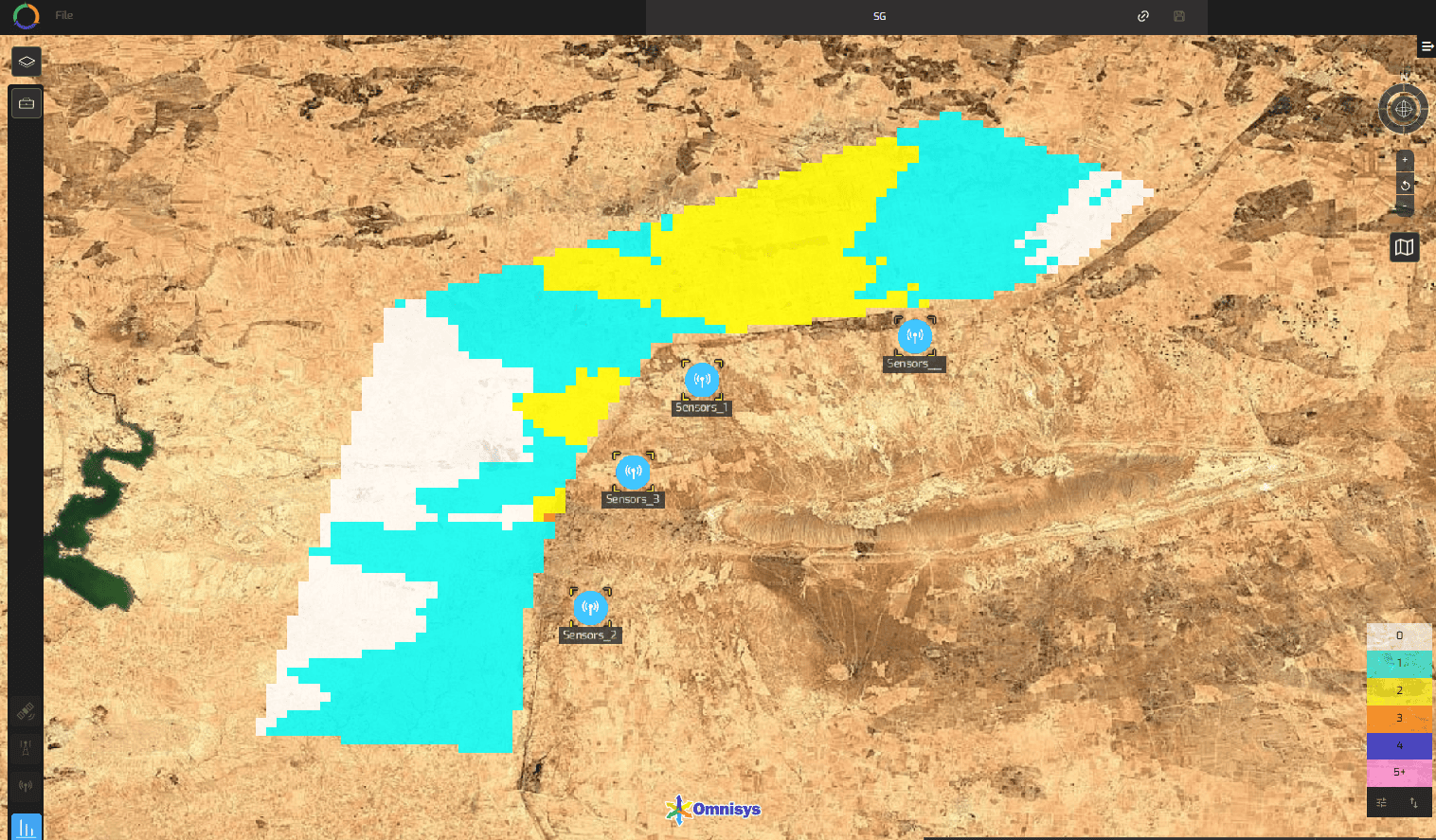
In addition to real-time combat support, the system constitutes a powerful analytical-simulation tool for defense planners and decision-makers. It supports:
- “What-if” simulations to evaluate alternative courses of action,
- Testing of new operational concepts and combat doctrines,
- Analyzing actual performances of existing assets and systems that are in the procurement plan,
- Estimation of the actual resilience and sustainability of missile stocks against varied threat profiles from potential adversaries.
This tangibly supports long-term force development processes, providing hard analytical data useful in assessing the operational consequences of implemented procurement strategies, changes to CONOPS and organizational structure, and integration within allied multinational systems.
- ARTIFICIAL INTELLIGENCE
- AIR DEFENCE
