

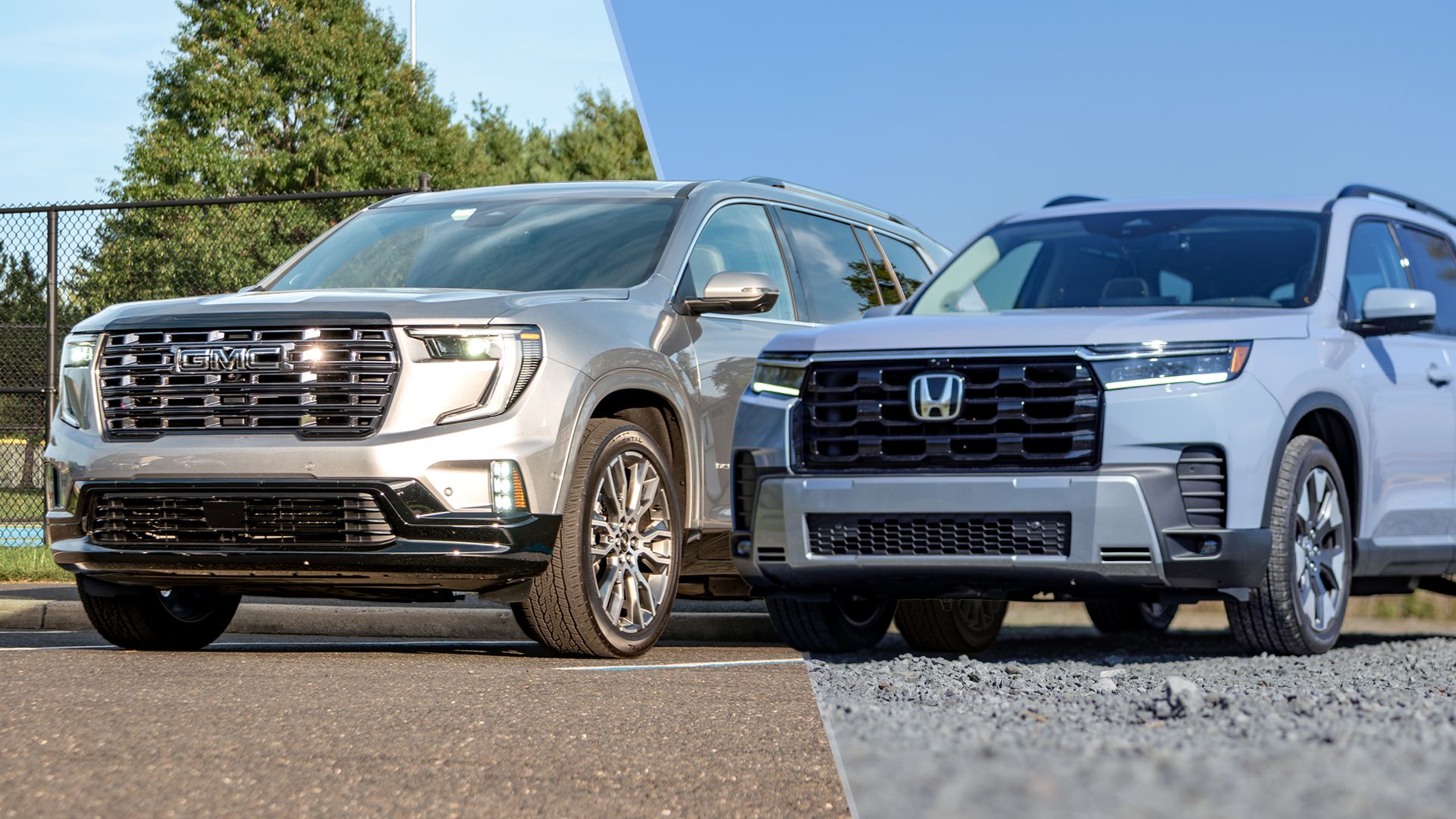
Out of every automotive segment on the market, the mid-size division is easily the most competitive. It’s where automakers pack the maximum utility buyers crave, and in some cases, pairing some models with spacious three-row seating. When I pitted the Honda Pilot against the Toyota Grand Highlander earlier this year, the Pilot earned my vote thanks to its athletic stance, engaging driving dynamics, and thoughtful tech suite.
For my next mid-size matchup, I’m putting it head-to-head with the redesigned GMC Acadia Denali. The Pilot faces a much tougher challenge here: GMC didn’t just update its family cruiser — it gave it a massive footprint, an aggressive exterior presence, upscale cabin appointments, and serious tech.
Even though the 2026 GMC Acadia Denali Ultimate AWD I tested for a week comes with a significantly steeper $67,590 as-tested sticker, you might be surprised by how well it justifies that premium over the $54,990 as-tested price of the 2026 Honda Pilot Elite AWD.
GMC Acadia Denali vs Honda Pilot: Specifications
|
2026 GMC Acadia Denali Ultimate AWD |
||
|---|---|---|
|
3.5L 4-Cyl. V6 Variable Cylinder Management Engine |
||
|
21 mpg city / 20 mpg highway / 23 mpg combined |
19 mpg city / 25 mpg highway / 21 mpg combined |
|
GMC Acadia Denali vs Honda Pilot: Design
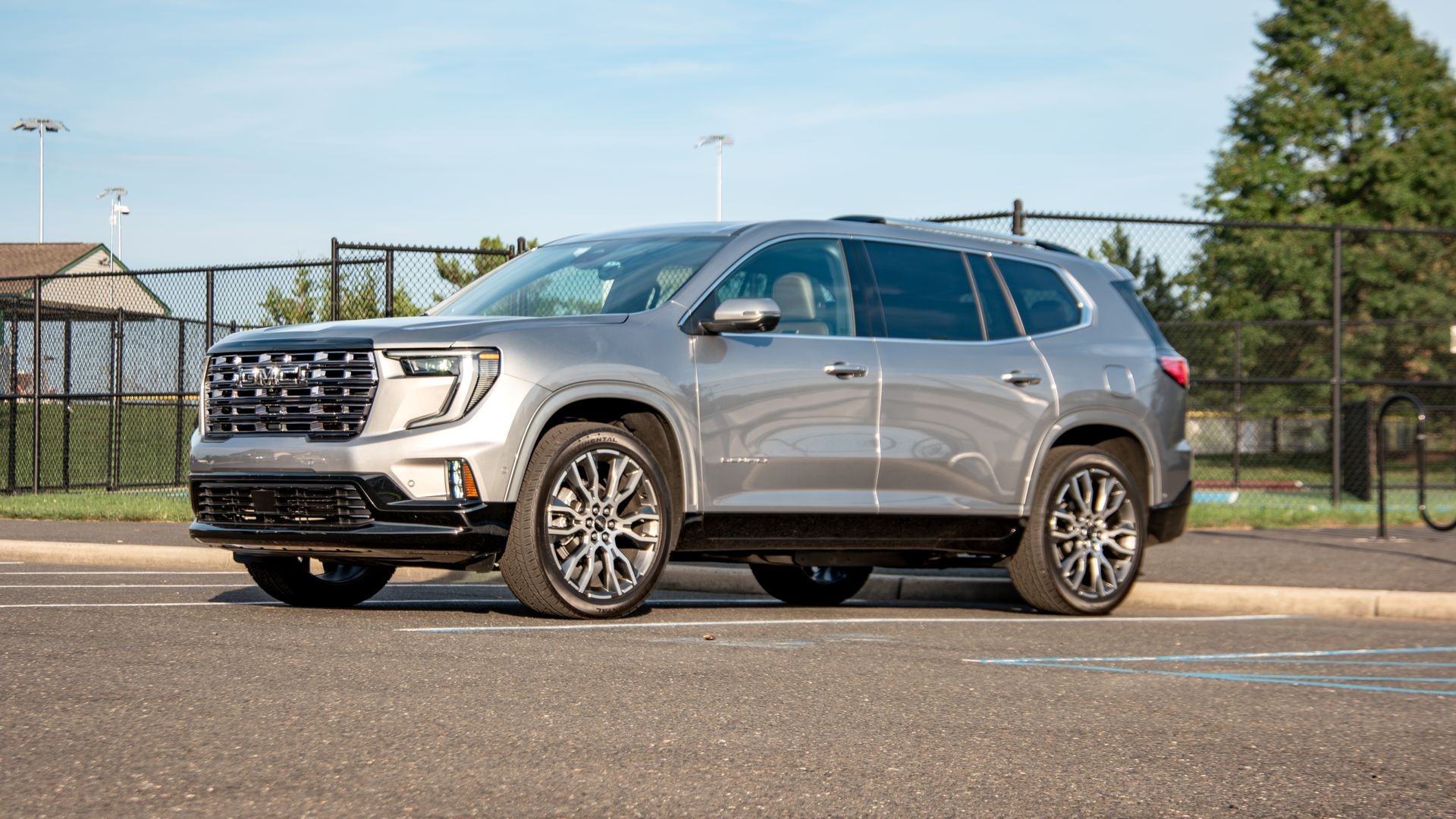
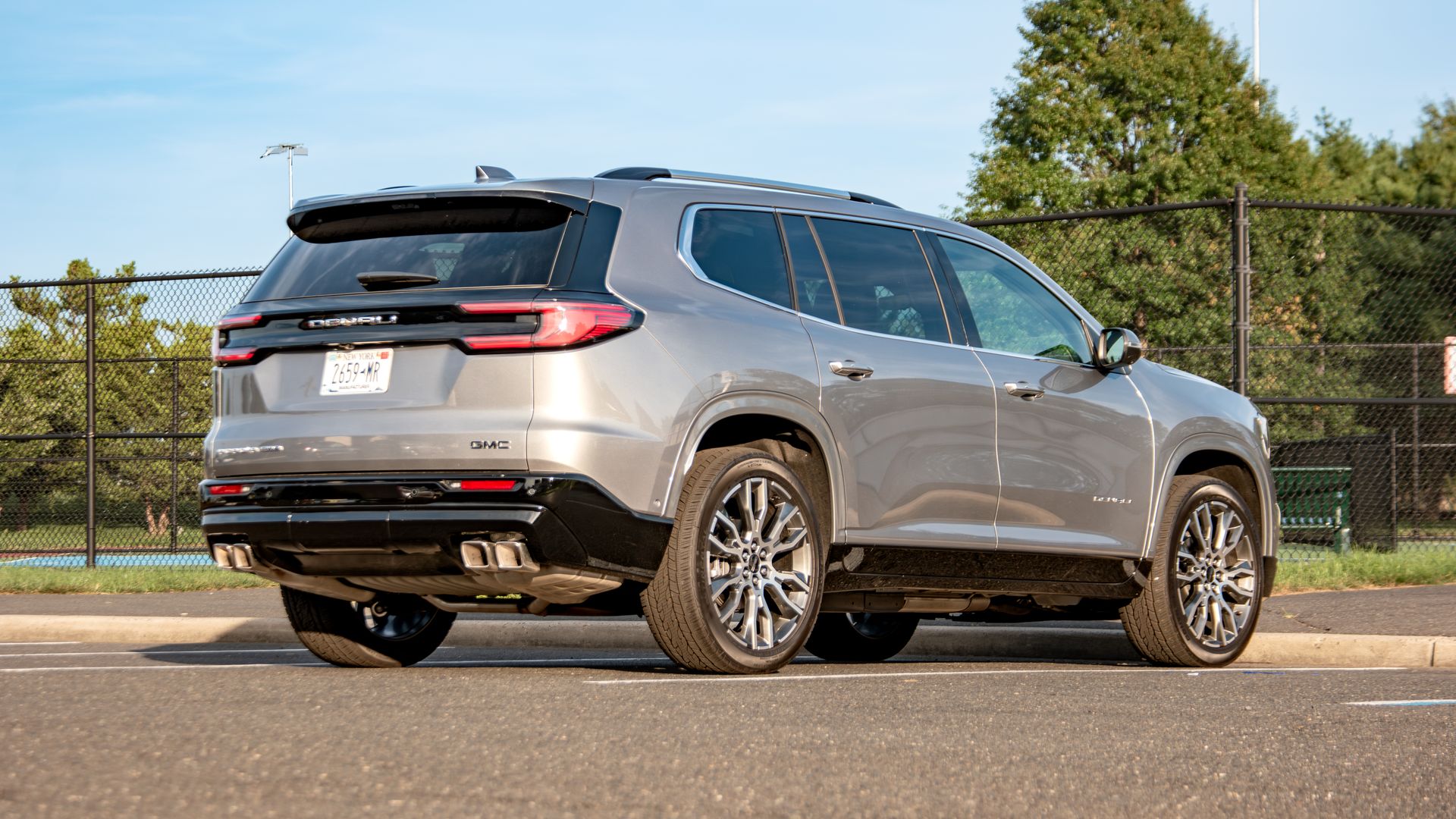
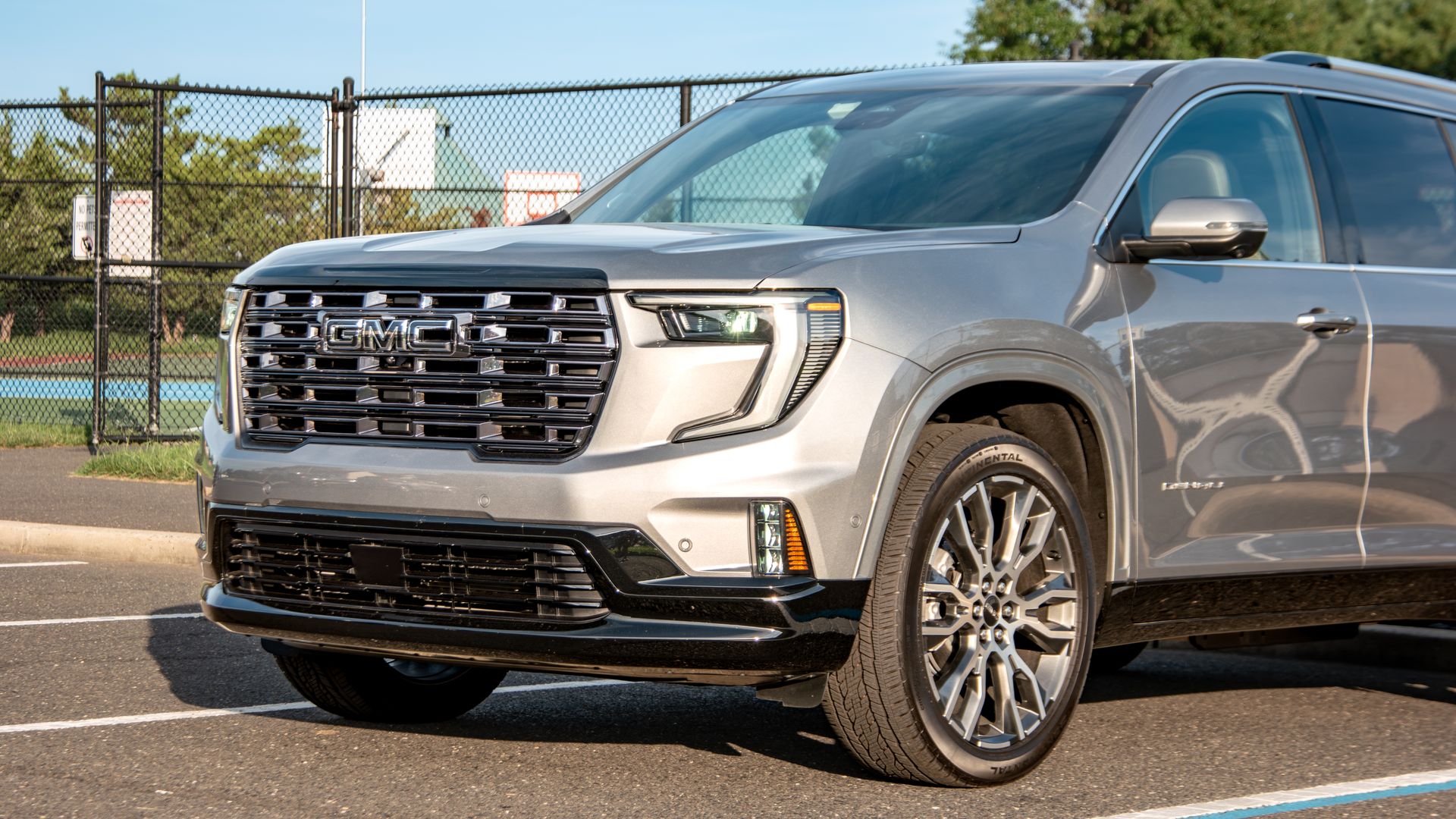
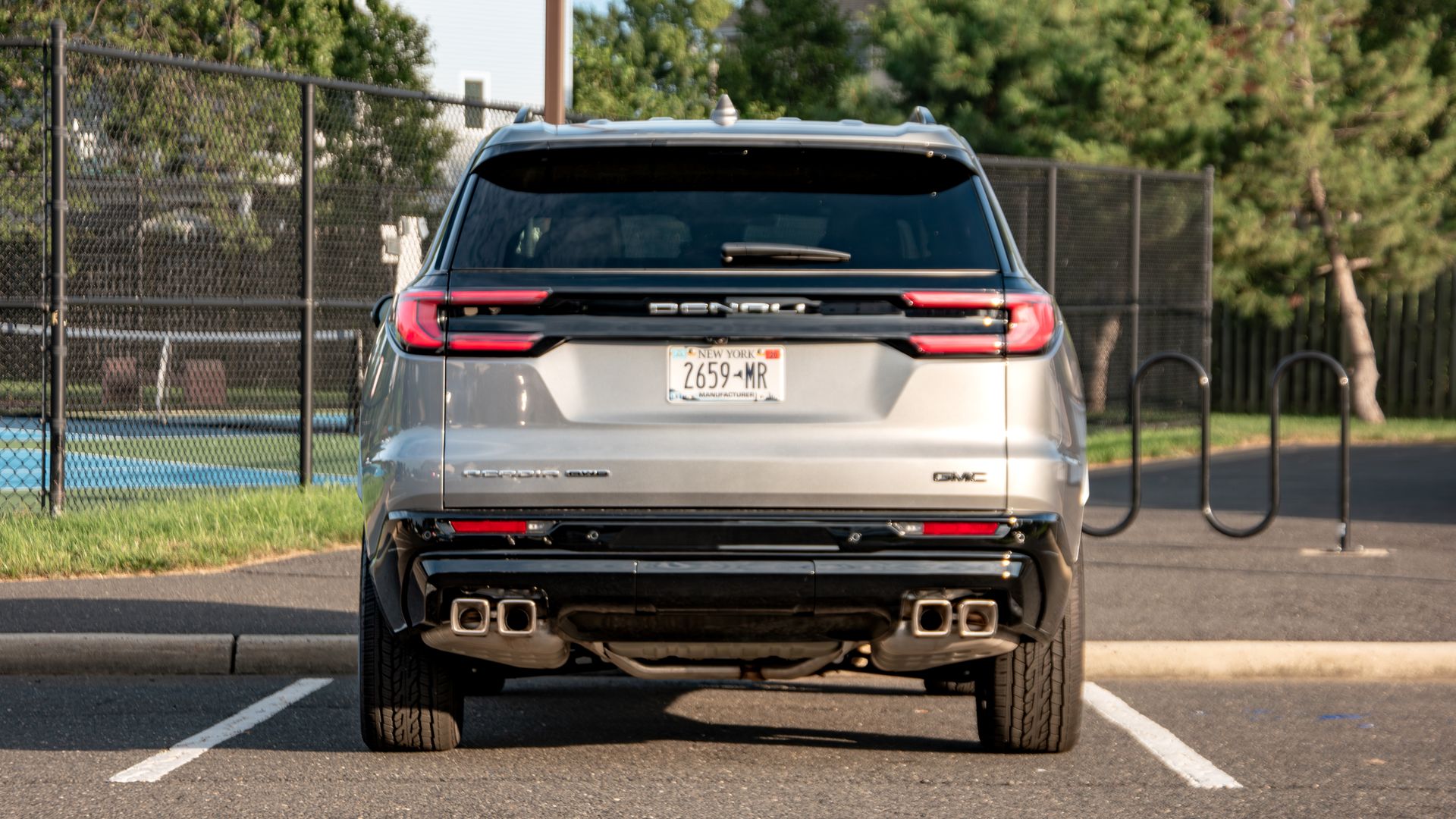
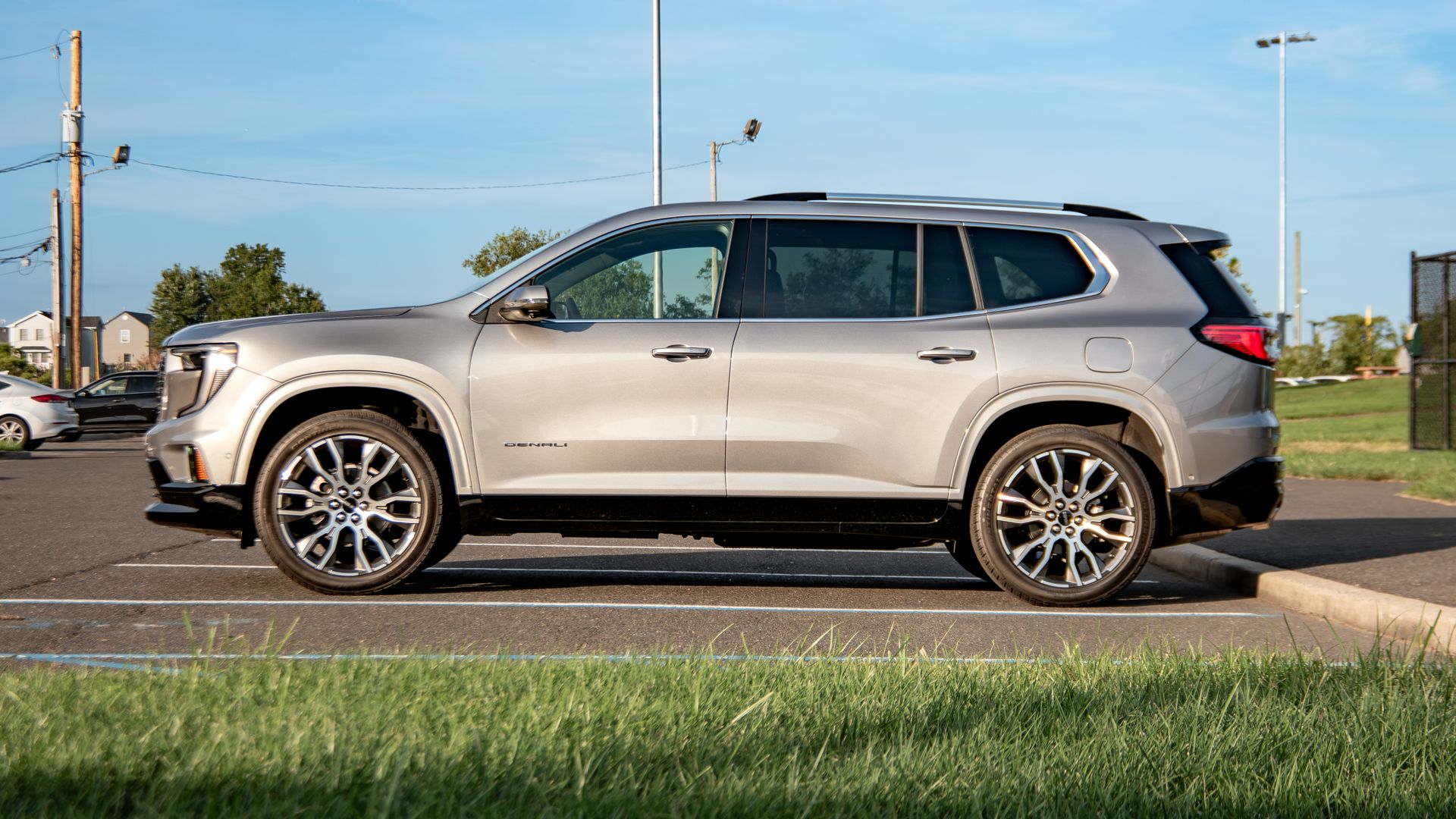
Both automakers stick to tried-and-true styling approaches, favoring an upright silhouette that prioritizes cabin utility over the radical design cues seen in rivals like the Kia Telluride and Volkswagen Atlas. But while they share a conventional profile, their personalities couldn’t be more distinct.
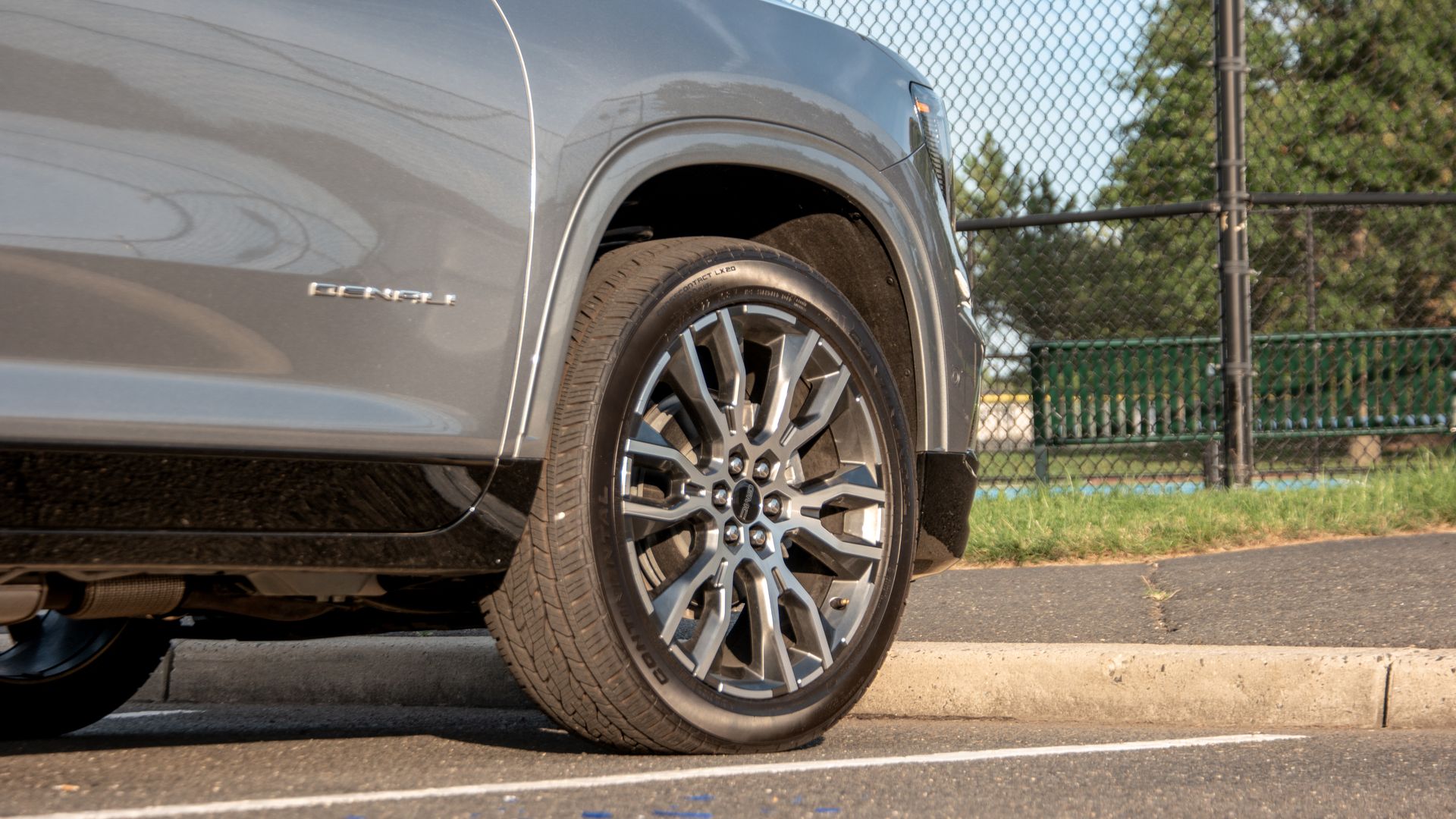
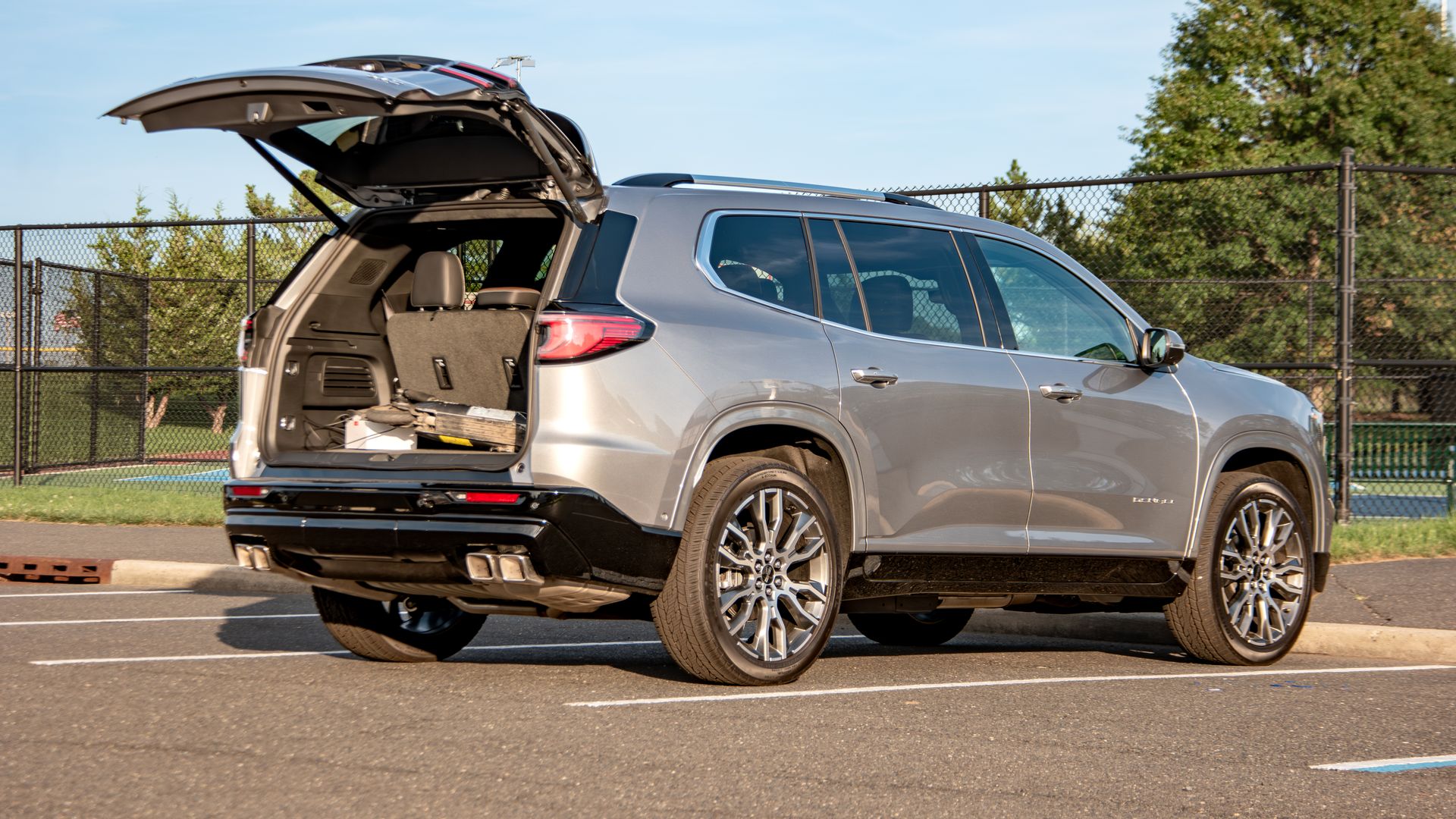
For starters, the Acadia Denali Ultimate takes heavy inspiration from the larger Yukon Denali with its bold, big-truck presence. Between its extended length, squared-off rear, imposing Vader Chrome front grille, and massive 22-inch wheels, GMC built a family hauler that commands attention and looks genuinely intimidating on the road.
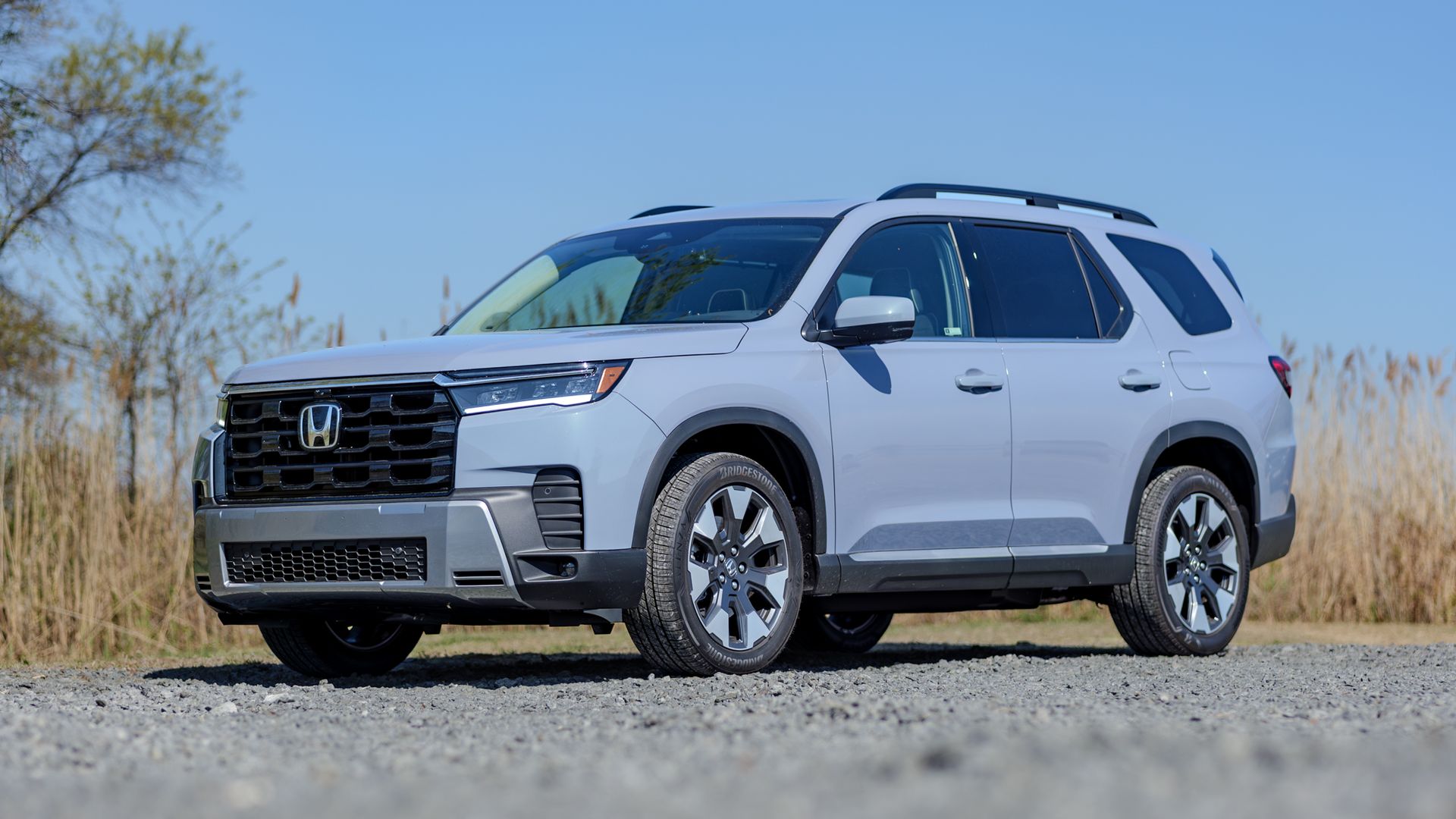
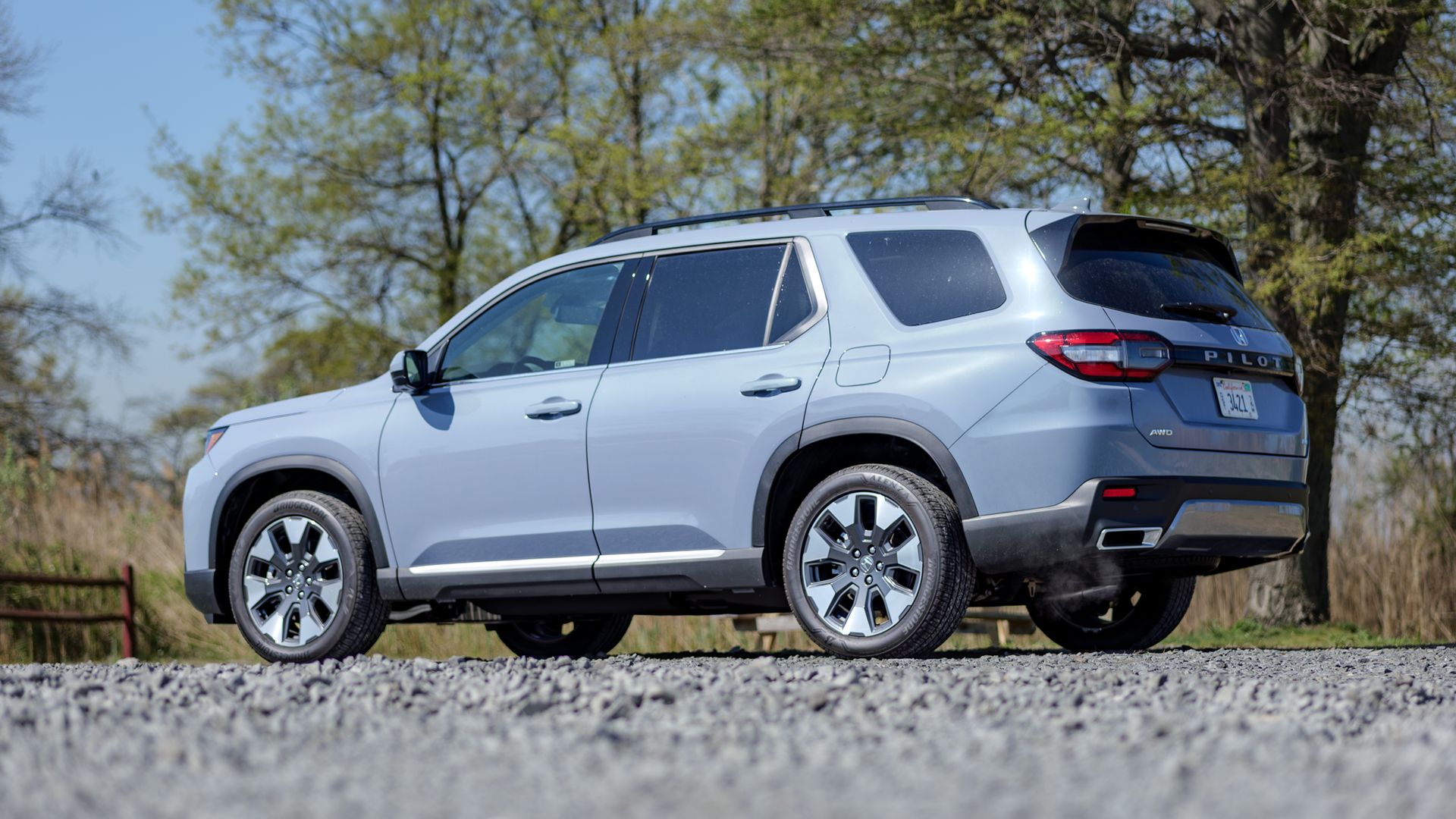
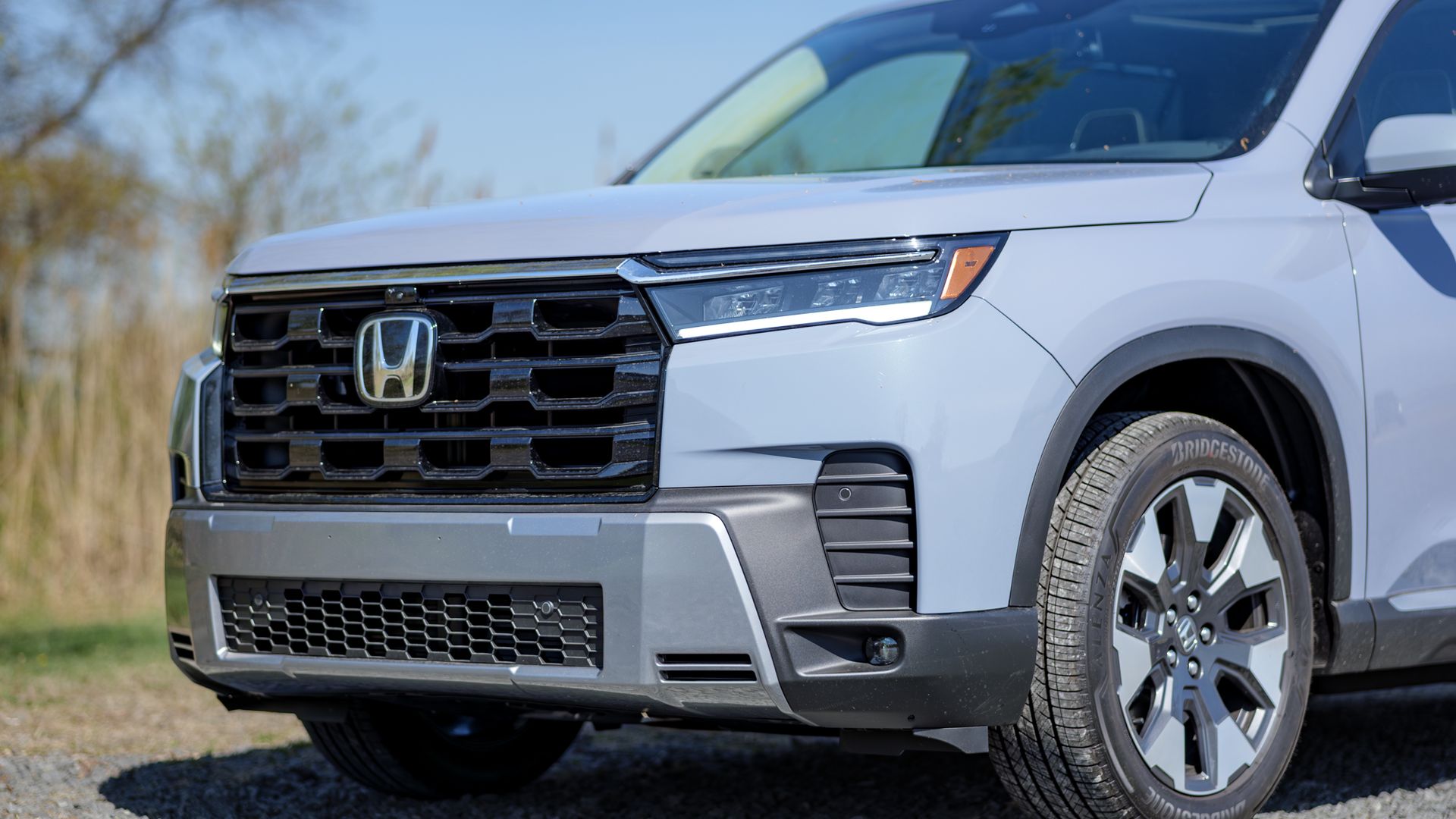
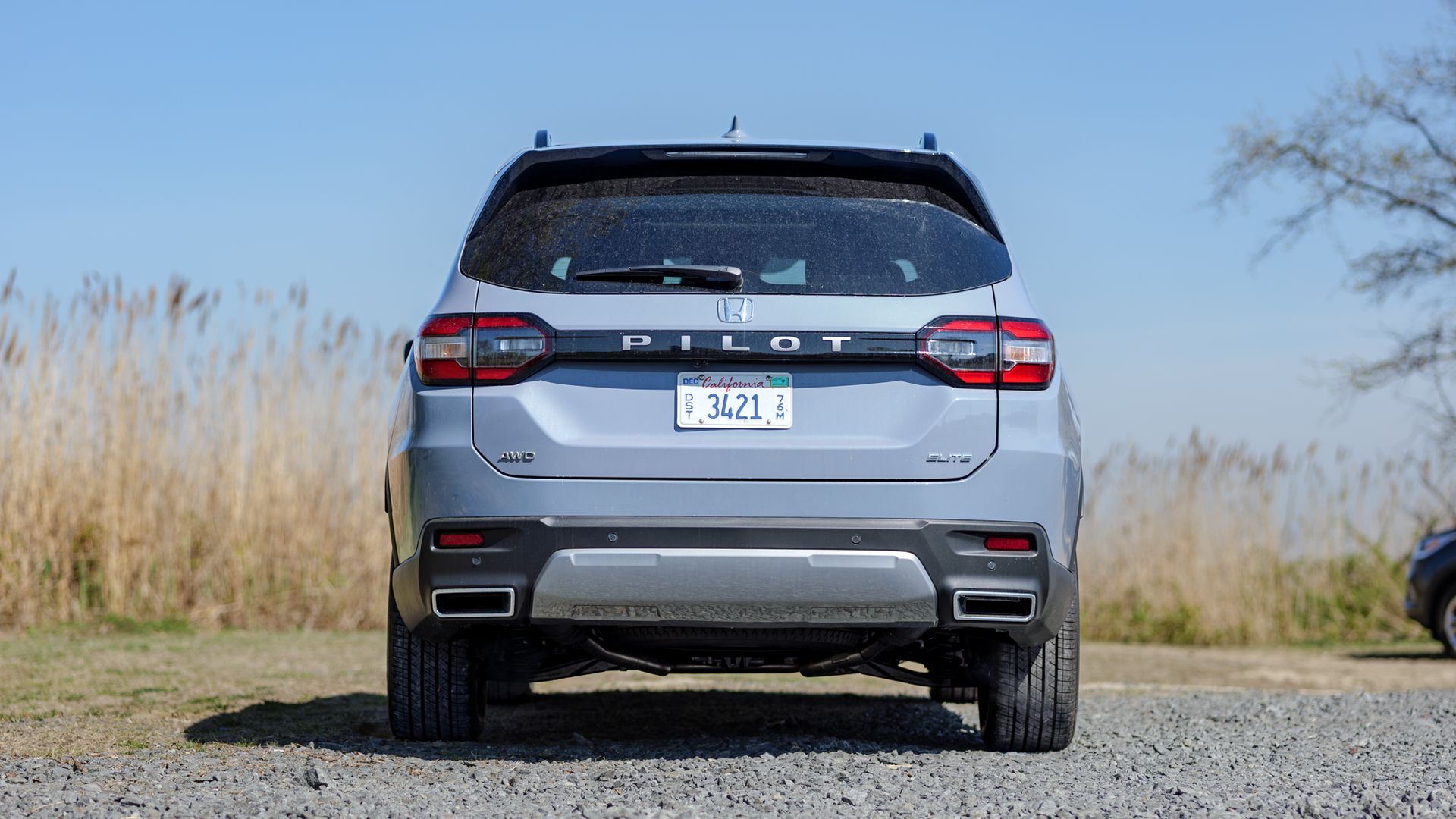
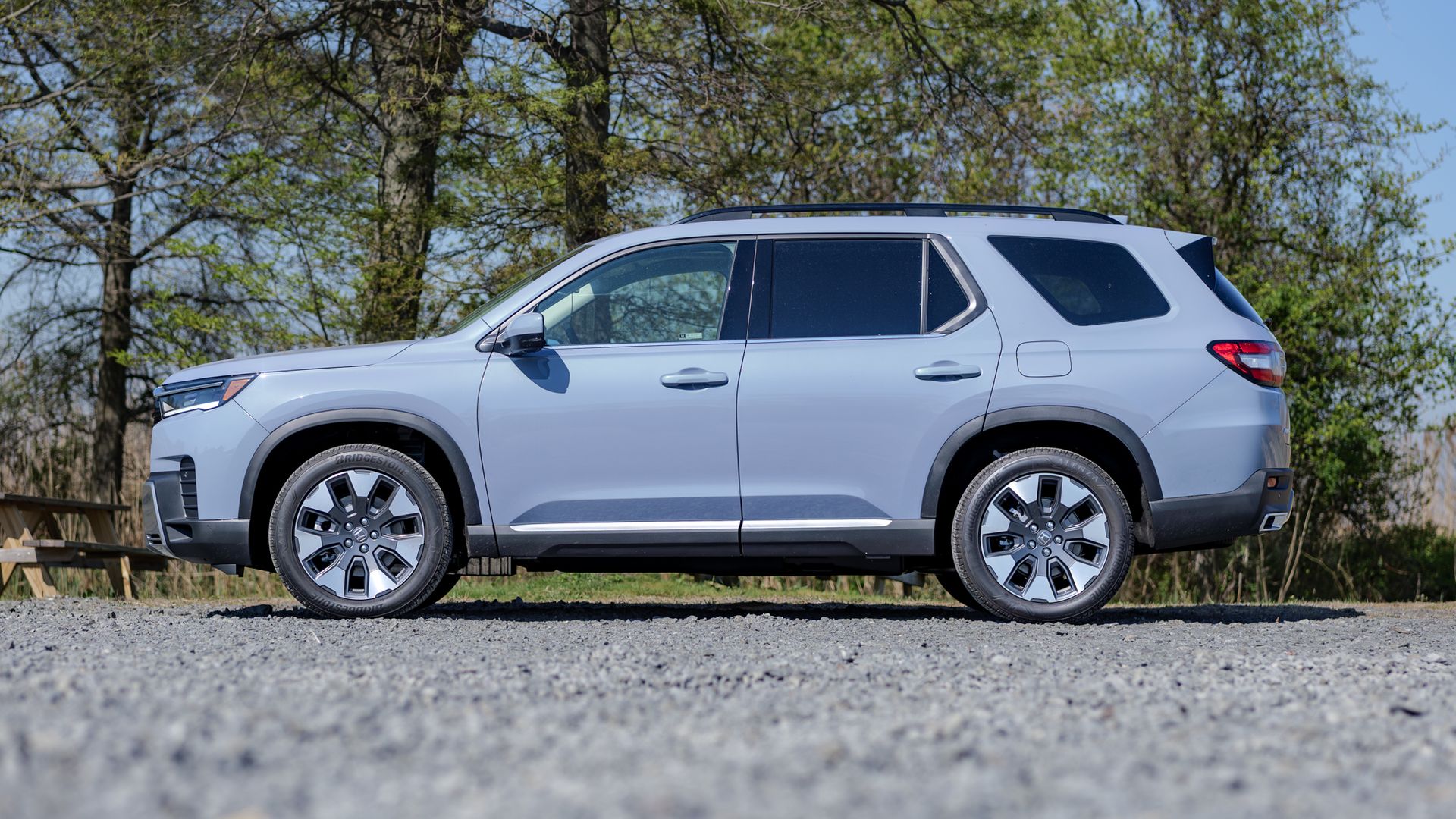
The Honda Pilot Elite takes a much cleaner, more disciplined approach. It features chiseled body lines, an elongated hood, and an attractive honeycomb front grille that adds real character without shouting for attention. It avoids unnecessary exterior drama while still projecting an athletic, confident stance.
GMC Acadia Denali vs Honda Pilot: Fuel economy
|
Best short distance fuel economy |
||
|
Best long distance fuel economy |
Neither of these gas-powered mid-size SUVs is going to match the thriftiness of a hybrid like the Toyota Grand Highlander, but I was surprised by the solid numbers I recorded with both. Under the hood, the 2026 GMC Acadia Denali Ultimate AWD is powered by a 2.5-liter turbocharged four-cylinder engine, while the 2026 Honda Pilot Elite AWD sticks with a naturally aspirated 3.5-liter V6.
In my week of driving each, the Pilot emerged with slightly better overall fuel economy, averaging 22.3 mpg across 206.4 miles. That’s actually a notch higher than its EPA-estimated combined rating of 21 mpg. Meanwhile, I recorded an average of 21.7 mpg across 191.5 miles behind the wheel of the Acadia Denali.
Diving deeper into the other metrics I track, the short-distance trip breakdowns show that the Acadia’s turbo setup proved slightly more frugal with a peak of 23.6 mpg, though the Pilot wasn’t far behind at 22.4 mpg. On longer highway hauls, the Acadia widened the gap even further, delivering an impressive peak of 26.2 mpg compared to the Pilot’s 24.2 mpg.
While several variables impact real-world efficiency, the bottom-line averages I recorded are the ultimate deciding factor here. With that in mind, the Honda Pilot takes this round.
GMC Acadia Denali vs Honda Pilot: Driving performance
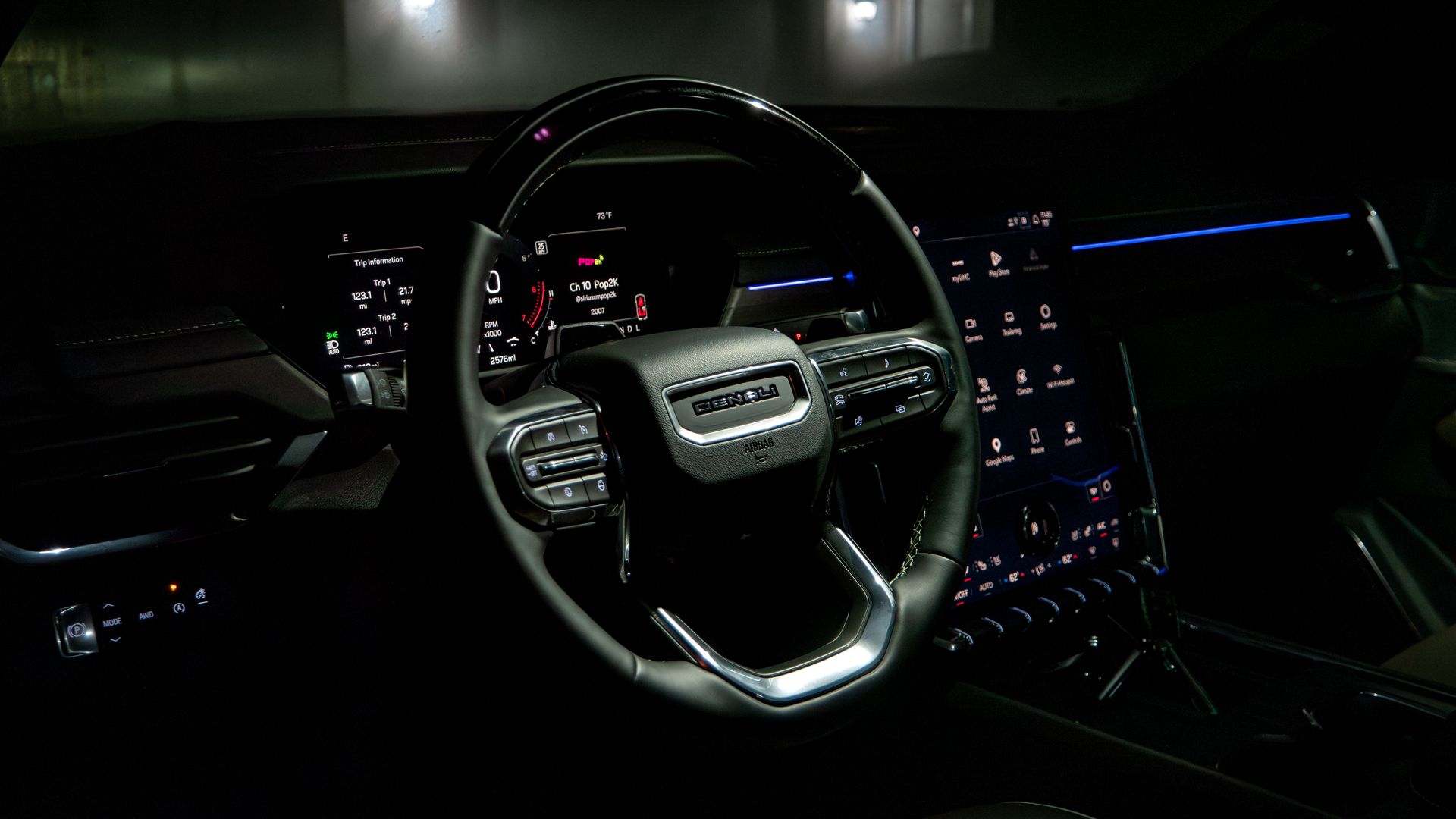
Buyers often prioritize paper specs, but numbers on a sheet rarely tell the whole story about real-world performance. Looking strictly at the figures, there’s a clear mismatch: the 2026 Acadia Denali Ultimate’s 2.5-liter turbocharged four-cylinder engine cranks out 328 horsepower and 326 lb-ft of torque, easily making the 2026 Honda Pilot Elite’s 3.5-liter V6 look underpowered with its 285 hp and 262 lb-ft.
Getting behind the wheel of both, however, reveals the opposite. The Honda Pilot feels significantly more responsive right off the line. Step on the accelerator, and the Pilot delivers an immediate pull in first gear, launching cleanly with zero hesitation. To my surprise, the Acadia feels noticeably strained when trying to get its hefty frame moving from a dead stop.
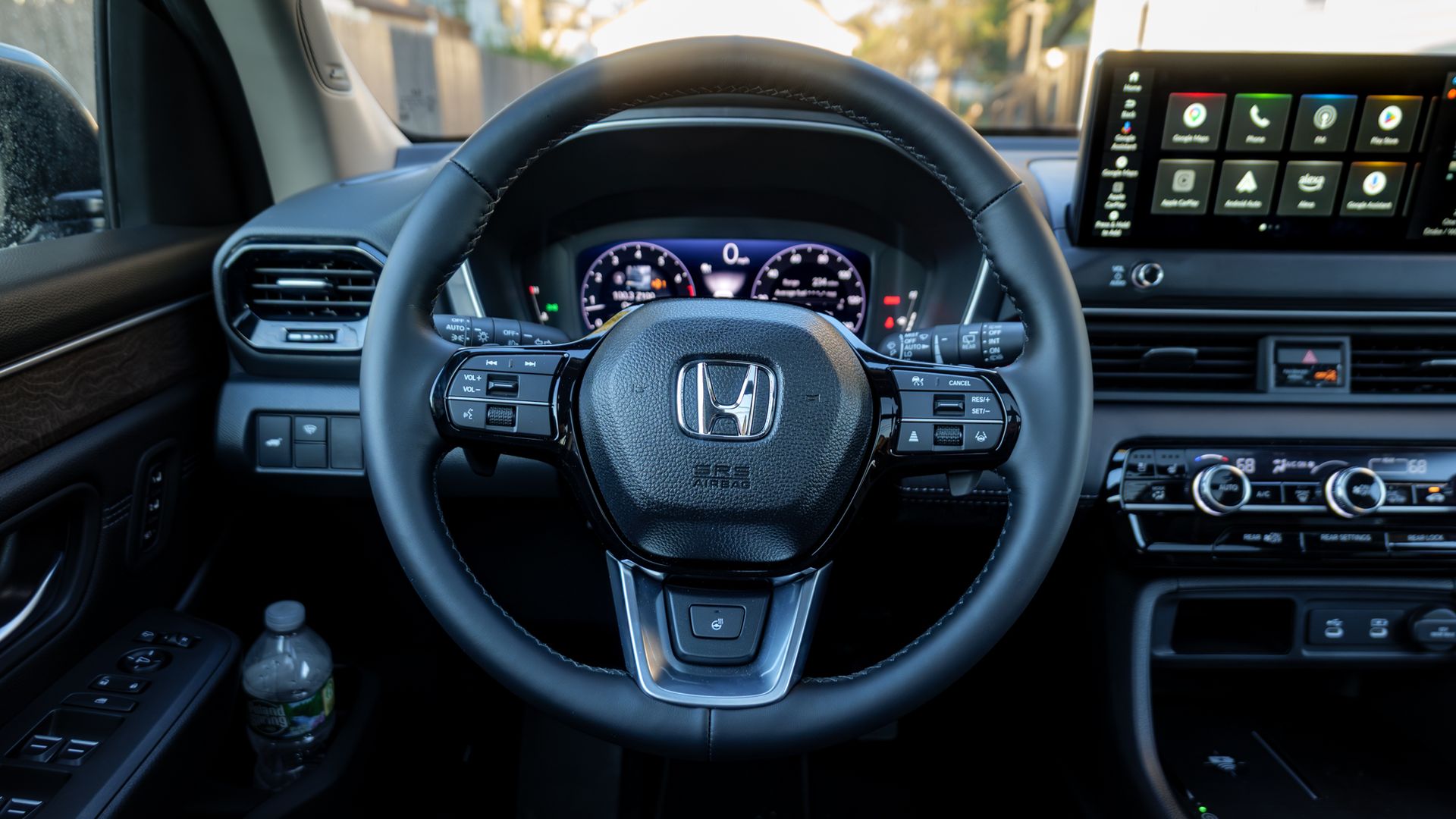
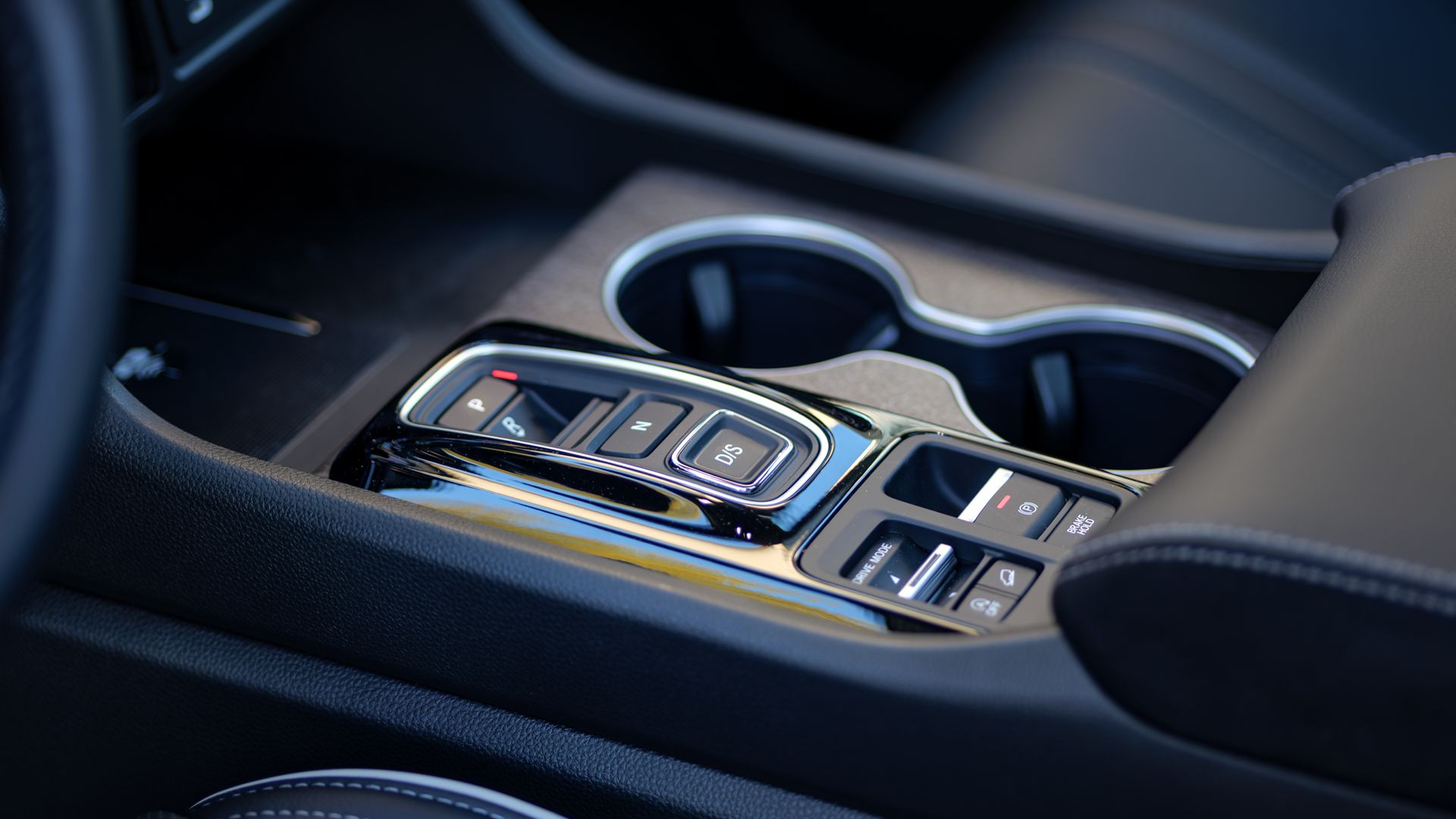
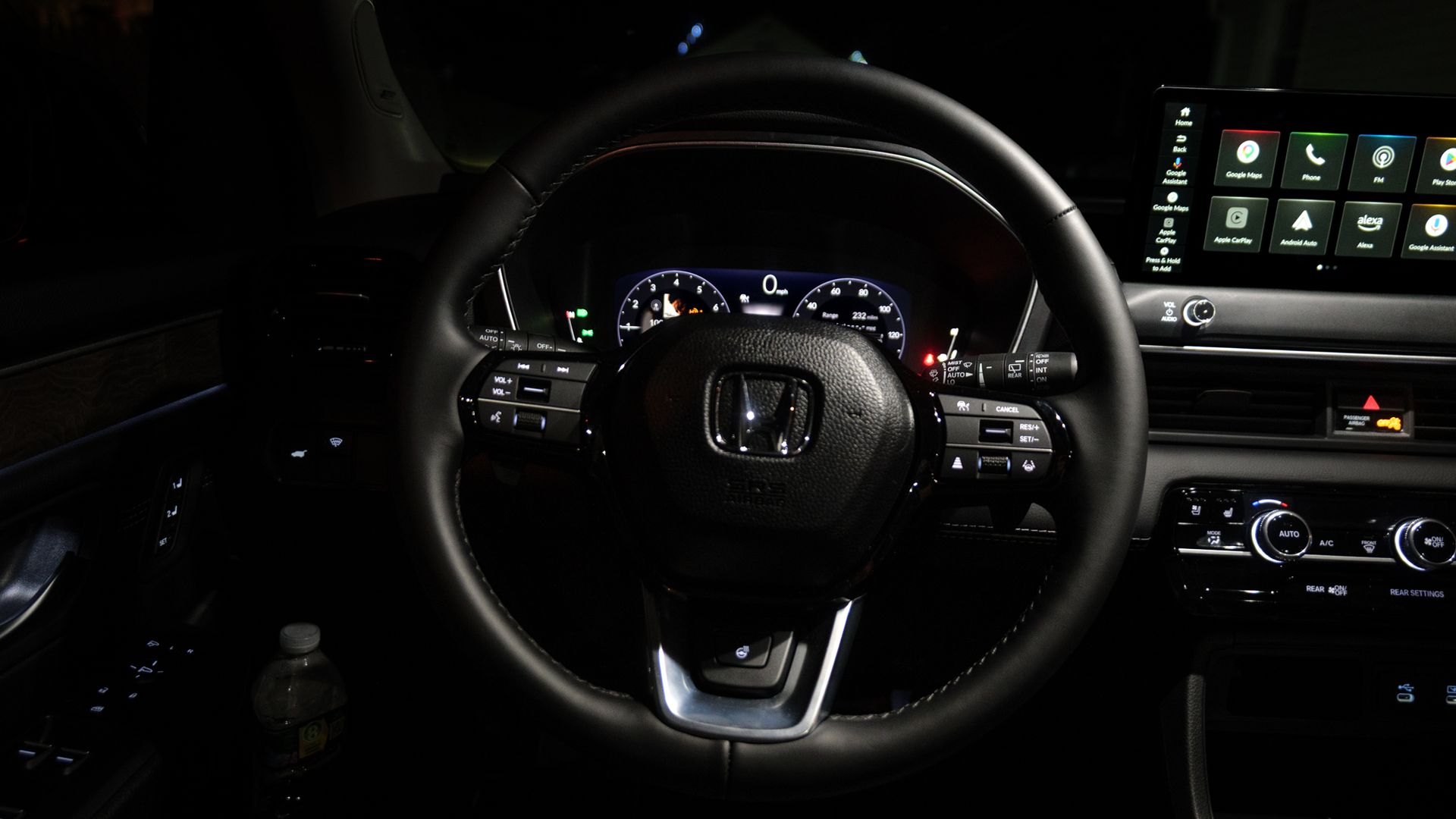
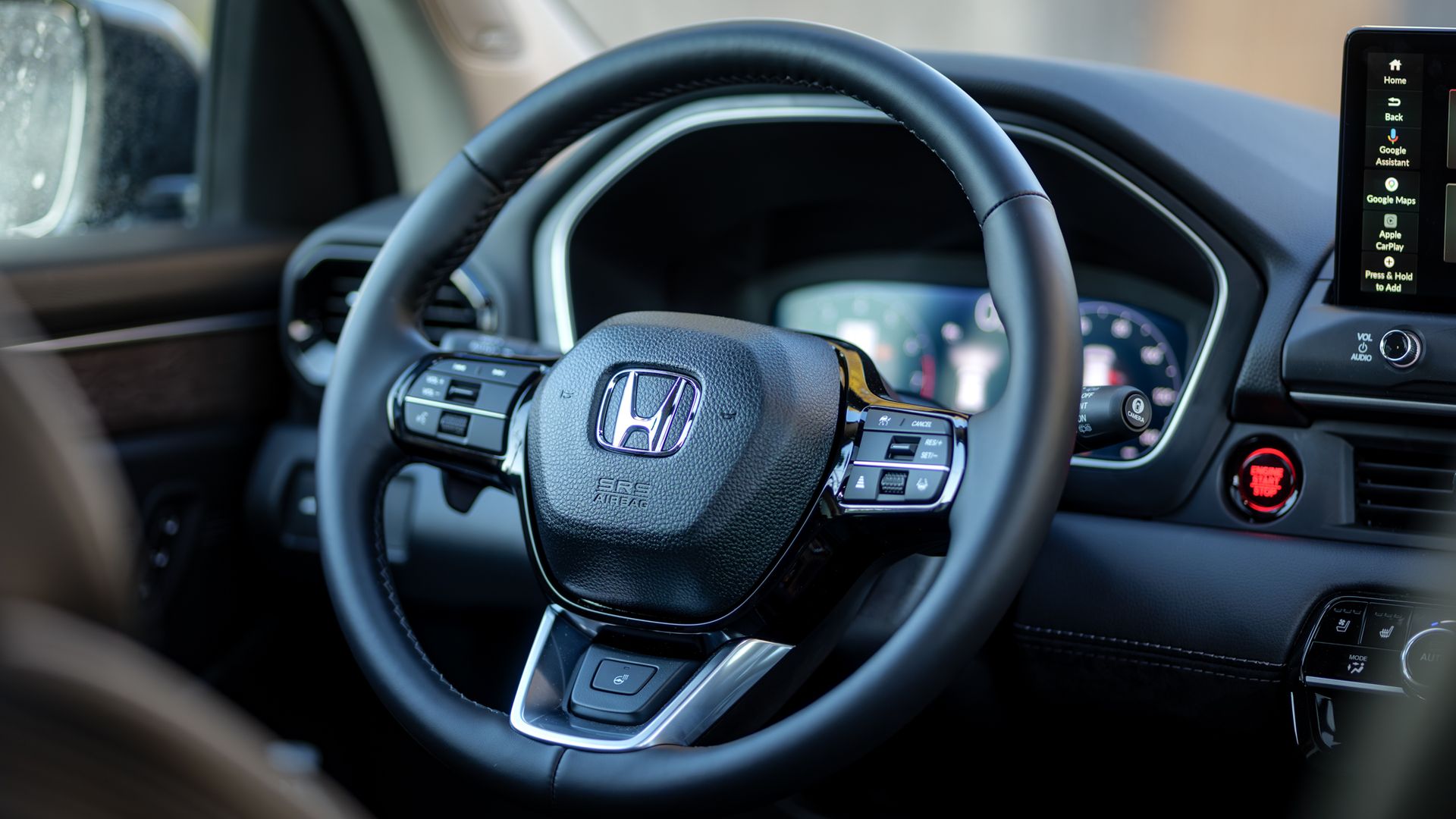
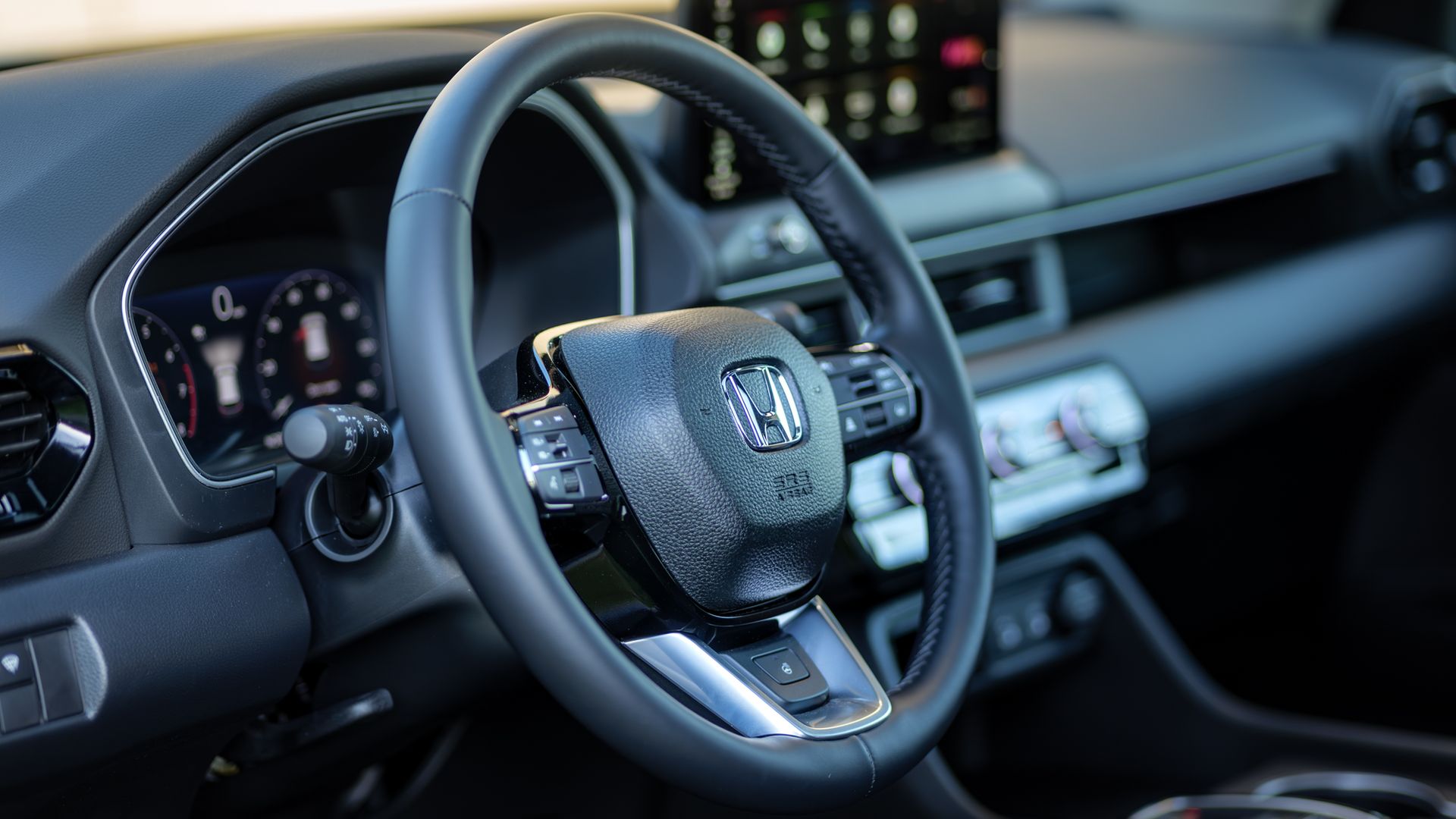
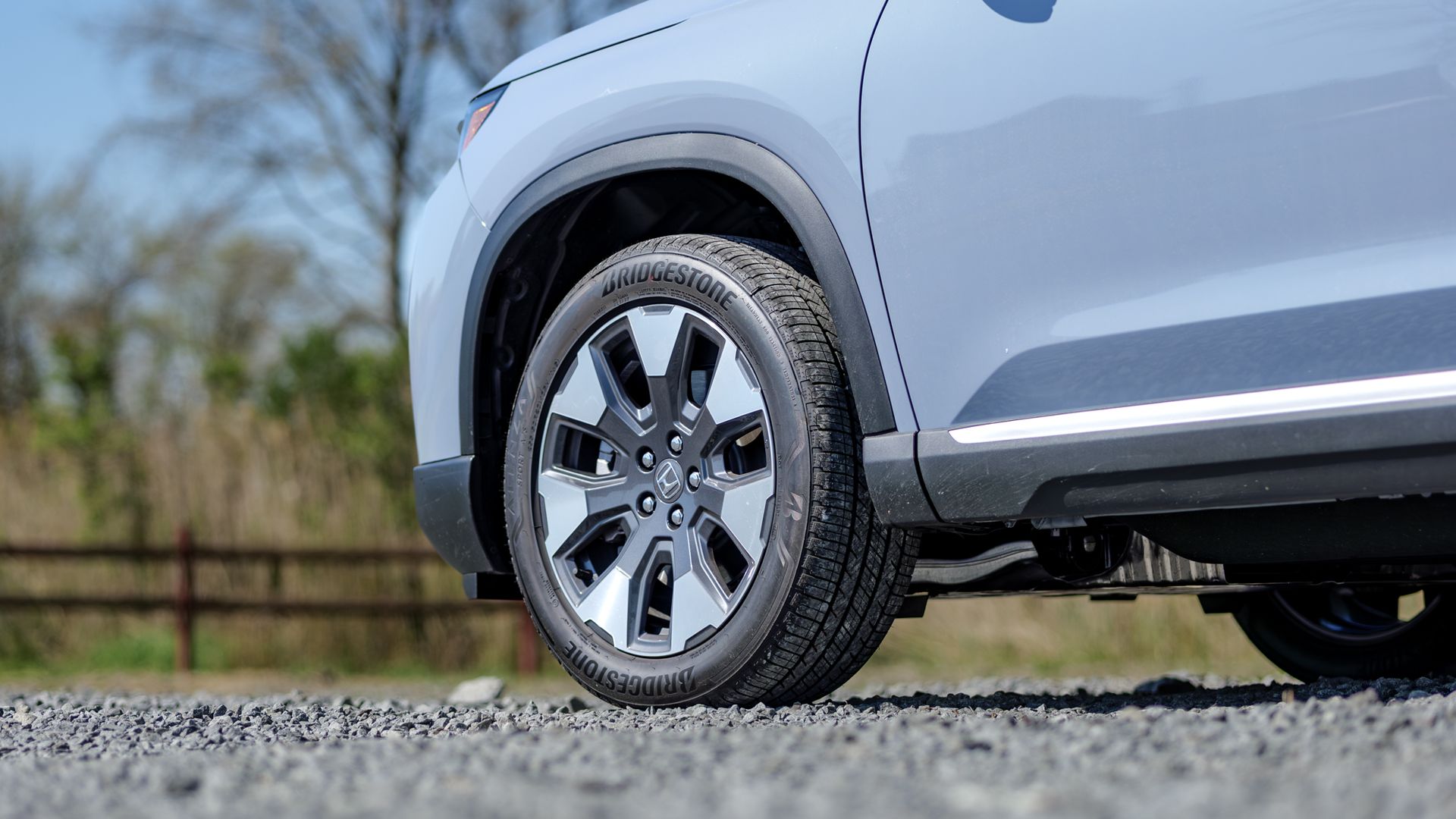
Beyond straight-line acceleration, the Pilot proves to be the more agile of the two — composed, predictable, and engaging to maneuver through daily traffic. Even with its larger footprint, I never felt intimidated driving the Acadia Denali, but I feel there noticeably more body roll on winding highway off-ramps. While you’ll adapt to both after a few days behind the wheel, the Pilot’s immediate low-end punch and sharper agility win me over.
GMC Acadia Denali vs Honda Pilot: Comfort
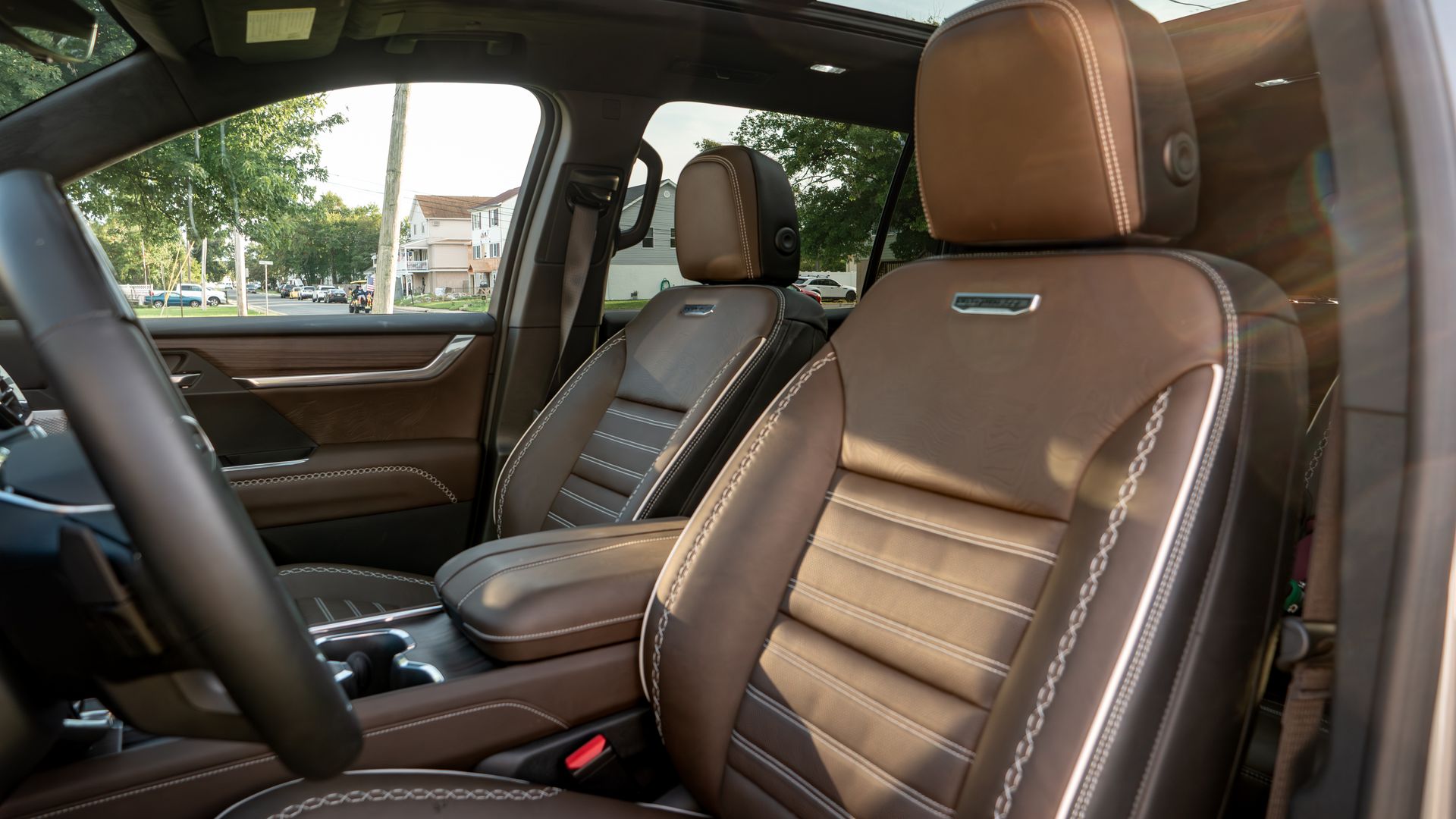
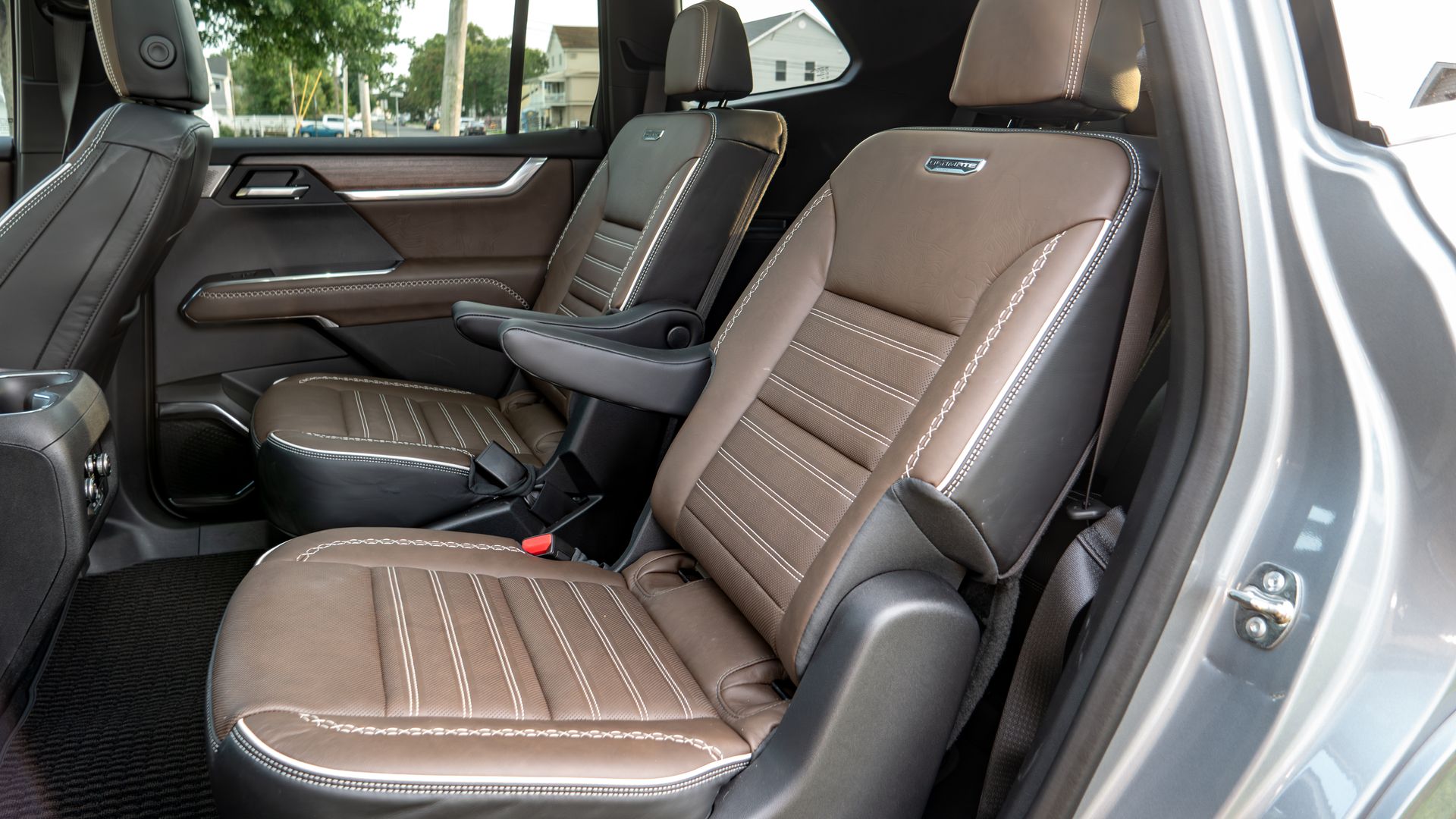
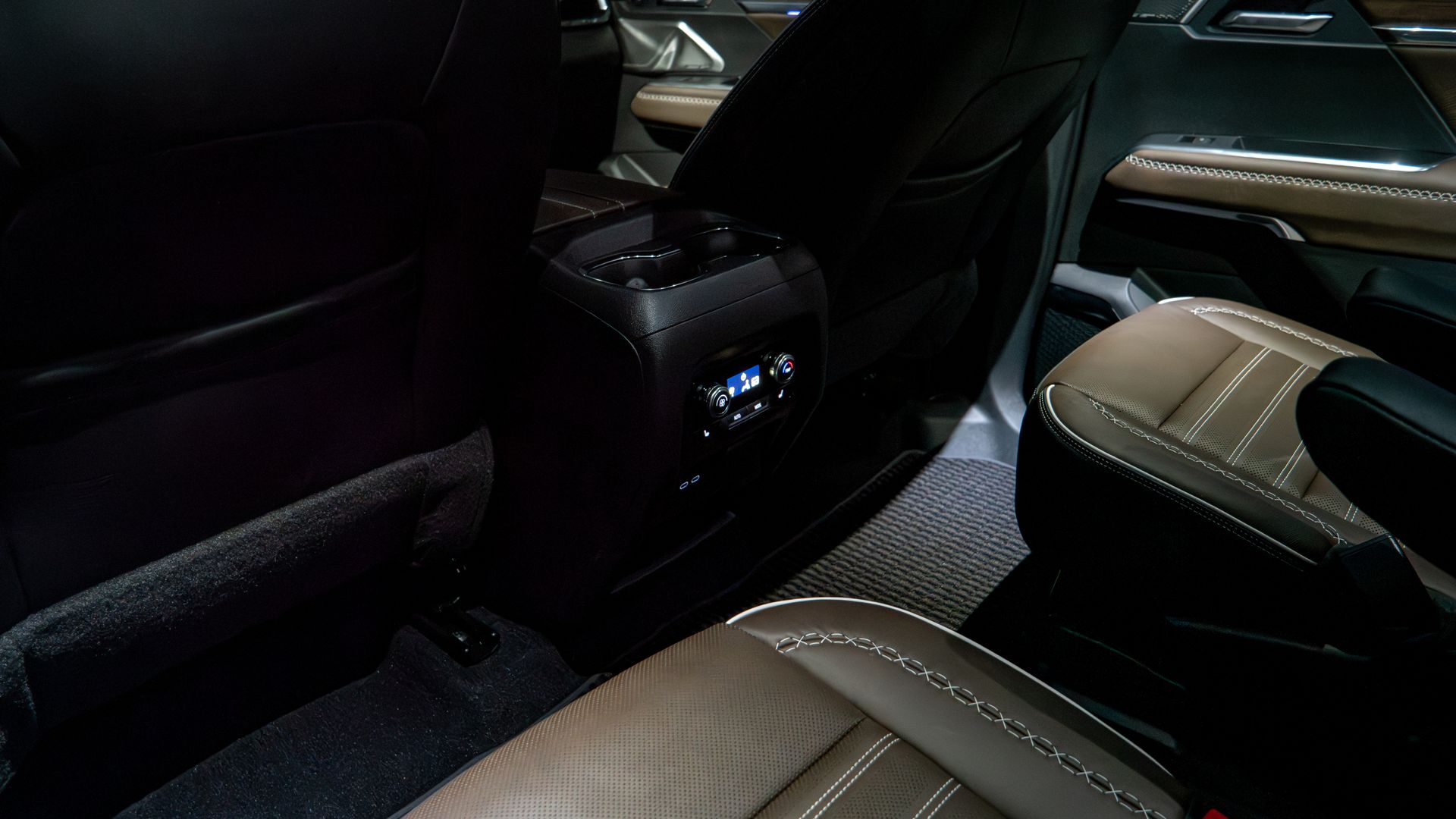
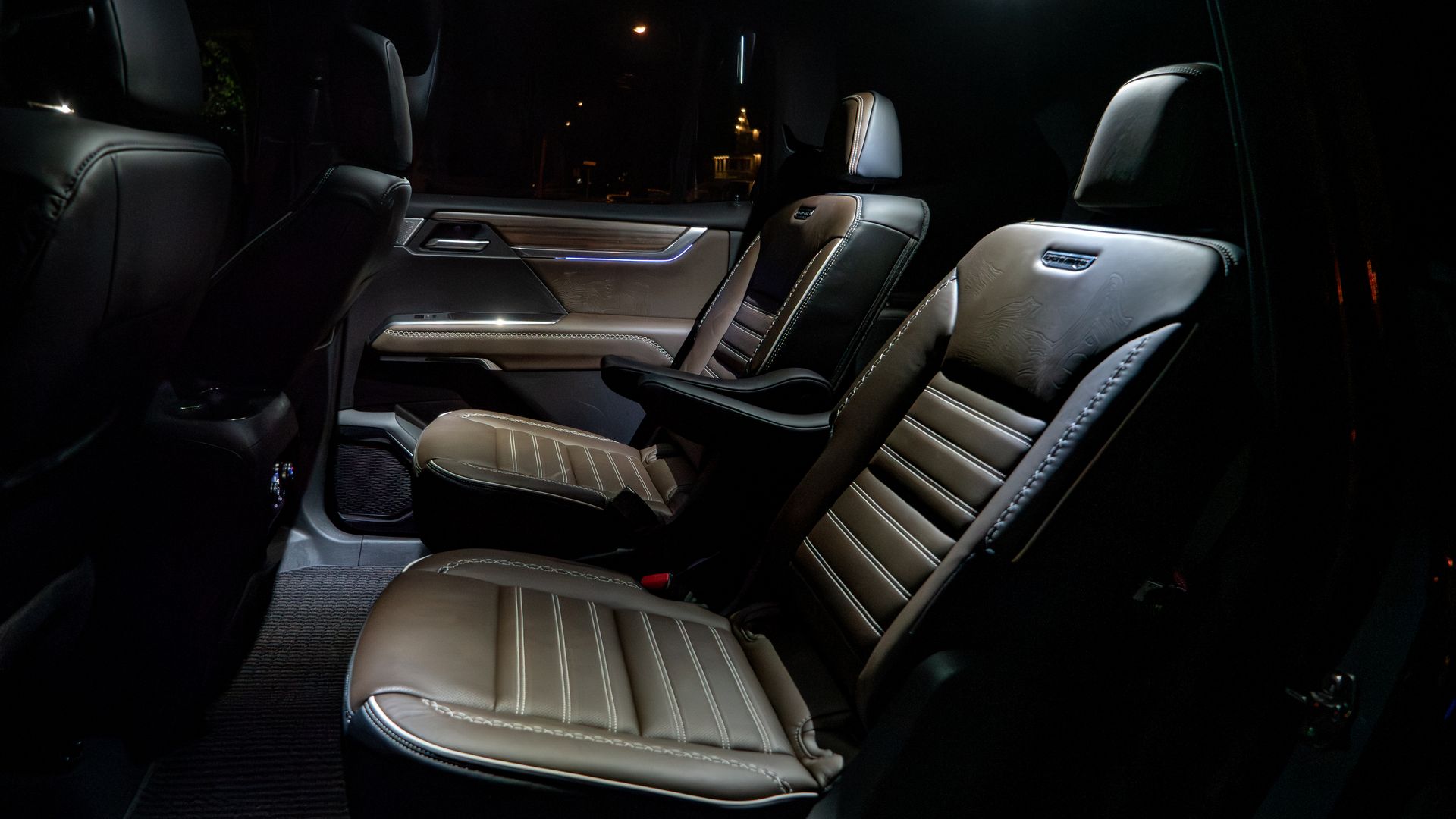
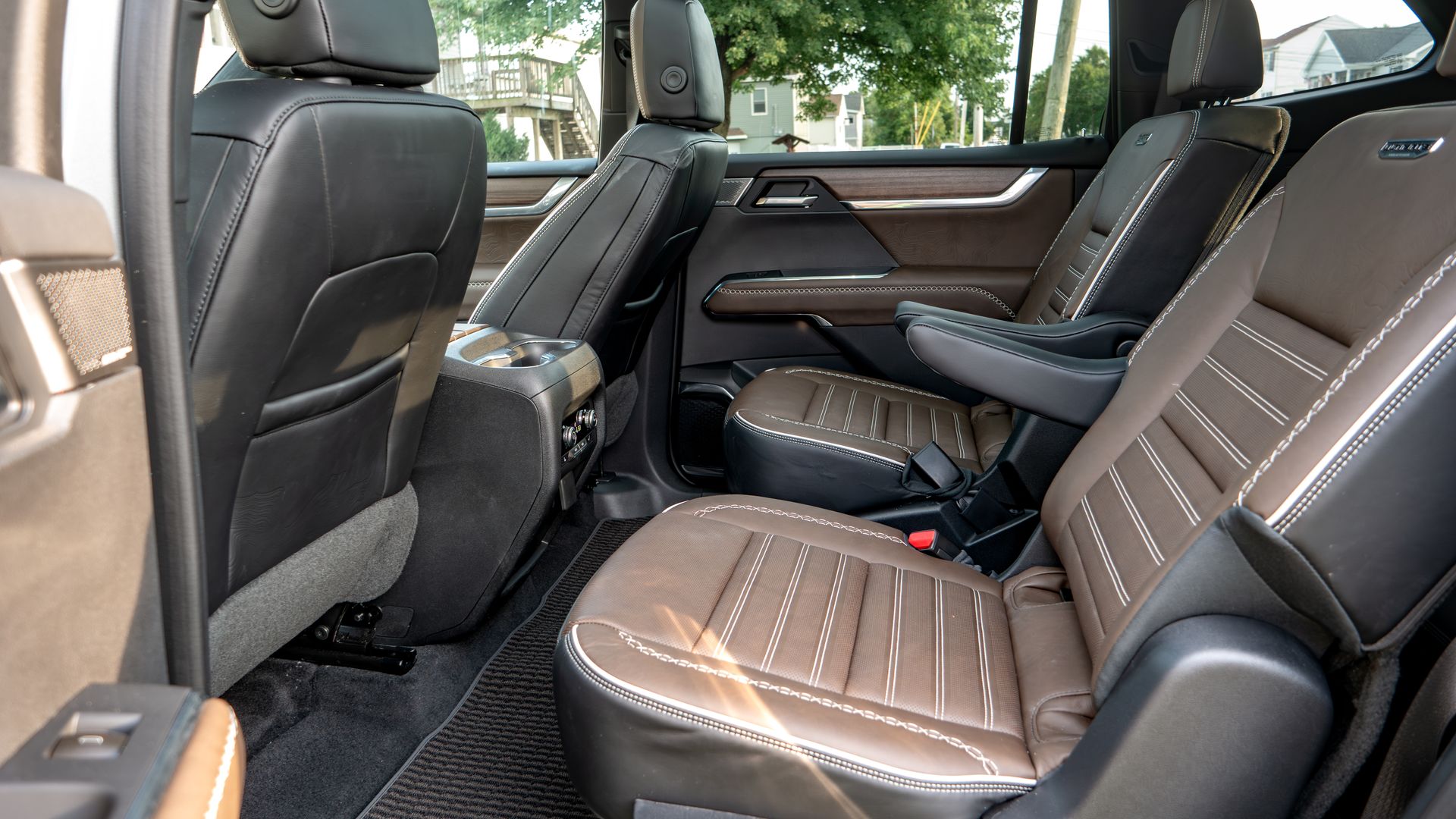
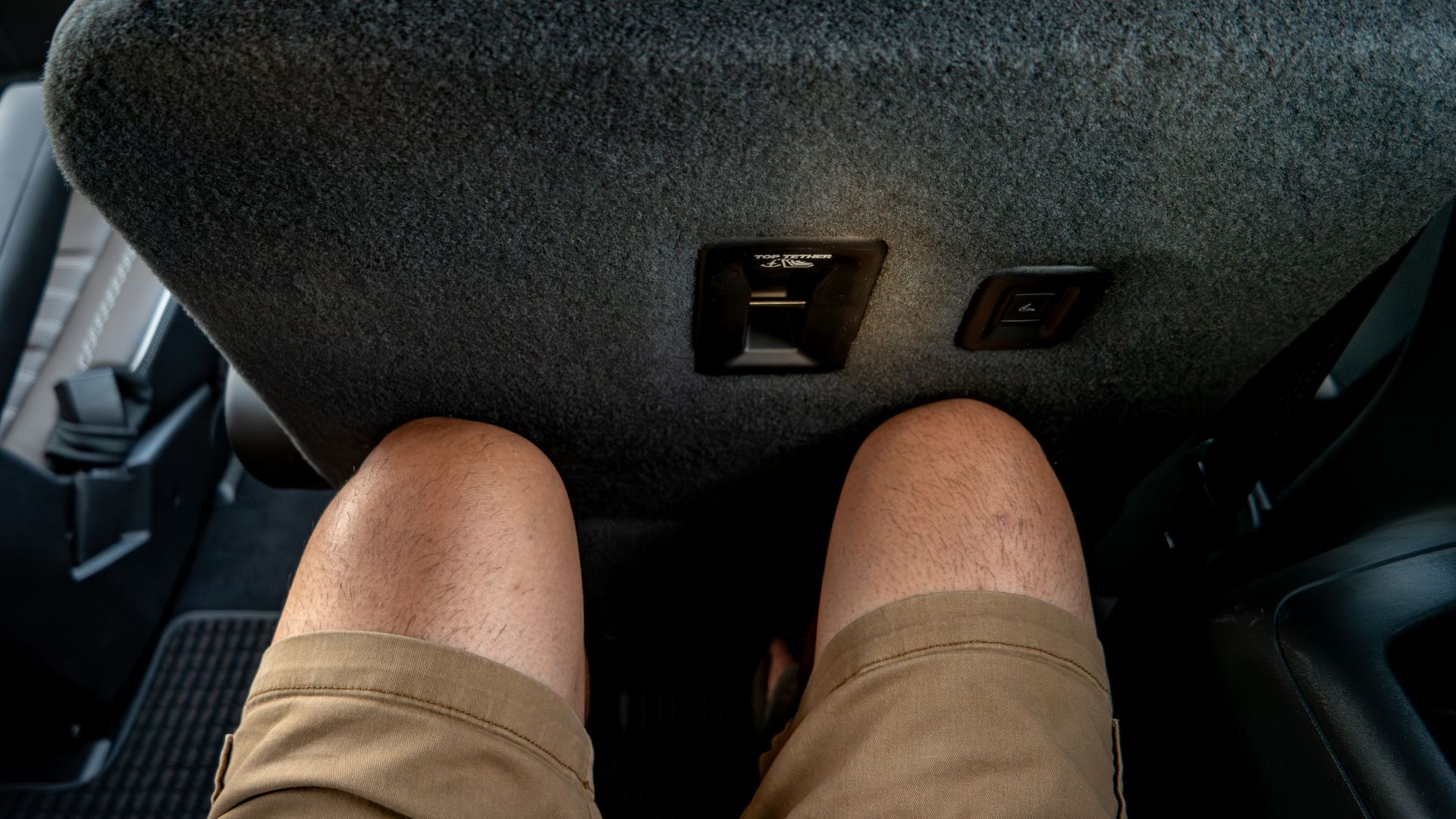
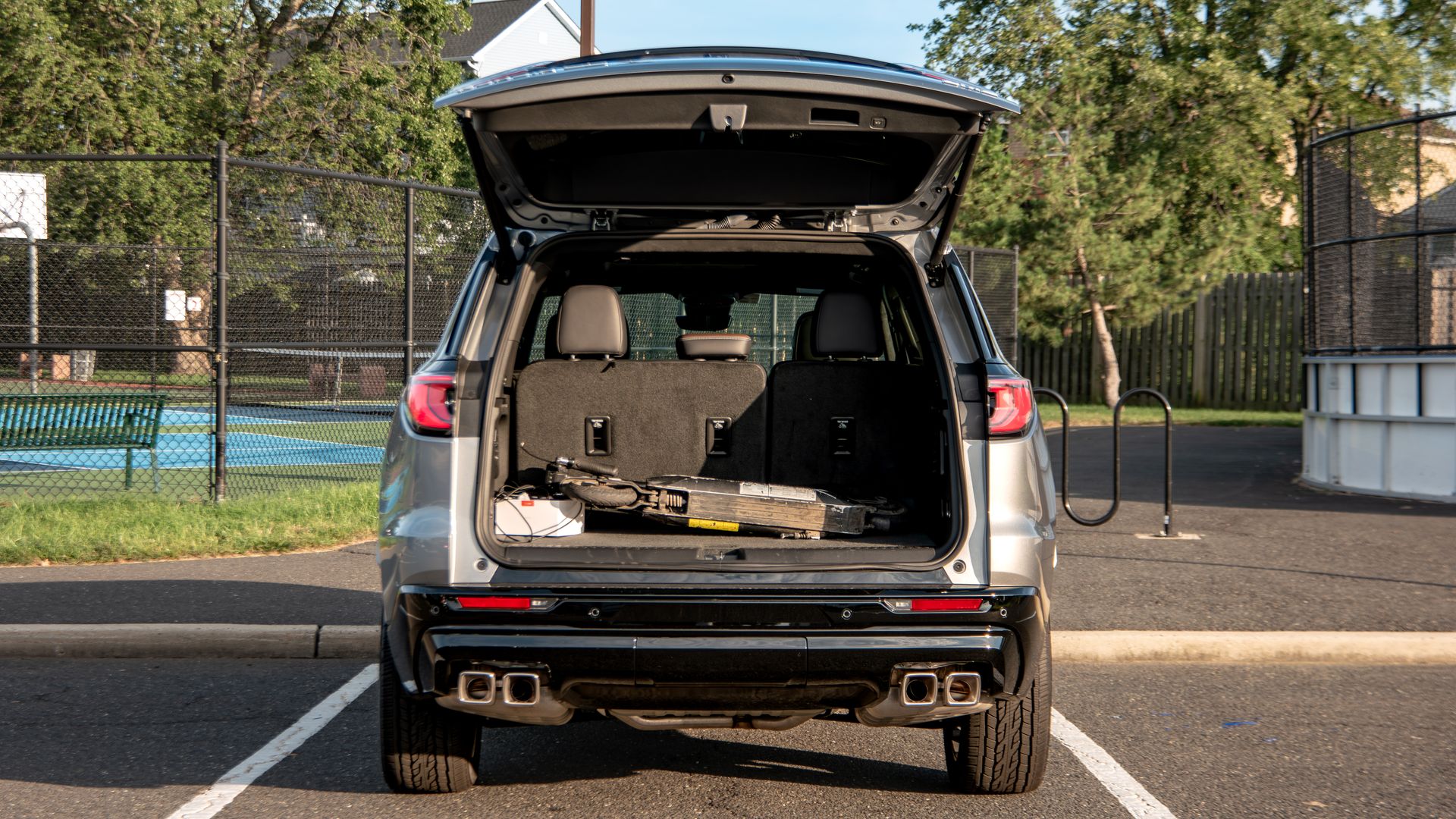
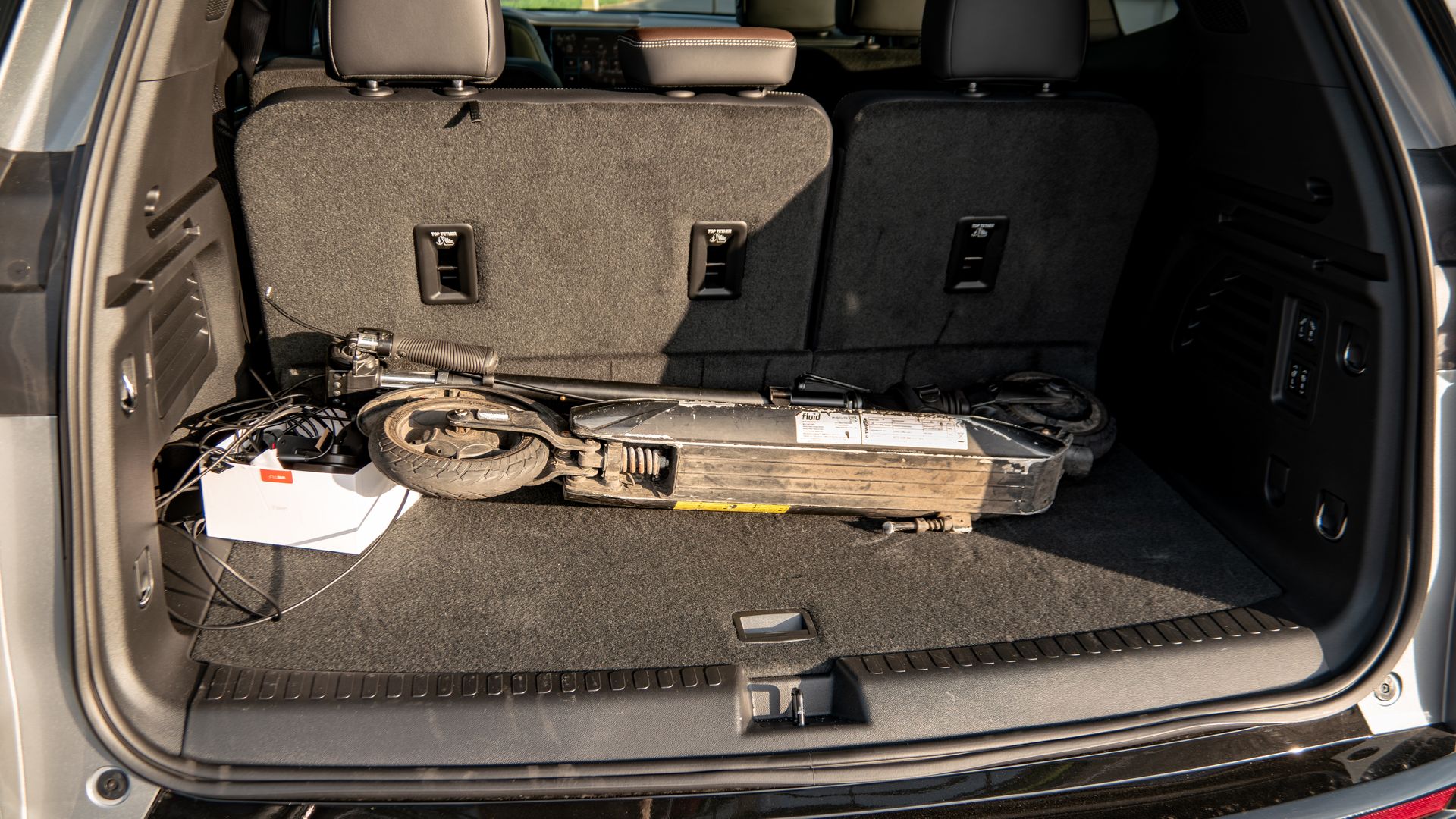
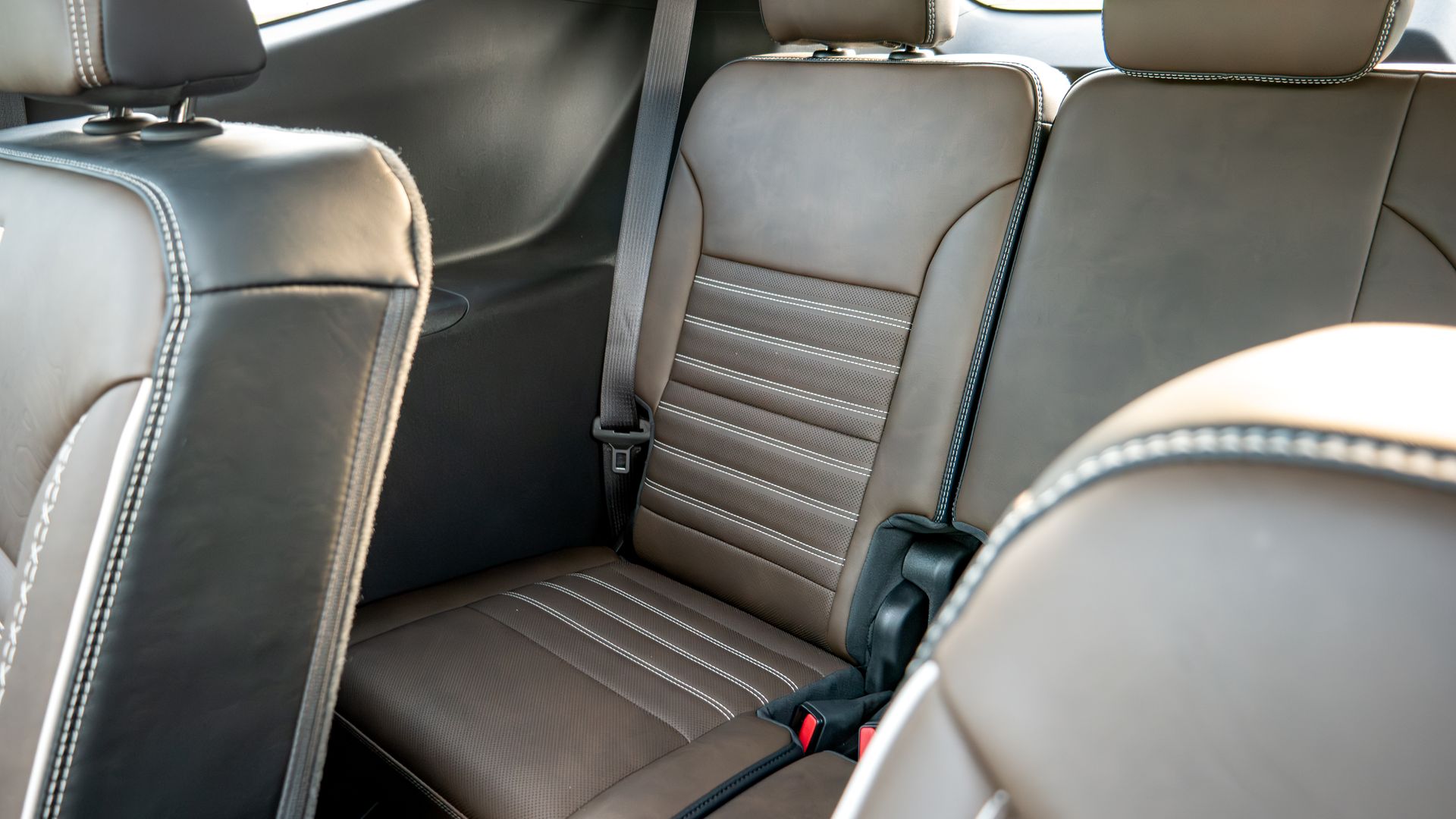
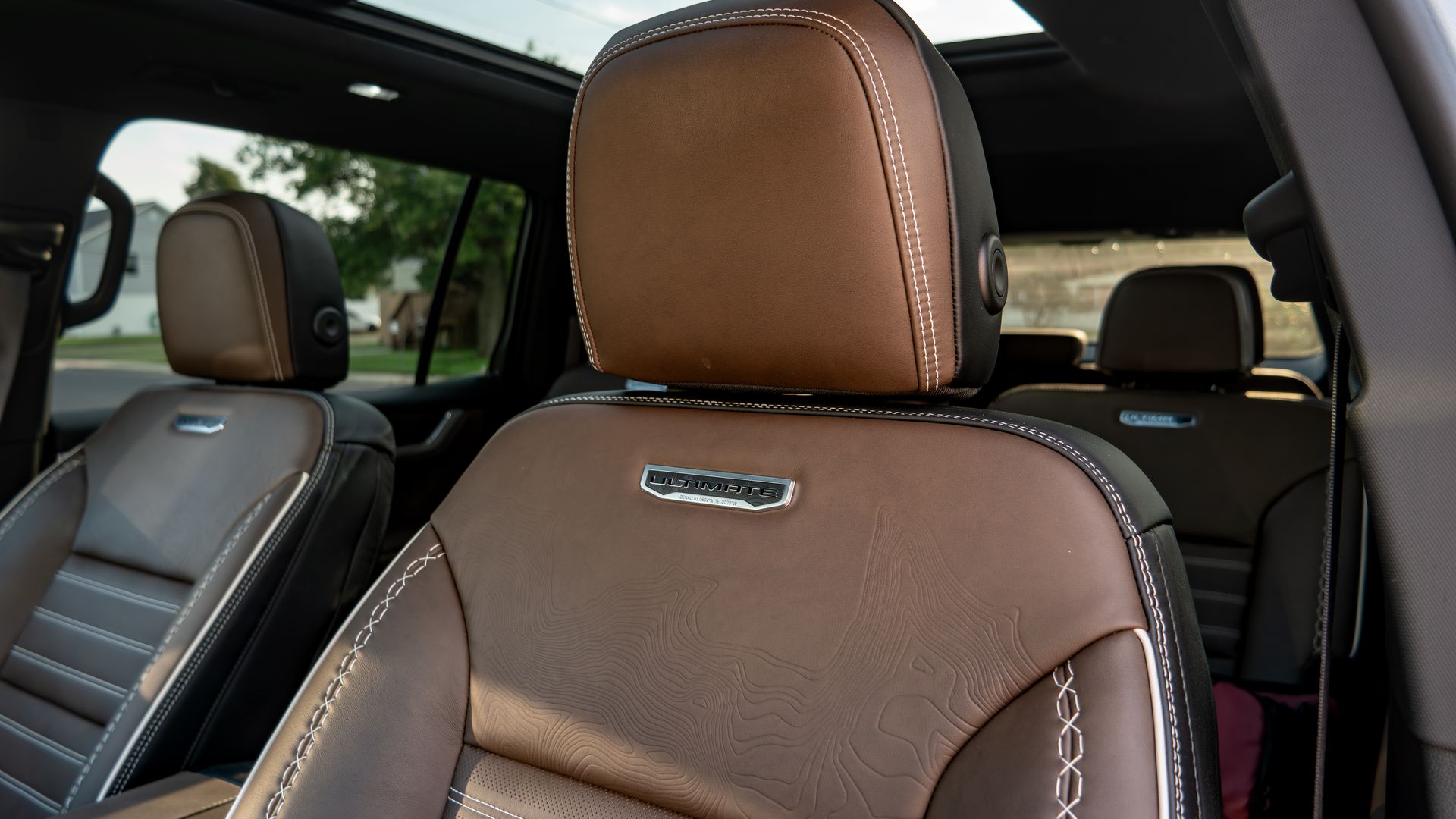
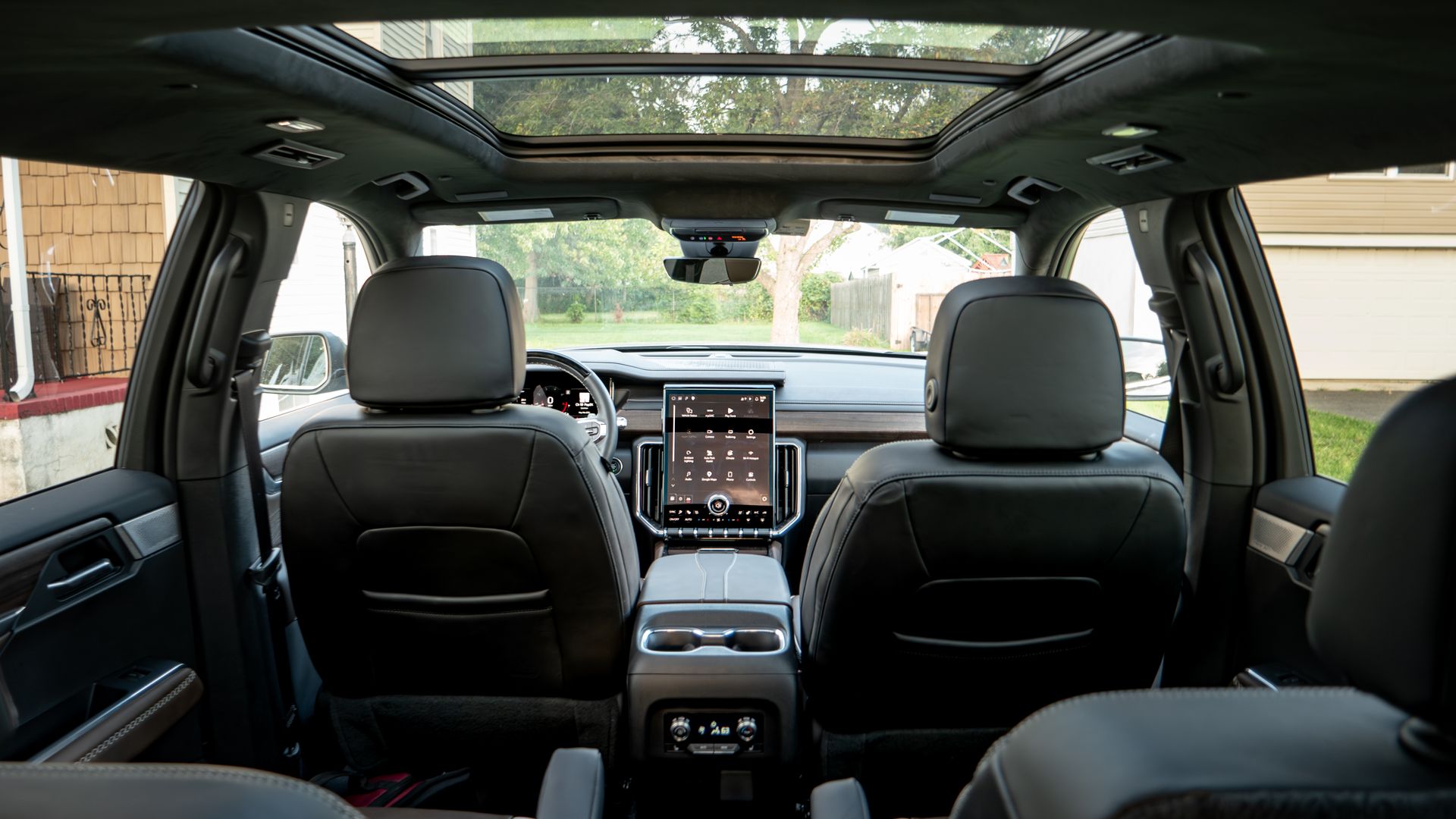
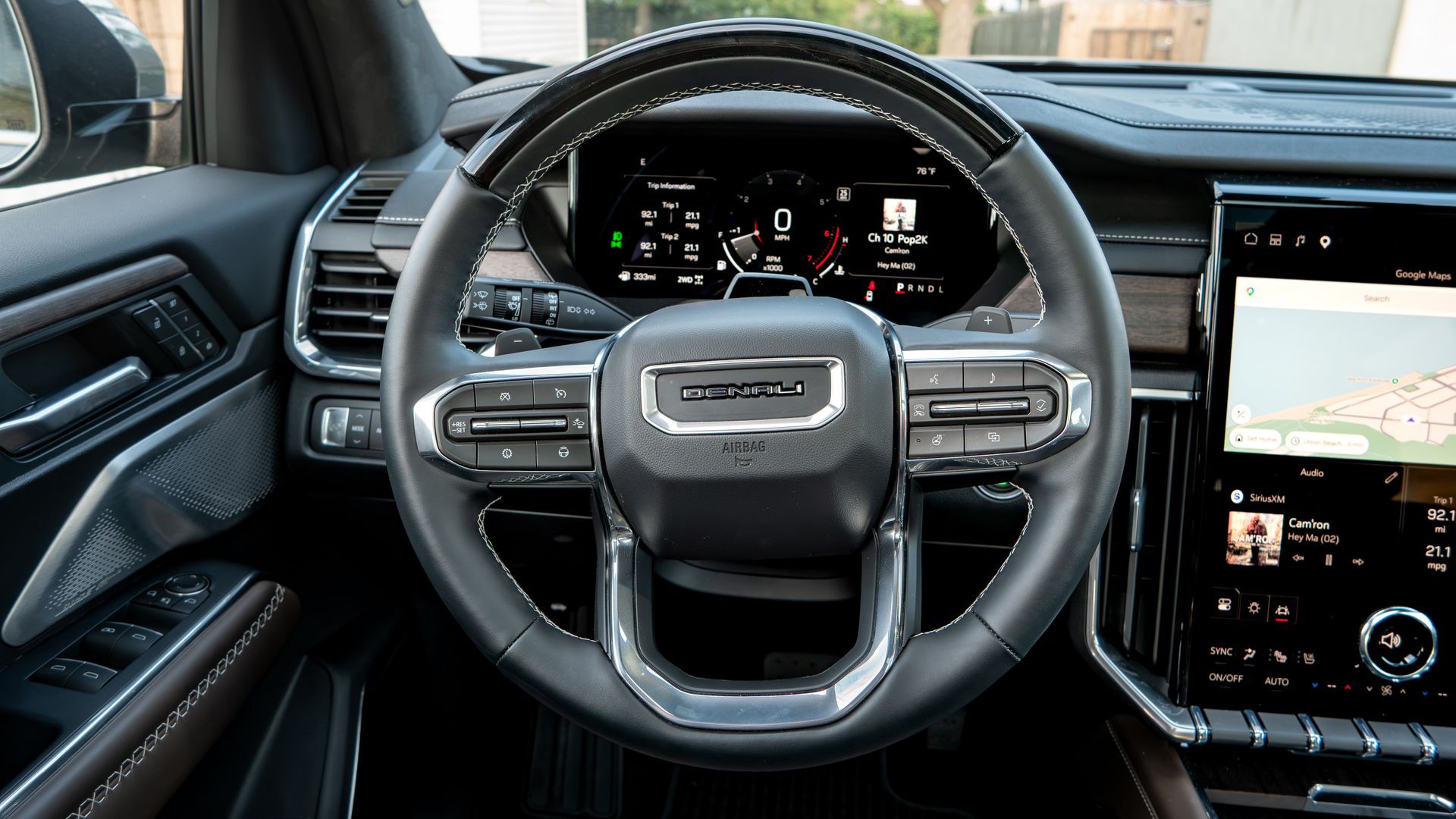
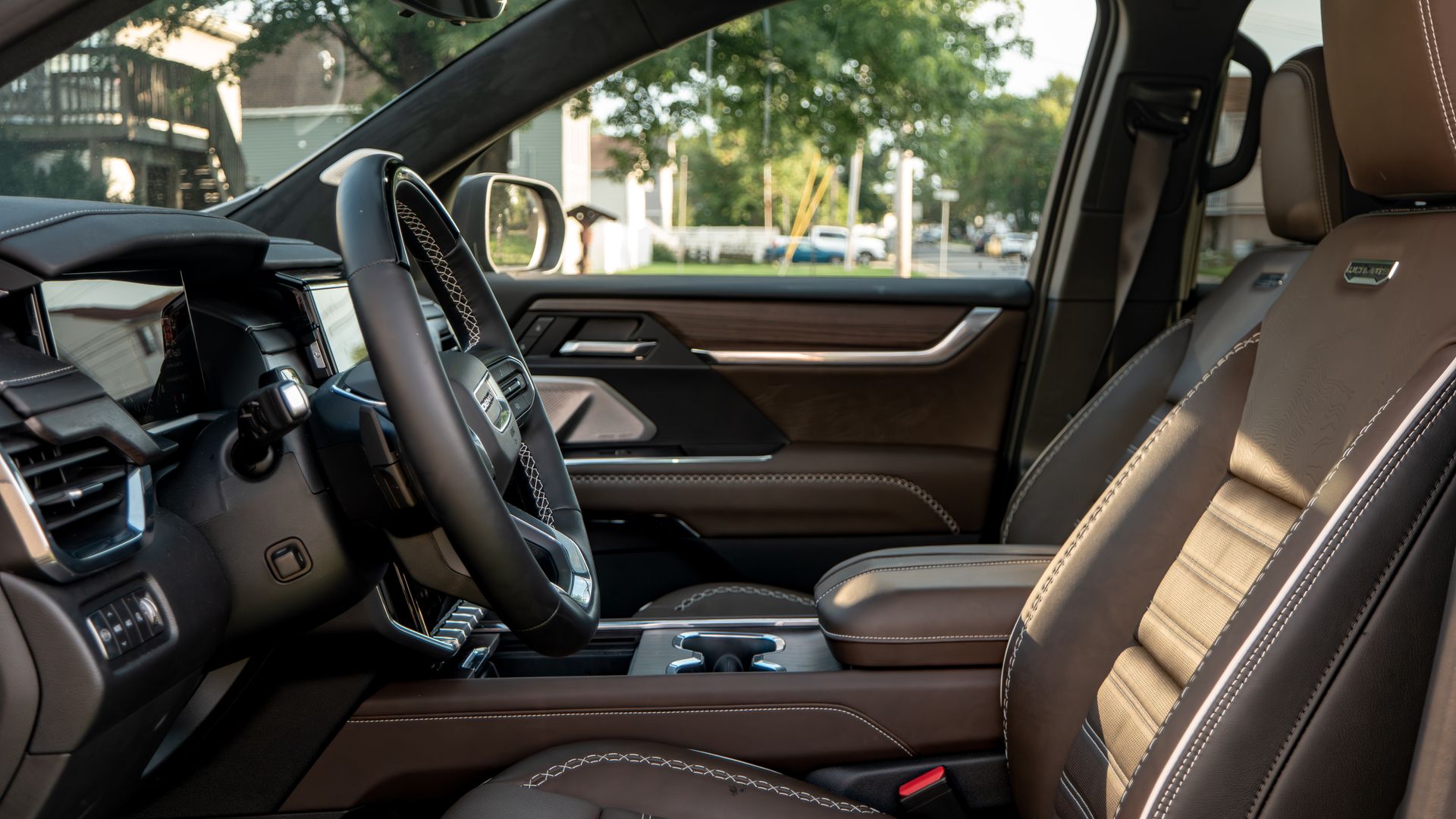
Step inside both cabins and the disparity between them is immediate. The 2026 Honda Pilot Elite offers a clean layout trimmed in perforated leather that’s durable and purpose-built for active families shuttling kids to practice and loading up on weekly Costco runs. However, the 2026 GMC Acadia Denali Ultimate takes a very different approach, delivering a near-Cadillac level of luxury. Between its soft leather, contrast stitching, and wood accents, the Acadia’s cabin has an upscale look that makes the Pilot feel a bit plain by comparison.
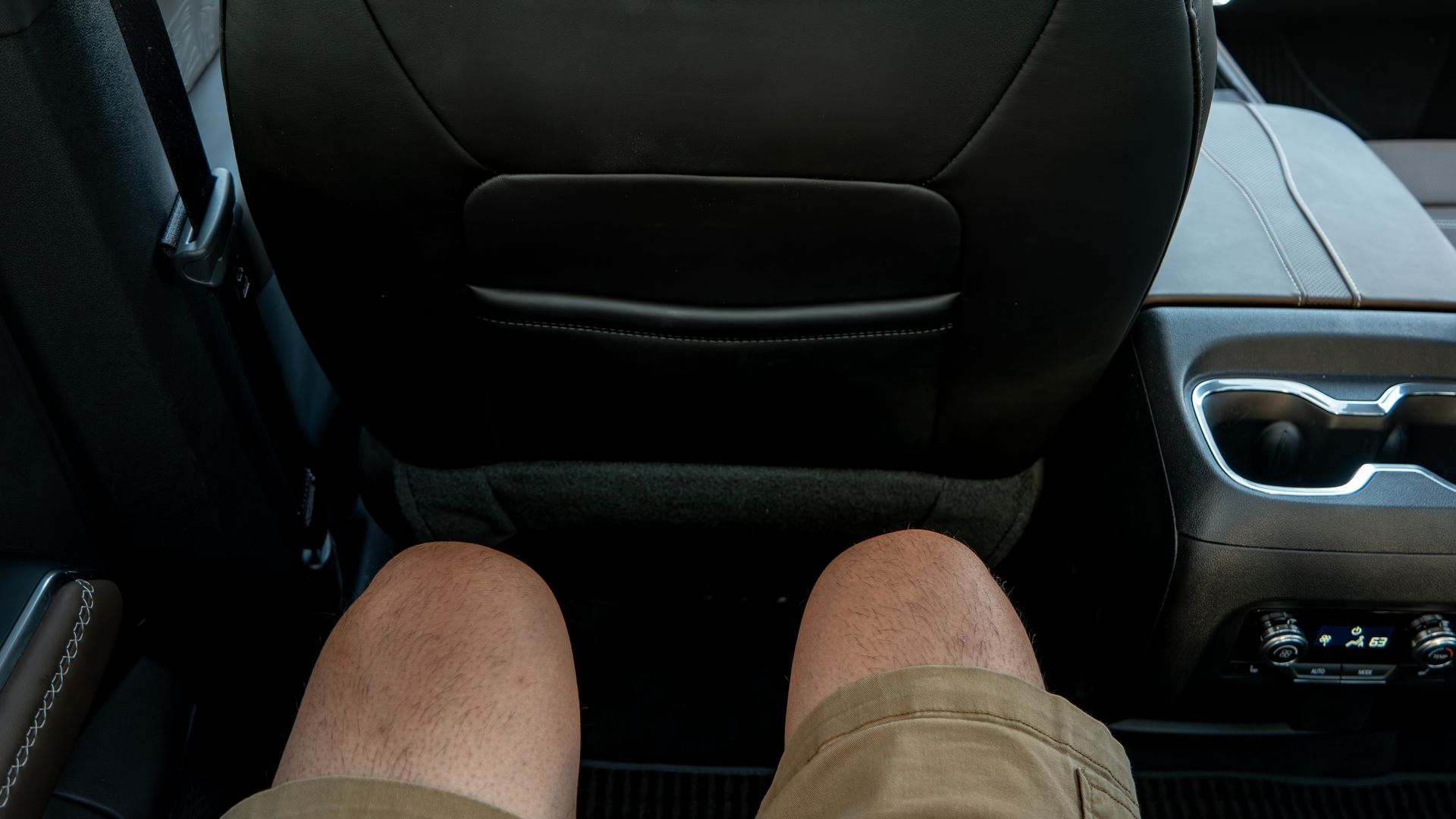
That edge carries directly into passenger comfort. While the Pilot accommodates up to eight passengers thanks to its versatile second- and third-row bench seating, the Acadia Denali Ultimate comes standard with plush second-row captain’s chairs that are noticeably more supportive and comfortable for adults.
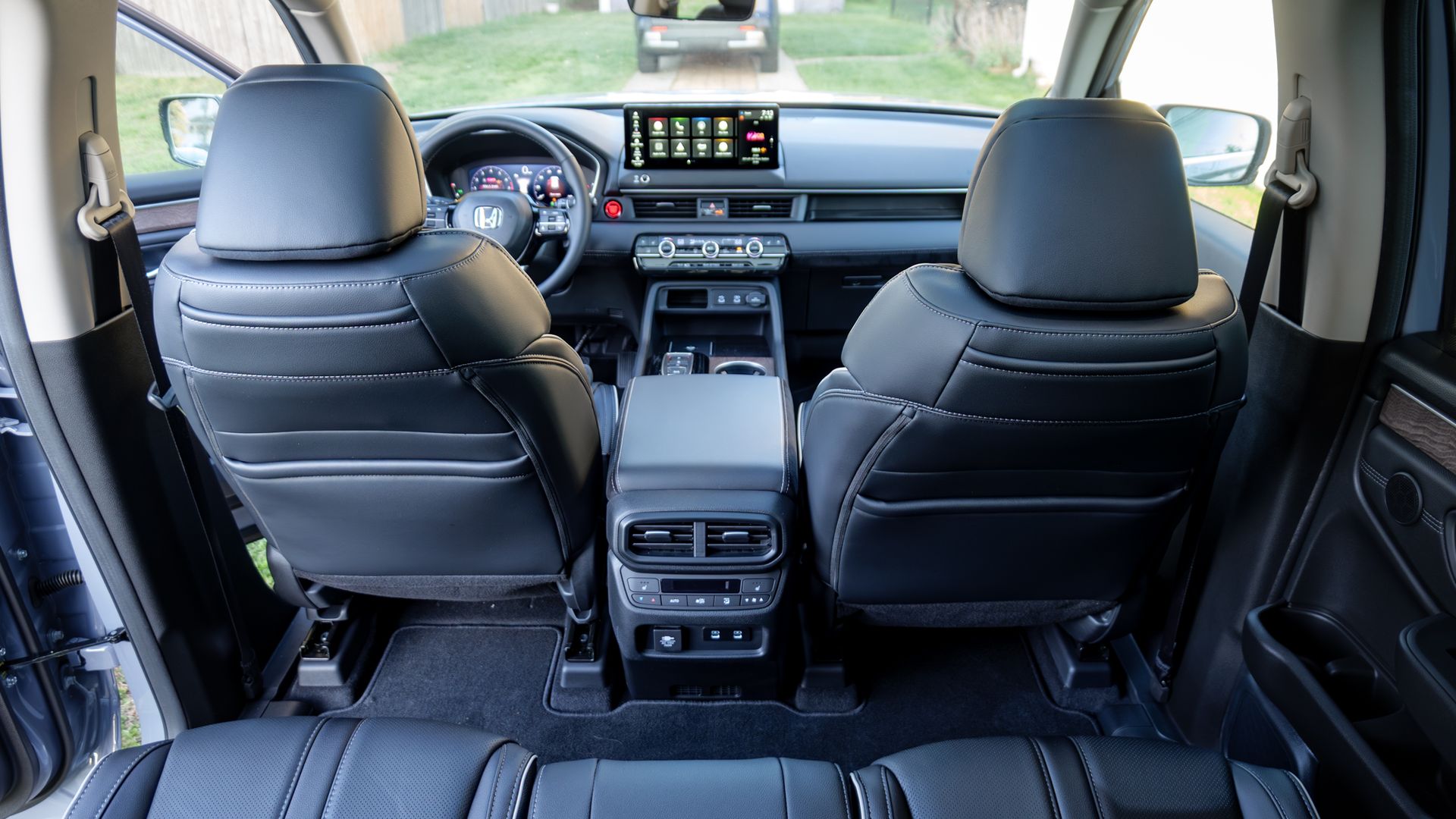
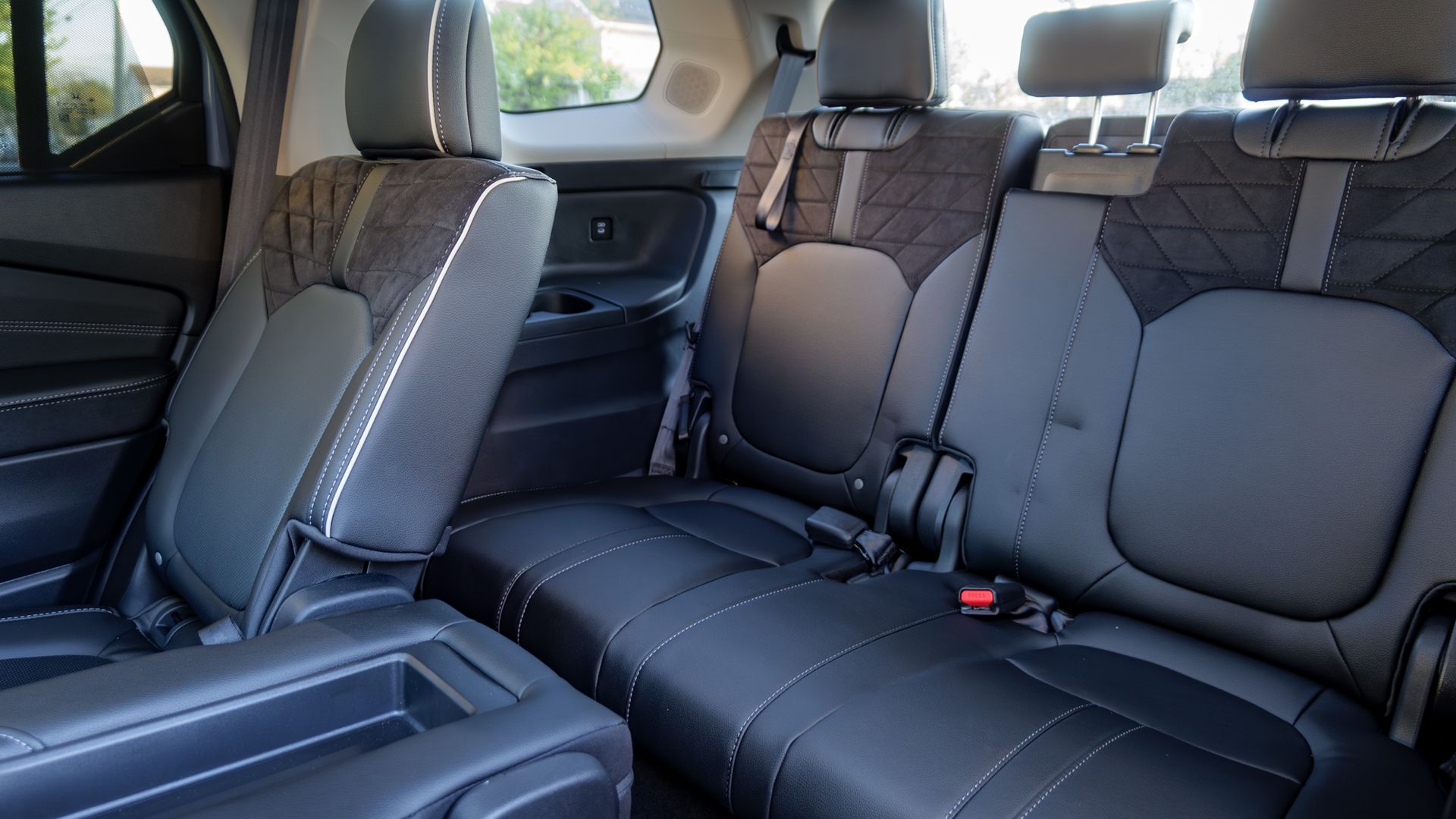
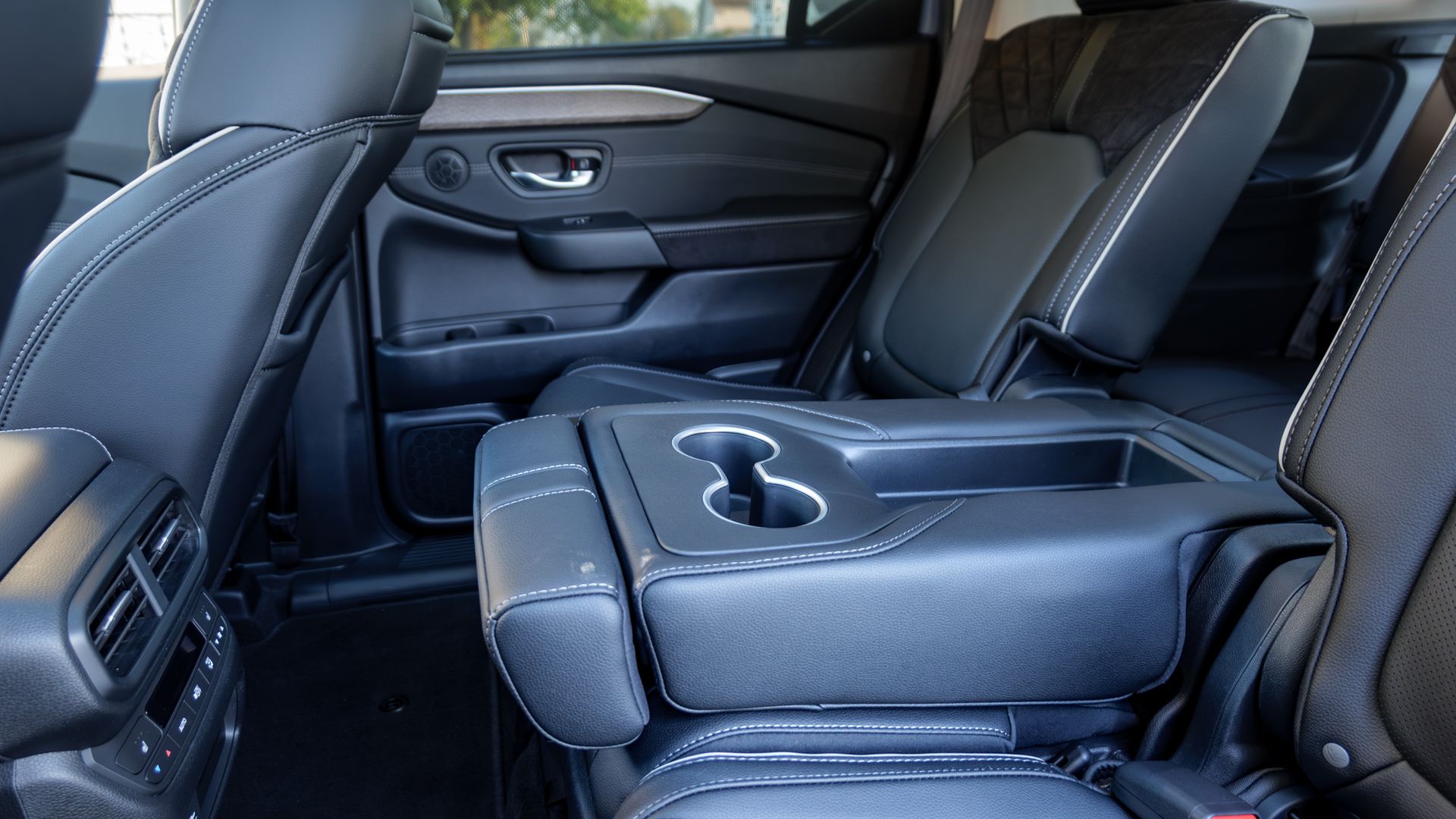
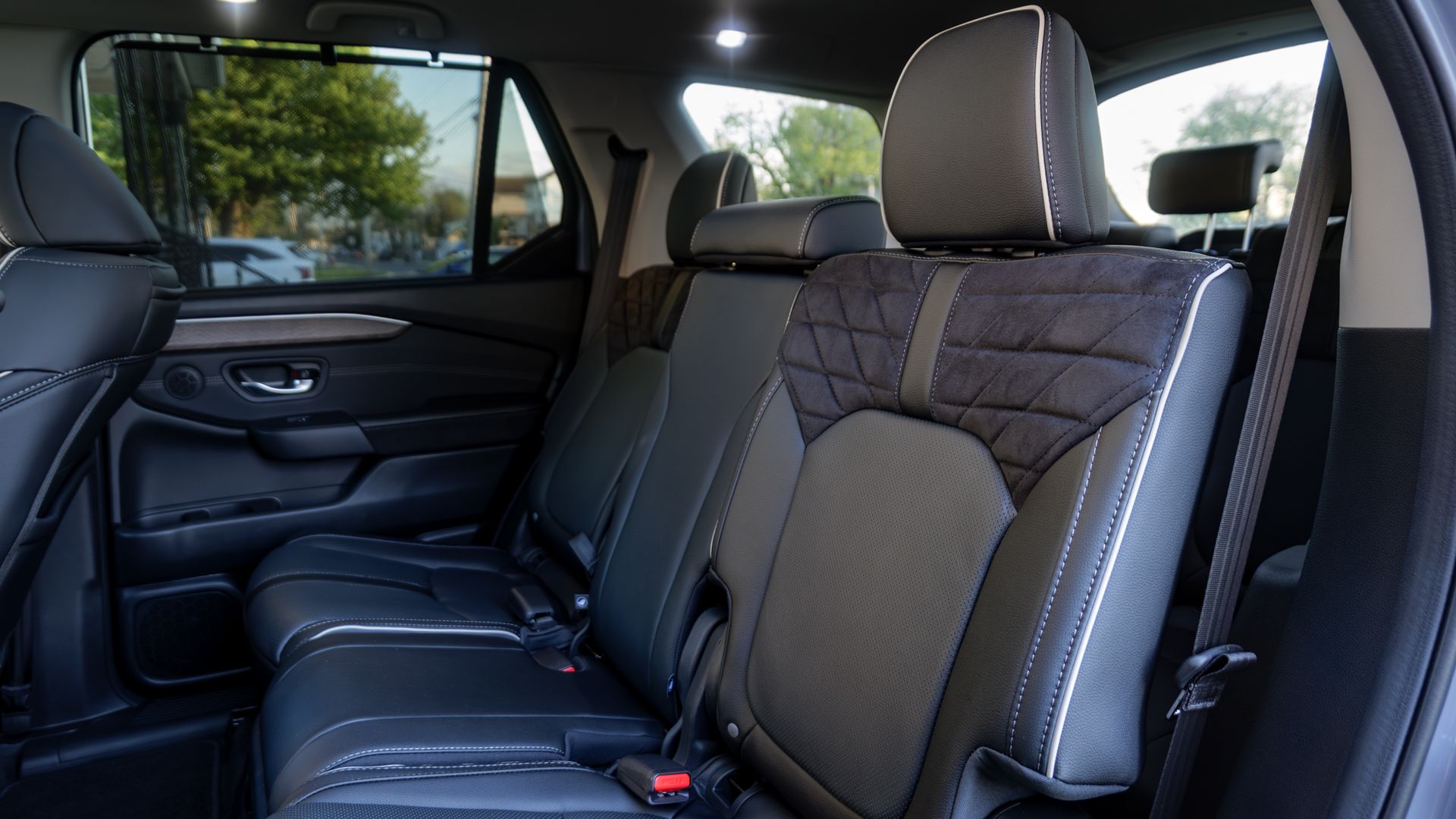
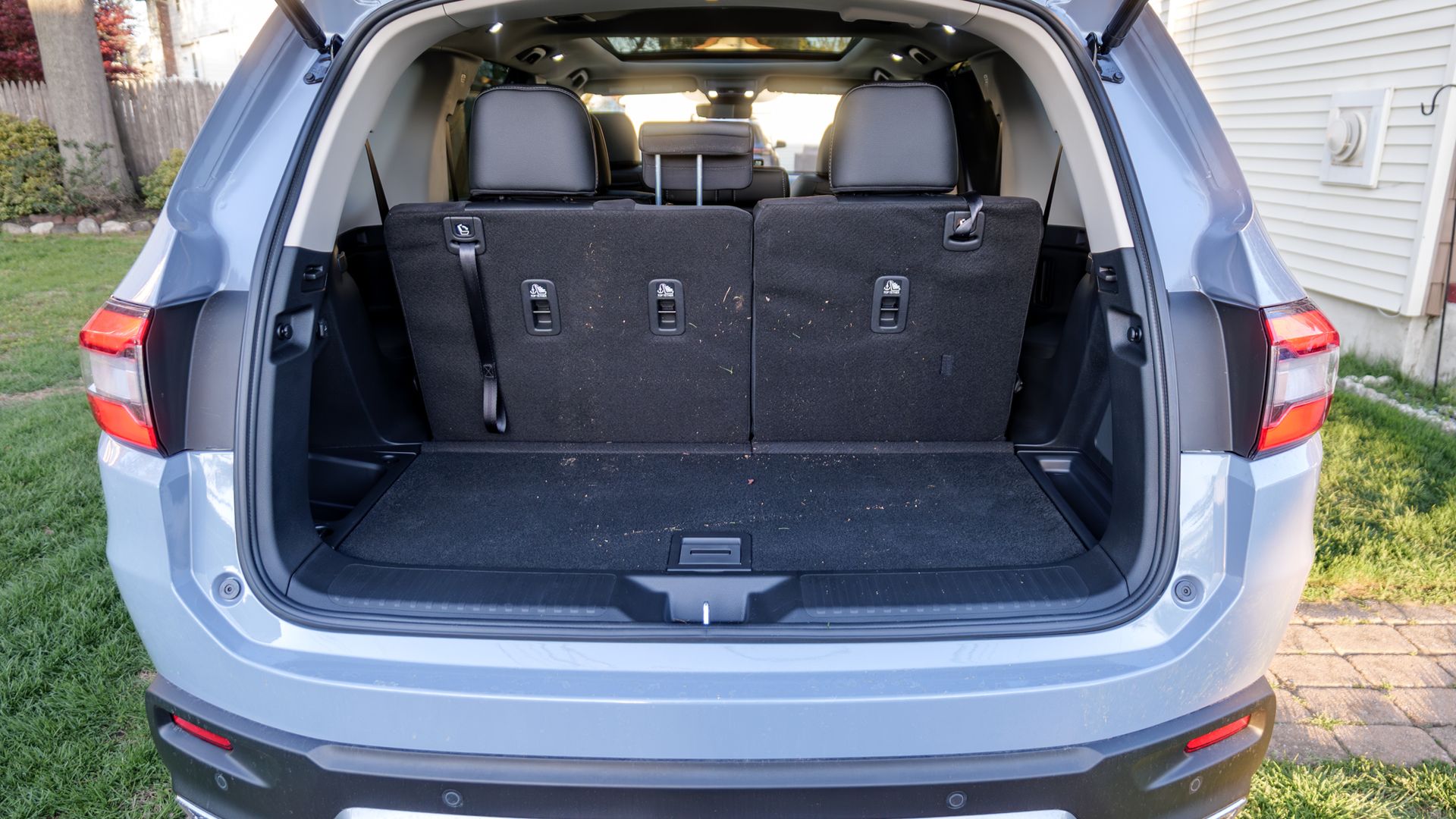
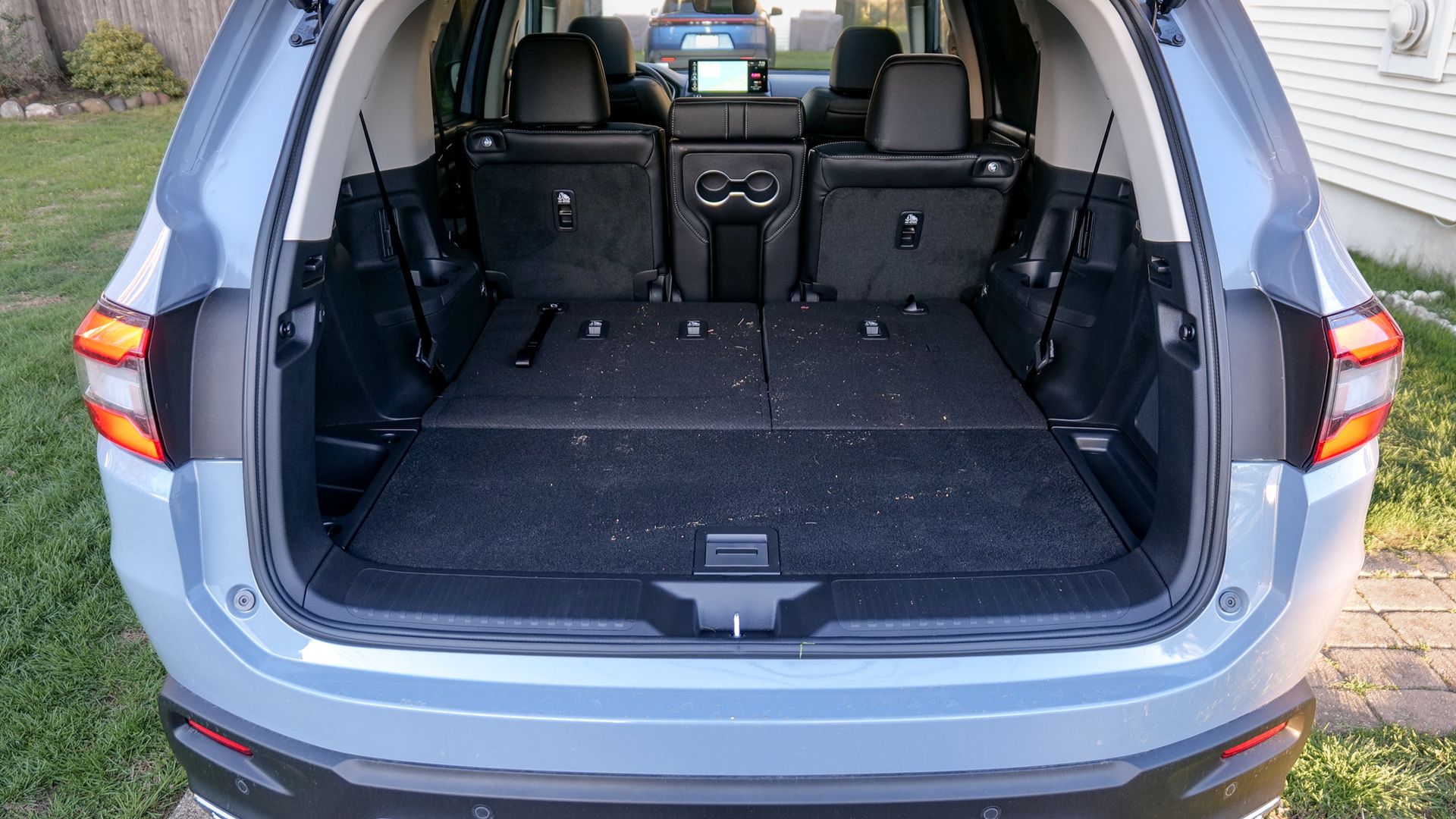
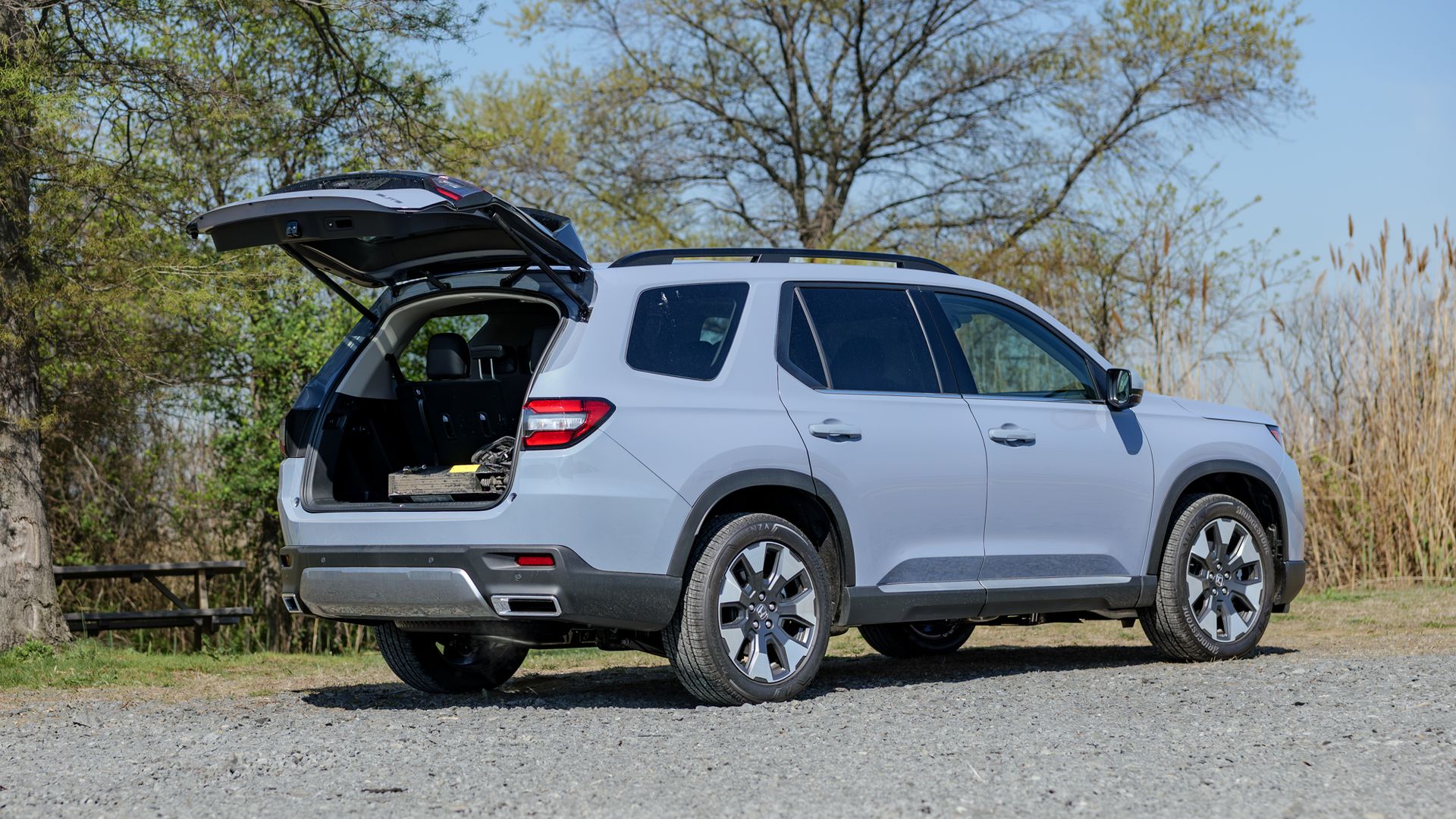
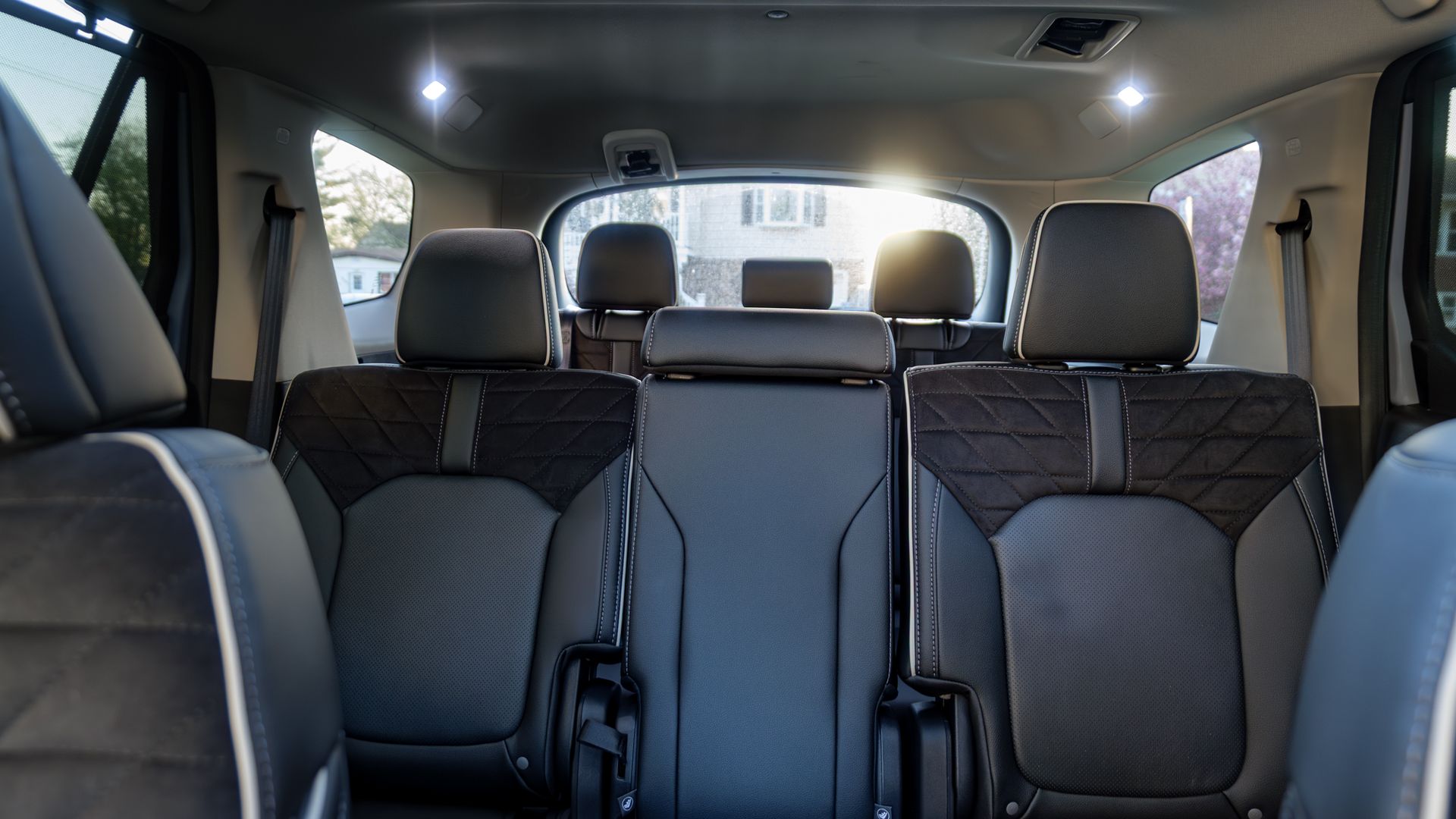
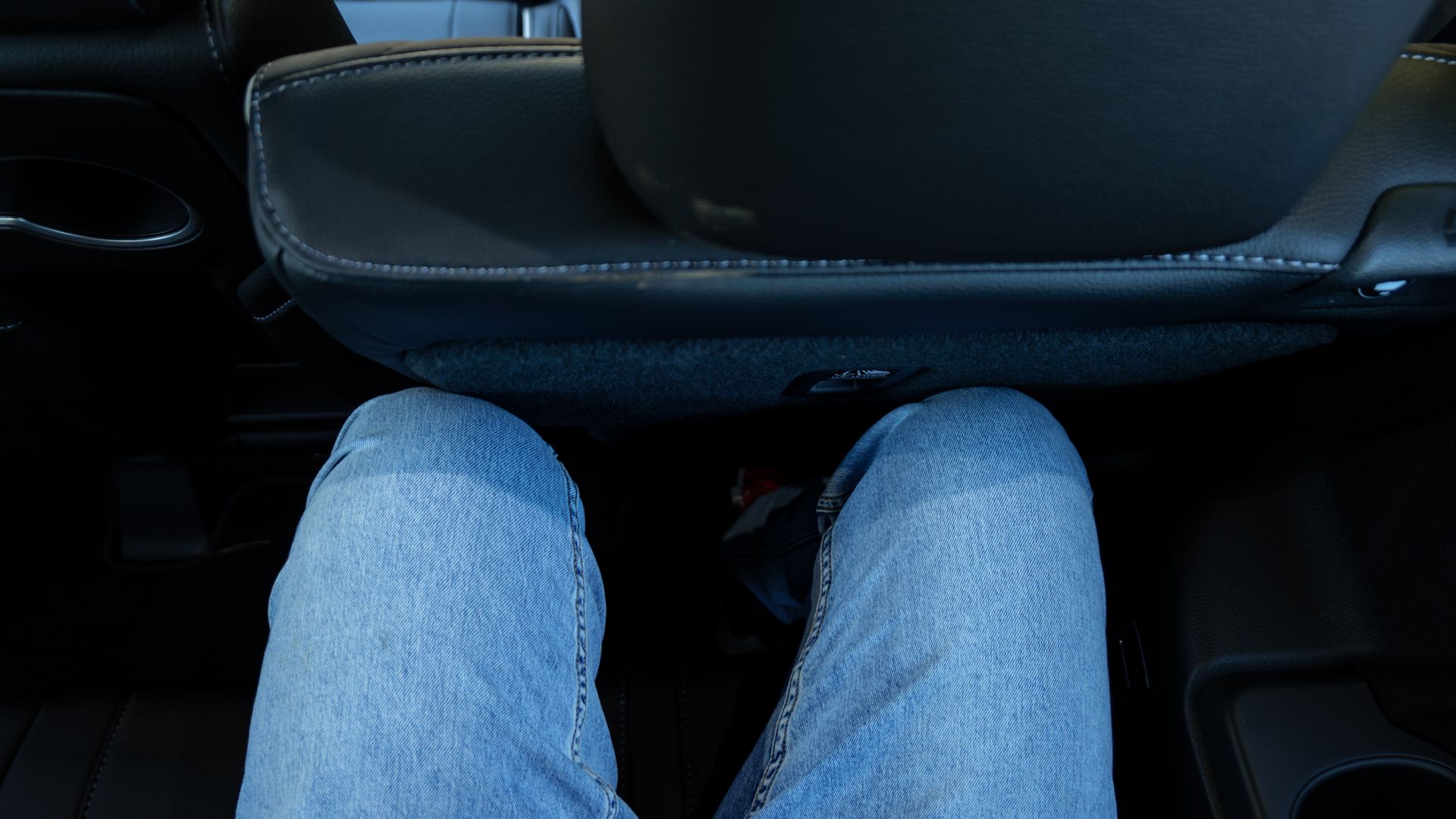
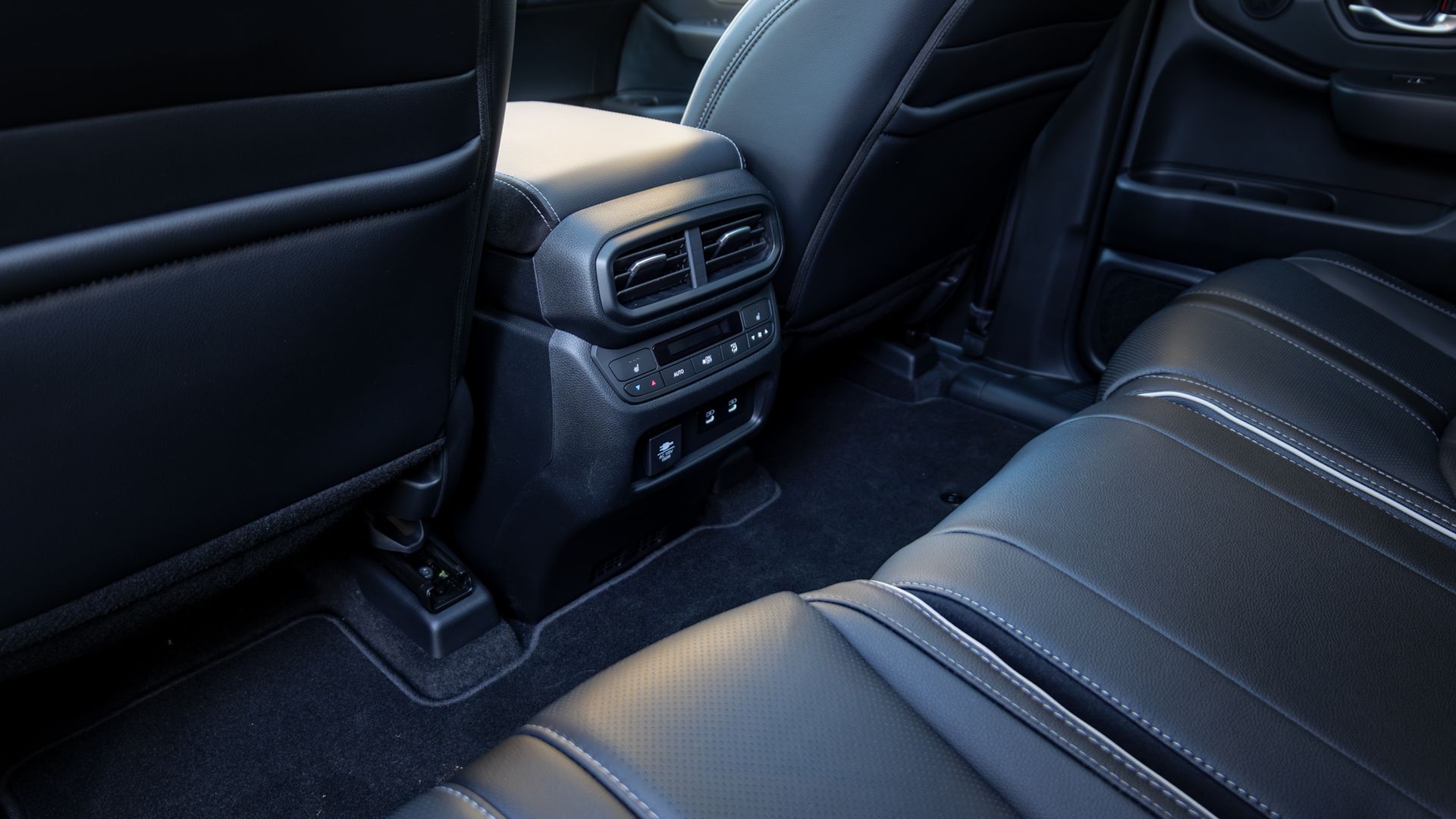
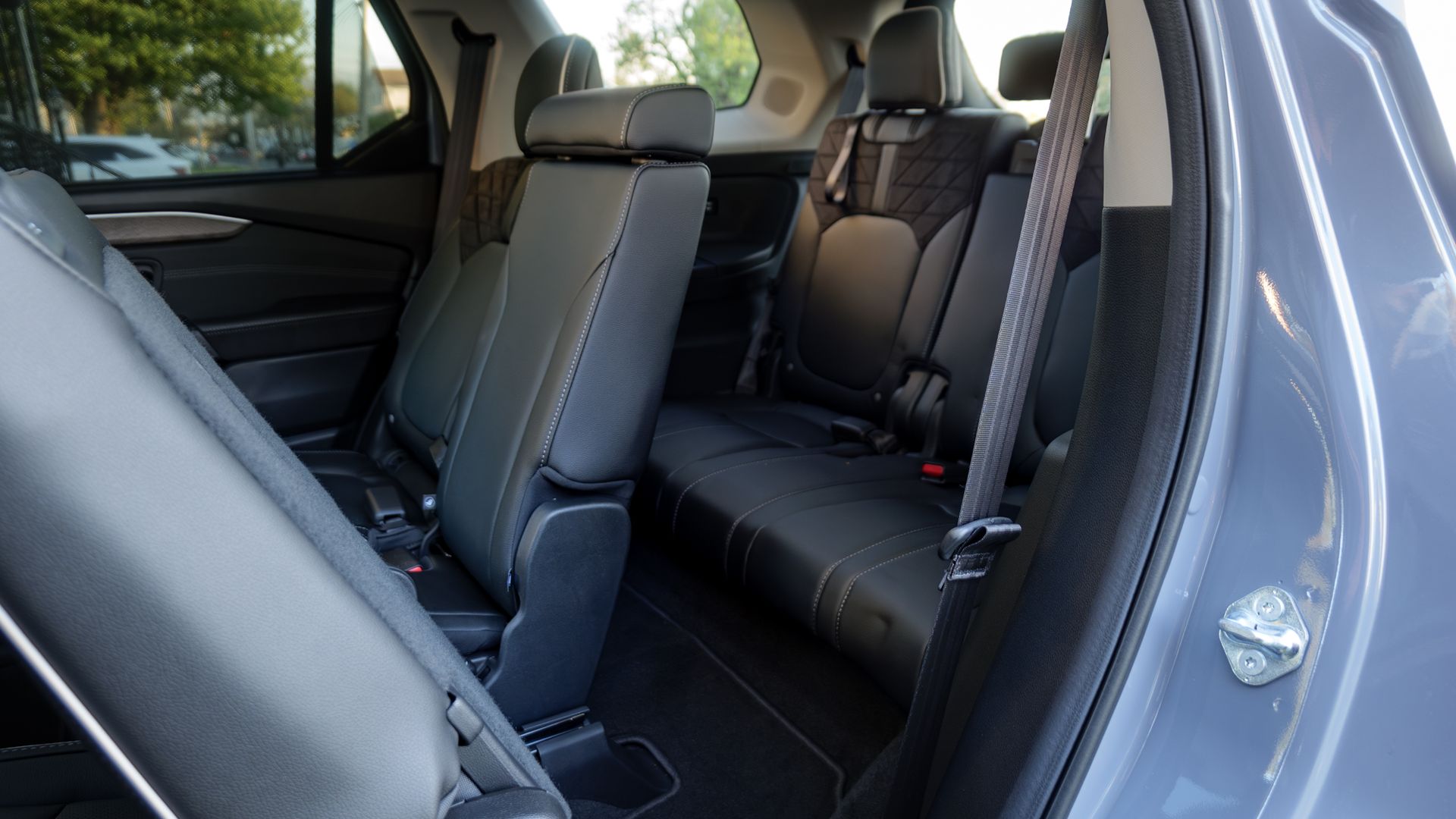
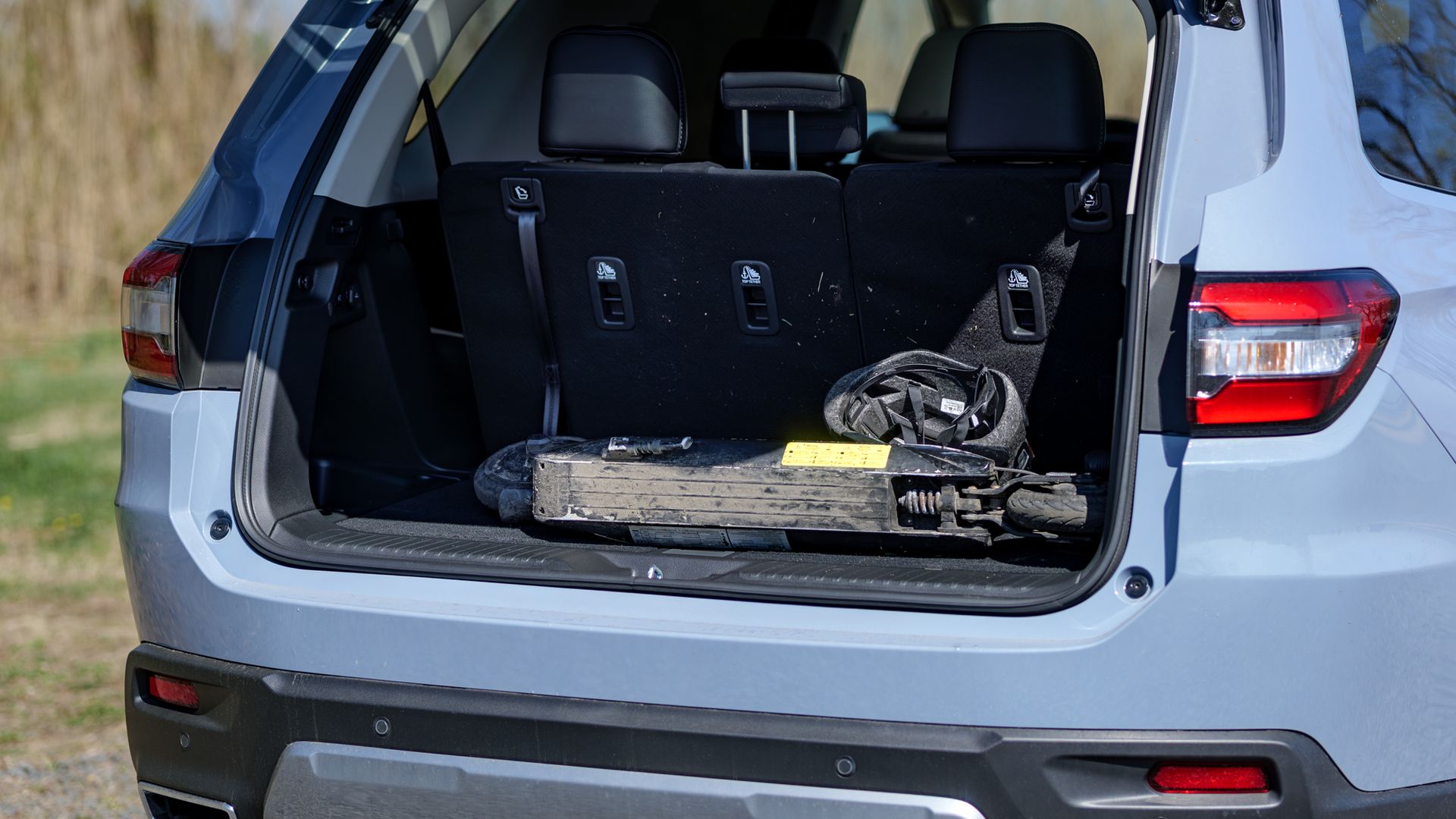
As for legroom, both deliver expansive second-row space for taller passengers. The Acadia’s slightly longer footprint also affords a smidge more breathing room in the third row. That larger frame makes a huge different in the back, yielding a generous 23 cubic feet of cargo space behind the third row compared to the Pilot’s 18.6 cubic feet.
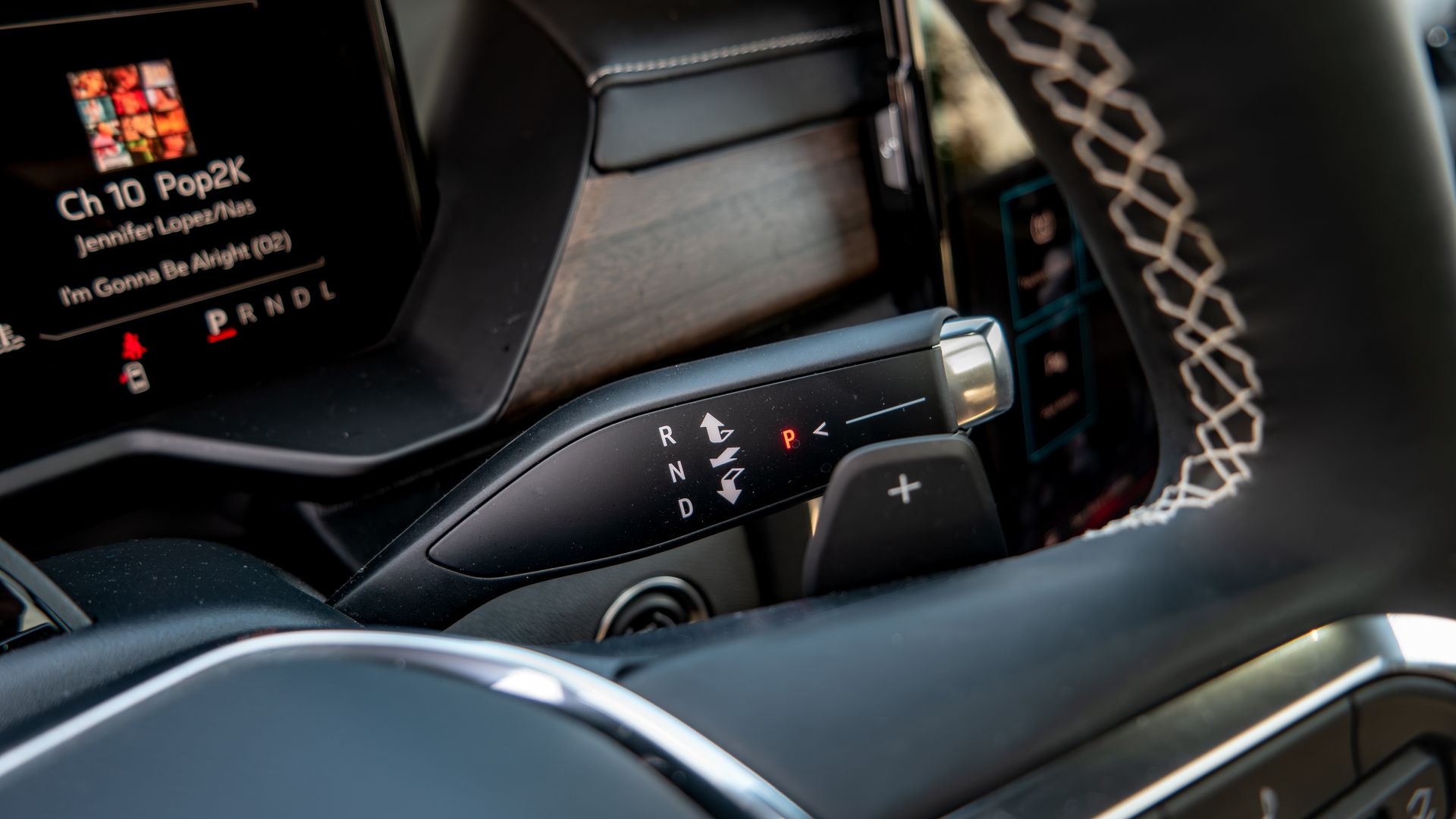
Where the Acadia truly widens the gap in overall driving comfort and road-trip ease is GM’s Super Cruise. While Honda Sensing provides reliable adaptive cruise control and lane centering, it still requires your hands on the wheel. Super Cruise, on the other hand, remains one of my absolute favorite hands-free driver-assist systems on the market, elevated by effortless, automated hands-free lane changes on compatible highways.
GMC Acadia Denali vs Honda Pilot: Value
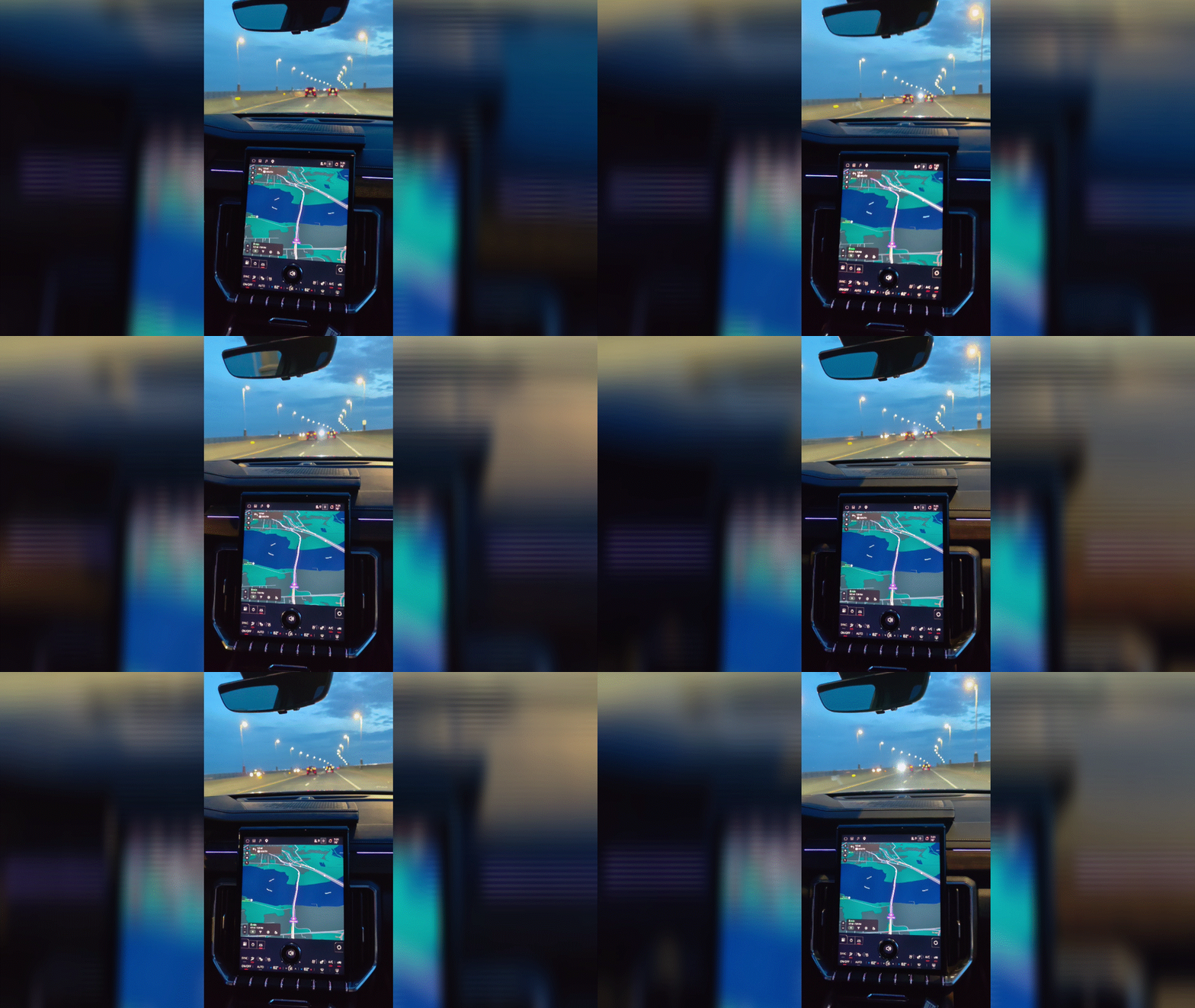

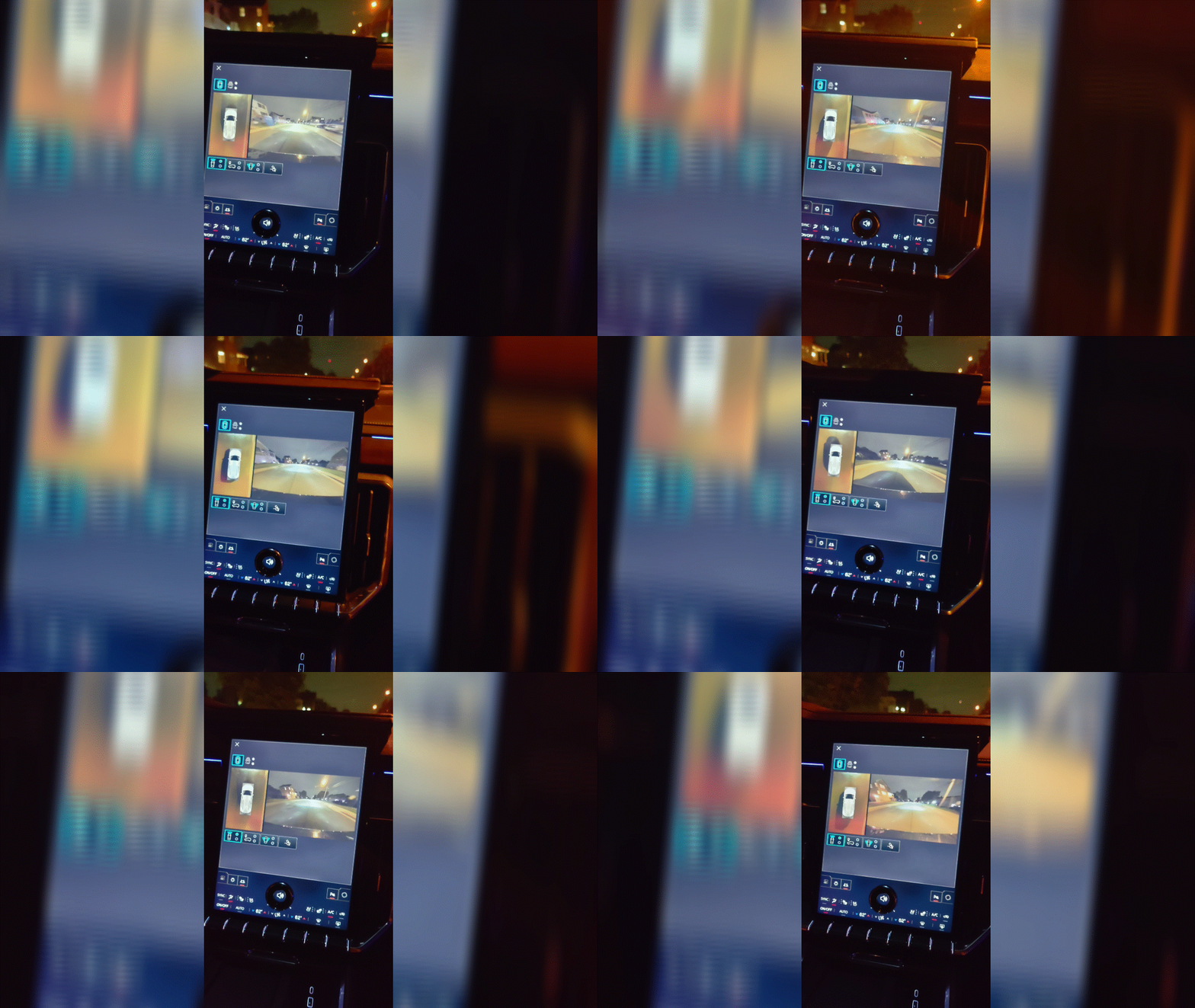

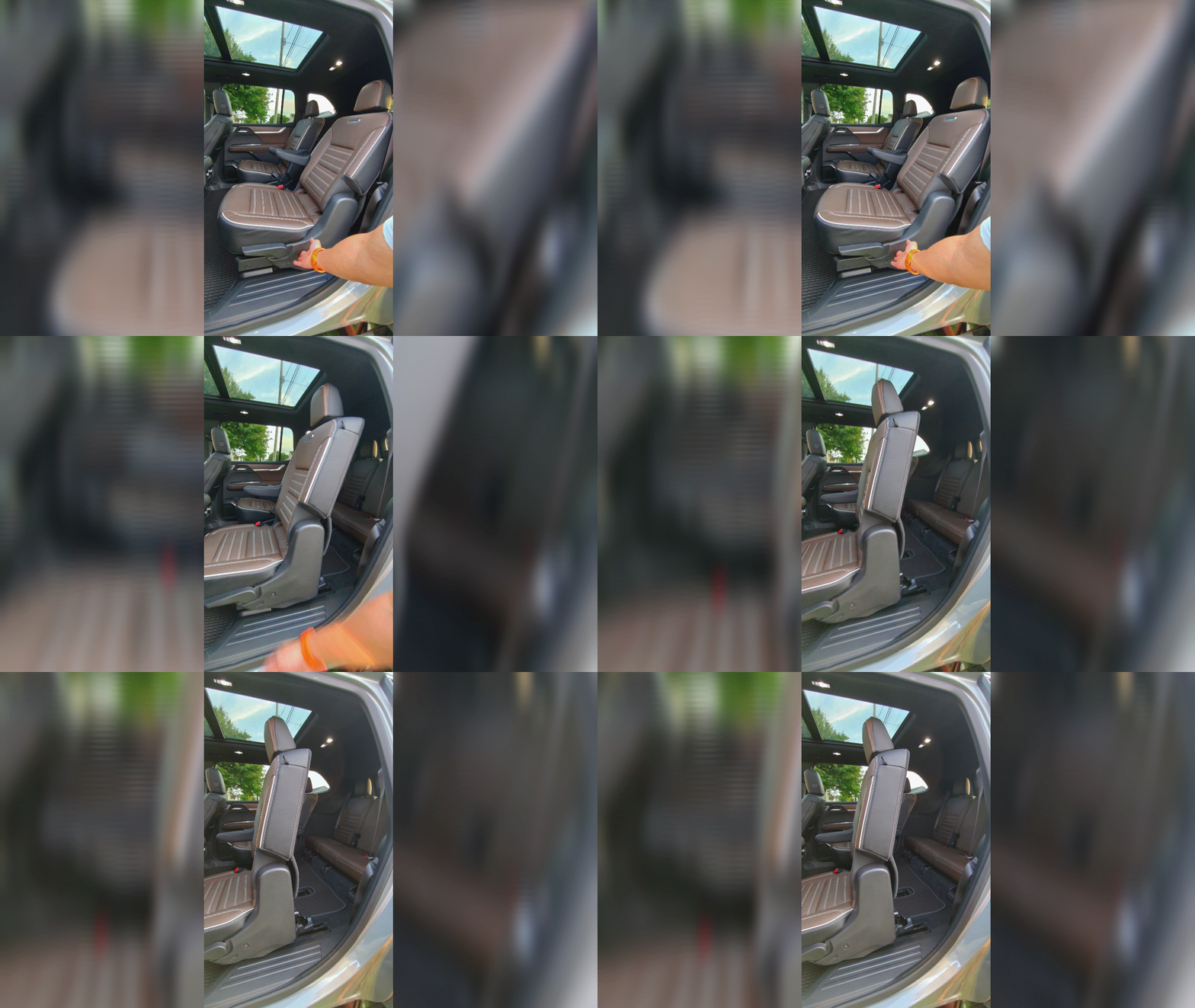
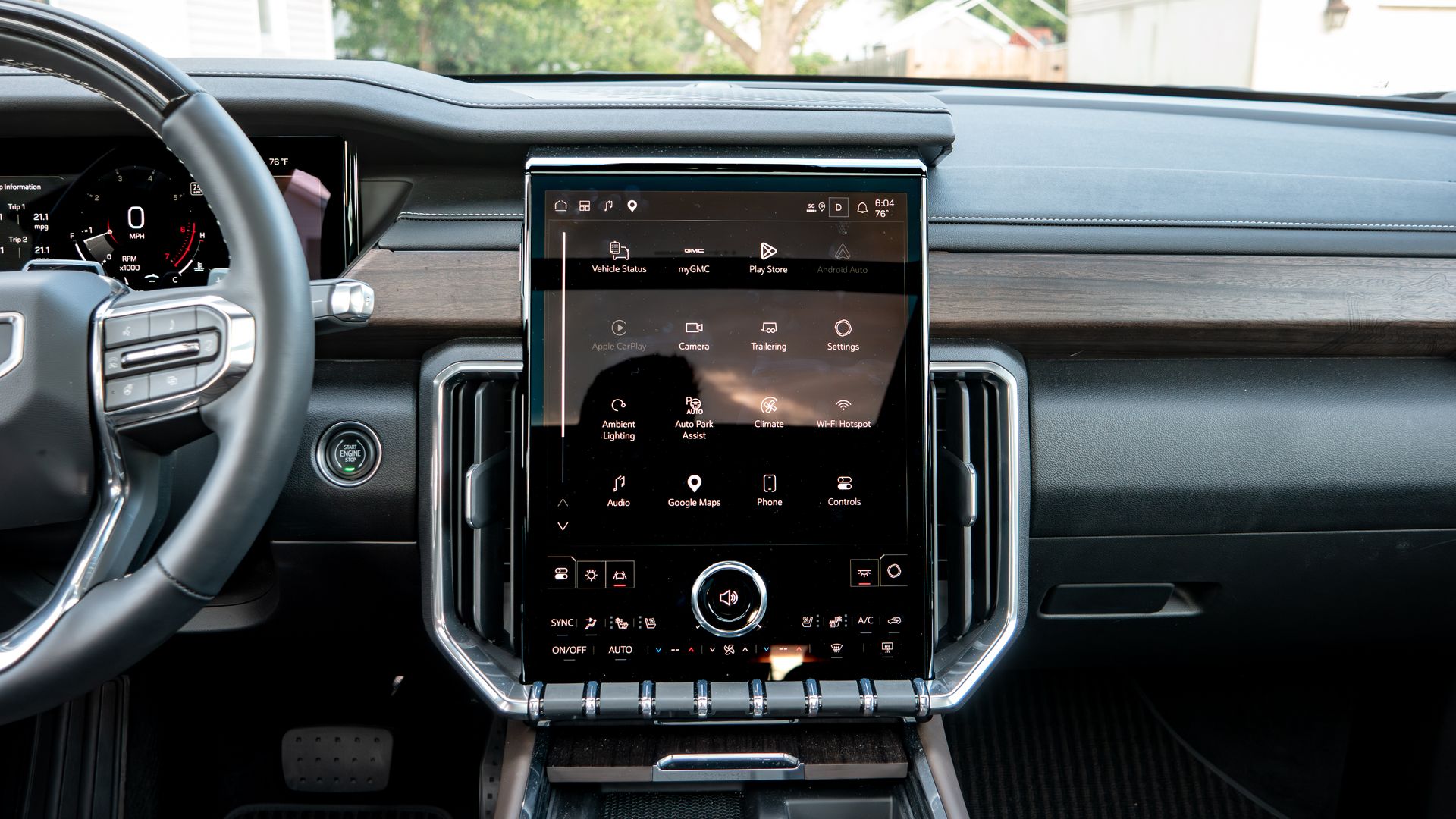
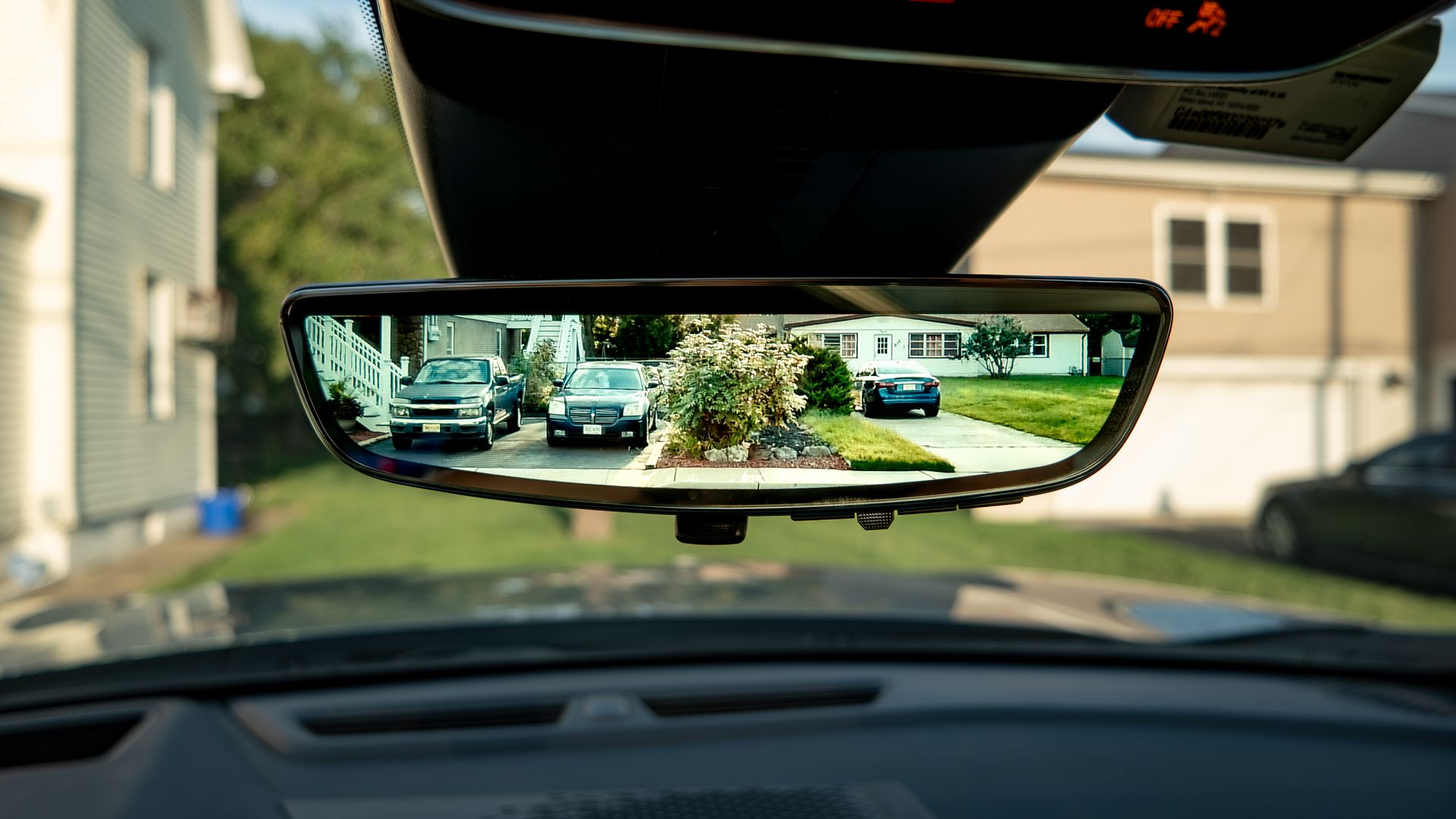
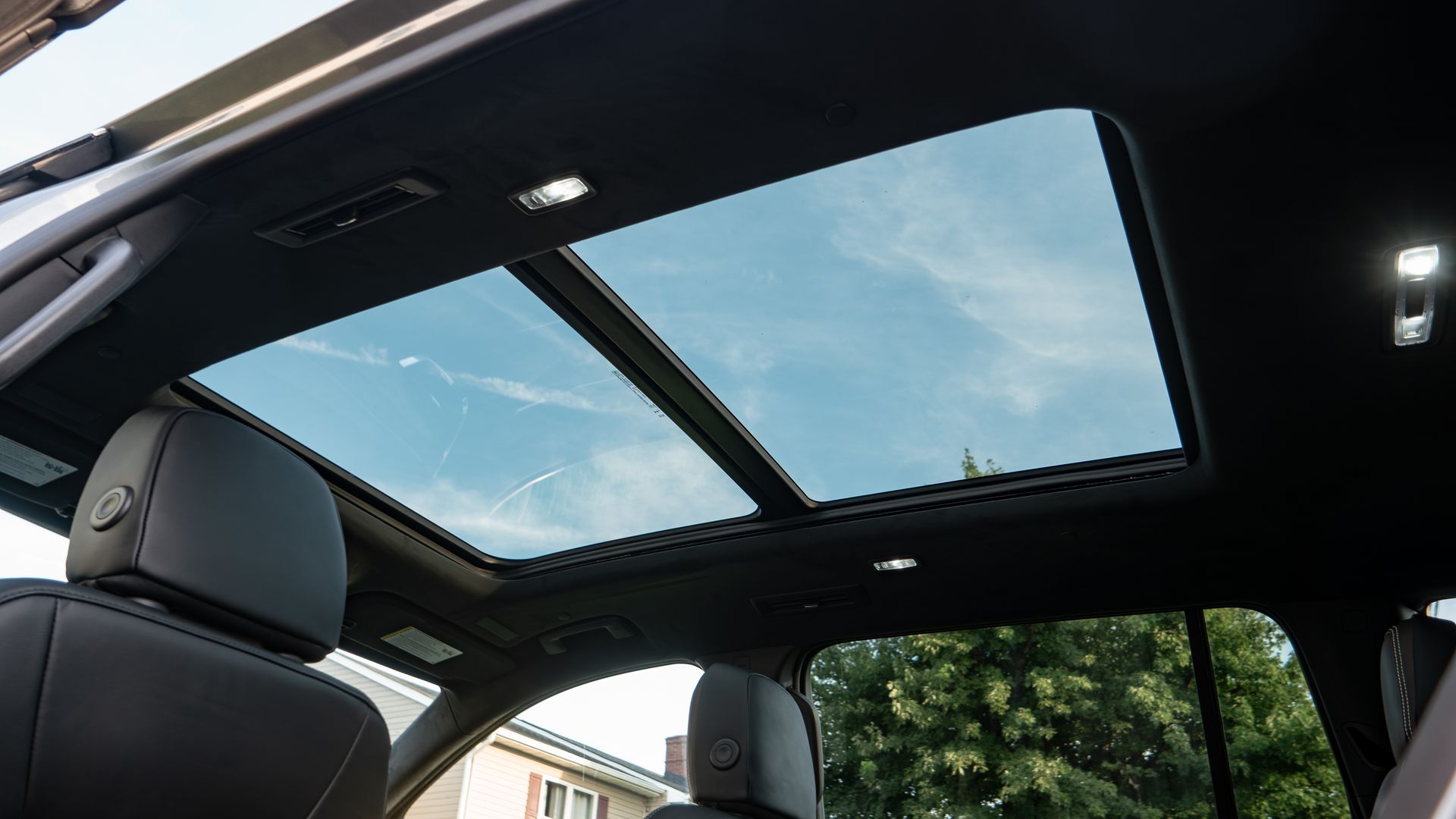
There’s a significant $12,600 spread between these two mid-size SUV haulers. In the competitive division, this kind of price gap puts them in nearly different price brackets, raising the obvious question: does the Acadia actually pack enough features and amenities to justify its higher cost?
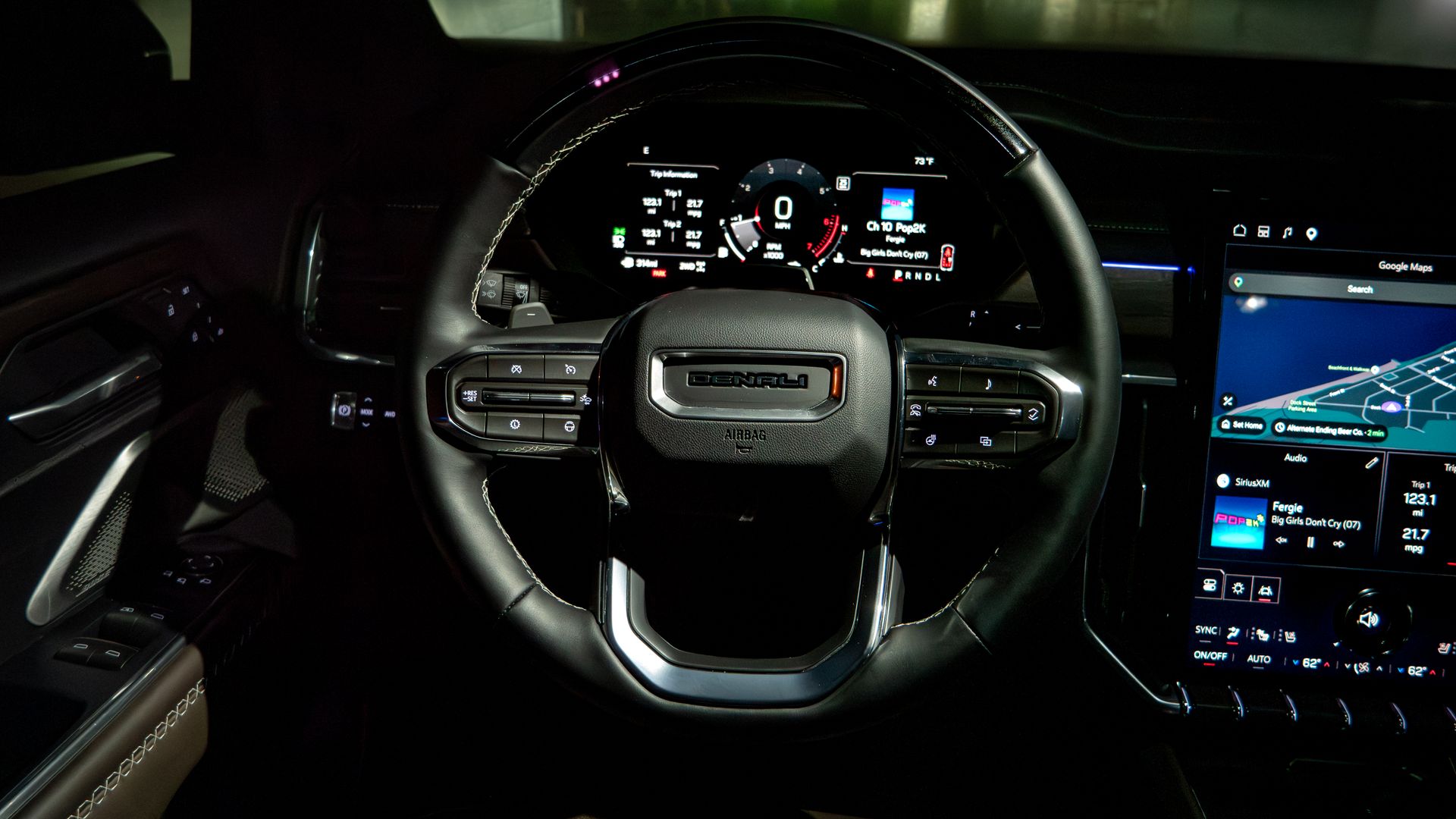
First and foremost, I can’t overlook how the Acadia has a more luxurious look and feel on the inside — highlighted by the enormous 15-inch portrait touchscreen smacked on the dashboard. Throw in front-row power massaging seats, bright head-up display, power-folding third-row seats, power liftgate, rear camera mirror panoramic roof, and crisp 360-degree cameras that are effective at night.
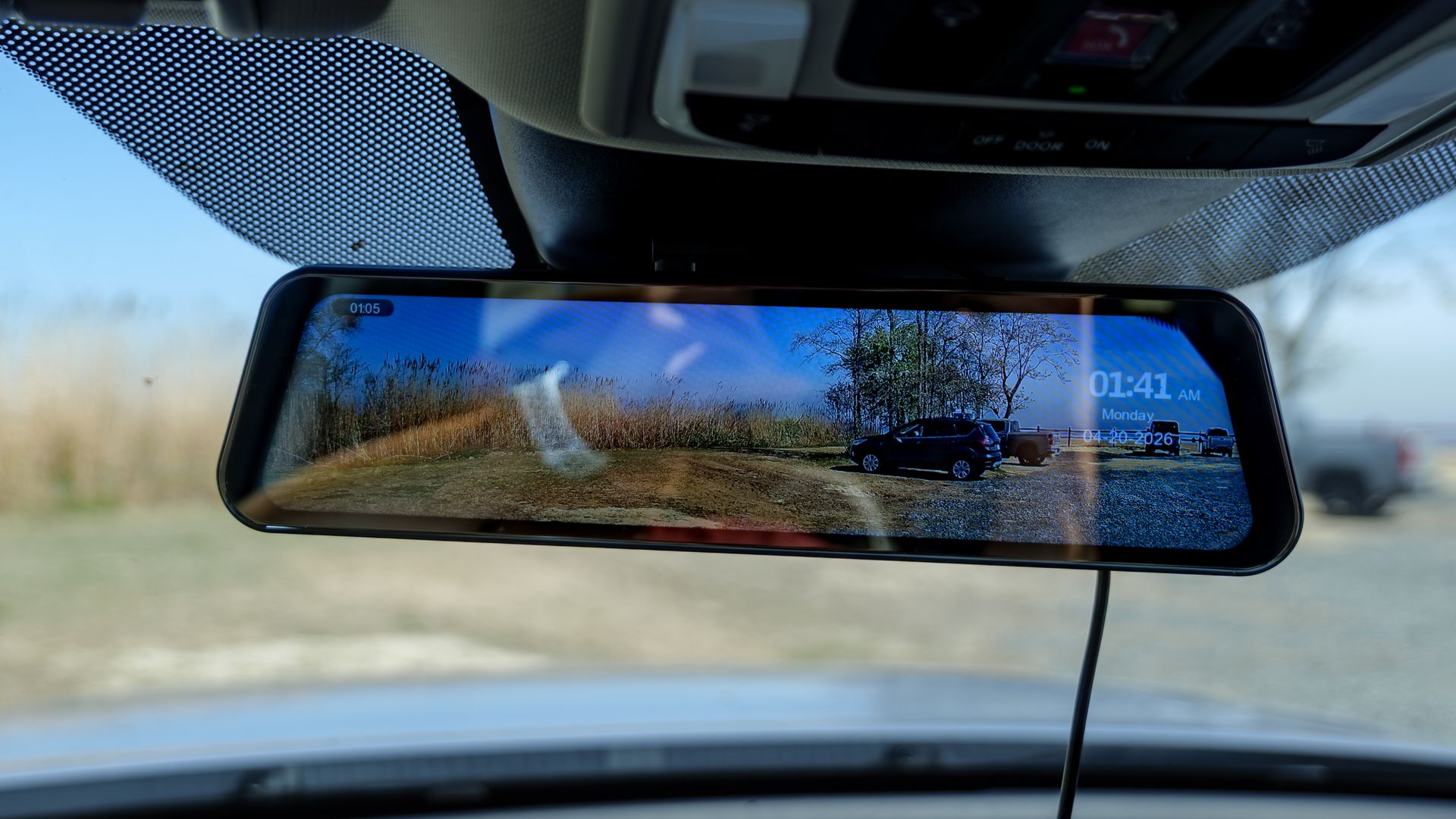
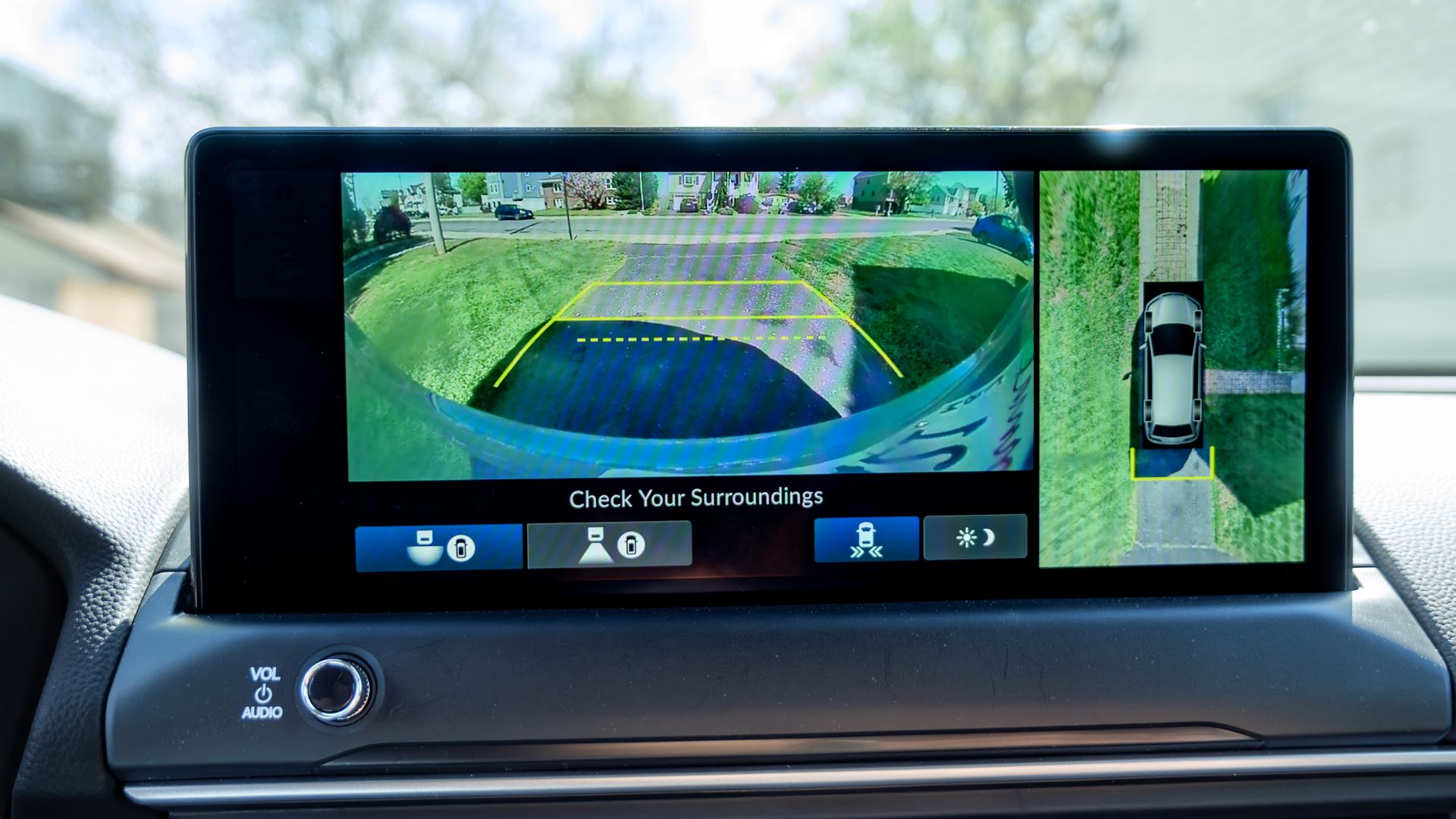
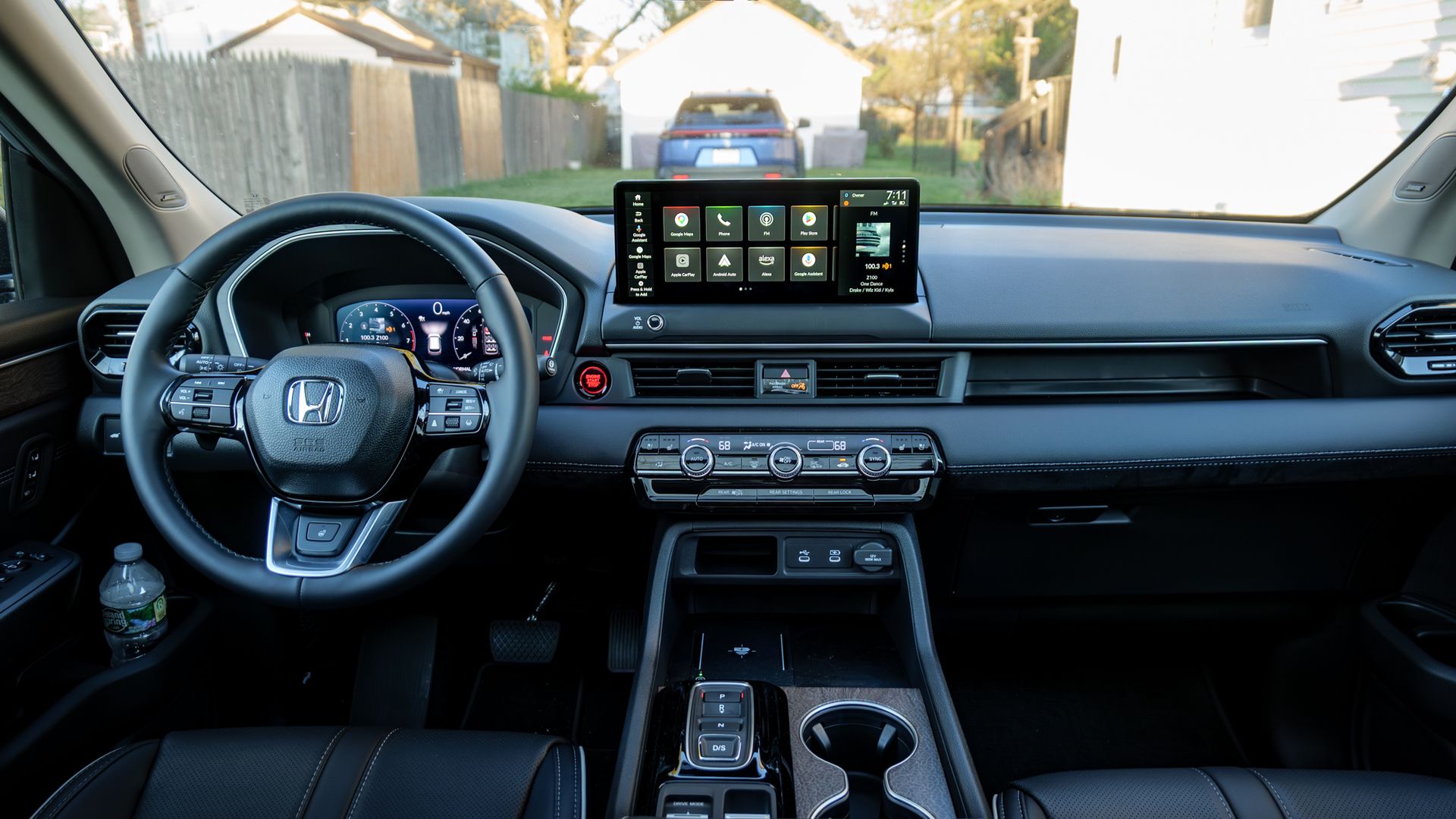
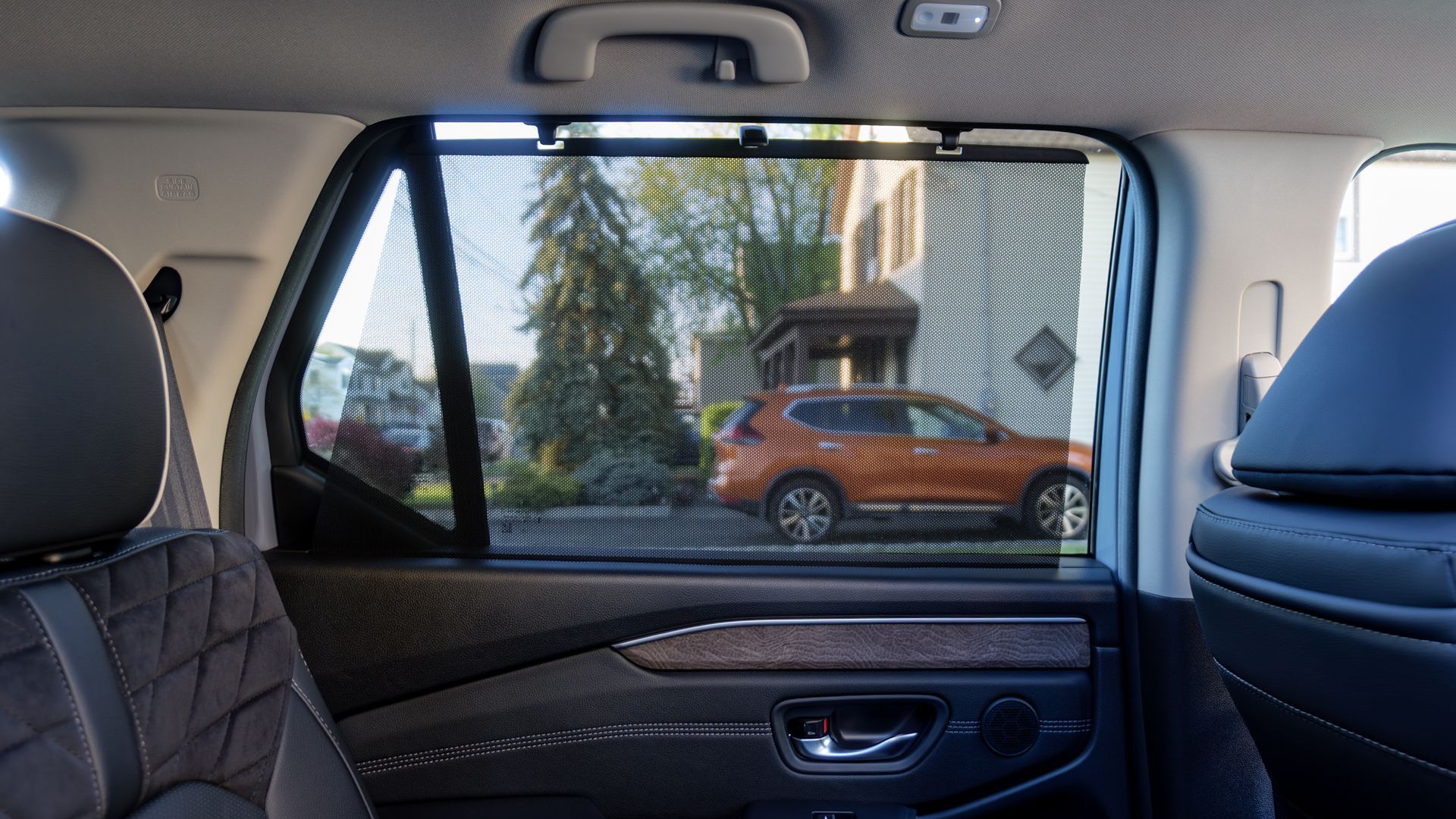
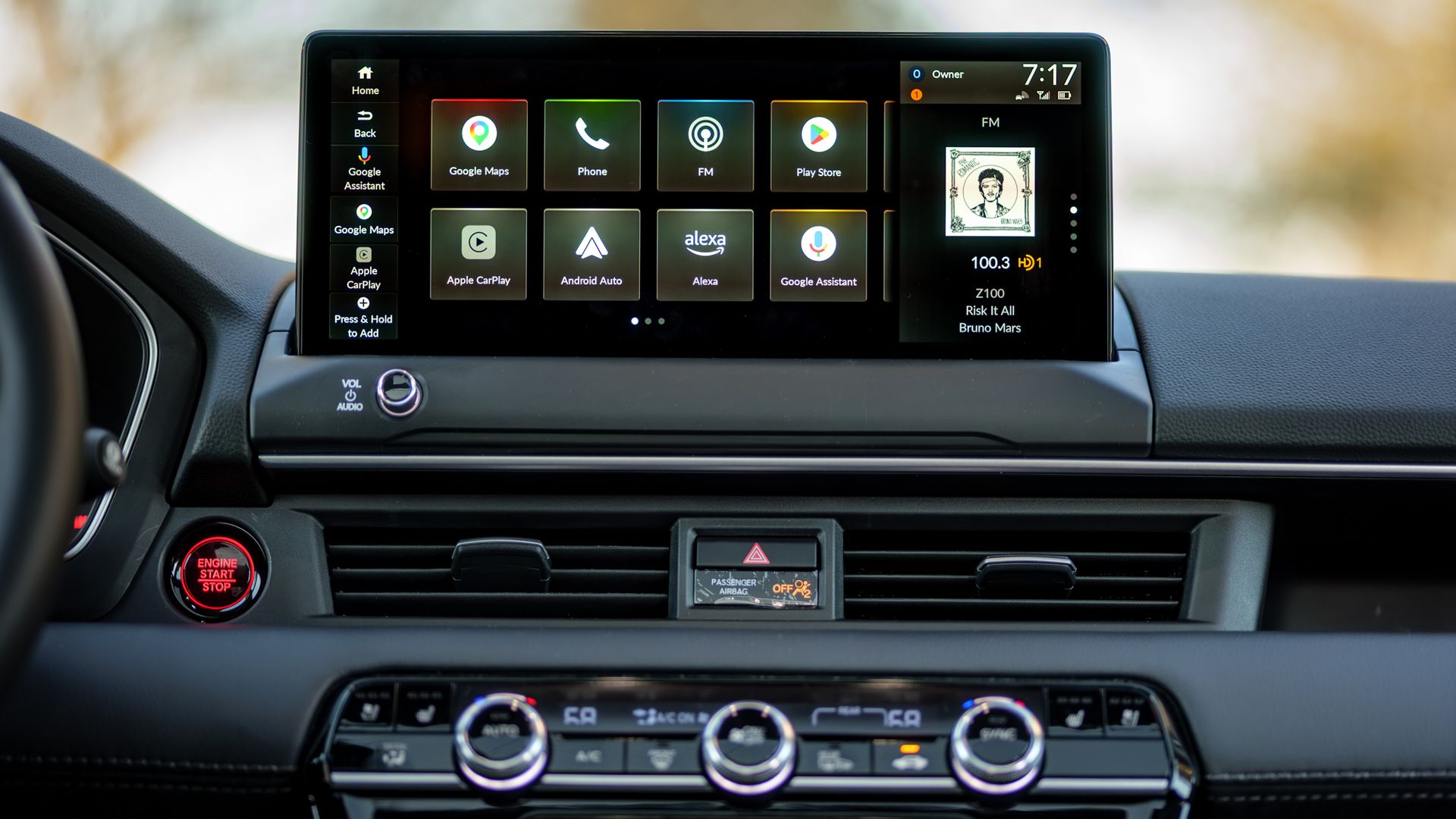
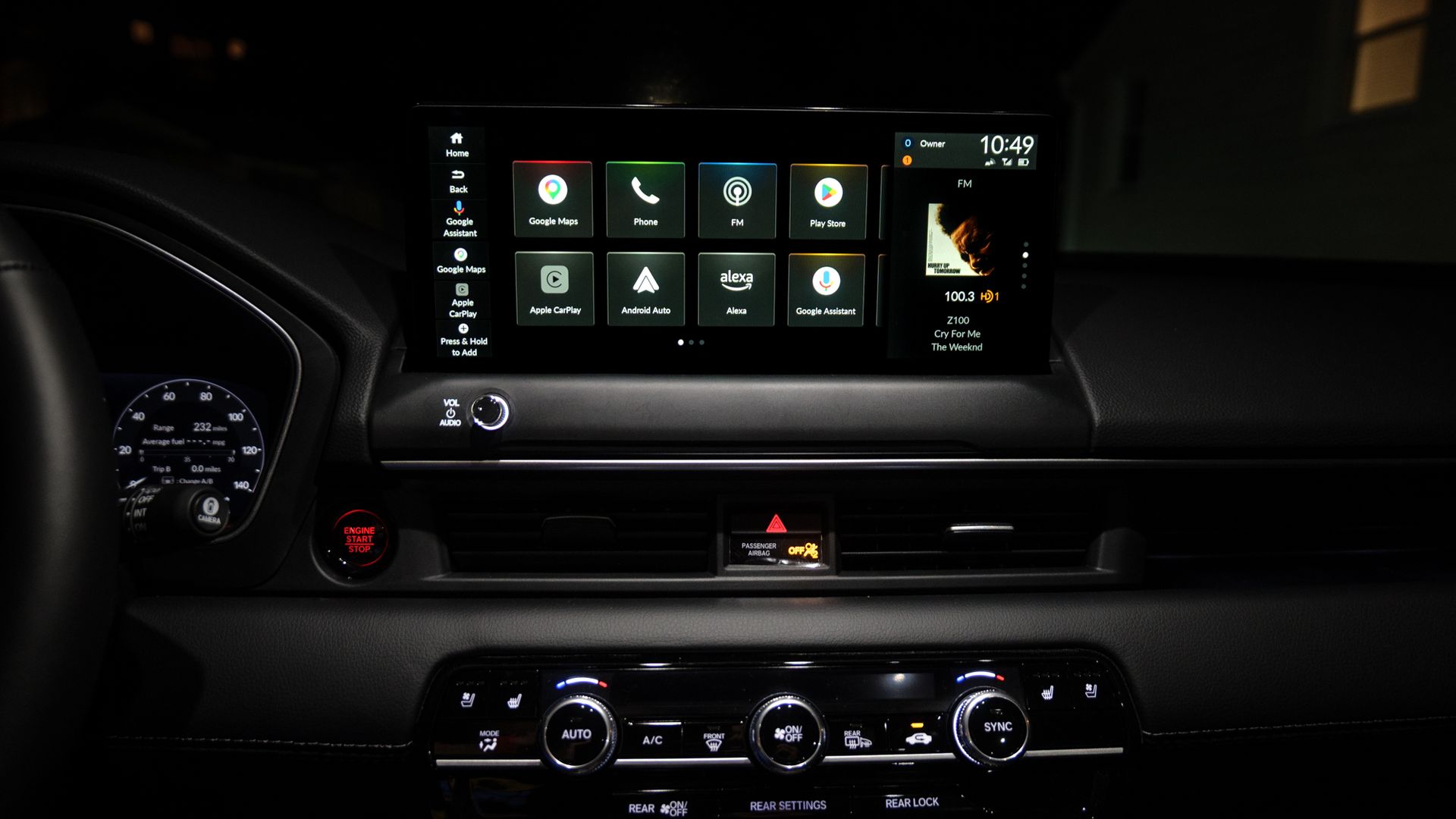
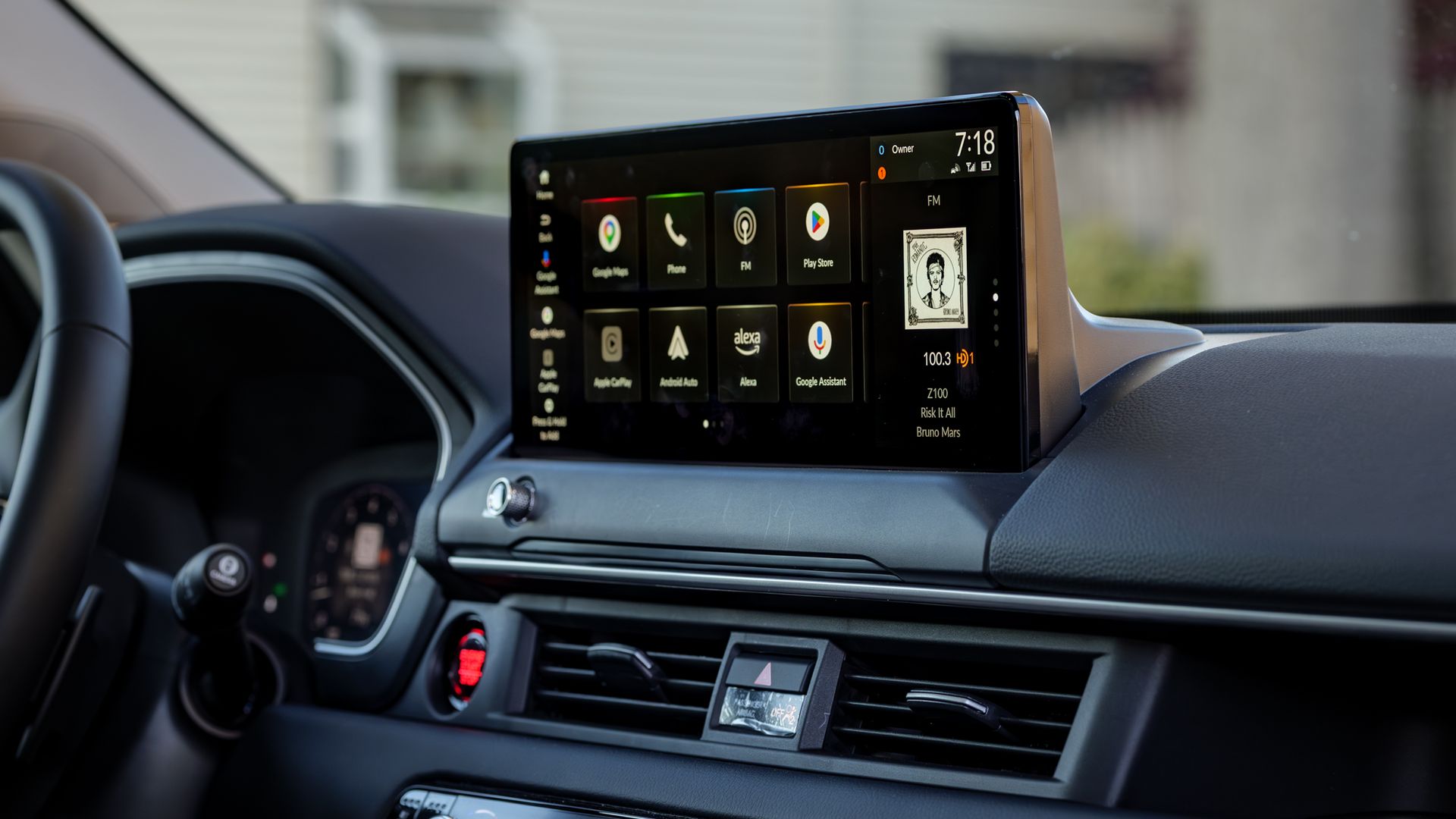
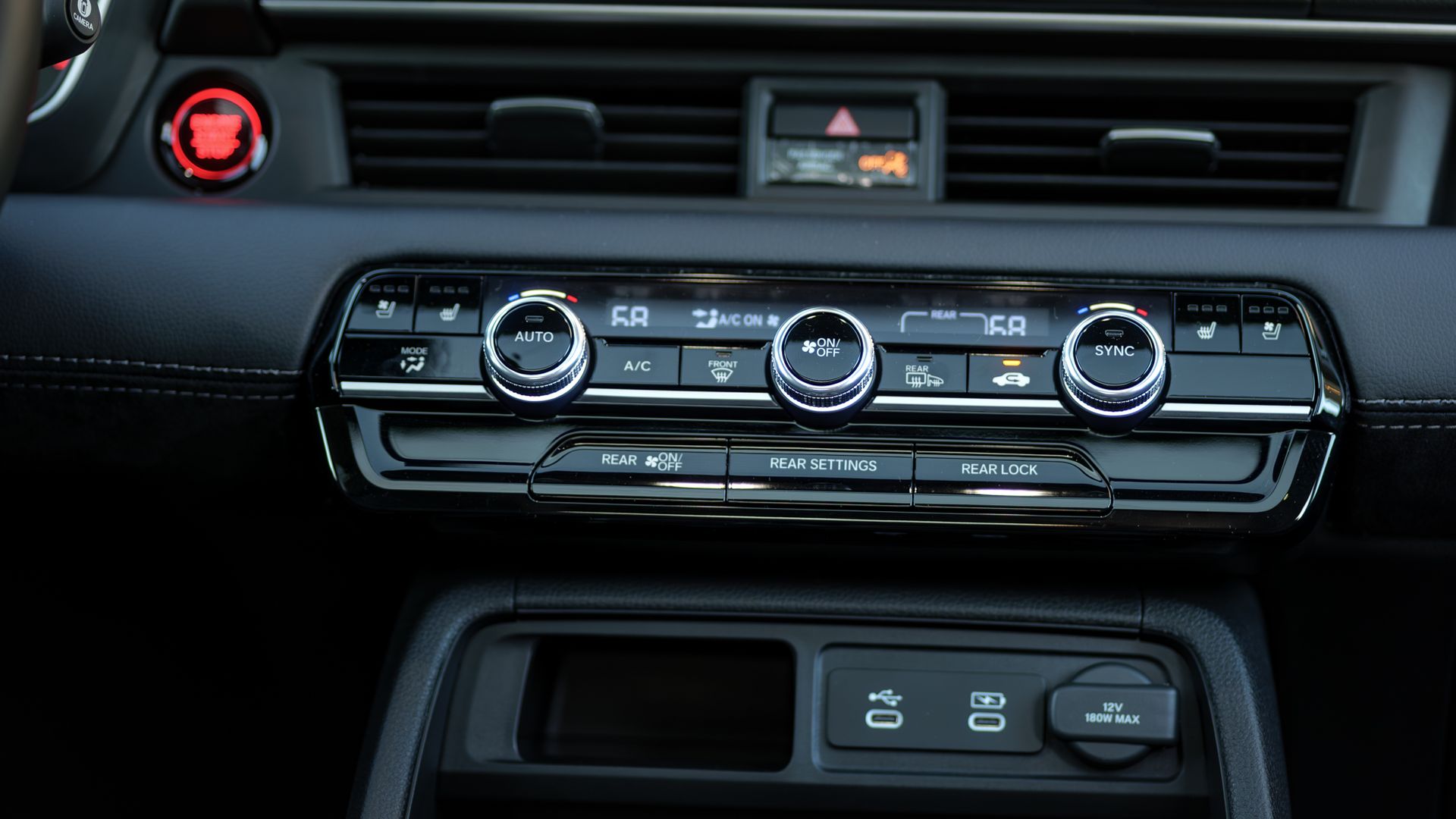
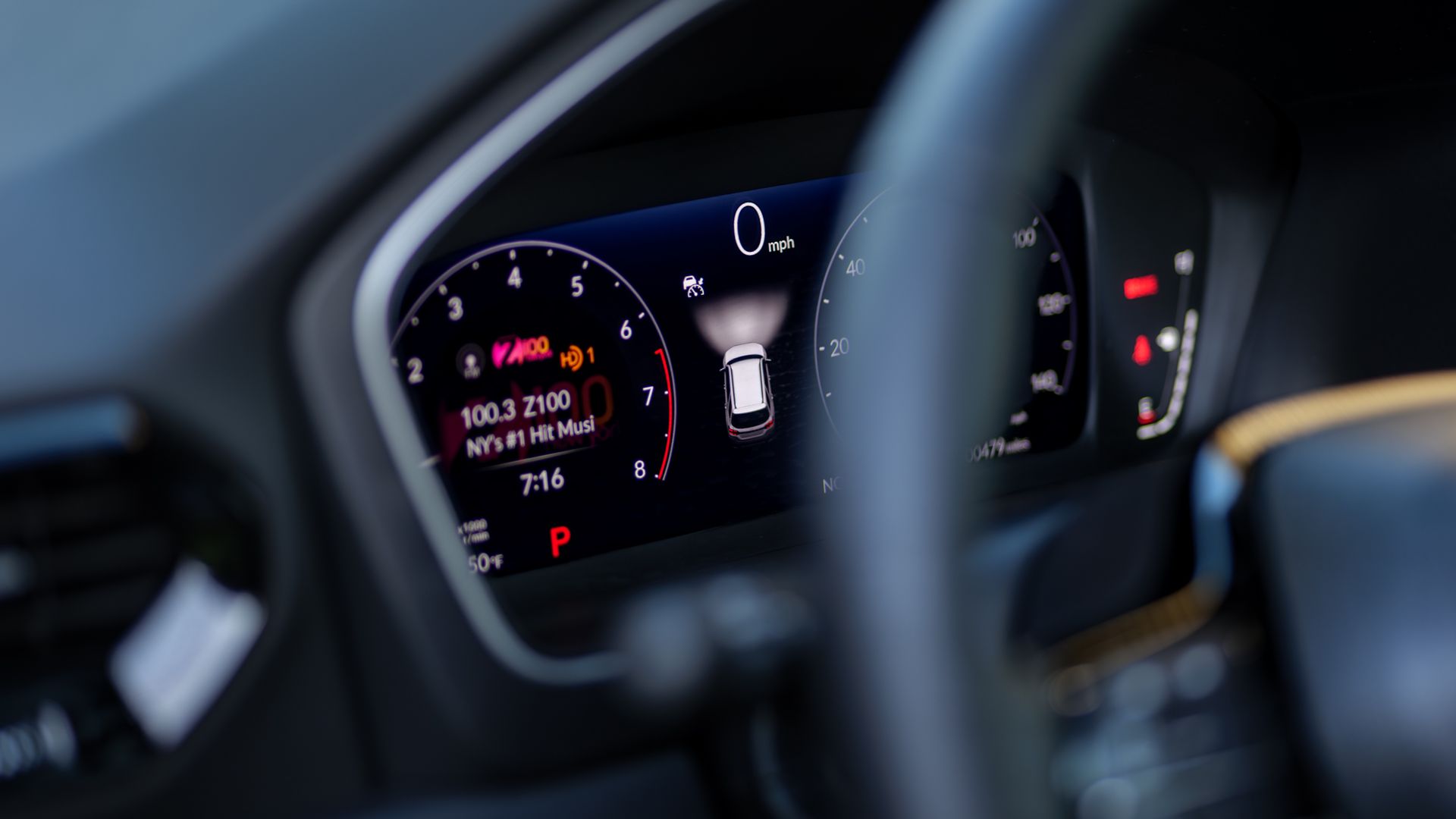
Interestingly, the Pilot Elite makes a strong argument by packing near-identical luxuries: a panoramic moonroof, perforated leather upholstery, heated and ventilated front seats, head-up display, 12-speaker Bose audio system, 360-degree surround-view camera, and a power tailgate. Throw in its 8-passenger versatility with its stowable middle seat, and the Pilot covers almost everything that families actually need without forcing you into luxury-car monthly payments.
GMC Acadia Denali vs Honda Pilot: Verdict
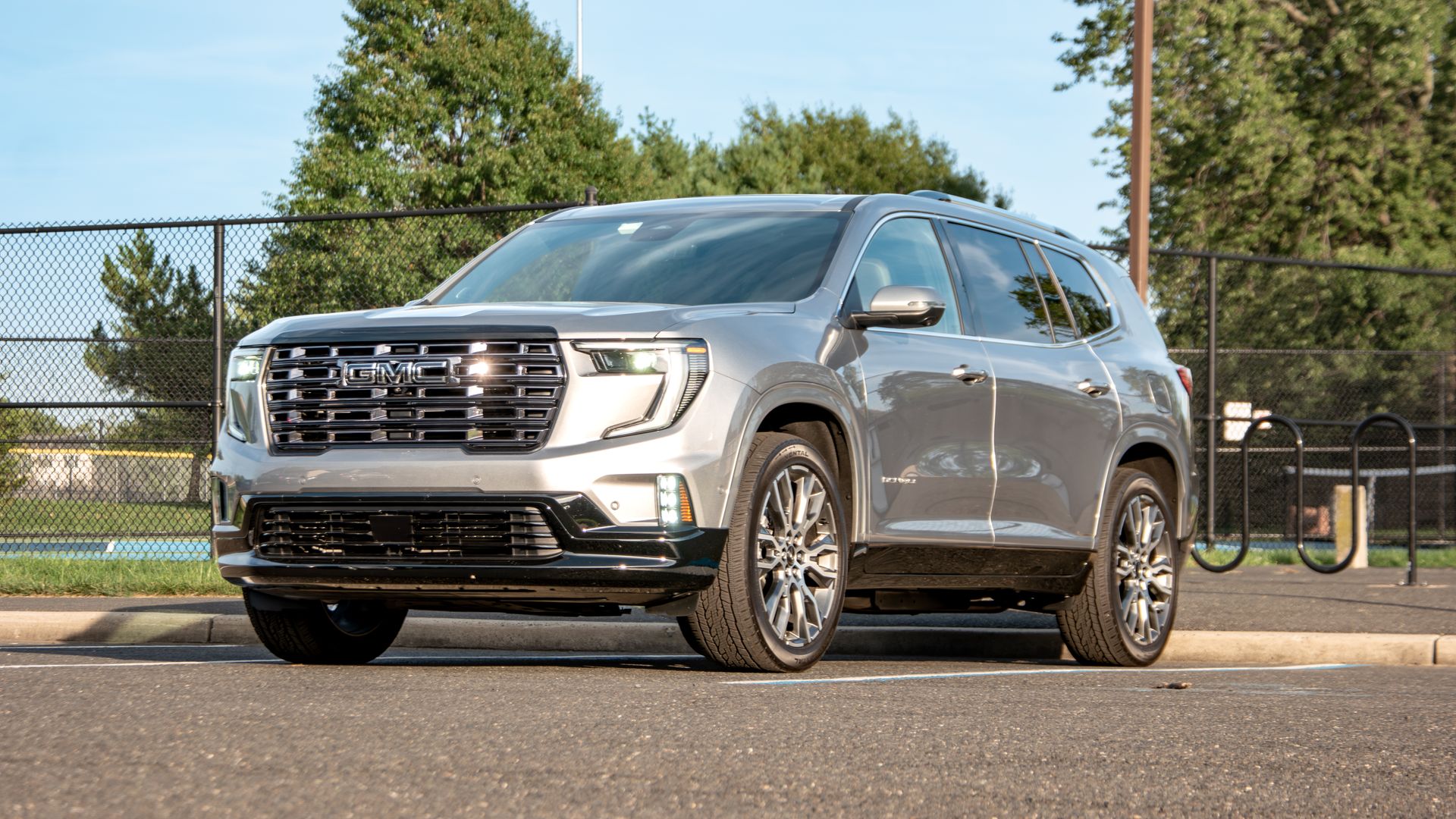
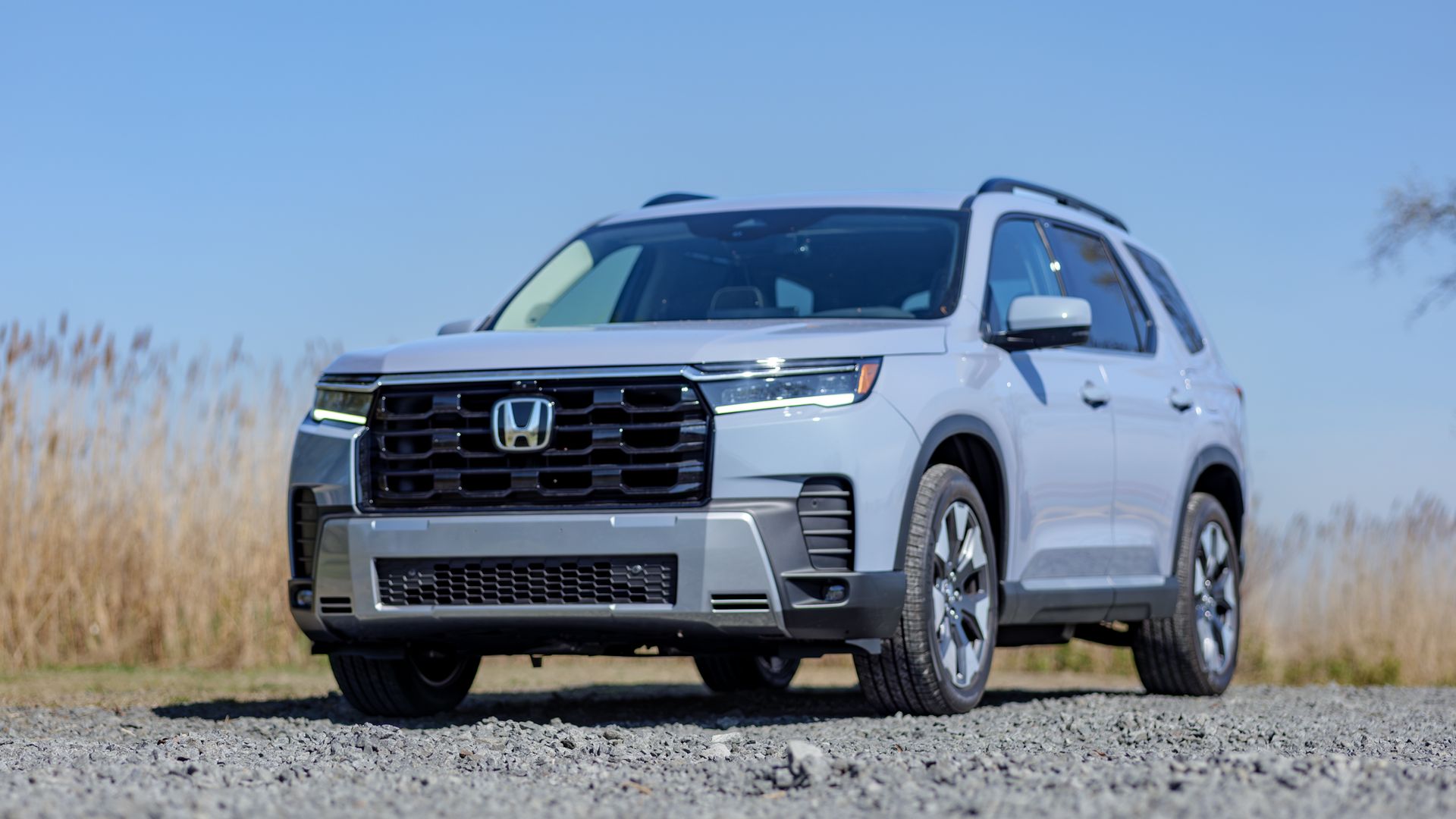
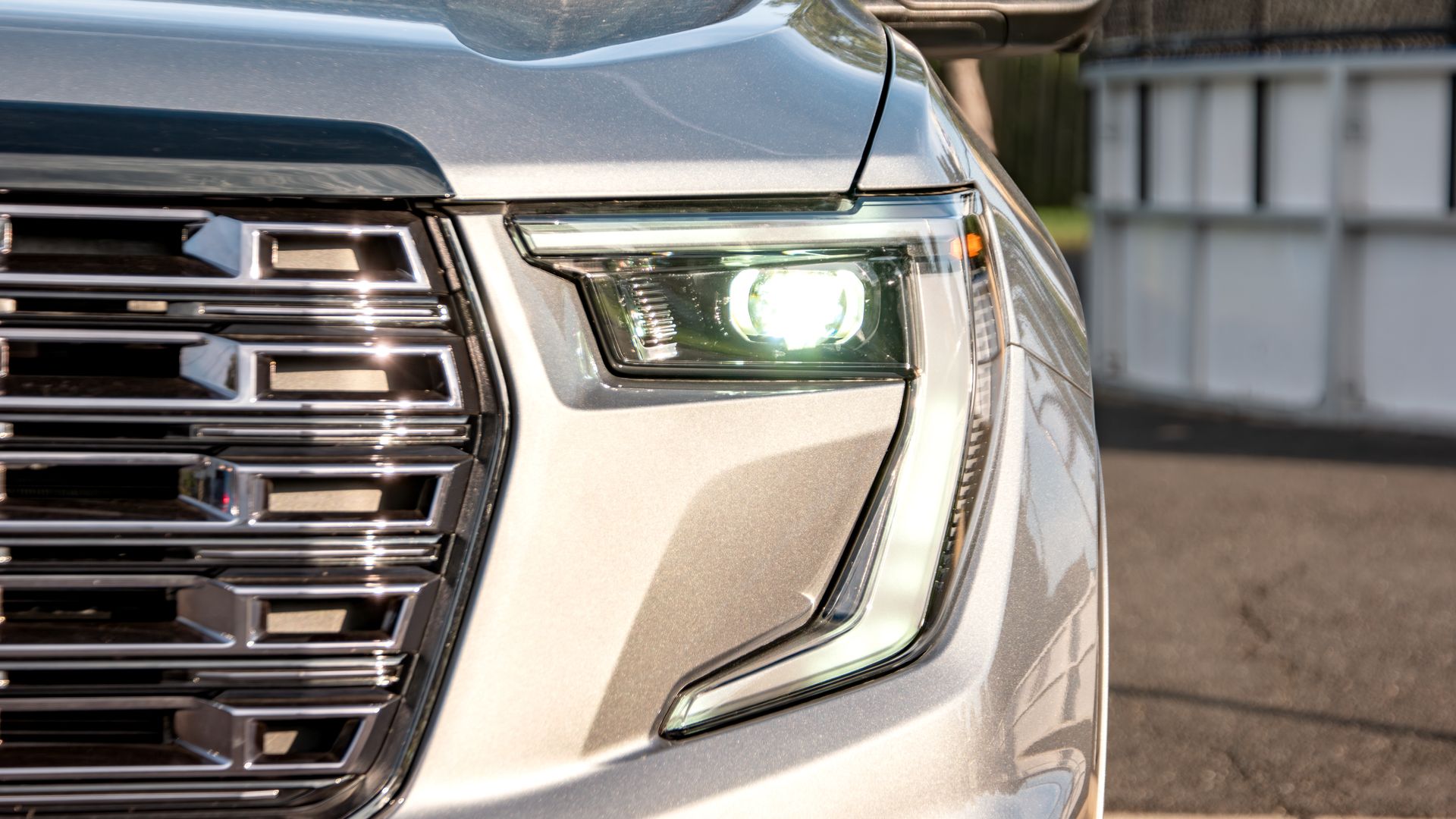
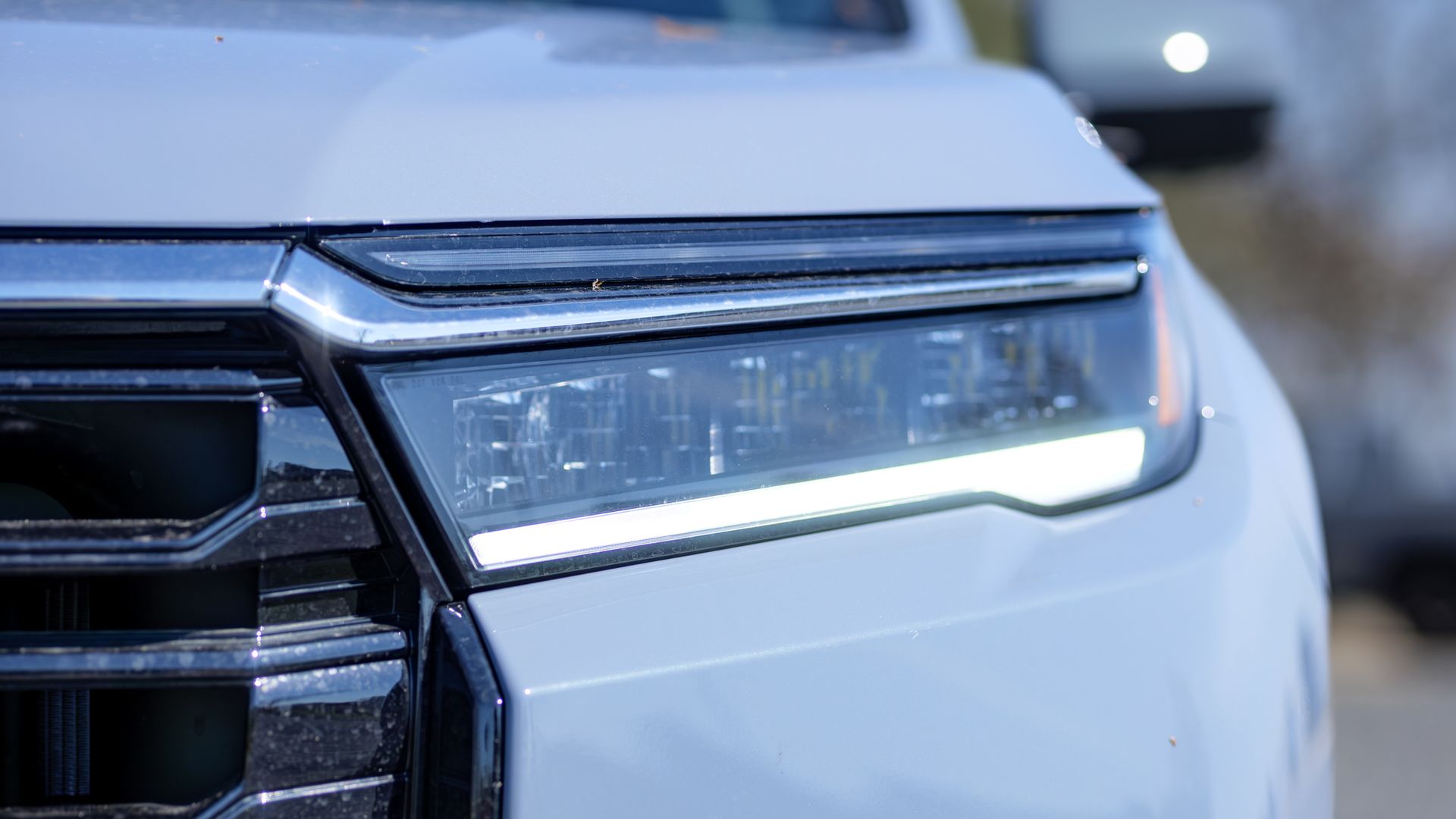
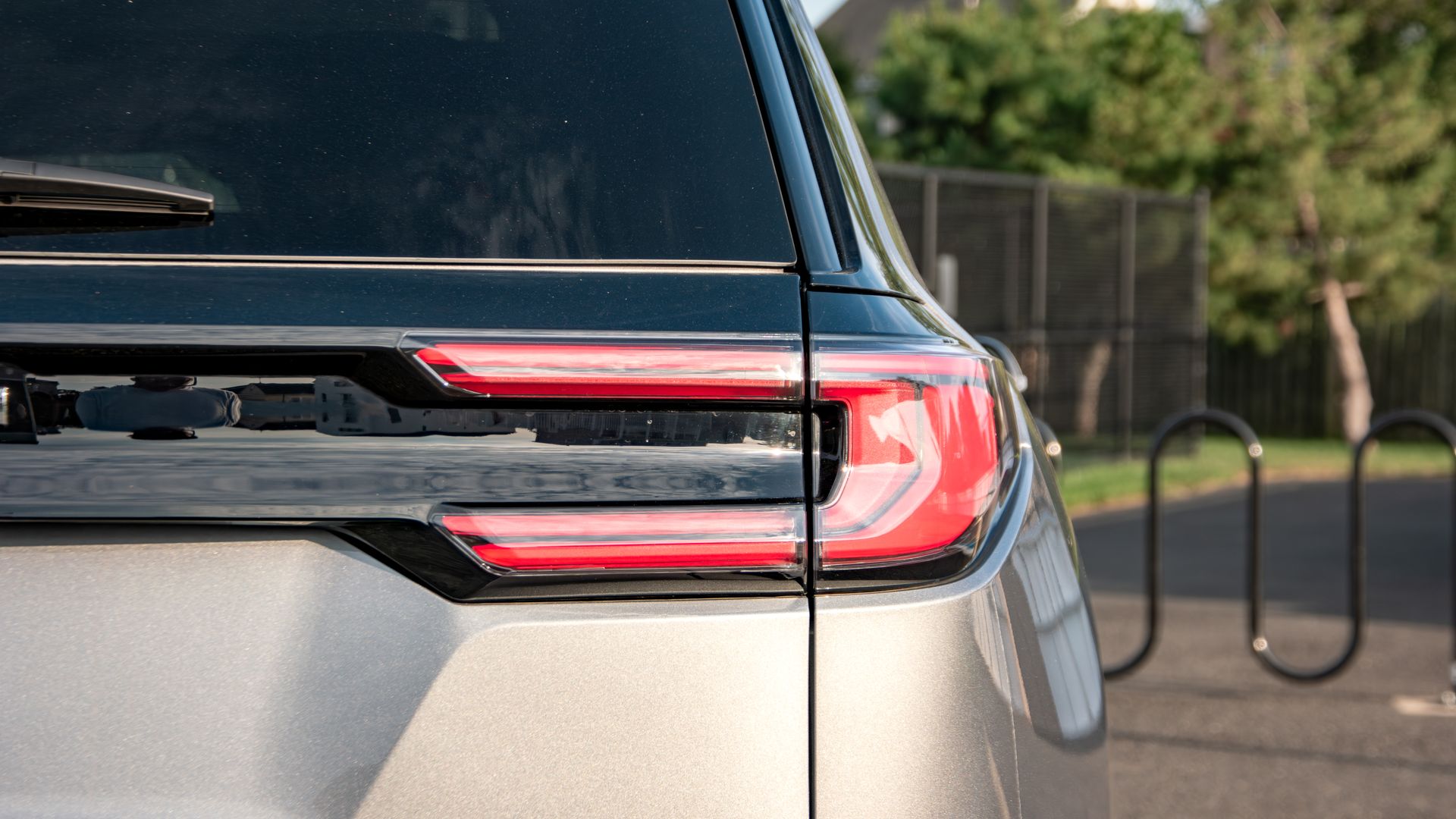
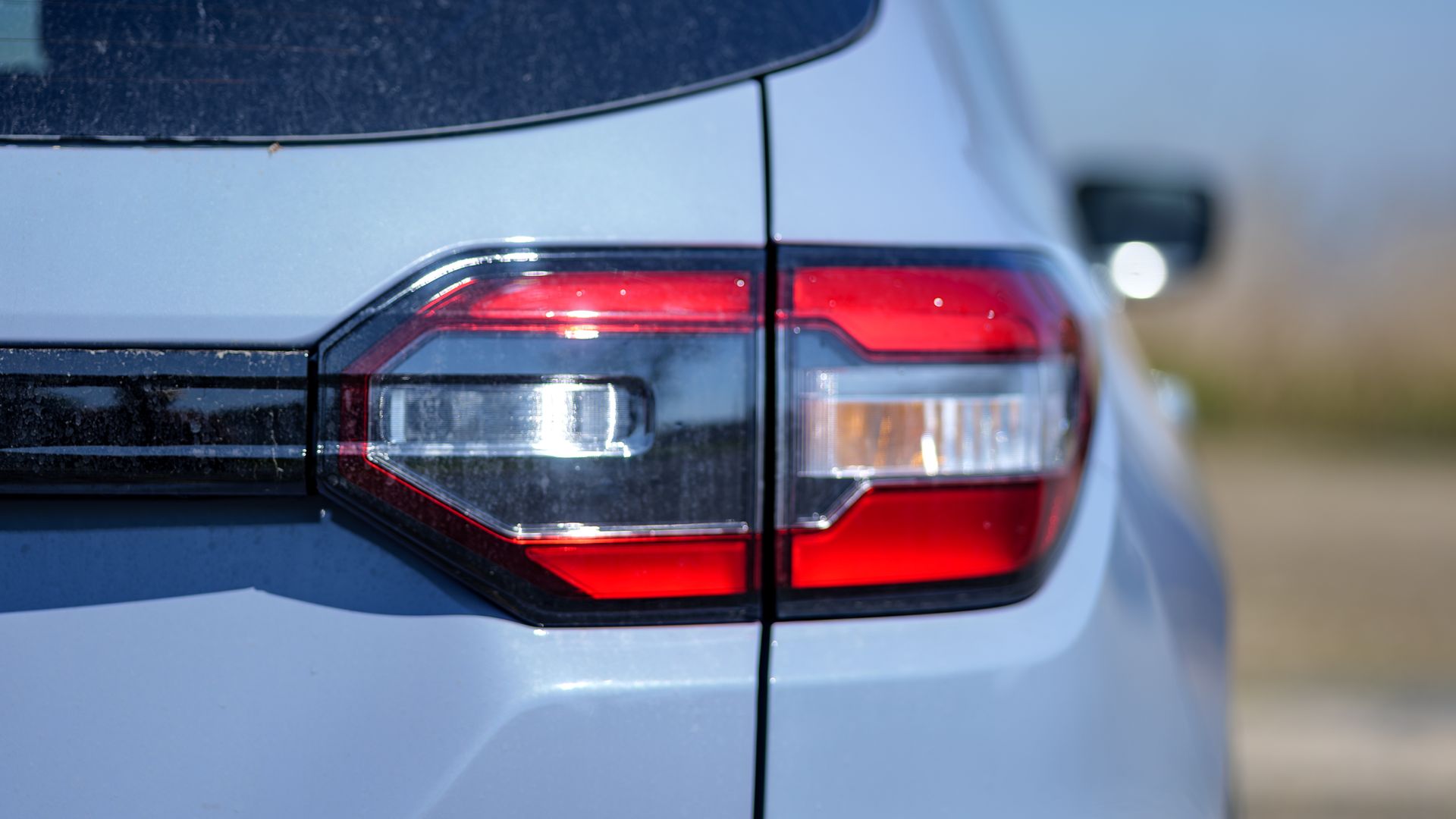


After tallying up the scores, the 2026 Honda Pilot Elite AWD emerges as the clear winner in this mid-size face-off. It managed to fend off a much mightier challenger in the redesigned GMC Acadia Denali Ultimate AWD, reaffirming why it remains my favorite mid-size three-row hauler on the market.
That’s not to say the Acadia Denali Ultimate isn’t worth consideration — far from it. GMC has engineered a legitimate near-Cadillac experience here without the Cadillac badge. It delivers undeniable road presence, massive cargo room, plush second-row captain’s chairs, and GM’s superior hands-free Super Cruise. If your household budget can comfortably stomach its steep $67,590 as-tested sticker price, the Acadia serves up a noticeably more premium package.
However, for everyday shoppers who don’t want to cross deep into luxury-level pricing, the Honda Pilot is the smarter buy. At $54,990 as-tested, it delivers dramatically better bang for the buck without skimping on core family luxuries. Factor in its punchier, more responsive low-end acceleration and composed road manners, and the Pilot provides the superior everyday driving performance.
GMC Acadia Denali vs Honda Pilot: Pros and cons
GMC Acadia Denali
- Generous legroom
- Easy to access third row through middle seats
- Comfy 2nd row captains chairs
- Bright head-up display
- Comfy seats
- Lots of storage
- Excellent Super Cruise performance
- Underpowered performance
- Fuel economy could be better
2026 Honda Pilot
- Lots of power in 1st gear
- Spacious front seas
- Smart armrest / 2nd row bench
- Lots of premium features
- Pretty maneuverable to drive
- Decent highway fuel economy
- Low quality backup camera
- Tight legroom in 3rd row
- I’m not anxious that it’s getting darker earlier with this thermal camera for my car — here’s why
- I just test drove the new Nissan Leaf — and it’s irresistible at under $30,000
- CrabWalking with the GMC Sierra EV is the weirdest thing I’ve ever done with a car — and it’s actually pretty useful
