

Affiliate links on Android Authority may earn us a commission. Learn more.
My first Snapdragon 8 Elite Extreme Gen 6 phone doesn’t live up to the hype
More power than you need, but less than promised.
By
•
•
•
Robert Triggs / Android Authority
Add Android Authority on Google:
Preferred SourceGoogle Discover
When we first went hands-on with Qualcomm’s new Snapdragon 8 Elite Extreme Gen 6 processor back in September, its headline features had me excited. With CPU clock speeds reaching 5GHz, a massive 16MB Oryon Flex Cache, and Qualcomm’s next-generation Adreno GPU, the chip promised a major leap in performance for demanding workloads such as emulation and gaming. Benchmarking Qualcomm’s Gen 6 Reference Phone backed up these promises.
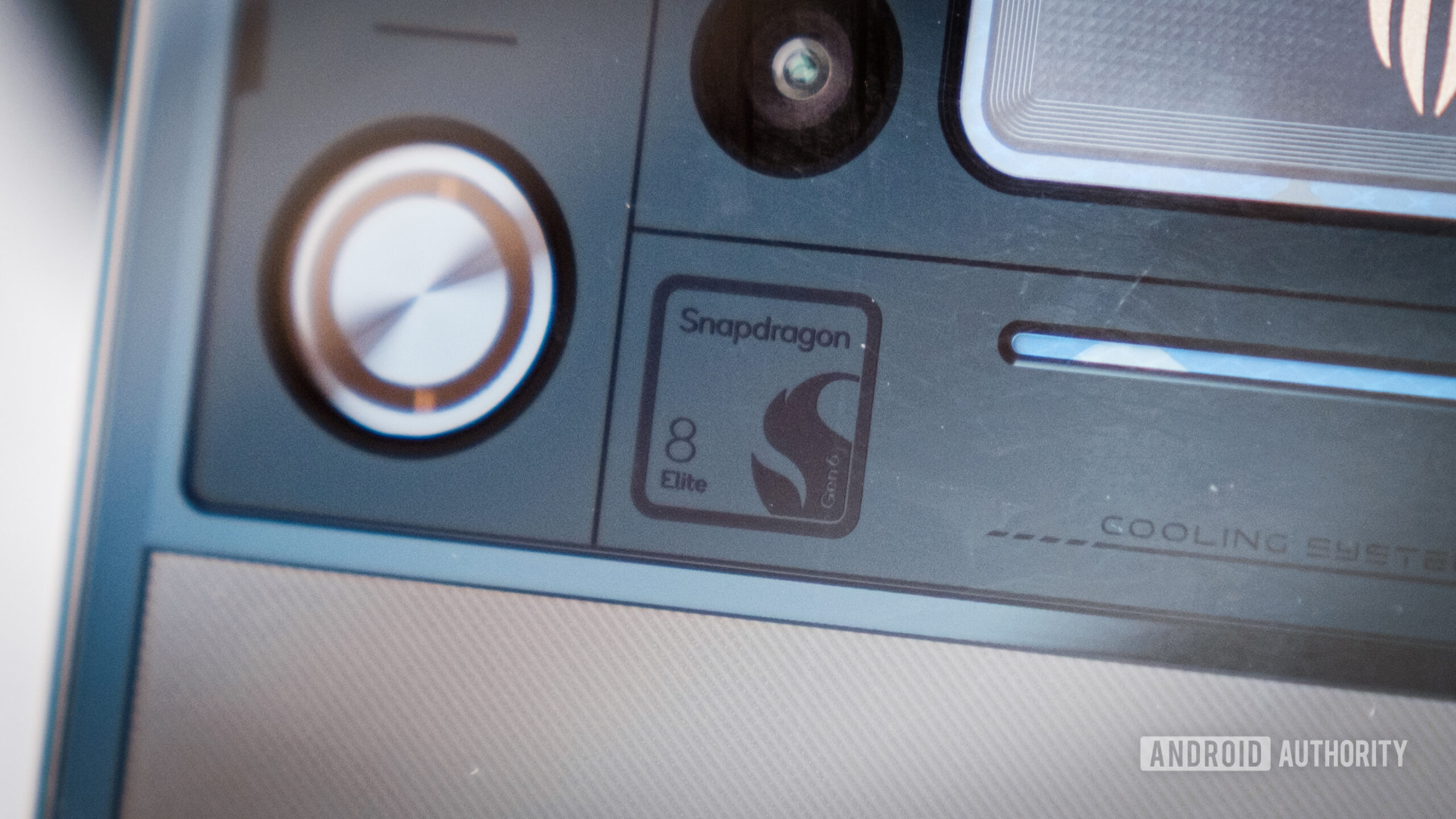
I’ve since spent the past week with the REDMAGIC 12 Pro, my first retail phone powered by Qualcomm’s new silicon. With 16GB of LPDDR5 RAM and a substantial active cooling system, it should deliver a compelling showcase of next-generation performance that you can actually buy.
And it is undoubtedly fast. In fact, it’s faster than most users will ever need, even when tackling today’s most demanding Android games. However, my first experience with a retail handset hasn’t quite lived up to the promise of Qualcomm’s reference device, sometimes by a considerable margin.
Pushing performance to the limit
I started by testing whether those 5GHz Oryon CPU cores could deliver on their promise, turning to the popular Geekbench 7 benchmark. The results were a mixed bag.
Out of the box, single-core performance is 18% slower on the REDMAGIC 12 Pro than on Qualcomm’s Gen 6 reference phone. That’s a surprising gap given that both devices share the same CPU cores and peak clock speeds. Multi-core performance fares little better, trailing Qualcomm’s reference device by 12%, but that’s still a noticeable deficit.
So, what’s going on? Manufacturer tuning is likely part of the equation. Qualcomm may have optimised its reference device for maximum benchmark performance, without the same concerns about battery life and sustained thermals that come with selling a retail handset. Still, REDMAGIC is hardly known for being conservative when it comes to performance, and its Game Space software even allows users to boost performance on a per-app basis.
You have to discard efficiency to reach the 8 Elite Gen 6’s peak potential.
I’m not entirely sure why REDMAGIC doesn’t push performance further by default, but switching from Balanced to Rise (high-performance) mode helps close the gap. There’s a trade-off, though: the phone warns that this mode will consume significantly more power and generate additional heat.
Even then, the REDMAGIC doesn’t quite match Qualcomm’s reference device. Single-core performance remains 3% behind, while multi-core scores trail by 6%. These are relatively minor differences, but they’re still worth noting. The key takeaway is that even a gaming-focused brand like REDMAGIC considers a more balanced approach to performance the best default setting for the Snapdragon 8 Elite Extreme Gen 6.
But what about gaming and graphics? To put Qualcomm’s latest Adreno GPU to the test, I ran the same 3DMark Wild Life Extreme and Solar Bay ray-tracing benchmarks we used in Maui.
Graphics just can’t keep up
The results tell a similar story to the CPU benchmarks in standard performance mode. The REDMAGIC 12 Pro falls short of Qualcomm’s reference device, trailing by around 16% in traditional rasterisation and 8% in the Solar Bay ray-tracing test.
Neither gap is enormous, but a 10% or greater performance difference can translate into noticeably lower frame rates, particularly as temperatures rise during extended gaming sessions.
Unlike the CPU tests, however, switching to high-performance mode makes little difference here. Wild Life Extreme continues to trail by almost exactly 16%, allowing for minor variations between runs. Solar Bay actually performs worse, with the gap widening to 14%. Higher temperatures and more aggressive thermal throttling could be responsible, as I couldn’t improve on this score despite multiple atemps.
No matter how hard the REDMAGIC 12 Pro pushes, it can’t catch Qualcomm’s demo phone.
In other words, no matter how hard the REDMAGIC 12 Pro pushes, its implementation of Qualcomm’s Adreno GPU can’t quite reach the heights demonstrated by the Maui reference device.
This suggests that performance tuning alone isn’t responsible for the GPU deficit. Power limits, thermal management, or driver differences could also be contributing factors. Given that the REDMAGIC gets exceptionally hot during these stress tests, exceeding 50°C internally and externally for extended periods, it’s difficult to imagine any other retail phone sustaining significantly higher performance.
Graphics performance, it seems, may be the biggest disappointment here. Rather than delivering the generational leap suggested by Qualcomm’s early demonstrations, the results are closer to last year’s phones than I had hoped.
Falling (just) short of expectations
C. Scott Brown / Android Authority
We always treat Qualcomm’s annual reference devices as best-case examples of what its latest silicon can achieve. Retail phones rarely match those results exactly, as manufacturers have to balance performance against battery life, power consumption, and thermal constraints.
Even so, I’m somewhat disappointed by what I’ve seen so far. The out-of-the-box CPU performance deficit is larger than I’d hoped, and I couldn’t find a setting that brought the REDMAGIC 12 Pro’s GPU performance in line with Qualcomm’s reference device. There’s no question that this chip delivers a performance improvement over last year’s generation. However, the gains in my first retail handset aren’t quite as dramatic as Qualcomm’s early demonstrations suggested.
We’ll have to wait and see how other Snapdragon 8 Elite Extreme Gen 6 handsets perform over the coming weeks and months. They may fare better, or they could reveal that the gap between Qualcomm’s reference hardware and real-world retail performance is simply part of the package.
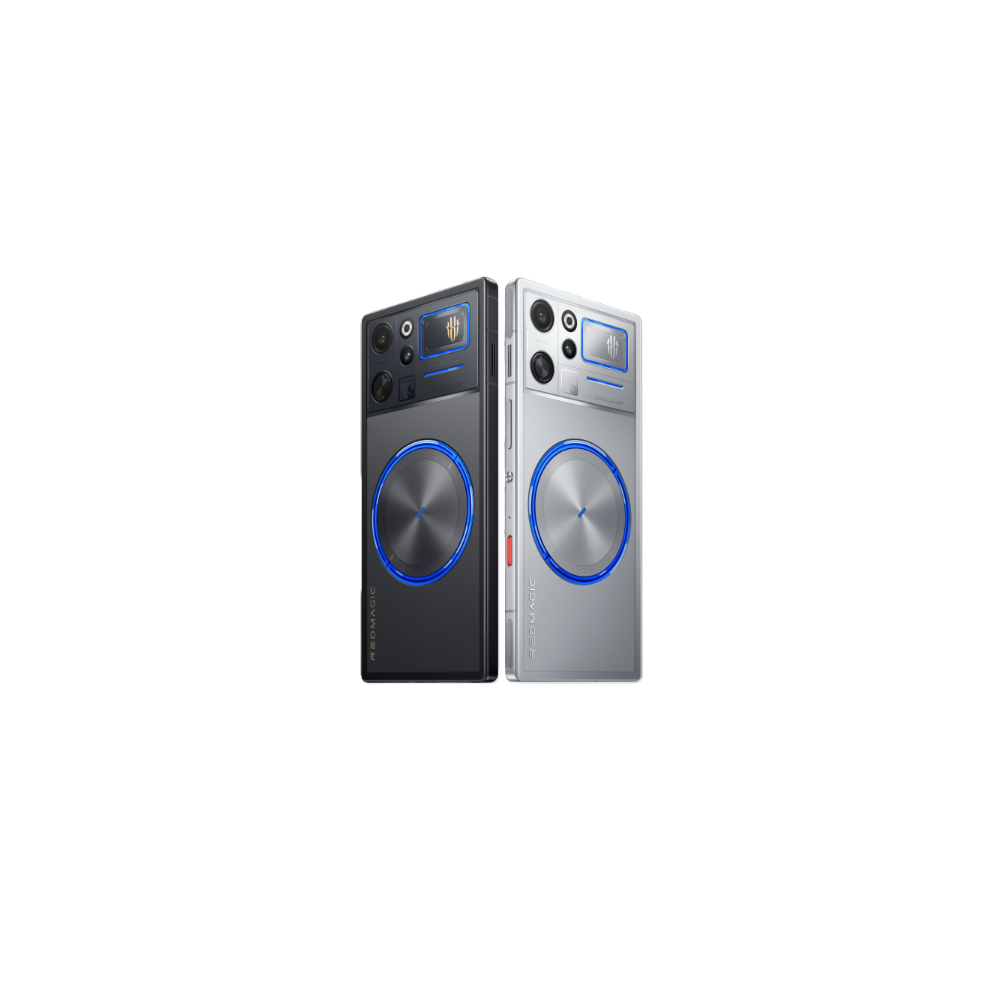
REDMAGIC 12 ProMSRP: $949.00
Powered by a Snapdragon 8 Elite Extreme Gen 6, plenty of RAM, and a liquid cooling system, the REDMAGIC 12 Pro offers next-gen performance for mobile gamers.
See price at Amazon
Features
Qualcomm SnapdragonRedmagic
