Close Menu
MyAppsPlus

    Subscribe to Updates

    Get the latest creative news from FooBar about art, design and business.

    What's Hot

    Boulies EP600 office chair review: So good it almost dethrones our top mid-range desk chair

    October 25, 2026

    To make AI morally good, tech companies are turning to religion. But some say it isn’t that simple

    October 25, 2026

    Man Utd vs Bournemouth live streams

    October 25, 2026
    Facebook X (Twitter) Instagram
    Facebook X (Twitter) Instagram
    MyAppsPlusMyAppsPlus
    Sunday, October 25
    • Home
    • Breaking Tech
    • Apps & Software
    • AI & Automation
    • Android
    • iPhone & iOS
    • More
      • Reviews
      • How-To Guides
      • Deals & Discounts
      • Shop
    MyAppsPlus
    Home»Breaking Tech»Princeton alumni remove microplastics from Atlantic City wastewater
    Breaking Tech

    Princeton alumni remove microplastics from Atlantic City wastewater

    myappsplusBy myappsplusOctober 25, 2026004 Mins Read
    Share Facebook Twitter Pinterest Copy Link LinkedIn Tumblr Email Telegram WhatsApp
    Follow Us
    Google News Flipboard
    Princeton alumni remove microplastics from Atlantic City wastewater
    Share
    Facebook Twitter LinkedIn Pinterest Email Copy Link

    From Philly and the Pa. suburbs to South Jersey and Delaware, what would you like WHYY News to cover? Let us know!

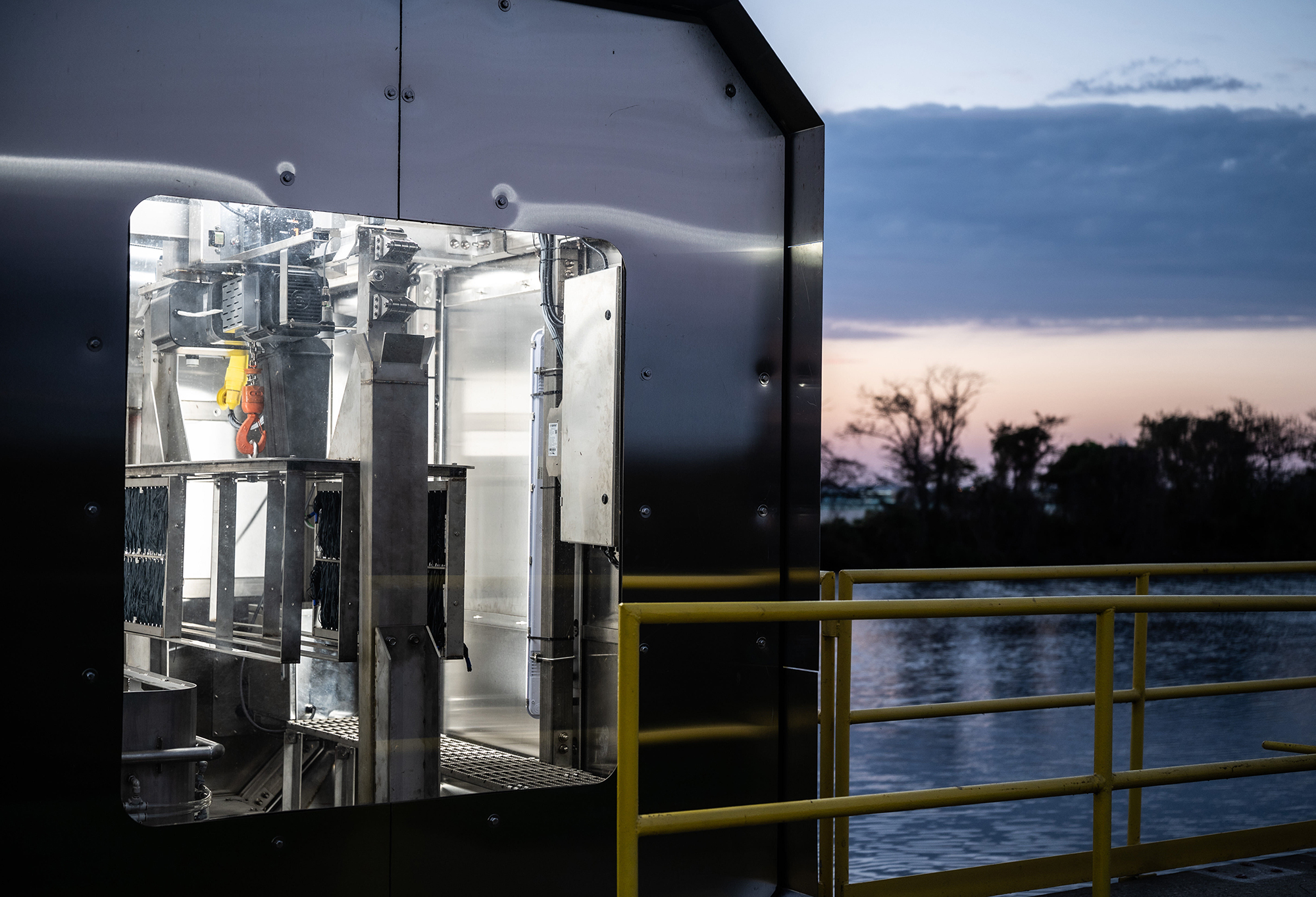
    The Atlantic County Utilities Authority is taking a novel approach to remove microplastics from its wastewater treatment plant using technology designed by former Princeton University graduate students.

    Plastics do not biodegrade, but instead break down over time into smaller fragments called microplastics, which persist in the environment and accumulate in living organisms.

    The Atlantic City wastewater treatment facility said the new initiative aims to divert microplastics from the ocean, protecting marine life and humans. The utility said the installation, which is fully funded by a federal grant, is the first of its kind in the world.

    The technology designed by PolyGone Systems, a startup founded by Nathanial Banks and Yidian Liu, replicates ultrahydrophobic plants found in wetlands that microplastics easily stick to so the contaminant can be removed from water.

    The system was installed this week after a two-year pilot program.

    “I think this really marks a new era for treatment innovation, where we’re able to build very large, scalable systems that use a very small amount of material and very low energy to treat very challenging contaminants,” said Banks, co-founder and CEO of PolyGone Systems. “And, having the first system in the world for that in Atlantic County, it’s quite unusual.”

    Microplastics can leach into wastewater treatment plants after they’re discharged by industrial facilities, or from stormwater runoff that collects microplastics from items like vehicle tires. Residents can also pollute wastewater systems by washing clothes that contain microplastics.

    There currently are no state or federal regulations that require the removal of microplastics in wastewater or drinking water.

    However, the Atlantic County Utilities Authority said it’s crucial to remove the contaminants from wastewater before being discharged into the environment. Wastewater treatment plants discharge their treated effluent into waterways like the Atlantic Ocean.

    “We’re discharging to the ocean. So, if we’re not removing the plastic that’s in our wastewater, we’re putting it back into the environment,” said Matt DeNafo, president of the Atlantic County Utilities Authority. “It’s getting into the fish that we’re eating, even the water that we’re bathing. So, it really becomes an issue for human health.”

    Microplastics and nanoplastics are often invisible to the human eye and are easily ingested. These particles have been detected in the human bloodstream, brain tissue and other organs, and some researchers say exposure could increase the risk of heart attack or stroke.

    Research is ongoing, however, and scientists don’t know the specific harms on the human body.

    PolyGone’s founders say the technology has been able to remove more than 98% of microplastics in the control lab environment. There’s no data for the commercial system, but the founders say they’re confident it will continue to remove a majority of microplastics.

    Their research has determined that the technology is most effective the smaller the microplastic particles are.

    Liu, PolyGone’s co-founder and chief operating officer, said the technology also stands out for its sleek design, which she credits to their background as architecture students.

    “We really like how some of the sleek products such as the iPhone, how they were able to resolve very complex problems with very simple but sleek-looking designs, and we want to really emphasize that in how we design the Polypods,” she said.

    Liu and Banks have launched a similar system for a wastewater treatment plant in California, and say they’re also interested in scaling down their technology for residential uses.

    Never miss a moment with the WHYY Listen App!

    Play, pause, and rewind the live radio stream, access on-demand audio features, and dive into podcasts from both local and national sources.


    WHYY is yournprofit organization, we rely on financial support from readers like you. Please give today

    alumni From microplastics Princeton remove
    Follow on Google News Follow on Flipboard
    Share. Facebook Twitter Pinterest LinkedIn Tumblr Email Copy Link
    myappsplus
    • Website

    Related Posts

    To make AI morally good, tech companies are turning to religion. But some say it isn’t that simple

    October 25, 2026

    Is Spotify Technology SA a Buy After Its Latest Earnings Report?

    October 25, 2026

    Cyprus’ defense tech industry grows, but can it turn innovation into business?

    October 25, 2026
    Add A Comment
    Leave A Reply Cancel Reply

    Top Posts

    Cathay Pacific tests Google AI that dramatically cuts airplane contrails — tiny altitude shifts slash environmental impact by 40% in early trials

    September 8, 2026137 Views

    Drone swarm tech valued by both defense and civilian sectors, industry platform says

    September 8, 202615 Views

    Keep running out of mobile data? This new unlimited plan gets you up to 80Mbps 5G speeds for just AU$50/m

    October 8, 202614 Views
    Latest Reviews

    Samsung is randomly deactivating some accounts for ‘security reasons’

    myappsplusSeptember 1, 2026

    ‘Sonos 27’ brings a refreshed UI to the app and lets AI agents control your system

    myappsplusSeptember 1, 2026

    Anthropic reveals its view of how AI agents should interact with the physical world

    myappsplusSeptember 1, 2026
    Stay In Touch
    • Facebook
    • YouTube
    • TikTok
    • WhatsApp
    • Twitter
    • Instagram

    Subscribe to Updates

    Get the latest tech news from FooBar about tech, design and biz.

    Most Popular

    Samsung is randomly deactivating some accounts for ‘security reasons’

    September 1, 20260 Views

    ‘Sonos 27’ brings a refreshed UI to the app and lets AI agents control your system

    September 1, 20260 Views

    Anthropic reveals its view of how AI agents should interact with the physical world

    September 1, 20260 Views
    Our Picks

    Boulies EP600 office chair review: So good it almost dethrones our top mid-range desk chair

    October 25, 2026

    To make AI morally good, tech companies are turning to religion. But some say it isn’t that simple

    October 25, 2026

    Man Utd vs Bournemouth live streams

    October 25, 2026

    Subscribe to Updates

    Subscribe to our newsletter and get the latest tech news, app updates, AI trends, smartphone reviews, and exclusive deals delivered straight to your inbox.

    Facebook X (Twitter) Instagram Pinterest
    • About Us
    • Get In Touch
    • Disclaimer
    • Privacy Policy
    • Terms & Conditions
    © 2026 MyAppsPlus. All Rights Reserved.

    Type above and press Enter to search. Press Esc to cancel.