


In 2026, the average U.S. new-vehicle transaction price sits near $50,000, illustrating how everyday expenses can spiral beyond reason. Economic shifts continually reshape household budgets, making strategic spending essential. This guide uncovers common spending traps where perceived value rarely matches actual cost, identifying purchases that consistently underdeliver so your money works harder for you.
10. Brand-New Cars and Auto Financing

Depreciation hits faster than buyer’s remorse.
The average U.S. new-vehicle transaction price reached approximately $49,855 in mid-2026, while average new-car loan rates hovered near 6.9% in the first quarter. Monthly payments averaged $765—a figure that can stretch budgets thin before the odometer hits four digits. New vehicles typically lose about 20% of their value during the first year, creating immediate negative equity risks when buyers finance most of the purchase. A reliable three-to-five-year-old vehicle kept for the long haul offers better value, though the right choice depends on total ownership costs, insurance, maintenance, and financing terms.
9. Restaurant Food-Delivery Services

Convenience comes with a premium that stacks fees faster than orders.
Ordering through DoorDash or Uber Eats transforms a $9.50 in-store Chipotle bowl into a $20+ transaction before tipping. Delivery platforms layer service fees, delivery charges, small-order fees, and taxes onto menu prices that may already exceed in-store pricing. The final checkout can deliver sticker shock worthy of a luxury purchase. Compare total costs with pickup or dine-in options, and consider whether frequent small upcharges justify skipping the kitchen.
8. Premium Versions of Ordinary Products

Branding rarely equals durability when stripped of the logo tax.
Premium pricing often funds marketing rather than meaningful upgrades. Luggage marketed at $2,500 may offer negligible functional benefits over practical alternatives that cost a fraction. The smarter investment prioritizes tangible attributes: stronger materials, longer service life, better warranties, and independent test results rather than designer labels. Compare specifications, material quality, and warranty terms instead of assuming higher prices automatically deliver superior performance.
7. Thrift Stores

Resale culture turned bargain hunting into competitive sport.
Thrift stores have transformed over recent years as resale culture, online flipping, and social-media side hustles increased demand for donated goods. What once offered genuine bargains now feels more like a crowded marketplace where resellers equipped with pricing apps arrive before doors open. Goodwill Industries publishes financial information through its local nonprofit organizations rather than as a single network, and pricing varies by location and market conditions. Facebook Marketplace and peer-to-peer platforms may provide better opportunities for comparing local secondhand prices without intermediary markup.
6. New Phones and Laptops

Incremental improvements rarely justify the upgrade cycle.
Annual device releases deliver smaller improvements each generation, making last year’s model more “still perfectly capable” than obsolete. Apple has acknowledged performance management on aging iPhone batteries to prevent unexpected shutdowns, though replacement timing should depend on security updates, battery health, performance needs, and software support rather than marketing cycles. Upgrading makes sense when the existing device hinders daily productivity—not simply because a new model number appeared.
5. Cheap Electronics and Extended Warranties
Replacement often beats repair when the gadget costs less than the warranty.
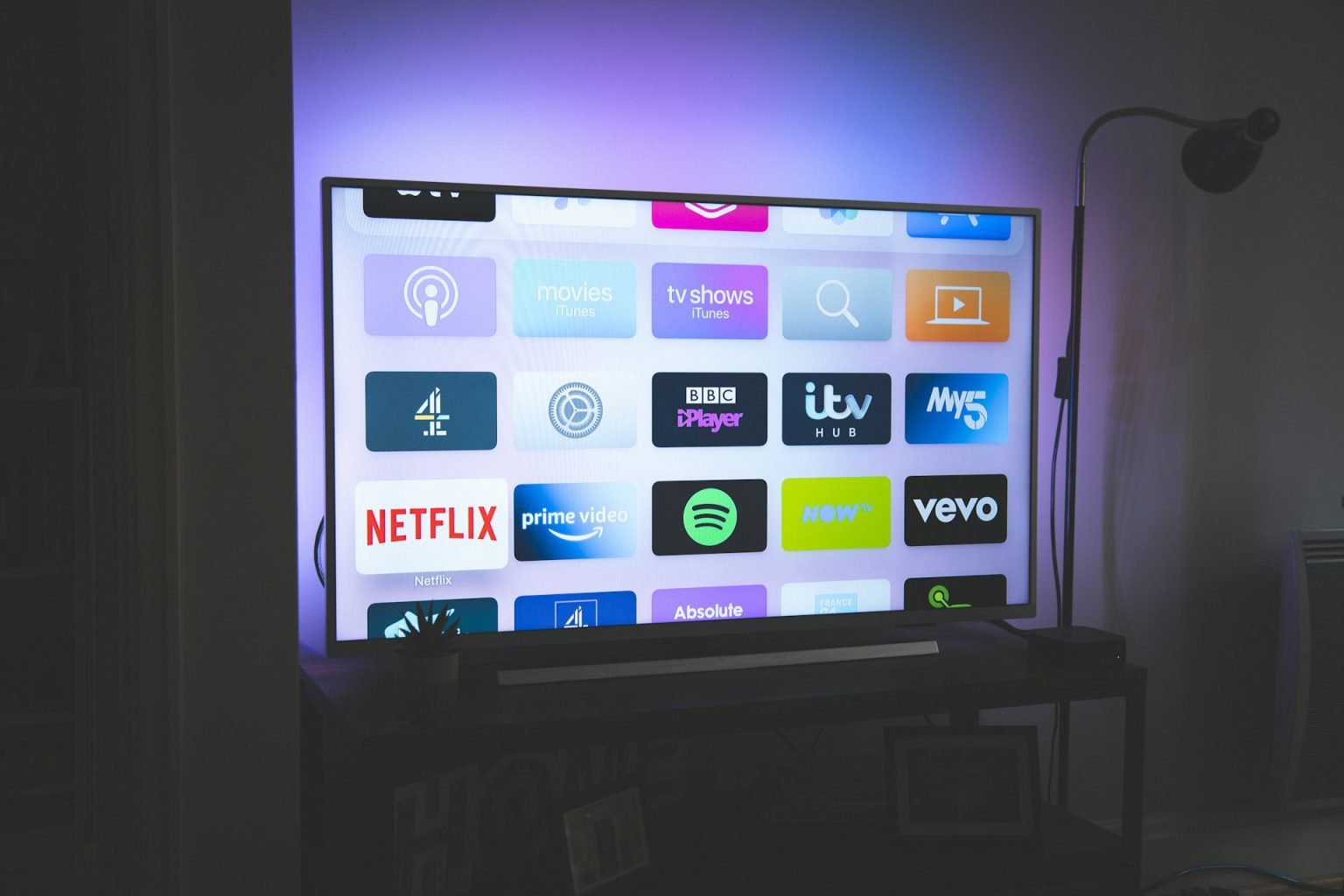
Extended warranties on inexpensive electronics add costs that may exceed practical replacement prices. Large TVs now sell for hundreds of dollars rather than thousands, making replacement more sensible than complex repairs for many models. Manufacturer warranties typically provide one-to-two years of coverage, and some credit cards extend protection automatically. Before purchasing additional coverage, review the original warranty terms, exclusions, deductibles, claim procedures, and whether existing protection already covers the risk.
4. Expensive Weddings

Celebrations shouldn’t require mortgage-level debt.
The Knot’s 2026 Real Weddings Study reported an average U.S. wedding cost of approximately $34,200 for couples married in 2025. Venue, catering, photography, attire, flowers, and entertainment combine with guest count and location to create bills that rival down payments. Wedding industries leverage emotional milestones to justify premium pricing, turning joyful occasions into financial pressure. Smaller guest lists, off-season dates, nontraditional venues, and transparent vendor comparisons offer paths to meaningful celebrations without years of savings evaporating in a single afternoon.
3. Natural Diamond Engagement Rings and Expensive Wedding Jewelry

Lab-grown diamonds share the same chemistry at a fraction of the cost.
Lab-grown diamonds have the same chemical composition and crystal structure as mined diamonds, distinguishable only through grading documentation rather than visual inspection. The Knot’s 2026 study found that 61% of engagement rings featured lab-grown center stones, with average center-stone spending around $4,600. Origin stories matter less than grading reports, return policies, and total price when making an investment that prioritizes measurable value over traditional market narratives.
2. Expensive Fitness Classes

Results come from consistency, not monthly bills exceeding streaming subscriptions.
The World Health Organization recommends adults perform 150–300 minutes of moderate-intensity aerobic activity weekly (or 75–150 minutes of vigorous activity) plus muscle-strengthening exercises on at least two days per week. Boutique fitness classes can demand $200–$500 monthly, with some Pilates programs exceeding $1,000—pricing that doesn’t guarantee better outcomes than evidence-based alternatives. Consistent movement delivers health benefits whether performed in a luxury studio or a living room. The winning routine is the one you’ll actually maintain, not the one with the highest membership fee.
1. Low-Value Financial Advisors

Index funds don’t require four-figure annual fees for basic placement.
Many advisors charge approximately 1% of assets under management for services that amount to placing portfolios in broad index funds and conducting minimal reviews. For an investor with $500,000 in assets, a 1% fee totals $5,000 annually—a sum that compounds into substantial long-term costs. High-value advisory relationships provide tax-loss harvesting, retirement-income planning, estate coordination, insurance analysis, and behavioral coaching rather than passive fund selection. Evaluate whether actual services received justify percentage-based fees, and understand that even small ongoing charges materially reduce long-term investment returns. The SEC’s Investor.gov explains how fees compound over decades, making transparency essential before committing to any advisory relationship.
