

![What has been the best Google Pixel to date? [Poll]](https://9to5google.com/wp-content/uploads/sites/4/2026/09/Entire-Pixel-9-and-Pixel-11-family.jpg?quality=82&strip=all&resize=1200,628 "What has been the best Google Pixel to date? [Poll]")
On 4 October 2016, Google introduced the original Pixel and Pixel XL, marking a major pivot away from the developer-focused Nexus line and ushering in what is now a decade of “Made by Google” hardware – but which is best and why?
Over the past 10 years, the lineup has expanded from a pair of traditional slab smartphones to a product portfolio that includes foldable devices, watches, earbuds, a single tablet, and budget-focused A-series models, culminating in the Pixel 11 series.
I’m biased, I think that the 4a is the best of the bunch, but determining which device holds the title of the best Pixel to date is going to be a fun, healthy debate for those of us who have used more than a few of the lineup over the years, especially as not all have been covered in glory.
The initial breakthrough
The original Pixel and Pixel XL established Google’s focus on camera processing and clean software integration. While the launch models lacked water resistance and stereophonic audio, their computational photography capabilities set a new baseline for mobile imaging.
A year later, the Pixel 2 and Pixel 2 XL introduced the iconic “Panda” design and front-facing stereo speakers. Although the LG-manufactured Pixel 2 XL faced criticism regarding display viewing angles, the series remains highly regarded for solidifying Google’s image processing dominance.
The Pixel 3 and 3 XL introduced Night Sight and a dedicated Pixel Visual Core chip, alongside dual front-facing cameras with an ultra-wide sensor. Despite memory management limits tied to its 4GB of RAM and the prominent display notch on the XL model, the third-generation devices brought significant refinements to software performance. Shortly after, the Pixel 3a series created the mid-range budget category for Google, pairing flagship camera capabilities with lower price points.
Pivots, Experiments, and Design Changes
Google shifted its approach with the Pixel 4 and 4 XL, introducing Soli radar gesture controls, 90Hz Motion Sense displays, and the only instance of 3D Face Unlock. The removal of the rear fingerprint scanner and poor battery life on the smaller model limited its appeal, though the 4 XL maintains a loyal following for its build, slim profile, and biometric features.
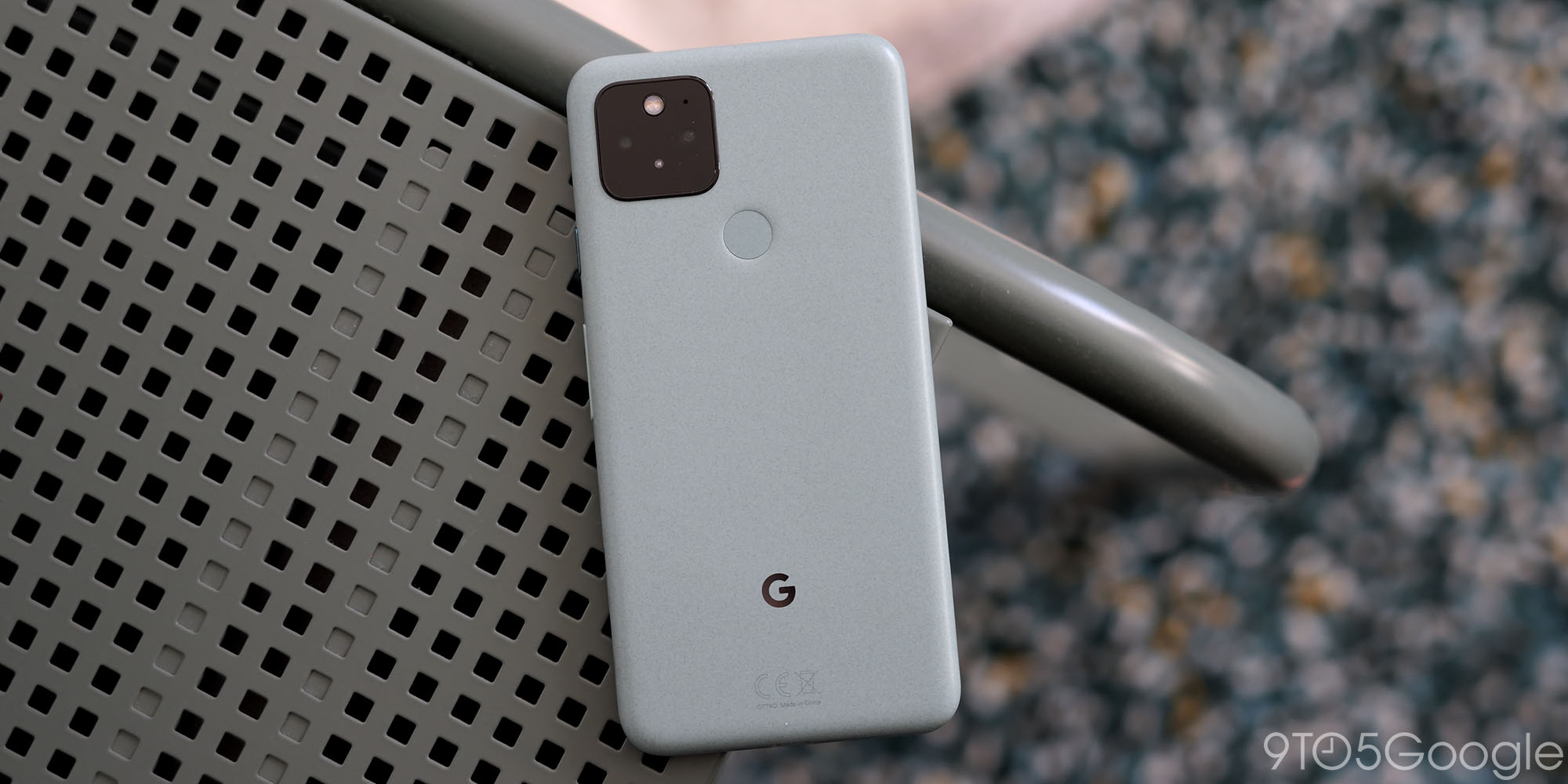
The 4a and 4a 5G focused back on value during a period of transition. That path culminated in the Pixel 5, which abandoned high-end flagship processors in favor of a mid-range Qualcomm Snapdragon 765G chipset, a uniform-bezel design, a rear fingerprint sensor, and a high-density battery. The Pixel 5a with 5G followed a similar template with a larger form factor and water resistance.
The Pixel 6 and 6 Pro marked the biggest moment in the lineup since its inception. Introducing custom Google Tensor silicon, a horizontal camera bar design, the series briefly pushed Google back into true flagship territory. The subsequent Pixel 6a brought this design language and processor to the A-series lineup, but had the killer addition of the best Tensor chip at a time when most mid-rangers were still forgoing high-end SoCs in favor of middling performance.
Refinement continued with the Pixel 7 and 7 Pro, which upgraded to the Tensor G2, addressed thermal efficiency, and refreshed the camera bar with an aluminum finish. The 7a brought high-refresh-rate screens and wireless charging to the lower price bracket for the first time.
Expanding Form Factors and Beyond

Google’s smartphone ecosystem expanded significantly with the introduction of the Pixel Fold and the Pixel Tablet. The Fold represented Google’s entry into flexible displays with a wider outer screen, while the Pixel Tablet offered a dual-purpose home display experience
The Pixel 8 and 8 Pro introduced seven years of OS updates, Tensor G3 silicon, brighter Actua displays, and a flat screen design for the Pro model. The 8a brought those long-term software commitments to a lower price point and arguably blurred the lines between the A-series and the base model for the first time.
The Pixel 9 series expanded the lineup further, introducing a third flagship size with the Pixel 9, Pixel 9 Pro, and Pixel 9 Pro XL, alongside the refined Pixel 9 Pro Fold. The series introduced updated industrial design with flattened sides, updated Tensor G4 chips, and satellite connectivity.
Since the 9 was launched, we’ve had a couple of years of effectively the same device with minor iterations. Most of the changes have been focused solely on hardware efficiency and processing performance.
Reaching the 10-year mark, the Pixel 11 series builds upon that decade of iterations. From off-the-shelf components to custom chips that may not have quite hit the heights many have wanted, there’s never a dull moment with a Google phone, for better or worse.
Which device stands out as the best release over the last 10 years? We’ve omitted wearables in a bid to streamline the entire poll, but be sure to cast your vote in the poll below and let us know the reasons behind your choice in the comments.
You’re reading 9to5Google — experts who break news about Google and its surrounding ecosystem, day after day. Be sure to check out our homepage for all the latest news, and follow 9to5Google on Twitter, Facebook, and LinkedIn to stay in the loop. Don’t know where to start? Check out our exclusive stories, reviews, how-tos, and subscribe to our YouTube channel
