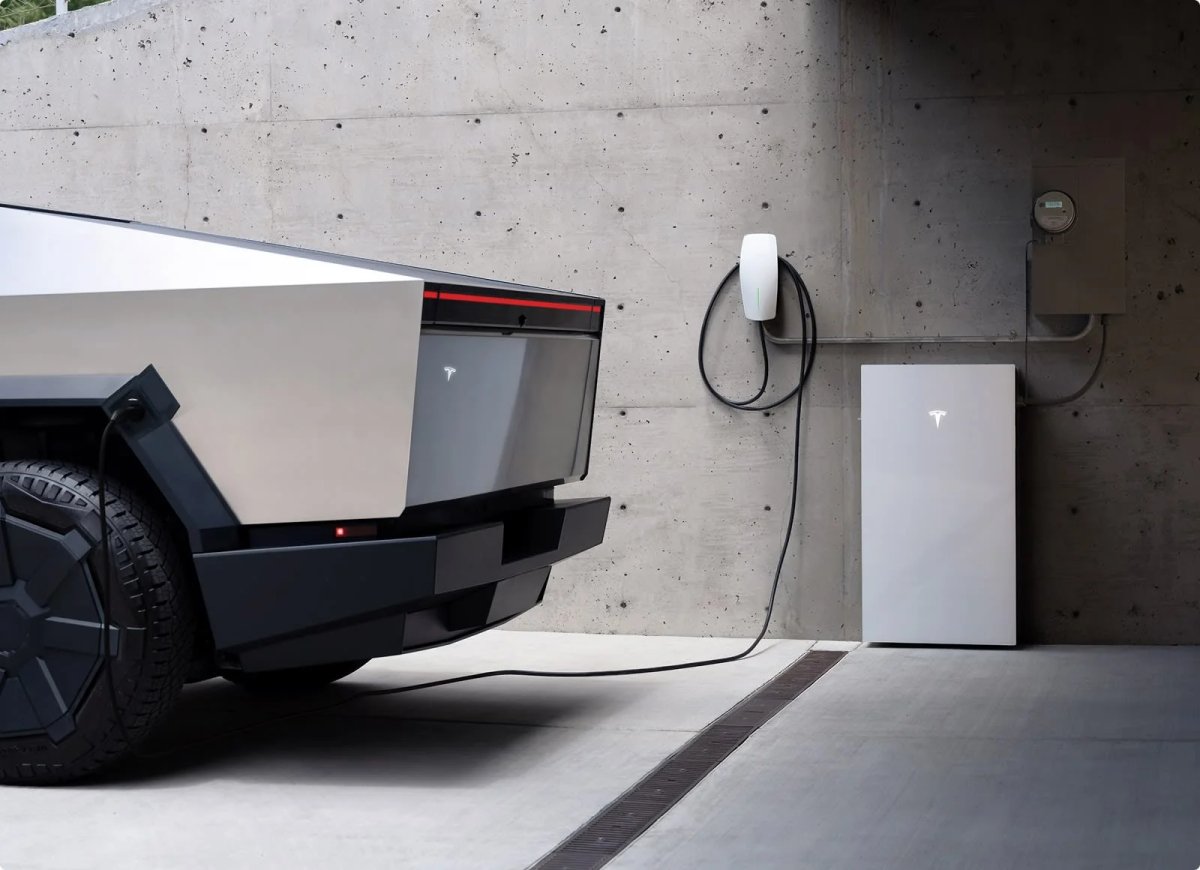
Tesla is finally bridging the gap between its electric vehicles and home energy storage systems. After years of anticipation, vehicle-to-home (V2H) support has officially arrived for Tesla’s residential Powerwall batteries, letting owners tap their vehicle pack to keep household appliances running when the power grid cuts out.
The capability is rolling out as part of software update 2026.27.10, which introduces native Powershare communication between the Cybertruck and Powerwall.
https://x.com/cybertruck/status/2098114127160094897
According to the official release notes, the integration functions automatically once enabled on the center touchscreen. You can turn Powershare on by going to Charging> Powershare in your vehicle’s settings.
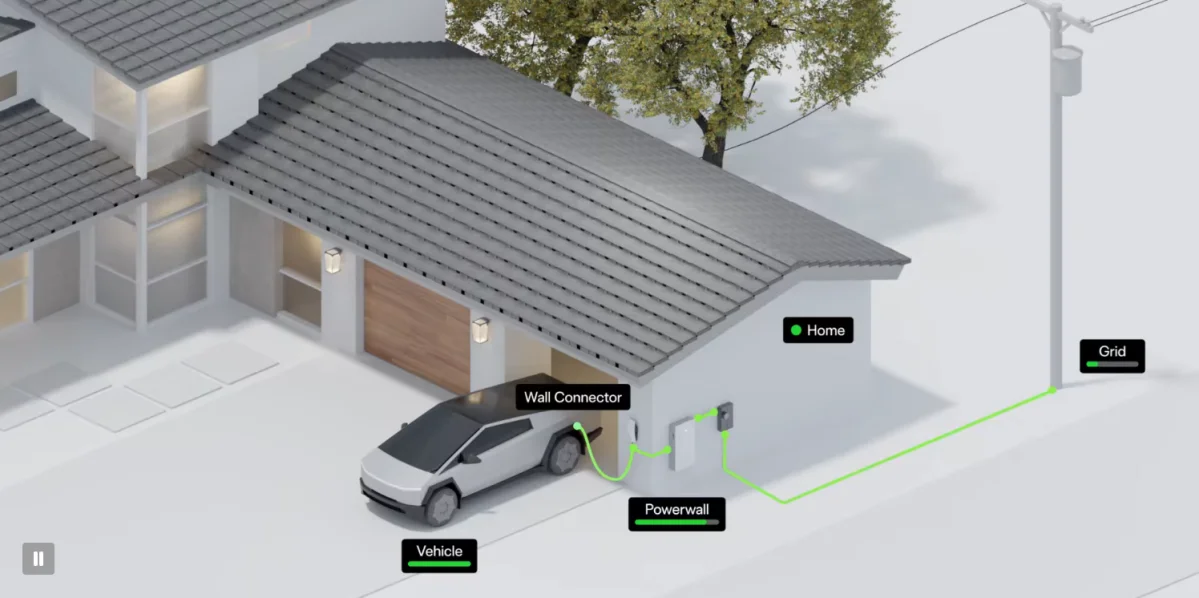
Once enabled, your Cybertruck will automatically start sharing its battery with your Powerwall when it’s plugged in and there’s an outage. The feature greatly extends whole home backup for those in Tesla’s energy ecosystem. For Powershare to work, your vehicle must be parked and have more battery than your set discharge limit.
Not a Tesla App
Powershare first debuted on the Cybertruck, turning its massive battery pack into a giant mobile energy reservoir (check out our full Powershare guide). Tesla has since expanded bidirectional charging to select Model Y trims with a dedicated Powershare adpater, but Powerwall integration faced unusual hurdles.
Cybertruck owners originally had to install a dedicated Powershare Gateway to get vehicle-to-home backup working. Even worse, that setup was entirely incompatible with homes that already had a Powerwall installed. Bringing the two ecosystems together was originally slated for late 2025, but engineering teams had to work through software conflicts and local utility regulatory red tape before finally making it happen.
Hardware Requirements and Expanded Compatibility
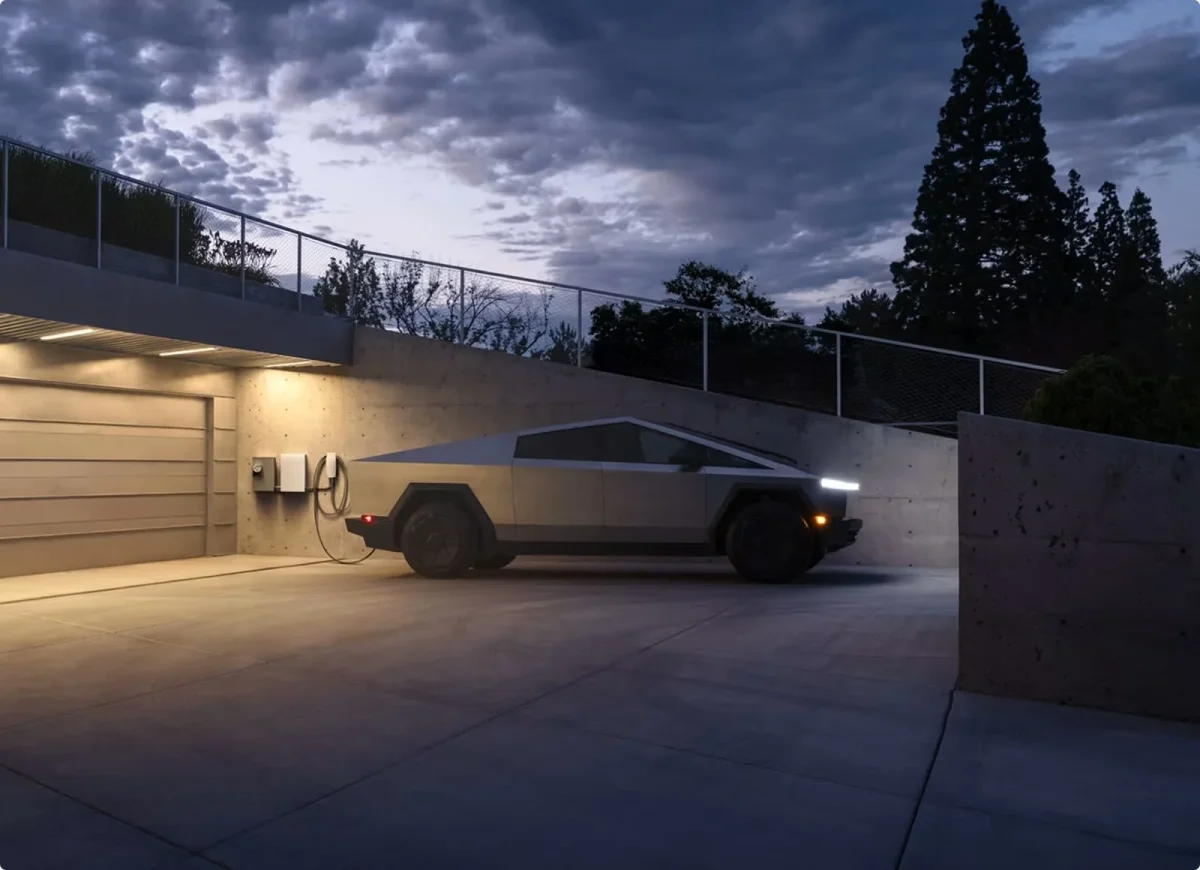
With update 2026.27.10, Powerwall 3 owners can now plug in their Cybertruck and feed energy directly into their home electrical panel. The update also allows you to recharge your Powerwall straight from your Cybertruck battery.
Not a Tesla App
The best part of this software unification is that it simplifies the necessary hardware. Homes already running a Powerwall rely on their existing Powerwall gateway for grid isolation during blackouts. Because that unit handles the transfer switch, owners don’t need to purchase or install a separate Powershare Gateway — saving thousands on hardware and labor.
To use Powershare with Powerwall, you’ll need either a compatible Tesla Universal Wall Connector or a Wall Connector 3. While the functionality is currently limited to Powerwall 3 setups, Tesla confirmed that support will expand to Powerwall 2+ setups “later this year.”
Tesla Adds Supercharger Site Maps to Tesla App

Tesla Reopens Roadster Reservations Ahead of Public Reveal
Tesla Adds Passkey Support to Tesla App

How Tesla Improved Automatic Navigation in Update 2026.26

Tesla’s Upcoming Full Self-Driving Features
Introducing Our Personalized Tesla License Plate Generator [Update: Now Supports Canada!]
Tesla Shop Changes This Month: Wall Connector Price Increase, Discontinued Products and New Additions

Tesla AI5 Chip Enters Trial Production at Samsung’s Texas Fab
Tesla Grok Reminders: What They Are and How They Work