

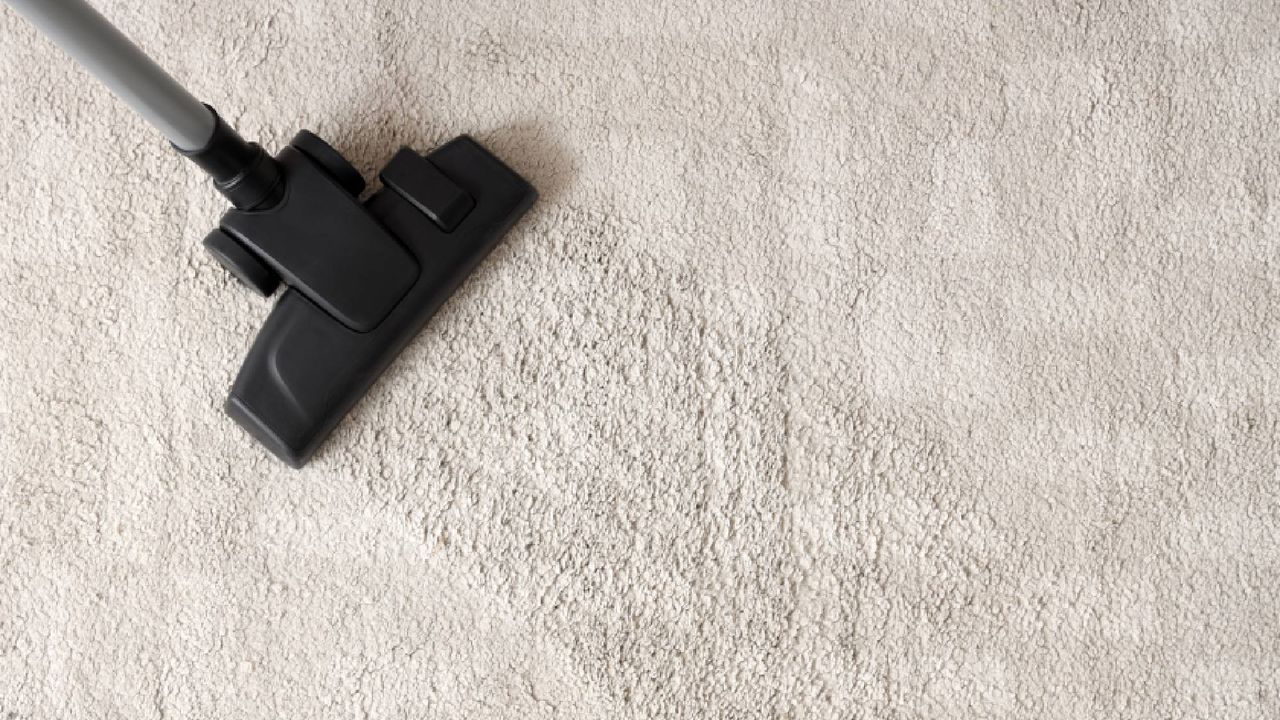
I used to think keeping my area rugs clean was just a matter of running my vacuum back and forth as fast as possible before moving on to the next room. My rugs looked fine, but whenever I shook them out, a tiny cloud of dust would still puff up.
It wasn’t until a professional carpet cleaner dropped a casual tip that I realized my technique was completely flawed. By pushing the vacuum in random, fast passes, I was leaving over half of the trapped dust, pet dander, and grit buried deep inside the fibers.
Once I changed my approach to a cross hatch, or overlap technique, the amount of hidden dirt pulling into the vacuum canister was equal parts satisfying and alarming.
Here is the common vacuuming mistake you’re probably making — and the simple method that gets your rugs truly clean.
Why fast vacuuming leaves dirt behind
Most people vacuum by pushing the machine forward and pulling it straight back over the exact same path before moving over to the next section.
Rug fibers, however, naturally bend in one direction, so vacuuming in only one orientation bends the carpet pile over the dirt, sealing fine particles into the base rather than pulling them up.
Without a calculated overlap, the outer edges of the vacuum head miss a 1 to 2-inch strip between every pass, leaving hidden channels of dust untouched.
Also, moving the vacuum head too quickly across the floor doesn’t give the brush roll enough time to agitate the fibers and dislodge heavy, deep-set dander buried there.
How to vacuum rugs properly: the overlap technique
(Image: © Shutterstock)
The key to lifting embedded dirt is slow, deliberate passes using a 50% overlap pattern across a two-directional grid.
Resist the urge to push the vacuum quickly. Pass the vacuum forward at a pace of roughly one foot per second, then pull it back along the exact same line at the same speed. The backward pull is actually where your vacuum generates the strongest lift.
Instead of lining the vacuum head up edge-to-edge for your next strip, overlap your previous path by 50%. This ensures every square inch of the rug receives double agitation and maximum suction power.
Once you have covered the rug horizontally, turn 90 degrees and repeat the process vertically across the entire rug. This cross-hatch movement lifts fibers in the opposite direction, releasing stubborn pet hair and trapped dirt.
- I restored my yellowed whites to brilliant white using one overlooked laundry step
- How to clean mold from your shower permanently — without using household bleach
- I tried this genius dryer sheet trick on my baseboards, and it got rid of all the dust in 30 seconds
