

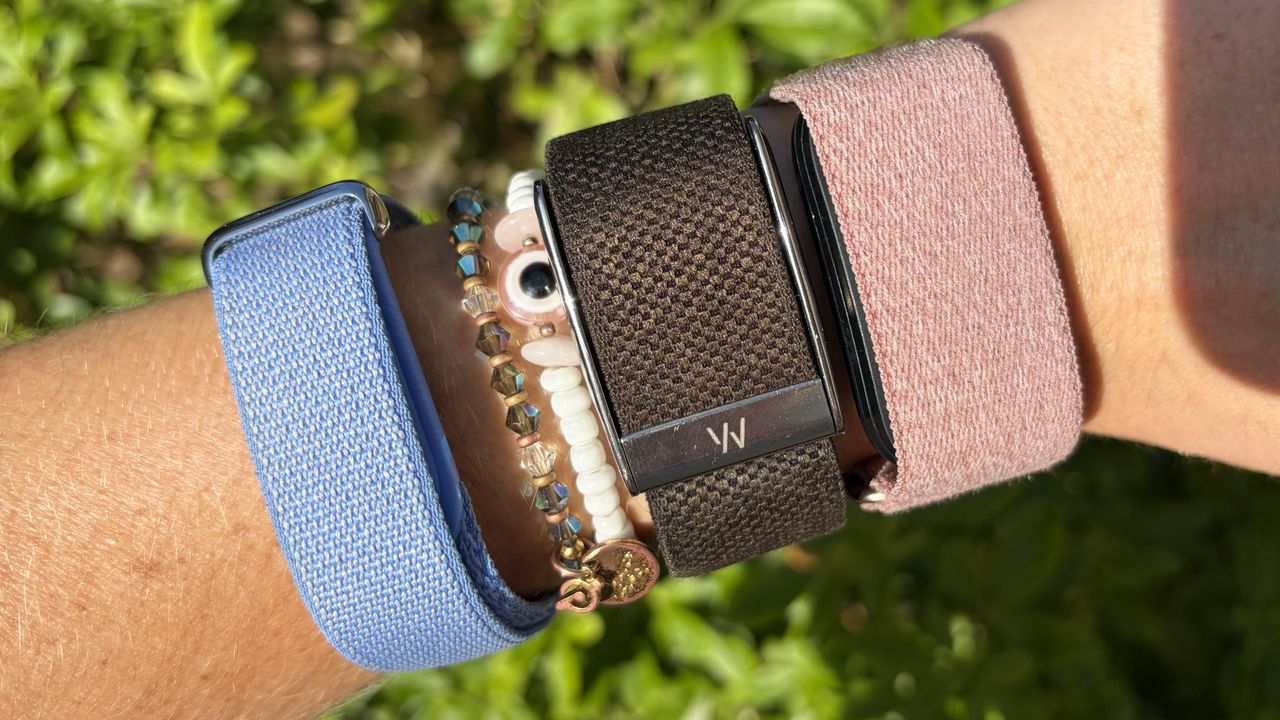
I’ve said it before, and I’ll say it again — 2026 is the year of the screenless tracker. It seems that we’re moving away from screens and notifications into a calmer, quieter world of 24/7 health tracking.
This year has seen the launch of the Fitbit Air, Google’s $99 screenless tracker, and more recently the Garmin Cirqa, Garmin’s $199 equivalent. Neither requires a subscription, but I’d argue some of the best features on the Fitbit Air are behind the paywall. Oura also launched its Oura Ring 5 this year — the smallest and lightest smart ring on the market.
You can read my Fitbit Air vs Garmin Cirqa vs Whoop 5.0 vs Oura Ring 5 face-offhere, but to find out what you’rebuying, we asked over 300 of you which tracker you’d buy. Read on to find out which came out on top.
Which screenless tracker are you buying?
313 Tom’s Guide users answered our poll, and the results are pretty clear: it’s between the Fitbit Air and the Garmin Cirqa. Here’s what you said:
Even though the Garmin Cirqa is twice the cost of the Fitbit Air — $199 vs $99 — these two trackers have a lot in common. Screen-free, your primary method for interacting with either is through the companion app. That said, the Cirqa also has one physical button to start and stop workouts.
When it comes to the apps, both are excellent. With the Fitbit Air, you’ll be using the new Google Health App, which (if you pay for the subscription) comes with the Gemini-powered AI health coach that really is the best I’ve tested.
Garmin fans, on the other hand, will be pleased to hear that the Garmin Cirqa can be synced with the Garmin Connect app, allowing you to seamlessly move between your watch and the screenless tracker.
Which you choose really comes down to your budget and your preference. I personally find the Fitbit Air more comfortable on the wrist, but I do think you’ll need to pay the monthly subscription to get the most out of the device.
The Garmin Cirqa gives you all your data subscription-free (with a Garmin Connect+ subscription, you’ll get additional nutrition and coaching plans), and the side button makes your workout data more accurate. That said, it’s double the price.
We’ll keep putting these two trackers head-to-head over the next few months, so stay tuned. Which are you thinking of buying? Have your say below.
FollowTom’s Guide fitnesson Instagram for more workouts, routines, tips, and tricks.
- Apple Watch Series 12 rumors — everything we know so far
- 10 Apple Watch innovations that changed the game — from Fall Detection to Hypertension Alerts
- Garmin’s rumored screen-less wearable just might be the subscription-free Whoop rival I’ve been waiting for
