Close Menu
MyAppsPlus

    Subscribe to Updates

    Get the latest creative news from FooBar about art, design and business.

    What's Hot

    LG’s denial over TV spying claims ‘does not address the full privacy picture’, experts say — after report accuses it of making ‘216,000,000 spy TVs’

    September 12, 2026

    Meet the under-35s shaping the future of biotech

    September 12, 2026

    How to change Amazon Alexa’s voice and personality

    September 12, 2026
    Facebook X (Twitter) Instagram
    Facebook X (Twitter) Instagram
    MyAppsPlusMyAppsPlus
    Saturday, September 12
    • Home
    • Breaking Tech
    • Apps & Software
    • AI & Automation
    • Android
    • iPhone & iOS
    • More
      • Reviews
      • How-To Guides
      • Deals & Discounts
      • Shop
    MyAppsPlus
    Home»Reviews»Scientists Are Building Quantum Computers That Fix Their Own Mistakes
    Reviews

    Scientists Are Building Quantum Computers That Fix Their Own Mistakes

    myappsplusBy myappsplusAugust 28, 2026003 Mins Read
    Share Facebook Twitter Pinterest Copy Link LinkedIn Tumblr Email Telegram WhatsApp
    Follow Us
    Google News Flipboard
    Scientists Are Building Quantum Computers That Fix Their Own Mistakes
    Share
    Facebook Twitter LinkedIn Pinterest Email Copy Link

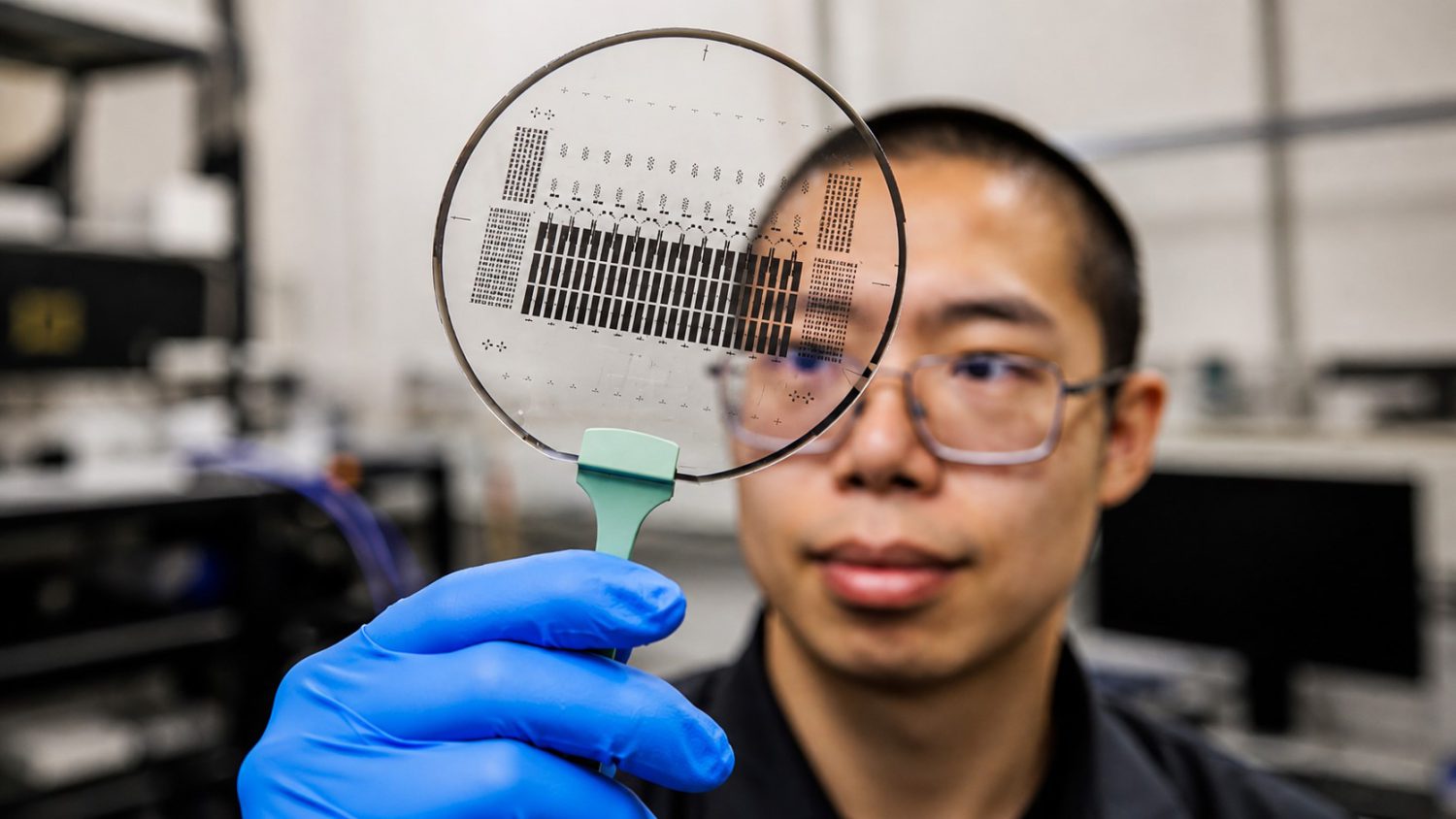
    Quantum computer problems keep making headlines without changing everyday life. The reason isn’t raw power — it’s that these machines make mistakes faster than they can fix them. Noise from heat, vibration, and stray electromagnetic fields corrupts calculations before they finish. Yale is now leading a new NSF-funded center called NSF PRACTIQAL, backed by $37.5 million over five years, built specifically to solve that problem. This isn’t a product announcement. It’s the engineering road that doesn’t exist yet.

    The Error Problem: Why Quantum Computers Keep Failing Silently

    Quantum hardware today is less a precision instrument and more a confident GPS that has already missed three turns — still routing, already wrong.

    “Self-correcting” doesn’t mean autonomous magic here. It means hardware, control electronics, and software co-designed so tightly that errors get flagged and fixed before they cascade into garbage output. Yale’s announcement frames NSF PRACTIQAL as attacking this across the full stack: from physical qubits — the quantum equivalent of classical bits — all the way up to algorithms. That’s a significant coordination challenge, requiring physicists, engineers, computer scientists, and chemists all working the same problem from different angles simultaneously.
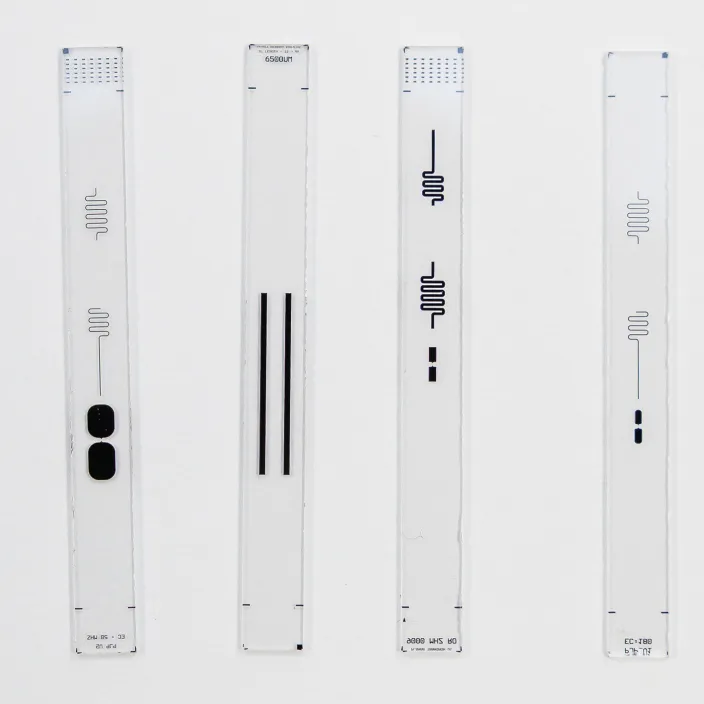
    Image: Yale Engineering

    Here’s what the center is actually doing:

    • A $37.5 million NSF grant funds a five-year center led by Yale with partner universities
    • The team spans physicists, engineers, computer scientists, and chemists — covering everything from hardware to code
    • Two core research targets: making error correction more efficient, and developing “erasure qubits”
    • Erasure qubits fail loudly — they flag exactly where and when an error occurred, rather than hiding it
    • The goal is proving foundational ideas, not immediately building an industrial-scale machine

    Robert Schoelkopf, the center’s director, puts it plainly: “Today, error correction is the main scientific and engineering challenge for making quantum computing useful.” That framing matters. Standard qubits fail silently — the machine often doesn’t know an error happened or where. An erasure qubit flags its own failure location, making correction dramatically more tractable. This is the kind of foundational insight that, if it scales, could meaningfully shorten the timeline for the entire field.

    Proving the Path: What a Win Here Actually Looks Like

    The measure of success isn’t a finished quantum computer — it’s a credible, tested pathway toward building one.

    Co-director Michael Hatridge, an associate professor of applied physics, is clear about scope: the team aims to prove ideas and map a pathway toward a much larger system — not build that system tomorrow. Think of it less like a solo sprint and more like the coordinated engineering push that made the transistor manufacturable at scale. Multiple disciplines, one shared problem, no shortcuts.

    Even partial success contributes. The knowledge generated reduces error rates and improves system design across the field regardless of outcome.

    Quantum computers aren’t arriving next year. But serious people with serious funding are finally building the road that leads there — and that’s a different kind of headline entirely.

    Building Computers quantum Scientists That
    Follow on Google News Follow on Flipboard
    Share. Facebook Twitter Pinterest LinkedIn Tumblr Email Copy Link
    myappsplus
    • Website

    Related Posts

    Meet the under-35s shaping the future of biotech

    September 12, 2026

    There’s a simple way to watch South Africa vs New Zealand for *FREE* or just $1 — stream Test 4

    September 12, 2026

    ‘Lyrics represent one of the few moments in streaming when the listener stops being passive’: Musixmatch product chief on why lyrics — not algorithms — are turning casual streamers into super-fans

    September 12, 2026
    Add A Comment
    Leave A Reply Cancel Reply

    Top Posts

    The 6 AI-free Linux distros I recommend most

    August 19, 20263 Views

    AI, automation, robot dogs ensure on-site nuclear safety

    September 7, 20262 Views

    This tiny AI box could save me from upgrading my perfectly good laptop

    September 6, 20262 Views
    Latest Reviews

    Apple Wallet driver’s licenses are coming to North Carolina, but there’s a catch

    myappsplusAugust 18, 2026

    3 Japanese AI Stocks Turning Automation Spending Into Real Revenue

    myappsplusAugust 18, 2026

    Apple: DOJ’s latest challenge in antitrust case ‘fails at every level’

    myappsplusAugust 18, 2026
    Stay In Touch
    • Facebook
    • YouTube
    • TikTok
    • WhatsApp
    • Twitter
    • Instagram

    Subscribe to Updates

    Get the latest tech news from FooBar about tech, design and biz.

    Most Popular

    Apple Wallet driver’s licenses are coming to North Carolina, but there’s a catch

    August 18, 20260 Views

    3 Japanese AI Stocks Turning Automation Spending Into Real Revenue

    August 18, 20260 Views

    Apple: DOJ’s latest challenge in antitrust case ‘fails at every level’

    August 18, 20260 Views
    Our Picks

    LG’s denial over TV spying claims ‘does not address the full privacy picture’, experts say — after report accuses it of making ‘216,000,000 spy TVs’

    September 12, 2026

    Meet the under-35s shaping the future of biotech

    September 12, 2026

    How to change Amazon Alexa’s voice and personality

    September 12, 2026

    Subscribe to Updates

    Subscribe to our newsletter and get the latest tech news, app updates, AI trends, smartphone reviews, and exclusive deals delivered straight to your inbox.

    Facebook X (Twitter) Instagram Pinterest
    • About Us
    • Get In Touch
    • Disclaimer
    • Privacy Policy
    • Terms & Conditions
    © 2026 MyAppsPlus. All Rights Reserved.

    Type above and press Enter to search. Press Esc to cancel.