

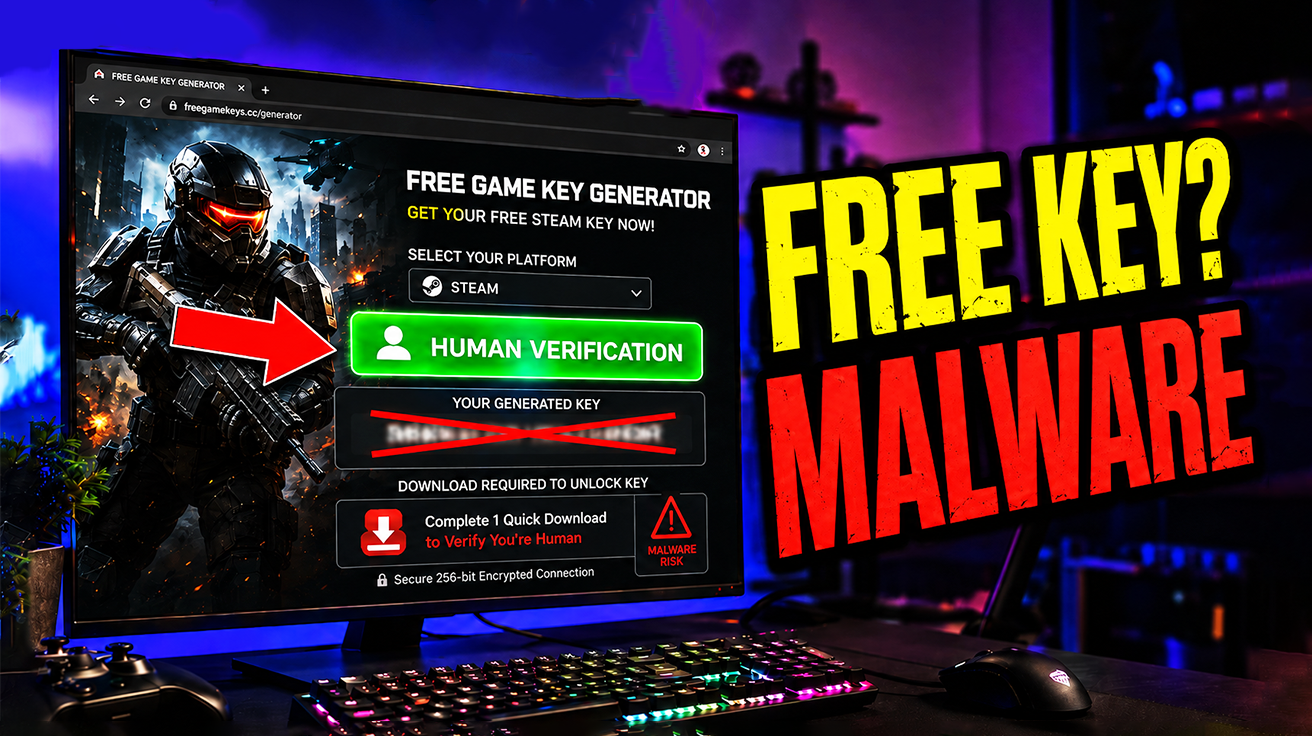
Consumer safety sources consistently warn that many gaming scams bait players with exaggerated promises of real money or fake rewards. These operations rarely break clear laws; instead, they exploit murky technical gray areas, designed to separate gamers from time or cash. This list pulls back the curtain on tactics these operations use, revealing what makes them technically legal yet ethically dubious. Recognizing the red flags before investing protects wallets and sanity in the wild west of online gaming.
8. Play-to-earn Mobile Games

Mobile apps promising real earnings often deliver only ads and disappointment.
Mobile play-to-earn games targeting younger audiences flood screens with ads, promising instant wealth through gameplay. These apps bombard players with advertisements while asking them to accumulate points toward cash payouts. The grind feels endless, like trying to fill a bucket with a leaky faucet.
The reality quickly hits when players spend hours grinding only to face point thresholds that seem deliberately unreachable. When qualifying finally happens, payouts often fail; users report receiving blank, invalid, or nonexistent cards. These companies typically hold no contractual obligation to pay, leaving players with wasted time and devices full of targeted ads. Consumer-safety sources warn that “too good to be true” offers and suspicious monetization mechanics are common red flags.
7. Free Game Key Generator Sites
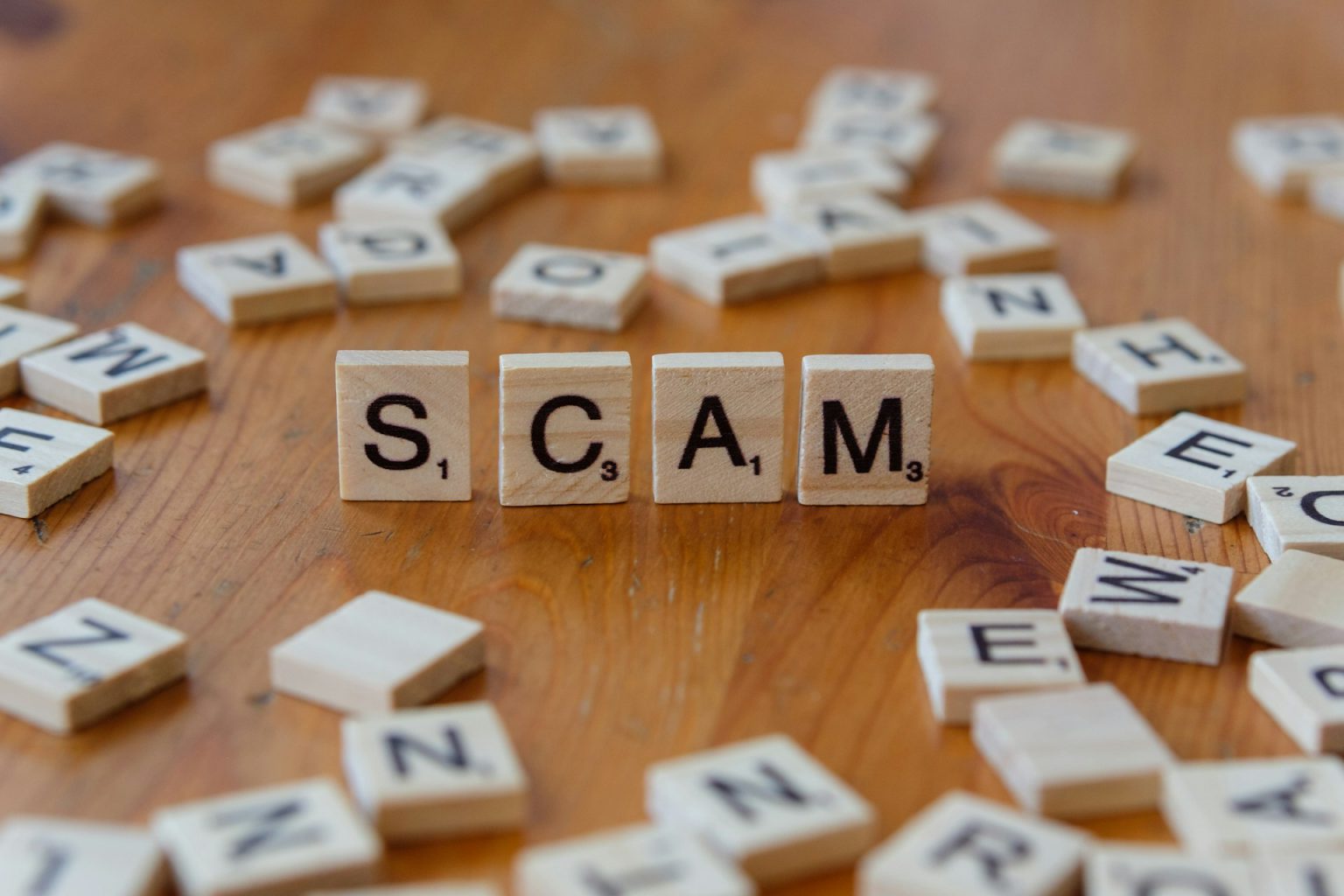
These sites promise free access but deliver only malware and frustration.
Sites claiming to generate free game keys are widely flagged as scam traps. Desperate to avoid a steep price tag, gamers discover these “free key generator” sites that promise instant access but universally demand a “human verification” task. Clicking through surveys or downloading apps effectively transforms users into digital click-farm workers, generating revenue for site owners through affiliate links.
These endless verification tasks never actually deliver a working game key. The promised key either never arrives or is fake, often bundling malware onto systems instead. Security guidance consistently recommends downloading only from verified sources to avoid these digital dead ends.
6. G2A
This marketplace offers cheap keys that can vanish without warning.
Digital game keys sold on marketplaces like G2A carry significant risks, making every purchase a gamble. Some keys may work initially but can be invalid or revoked without warning if obtained fraudulently. These “cheap key” sites sometimes traffic in keys bought with stolen credit cards or acquired through fraudulent means.
The marketplace model creates uncertainty where buyers might pay for a key, only for it to become useless later. G2A’s refund policies can be challenging to navigate. This is why some developers openly state they prefer piracy over sales from such gray markets, as chargebacks from fraudulent key purchases hurt studios more than lost sales.
5. CDKeys
Another discounted key seller where savings come with revocation risks.
Many gamers hunting for a bargain inevitably stumble upon CDKeys, a platform operating similarly to G2A in offering discounted game keys. While the prospect of snagging a title at a discount is tempting, this advantage carries inherent risks. That initial thrill can be short-lived, as the key might later be revoked if its original sourcing is problematic.
The critical issue stems from keys obtained through unauthorized or fraudulent means. Publishers retain the right to invalidate such keys, which means digital purchases can vanish, leaving buyers without access or a refund. This digital uncertainty feels like buying a new phone, only for the carrier to remotely brick it weeks later. Consumer safety guidance is clear: always purchase from trusted and verified sources.
4. Dreamworld (Asset-Flip MMO)
A crowdfunded game built primarily from store-bought components.
Asset-flip MMOs like Dreamworld rely heavily on pre-made or purchased assets rather than original development, often misleading players and crowdfunding backers about the true scope of work. These projects present store-bought environments and character models as custom creations, despite their generic origins. The core issue isn’t merely using purchased assets, but misleading buyers about the amount of original development involved and the value proposition of the game.
Crowdfunding campaigns for such projects can raise significant funds while actual development costs remain minimal. This tactic leaves backers feeling swindled, akin to buying a custom painting only to receive a numbered print. Consumer scam guidance around gaming emphasizes verifying sources, checking legitimacy, and being cautious with projects that make unusually strong promises.
3. Greed of Man (Asset-Flip MMO)
This asset-flip MMO allegedly continues monetizing despite minimal active development.
Greed of Man joins a lineage of similar projects where titles are allegedly built from pre-purchased assets with minimal original development. The game reportedly continues generating monthly support revenue while active development has allegedly ceased. This model operates like a digital ghost ship, running on autopilot while still collecting fees.
The brilliance of this approach lies in its passive income stream. Finding a forgotten streaming subscription still hitting a credit card? This operates much the same, with players financing a project with no visible future. While the game offers no new content, its lingering presence allows monthly charges to persist. Consumer scam guidance warns that deceptive monetization and fake progress can indicate fraud or bad-faith operation.
2. Cheating Software for Online Games
Discord servers sell game cheats that often steal money or compromise systems.
Discord servers frequently push online game cheating software, often advertisedpayment and block buyers, never delivering the promised advantage. Even when software is delivered, it frequently bundles malware or viruses, turning any quest for an edge into a serious security liability
Using such software generally isn’t illegal by law in many countries, though distributing it carries distinct legal risks. The practical downsides are significant; poorly made cheats lead to instant detection and bans from game developers, making purchases worthless. Offers for “free cheats” are almost certainly malware in disguise, a digital Trojan horse waiting to compromise systems. Anti-scam guidance recommends only downloading software from verified sources and using antivirus protection.
1. Valorant
Riot’s competitive shooter faces constant targeting from cheat sellers despite robust anti-cheat measures.
Even with its status as a prime target for illicit software, Riot’s tactical shooter Valorant maintains a robust anti-cheat system. Creators and users of cheating software frequently target this highly competitive environment, seeking any perceived advantage. The anti-cheat system engages in a constant digital arms race against illicit tools, regularly leading to swift detection and account penalties for cheaters.
The frustration is real: queuing for a ranked match only to encounter an opponent with seemingly preternatural aim, firing through smoke like they possess X-ray vision. These unfair encounters are precisely what the anti-cheat system works to minimize. Despite some player perceptions, Riot’s ongoing vigilance aims to keep the competitive landscape as fair as possible.
