Close Menu
MyAppsPlus

    Subscribe to Updates

    Get the latest creative news from FooBar about art, design and business.

    What's Hot

    Black Friday’s hottest new shopper? Artificial intelligence.

    November 28, 2026

    Black Friday kitchen deals: huge savings all weekend on Ninja, De’Longhi, Breville, and KitchenAid

    November 28, 2026

    Here Are the Best Apple Black Friday Leftover Deals You Can Get Today

    November 28, 2026
    Facebook X (Twitter) Instagram
    Facebook X (Twitter) Instagram
    MyAppsPlusMyAppsPlus
    Saturday, November 28
    • Home
    • Breaking Tech
    • Apps & Software
    • AI & Automation
    • Android
    • iPhone & iOS
    • More
      • Reviews
      • How-To Guides
      • Deals & Discounts
      • Shop
    MyAppsPlus
    Home»Breaking Tech»What does the 33 percent rule mean for installing solar panels?
    Breaking Tech

    What does the 33 percent rule mean for installing solar panels?

    myappsplusBy myappsplusNovember 28, 2026014 Mins Read
    Share Facebook Twitter Pinterest Copy Link LinkedIn Tumblr Email Telegram WhatsApp
    Follow Us
    Google News Flipboard
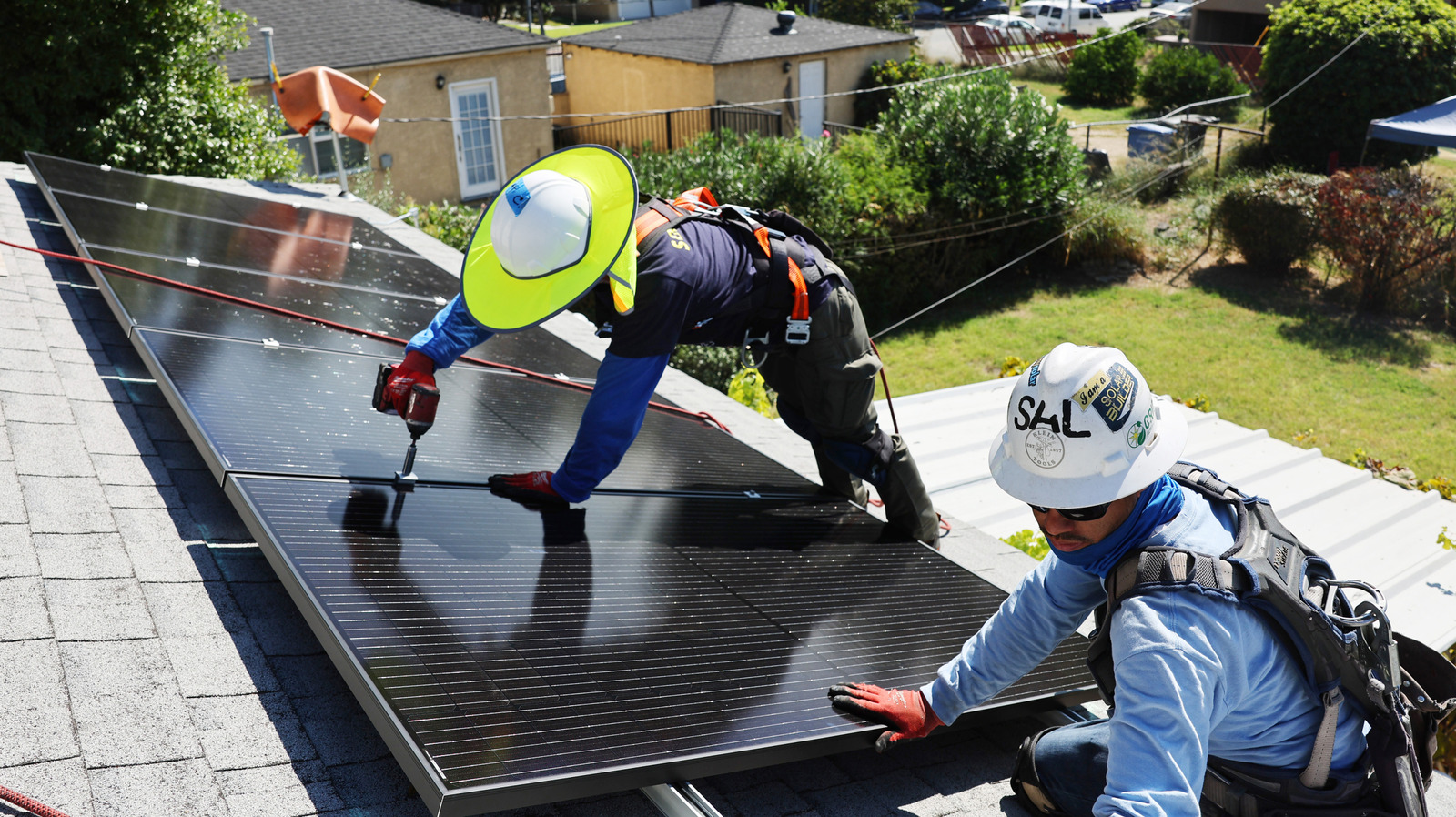
    What does the 33 percent rule mean for installing solar panels?
    Share
    Facebook Twitter LinkedIn Pinterest Email Copy Link

    Two different solar guidelines share the same name, and it’s easy to mix them up.

    Rapid increases in energy costs mean many of us are thinking about investing in rooftop solar panels. While it’s tempting to imagine how much solar power you can capture if you fill your roof with panels, the number you can install in the US is constrained by the need for fire safety access under the 33 percent rule.

    The rule requires setbacks and access pathways so firefighters can reach the roof. Don’t confuse it with the inverter sizing guideline, sometimes also called the 33 percent rule, which says a solar inverter can typically handle panels totaling up to 133 percent of its stated capacity.

    Because the rule is applied through local building codes, what you can install in one town may not be permitted in another. So, what is the rule and what does it mean for your next installation?

    What is the 33 percent rule?

    The rule is defined by residential fire and building codes in the US, including the International Residential Code (IRC Section R324.6), NFPA (Section 11.12) and International Fire Code (Section 1204). In its simplest form, it means:

    • If a solar panel array occupies 33 percent or less of the total roof area, you’ll need an 18-inch setback on each side of the ridge.
    • If an array takes up more than 33 percent of the total roof area, you’ll typically need a 36-inch setback on each side of the ridge.
    • You’ll also need one or more 36-inch-wide access pathways running from the eave up to the ridge on each roof slope that has panels.
    • The number and width of those pathways depend on your local building department.

    The rule doesn’t stop you from covering more than 33 percent of your roof in panels, but it does force you to take fire access into account. Some roof layouts can still support extensive coverage with the rules applied, though if you have dormer windows you’ll need to add a clearance zone around them too. The idea is that if there’s a rooftop fire, firefighters can safely get onto your roof to fight it.

    The type of roof you have matters. If it’s a simple flat or gabled roof, planning the deployment is much easier and you should end up with more space to work with. More complex roof layouts limit the space you have available for solar panels once the rule is applied. You may eventually decide a balcony solar installation is more suitable for your situation.

    What does this mean for you?
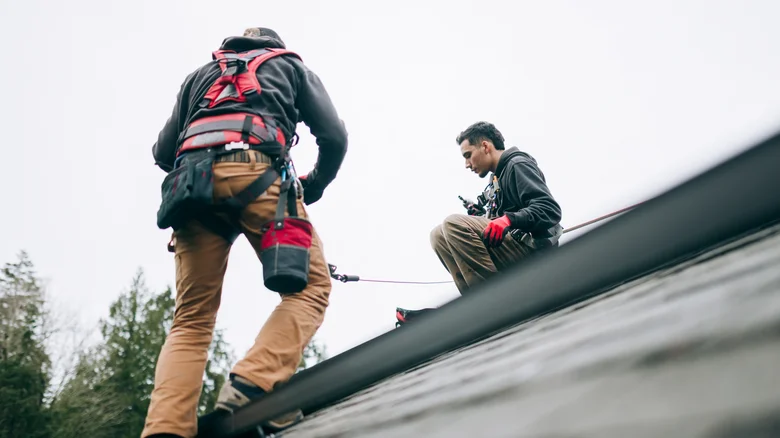
    Workers installing solar panels on a roof.

    The 33 percent rule gives you a good framework for estimating how much power you will produce with solar panels. When thinking about an installation, a good, free first step is to plot the position of the access pathways and ridge setbacks on your roof before choosing any panels. 

    The exercise will show you how much roof space is available for panels, giving you an accurate idea of how many will fit and how much energy they may provide. That information should also help you make other decisions about how to deploy solar panels on your property. If you are working with limited space, you may opt for more expensive, high-efficiency panels that can capture more energy per square foot, while a large roof may be better suited to cheaper, lower-efficiency panels. 

    If you are working toward a target energy output, you should also consider the 20 percent rule for solar energy setups, a rule of thumb that recommends you size your system to produce 20 percent more than your household typically uses.

    Once you determine how much available space you have and what efficiency your solar panels will provide, you can make a more accurate estimate of how much power you should expect your panels to deliver. Along with estimates of panel degradation and replacement, this information should show whether the project makes financial sense.

    does News percent rule What
    Follow on Google News Follow on Flipboard
    Share. Facebook Twitter Pinterest LinkedIn Tumblr Email Copy Link
    myappsplus
    • Website

    Related Posts

    TCL NXTPAPER displays look amazing, and they’re up to 38% off right now

    November 28, 2026

    Telegram issues security warning to iPhone users running older iOS versions

    November 28, 2026

    The most important Gemini security settings you should probably be using

    November 28, 2026
    Add A Comment
    Leave A Reply Cancel Reply

    Top Posts

    The pros and cons of using your phone as a mobile hotspot

    November 16, 202651 Views

    UiPath Launches AI Coding Agent, Integrates Claude Code and Codex to Target Development Automation

    November 16, 202646 Views

    Announcing Artificial Analysis Intelligence Index v5

    October 28, 202639 Views
    Latest Reviews

    I’ve seen 2027’s new robot vacuums — here are 3 major trends set to level-up their cleaning, from drop-down suction boosters to… steam?

    myappsplusSeptember 13, 2026

    Rest your new AirPods 5 with wireless charging case on this sleek charger for $18 (Reg. $25)

    myappsplusSeptember 13, 2026

    69% K8s Spend Cut [2026]

    myappsplusSeptember 13, 2026
    Stay In Touch
    • Facebook
    • YouTube
    • TikTok
    • WhatsApp
    • Twitter
    • Instagram

    Subscribe to Updates

    Get the latest tech news from FooBar about tech, design and biz.

    Most Popular

    How to watch Great North Run 2026: Live stream online from anywhere for FREE

    September 13, 20260 Views

    The first images of Meta’s Project Phoenix mixed reality headset have leaked — and there’s a reason it’s so thin and light

    September 13, 20260 Views

    Why your Roku keeps randomly turning off (and how to fix it)

    September 13, 20260 Views
    Our Picks

    Black Friday’s hottest new shopper? Artificial intelligence.

    November 28, 2026

    Black Friday kitchen deals: huge savings all weekend on Ninja, De’Longhi, Breville, and KitchenAid

    November 28, 2026

    Here Are the Best Apple Black Friday Leftover Deals You Can Get Today

    November 28, 2026

    Subscribe to Updates

    Subscribe to our newsletter and get the latest tech news, app updates, AI trends, smartphone reviews, and exclusive deals delivered straight to your inbox.

    Facebook X (Twitter) Instagram Pinterest
    • About Us
    • Get In Touch
    • Disclaimer
    • Privacy Policy
    • Terms & Conditions
    © 2026 MyAppsPlus. All Rights Reserved.

    Type above and press Enter to search. Press Esc to cancel.