

Affiliate links on Android Authority may earn us a commission. Learn more.
The Galaxy S27 Ultra camera leak has me worried Samsung learned nothing
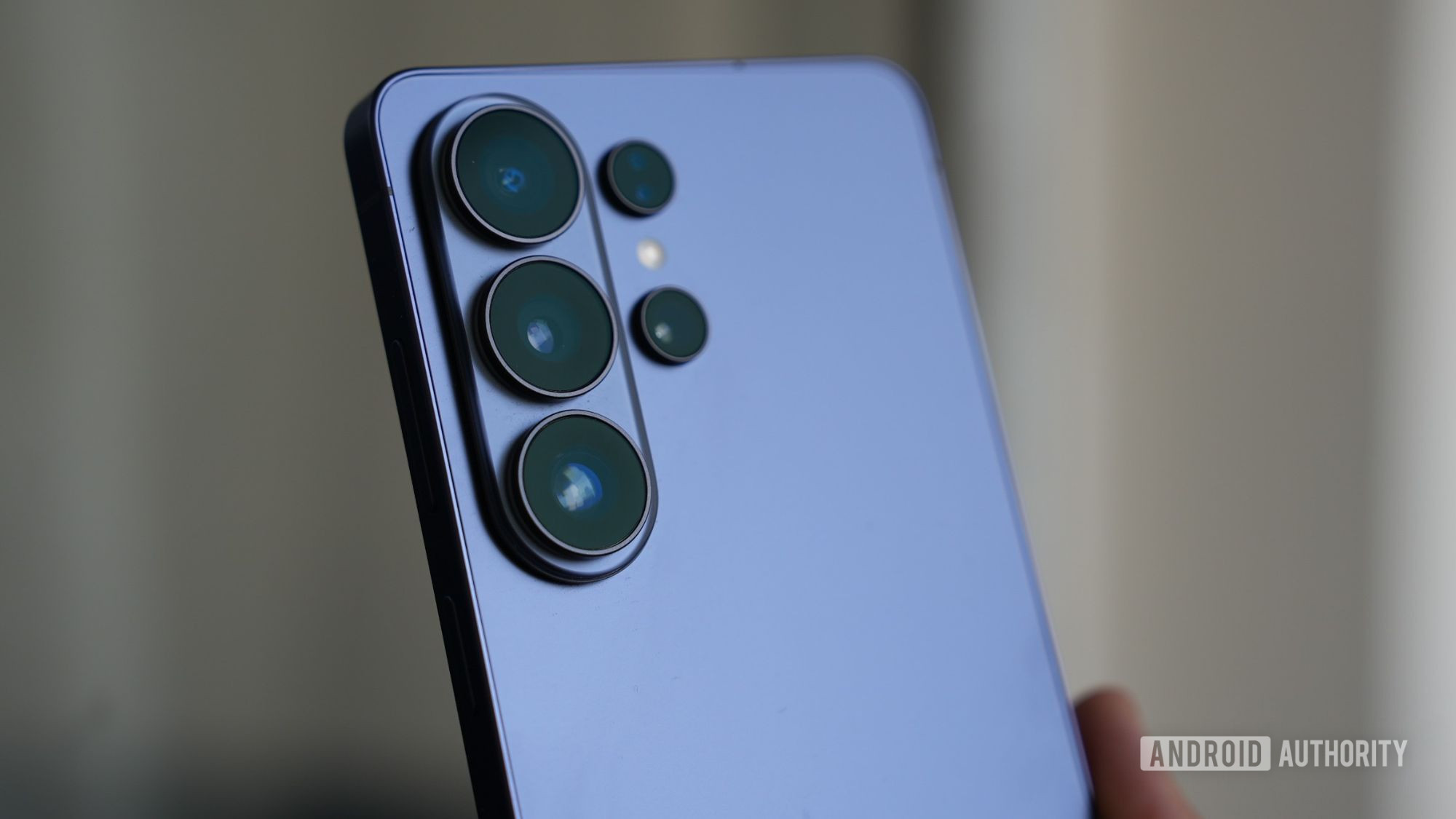
Samsung is still putting its best 200MP camera behind the wrong lens.
By
•
•
•
Shimul Sood / Android Authority
Add Android Authority on Google:
Preferred SourceGoogle Discover
The latest Galaxy S27 leak revealing all the camera sensors has me doing a double take. Haven’t we seen this all before? According to the latest report, the Galaxy S27 and S27 Plus are set to feature identical camera hardware to their predecessors, meaning the same tiny ultrawide and zoom cameras that keep these phones passable but far from taking on the best in the market.
The rumored Galaxy S27 Pro will aim a little higher, sporting a 200MP ISOCELL HP6 main camera and a 50MP JN3 or IMX855 ultrawide. However, it’s still expected to rely on a relatively small 10MP 3x camera for zoom. It’ll be a step up from the baseline models, but certainly won’t make it a true Ultra-tier camera phone.
Then there’s the Galaxy S27 Ultra. Samsung’s supposed camera powerhouse will reportedly share the Pro’s main and ultrawide setup, but swap the 3x telephoto for a 5x variant, backed by a powerful 50MP Sony IMX855 or Samsung S5KJN3 sensor. That’s right: we’re potentially looking at a “downgrade” from four cameras to three this year. For phones that are sure to cost upwards of $999, with the Ultra almost certainly hitting $1,200 or more, these upgrades feel like the bare minimum. Worse still, they leave Samsung worryingly exposed to brands that are pushing ahead with far more capable camera hardware.
| Galaxy S27 | Galaxy S27 Plus | Galaxy S27 Pro | Galaxy S27 Ultra | |
|---|---|---|---|---|
| Main | Galaxy S2750MP: Sony IMX955 or Samsung S5KGNG | Galaxy S27 Plus50MP: Sony IMX955 or Samsung S5KGNG | Galaxy S27 Pro200MP: Samsung ISOCELL HP6 | Galaxy S27 Ultra200MP: Samsung ISOCELL HP6 |
| Ultrawide | Galaxy S2712MP: Sony IMX564 | Galaxy S27 Plus12MP: Sony IMX564 | Galaxy S27 Pro50MP: Samsung ISOCELL JN3 or Sony IMX855 | Galaxy S27 Ultra50MP: Samsung ISOCELL JN3 or Sony IMX855 |
| Telephoto | Galaxy S2710MP 3x: Samsung S5K3K1 | Galaxy S27 Plus10MP 3x: Samsung S5K3K1 | Galaxy S27 Pro10MP 3x: Samsung S5K3LD | Galaxy S27 Ultra50MP 5x: Samsung ISOCELL JN3 or Sony IMX855 |
| Selfie | Galaxy S2712MP: Samsung S5K3LU or Sony IMX874 | Galaxy S27 Plus12MP: Samsung S5K3LU or Sony IMX874 | Galaxy S27 Pro16MP: Samsung S5K2P5 | Galaxy S27 Ultra16MP: Samsung S5K2P5 |
As a bit of a camera buff, I’ve been hoping for more from Samsung for years now. For starters, its old 10MP 3x telephoto approach should have been retired long ago. The Pro’s rumored zoom sensor, the S5K3LD borrowed from the S26 Ultra, remains tiny at just 1/3.94 inches across. That means small pixels that struggle to keep noise at bay when lighting conditions deteriorate. Likewise, the relatively modest resolution leaves little room for retaining detail when extending the zoom or cropping into distant subjects.
I recently compared Samsung’s tiny telephoto lens for portrait photography, confirming that this setup really struggles in low light when compared to bigger sensors. Our time with the Samsung’s two more affordable flagships also revealed their weakness for long range zoom. While it’s obviously better than nothing, Samsung’s obsession with this form factor will severely limit the Galaxy S27 Pro’s versatility.
I’ve been regularly let down by Samsung’s 3x and 5x zoom cameras.
Speaking of portrait photography, this brings us to another significant problem hidden in the Galaxy S27 Ultra rumors: dropping the 3x camera means losing a dedicated portrait lens. Just like Google’s Pixel and Apple’s iPhone series, there’s a substantial focal-length gap between the main camera (typically around 23mm) and a 5x telephoto (typically around 105mm). The phone then has to bridge that gap using digital crops and software upscaling. The result is greater reliance on computational processing rather than the natural bokeh and detail you’d get from a dedicated lens.
There’s another issue with this approach. A typical 23mm focal length can make faces look narrower (depending on shooting distance), while 105mm produces a very different perspective. Modern phones, including the Pixel and iPhone, manage to produce reasonably flattering portraits by using a default 2x crop that encourages users to step back, but this still represents a compromise. For natural-looking, high-end headshots, a focal length somewhere between 35mm and 60mm is generally preferable, with 3x telephoto lenses typically landing just beyond that range at around 70mm.
Of course, Samsung wants to prioritize a 5x camera on its Ultra phone for long-distance shooting. The reasonably large JN3/IMX855 sensor, combined with 50MP of resolution, should allow the phone to comfortably reach 10x zoom and potentially a little further in good lighting. Paired with crops from the large 200MP main camera, perhaps Samsung believes it has everything covered. But having spent extensive time testing recent Pixel, iPhone, and Galaxy flagships that all use some variation of this formula, I think Samsung is missing a trick. It should be putting that 200MP sensor on the zoom lens instead.
What do you think about the Galaxy S27 camera rumors?
Rivals are building smarter cameras
Andy Boxall / Android Authority
The solution to delivering compelling portraits, excellent low-light performance, and long-range zoom capabilities is simple in theory: move that 200-megapixel behemoth of a sensor from the 1x main camera to the 3x telephoto position. Granted, there are technical and spatial challenges involved in pairing very large sensors with longer focal lengths, but Samsung’s engineering team should be able to master them. After all, this technology has now been widely adopted by Chinese Ultra and Pro Max flagships.
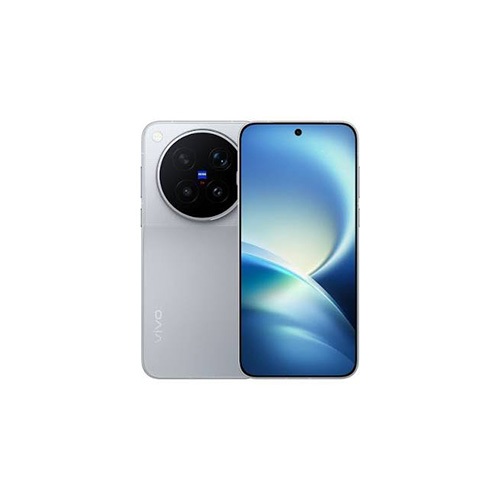
This trend really gathered momentum in 2025 and has become a defining feature of many of the best camera phones over the past two years. Xiaomi’s Ultra, OPPO’s Find X, vivo’s X series, and others have embraced broadly similar technology, earning widespread praise for their improved versatility and image quality at a distance. There’s less need for artificial upscaling and AI tricks when the camera can deliver the detail natively.
Samsung is still putting its best 200MP sensor behind the wrong lens.
I now spend far more time shooting with and cropping into these large 200MP telephoto cameras than I do using a traditional main camera. I can get closer, better-framed shots with generous helpings of sumptuous natural bokeh. Having spent years shooting with a mirrorless camera, I’m increasingly finding that these phones allow me to leave it at home without worrying about missing a great shot.
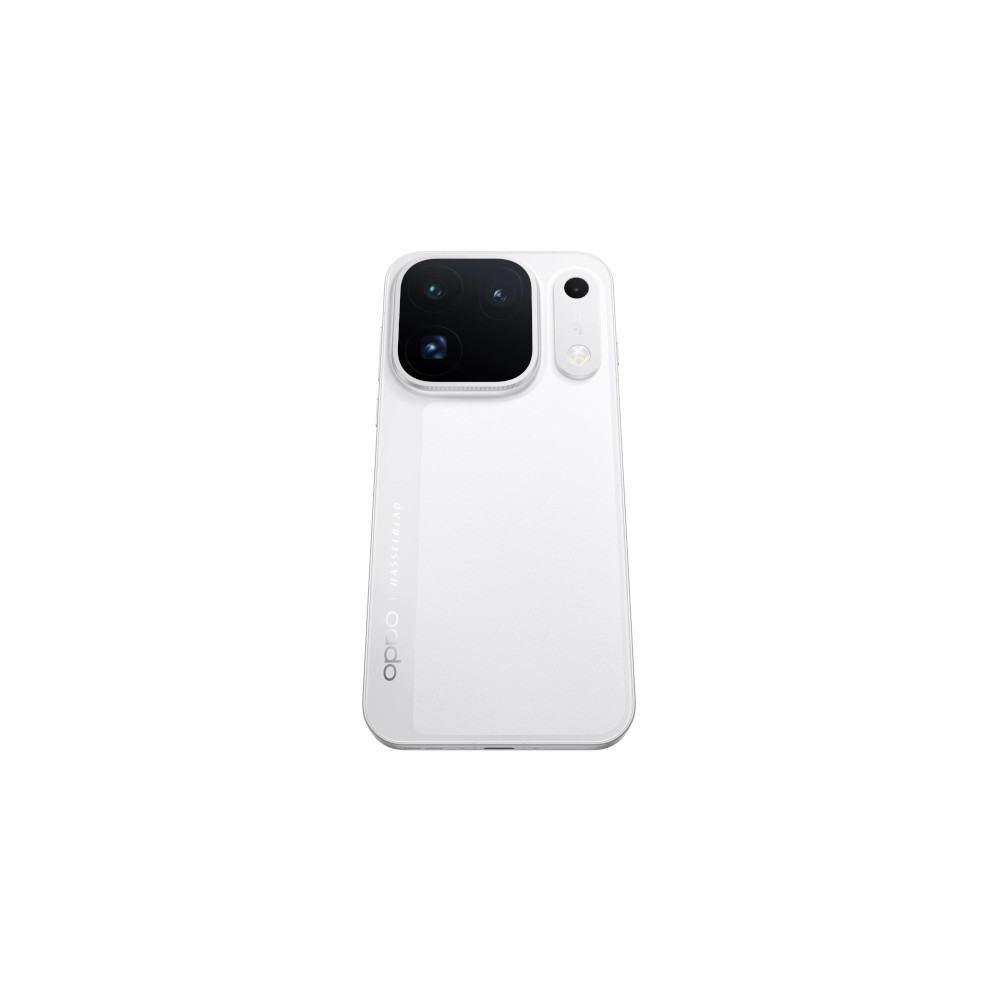
You can check out some results below from early 2026’s OPPO Find X9 Ultra, a formula that OPPO has only improved upon by moving to triple 200MP camera in the new Find X10 Pro Max. In fact, we compared the new OPPO against the Galaxy S26 Ultra and it handily beat Samsung’s best in virtually every category.
I’m not suggesting Samsung needs to push the boat out quite as far as adopting three 200MP sensors. But putting bigger, better sensors where they really matter would be a far bigger game-changer for the brand. There’s a growing gap between Samsung’s increasingly stagnant camera setup and the systems that are emerging as the new leaders in mobile photography. The Galaxy S27 Ultra doesn’t look set to close that gap in any meaningful way.
Granted, phones like the Find X10 and vivo X500 series are pushing ahead with outrageous camera powerhouses with prices that few consumers will be willing to pay. However, these brands are also bringing very similar capabilities down to more mainstream price points. The regular OPPO Find X10, for instance, costs £1,149 in the UK, making it a couple of hundred pounds cheaper than the Galaxy S26 Ultra.
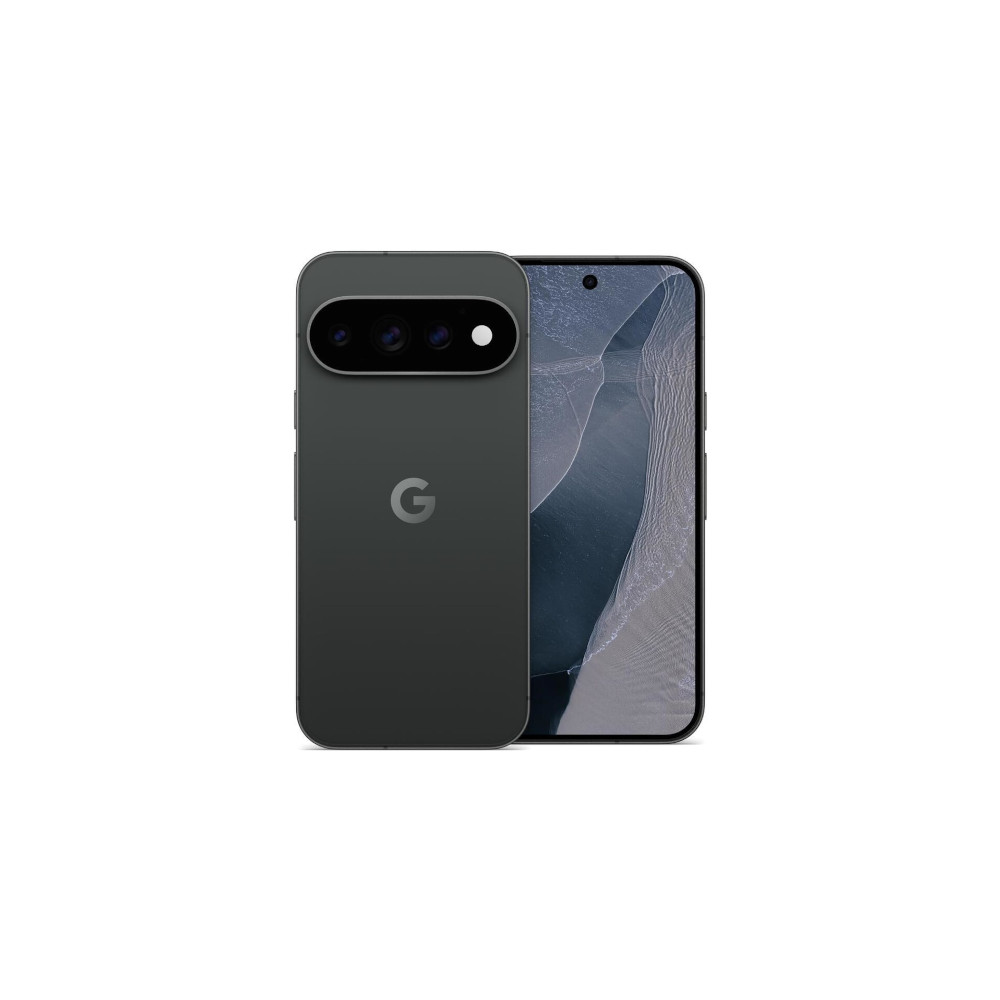
If you’re in the market for a new top-tier camera phone right now, I wouldn’t wait for the Samsung Galaxy S27 Ultra. You’ll be almost just as well served by the current Galaxy S26 Ultra, if you’re looking to remain in Samsung’s camp. Alternatively, you could switch to the Pixel 11 Pro/XL or even the iPhone 18 Pro Max and get results that are likely to be very comparable to what Samsung appears to have planned for next year. These phones offer similarly capable hardware, so the decision ultimately comes down more to image processing preferences than to whether a phone has a particular combination of three or four cameras.
However, if you’re looking for a really cutting edge photograph experience, you’ll have to turn to China. The aforementioned phones in this article really are starting to pull away from the US name brands, and I wouldn’t hesitate to grab one if you can.
6%off
OPPO Find X10 Pro MaxAmazing triple cameras
Multi-day battery life
Impeccable design
See price at AmazonSave€119.46
See price at Amazon
vivo X500 Pro MaxOne of the best all-round camera flagships
Bright LTPO AMOLED that’s easy on the eyes
Powerful 2nm hardware
See price at AmazonVivo X500 Pro Max
See price at Amazon
Google Pixel 11 Pro XLExcellent cameras
7 years of Android updates
Built-in magnets with Qi 2.2
See price at Amazon
Features
SamsungSamsung GalaxySamsung Galaxy S27
