

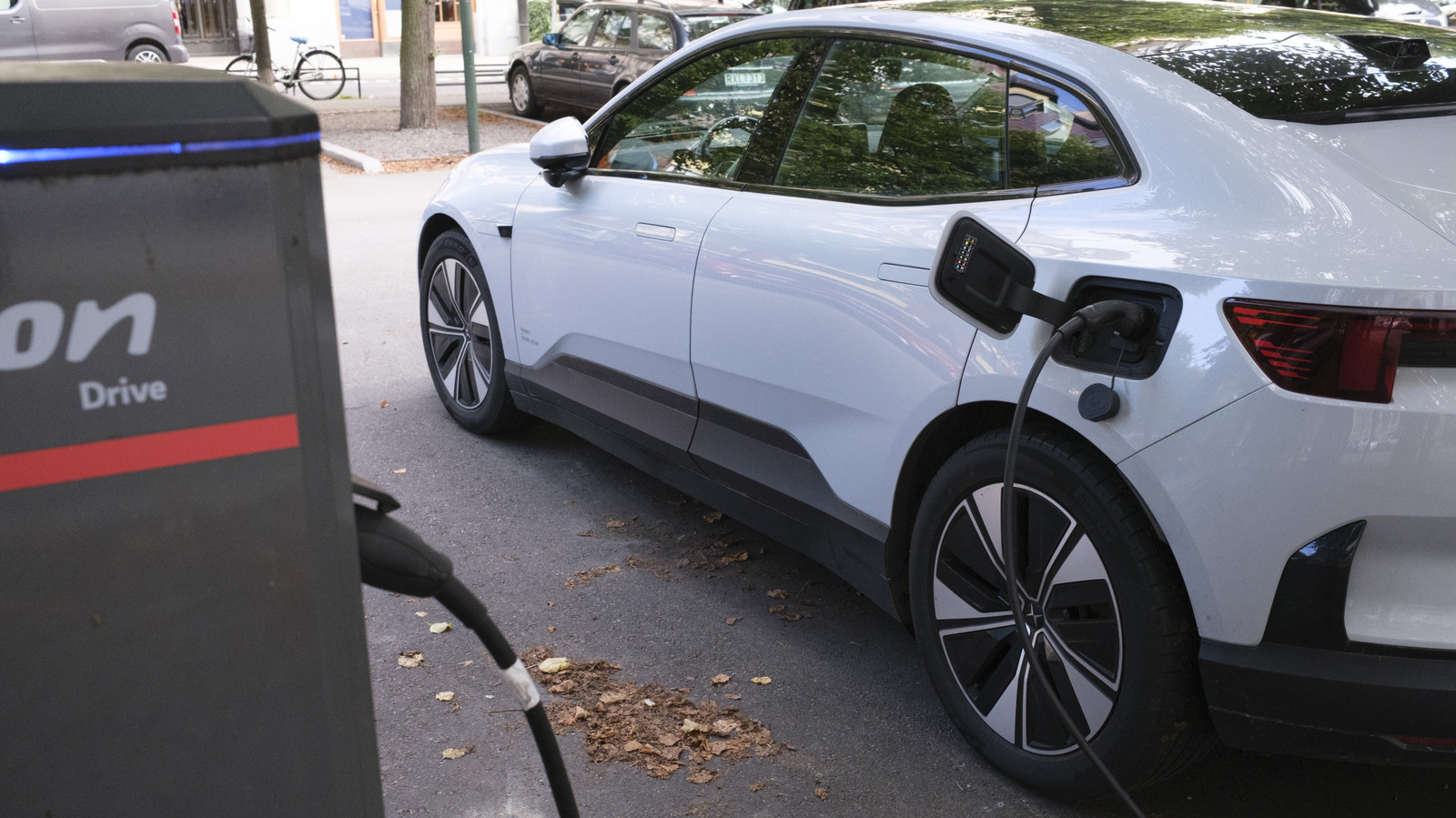
Simple limits and slower charges could make an instant difference.
Although EVs are still pricier than they should be, once you’ve gone electric, it’s hard to go back. They’re quieter than combustion engines, cost less to maintain, and most importantly, electricity is a lot cheaper than gas. Many drivers can charge at home, although battery capacities have evolved past the point where you can (realistically) top up using the same outlet you use for your Shop-Vac.
Something auto dealers don’t prepare you for is the necessity of treating your car like a smartphone. If you want to maintain reasonable range several years down the road, you shouldn’t just charge however you feel like it. Abusing a car’s battery can legitimately mean the difference between making an intercity trip in one shot or having to stop halfway for safety’s sake.
Ideal practices boil down to what percentages you should charge at, what temperatures are acceptable, and when it’s okay to use high-speed Level 3 charging. You don’t need to be rigid about them. Avoiding bad habits, however, can certainly pay off in the long run.
EV charging habits you need to avoid
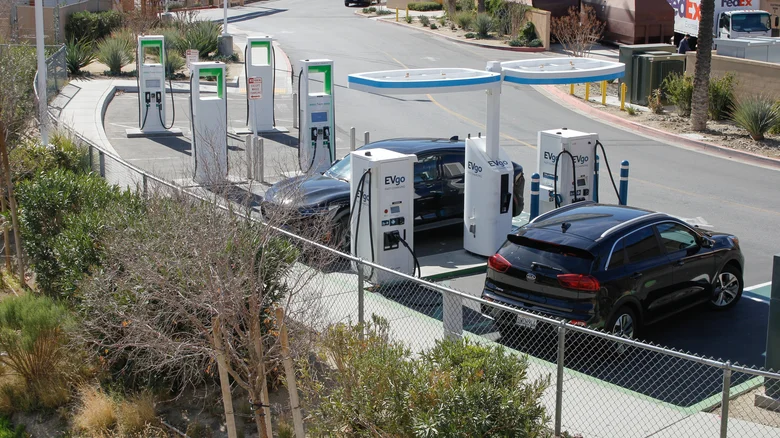
The easiest habit to ditch is charging to 100 percent every time. There are plenty of circumstances in which a full charge is unavoidable, say if you’re working at a remote job site, or heading out on a cross-country trip. If possible, however, lithium iron phosphate (LFP) batteries should only be fully topped up once per week, while nickel manganese cobalt (NMC) systems should be left around 80 to 90 percent most of the time. You’ll need to research what sort of battery your car is equipped with. The good news is that modern EVs and chargers let you set fixed percentage caps, so there’s no need to constantly check the state of charging on your phone.
When in doubt, try to keep your car between 20 and 80 percent , as running on fumes (sparks?) is also harmful to longevity. There’s a convenience benefit to holding at that 80 percent limit, too — beyond that point, charging is usually throttled dramatically, so there’s no point waiting if you’re not on a really long trip.
Next, let’s talk temperature. You’re probably already aware of the need to precondition a battery before charging in the cold, since frigid temperatures make charging inefficient. Worse than that, however, is charging in high heat, meaning temperatures approaching 104 Fahrenheit (40 Celsius). That can actively accelerate degradation. Avoiding that is a challenge in places like Texas or Arizona, yet some workarounds include early morning or overnight sessions, or simply charging in a garage space. When you return home from a long trip, let your car settle down for a while before plugging in.
Last but hardly least is avoiding Level 3 chargers — or DC fast chargers — unless you’re on the road, low on charge and can’t afford to wait a few hours, assuming a Level 2 charger is even available. While the long-term degradation caused by Level 3 systems appears to be minor, it’s not insignificant. You are after all pumping dozens or hundreds of kilowatts into your battery, and that generates a lot of waste heat. There’s only so much an EV can do to keep itself cool.
How else to stretch battery health
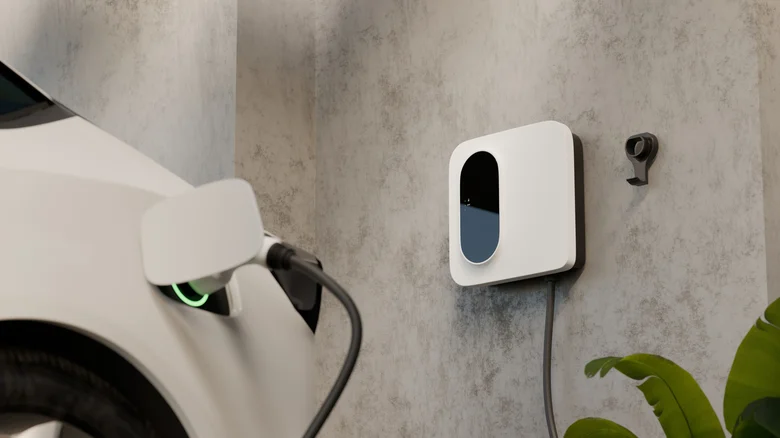
It’s obvious when you think about it, but one of the best things you can do is minimize how hard you drive your car. All EVs have a finite number of full (0 to 100 percent) charge cycles, typically between 1,000 and 2,000. You’re inevitably performing fractional charges — nevertheless, the fewer times you have to charge your battery, the longer it’s going to operate, and stay closer to its original capacity. Stick to speed limits using cruise control, and use your car or phone’s EV routing options to pick maximally efficient routes.
It’s also wise to keep your vehicle sheltered from the elements. Batteries have an optimal temperature even at rest, and when it’s time to get going, a vehicle closer to the sweet spot (68 to 86 Fahrenheit, or 20 to 30 Celsius) will either spend less energy on preconditioning or suffer less if you have to leave immediately. While not everyone has access to a garage or carport where they park, relocating to the shade or out of the wind could make a difference. In hot climates, you may need to stick a reflective visor in your windshield.
Remember again that you shouldn’t stress about stepping outside the bounds of these rules. EVs are meant to be driven, and designed to withstand most of what you throw at them. Their battery health won’t collapse if you charge to 100 percent twice per week. If you do push them to the limit, it’s going to be several years before you lose a noticeable amount of mileage.
